Survival

Survival


Survival

Colin Austin © 14 March2024 This document is published under the Creative Commons system which means that it can be copied and republished without further permissions but the author Colin Austin @ gbiota.com must be recognised.

Humans, the great survivors

Humans are the great survivors. We are the dominant species on Earth, spreading across the globe to every corner of the Earth that is vaguely habitable.

Now we are under threat, what could possibly be a threat to this great survivor species? To answer that we have to ask what makes us so good at surviving.

We are not naturally well equipped, we don’t have big teeth or claws like a tiger, we cannot run fast like an antelope and we don’t even have the reaction time of a fly.

Yet I can walk down Bundaberg main street, I am not attacked by a tiger but I could easily be killed by another human being. Not with a knife in some desperate attack but by the driver of a car, not intentionally but either me or the driver not paying attention.

The danger of the unintended error.

That is the big threat, humans just not bothering to pay attention, killing each other or even the entire species.

And what is this great threat that will kill us? Not the atomic bomb, not some local conflict spreading from Ukraine or Gaza to World War 3 but something as simple as friendly as food.

But first, why have we been so good at the survival game?

What makes humans so good at surviving?

Intelligence and cooperation.

All creatures have some form of control system so they search for food, and run away from danger.

But humans have an intelligent control system, far superior to any animal. It regulates every action in our bodies, it has sensors throughout the body that receive information, either by chemicals or electrical signals, processes this information, just like a computer processes information, then sends out action signals.

Air

We need air to breathe, if we are short of oxygen our bodies sense this and send out signals telling our lungs to breathe faster and our heart beats faster to distribute the oxygen.

Our immune system

Every time we breathe we suck in air which will certainly contain some microscopic life that could kill us, yet this is examined by our immune system, and the results reported to our intelligent control system which then decides whether this is a threat, and if the answer is yes, sends signals to our immune system saying ‘deal with this one’.

This happens so automatically we don’t even think about it, but it does not just happen, it is the result of our intelligent control system working so well that we are just not aware of it.

Temperature

This happens with every bodily function, think about temperature.

Our bodies only work over a very limited temperature range, if it gets to cold our intelligent control system sends our signals to shut down the blood flow to our extremities so we lose less heat, our fingers may turn white and we will burn more energy to create heat, shivering and flapping our arms about.

Food

Now think about food, in our affluent Western lifestyle we have breakfast, lunch, and dinner with maybe snacks in between. We don’t think about it much, we just do it, largely out of habit.

But we have two levels of thought, the conscious one saying choosing steak or fish or even vegetarian but then there is the subconscious thinking by our intelligent control system - which is much more intent.

Let us have a look at what is going on under the bonnet with an intelligent control system.

Self-learning

As soon as we are born our gut-brain starts going through a learning process.

We hear a lot these days about artificial intelligence which needs to go through a process of learning and when it is adequately trained can make quite remarkable predictions. When I have finished writing this I will run it through an AI program to check for all those typos and grammatical errors everyone makes.

But it won’t check for any illogical thinking, it takes a human brain to do that.

Human bodies have been using a much superior form of artificial intelligence for many thousands of years.

How our intelligent control system works

It is amazing that the most important system in our bodies, our intelligent control system does not have a proper name, the nearest is homeostasis but that does not describe what it does, so I call it simply our gut-brain.

Our gut-brain works just like AI Artificial Intelligence, except it has real intelligence from our head brain.

Whenever we eat our gut-brain learns. It understands that we need food to provide energy, food to grow or replace our body parts as they age, and food for our gut-brain itself.

If we are short of a particular essential nutrient, some phytonutrient or mineral like zinc, and we eat a food that provides that missing nutrient our gut- brain learns and remembers this, so when we are short of that specific nutrient again, it sends us signals making us crave that particular food.

Baby

Baby will start to hunt around to find something to suck on, hopefully find mum’s breast and have a good feed.

You may say that is just instinct, but it is not. We come pre-prepared with genes from our Mum and Dad which forms part of our intelligent control system, and that part says suck.

If sucking feels good, then the baby will continue sucking.

But breast milk, in addition to containing babies food also contains another mystery substance. That mystery has now been solved as it is food for the baby’s gut biota.

The baby acquires microbes from mum during birth (hopefully) but microbes have a short life so it was essential to develop a system of feeding them.

Solution - put microbe food into breast milk.

Designing the gut

If someone were designing the human body from scratch they would quickly see the need for a gut, with microbes to process the food to make it bio-available to the body.

It is not obvious, at first, that the gut should become a second brain. But with a little thought, the benefits are obvious. The gut is where we receive our food, which until very recently was contaminated with many harmful microbes - germs.

So making the gut a centre for the immune system makes perfect sense. But the immune system needs an intelligent controller, at a minimum to decide which microbes are beneficial and which are harmful and need dealing with.

Intelligent control systems are common in nature, bees, ants, and slime moulds which have intelligent control systems, existed long before humans came on the scene. They are based on the ability of microbes to communicate with each other to form an intelligent system.

The microbes already existed in our food so it was natural that we should develop a second intelligence system in our gut.

We were lucky that the designer, in this case, nature, linked the two intelligence centres together so they worked as an integrated system.

How can nature be so clever?

Our intelligent control system is one of the wonders of the world so how did it develop?

It did take a long time, something like a billion years but time is not enough - it needed something else.

I am in the innovation business so I have to learn how innovation happens. It is not the nice logical process that is normally projected. See Innovation.

If I wanted to give it a posh name I would try something like beneficial variable randomised events but I am not into posh names so I better name would better names would be ‘stuff up’ or ‘mistakes’.

Why we need sex

This is how nature develops such amazing systems and why we need sex.

There are a few creatures that reproduce without sex, stick insects are a common example. The offspring are just like their parents and their offspring will be just like them. That is the way it is and will go on for maybe millions of years.

To develop and change we need variability. Look at all the couples you know, some will be very similar - same ethnicity, social background, and physical characteristics while others will be very different, particularly of different races and colour. Why? Because it is natural to pick a partner that will bring diversity to the offspring.

Darwin may have been a great scientist but his ideas show how totally cruel natural selection is. Create diversity and some offspring will not be successful and die out, which is cruel, while others will evolve into future generations which are substantially different.

The species will survive

I choose the words in my opening remarks carefully. I very much doubt that humans will become extinct due to some unintended error. A nuclear war could be touch and go, but the amount of energy released by the meteor crashing into the earth that led to the extinction of the dinosaurs was much greater than our atomic bombs.

But some creatures survived and evolved into a new spectrum of creatures - including us. When I find the keys to my time machine, which being old I have misplaced, I will zap forward a million years and expect to find some version of humanity existing.

Some will survive even the worst disaster and breed to create new versions of the human species.

What I worry about is humans committing some unintended error which results in my great-grandkids being exterminated.

Unfortunately, it is not a question of if we commit an unintended error - the combination of climate change and destruction of the microbiology in our top soils will lead to widespread deaths of a significant proportion of the population.

Why I am so sure?

Because it is happening right now. When I was a kid people died predominately from infectious diseases. The figures are startling, three out of five babies born would die from an infectious disease before the age of 5, and another would die in the teens but admittedly not primarily from infection. Young boys do daft things and kill themselves.

Now we have made major improvements in the technology of combating infectious diseases.

In some areas the Black Death wiped out half the population, we had absolutely no defence against it other than primitive isolation.

Covid, bad as it was (or is), did not wipe out people on anywhere near that scale.

We are now suffering from an epidemic of chronic diseases, the scale is vast. In some areas two-thirds of the population are overweight, 8 million people a year have a limb amputated from diabetes - the fastest growing disease of all, heart attacks are the most common cause of death, dementia is rampant.

What is the underlying cause?

The underlying cause is simply that we changed our food system so we now no longer feed our gut brain. This is not some devious plot, as thought by the conspiracy theorist, but a simple unintended error with disastrous consequences.

When I was a kid we had little protection against infectious diseases. There were little in the way of vaccines and no available antibiotics. If one kid came down with chicken pox, mumps or measles there would be a party and mum would take us to the party so we caught whatever was going around.

We all knew about germs and anything to avoid germs was automatically good.

Diabetes and other chronic diseases, existed but were rare, certainly not an issue in decision-making.

Swapping infectious diseases for chronic diseases.

Under these conditions producing food that was germ-free, and probably cheaper was considered an improvement. In any case, there was no technology available for killing the harmful microbes without killing the beneficial ones.

So we moved from a people getting sick and dying from infectious diseases to one where people got sick and died from chronic diseases.

It may be one of the worst decisions that mankind has made but it was certainly an unintended error.

But if it man made then we can fix it.

If we get fat and sick it is not simply because we eat too much, it is because we are not feeding our gut brain the right food so it tells us to eat too much, then we get fat and sick.

We just have to learn how to grow gut-brain food with the beneficial microbes but without the harmful microbes.

Now we have defined the problem it has been relatively easy to solve.

The two-stage fix - first information

Before we can make physical changes there must be wide-spread public education about the importance of the gut-brain, how it works, and that we need to feed it.

Modify our diet

We don’t need to make massive changes to our diet, the bulk of the food we eat is simply burned off as energy food and our current food system does an effective job of supplying energy food.

We do need to start eating gut-brain food. That is not difficult - it simply means breeding beneficial microbes in organic waste, adding essential minerals, and growing plants that are eaten fresh.

We just need to create the conditions where the beneficial microbes out compete and out breed the harmful microbes (see Rethinking food and Diabetes)

Fresh is an issue. The beneficial microbes have a short life and die within a short period after picking. You often hear how much tastier food that has just been picked is. That is not some fluke, the beneficial microbes are alive and well.

People with a garden can readily grow gut-brain food, with a little instruction.

But nowadays the majority of people live in apartments or large houses with small blocks so there is no real space for growing.

That is why I developed the Gbiota box system - so people living in an apartment with no growing experience could have fresh gut-brain food growing at home.

Colin colin@gbiota.com

Loading

Survival

Map

I am busy working on this post which aims to direct readers to the most appropriate page

Last updated 15 March 2024 with list of all files and list of recent files about growing- at bottom of this post

The number of articles on this web has grown to over 260 and the number of videos to 135. This is so much information that it is overwhelming and difficult for readers to find the information they need.

I understand I need to start organising this information better by breaking it up into groups and subgroups.

I usually don’t touch a post after it has been written as people never know what has changed. This post Map is totally different, it is a dynamic post which I will probably be changing most days.

Creating sub-groups

The biggest issue seems to be that many members have decided they want to make Gbiota beds or boxes and are looking for instructions on how to make and manage them.

I already have a section of growing but this is still massive so I need to break this down into subgroups.

For example, there are three distinct categories of growers.

- home growers with a garden who want to make both Gbiota beds and boxes

- people living in an apartment who just want to make boxes and recycle all their waste to make Wickimix (Gbiota soil)

- people living in an apartment who just want to buy a box already planted and just need to know about watering

- growers who create Wickimix and boxes to supply to apartment dwellers

All of these groups need to know about how to water Gbiota beds and boxes and the principles are the same for all groups. They all need to know about avoiding the soil blood (water full of nutrients and microbes) becoming stagnant and going putrid and how flood and drain breathes the soil.

Some members would like to know about how water moves through the soil and want to learn more about wicking, osmosis, tensile strength of water, diurnal cycles etc. while others are just not interested and don’t want to be bamboozled by a lot of unnecessary information.

This meant that the Growing section can be broken down into at least six separate sections.

Reorganising all this information is my current project which will take some time.

Important

But you can help me work out these subgroups. All you have to do is email me at colin@gbiota.com describe your situation so I can see if you fit into one of the above categories and what you want to know. Then I can refer you to the appropriate posts (or write a new one if needed).

This helps both of us, it helps me to work out what categories I need and you get the links to the appropriate articles.

Oh if your name happens to be Elon Musk I have no ideas about setting up Gbiota boxes on Mars.

Looking forward to hearing from you.

In the mean time you may like to look at some of these posts.

Colin

List of all files - latest first

https://www.gbiota.com/2024/03/14/survival-2/

https://www.gbiota.com/2024/03/12/map/

https://www.gbiota.com/2024/03/11/newsletter-11-march-2024/

https://www.gbiota.com/2024/03/06/letter-to-obesity-centre/

https://www.gbiota.com/2024/03/03/innovation-and-managing-ignorance/

https://www.gbiota.com/2024/02/28/learning-plan/

https://www.gbiota.com/2024/02/26/rethinking-food-and-diabetes/

https://www.gbiota.com/2024/02/19/support-our-gut-health-movement/

https://www.gbiota.com/2024/02/19/diabetes-start-with-the-soil/

https://www.gbiota.com/2024/02/14/the-gbiota-project/

https://www.gbiota.com/2024/02/05/growers-and-gut-biota/

https://www.gbiota.com/2024/01/31/recycle-to-survive/

https://www.gbiota.com/2024/01/28/learning-experience/

https://www.gbiota.com/2024/01/26/become-a-gbiota-supplier/

https://www.gbiota.com/2024/01/21/help-wanted-with-digital-marketing/

https://www.gbiota.com/2024/01/19/creating-change/

https://www.gbiota.com/2024/01/18/prevention-better-than-cure/

https://www.gbiota.com/2024/01/18/health-starts-in-the-soil-5/

https://www.gbiota.com/2024/01/18/support-plastic-sheeting/

https://www.gbiota.com/2024/01/18/support/

https://www.gbiota.com/2024/01/18/prevention-better-than-cure/

https://www.gbiota.com/2024/01/18/health-starts-in-the-soil-5/

https://www.gbiota.com/2024/01/18/support-plastic-sheeting/

https://www.gbiota.com/2024/01/17/solving-the-food-crisis/

https://www.gbiota.com/2024/01/13/the-best-pro-biotic-ever/

https://www.gbiota.com/2024/01/09/11396/ (Food matters)

https://www.gbiota.com/2024/01/06/hello/

https://www.gbiota.com/2024/01/05/gbiota-101/

https://www.gbiota.com/2024/01/03/gbiota-overview-2024/

https://www.gbiota.com/2023/12/27/try-it-2/

https://www.gbiota.com/2023/12/27/true-brain/

https://www.gbiota.com/2023/12/27/fire-and-food/

https://www.gbiota.com/2023/12/27/conflict-and-aggression/

https://www.gbiota.com/2023/12/27/modern-epidemic/

https://www.gbiota.com/2023/12/27/help-me-help-you/

https://www.gbiota.com/2023/12/26/fire-water-and-technology/

https://www.gbiota.com/2023/12/25/fat-and-sick/

https://www.gbiota.com/2023/12/20/health-starts-in-the-soil-4/

https://www.gbiota.com/2023/12/11/try-it/

https://www.gbiota.com/2023/12/08/inoculants/

https://www.gbiota.com/2023/12/06/what-science-tells-us/

https://www.gbiota.com/2023/11/20/gbiota-soil/

https://www.gbiota.com/2023/11/17/about-gbiota-2/

https://www.gbiota.com/2023/11/16/tribox-story/

https://www.gbiota.com/2023/11/15/survival/

https://www.gbiota.com/2023/11/12/gbiota-meaning/

https://www.gbiota.com/2023/11/11/invisible-extinction/

https://www.gbiota.com/2023/11/08/gbiota-intro/

https://www.gbiota.com/2023/10/29/gbiota-biobox-practise/

https://www.gbiota.com/2023/10/29/gbiota-biobox-theory/

https://www.gbiota.com/2023/10/03/what-plants-to-grow/

https://www.gbiota.com/2023/09/26/why-we-need-to-change/

https://www.gbiota.com/2023/09/22/our-choice/

https://www.gbiota.com/2023/09/20/tribox-how-to/

https://www.gbiota.com/2023/09/18/gbiota-tri-box-intro/

https://www.gbiota.com/2023/09/08/future-of-food/

https://www.gbiota.com/2023/08/24/gbiota-easy-2/

https://www.gbiota.com/2023/08/21/good-men/

https://www.gbiota.com/2023/08/17/homeostasis/

https://www.gbiota.com/2023/08/17/gbiota-food-for-health/

https://www.gbiota.com/2023/08/10/how-to-gpots/

https://www.gbiota.com/2023/07/25/diabetes-project/

https://www.gbiota.com/2023/07/25/about-us/

https://www.gbiota.com/2023/07/13/missinformation/

https://www.gbiota.com/2023/07/13/diabetes-gut-food-project/

https://www.gbiota.com/2023/07/12/growing-gut-food-2/

https://www.gbiota.com/2023/06/30/gut-and-diabetes/

https://www.gbiota.com/2023/06/30/qldgov/

https://www.gbiota.com/2023/06/19/newsletter-19th-june-23/

https://www.gbiota.com/2024/01/16/bill-bryson/

https://www.gbiota.com/2023/06/14/gbiota-movement-3/

https://www.gbiota.com/2023/06/08/fat-wrong/

https://www.gbiota.com/2023/06/05/food-waste/

https://www.gbiota.com/2023/06/02/people-over-profits/

https://www.gbiota.com/2023/06/02/real-and-fantasy/

https://www.gbiota.com/2023/05/18/invite-to-medical-research/

https://www.gbiota.com/2023/05/15/lamborghini-and-our-gut/

https://www.gbiota.com/2023/05/04/the-wickimix-story/

https://www.gbiota.com/2023/04/24/feed-your-brains/

https://www.gbiota.com/2023/04/17/unks-and-ununks/

https://www.gbiota.com/2023/04/09/sues-story/

https://www.gbiota.com/2023/04/09/upgraded-beds-introduction/

https://www.gbiota.com/2023/04/04/upgraded-beds/

https://www.gbiota.com/2023/04/02/new-posts/

https://www.gbiota.com/2023/04/02/welcome/

https://www.gbiota.com/2023/04/02/food-for-gut-health/

https://www.gbiota.com/2023/03/28/the-food-crisis/

https://www.gbiota.com/2023/03/21/chat-with-george/

https://www.gbiota.com/2023/03/19/george/

https://www.gbiota.com/2023/03/13/marys-mini/

https://www.gbiota.com/2023/03/08/the-side-hustle/

https://www.gbiota.com/2023/03/08/it-worked/

https://www.gbiota.com/2023/03/08/frustration/

https://www.gbiota.com/2023/03/02/our-gut/

https://www.gbiota.com/2023/02/27/our-gut-brain-2/

https://www.gbiota.com/2023/02/13/what-is-the-gbiota-project/

https://www.gbiota.com/2023/02/13/what-is-it-all-about/

https://www.gbiota.com/2023/02/01/the-story-of-our-guts/

https://www.gbiota.com/2023/01/10/better-gut-health/

https://www.gbiota.com/2023/01/05/health-starts-in-the-soil-3/

https://www.gbiota.com/2022/12/15/gbiota-bed-update-4-dec-2022/

https://www.gbiota.com/2022/12/11/overview-2/

https://www.gbiota.com/2022/12/07/diabetes-trial/

https://www.gbiota.com/2022/11/14/health-span/

https://www.gbiota.com/2022/11/10/trench-beds/

https://www.gbiota.com/2022/11/02/gbiota-boxes-update/

https://www.gbiota.com/2022/11/01/wwwww/

https://www.gbiota.com/2022/10/31/the-plan/

https://www.gbiota.com/2022/10/24/food-and-floods/

https://www.gbiota.com/2022/10/24/crazy-world/

https://www.gbiota.com/2022/10/21/key-points/

https://www.gbiota.com/2022/10/17/no-dumb-donkeys/

https://www.gbiota.com/2022/10/14/soaker-beds/

https://www.gbiota.com/2022/10/12/in-grounds-beds/

https://www.gbiota.com/2022/10/10/food-for-health-3/

https://www.gbiota.com/2022/10/10/community-food-2/

https://www.gbiota.com/2022/10/05/welcome-to-worm-pooh/

https://www.gbiota.com/2022/10/05/how-gbiota-beds-work/

https://www.gbiota.com/2022/10/04/water/

https://www.gbiota.com/2022/10/03/food-and-the-gut-biome/

https://www.gbiota.com/2022/10/03/prologue/

https://www.gbiota.com/2022/08/22/health-starts-in-the-soil-2/

https://www.gbiota.com/2022/08/16/action-plan/

https://www.gbiota.com/2022/07/19/bit-of-a-mess/

https://www.gbiota.com/2022/07/16/community-growers/

https://www.gbiota.com/2022/07/13/meet-you/

https://www.gbiota.com/2022/07/06/bioboxes/

https://www.gbiota.com/2022/06/30/lettuce/

https://www.gbiota.com/2022/06/29/about-gbiota/

https://www.gbiota.com/2022/05/30/elowyn/

https://www.gbiota.com/2022/05/05/energy/

https://www.gbiota.com/2022/03/31/time-travel/

https://www.gbiota.com/2022/03/28/why-gbiota-boxes/

https://www.gbiota.com/2022/03/22/i-am-a-person-2/

https://www.gbiota.com/2022/03/21/bioboxes-basics/

https://www.gbiota.com/2022/03/16/the-paradigm-shift/

https://www.gbiota.com/2022/03/11/gut-health-4/

https://www.gbiota.com/2022/03/04/home4mar22/

https://www.gbiota.com/2022/01/17/local-gut-food/

https://www.gbiota.com/2021/12/06/get-real/

https://www.gbiota.com/2021/11/25/join-the-gbiota-club-2/

https://www.gbiota.com/2021/11/24/rethink-food/

https://www.gbiota.com/2021/11/19/community-food/

https://www.gbiota.com/2021/11/18/making-soil-in-gbiota-beds/

https://www.gbiota.com/2021/11/13/gut-health-3/

https://www.gbiota.com/2021/11/11/mother-bed/

https://www.gbiota.com/2021/11/08/action-plan-for-gut-health/

https://www.gbiota.com/2021/10/29/gbiota-movement-2/

https://www.gbiota.com/2021/10/27/header/

https://www.gbiota.com/2021/10/15/growing/

https://www.gbiota.com/2021/10/14/getting-started/

https://www.gbiota.com/2021/10/13/gbiota-club/

https://www.gbiota.com/2021/10/12/food/

https://www.gbiota.com/2021/10/08/alice/

https://www.gbiota.com/2021/10/03/ecobalance/

https://www.gbiota.com/2021/09/28/homesep21/

https://www.gbiota.com/2021/09/24/get-started/

https://www.gbiota.com/2021/09/22/gbiota-box-story/

https://www.gbiota.com/2021/09/13/opportunity/

https://www.gbiota.com/2021/09/07/introduction-to-gbiota/

https://www.gbiota.com/2021/09/06/gbiota-boxes/

https://www.gbiota.com/2021/08/27/immune/

https://www.gbiota.com/2021/08/24/delta/

https://www.gbiota.com/2021/08/10/updateaug21/

https://www.gbiota.com/2021/08/03/anthropocene/

https://www.gbiota.com/2021/07/10/overview/

https://www.gbiota.com/2021/07/05/gut-biology-sources/

https://www.gbiota.com/2021/07/05/index/

https://www.gbiota.com/2021/07/02/what-food-does/

https://www.gbiota.com/2021/07/02/food-and-innovation/

https://www.gbiota.com/2021/07/02/principles-of-gbiota-beds/

https://www.gbiota.com/2021/07/02/spreading-the-benefits-of-gbiota-beds/

https://www.gbiota.com/2021/06/21/changing-the-food-system/

https://www.gbiota.com/2021/06/14/community-supported-agriculture/

https://www.gbiota.com/2021/06/02/the-gbiota-story-continued/

https://www.gbiota.com/2021/06/02/making-soil/

https://www.gbiota.com/2021/05/26/the-wicking-gbiota-story/

https://www.gbiota.com/2021/05/11/food-and-becomng-adult/

https://www.gbiota.com/2021/05/05/greta-foodberg/

https://www.gbiota.com/2021/04/13/making-soil-101/

https://www.gbiota.com/2021/04/09/feed-your-gut-brain/

https://www.gbiota.com/2021/03/30/our-gut-brain/

https://www.gbiota.com/2021/03/24/adapting-to-the-food-crisis/

https://www.gbiota.com/2021/03/21/school-garden-project/

https://www.gbiota.com/2021/03/10/health-and-life-span/

https://www.gbiota.com/2021/01/23/videos-2/

https://www.gbiota.com/2020/12/15/aquaponics-by-igor/

https://www.gbiota.com/2020/11/03/making-a-gbiota-bed/

https://www.gbiota.com/2020/10/30/the-essence/

https://www.gbiota.com/2020/10/29/news-flash-30-oct-20/

https://www.gbiota.com/2020/09/26/growing-gut-food/

https://www.gbiota.com/2020/09/10/gbiota-club-how-it-works/

https://www.gbiota.com/2020/09/08/gbiota-easy/

https://www.gbiota.com/2020/09/04/dis-enabling/

https://www.gbiota.com/2020/08/10/eliminating-covid-19/

https://www.gbiota.com/2020/08/07/1848/

https://www.gbiota.com/2020/08/04/intelligent-control-2/

https://www.gbiota.com/2020/07/29/choosing-a-gbiota-smoothie/

https://www.gbiota.com/2020/07/28/sugar-blockers/

https://www.gbiota.com/2020/07/27/alernative-food/

https://www.gbiota.com/2020/07/23/creating-and-alternative-food-system/

https://www.gbiota.com/2020/07/12/history-of-food/

https://www.gbiota.com/2020/07/06/blogs/

https://www.gbiota.com/2020/07/05/nundah-cafe/

https://www.gbiota.com/2020/06/23/wake-up-call/

https://www.gbiota.com/2020/06/01/gbiota-club-introduction/

https://www.gbiota.com/2020/05/20/gbiota-club-home/

https://www.gbiota.com/2020/05/18/about-the-gbiota-club/

https://www.gbiota.com/2020/04/24/home24apr20/

https://www.gbiota.com/2020/04/24/join-the-gbiota-club/

https://www.gbiota.com/2020/04/21/making-soil-work/

https://www.gbiota.com/2020/04/15/qa15april20/

https://www.gbiota.com/2020/04/01/q-and-a/

https://www.gbiota.com/2020/03/30/germination/

https://www.gbiota.com/2020/03/29/quick-gbiota-beds/

https://www.gbiota.com/2020/03/28/fresh-food-revolution-2/

https://www.gbiota.com/2020/03/18/corona-virus-2/

https://www.gbiota.com/2020/03/17/pioneer/

https://www.gbiota.com/2020/03/17/mission-2/

https://www.gbiota.com/2020/03/17/gbiota-movement/

https://www.gbiota.com/2020/03/12/corona-virus/

https://www.gbiota.com/2020/02/28/i-am-a-person/

https://www.gbiota.com/2020/02/28/gbiota-for-gut-health/

https://www.gbiota.com/2020/02/27/power-of-the-cluster/

https://www.gbiota.com/2020/02/27/soil-destruction/

https://www.gbiota.com/2020/02/27/tipping/

https://www.gbiota.com/2020/02/27/aunti-maud/

https://www.gbiota.com/2020/02/27/micro-farms/
https://www.gbiota.com/2020/02/27/health-and-diabetes/

https://www.gbiota.com/2020/02/27/gut-health-2/

https://www.gbiota.com/2020/02/27/health-starts-in-the-soil/

https://www.gbiota.com/2020/02/27/our-intelligent-control/

https://www.gbiota.com/2020/02/27/xiulans-story/

https://www.gbiota.com/2020/02/27/mission/

https://www.gbiota.com/2020/02/27/truth/

https://www.gbiota.com/2020/02/27/guts/

https://www.gbiota.com/2020/02/27/paradigm/

https://www.gbiota.com/2020/02/27/gbiota-beds-manual/

https://www.gbiota.com/2020/02/27/food-for-health-2/

https://www.gbiota.com/2020/02/27/understanding-food/

https://www.gbiota.com/2020/02/27/food-basics/

https://www.gbiota.com/2020/02/27/intelligent-control/

https://www.gbiota.com/2020/02/27/food-for-health/

https://www.gbiota.com/2020/02/27/the-information-age-2/

https://www.gbiota.com/2020/02/27/technology/

https://www.gbiota.com/2020/02/27/blue-zones/

https://www.gbiota.com/2020/02/27/gbiota-green-smoothy/

https://www.gbiota.com/2020/02/27/making-the-change/

https://www.gbiota.com/2020/02/26/why-we-need-the-gbiota-club/

https://www.gbiota.com/2020/02/26/gbiota-food-for-gut-health/

https://www.gbiota.com/2020/02/26/continuous-monitoring/

https://www.gbiota.com/2020/02/26/alternative-food/

https://www.gbiota.com/2020/02/03/rock-dust/

https://www.gbiota.com/2020/02/02/gbiota-health-starts-in-the-soil/

https://www.gbiota.com/2020/01/31/gut-health/

https://www.gbiota.com/2020/01/28/gut-biology/

https://www.gbiota.com/2020/01/27/hello-world/

Loading

Survival

Newsletter 11 March 2024


Gbiota Newsletter

11 March 2024

Why start a Newsletter

I have many friendly followers whom I chat with regularly. They know me well enough to be frank and they say

“Colin, we know you are trying to persuade people of the benefits of eating healthy food full of living beneficial microbes, but we already know that, and what we want is more detailed information on how to set up Gbiota beds and boxes.

You have a lot of good stuff on your web but there are so many articles that it is almost impossible to find what we are looking for and things keep on changing.”

I know they are dead right, but I spend much of my time experimenting trying to find better ways.

Anyone with experience in experimentation knows that most experiments fail but occasionally there is one that really works.

That happens to me all the time, but I cannot write up the full documentation until I have tested that it really does work so I have to go back and retest, maybe several times until I am sure I can tell people this really works.

So I thought I would write a Newsletter which is really a lab diary that tell people what I did today and see if this is popular with my readers.

Here is my first write up and I look forward to the feedback.

Types of users

My largest group of users are home gardeners, they have an area where they can set up Gbiota beds to create the Wickimix soil which is really the heart of the Gbiota system.

This group does not have any real problems, they are typically experienced gardeners, and if they have any issues they can email or ring me or set up a video chat where I can talk them through their problem.

That seems to work pretty well.

The second largest group are people who live in an apartment, don’t have much gardening experience, and seem a bit reluctant to ask for help.

The third group is community or commercial growers who have plenty of expertise and can easily make Gbiota beds to supply either Gbiota box or Wickimix.

I want to expand this group and they could help the apartment dwellers. But to do that I have to increase the number of apartment users.

Today’s experiments

Today I am working on how to make Gbiota better for people living in an apartment.

Boxes OK

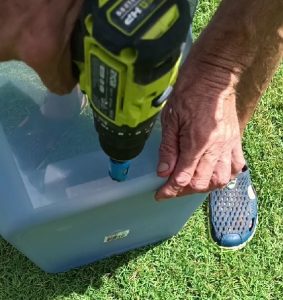
There does not seem to be much of a problem with making the boxes, they are just a box you can buy from a hardware store, they do need a few holes to be drilled but that does not appear to be an issue.
Growing plants OK

Neither does the actual growing of the plants seem to be a problem, they are probably already growing house plants anyway.

The big issue is creating the Wickimix. The main input is organic waste - in an apartment it is typically waste food.

Nutrients OK

But Wickimix needs other ingredients. It needs some soil as most of the action is on the surface of the soil particles, clay is really good as the fine particles have a huge surface area.

But it also needs a source of nitrogen, gardeners may have access to fresh chicken manure which is the best as it is full of microbes but it is possible to buy processed chicken manure which is nice and clean but has lost a lot of the microbes.

Next it needs minerals, a home grower may buy in bulk and store but an apartment dweller can still buy packets, and supplements like blood and bone can also be readily purchased.

There does not seem much alternative to buying these from the store, mixing them all up, and putting them into a box that can be easily stored so no problem.

In addition, of course, we need worms which are an integral part of the Gbiota system.

Pongy food waste - not OK

The real problem for the apartment dweller is how to handle the pongy food waste.
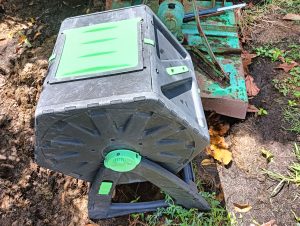
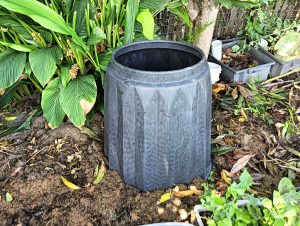
With a garden this is no problem, a couple of compost bins or rotating bins work fine but having compost bins in an apartment is very not OK.

The smell problem can be solved by sealed containers but those pesky flies still seem able to smell out a delicious fly meal - at least in Sunny Queensland where I live.
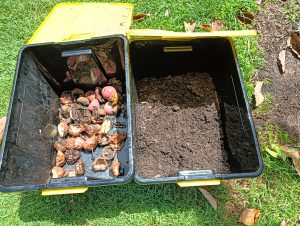
Two experiments

So I have two experiments.

In the first, I have two boxes. One contains the nutrients mix the other is for the waste. When I have some waste I simply put it into the second box and cover it with the nutrient and worm mix from the first box.

In the second experiment, I go back to an old system, the compost tube.

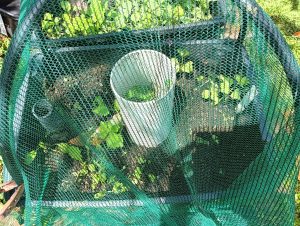
This is a pipe (about 100mm) that goes right down to the base of the box. This gives two input pipes, one for the water (or more correctly soil blood) while the second is for the organic waste.

When I put any organic waste into the compost tube, I cover with the nutrient mix and also flush with water. This takes any decomposed material to the bottom of the box where the friendly worms kindly distribute it throughout the box.

Easy access

If I can get enough apartment dwellers to start eating food full of beneficial microbes this will encourage commercial growers to start producing Wickimix and Gbiota boxes which will make access available to many more of the population and cut down the number of people having a foot amputated from diabetes, which is what Gbiota is all about.

Wait and see

Now it is just a case of wait and see. From the viewpoint of the Gbiota system they will both work fine in breeding the beneficial microbes, the question is which is the most user-friendly for an apartment dweller.

Let me know

I now want to find out if this style of chatty newsletter works for my reader base so please drop me an email and let me know what you think.

Colin

Loading

Survival

Innovation and managing ignorance

What they said

I recently circulated ‘Rethinking food and diabetes’ to those organisations around the world, with responsibility for managing diabetes in their various countries.

This is my reponse to what they said.

This describes a simple and inexpensive way that people can breed, in organic waste, the beneficial microbes which power our control system which regulates our bodies, then grow plants which they eat fresh to feed their gut-brain.

As eight million people a year have a limb amputated from diabetes this has major social benefit.

Those that bothered to reply said that this has not gone through the rigorous scientific evaluation and suggested I should set up a global trial to prove the technology actually works.

This would cost millions of dollars and there is simply not the money in showing people how to recycle their organic waste to breed these beneficial microbes and grow a few plants on their back patio.

So that will just not happen.

So I wrote a second article, ‘Innovations and managing ignorance’ giving case histories of how innovative technology achieves widespread adoption in the real world.

The punch line was that there was no need for them to endorse the technology, all they had to do was make diabetes sufferers aware that this option existed and let them decide.

We know that this technology is effective in some cases. But they are right, we have no idea whether 5% or 95% of amputations could be avoided - but even 5% of 8 million is 400,000 - that is a lot of legs not amputated.

But the issue of how we manage innovation could be critical to the survival of our species, if we continue to develop technologies on the basis of profits rather than public benefit we could wreck what keeps us alive.

I am not just a lead innovator, I am one of those woke, left of centre greenies who put the community benefit ahead of profits, and proud to argue the case.

Read on and join me.


.

Innovation and managing ignorance

Rethinking food and diabetes

amputationI recently wrote an article rethinking food and diabetes that described a simple and inexpensive technology which could dramatically reduce the eight million amputations that occur every year.

You may think that this would be met with great enthusiasm by both diabetics themselves, those professionals responsible for managing diabetes, and the Governments who spend trillions of dollars in their health care budgets on diabetes.

The lead balloon

labmeatThat is not what happened, it can only be described as a lead balloon - but why?

As our society depends on innovation to solve many of the problems modern civilised society faces, this is a question that needs answering.

There is a basic misconception about the process of innovation with the model of some scientist working away in the lab, coming up with some discovery which is then commercialised and adopted for the benefit of the community.

I am a successful innovator, I was recognised by the Institute of Engineers as one of the countries leading innovators and I can tell you that is just not the way innovations normally occur.

The nature of innovation

Suck is and see

kid on bikeTake something as simple as a bicycle. Was the bike invented because some enterprising applied mathematician studied the theory of gyroscopic couples and the self-centering action of the offset in the forks and so invented the bicycle.
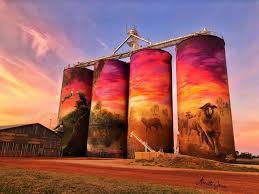
It is not at all instinctive that a two wheel bicycle could be made a stable means of transport, but it was discovered by people tinkering around with no understanding whatever of gyroscopic couples - that came later when it was found that the bicycle was something that was really practical

Was steam power, still the dominant source of power, developed because Carnot developed the theory of thermodynamics, and the Carnot cycle which explains how steam power actually works, which led to the development of the steam engine?

No - a few Englishmen like James Watt were playing around with steam power which was proving incredibly effective. The French government, worried, as ever, that those pesky English were getting ahead, paid the University of Paris, where Sadi Carnot was a professor to study thermodynamic theory.

Look at most of the innovations that we take for granted and they started off by some cantankerous person defying conventional thinking, showing that something both worked and was useful.

Then, after it had been shown to work and be useful, the two key tests was the scientific method applied to develop the underlying science which typically led to major improvements.

From the lab

Of course, there are many innovations that do originate in the lab, WiFi, the semi-conductor, and penicillin all came from fundamental research but were accidental discoveries that were applied in totally different fields.

Swapping fields is a feature of innovations and does involve risk.

Innovation involves risk

There is no better example than Barry Marshal and his work on H Pylori where he put his life at risk to solve a serious illness.

Good on you Barry - nice to know we have not all been turned into dumb donkeys.

The dreaded Silos

The dreaded Silos are one of the great obstacles to innovation - may be essential for fundamental research but deadly for the process of applied science and innovation.

Take my participation in Diabetes. I was a pioneer in computation fluid flow and was regarded as an expert in that specialise field which has nothing to do with diabetes.

But when I made a career change to study Ecology, an area where I have had a lifelong interest but no formal qualifications.

By chance, my background in fluid flow turned out to be highly valuable in my development of the Wicking bed which enabled plants to be grown with minimal water.

Still, nothing to do with diabetes.

But it is well known that wet conditions benefit the development of infectious diseases. Just read the story of building the Panama Canal where a major problem was that the workers died at such a high rate from infections in the hot and wet conditions.

Still, nothing to do with diabetes.


The power of serendipity

But it turned out that the technology of growing plants in moist (rather than wet) conditions, favours the growth of beneficial microbes rather than harmful pathogens.

This is highly relevant in the battle against diabetes.

Our built-in intelligent control system

My innovation to reduce the number of people having their legs chopped off is based on a simple observation that the body has an inbuilt intelligence that regulates what and how much we eat and where and how much fat we store.

This is not a hypothesis - this is an observation of what happens in the real world.

This is a very simple observation. If I go out into my garden and work away and sweat, as happens in Queensland, I develop a craving for something salty. This is just a fact.

But what is going on here? I sweat and lose salts from my body. Somehow my body senses this. I don’t know the mechanism that tells my body that it is lacking in salts but there is no doubt that it does.

Our intelligent control system learns

But, and here comes the punch line, my body, or rather my intelligent control system has learned over time that if I eat certain foods or drinks I replace these salts.

Now just slow down and think about this, what we see playing out in the real world is a natural example of what we see in artificial intelligence. My intelligent control system has learned, by observation and deduction, that certain foods satisfy my body.

It then sends out signals so I have this craving to eat (or drink) specific foods.

We see this demonstrated over and over again, starve people, like the Dutch in the war, and when food becomes available they put on large amounts of fat.

We see this in people who try and lose weight by inappropriate diets.

There is no question that our bodies come equipped with a natural intelligent control system that regulates our bodies.

This is just beyond argument even though we have no idea how it works.

We have no idea how it works

But the problem is we have no idea how it works. In my younger days, I used to write sophisticated software, solving partial differential equations and writing self-learning software. I could be described in Australian slang as a gun coder.
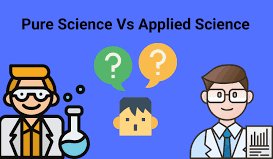
But, and here is the crunch, I, and no one else, have any idea how this intelligent code works. It is just too sophisticated. Maybe in a few decades some bright researcher will uncover the mystery but, for now, we simply have no idea.

Act or wait?

So we have two options, we can just wait for a few decades until this mystery is solved.

But just do a bit of simple maths - at eight million amputations per year for a couple of decades that is 160,000,000 possibly unnecessary amputations.

Pure and applied science

Or we can recall one of my favourite quotations.

Science is the art of managing truth, engineering is the art of managing ignorance.

An engineer’s job is to apply science.

Every time an engineer designs and builds something there is a risk it will not work, airplanes fall out of the sky (remember the Comet), cars crash, and bridges and buildings fall down.

It is a question of managing risk. Engineers talk of safety factors, that is the one time engineers showed any expertise in public relations because they are not safety factors at all - they are ignorance factors because we do not have a complete understanding of what we do so we allow for that ignorance.


Reducing amputations

amputationSo let’s get back to my solution for reducing the number of amputation from diabetes.

The diabetes epidemic is man made. For all human existence, we have eaten gut-brain food. Then we changed our food system and the epidemic arrived.

A seven years old would say then let’s go back to eating gut-brain food.

Perhaps the simple logic of a seven year old is why it is so difficult to get this idea accepted.

Just grow gut-brain food

whyMy solution is simple, grow plants in living soil full of beneficial microbes and nutrients, and eat the plants while they are still fresh so they feed the gut-brain which forms our intelligent control system.
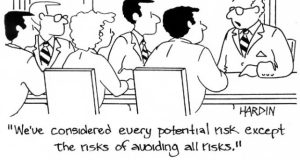
What are the benefits, risks, and negatives?

Well, the first we know for sure by observation - we will use a lot more toilet paper because eating fresh greens will open up our bowels. We can manage that by buying toilet rolls in large packs - not a big deal.

There is a risk that soil may be left stagnant for long periods of time which are the conditions which favour the growth of harmful microbes.

In the Gbiota system, we have a drainage system so the soil is drained regularly. About as easy to manage as putting on a seat belt.

Plants need to be picked and eaten fresh so it does mean growing at home which is marginally more work than throwing a bunch of aging veggies into a supermarket trolley. But they are cheaper so that is not a big deal.

So what are the benefits? A substantially reduced risk of having your foot chopped off and generally better management of your health.

Risk-adverse

The general view of the medical profession is that this is not a tried and proven method that has gone through the normal scientific verification process.

This is true but is looking at the problem from the point of view of proven science.

But the science will never become tested until a significant number of people try it and see if it works (which is easy - all diabetics measure their blood sugar levels and anyway the real test is does it stop food cravings which the person knows).

Just one

I, acting alone, will never make any impact on the number of amputations. I am just one person. What I have to do is convince one, yes just one, diabetic professional that the benefits far out way any risks.

They have the professional recognition to make things happen, but where is this single person? I cannot find him or her.

Have we all become so overwhelmed by the power of the digital revolution with its collection of data which it uses to manipulate our thoughts?

Have they won and turned the human species into dumb donkeys?

What I am asking for

So what am I asking from the medical profession?

Well, I am not asking for them to endorse this as an approach that has been subject to the normal rigorous testing - I am saying that they should be informing patients that there is this approach they can read about for free on my web gbiota.com and they should be the ones that decide whether the benefits out way the risks.

It is their foot that could be chopped off so they should decide - is it moral not to make this information to their patients?

This is also probably the only way of getting a large scale trial that will provide the scientific evidence to satisfy the requirements for scientific rigour.


Loading

Survival

Learning plan


Solving the food crisis

gbiota boxLearn about the Gbiota technology of growing plants without toxic chemicals by creating the right conditions so the beneficial microbes out breed and out compete the harmful microbes - Eco balance.

.


.


Gbiota explained in my latest video

blaserSupport our gut health movement

Most people are just looking for some quick fix eg a pill when in reality changing the gut biota is quite a deal.


.


Solving the food crisis

gbiota boxLearn about the Gbiota technology of growing plants without toxic chemicals by creating the right conditions so the beneficial microbes out breed and out compete the harmful microbes - Eco balance. 


.

blaser‘Prevention better than cure’ looks at our gut brain.

.


man gardening ‘Health starts in the soil’ looks at the critical issue of soil biology

.

breast feeding

‘The worlds best pro-biotics’ looks at the important role the mums play

.


Wanted regenerative growers

There are three articles here about regenerative growers - just follow the links at the bottom of each post.


gbiotab

Navigate to

main menu -  videos -  blogs - references

Colin Austin  © Creative commons this document may be reproduced but the source should be acknowledged. Information may be used for private use but commercial use requires a license.

Loading

Survival

Rethinking food and diabetes

.

Rethinking food and diabetes

Colin Austin © 26 February © 2024 This document is published under the Creative Commons system which means that it can be copied and republished without further permissions but the author Colin Austin @ gbiota.com must be recognised.

Preface

Gbiota.com is a site for concerned thinkers. Concerned about our food system which right now is making us fat and sick and with the combination of climate change and degradation of our soil, threatens the food supply for every person on this earth.

In these modern times most people die from some chronic disease, overweight, diabetes, heart attack, dementia etc.

If you want a sporting chance of living a long and healthy life then you need to understand how the way your food is grown affects your health.

If you think that you can spend thirty seconds looking at some web page then buy some pill and then live a long and healthy life then I suggest you check out those mushrooms you are eating because that is delusional.

You need to spend fifteen minutes reading how the way your food is grown affects you health then change what you eat - not that difficult but certainly not trivial either.

You can read Rethinking food and diabetes here, then either

- sign up as a grower which give you full access to this site, we don’t sell any product - we just show how to grow food

or

- sign up as a consumer and buy from a local Gbiota grower.

.

Part 1 Why we need gut-brain food

Grow your own gut-brain food if you want a long and healthy life

We have a gut-brain which regulates our bodies - we need to feed it gut-brain food.

If we don’t feed our gut-brain, which controls our appetite, we do not get the signals saying stop eating, instead we get food cravings.

Then we overeat and get fat and sick. We do not get fat and sick simply because we overeat - we get fat and sick because we are not feeding our gut brain so we get food cravings.

We need to eat plants, grown in living soil, full of beneficial microbes and nutrients - and eat fresh before the microbes die.

That is the way the real world works, no amount of virtual reality, computing power, artificial intelligence or manipulative promotion will change the way the real world works.

.

The Gbiota technology

The Gbiota technology creates living soil, with a broad spectrum of beneficial microbes and essential minerals to grow plants that we eat to give us a healthy gut-brain which regulates our bodies so we live a long and healthy life.

This is a major issue for humanity. The population has exploded and we have increased food production dramatically, but with energy food which is lacking gut- brain food and key nutrients. This is the underlying cause of the modern epidemic of chronic diseases.

We need to fix our food system, avoiding deficits and ensuring sustainability.

.

Diabetes strikes

Colin and XiulanMy wife, Xiulan is a medical doctor, a surgeon, but she became diabetic, her foot started to turn black and our medical advisers were saying they may need to amputate.

I am an engineer and innovator. I was selected as one of the countries leading innovators by the Australian Institute of Engineers.

I know that the key to being an innovator is to really understand the underlying reasons, keep on asking why, why, why until you get to the underlying reason.

Engineers Australia 1 Diabetes is caused by fat in the wrong place, at first in the muscles and then in the pancreas.

But why does our bodies create fat in the wrong place.

The answer is not because we eat too much but our gut-brain decides we need to store more fat.

colinaieeBut why does our gut-brain decide we need to store more fat.

Answer because it detects a deficiency in our diet, either some critical mineral or lack of microbes in our food.

The solution is simply to eat food, grown in living soil, teaming with beneficial microbes and nutrients.

But here comes the big snag. Growing plants in living soil is easy and inexpensive. Why is that a snag.

whyWe live in an age of hype and super sophistication. People just do not believe that a complex disease like Diabetes can be overcome in such a simple and inexpensive way.

This is really sad as every eight seconds some unfortunate person has a limb amputated and that could probably have been avoided.

I would very much like to change that, you can help by first reading my article Health - starts with the soil.

mrcreasoteThen actually create soil full of beneficial microbes and minerals, grow plants and eat them while they are really fresh before the microbes die.

You will know if it works and as you will feel satisfied and not craving food.

.


Our gut-brain

gut brain connectionOur gut-brain decides how much and where we store fat and then regulates our appetite - how much we want to eat.

We cannot be healthy without a working gut-brain.

We need to feed our gut-brain so it works properly.

Gut brain-food starts in the soil with the creatures of the soil, the worms, beetles, insects, larvae fungi and microbes eating organic matter breaking down rock particles to provide bio-available nutrients.

This is a natural process which has been going on for millions of years, until recently, when we adopted toxic chemical which kill of the beneficial soil life so we no longer feed out gut brain.

A poor gut brain is the underlying cause of the epidemic of modern diseases, overweight, diabetes, heart attacks and dementia.

There are far sighted growers who understand this well and adopt regenerative farming to create a healthy soil so the beneficial microbes enter the plants which we eat.

But that is not enough, the beneficial microbes breed incredibly fast but they also have a short life span. Within three days of harvesting they will be dead.

BioboxThe Gbiota system solves this by loading the regenerated soil into boxes so instead of buying already harvested plant people can buy boxes (which they swap over) with growing plants which they pick and eat at home while still genuinely fresh.


.


Avoid toxic chemicals

chemical farmingMany people are quite rightly worried about the toxic chemicals in their food.

A far bigger problem is that these toxic chemicals kill of the beneficial microbes in the soil which eventually form our gut brain which regulates our bodies.

A poor gut brain is the underlying cause of the epidemic of modern diseases, obesity, diabetes, heart attacks dementia etc.

The Gbiota system does not use toxic chemicals but creates the conditions where the beneficial microbes out breed and out compete the harmful microbes - Eco balance.

Many people grow plants in Gbiota boxes which is quite practical but some people simply do not have the time so they can buy a Gbiota box with plants already growing and ready to harvest.

This is important as the beneficial microbes have a short life of about three days. You can buy the very best organic produce but if you don’t eat shortly after harvest the benefits will be lost.

With a Gbiota box you have growing plants in your home ready to pick and eat.

We do not sell any food, we just teach people how to grow their own Gbiota food or help commercial growers set up viable businesses selling Gbiota food. 

To access this information you need to register.

Sign up to become a Gbiota member and we can show you how to grow Gbiota food or if you want to become a Gbiota grower we will help you set up a viable local business producing Gbiota boxes.

Either way you will need to sign up with a valid email address, we will not bug you but we do create a new post every week so you need to click on the notify me of new posts at the bottom of every post and sign in as a valid member.

Part 2 Creating a paradigm shift

Two hundred years ago the great Mathematicians like Newton and Leibniz knew how to solve coupled partial differential equations, but they could not do it - there was too much computation.

Fifty years I realised that, even with the primitive computer of that time that I could write software which would solve these equations. No great deal here, any competent mathematician could have done that.

colinaieeBut I realised that I could now calculate out how to direct flow away from easy to fill areas of a mould to the difficult areas to fill.

After a battle for acceptance this totally changed the way the  industry worked and I was recognised as one of the countries leading innovators

water,air,nutrientsToday I realised that our bodies have a highly sophisticated control system but it needs the right species of microbes to work effectively but that the wrong species make us sick or even kill us.

But I saw that I could use the principles of Ecosystems to control the conditions, particularly the moisture levels so the beneficial microbes would simply out breed the harmful ones.

I now believe that if this technology was widely adopted it could go a long way to resolving the epidemic of chronic diseases, particularly diabetes which results in a limb being amputated every eight seconds.

But I need help in getting this message out to the world.


He’s a nutter

We have known for at least twenty years that Diabetes gets serious when fat levels in the Pancreas increase preventing the Pancreas from making insulin.

All the experts say the solution is to go on a diet and reduce food input. This is so instinctively obvious, you are fat so eat less, and is the accepted view of the experts in the field so how could it possibly be wrong?

If some guy comes along, who is not a dietitian or even medically qualified and said ‘Look you have been trying that for twenty years, and it has not worked, Diabetes is the fastest growing of all diseases - it is time for a rethink and instead of eating less, eat more, maybe of a different type of food but still more’.

Your immediate reaction would be, quite justifiably, to say this guy is a nutter and move on.

Well, I am that nutter and I have been here before.

Looking at problems a different way

Some fifty years ago, when computers were driven by punched cards, I saw the potential that this would change the way engineers went about their business.

I was an early pioneer of computer- aided engineering.

I wrote up a software simulation of hot plastics flowing into a cold mould, actually quite sophisticated involving solving non-linear simultaneous equations of heat transfer and fluid flow. But no one needed to know anything about that to use my software.

This simulation showed that the way the industry was thinking about designing plastic moulds had serious defects. It was based on the perfectly obvious and common sense thinking that if the mould failed to fill the solution was to make the flow channels bigger - what could possibly be wrong with that?

My simulation enabled me to rethink the whole process and in many cases the solution was to make the flow channels smaller - not bigger.

The rethink was that some areas of the mould were very easy to fill, while other areas were more difficult. What was needed was to restrict the flow into the easy-filling areas so diverting the flow to the more difficult-to-fill areas.

The net result - to fill the mould make some flow channels smaller.

Sounds totally ridiculous.

How crazy is that? The mould wont fill so make the flow channels smaller, time to call the nurse with the straight jacket.

I labelled this flow balancing and my software, which predicted flows and pressure enabled engineers to calculate how to make the required restrictions.

I bought an around-the-world airline ticket on my credit card to run a lecture tour about my thinking.

In the sophisticated cities of the world, I was the butt of many jokes about some wild Australian, where Kangaroos hop along the main street, and was widely regarded as a nutter.

But a few, very few, entrepreneurial far-sighted engineers, the early adopters asked 'What if he is right?'

And they tried it and it worked. It literally changed the plastics industry and I was recognised by the Institute of Engineers as one of the countries top innovators.

Plastics to Eco-systems

But I was getting a bit concerned about the plastics industry so I sold the company I had formed to exploit the technology I had developed which gave me the money to work in the area I really wanted to work in - how Eco-system actually work.

My wife Xiulan, a medical doctor became diabetic and her foot started to turn black and needed amputation.

I thought I should apply what I had learned about Ecosystems to the human body and the soil in which we grow our food.

That showed me that the conventional way we were thinking about Diabetes was too restricted, the classic Silo effect, and that the solution to Diabetes may be to eat more, not less food.

Not more of the same food but food that had been grown based on Eco-logical principles.


Control systems

The thinking was analogous to my thinking fifty years ago. Our bodies have evolved an intelligent control system to regulate our bodies. If you are swinging from branch to branch to avoid being eaten by some ferocious monster below you don’t want to be heavy and fat.

We have evolved over some million years to be naturally lean and healthy.

My first job as an engineer was working for a company that made control system for power stations so I know how control systems work.

If our bodies sense a deficit in our diet it goes into overdrive, sending out hormones to make us feel hungry so we eat more. We have evolved this capacity as part of our survival mechanism.

What we are missing in our modern diet is the beneficial microbes that power our gut-brain.

Kill the germs

But just as it seems obvious, and accepted wisdom, that to make a mould fill we need to make the flow channels bigger it is equally obvious that harmful microbes, the pathogens or germs that can makes us sick or kill us should be avoided at all costs.

We are very good at killing germs.

This thinking is perfectly natural, ever since we invented agriculture and lived in cities we have died from infectious diseases.

The statistics are horrifying, out of five babies born three would die before they reached the age of five, and a further child would die in adolescence, largely from infectious diseases.

Lock up the nutter

Anyone who suggests that we should start breeding microbes to go into our food is clearly a nutter, a pubic danger, and should be confined in an institution.

But what happens if that nutter has also developed the technology where we can breed the beneficial microbes that keep us fit and healthy while avoiding the harmful microbes which make us sick or kill us?

Eco-balance

ecological balanceThis is what the Gbiota technology is all about, creating the conditions so the beneficial microbes out-compete and out-breed the harmful microbes.

That would mean completely rethinking our ideas on diet and restricting calories, instead of restricting our food intake, carefully controlling calorie intake it means eating additional food to feed the gut-brain.

In practice, when the gut-brain senses that there are no deficiencies it will stop sending our signals (hormones) saying eat more and will send out different hormones saying you are full and feel satisfied so actually may eat less than before.

This is what I call the deficit theory of nutrition, if the gut-brain senses there is a deficit it will make us eat more to fill that deficit and if it senses no deficit it will say stop eating you are full.

This is in direct contradiction to the current paradigm on how to combat diabetes (and other chronic diseases).

Where are the entrepreneurial thinkers?

To make this change we need entrepreneurial thinkers in the health field to become the early adopters.

Now I don’t have to fly around the world on a lecture tour, I can just write this article here and put it on the internet.

The article is in several parts.

The early parts describe the technology of thinking about the soil and human body as Eco-systems, just another technical presentation.

Do we need adoption?

The later parts are about the much more difficult process of getting widespread adoption. And boy oh boy do we need adoption.

Every eight seconds some unfortunate soul has a limb amputated from Diabetes, not very nice for the person and costs the global health system trillions of dollars, and in most cases this is avoidable.

We live in the information age, which would be good if it were not for the fact that it leads to humans being monitored and controlled and turned into dumb donkeys for the benefit of a few.

But if you have escaped being transformed into a dumb donkey please read on, if you are not convinced of the need for action then I have done a bad job of telling this story.


Part 3 - the technology

The population explosion

Advances in medical and hygiene technologies have allowed an incredible increase in the human population from one to eight billion people in two hundred years.

The increase in the need for food has been met by an equally dramatic increase in energy food production, actually faster than the increase in population.

But modern synthetic food lacks microbes and trace minerals to feed our gut-brain. Our gut brain is the intelligent control system that regulates our bodies resulting in a global epidemic of chronic or non-infectious diseases, particularly overweight, diabetes, heart attacks, and dementia.

Restore the gut brain

The Gbiota technology aims to restore the gut-brain that regulates our bodies.

This is a simple and effective technology, which is remarkably inexpensive, that solves the problem - at least technically.

It is here and now - ready to go.

Changing the food system

This does involve making some changes to our food system which is much more challenging.

As is so often the case, adoption is a much bigger challenge than developing the technology in the first place.

It is not just about growing vegetables

nannaYes, we do grow vegetables. But that is not the point. Let’s face it, if you just want a cabbage, and aren’t bothered about beneficial microbes, you can buy one from the supermarket at an amazingly low price.

It looks perfect, without a blemish, and is certainly attractive to buy - which is exactly what the supermarkets want.

But it is dead, inert lacking essential microbes, and probably low in minerals, particularly the trace minerals that the plants don’t need but we do.

The lack of beneficial microbes and trace minerals does not lead to a long and healthy life.

Soil blood

When we used traditional agriculture the soil was living, teaming with microbes, and generally had a good distribution of minerals.

The water in the soil was not pure but full of microbes and dissolved minerals. We call this soil blood as it fulfils the same function as human blood.

These would enter the plants and then our bodies when we ate the plants. This gave us a healthy gut-brain which regulates our bodies.

But we suffered greatly from infectious diseases.

Then we changed our agricultural system to rely heavily on chemicals which replaced the microbes and many of the trace, but essential nutrients.

We swapped from dying from infectious diseases to dying from non-infectious diseases.

Not an ideal swap!

Aims of the Gbiota technology

The Gbiota technology aim is to create living soil with a broad spectrum of beneficial microbes and minerals, to grow plants that we eat to give us a healthy gut-brain that regulates our bodies so we can expect to live a long and healthy life (that is is the easy bit) but without breeding harmful microbes which will make us sick or kill us (that is the hard bit).

This is a major issue for humanity. The population has exploded and we have increased food production dramatically, but with energy food which is lacking gut-brain food and key nutrients. This is the underlying cause of the modern epidemic of chronic diseases.

We need to fix our food system, avoiding deficits and ensuring sustainability.

Most of the food we eat is simply used for energy, our current food system is supplying energy food in large quantities.

What is lacking is food to feed our gut-brain.

How Eco-system work

The soil and our gut are both complex Ecosystems.

It is tempting to think that we could develop some magical pill that would solve the gut-brain issue - just take a pill and everything works fine.

But Ecosystem depends on conditions.

Let me take a very simple example to illustrate the point. In nature, there are two great recycling species - the ants and the worms.


Ants v worms

Ants have evolved to flourish in dry conditions while worms flourish in wetter conditions.

I may decide that I want to use worms to recycle and buy the very best worms available and add them to my soil.

If I fail to keep the soil moist then ants will just appear, as ants do, and the worms will die providing food for the ants.

Change the conditions - change the microbes

That is the way natural Ecosystems work. It is necessary to have the species to start with, but in most cases that species already exists but the conditions are just not right for it to flourish so it remains a fringe species, but change the conditions and they will become the dominant species.

This happens in everyone's gut. We all have E-coli in our gut but it does us no harm as the conditions favour other species which simply out-breed and out-compete the harmful E-coli.

But change the conditions and we get sick or may even die from E-coli.

This is the fundamental principle underlying the Gbiota technology.

It is not about carefully breeding the required beneficial microbes under laboratory conditions and encapsulating them in a pill, it is about managing the conditions so the beneficial microbes out-breed and out-compete the harmful microbes that inevitably exist.

Dynamic populations

We could have a DNA test to determine the species in our gut. If life just continues as normal with no change we could go back a month later and have a retest and expect to get a similar result.

But they may be the same species but they are different microbes, the great grandchildren of the original microbes.

This is a dynamic population if you went to Guangzhou or Mumbai fifty years ago you would find a predominately Chinese or Indian population and that is still true today, different individuals but similar people.

The conditions have not changed - the population remains stable.

Do the same with say London or Melbourne and the change would be obvious. Different individuals with different characteristics.

This is the underlying thinking behind the Gbiota technology, change the conditions, and everything changes.

Essential for life

water,air,nutrientsAll living creatures require three basics - air, water, and nutrition.

But each species requires very different proportions.

Plant Watercress or Mangroves in the desert and they will soon be replaced by Cacti or Spinifex without any human intervention in the same way that Nut grass and dandelions proliferate in my garden with no external help from me.

Simple, effective, and inexpensive

This approach leads to simple, effective, and inexpensive solutions which you may think would make adoption so easy.

But at times humans can only be described as weird, the immediate reaction is how can a solution so simple and inexpensive work?

So the immediate reaction is to reject the idea and look for some complex solution that does not work.

You don’t have to look far into our modern world of computing where the ideas seem to be to make everything so complex that it does not work.

Eco-systems in practice

Sharing Nutrients

We need to feed the beneficial microbes and that is just so easy.

Microbes are just everywhere, on every surface and just floating about in the air and they eat organic waste. This provides them with energy and many of the minerals that microbes need.

But microbes appreciate, (unlike many humans), that they are part of an Eco-system where individual parts of the Eco-system contribute to the system as a whole.

We have fungi, which have extremely fine hyphae that can create intense pressure ,coupled with enzymes which can dissolve rocks and create nutrients that are available to the Eco-system as a whole.

Plants also form part of that Eco system, capturing energy from the sun, which they use to make sugars which they exude from the roots to feed the microbes in the soil, while the microbes and fungi provide nutrients to the plants.

Powered by organic waste

food wasteWhat does it cost us to manage this system? We need to collect organic waste, any organic waste which would otherwise be converted into greenhouse gases in waste tips. We also need minerals, typically in the form of rock dust which is readily available as a waste product from quarries.

Again we do not have to worry about sustainability. There are mountains of rocks and more are created everyday from larvae flow.

If ever there was an example of turning an unwanted waste into something really useful - this is it.

Water and air

I need to talk about these together as they are linked.

Good soil is made up of about half solids - minerals and organic matter. The more organic the better but it is continuously being used as food for the soil creatures (which is good) but is easily oxidised (which is not so good if you care about greenhouse gases).

The remaining space is just that - voids typically with a spread of sizes.

The very fine pores will be filled with water (actually soil blood) which is so firmly attached to the soil particles that neither the plants or the microbes can break it free from its attraction to the soil.

That is why plants die when there is still water in the soil. Growers talk about the wilt point for this lower level.

Then there are the medium-sized pores where the plants, microbes, and fungi can readily extract the moisture from the soil for productive use.

Then there are the large pores where the soil can not hold the water so it readily drains away. Growers talk about field capacity.

Creatures of the soil

wormsIn addition to these large pores there are channels made by the creatures of the soil, particularly worms but also rotting root systems which provide channels through the soil.

These are very important for the Gbiota technology and is one of the many reasons we rely on worms to make it work.

These creatures have a gut, just like us, with similar microbes.


Good and bad bugs

The Gbiota technology is all about preferentially breeding the good bugs over the bad bugs by managing the conditions.

We know exactly the conditions that will preferentially breed the bad bugs.

In the soil we have soil blood, this magic fluid containing dissolved nutrients and a broad spectrum of microbes.

If we let this become stagnant it makes ideal conditions for breeding the bad bugs. These are the bugs that will make us sick or kill us.

There are also bugs that will make growing plants more difficult - in particular there are the root-eating nematodes. I think with a name like that I do not need to explain the damage they can cause.

Rule 1 - not stagnant

So we know that rule number 1 is that we must never allow this soil blood - full of a broad spectrum of both beneficial and harmful microbes and nutrients to become stagnant for any length of time.

Rule 2 - breathe the soil

But just keeping the soil blood moving is not enough, we also have to ensure it is full of oxygen.

How we do this is the essence of the Gbiota technology.

So let me stop talking theory and get down to the nitty gritty of how it works.

Gbiota beds and boxes

We use the same principles in both Gbiota beds and boxes but we have to apply these principles in different ways.

Beds

gbiota bed for breeding microbesGbiota beds are, as their name suggests are in-ground beds. We have recently suffered major flooding from climate change so I now use raised beds so they are really on-ground beds.

They have several advantages, technically they encourage a wide range of creatures to enter the system.

I talk a lot about microbes, which are incredibly small and have short lives, and fungi, which can be incredibly large (the largest living creature extending over several kilometres) but the mid-sized creatures are also incredibly important to a living Eco-system.

These creatures, the worms, soldier fly larvae, beetles, slaters, saw bugs, spiders, etc all have a gut, just like us, to digest their food. As we are trying to breed microbes for our gut they are an important part of the scene.

These naturally find their way into the Gbiota beds, we don’t have to do anything - they just come naturally.

Boxes

Gbiota boxes are a lot smaller so don’t have the production capabilities of beds but they do have the big advantage that they can be used at home to grow plants.

This is incredibly important. The microbes work on a different time scale to us. I use the ratio that one hour of a microbes life is equivalent to a year of human life.

If you buy a vegetable from the Supermarket it will have been grown in soil with the nutrients provided by chemical fertilisers so there will be minimal microbial life in the soil and hence the plants.

But what there is will have died by the time they end up on the table.

The overriding advantage of the Gbiota boxes is that they allow people, even with no growing skills, to have growing plants at home which they can pick and eat before the microbes die.

This is a crucial part of the Gbiota technology.

Combo

These are not competing systems, my preferred system is to use beds to create the living soil then to use this soil (Wickimix) in Gbiota boxes.

This is the system I use at home, if for no other reason, it is much easier to protect boxes from the invading insects which are an inevitable part of growing without toxic chemicals.

Gbiota boxes

I am going to describe the Gbiota boxes as it is easier to explain how they work. Gbiota beds are based on the same principles but the mechanics are a bit more complex.

There is nothing special about the Gbiota boxes, they are just regular storage boxes that you can buy from any hardware store.

They will be exposed to sunlight so they should be UV resistant. Black plastic boxes are loaded with carbon black which is a dirt cheap way of making them UV resistant.

There are some UV resistant clear boxes but most cheap clear boxes will become brittle within a few weeks in direct sunlight.

Size is important as they need to be transported and carried. A 20 litre box is about the maximum that can be easily handled but I often just partially fill a 30 litre box which I can use as a terrarium with a lid for germination then just drape a fly screen over the top.

I drill a hole in the side as low as I can then use a rubber grommet and connector to make a swivel tube.

I cut a piece of Ag pipe to fit neatly into the base.

I used to just bend the Ag pipe to make a filler, now I either cut the pipe at 45º and similarly with the vertical pipe or just drill a large hole in the base pipe.

Either way, allows me to view the water level in the base of the box which is an important part of managing the system.

fillingI then fill the base of the box to about a third of the height of the box (eg about 100mm) with organic waste. I then add a nutrient mix, containing minerals, manure, and trace minerals, (typically available in blood and bone) on top with of course the worms to process the organic waste.

In the ideal situation, I will then fill the box with soil created in a Gbiota bed (Wickimix) but if not available any good soil.

I wet out from above then seed as normal.

Nothing much new here, it is the operation that is important.


Operation

I have to wait until the seeds have germinated and put down a reasonable root system before I can start operating the box according to the Gbiota principles.

I set the swivel tube to the vertical position and fill the box to the top of the swivel tube through the filler pipe.

This has to fit around normal living so I typically do this over the week-end.

After the seeds have germinated and put down roots I water from underneath.

I leave the swivel tube in the up position and allow the water (soil blood) to wick up to the roots of the growing plants. I do not top water but if the boxes are outside and it rains the surface is wetted.

swivel downAt mid-week, which is the maximum length of time I want the soil blood to be stagnant I twist the swivel tube down and catch the soil blood in a suitable container (eg milk bottle - I am into recycling) for reuse on the next cycle.

Most of the soil blood will drain out but there will still be some soil blood left in the base so I wait until that has all been used up. This is why I like to be able to view the water level through the filler pipe.

Flood, drain, and circulation

Flood and drainJust think what is happening here. When I flood the base of the bed I am expelling the stale air that always accumulates in the soil from the biological action. Rotting organic waste can make growth inhibitors - who wants that?

When I drain the bed I am sucking fresh air back into the soil in the box. I am breathing the soil.

The soil blood is also being aerated every time I cycle creating the conditions which preference the beneficial microbes.

Reloading

When the crop has finished I refill the box by putting the lid back on, turning the box upside down, lifting the box off and reloading with fresh organic waste then flipping the old soil back into the box so the structure of the soil is not disturbed.

Gbiota beds

wicking - soaker bedGbiota bed work on the same principles as boxes, partial flood and drain and recirculate. But the mechanics are a bit different.

Now my strategy is to level the ground, hopefully, this give me a bit of top-soil I can use later.

Then a lay out lengths of Ag pipes in rows. At the filler end, I pack some soil so the pipe will be above the height of the raised bed when complete.

At the other end, I make a leaky dam, just a bit higher than the pipe thickness, sufficiently dense so that it takes some time (hours) for the water to drain out when it goes back to a sump below the bed level.

A sump pump in the sump has a float valve so when the sump is nearly full the pump automatically switches on and feeds the ag pipe from a manifold.

This will flood the area around the pipe and when the pump switches off water will wick to the rest of the bed and drain back to the sump through the leaky dam.

Operation is like the boxes, wet the soil and seed as normal then surface water, if needed, until the plants have put down roots.

Then irrigate from underneath using the subsurface pipes.

All pretty straightforward.

Part 4 Adoption

As is common in the world of technology and innovation developing the technology is the easy bit, getting widespread acceptance and adoption is the difficult bit.

It means discarding paradigms that appeared to have worked well for many years (even if they have been total failures as with diabetes which is the fastest- growing of all diseases) and changing the way we go about our lives.

Abort the calorie theory

The calorie theory of diet has dominated professional thinking for many decades. This says that it is possible to calculate (or look up in a chart) how many calories a particular individual needs.

Even superficially it does not sound that convincing, people are very different and engage in very different levels of physical activity, and even an individual will use vastly different amounts of energy from day to day.

But the real weakness of this approach is that it is in direct conflict with our intelligent control system which regulates our bodies.

If this control system decides, for whatever reason, that there is a shortage of food it will shut down activity in the body to conserve energy.

If we deprive the body of food we are training our intelligent control system to store more fat when food becomes available. Not what we want!

If there is a surplus of food our control system will direct us to burn up more energy.

Calorie restriction v intelligence control system

The calorie theory is in direct conflict with our control system which is continuously monitoring, in real-time by a sophisticated sensor system, how much energy we have available and how much we are using.

A healthy gut-brain system will outperform a set of pre-calculated tables every time, we just have to feed the gut-brain.

But the calorie theory is a paradigm that lingers on.

The food system

gut brain foodThe food system underlies re-solving Diabetes. I was a kid in the war, everyone ripped up their lawns and grew vegetables fertilised with organic waste, and if you were lucky enough to be able to access it, that valuable resource - manure.

40% of the fruit and vegetables were grown in home (or Victory) gardens and diabetes was so rare as to be unknown. (But infectious diseases were a major issue).

Much food came from local farms.

Since that time there has been a continuous trend to smaller blocks, bigger houses and people living in cities so we have been forced to buy food through the supermarket system.

Despite what the adverts say this food is not fresh, it started off low in microbes, and by the time it is eaten any microbes that happened to exist have long since died.

Consequently, we are not feeding our gut brain and now Diabetes and other non-infectious diseases are at epidemic levels.

It is just plain naive to think we can solve this with some magic pills without resolving the food system.

In developing the Gbiota technology I was very aware of the need to change our food system.

At this moment there is abundant energy food readily available so changing energy food is not a priority. This may change with the twin evils of climate change and the degradation of our soils.

Grow gut-brain food

The immediate issue is to ensure that gut-brain food is readily available at an affordable price.

It is perfectly practical to use Gbiota boxes to grow gut-brain food although this does mean the consumer must be willing to recycle organic waste at home and to have enough boxes to provide all the gut-brain food needed with a full growing cycle at home.

But if gut-brain food is to become universally available (eg feeding 8 billion people) we need a system of local growers who recycle organic waste to produce Wickimix which is loaded into Gbiota boxes, plants grown to the start of harvest stage and then delivered to the home grower who only has to water, pick and eat then swap the boxes over for fresh ones.


Regenerative growers are out there

In my understanding there are plenty of regenerative growers who are well capable of providing this service but are reluctant to set up businesses because there is no immediate demand for gut-brain food from their local community food.

This is hampered by the widespread promotion of magic pills which is promoted by very skilful manipulative advertising by the manufacturers and passive endorsement by health professionals.

Community awareness

This will only change when there is wide-spread awareness in the community that we need to be eating real gut-brain food grown in soil containing both beneficial microbes and critical minerals.

This will not happen overnight (or even in my life time as I am 84).

It may seem that in the internet age this would readily happen but the wonderful world of virtual reality is not a help.

An ocean of fake products

There is so much manipulative promotion of clearly fake products that the public confidence in the internet as a source of reliable information has declined.

The controllers of the virtual reality world have been very successful in making people believe that all they need do is follow the lead of some cute-catch phrase.

I have spent money on advertising on the Internet, the response has been dramatic with thousands of people visiting my web each day, but they don’t invest the time to understand the complexity of the human body as an Ecosystem which is the core of the Gbiota technology.

Learning from a previous paradigm shift

For that, we can learn from the adoption of the flow balancing technology all those years ago which came about because a few entrepreneurial (actually intrapreneurial) engineers, working for large and influential companies, seeing the benefits and showing that this works.

What we need right now are entrepreneurial people, preferably in the health area, to lead their communities to this new way of thinking.

It is the age old formulae of show and tell. Start eating fresh plants grown in living soil full of beneficial microbes and nutrients, see for yourself how this reduces food cravings, then just tell your friends and contacts.

This is the way we will get this technology accepted, it could save an awful lots of limbs being amputated which is my measure of success.

That is why I wrote this rather long document if you have read this far and the shoe fits then please email me at colin@gbiota.com.

Loading

Survival

Support our gut health movement


Support our gut health movement

Most people are just looking for some quick fix eg a pill when in reality changing the gut biota is quite a deal.

Faecal transplants

The only sure way of changing your gut biota is by the delightful process of a faecel transplant - having someones else's pooh poked up your bum.

That won't catch on.

Magic pills

Just buying food or supplement is not viable, the beneficial microbes die quickly and if any are still alive they will be  killed by the acid in the stomach.

Eating plants that have been grown in biologically active soil works pretty good as the vegetables protect the microbes while passing through the gut which has evolved to be highly acidic and kill of pretty much everything.

Real food

Eating fresh plants is by far the most effective and economic way of changing the gut biota.

You can learn how to grow plants as gut-brain food using the Gbiota technology, that is what people are currently doing but it does requires dedication.

Much easier is just to buy from a local Gbiota grower and have a Gbiota box with plants already growing delivered to your door.  But to set up a network of Gbiota groweres means you have to register your interest.

Growers need confirmation

It is just a fact the growers are not going to invest their time in setting up the needed growing facilities to produce real gut brain food unless there are people out there willing to buy who have not been duped in thinking that they can buy some magic pill made from some mythical plant in the Amazon jungle or Himalayan mountains.

Social movement (driven by the people)

This is a social movement to enhance community health by setting up a network of local growers who are applying the Gbiota technology.

Our aim is to set up this network of independent local growers who can breed beneficial microbes in the soil to create Wickimix – a soil loaded with beneficial microbes and nutrients.

This is loaded into Gbiota boxes based on Wickingbed principles so people can enhance their gut biota by having vegetables growing at home, which they can pick and eat while still fresh before the beneficial microbes die.

This enhances their gut biota which regulates their bodies, particularly how much and where we store fat which is the under lying cause of the modern health epidemic.

This is described in our strategy document.

Please read and if you support our aims then please register your support here.

Showing your support encourages growers to invest their time and money in setting up Gbiota beds.

Loading

Survival

The Gbiota project


The Gbiota project

Colin Austin© 14th February 2024

Collaborating partners

I am writing this to recruit collaborating partners, who share similar views, to join the Gbiota project.

What is the Gbiota project?

With all the developments in medical science, hygiene, automation and, production (including food) we should all be enjoying the golden years of humanity living long, healthy, and affluent lives.

But we are not, and if you don’t see that then my question is ‘What the heck are you smoking?’

In the last fifty years, we have seen dramatic changes to the global health scene with an epidemic of chronic, non-infectious diseases particularly overweight, diabetes, heart attacks, and dementia.

The personal cost to the community is massive with reduced health spans and diabetic complications particularly amputations which occur every eight seconds globally.

The financial cost to the health systems is equally massive, measured in trillions of dollars globally.

This is man-made, we need to understand what causes it and fix it. The Gbiota project is to gather like-minded spirits together and do just that - fix it.

What are the underlying causes?

First, we need to understand the underlying causes, you don’t fix a flat tire by charging the battery.

The underlying cause is our modern diet, which is not feeding our gut-brain, which is the control system for our bodies.

We can eat all the energy food we like, and do massive amounts of exercise but that is all a waste if we don’t fix the control system which regulates our bodies.

We may call it homeostasis but it is the driver of our bodies that controls and regulates everything.

We don’t have to pussy around with words, if we want to enjoy a long life, fit and healthy we have to fix our control system - our gut-brain.


Background viewing

These videos explain this in more detail

Further information is available on my web www.gbiota.com. This is a subscription site but you can access using the name guest@gbiota.com and password Goodbugs10!

The basic

for some million years humanoid-type creatures have had a healthy gut-brain by eating plants grown in living soil full of beneficial microbes and nutrients.

They certainly had a healthy gut-brain so diabetes was not an issue but they had no idea about all the harmful microbes so life was not all that great dying young from some infectious disease.

The basics are simple create healthy soil by breeding beneficial microbes in soil full of organic matter and minerals, grow plants in this, soil and eat them while fresh before the beneficial microbes die - easy they have been doing that for some million years, but here comes the catch, do that without also breeding harmful microbes which will make us sick or kill us.

Wait - one more thing - we have to do that in a way that is cheap and easy enough for everyone to benefit.

Core technology

There is no problems with the technology. We know how to do it, we have been doing it for years - it is a mature technology.

The core of the technology is simple - to breed beneficial microbes in a mix of soil, organic waste, minerals, and inoculants. Then load this soil into Gbiota boxes which are used to grow plants that can be harvested while fresh.

This is a simple and inexpensive process. The critical issue is that the conditions must be carefully controlled so the beneficial microbes out-breed and out-compete the harmful microbes, what we call Eco-balance.

This is based on the Wicking bed system I pioneered some twenty-five years ago but using pulsed circulation of what is commonly called soil solution but we refer to as soil blood as it is fulfilling the same function as blood in the human body eg transferring a mix of nutrients, air, and living organisms around the body.


.

Adoption- the good news

The problem, as in most innovative technologies, is not the technology but the adoption phase.

We have two things going for us and two obstacles we have to overcome.

In our favour is that this is a simple technology and inexpensive - actually it is cheaper than buying fruit and veg from the supermarket.

Further, the results are obvious, there is no need for great long scientific debates interpreting complex statistical analysis. If someone incorporates Gbiota gut-brain food into their diet within a month their gut biota will have changed and they just feel better.

If they are diabetic and want more scientific evidence they can monitor their blood sugar levels.

But the first obstacle is simply to get people to try it then they can make up their mind. If they already have a super effective gut-brain or there is something in their DNA so their gut-brain will never work properly there may be no change.

But the aim is just to get people to try eating gut-brain food for a month.

There are a few people, who are convinced of the potential benefits, and will go to the trouble of setting up their own Gbiota beds but that does require a bit of dedication. They exist but they are rare.

Adoption - the hurdles- expression of interest

For people to try it there needs to be growers who can supply Gbiota boxes.

We need to establish a grower network. But it takes time and money to set up the Gbiota beds so growers, quite reasonably want to know there is a market for their boxes.

To convince the growers we have to set up a system where we identify potential consumers and ask them to create an ‘expression of interest’ basically saying you create the boxes and I intent to buy.

Simultaneously we have to create a potential grower base who again has an intent to set up a gbiota box production system.

The mechanics of this are already set up, we just need to promote this expression of interest system.


The growers

The basic aim is to set up a global network of local growers, probably existing growers in the organic, permaculture, and hobby farm areas who already have good skills and understanding of regenerative soil management.

These would create the growing mix which we call Wickimix which they would place into Gbiota boxes, which are essentially refined Wicking boxes, seeded and plant grown to when they are ready for harvesting.

Consumers would harvest and eat the plants while fresh, before there is significant degradation of the beneficial microbes, so enhancing their gut biota which forms part of the intelligent control system.

This regulates our bodies, particularly where and how much fat is stored, which is the underlying cause of the modern chronic disease epidemic.

When the plants have been eaten the boxes are swapped for fresh boxes.

This enables the growers to run viable and profitable businesses offering living plants, full of beneficial microbes and trace minerals which the conventional food system cannot deliver.

For the consumer, there is the expectation of a longer health span free of the current hardship of chronic diseases.

Adoption - the hurdles - hyper marketing

The food, pharmaceutical, and supplement industry is huge and largely unregulated.

They spend billions of dollars on very skilfully produced manipulative marketing with an emphasis on the technical sophistication of their products.

By contrast, we have what looks like a very simple technology breeding bugs in organic waste, (actually making sure you breed the beneficial microbes without breeding the harmful ones is equally smart but not impressive) but is still inexpensive.

It is based on the system that has evolved over millions of years and we know is effective, it is only recently since we adopted synthetic approaches, that it has stopped working.

So we are promoting a technology that is inexpensive and effective, which may sound like a marketer’s dream but is actually a problem. People naturally ask the problem ‘How can something so cheap work?’


Organisational structure

This could end up as a massive global operation with significant changes to our food system. This would be too large to be handled by any one organisation.

Even if that were possible it would not be desirable, we are all aware of the defects in economic structure which arise from Neo-monopolistic structures.

The aim is that the production capabilities would be managed by local independent organisations - the classic local farmer.

However, there is a need for community education and promotion.

Currently, this is dominated by mega companies in the food, pharmaceutical, and supplement industries.

This is subject to varying levels of Government control but there is little doubt that there is significant manipulative advertising or dubious products.

The thinking is that there should be coordinated umbrella marketing on behalf of local growers.

This can readily be financed by a royalty on the existing multi-vendor web site www.pickandeat.shop which is run by Gbiota but is currently functional but dormant.

Similarly there would be a pooling of technology among the growers which is already highly active in with the gbiota.com web site.

A further web site gbiota.club offers social media and geolocation with privacy protection for gbiota members.

It is very much hoped that consumer education would aided by collaboration from the Universities, research institution and Government agencies.

Action plan

However laudable the aims we must recognise that the starting position is that the majority of people are eating a diet that leads to the current chronic disease epidemic and is powerfully propelled by a highly effective advertising campaign from companies wanting to sell their products.

However, Gbiota has been running a promotional campaign focused on those interested in gut health.

The overwhelming response clearly shows the widespread awareness of the importance of the gut biota.

However in terms of numbers, which run into thousands per day, this may be successful this is not resulting in concrete results.

Interest and awareness may be high but people are not improving their gut health which is what this project is all about.

For that, we need to have growers who can deliver physical products eg Gbiota boxes with plants growing in Wickimix.


Loading

Survival

Growers and gut biota


Growers and the gut biota

Microbes breed in the soil, enter plants which act as natural pre and pro biotics which we eat to form our gut biota.

This process is the result of millions of years of evolution so we know it works but there are also harmful microbes, pathogens which lead to infectious diseases and can make us sick or kill us.

Beneficial microbes form our gut brain which regulates our bodies, specifically ensuring we store the right amount of fat in the right places leading to a long and healthy life span.

Unfortunately modern food does not feed our gut brain which is the underlying cause of the modern epidemic of diabetes, heart disease and dementia.

In the Gbiota system we careful regulate the conditions so the beneficial microbes out compete and out breed the harmful microbes.

The beneficial microbes need a combination of nutrients, water and air.

We breed the beneficial microbes in raised beds with a subsurface ag pipe.

Soil blood, a combination of water, nutrients and microbes is stored in a sump.

We pump the soil blood into the ag pipe at relatively high flow rates so it creates a pressure which saturate the surrounding soil before if has time to drain away.

The end of the pipe rises over a leaky dam which allows the soil blood to build up pressure then allows excess soil blood to return to the sump.

The area just above the ag pipe is loaded with organic waste which feeds the microbes.

It is then covered with soil, minerals and inoculants then seeded with either food or green manure crops. These plants exude nutrients which attract the beneficial microbes.

After a period, typically a few months the organic waste will have decomposed to creating a living, highly nutritious soil.

Soil blood is pumped into the bed expelling any stales air.

Excess soil blood drains back into the sump

Soil blood then leaks back through the leaky dam back into the sump sucking fresh air back into the soil.

The soil is breathing and the soil blood never become stagnant.

With the right conditions the beneficial microbes out breed the harmful ones.

Eco balance is the basic principle behind the Gbiota technology.


This soil is placed into Gbiota boxes and seeded to grow food plants which will act as natural pre and pro biotics.

Growers sell these boxes to their customers so they have living plants growing at their home.

This is important as microbes have a short life so the plants must be eaten shortly after harvesting before the microbes die. Harvested plants will take some time before they go rotten but the beneficial microbes will have died well before the plants go rotten.

When the customer has finished eating their plants they will swap their empty box for a fresh box.

Customers and growers develop a long term relationship, the customers have healthy plants growing at home so can look forward to a long and healthy life while the growers have a viable business knowing they are providing a valuable service to their local community.


Loading

Survival

Recycle to survive


Round and round it goes

For some million years humanoid creatures have survived on this planet by eating fresh plants grown in living soil.

The way it worked is simple. Plants capture energy from the sun, they die and an army of recyclers worms, ants, beetles, insects, maggots, and creepy crawlies break down this organic matter.

Like us they have guts full of microbes that pass into the soil, then the plants we eat, and finally into our gut.

This is our control system which regulates our bodies, in particular regulating the amount of fat we store.

In the short term, this keeps us alive and in the longer term, it provides a sustainable food system.

Why do we need growers who recycle?

After working successfully for over a million years, humans - (or more specifically a few mega chemical corporations) - decided that it would be far more profitable to base our food system on chemicals rather than recycling organic waste.

This certainly produced vast quantities of food in the short term but killed off all those creatures that have until then been happily recycling our organic waste and breeding the beneficial microbes that form our gut brain.

We need growers who are prepared to breed the beneficial creatures that keep the soil and us healthy.

What’s in it for the grower

The food industry is dominated by mega players who are very good at mass marketing and have a great deal of control over their growers. This may work fine for much of the population.

However, some people want to buy real food that is fresh and healthy and more specifically which reduces the risk of them having a limb amputated from diabetes (which globally happens every eight seconds).

But there is an even larger group of people who are just plain fed up with the high-pressure advertising, specials, buy two get one free, etc which is nothing more than psychological manipulation.

They fully understand that continuing along the path of just exploiting the earths resources without considering sustainability will lead to a major disaster for our species.

They fully understand that they, as a single individual, may have little chance to change the system but collectively the way many people spend their money can completely change the system.

This is the power of the wallet and there are many people fully prepared to support growers by spending their money with growers who adopt sustainable growing practices to grow food that leads to genuine health.

The world is not full of people who only think about their short-term financial gain - there are plenty of far-sighted decent people who want to do the right thing.

That is how humans became the dominant species on the planet.

I know this as a fact. Thousands of people who visit my website and ask me where they can buy sustainable food that will improve their health.

At this moment I have no answer which is why I am running this campaign to recruit Gbiota growers.


What does a grower have to do?

There are two aspects, setting up the production facility and developing a customer base.

Production

Setting up production to create Gbiota soil which they can put into Gbiota boxes to sell to their customers should not present any difficulties to an experienced grower.

This is documented on this web and we are here to talk you through any issues, direct you to the appropriate articles and discuss any specific issue on your site.

Every site is a bit different with different soils, climate ,and crops but that is all pretty much business as usual.

Once you have signed up as a Gbiota grower we can talk you through all the technical issues.

Establishing a customer base

But growers have to develop viable, paying businesses.

Now comes the more difficult process of establishing a customer base.

I have learned two things.

The first is that, at this moment, most people are perfectly happy to go to the supermarket and buy what is on offer.

If it looks good they simply buy without worrying about the living microbes and phyto-nutrients which are essential for health.

If they do have health problems their first stop is to buy some pill which is likely to be cleverly advertised on the internet but is probably of dubious value.

This is their current buying habit, the result of the current manipulation of the truth which is a feature of the modern internet.

In the short term, it is very difficult to break them out of that habit against the marketing power of mega-corporation.

The second thing I have learned is that when people understand the importance of diet and their gut biota they get engaged - this is very much a niche market.

It is surprising how motivated people become when they understand there is a high chance of avoiding having their leg amputated by simply eating the right sort of food.

Gbiota.com, gbiota.club and pickandeat.shop

I have three main websites.

gbiota.com

Gbiota.com is the technical website where I post my articles.

People can sign up and chat with me on technical issues.

We live in an age where privacy seems to be lost in history. Gbiota.com is a confidential web site so people can sign up and their information is treated as confidential.

gbiota.club

But many people want to make contact with similar people. That is what gbiota.club is all about. It is restricted to gbiota members, personal details are not passed on to external people who may want to sell you something but any information you paste on gbiota.club is available to other gbiota members.

It also has a geolocation facility so you can create your own icon saying I am here and other members can contact you directly. This is a free site but you must be signed up on gbiota.com.

pickandeat.shop

Pickandeat.shop is a multi-vendor website where growers have their own page to tell the world about themselves and offer their products for sale.

This is a bit different from selling T-shirts. Customers and growers will probably want to enter into an arrangement where the grower prepares boxes with specific plants on an agreed schedule.


What’s changed?

I became interested in gut biota when my wife, Xiulan, a medical doctor became diabetic and when her foot started to turn black her doctors were recommending amputation.

We learned that diabetes is caused by fat in the wrong places, at first in the muscles creating insulin resistance, and later when fat saturates the pancreas so it can no longer produce insulin.

We learned that the gut-brain is the control center that decides how much and where to store fat and that the gut-brain can be readily changed simply by eating gut- brain food.

I promoted this on my web and developed a core of dedicated followers but this was minuscule compared to the number of people who need a healthy gut brain (actually about 8 billion, the total world population).

I decided this was so important that this information should be widely available and started to promote using Google ads.

The results were dramatic with thousands of visits to my website, but I quickly learned that breeding beneficial microbes in organic waste is just not most people’s scene - they just wanted to go and buy a product ready to go without the hassle.

This is why I decided I needed a campaign to recruit regenerative growers.

I am now sitting back waiting to see if these growers sign up.

I look forward to hearing from you.

Colin

Contact me at colin@gbiota.com


Loading