Modern nutrition advice keeps changing, yet obesity, diabetes, heart attacks, strokes, and dementia keep rising. That tells us the problem is not just “chemicals in food” or “willpower”. Appetite is controlled by a highly intelligent gut–brain system that worked for hundreds of thousands of years. The working idea here is simple: this control system has been damaged by toxins, missing trace minerals, and addictive food combinations. The solution must be testable, scalable, and based on real measurements.
Why This Document Exists
This document explains the thinking behind the Gbiota system and links to how it works in practice. The goal is not only to grow healthy plants, but to grow health-making plants. A health-making plant needs the right balance of nutrients, phytonutrients, and trace minerals. Biochemistry has mapped many of the chemicals that support human health, and this is important. But it is not enough on its own.
Health must also be viewed biologically. Forty years ago there was little nutrition advice, yet chronic non-infectious disease was relatively minor. Since then, advice has exploded and often conflicts: low fat, high fat, avoid fruit, eat fruit, and so on. Despite all the guidance, more people are overweight and chronic disease has expanded to epidemic levels.
A useful rule applies: repeating the same mistake while expecting a different result is not wisdom. The core mistake has been treating humans like purely mechanical chemical machines. Appetite and eating behaviour are not controlled only by conscious choice. They are regulated by a powerful internal system that worked automatically for most of human history.
The Gut–Brain Control System
The body has a built-in control system that manages what and how much we want to eat. This system is distributed across the gut and the brain. It communicates through hormones and signals and also through the vagus nerve. Science has identified many signals, including hormones that influence hunger and satiety. Some signals can even be triggered by sight and anticipation, which shows how integrated this control system is.
Even when the internal logic is not fully understood, the outcomes are clear: the system normally regulates appetite effectively. A practical example is salt craving. In a hot, dry climate, heavy sweating can lead to a strong craving for “something” that does not go away until salts are replaced. The body can recognise what is missing, even if the conscious mind cannot identify it. That is evidence of a sensing and control mechanism that is extremely precise.
Infectious vs Non-Infectious Disease
For thousands of years, infectious diseases caused major suffering and death. Modern medical science made enormous progress by using reductionist methods: study the cause, then develop targeted solutions such as antibiotics. This strategy worked well for many infections.
Non-infectious diseases—obesity, diabetes, heart attacks, strokes, dementia, depression—always existed, but were once far less common. In the last few decades they have escalated dramatically. Even children, historically largely free from chronic disease, now commonly experience obesity, which is a strong predictor of later illness.
Why “Classic Nutrition Science” Has Struggled
Early approaches to chronic disease leaned heavily on large epidemiological studies, hoping correlations would reveal clear answers. Results were often disappointing and sometimes harmful. A widely cited example is the “fat is bad” era, which contributed to low-fat product trends and increased added sugars, including highly processed sweeteners. That shift helped drive diabetes and related disease.
The backlash produced a counter-trend: very low-carb and ketogenic diets. These can be effective short term, but may carry long-term risks for some people. The deeper issue is that the argument often becomes ideological while the epidemic continues to grow.
If standard expert advice is not stopping the crisis, it is time to step back and rethink the method.
Innovation Works When It Can Be Measured
A common belief is that innovation starts in research labs and is then applied by engineers and entrepreneurs. Sometimes that is true. But many major innovations were built first and explained later. Steam engines were improved before thermodynamic theory matured, and practical flight preceded modern aerodynamic theory.
The common feature is measurement. James Watt developed horsepower as a way to measure improvement. The Wright Brothers used control tests to prove they could fly safely and repeatedly. They also solved a chain of practical problems along the way.
For chronic disease, the same rule applies: a working hypothesis is needed, and the outcome must be measurable. Without measurement, debate never ends.
Reversing Diabetes and the Challenge of Scale
A useful modern model of type 2 diabetes describes a progression: poor diet leads to weight gain and fat accumulation; fat interferes with sugar handling in muscles (insulin resistance); the pancreas compensates by producing more insulin; eventually fat builds in the pancreas and blocks insulin production, tipping the person into serious diabetes with risks like amputation and blindness.
This model supports a practical conclusion: in many cases, diabetes can be reversed by dietary change. But there is a problem: scale. There are enormous numbers of people affected worldwide. Treating a small group in a supervised program is not the same as helping millions or billions.
A universal diet that fits everyone is unlikely to work. People respond differently. Some can eat a terrible diet and remain apparently healthy. Others become diabetic quickly. That leads to a “childlike” but critical question: why do some people avoid diabetes while others do not? The best current answer is that individual biology differs, so the most realistic strategy is to develop diets that are personal and measurable.
Measurement: Continuous Glucose Monitoring
Diabetes has a major advantage compared to many other chronic diseases: outcomes can be measured quickly. Continuous glucose monitoring provides a 24-hour view of blood sugar patterns, including spikes after meals and the speed of recovery. Over days and weeks, the trends reveal what is working for a specific person and what is not.
This changes the game. Instead of arguing about low-fat versus low-carb in theory, the data shows what actually happens in a real individual. For a global diabetes strategy, this is a practical testing method that can guide personalised decisions.
The Two-Part Working Hypothesis
The working hypothesis has two connected parts. Not every link has been proven in full detail, but waiting for perfect proof would be immoral given the scale of harm. What matters is whether the whole approach measurably improves blood sugar and health outcomes.
Part 1: The internal control system is compromised. The gut–brain system that regulates appetite and metabolism has been damaged by toxic chemicals in the food system, by missing trace minerals and phytonutrients, and by food patterns that the body did not evolve to handle.
Many chemicals embedded on foods were designed to kill pests. Even if their direct effects on human cells are debated, there is no question they can harm microbes, and the gut microbiome is made of microbes. At the same time, chemical-industrial agriculture has reduced mineral diversity in soils and food. When key nutrients are missing, cravings rise until something “hits the target” by chance.
Part 2: Modern food is addictive. Added sugars, sugar–fat combinations, and artificial flavours can drive addiction-like eating behaviour. The internal control system is not adapted to these concentrated and engineered foods.
Solutions Step-by-Step
Step 1: Restore the Internal Control System with Better Food
The first step is producing food that supports gut biology and provides missing minerals. The Gbiota bed system was developed to breed biology in containers and flush a compost tea through soil, draining excess. Trace minerals relevant to metabolic health, such as magnesium and chromium, can be added.
The full chain—soil to plant to food to gut—has not yet received the rigorous scientific analysis it deserves, but the measurable question is simpler: does it reduce blood sugar and improve recovery patterns on continuous monitoring? If an individual shows clear improvement when eating food grown this way, then the system works for them, even if every mechanism is not yet mapped.
Step 2: Reduce Food Addiction with Support
Reversing addiction is hard in isolation. A supportive group with a qualified, sympathetic leader can help people reset eating habits until healthy choices become normal and cravings fade. Intermittent fasting is one tool that can improve metabolic health, but it is easier to adopt with community support and clear feedback.
Step 3: Rebuild Natural Fat Cycling
Humans evolved with variable food supply. The body stores fat when food is available and releases it when food is scarce. In modern life, food is available almost constantly, so many people stay locked in storage mode. Intermittent fasting can retrain the body back into a natural in-and-out energy flow.
Step 4: Build a Practical System That Scales
A workable large-scale system should provide:
toxin-free, nutrient-rich, biologically active produce
food and dietary assistance
expertise in glucose monitoring and interpreting results
exercise advice (because it strongly affects blood sugar)
stress management to avoid cortisone-driven sugar spikes
education so people can continue after the initial intensive phase
A full health-resort model for huge numbers of people would be difficult and expensive. The focus therefore shifts toward education and self-help, supported by growers who already want to produce toxin-free food and can adopt the Gbiota method.
Conclusion
The Gbiota approach is built on a different starting point: appetite is controlled by an intelligent gut–brain system, and modern life has damaged it. The priority is to restore that system with biologically active, nutrient-rich food, reduce addictive eating patterns, and retrain natural fat cycling.
For many years, simple wicking beds helped people grow food during drought and hardship. Since then, the world has changed. We now face a global health crisis driven by poor food, damaged soils, and disrupted gut biology. This article explains how wicking beds evolved into Gbiota beds, why soil biology matters for human health, and how a more careful, community-based approach can help restore both soil and gut ecosystems.
Origins of Wicking Beds
Wicking beds were originally developed to provide basic food security in drought-prone and famine-affected regions. They were designed to be simple, low-cost, and easy for local people to build and maintain themselves. By storing water below the soil surface and allowing moisture to move upward, these beds reduced water use and made food production possible in harsh conditions.
The idea spread rapidly. Over time, many new versions appeared, some far more complex and expensive than the original design. While these systems succeeded in producing food, they were not designed to address long-term health outcomes or the biological quality of that food.
A New Global Problem
Today, the world faces a very different challenge. Chronic diseases such as obesity, diabetes, heart disease, and stroke are rising at unprecedented rates. This is not due to a lack of food, but rather the quality of food being eaten.
Diet is a major driver of this health crisis, but the deeper issue lies in why people eat the way they do. Appetite, food cravings, and metabolism are strongly influenced by gut biology. When gut ecosystems are damaged by toxic chemicals, highly processed foods, and a lack of essential minerals and micronutrients, natural appetite control breaks down.
The Role of Gut Biology
The gut is not just a digestive tube. It is a complex living ecosystem that acts as a control system for appetite, immune function, and metabolism. Beneficial and harmful micro-organisms coexist in balance when conditions are right. Modern food systems disrupt this balance. Foods grown in depleted soils and treated with chemicals lack the mineral diversity and biological signals that human bodies evolved to expect. At the same time, toxins and antibiotics reduce beneficial gut organisms, allowing harmful ones to dominate.
Long-term health cannot be restored by killing microbes. The only sustainable solution is to rebuild a balanced ecosystem, both in the soil and in the gut.
Limitations of Conventional Wicking Beds
Traditional wicking beds are effective water-saving tools, but they do not actively support soil biology. Nutrients are often static, and there is limited opportunity to introduce beneficial microbes in a controlled way.
This raised an important question: how could wicking beds be improved to restore gut biology by producing food rich in minerals, micronutrients, and living biology?
Answering this question required a deeper focus on soil ecology and nutrient cycling.
Flood-and-Drain Compost Tea Systems
The first major improvement was modifying wicking beds to include an external reservoir. This reservoir could still store water, but it also allowed a compost tea to be flooded through the soil and then drained away.
This flood-and-drain process delivered nutrients and beneficial biology directly to plant roots while also drawing air back into the soil. Technically, this design remains one of the most effective systems for small-scale growing.
However, it was still limited in automation and scale.
The Development of Gbiota Beds
To support larger and more robust systems, the Gbiota bed was developed. In this design, a compost tea and nutrient mix are actively pumped through the soil.
This creates a dynamic root environment where plants receive minerals, micronutrients, and living biology on a regular cycle. The goal is not just plant growth, but the production of food that supports healthy gut ecosystems.
The central aim remains restoring gut biology by restoring soil biology.
Why Balance Matters
Both soil and gut systems function as balanced ecosystems. Harmful organisms are always present, but they are kept under control when beneficial organisms dominate.
Attempts to sterilise systems, whether through soil fumigants or antibiotics, fail in the long term. They remove both good and bad organisms, allowing resistant and harmful species to return stronger than before.
True resilience comes from diversity, balance, and favourable conditions for beneficial life.
The Need for Controlled Development
The rapid spread of wicking beds showed how easily good ideas can be misapplied when shared without guidance. Complex systems, if poorly implemented, can cause confusion, failure, or unintended harm.
For this reason, it was decided that the Gbiota system should be developed within a structured community where testing, refinement, and shared learning could occur under controlled conditions.
The Role of the Gbiota Club
The Gbiota Club was formed to provide this structure. Members can experiment with the system, share results, refine techniques, and circulate accurate information.
This approach helps prevent misuse while accelerating learning. It also builds a community focused on health, soil regeneration, and responsible food production.
Anyone interested in the technology is welcome to participate and contribute to its ongoing development.
Looking Forward
Gbiota beds represent a shift from simply growing food to growing health. By combining traditional agricultural principles with modern automation and biological understanding, they offer a path toward restoring both human and environmental wellbeing.
This strategy is not about replacing all food systems, but about providing a practical, scalable alternative that addresses the root causes of modern chronic disease.
When I was about 5, I was a naughty boy. We were told that we were not allowed to pick apples from the Coxes’ Orange tree in our garden because they were ‘keepers’, which we needed to save for winter. One day, my parents were out so I picked one and had never tasted anything so good; it was simply delicious. Now, all those years later, I understand why – phytonutrients. Plants, unless they are Triffids, cannot walk away, so they have become masters of chemistry, producing an incredible array of chemicals. A single tomato has over a thousand different phytonutrients; we have little idea what most of them do, but we know they are essential for health.
But we do know they taste good, and taste is the way our bodies work to make sure we eat food that is healthy and avoid harmful food. Simple but effective.
Sulforaphane
Some phytonutrients have been studied in depth. Sulforaphane, for example, which is found in many vegetables, but particularly broccoli, is one of the most powerful with major health benefits. But like many phytonutrients, it has a short life; Sulforaphane has a half-life of two hours. Most phytonutrients, which are so important to health, have a short life, and there is a major difference between a plant having a healthy phytonutrient spectrum and simply not going rotten.
Our modern food system has devoted major research into increasing shelf-life so the produce looks healthy, but the life of the valuable phytonutrients has not changed. Our modern food system is therefore deficient in functioning phytonutrients, which is causing a major health crisis, and with the increase in highly processed foods, the situation is deteriorating.
Our bodies know
The human mind and body form an incredibly sophisticated system. It knows whether we have the right balance of nutrients, and when it senses a deficiency, it sends out hormones which make us feel unsatisfied and want to eat more. Overeating, leading to the storage of excess fat, is the underlying cause of the modern epidemic of chronic diseases such as overweight, diabetes, heart attacks and dementia. The cost to our health systems is measured in trillions of dollars yet does not address the fundamental cause: the lack of phytonutrients in our diet.
Home grown
It is just a reality that there is no way of developing a system which can deliver fresh vegetables within two hours of harvesting. The solution is to grow at home so people can pick and eat, but it takes more than just growing at home; the plants must be grown in soil with the essential microbes and minerals. The microbes break down the minerals so they are available for the plants and hence for us, while the microbes themselves will form part of our gut microbes, which regulate our bodies.
There are people with gardens and growing skill who can do this, but the vast majority of people now live in cities, often in apartments with no garden, and people may not have the skills, or just the time, to grow their own vegetables.
Mary
Mary is nominally a fictitious person; any resemblance to a real person is purely coincidental. Mary is a single mum with two kids and three jobs, living a highly stressed-out life, trying to pay the bills and feed her kids healthy food. She is the motif for the Gbiota system and the reason why it was developed.
The Gbiota system
The Gbiota system was developed to provide a way of growing vegetables at home that provide the essential phytonutrients, but is so simple and easy to use that even people living in apartments can grow vegetables that provide these natural phytonutrients. The aim is not to create a system that is super sophisticated and complex, but one that is simple, inexpensive and works for Mary in her stressed-out life.
The major input is food waste, which is a major problem costing society millions of dollars in disposal and treatment, but is in fact a highly valuable resource. Minor inputs, small but essential, are the minerals that provide the essential nutrients, and the creatures of the soil that are the natural recyclers – the worms, soldier fly larvae, beetles and microbes – which turn waste into food for the plants, allowing them to produce the phytonutrients essential for health.
The Gbiota project shares practical knowledge on growing “refurbishment food” that supports gut biology and long-term health. The core idea is simple: modern diets are high in energy (sugar, fats, fast carbs) but low in minerals, phytonutrients, fibre, and living biology. That imbalance drives cravings and chronic disease. Gbiota beds focus on biologically active soil and mineral-rich inputs so home gardeners and commercial growers can produce nutrient-dense greens that help restore appetite control.
What the Gbiota project is
The aim of the Gbiota club is to share expertise on how to grow food that supports health. Anyone can participate, from people who want to grow a few trays or beds of greens at home, through to growers producing at commercial scale.
The Gbiota system is a way of growing food in a highly biologically active soil, with the specific goal of supporting gut biology and helping provide the phytonutrients and trace minerals that are essential for health. The system grew out of earlier practical growing innovations and is designed to be simple enough for experienced home gardeners, while also being economic enough to be used by commercial producers.
The real-world problem the project addresses
In a relatively short period of time, the pattern of human death—and more importantly how healthy we are before we die—has changed dramatically. Infectious diseases used to be the most common cause of death. Today, infectious disease is a small fraction, while chronic (non-infectious) diseases such as heart attacks, diabetes, strokes, and related conditions dominate. These chronic diseases now account for the great majority of deaths.
For many generations average age at death steadily increased. Now the warning signs are different: the “years alive” may not be the only issue. The bigger concern is that many people are less healthy in later years, and chronic disease is appearing earlier. This is not just a personal health issue; it is a societal systems issue.
Why we are becoming less healthy
The main drivers are not mysterious. They sit in plain sight, but they are often discussed separately instead of as one joined-up system. The root problem is a misapplication of technology: agriculture and food processing have become extremely good at producing cheap, high-energy food, while steadily stripping out what the body needs for repair, regulation, and resilience.
1) Reduced nutrition in modern food
The first driver is a reduction in the nutrition of modern foods. This is the easiest to discuss because nutrient content has been widely studied by many researchers. Across multiple lines of evidence, modern diets tend to be lower in trace minerals and protective plant compounds than traditional diets built around fresh, diverse, minimally processed foods.
2) Modern foods overload the diet with fast energy
The second driver is not only that food is less nutrient-dense, but that it is often loaded with added sugars, salts, fats, and fast acting carbohydrates. These combinations are highly palatable and easy to overconsume, and they create a diet that is rich in energy but poor in “refurbishment”.
3) Gut biology and appetite control are being disrupted
The third driver is the gut biome (gut biota). Modern food patterns tend to reduce the diversity and resilience of gut biology. The gut biome is not just passive “flora”; it behaves like an intelligent system that influences hormones, appetite, cravings, inflammation, and immune function. This is not a fringe concept—one of the strongest practical demonstrations is how dramatically metabolism can shift when gut ecology is altered in medical settings (for example, the well-known outcomes seen in faecal transplant research).
A key point is evolutionary: the appetite control system developed in a world where food was often lower in energy but higher in natural nutrients and living biology. There was little pressure to evolve a precise “mineral dashboard” that tells you exactly which micronutrient you are short of. Instead, the system tends to send a broad message: eat more. In a modern environment where cheap, high-energy foods are everywhere, that message can drive overeating.
Citizen research, and citizen action
The Gbiota project is more than citizen research; it is citizen action. Citizen research is often criticised because it cannot compete with specialist laboratories using electron microscopes and DNA sequencing machines. That criticism misses the point. The goal is not competition. The goal is complementarity.
The internet now gives citizens access to published research, clinical insights, and global experience. That access allows people to integrate knowledge “top down” and apply it “bottom up” in gardens, kitchens, and communities. This is how practical systems improve: by repeated trial, shared learning, careful observation, and honest reporting of what works (and what does not).
The first step is to define the real-world problem clearly: chronic disease has replaced infectious disease as the dominant health burden, and it is strongly connected to food quality, food processing, and the ecology of the gut. Once that is recognised, the next step is to act in ways that are practical, measurable, and scalable.
Food, not pills
Commercial prebiotic and probiotic pills do not appear to be consistently effective in real life for most people, and they are certainly not cheap. Food is a more powerful lever because it does two things at once: it introduces helpful biology and compounds, and it also feeds the beneficial organisms so they can out-compete less helpful organisms. This is the ecological principle of competition, applied inside the body.
There is strong evidence that diet can shift gut biology. Traditional diets in multiple regions show markedly different gut profiles compared with modern Western diets. The direction is consistent: diverse, fibre-rich, minimally processed diets tend to support a more diverse, robust gut ecosystem than diets dominated by ultra-processed foods.
The number one aim of the Gbiota approach is to improve gut biology through diet. Mineral and phytonutrient enrichment can help address deficiencies, but the core issue is ecological: improve the conditions so beneficial gut biology thrives.
Supplementary food: restoring balance rather than chasing extremes
A practical point: it is not necessary (or realistic) for most people to replace their entire diet overnight. The aim is to restore balance by increasing the proportion of biologically active, nutrient-dense “refurbishment” foods.
Food gives pleasure because hormones have evolved over millennia to motivate eating. Traditional diets tended to be lower in energy density but higher in natural nutrients and fibre, which helped appetite control operate smoothly. Modern industrial food systems have become exceptionally good at producing energy foods—especially grains and refined carbohydrates—at huge scale. This has helped feed a growing population, but it has also upset the balance by crowding out the foods that support repair, regulation, and gut ecology.
When the refurbishment and biology proportion falls too low, cravings rise, overeating becomes common, and chronic disease follows. Mechanical “eat less” advice often fails because appetite is not simply a conscious decision; it is heavily driven by gut-brain signalling. Improving gut ecology is a more realistic way to influence appetite over the long term.
What a Gbiota bed is designed to do
The Gbiota system grows plants in a highly biologically active soil. The aim is to produce food that supports gut biology and also delivers a stronger spectrum of phytonutrients and trace minerals. In practice, this includes building living soil, maintaining active microbial cycling, and using mineral inputs where needed so plants can build better “refurbishment chemistry” rather than just bulk biomass.
Gbiota beds can be used by experienced home gardeners, but the broader goal is scale: commercial growers can produce meaningful volumes of refurbishment food for people who do not want (or cannot) grow it themselves. This matters because the health problem is global and large. Home growing is valuable, but it will not reach everyone on its own.
Growers, economics, and the missing link
Many growers want to adopt regenerative, biologically based production. The obstacle is not belief; it is economics and market access. Modern supermarket distribution systems make it difficult for small growers to compete, even when they are producing higher quality food. If the goal is to combat diabetes and chronic disease, the contribution of commercial growers is essential—and the system must make it profitable for them to do the right thing.
The three stages of the Gbiota project
Stage 1: Build a practical knowledge club
Form a group of keen gardeners and growers with an interest in health. Set up Gbiota beds, share results, contribute improvements, and pool expertise to refine the system. Evaluate outcomes honestly—especially anything that seems to influence appetite, digestion, energy, and wellbeing. The goal is not perfect lab science; it is practical, repeatable outcomes combined with transparent learning.
Stage 2: Spread the word through real experience
Encourage members to share practical results with friends and local networks. The strongest message is not marketing; it is lived experience: better food, grown differently, eaten regularly, with clear and relatable benefits. People can be encouraged to grow some of their own refurbishment food, even if only a small amount at first.
Stage 3: Support commercial adoption
Encourage commercial growers to adopt Gbiota methods to supply people who are not growers. Growers will only adopt new systems if there is reliable demand and a clear way to differentiate their product. This stage is about market signals, relationships, and community-scale buying patterns that make “health-focused food” viable as a business.
Bottom-up push and top-down pull technologies
With all our sophisticated technology, it is reasonable to ask: how did society end up eating food that makes people less healthy as they age? One answer is that modern innovation is often highly reductionist and specialised. It optimises parts of the system (yield, shelf life, processing efficiency, marketing performance) while failing to protect the whole system (soil biology, nutrient density, gut ecology, and long-term health).
A key gap is the “soil to gut” pathway. There is abundant information on soil biology, and an even larger body of information on gut biology. What is rare are practical, integrated explanations that connect the whole chain: soil ecology → plant chemistry → food handling → gut ecology → appetite hormones → health outcomes. That missing integration is exactly where citizen action can help.
A recommended starting point
One highly recommended talk is by David R. Montgomery. It clearly explains how improving soil biology can connect to improved gut biology and better health outcomes. It is an inspiring introduction and helps frame why living soil matters for people, not just plants.
Our food should keep us healthy and be produced in a sustainable way. A couple of hundred thousand years ago, when we were hunter-gatherers with a population of just a few thousand, there was an abundance of land and natural resources. Now, as our population approaches ten billion, we need a new technology. We simply cannot feed ten billion people by trotting into the forest and digging up a few tubers to eat.
Technology Should Benefit the Community
Technology is a double-edged sword. It can work for the benefit of people, providing what we all need, or it can concentrate power and wealth in the hands of a few while causing pain and misery for the majority.
Throughout my life, I have been dedicated to the development of technology. As a pioneer of Computer-Aided Engineering, I was recognised as one of Australia’s top innovators by the Institute of Engineers.
I believe in technology and see it as the way we will survive on our planet, but technology must work for the benefit of the community—not to create unimaginable wealth for a few while the rest of the population suffers the consequences.
Don’t believe me? Just watch the news and see the tensions in society caused by the misapplication of technology.
Some Basic Facts
Humans cannot live in isolation; we are totally dependent on the other living creatures on this planet. Take the case of microbes.
For the first three billion years of Earth’s existence, it was a dead, inert rock spinning around the sun. Then, presumably from a meteorite, microbes appeared. They broke down rocks to form soil, releasing minerals locked within, and life began to flourish.
Have no doubt—we are totally dependent on the smallest creatures on the planet.
How We Misused Our Technology
Life is never simple. There is always a balance between good and bad, and there are harmful microbes that have killed humans on mass.
Our response has been to develop technologies based on extensive use of chemicals to replace the microbes that have regenerated nutrients and recycled organic waste for millions of years. This has been highly profitable—for some—but it creates a much bigger crisis for the future.
If there were no alternative, this short-sighted approach might be understandable. But there is.
The Alternative Approach
The alternative is Gbiota technology, which is so simple it is often overlooked: create the conditions that favour beneficial microbes so they outcompete and outbreed harmful ones.
This is not a novel idea; it happens in nature. There are no polar bears in Africa and no antelopes in the Arctic because life adapts to its environment. Change the conditions, and the dominant species will change.
Adoption
The question is, how do we get these ideas adopted? Short-term financial benefits help—this technology is cost-effective—but that alone is not enough. The community must recognise that this is the right thing to do for the long-term benefit of society. That is why I say that Gbiota is more than a technology—it is a social movement for the health of both people and the planet.
For the first few billion years the earth was just a barren rock. Then microbes appeared, they broke down the rocks and made soil which led to plants flourishing.
Next came animals that ate the plants which were full of microbes so some microbes ended up in the guts of these animals. These microbes digested the animal’s food, manufacturing the spectrum of complex chemicals the animals needed and, most significantly, regulating appetite—sending out specific hormones to make the animals hungry for a particular food when they were low in it, and yet other hormones so they would stop eating when full.
Microbes didn’t just make soil—they became the hidden regulators of life itself, controlling appetite, energy, and survival.
Microbes Make Life Possible
We need the microbes to power the intelligent control system which regulates our bodies. Without these microbes we don’t live a long and healthy life—we overeat and get fat and sick.
Our modern food system is a highly sophisticated industrialised chemical process relying on synthetic fertilisers and toxic sprays which have eliminated the microbes. This has led to the modern epidemic of chronic diseases which is causing so much personal suffering for the population and so much cost to the Governments in charge of our health system.
Obesity affects much of the population.
Diabetes is the fastest growing of all diseases, with over eight million people a year having a limb amputated.
Heart attacks are the most common cause of death.
Dementia must be one of the most heartbreaking conditions.
All these stem from not having the beneficial microbes in our gut that regulate our appetite.
Solution – Breed Microbes at Home
But we can solve this problem.
Microbes breed in organic waste, which makes breeding microbes easy, and they naturally move into plants. But they also die very quickly, which means they must be grown and eaten shortly after picking. In practice—since most people now live in apartments or have little garden—this means using special breeding containers at home.
The solution is not in more chemicals—it is in restoring our partnership with microbes, right in our homes.
This is cheaper than buying aged plants from a supermarket, but it does mean a change in behaviour, like having a breeding container on your balcony if you live in an apartment.
Microbes have a short life.
We already have the technology of breeding beneficial microbes. Gbiota basket-boxes breed beneficial microbes in organic waste under controlled conditions to grow the plants which contain the beneficial microbes.
This is straightforward, but we need to create a social change where people grow that critical part of their diet—gut-brain food—at home rather than relying on the centralised industrial chemical food system.
For that, we need a food social movement. The community has to be educated about the importance of our gut microbes and shown that they can grow these microbes at home, even if they have no garden or growing skills.
Local Gut-Brain Food Industry
We need to create a new industry where people can buy everything they need—the soil, boxes, seeds, etc.—from a local supplier and, if needed, get the critical support from a suitably qualified dietitian who understands how the gut microbes act as the control system for our appetite.
What we need is not just a product, but a movement—a cultural shift toward food that nurtures microbes, and in turn, nurtures us.
How do we create this societal change? We need to create a team of people with a range of skills who understand the benefits to the community of the gut microbes in regulating our bodies.
The microbes in our gut are critical for our health but in an effort to feed the ever increasing population and avoid infectious diseases we have adopted a food system which no longer breeds the beneficial microbes we need. But we can modify the traditional way we bred microbes by carefully controlling the conditions so the beneficial microbes out compete the harmful microbes. This is a powerful tool in combating the current epidemic of chronic diseases.
Our intelligent control system
The microbes in our gut do much more than digest our food; they communicate with each other and our head-brain to provide the intelligent control system which regulates our bodies and determines our overall health.
Initially, the microbes may first come from mum at birth and then from her milk, but after that, it is from our food.
Historic food production
Historically, our food was grown under natural conditions in soil teeming with life from the creatures of the soil, like the worms, larvae, beetles, fungi, right down to the microbes themselves.
This certainly provided a broad spectrum of microbes, including the beneficial microbes we need to keep ourselves healthy, but often also contained harmful microbes which made us sick or even killed us.
Change for the worse
To increase production to feed the ever-growing population and to avoid the harmful microbes, we changed to chemical farming, which meant we lacked the critical beneficial microbes.
We have tried to overcome this by the use of probiotics, the breeding of known beneficial microbes under tightly controlled laboratory conditions.
We need a full spectrum of microbes
However, this has limitations: only a small number of the naturally occurring microbial species are incorporated, they often fail to reach the gut, and even if they do, they do not reproduce because of a lack of fibre in the diet.
This has led to the idea of studying the natural process of breeding microbes in the soil, so it can be mimicked without the danger of breeding harmful microbes. This is intrinsically a very simple and effective process: breed the microbes in the soil under controlled conditions, grow plants in the soil so the microbes enter the plants, then eat the plants while fresh before the microbes die.
This leads to a broad spectrum of microbes which is highly beneficial, while any harmful microbes are outbred by the beneficial microbes.
The Food Trap
The shops are full of food, often from the other side of the world, so always in season. It tastes good and is hygienically processed and wrapped.
So what could possibly be wrong?
To help us understand what is rather a sneaky situation, we can compare the food our bodies need with an aeroplane.
Fuel or Energy Food
They both need fuel, and in large quantities. For us, it is mainly carbohydrates, sugars and fats—simple chemicals, largely consisting of carbon and hydrogen, which we burn off to release energy.
80% of the food we eat is simply burned off for energy. We have been amazingly successful in producing energy-dense food. The human population may have rapidly expanded, doubling every fifty years or so, but our production of energy food has expanded even faster.
There is no shortage of energy food. If some people do not have enough, it is not because of a shortage of energy food but a political problem of inequality.
Body Building and Replacement Food
Both an aeroplane and our bodies are complex machines which need a lot of input to build and replace all the parts. The picture here is not quite so rosy.
The total amount of nutrients in our food has not expanded as fast as the population, and there are some deficiencies in our diet. Most people are a little short of magnesium, women lack iron, and men lack zinc. There are a few trace elements and vitamins where we are falling behind.
There is still plenty of magnesium, iron, zinc and the other trace minerals available. The problem is more one of awareness and education rather than a physical shortage.
The Pilot and our Intelligent Controls System
An aeroplane needs a pilot—even a drone has a remote pilot—who is in charge of reaching the destination safely.
The pilot has instruments for fuel level, weather conditions, obstacles, and tools to control the plane. This is a highly skilled operation requiring extensive training and practice.
Our bodies have a similar control system made up of both our brains. Yes, we have two brains. Our head brain
starts learning from birth, storing information and developing logic and instinctive actions (the subconscious).
We also have a second brain in our gut. The microbes in our gut communicate with each other to provide real
intelligence, which plays a different role than our head brain.
Together they form an integrated system, learning how the foods we eat work for us and how they provide the energy or nutrients we need. Sensors throughout the body detect deficiencies and help create the hormone mix that makes us crave particular foods.
This is a highly sophisticated and much under-appreciated wonder of the human body.
The Trap
However, there is a trap. The microbes in our gut are an integral part of this intelligent control system,
and if we don’t have the right sort of microbes in our gut, it does not work properly.
This is the underlying cause of the modern epidemic of chronic disease.
We have been so intent on avoiding harmful microbes through extreme hygiene that we now lack the beneficial microbes.
This leaves us with the challenge of creating a system which has the beneficial microbes we need without the harmful microbes.
This is more challenging because microbes have a very short life, living in dynamic equilibrium—continuously breeding and dying.
So, how do we breed beneficial microbes without breeding harmful ones?
Control the conditions
This may sound difficult, but it is actually simple. We just need to create the conditions that benefit the beneficial microbes so they outcompete the harmful ones.
The beneficial microbes need a combination of nutrients, air and water. Provide those conditions, and the beneficial microbes will prevail.
This is the essence of Gbiota technology—simple, inexpensive, and usable by virtually anyone.
Blue Zones
People in the Blue Zones enjoy long, healthy lives—and the common pattern is well known.
Much of their food is fresh and plant-based, grown in living soil fertilised naturally so it teems with life.
Microbes breed in the soil, enter the plants we eat, and help build our gut biome. These microbes work with
our brain and body sensors to regulate health—shaping whether we stay well or develop chronic disease.
So why aren’t we all eating that way? It often costs less and can be more convenient and healthier than buying highly processed “always fresh, always there” food.
This matters because healthcare is now a major social cost, with many chronic diseases linked to the wrong fats in the wrong places—often driven by the wrong diet.
Food and health feel different from other technologies, even though the benefits of microbe-rich diets are clear. Yet sustainable, health-building food systems haven’t reached critical mass.
So how will that be solved?
Like all major innovations: people with real need adopt it, prove it works, and generate momentum.
That is the purpose of Gbiota—building the critical mass so a healthy, microbe-rich diet becomes normal and accessible to all.
Plants capture energy from sunlight and carbon from the air to make sugars, which they exude from their roots. This feeds microbes in the soil, which break down the rocks to provide minerals to the plants.The plants pull water from the soil together with microbes, which enter the plants. We eat plants that contain the microbes that enter our gut and break down our food, allowing us to digest it.
But the microbes do much more. They have crowd intelligence and regulate how much and what sort of food we want to eat, where and how much fat we store, power our immune system, and even affect our psychological state.
That’s how life works and has worked for many millions of years.
Then we changed our food system, relying on chemicals, often toxic, so this microbiological balance was upset and we, yes we, created an epidemic of chronic diseases - obesity, diabetes, heart attacks, cancer and dementia all for the sake of profit.
But we created this crisis, and we can fix it.
Gbiota provides growing kits comprising a mix of seeds selected to feed the microbes, together with an inoculant containing the initial beneficial microbes.
The Gut Brain at work
Biochemistry is an amazing technology. We understand the needs of the body from the basics of calories, through minerals, trace elements and vitamins, right down to micrograms.
So you would expect that we would all be healthier and living longer. But that is not the case, life span and particular health span - how long we remain fit and healthy - are decreasing.
What is going on?
Some facts can be really puzzling. We can take foods that are highly desirable - say, pizza and cheesecake. It is not surprising that some people will stuff themselves while others will eat in moderation.
It is hardly surprising that of those who stuff themselves on a regular basis, some will get fat, but what is surprising is that of those who stuff themselves, some will remain slim, fit and healthy.
To understand this, we require a new technology of control theory. This is again a highly sophisticated technology in the engineering world. We can balance a rocket on a stream of hot gases so it remains stable and land it on a faraway plant within metres of the target - truly amazing.
But we are just at the beginning of understanding how the control system that regulates our bodies works.
We know that the microbes in our gut play a critical part in this control system. The trillions of microbes in our gut communicate with each other to create genuine intelligence - it is like having a supercomputer inside us. Sadly, we do not have access to the code that drives this supercomputer, but we do know that it is essential for a long and healthy life.
We also know that in our desire to avoid infectious diseases, we have crippled our natural gut microbes. The gut microbes in existing hunter-gatherer tribes are far healthier and more diverse than those of people eating a modern, ultra-processed diet.
Modern science may have overcome the worst of infectious diseases, but we have created a new epidemic of chronic or non-infectious diseases, which is now by far the biggest health crisis facing humanity, causing great personal hardship and costing our health system trillions of dollars.
So what can we do about this?
We can develop the technology of breeding beneficial microbes without breeding harmful microbes.
This may sound incredibly difficult, particularly since we have yet to understand how the intelligent control system works.
In fact, it is relatively simple and is the basis for the Gbiota technology.
Our gut microbes originate in the soil, where they breed, enter the plants that we eat and then into our gut.
If we control the condition in the soil, we can breed the beneficial microbes, so they will out-compete and out-breed the harmful microbes.
The first step is to feed them. Plants naturally capture energy from the sunlight and carbon from the air to create sugars. They exude sugars from their roots, which feed the microbes on which the plants depend for their food.
Different plants exude different sugars, which attract different species, so all we have to do is grow a mixture of plants which will feed the spectrum of microbes we need.
But in addition, we need to control the water-to-air ratio. If the soil is too dry, the plants won’t grow. If the soil is too wet without air we will breed the wrong sort of microbes. This is easily done by the Gbiota flood and flush system, which sucks fresh air into the soil.
It is all so simple that virtually anyone can do it.
But therein lies another problem. How can a technology that is so simple solve the greatest health problem on the planet? It sounds unbelievable.
So how do we convince people that it works, by the simple method of getting people to try it and show it works. Seeing is believing. The results are obvious and very rapid, people just feel better.
So why not join the Gbiota movement, breed beneficial gut microbes and make the world a better place to live in?
The Gbiota mission
The essence
The Gbiota technology breeds beneficial microbes in the soil. Plants are grown in the soil which when eaten, transports the microbes from the soil into our guts.
The microbes in our gut have intelligence and regulate our appetite, how much and where we store fat, much of our immune system and our physiological well-being.
It is a simple and inexpensive process, but microbes have a short life, so the plants must be harvested and eaten straight away, which in practice means people growing their own plants at home.
The Challenge
Across the globe, people’s gut microbes have deteriorated as our food system has changed from growing plants under natural conditions to intense agriculture based on chemical inputs and the adoption of ultra-processed foods, which are inert and devoid of microbes.
There are three ways of changing the gut microbes.
Poo transplants are effective but are high-risk depending on the health of the donor.
Pro-biotic pills have not stood the test of scientific investigation and proved effective partly because the range of microbial species is limited and they die before they become part of the gut micro-biome.
Eating plants is highly effective, but plants are now typically grown using chemicals, which do not feed the microbes that would have died well before the plants are consumed anyway.
But by far the biggest challenge is the power of the food and drug industries, which have multi-billion dollar advertising budgets which are manipulative and highly effective, and dwarf any promotion from alternatives.
It is simply impossible to out-sell and out-promote the marketing power of the food and drug industries.
The Solution - create a social movement
We may think that people are driven purely by self-interest, and that may be true for some people, but the majority of people care deeply about the society in which they live.
The solution is to create a social movement of people who care about their, and their communities, gut health. They can breed their own gut microbes and see for themselves the improvements in their health, but above all, they can show their friends and contacts how they are improving their health, and there is no better way of spreading ideas than people seeing other people achieving benefits.
The message
The microbes in our gut have intelligence, controlling our appetite, how and where we store fat, much of our immune system and our physiological state.
The lack of these beneficial microbes is the underlying cause of the modern epidemic of chronic disease - the major health problem facing the world.
Solving this is incredibly important, so failure to achieve adoption was serious.
It was not working because the internet is so saturated with promotions for dubious magic pills, which are so obviously marketing crap that now no thinking person believes a word.
Then, out of the blue, I watched the Australian Story on Jane’s story. Just Google ‘Australian Story poo transplant’. This had 30,000 views on YouTube in the first day.
This showed me that I should forget about the fake world of internet marketing. Intelligent people tend to dismiss this as marketing hype.
They want to hear stories of sensible people who are prepared to take their health into their own hands, who have tried the new technology for themselves - not a load of marketing hype.
However, poo transplants are a risky business, presenting difficulties for large-scale trials, even if supervised by a recognised University or research institute.
By contrast, the Gbiota technology has minimal risk, making it suitable for such trials.
If you have an interest in changing your gut microbes and are prepared to pioneer a new technology by participating in a supervised trial, please email me here.
This would benefit you and many of your fellow human beings.
The Gbiota technology enables people to breed their own gut microbes.
Microbes have a short life of around a day. They breed and die rapidly, typically in a day, in a state of dynamic equilibrium.
Of the microbes you think you are buying as probiotics, some may just survive if they are kept cold enough, but the real solution is to breed them yourself.
It is better and cheaper.
Some people want to spend time studying some of the many articles about how to breed beneficial gut microbes before they start breeding themselves, while others want to start straight away. If you are one of these action people you can go straight to the post 'How to breed gut microbes yourself'.
What does the Gbiota technology do?
The Gbiota technology enables people with minimal training to breed beneficial microbes in special soil in containers where plants are grown.
These beneficial microbes enter the plants and, when eaten fresh, enter our gut biome, so extending health span.
These beneficial microbes communicate with each other, providing genuine intelligence, creating hormones which regulate appetite, and where, how much, and what type of fats are stored.
The wrong fat in the wrong place is the cause of the modern epidemic of chronic diseases, and is caused by deficiencies in our modern diet. Our bodies sense these deficiencies and create hormones which make us want to eat more food, typically in our modern food system, sugary, fatty foods.
The problem is not the sugary, fatty foods themselves but the deficiencies, and the biggest deficiency of all is the lack of beneficial microbes in our gut.
It is simple - if you don't have the right microbes in your gut, then you are likely to end up fat and sick with a reduced health span.
Let us be clear. We are not advocating a diet of sugary fatty food, nor are we saying that the fundamental laws of conservation of mass and energy do not apply to the human body.
To get fat, you must consume more than you use.
But eating fatty, sugary food is not the cause of why people get fat. It is an enabling factor, NOT the cause.
The cause is that our bodies, or more specifically, the control system that regulates our bodies, decides that we need to store more fat. It then produces hormones so we crave food, consume more than we use and then we get fat and sick.
Traffic lights enable or disable a car from crossing an intersection, but it is the drivers decision that causes the car to cross the intersection.
This is not some pedantic academic argument; it affects the entire strategy for combating the modern epidemic of chronic disease, which is what this website is all about.
The good news is that the strategy is so simple, easy and inexpensive to fix. The bad news is that no one will make a lot of money from such a simple and easy solution so promotion is left to community benefit organisations, like Gbiota, who are not into the mega budgets required for manipulative marketing, but we can afford good and innovative technology.
Why a plant-based diet
Observational trials
Many extensive trials involving many thousands of people have been conducted by reputable scientific organisations and have shown that people eating a predominantly plant-based diet are healthier, live longer and are relatively free of the modern epidemic of chronic diseases, such as overweight, diabetes, heart attacks, cancer and dementia.
We need to know why
But there are purely observational trials; they do not tell us why.
A diet of predominantly hydroponic lettuce will leave us short of protein and the essential vitamin B12.
By contrast, Flax is full of protein and the beneficial Omega-3 three, essential for managing cholesterol and avoiding heart problems.
But Flax also contains cyanide, which, if eaten in excess, can be dangerous.
We need to understand how the plant system works.
Phytonutrients
Plants do not have legs, so they cannot run away, so they have developed an incredible array of complex chemicals we call phytonutrients.
Some will deter predators like insects, while others will attract animals and birds to spread their seeds.
A single tomato will contain over a thousand different phytonutrients, so animals will find them delicious to eat, while the seeds are protected from gastric juices, so the plants will spread.
Specimen-quality plants can be grown chemically
It is perfectly possible to grow plants which appear near perfection by growing them in a biologically inactive soil and feeding them a carefully balanced chemical formulation.
Much of our modern food is produced this way and is why our Supermarkets are stocked with specimen quality fruit and vegetables.
But this is not the way plants grow naturally and is the root cause of the modern epidemic of chronic diseases.
Plants are naturally part of an eco-system
In the natural state plants thrive by being part of a natural Eco-system. They need microbes to break down the rocks and recycle dead organic matter so the nutrients become bio-available.
Plants exude nutrients from their roots so beneficial microbes can breed.
Different plants exude different nutrients so plants of different species naturally grow together with a broad range of creatures in the soil like worms and larvae to create a system which has proved sustainable for over a billion years.
Microbes and humans are synergistic
The microbes in the soil enter the plants and have become a natural part of us.
They do much more than help us digest our food, they communicate with each other to create genuine intelligence which regulates our bodies.
They control our appetite, what type and how much fat we store, and play a major role in our immune system.
The benefit of this intelligent control system far outweighs even the nutritional benefits of phytonutrients.
A billion years of evolution
This incredible eco-balance is not an accident; it is the product of a billion years of evolution.
If we maintain it, our species could survive another billion years.
If we destroy it, we face the same fate as countless extinct species.
The important and the critical
Eating a plant-based diet is important.
But how we grow those plants is critical.
If we grow plants using the principles developed through evolutionary eco-balance, we thrive.
If we ignore it, we risk collapse.
And as humans, we tend to ignore symptoms until we reach crisis… then scramble to fix what could have been prevented.
Action Plan
Saving our species from extinction by changing the global food system is not trivial and is made more difficult by our information system, which has trained us to have the attention span of a moth.
We need to breed the right sort of microbes in the soil, then eat the plants while fresh, so we have the microbes in our gut which regulate our appetite and how much, what sort and where we store fat.
Gbiota shows you how—it is not difficult. We have been doing it for a million years without thinking about it.
It only became a problem when we changed our food system to chemicals toxic to microbes and increased the delay between harvest and eating.
The microbes in our gut communicate with each other to provide real intelligence, they monitor our bodies and generate hormones to control our appetite. Traditionally, there were plenty of microbes, so we had healthy guts, but there were also harmful microbes which caused disease. Modern food is deficient in beneficial microbes, so we have poor gut health, which has led to the epidemic of chronic diseases.
Both beneficial and harmful microbes breed very easily, but it is possible to control the species by controlling the conditions to favour the beneficial microbes.
Microbes breed very rapidly but also die very rapidly, they exist in a state of dynamic equilibrium.
People can easily breed beneficial microbes at home by controlling the conditions. It is simple and inexpensive, but it does take a little training, and they need starter soil to begin.
The Gbiota technology
The Gbiota technology manages the conditions so that the beneficial microbes (the good bugs) outcompete and outbreed the harmful microbes (the bad bugs).
This is based on the principle of ecological balance - creating the right conditions and ensuring that beneficial microbes prevail.
It is not a lab process where a few species of microbes are bred under tight conditions but where a full spectrum of microbes are bred.
A healthy gut needs this full spectrum of living microbes.
It is a simple process which anyone can do; even people living in an apartment can breed a full spectrum of living beneficial microbes in containers at a much lower cost than conventional probiotics.
Microbes create life
Microbes create life. For three billion years, the Earth was a sterile rock whirling around the sun.
Then, from somewhere, probably a meteorite, microbes appeared. They broke down the rocks to form soil, plants grew, and creatures that ate the plants followed. The world became, and still is, a hub of life.
Microbes and symbiotic relations
The microbes are everywhere and have formed partnerships or symbiotic relations with the plants and the creatures, which include us humans.
They digest our food, making liberating energy and creating a whole range of complex chemicals we need to make and replace our body parts, and most importantly, the microbes in our gut communicate with each other, creating swarm or group intelligence. This forms part of the intelligent control system which regulates our bodies, ensuring we have an adequate supply of oxygen, water, air and nutrients.
We are only alive because of the symbiotic relations we have with the microbes. The microbes in our gut control our appetite, so we want to eat the right amount of the right sort of food, and also much of our immune system.
These are the beneficial microbes or good bugs.
But there are also the harmful microbes which attack us and make us sick or kill us.
The battle of the good and bad bugs
This battle between the good bugs and the bad bugs has been going on since the very first humanoids appeared.
We are still here, so we won, but only at a terrible cost from plagues and diseases. We won because more often than not, the conditions favoured the good bugs so there was a large enough supply of good bugs breeding in the soil, entering the plants and then our gut for us to survive.
Smart creatures
But we are a smart creature and developed technologies, not just medical technologies to help us fight the bad bugs, but technologies of clean water, sewage and hygiene.
We did not just survive, we became the dominant creature on Earth.
Our horrible mistake
That is, until we made a horrible mistake. We changed the way we grew our food. It may be full of fats, sugars and flavourings so it taste eally good but it is deficient in the microbes that keep us healthy.
We were no longer breeding the beneficial microbes in the soil; we lack the spectrum of microbes in our gut, particularly those that form our intelligent control system which regulates our bodies so we gat fat and sick and prone of chronic diseases.
But it is very easy to fix.
Infections and non-infections (chronic) diseases
So while we had largely won the battle over infectious diseases, we faced a new crisis - the crisis of epidemic chronic or non-infectious diseases such as obesity, diabetes, heart attacks, cancer and dementia.
But we are a smart creature and have the technology to resolve that epidemic of chronic diseases. We just have to study how we have been managing the conditions to favour the good bugs, which we have been doing for the last million years.
Updating the old technology to modern conditions
We can’t replicate what we used to do because there are now billions of people on earth, and we do not have the land area, but we can use the time-tested processes and apply them to growing plants in containers designed to breed beneficial microbes.
What is Rhizosoil?
Rhizosoil is the soil in the Rhizosphere. For the last billion years or so, it has been the centre of life based on mutual cooperation and recycling.
Plants capture carbon dioxide from the atmosphere and energy from the sun to create sugars that they exude from their roots. This feeds microbes in the soil, which break down the rocks to make nutrients available for the plants.
Microbes enter the plants and animals (including humans), eat the plants, and the microbes form the gut-brain, which regulates our bodies so we eat the right sorts of foods and don’t overeat.
In the past, we and the animals would excrete these microbes back into the soil, where they would continue to breed.
Natural recyclers
Recyclers in the soil, the worms, larvae, ants, beetles, nematodes, etc, would reprocess the waste organics for food for the plants and creatures.
Perfectly sustainable, but with one disadvantage for the animals. If the conditions were not right, harmful microbes would cause disease, which in the case of humans, meant that very few people reached their natural maximum age.
Synthetic fertilisers
Humans broke this system by adopting synthetic fertilisers, which, although very effective in producing large quantities of food, led to the weakening of the microbial system that forms our gut-brain, which regulates our bodies, particularly our appetite, leading to an epidemic of chronic or non-infectious diseases.
The modern product, Rhizosoil, is a modern development based on the traditional cycle but with careful control of the conditions. Hence, the beneficial microbes out-compete and out-breed any harmful microbes.
Buying Rhizosoil
Rhizosoil can be purchased as an inoculant so that virtually anyone can breed beneficial gut microbes at home.
The microbes in Rhizosoil need to be fed by adding organic waste, such as kitchen scraps.
How to use
The simplest method is to mix with organic waste and place it at the bottom of any growing container. This works fine for a period, but as soon as the food supply is used up, the microbes will die, so they need to be replaced, which costs money.
A far more efficient method is to use the Gbiota biobox system, which has two nesting boxes. The bottom box is filled with organic waste together with the Rhizosoil, while the top box grows plants.
A system of flood and flush is used to circulate the liquid in the soil, which we call soil blood as it provides the essentials for life, so the are regularly flushed with fresh soil blood.
The boxes must be small enough so they can be easily lifted and refilled with fresh organic waste.
Compost tubes can be used in larger containers which are too heavy to lift.
Practical realities
Rhizosoil contains living creatures which will quickly die. It is normally supplied in 5 Kg packs supplied by post, but must be opened and mixed with the organic waste on arrival.
There is also a question of supply. Rhizosoil is grown in special beds, and it takes several months to produce from the finite number of beds currently available.
To manage this issue, we have set up a system where you notify us of your desire to purchase Rhizosoil. We notify you by email when Rhizosoil is nearly ready (it is a living product) so you can confirm your purchase. If you do not confirm, the option is passed to the next person in the queue.
The world is in a state of quiet conflict between those who care about their fellow humans and their future and the anti-woke destructors. The battleground is food that keeps us healthy.
We have an abundance of food, modern technology has increased, (and continues to increase), the production of energy food faster than the increase in population but it is failing to produce the food that sustains our gut microbes which control our bodies, particularly our appetite.
Without a functioning control system, we are like a high performance car with a drunk at the wheel.
The quality of our food matters and it is deficient in gut-brain food.
Survival
Species go extinct because of food. A few million years ago dinosaurs were by far the most successful creature on the planet. They had dominated the world for many millions of years.
Then out of the blue came an asteroid that wiped them out. It only killed a very few from the impact but it created a dust storm which blocked out the sun so the plants did not grow and the dinosaurs died from a broken food system.
Today we face a similar crisis, not a lack of food but a lack of food that controls our bodies, particularly our appetite.
We see a warning shot from the modern epidemic of chronic diseases but this is just the start. Chronic diseases have the common feature of the wrong fat in the wrong place and that starts with a failure of our control system which regulates where and how much fat we store.
The microbes in our gut are a critical part of this control system, but where do they come from? From the creatures of the soil the worms, ants, beetles, nematodes etc which are the world’s recyclers. They breed the microbes in their gut by recycling organic waste.
We only survive as a species by courtesy of the recyclers.
They are, or at least should be an integral part of our food system but we are destroying them.
This may seem a trivial issue but it determines whether the human species survives and thrives or goes the way of the dinosaurs - not a spectacular end just a slow deciduous decline if the woke destructors have their way.
The mild-mannered caring people of the world must win this conflict.
Microbes and swarm intelligence
The microbes in our gut communicate with each other to form swarm or group intelligence - our gut-brain.
Our gut-brain monitors all the food we eat and the effect it has on our bodies.
This information is shared via the Vagus nerve with our head brain which learns and remembers.
Our gut-brain monitors our bodies looking for deficiencies. If it finds a deficiency it will access our head brain to find out what foods will satisfy that deficiency then send out a complex hormone mix so we want to eat that particular food.
If it finds that we have all the food we need it will send out hormones to tell us we are full so we no longer want to eat.
For the gut-brain to work effectively it needs the right balance of microbes.
These come initially from mum at birth and breed inside our gut and later from the food we eat.
Our food needs to contain a fresh supply of microbes of the right species and food to feed the existing microbes.
Microbes breed very fast but also die very fast, they exist in a state of dynamic equilibrium with old microbes being replaced by new microbes.
We need to eat fibre to feed the existing microbes so they can breed in our gut.
We need to refurbish our microbes by eating plants growing in soil where the microbes are breeding.
Species matter
The species of microbes that breed in the soil depend on the conditions. If the conditions are favourable the beneficial microbes will out breed and out compete the harmful microbes. If the conditions are unfavourable harmful microbes which make us sick will out breed and out compete the beneficial microbes.
Eco-balance
This is called Eco-balance - creating a stable Ecosystem which is in a state of stable balance.
The conditions are a balance of nutrients, water and air.
Nutrients come from was decaying organic matter and plants. Living plants exude nutrients from their roots with different species of plants exuding different nutrients which attract and feed different species of microbes.
Traditionally we ate food that was full of organic waste and ate plants so we naturally had a broad spectrum of microbes.
Infectious vs non-infectious disease
This meant that generally, we had a broad spectrum of beneficial microbes but because there was no control of the conditions there were times when harmful microbes out bred the beneficial microbes. The result was that most people died from infectious diseases, particularly the young.
In recent times we have changed our food system from one relying on organic waste as the source of nutrients by adopting a system of mono-culture so the spectrum of microbes is reduced.
We no longer predominantly die from infectious diseases but die from non-infectious or chronic diseases obesity, diabetes, heart attacks and dementia.
Three out of four people now die from a non-infectious disease. Diabetes is the fastest growing disease with over eight million people having a limb amputated.
But this is just the start.
Rectification
We can rectify this by growing plants in soil with favourable conditions - the correct balance of nutrients in the form of organic waste, and the correct balance of air and water.
Water only moves through the soil when it reaches a critical point often referred to as field capacity when the surface tension forces in the soil balance gravity.
The field capacity of most soils it too high for breeding the optimum spectrum of microbes.
The field capacity of the soil depends on the pore size of the soil.
The creatures of the soil have the secondary benefit of boring through the soil creating flow channels and the microbes they exude lead to the soil aggregating which further increases the porosity of the soil.
The Air and Water Balance
We can achieve a favourable balance of air and water by having a soil with an open pore structure and a process of flooding the soil and then allowing the soil to drain.
When the soil is flooded stale air is expelled and when it drains fresh air is sucked into the soil. We are making the soil breathe.
As the soil drains, we can catch the drainage and recycle. We call this soil blood as it is circulating nutrients air and microbes.
Our modern food system lacks these beneficial microbes so the plants have a very low microbial density and the time from harvest to eating means that any beneficial microbes will have died.
Later the microbial vacuum will be replaced by harmful microbes - it will have gone rotten.
There is a big difference between having beneficial microbes and not gone rotten.
Local v centralised
This process of breeding beneficial microbes is difficult to do on an industrial scale but is very easy for people to do at home, even if they have no garden or growing experience. Just grow plants in Gbiota boxes and use the flood and flush system.
This has many advantages other than enhancing our gut microbes particularly it is a lot cheaper than our modern remote growing system and it naturally recycles organic waste which would otherwise end up as greenhouse gases and food is always available in times of crisis.
Gbiota boxes can be readily made from boxes available at any hardware store together with regular potting mix and seeds.
It does however need a starter or inoculant kit containing a spectrum of beneficial microbes which is easily purchased online and will need replacing preferably twice a year - the microbial Ecosystem is delicate.
The Gbiota process of breeding beneficial gut microbes starts in the soil where the conditions are controlled so the beneficial microbes out-breed and out-compete the harmful microbes.
This is called Eco-balance which is how the world has worked for billions of years.
This is why you don’t find polar bears in the Sahara desert or antelopes in the Arctic. They each require their specific conditions to breed, if those conditions are met they successfully breed and become the dominant creature and if those conditions are not met they are out-bred.
The Gbiota process controls the conditions to breed beneficial microbes, plants are grown, the microbes enter the plants from the roots, we eat the plants and they enter our gut.
It is a simple and inexpensive process, anyone can do it, everyone should and we show you how.
Wonder of the world
Our gut-brain is one of the wonders of the world. It knows what we eat and the effects on our bodies, learns and remembers whether it is good or bad and then manages our appetite so we want to eat the foods that are good for us.
It has been doing this for hundreds of thousands of years, without doctors or dietitians to tell us whether we need more vitamins B12, K zinc or magnesium and it is how we have survived.
Even more remarkable is that this gut-brain is not part of us but is made up of trillions of microbes which communicate with each other, like in a computer.
These microbes start in the soil, or more specifically in the guts of creatures that live in the soil, enter the plants that we eat and then form our gut-brain.
The tragedy is that our modern food system is so hygienic and it takes so long from when the plants are harvested to when we eat them that these life-giving microbes have died.
This is the underlying cause of the modern epidemic of non-infectious diseases like obesity, diabetes, heart attacks and dementia.
The solution is to start eating food with these living beneficial microbes. We know how to do this, it is simple, inexpensive and the food tastes better. The difficulty is persuading people to try gut-brain food.
That is why we are searching for those pioneering people willing to cast off the old ways and try something new. If you are a food pioneer email me.
Why we get fat and sick
The physical reason for this epidemic is the wrong fat in the wrong place. This is not simply that we overeat. Our gut brain decides that we need to store more fat, this may be because of the wrong microbes in our gut-brain or there is a genuine deficiency in our diet. It sends our signal to make us hungry and we overeat.
We have to overeat to get fat but that is the enabling factor, it is not the cause. We can go on a restrictive diet which will stop us storing fat in the short term, which will disable the mechanism that enables us to store fat but we have not solved the underlying cause.
The aim of the Gbiota technology is to fix the underlying cause - the wrong microbes or deficiencies by eating nutrient rich food with these living beneficial microbes.
It is simple, inexpensive, and sustainable based on recycling organic waste and the food tastes better.
This web is in two parts, the easy bit and the really hard bit.
The easy bit
The easy bit is the technology. Healthy plants need a balanced combination of nutrients, water and air.
Nutrients are easy, all you need to understand is that organic waste, our basic input, already contains a lot of nutrients but will need topping up with essential trace minerals which are found in abundance in volcanic rock dust and you may need a bit of dolomite or calcium to balance the pH.
Water and air are equally simple, the bad bugs like it wet while the good bugs like it just damp but with air (actually oxygen but we are not nitpickers). The Gbiota technology is just a simple way of applying water so the soil breathes and the water (actually soil blood) never becomes stagnant.
Not trivial but virtually anyone who is prepared to read the instructions can do it, even if they have limited gardening experience and live in an apartment.
This is all described in the growing section which is a subscription area, we have bills to pay just like you.
Fortunately, there are people with pioneering spirit prepared to set up their own Gbiota beds or boxes, but they are a rare breed.
The difficult bit
The difficult bit is changing the public attitude towards the food system, that is really difficult but we just have to try for two reasons.
Our modern food system has created an epidemic of non-infectious diseases in which three out of four people die before their natural life span.
Even worse, but longer term we are slowly but steadily destroying the means of food production, the supply of critical inputs, (particularly water and phosphorous) is being exhausted, and we are destroying the fertile topsoil while climate change is just amplifying the problem.
The Gbiota technology addresses both of these issues but the potential benefits will not be realised if we cannot find a way of gaining widespread acceptance.
That is not easy - let me illustrate.
Take a hydroponically grown lettuce, it is grown without soil, just relying on synthetic chemicals for nutrients and protection from pests, it looks perfect, not a blemish and there are no bugs so the risk of getting E-coli is perceived as minimal.
Even in conventional agriculture, soil is there to hold the plant with the nutrients being supplied synthetic fertilisers.
Now take a Gbiota lettuce grown in living soil, teaming with beneficial microbes and nutrients. The benefits we are promoting are that it contains beneficial bugs and a balance of nutrients.
Typically people’s reaction is ‘I do not want bugs in my food as they will make me sick’.
To change that view I have to convince people that the bugs in our gut are beneficial by communicating with each other creating intelligence and forming part of our intelligent control system which regulates our bodies.
It learns over time what foods are good or bad for us and then regulates our appetite so we want to eat the right sort of food that will keep us healthy.
Not an easy view to accept even if backed up by in-depth science but up against the billions of dollars that the food industry spends convincing us that the food they sell, which is the food that makes them the most money, is healthy.
They are very good at this.
Gbiota is a community benefit organisation, we don’t have billions of dollars to spend on manipulative advertising.
The only way we get our arguments out to the community as a whole is to rely on the good intentions of dedicated people who are prepared to study the literature on this web, set up their own Gbiota beds or boxes then show their friends that they don’t drop dead from some weird disease but are healthy with their appetite controlled by the gut-brain so they don’t get fat and sick.
All we can do is hope there are enough people out there so we can rely on their dedication to avoid a major food crisis.
This web contains a lot of information on how the way we grow our food affects our health.
For thousands of years life has been getting better. We live longer, are fitter, taller and stronger, and we have gradually been overcoming infectious diseases. The graph of quality of life has been steadily going up.
This improvement comes from technology: sewage systems, fresh water, advances in medical science, and developments in food technology.
From Progress to Decline
But about fifty years ago the graph started to flatten, and about twenty years ago it started to drop. We are no longer living longer. On average we are becoming fatter and suffering from a range of non-infectious or chronic diseases like diabetes and dementia. People in old age are becoming less healthy and more infirm.
Technology is having a dramatic impact on human society. It is self-evident that technology should work for the benefit of humanity as a whole, yet this is not universally true. It is creating a society in which a handful of people—the top executives and shareholders of mega-corporations—are becoming excessively rich while a significant proportion of the general population is going backwards.
The earliest diets were nutrient-dense and gut-supportive, but low in energy.
Innovation and Responsibility
I am an innovator in new technology. I was recently acknowledged by the Institute of Engineers as one of Australia’s top one hundred leading innovators for my pioneering work on computer-aided engineering, which literally changed an industry.
But I believe that those of us who have had the good luck to be born with an innovative mind and create new technologies have a responsibility to ensure that technology works for the benefit of the human community as a whole, not an already rich few.
Food, Gut Biology and Chronic Disease
I now focus my technical capabilities on studying and experimenting with how the way we grow our food affects our health. Our guts form part of an intelligent control system which manages our body. When healthy, it instructs our bodies to store just the right amount of fat as a food reserve.
Modern diets, high in sugars and fats and low in essential nutrients and biology, confuse this control system. It then sends instructions to store excess fat in the wrong places, such as our organs and brains, leading to diabetes, dementia and other chronic diseases.
We Can Grow Better Food
We now have the technology to grow food that restores our gut biology and supports long-term health—but that is not enough. We also need to develop alternative food distribution systems so that this kind of food is actually available to ordinary people, not just a privileged few.
Why We Need a Biofoodies Group
To make real change, we must connect people who care about how food is grown, distributed and eaten. A biofoodies group can bring together growers, innovators, health professionals and everyday consumers who want food that supports gut biology and prevents chronic disease, not food that simply maximises profit.
We need communities that share knowledge, experiment with better ways of growing, and support local, nutrient-dense food systems as a practical alternative to industrial, health-damaging food.
Our bodies naturally self-regulate (homeostasis): we don’t need to think about breathing or heart rate. A healthy gut biology supports that self-regulation so we don’t need “fancy diets” — our bodies tell us when and how much to eat. But we do need food that feeds our gut biology. That is what Gbiota food does.
Grow it yourself or join the club
People who grow their own food can grow the right sorts of plants and pick and eat them straight from their gardens. My websites have a lot of information on growing gut food — Gbiota — all for free.
If you can’t grow your own food, join the Gbiota Club and connect with a community that can help you access Gbiota food.
Our food has changed
Fifty years ago the major health issue was infectious disease; now it is chronic disease — the “fat in the wrong places” conditions of diabetes, obesity and dementia.
True, infections like coronavirus are harmful, but the number of people suffering from chronic disease is many thousands of times higher.
The root cause points to our gut and head brains acting as an intelligent control system that regulates how much and what we eat — and where and how much fat we store.
Gbiota gut food
Our gut is made up of trillions of cells that communicate to form an intelligent system — our gut brain. If this system is unhealthy, regulation fails and chronic disease follows.
These cells originate in the soil — health starts in the soil. They reach us via plants, the animals that eat those plants, and direct contact with other creatures, particularly our mums.
Soil biology, minerals and chemicals
Biology: We know how to manage soil to cultivate beneficial biology.
Minerals: As crops grow, they remove essential minerals. Farmers replace plant nutrients with fertilisers, but there is no incentive to add the broader range of trace minerals humans need. Our brains sense the lack and trigger hunger, so we eat more than we need.
Chemicals: Farmers use toxic chemicals to fight weeds and pests. While generally screened for human toxicity, they can damage gut biology — which is exactly what many are designed to do.
Once our gut biology is damaged, it fails to regulate appetite and metabolism — and we overeat.
Why we need an alternative food system
If we know how to fix this, why isn’t it done? The simple answers are money and the established system. Producing food rich in living biology and human-essential nutrients costs more, which challenges the profits of large organisations.
A practical path: buy from regenerative farmers
Regenerative farmers invest in healthy soil. Farmers typically receive only ~20% of the retail price. If people buy directly from regenerative farmers, growers can receive most of the retail price and consumers may pay less for healthier food — a fairer deal.
The real-world hurdles
How do I know the food is genuine?
Buyers need confidence that growers use healthy soil and avoid harmful chemicals. Gbiota food growers are expected to publish a page describing their methods and to allow reasonable customer reviews.
We need a range of plants
People want variety; farmers often specialise. Buyers may need to source from multiple growers to build a complete diet.
Timing is crucial
After harvest, beneficial biology declines and harmful biology can take over (food rots). To benefit, we should eat plants shortly after harvesting.
A solution: buyers order while the crop is still in the ground, then harvest and deliver without delay.
Replace sugar with flavourful herbs
Much processed food uses sugar for flavour, which encourages harmful gut biology and cravings. We can make food tasty with herbs — this just takes some culinary knowledge and practice.
People naturally cooperate
Market forces alone won’t solve these logistics. We need social organisation — people cooperating to build a better food system. That is what the Gbiota Club is about.
Humans are by far the most successful animal on earth for a simple reason: we have tools (technology) and we form cooperative societies.
Some million or so years ago, humanoid creatures survived by throwing stones at attacking lions. Throwing stones may not sound like advanced technology, but we are the only animal that can do it accurately and effectively. (Our cousins the chimps can throw stones, but not with the accuracy to hit a lion on the nose.)
One person throwing stones would be useless — it takes a group of people creating a coordinated barrage of flying stones to make the lions give up and leave.
How did we manage to coordinate together? Was it instructions from a leader, or a financial incentive like a tax break? Unlikely. It comes from one of the most important characteristics of humans: each person asks themselves, “What sort of society do I want to live in — one where I get eaten by lions, or one where I don’t?”
Enough people decided that a society where people don’t get eaten by lions was better, so they worked together and we survived.
That may have been a million years ago, but the cooperative nature of humans has not changed.
Technology, Change and Health
Technology has changed dramatically, and the rate of change is faster than ever. Society is struggling to adapt to this rapid shift, and our technological advances are not always working for the benefit of society as they should.
My day job was technical innovation. I was selected by the Institute of Engineers as one of the top one hundred technical innovators for my work in computer-aided engineering. I believe that those who are fortunate enough to have the DNA of successful innovators also have a responsibility to ensure their work benefits society.
I like to think my work in computer-aided engineering helped create better products that improved people’s lives. But now I focus on food — specifically, how the way we grow our food affects our health. Health starts in the soil.
And I have to say, the modern food industry is not benefiting society.
Manipulation of Truth and the Food Industry
Manipulation of the truth is not unique to the food industry. The tobacco industry refined it into an art form — carefully selecting information that may be true in isolation while masking or discrediting evidence (or the scientists) that showed the health hazards of tobacco. They used false experts and created confusion in the public debate.
The fossil fuel industry has used similar tactics to discredit climate science. Flooding the internet with misinformation during elections is another example of truth being manipulated to the detriment of society.
But manipulation of the truth about food is killing people on a scale we have never seen before. After decades of medical advances that extended life expectancy, we are now dying younger from chronic diseases. The “fat in the wrong place” diseases — diabetes, obesity, dementia and related conditions — do not just shorten lives; they make life miserable for millions.
Every twelve seconds, someone loses a limb due to diabetes. It is also the leading cause of blindness. Being a blind cripple is not a lifestyle improvement.
Dementia is even worse. Sitting in a wheelchair, dribbling onto a blanket, losing control of bodily functions and having no idea who you or your loved ones are — this is not how most people imagine the end of their life.
These epidemics are man-made — the result of addictive food and misinformation.
From Problem to Solution
Complaining about the negatives is not enough; we need positive solutions. As usual, the solutions require a combination of technology and social change.
The technology is the easy part. There are thousands of studies from respected research institutions worldwide showing how diet impacts health.
I have contributed to the technology side by developing the Gbiota bed system, designed to change gut biology — a key factor in many health problems. Gbiota beds use a flood-and-drain cycle where plant roots are periodically flooded with nutrient-rich compost tea, full of essential minerals and nutrients and free from toxic chemicals.
But technology alone is not enough. We also need social change. The question is: how do we create this essential social change?
The Power of the Wallet
The obvious response might be to hold rallies outside parliament with slogans on cardboard placards. While this does little harm, it is unlikely to have much effect against powerful multinational corporations with vested interests in the current system and highly refined manipulation strategies.
The solution that can work is the power of the wallet.
We need a social movement where local groups decide they want to eat healthy food and are willing to spend time learning the basics of how food affects their health — and to understand that health starts in the soil.
Once people understand this, they have three options:
If they have land, they can set up their own Gbiota bed.
If they have cooking skills, they can buy directly from commercial growers who use Gbiota beds.
They can eat at local cafés or restaurants that buy directly from Gbiota growers and have the culinary skills to make the food taste and look good.
After reading the information on these web pages, the next step in creating this social change is to join Gbiota and Become a Biofoodie. A Biofoodie is someone who wants to eat food grown in nutrient-rich, biologically active soil in a Gbiota bed.
This article is a summary of Colin Austin’s 2014 Shanghai–Wuhan talk on wicking beds and why “more food” is not the same as “better food.” Modern agriculture can supply abundant calories, yet many diets remain short of minerals, vitamins, and plant compounds that support long-term health. The result is “hidden hunger” and the rise of obesity, diabetes, heart disease, and stroke. The practical response is simple: grow a small but steady stream of mineral- and biology-rich plants at home, even in high-density cities, using wicking-bed style systems adapted for balconies and rooftops.
What this talk is really about
This was presented as a talk about wicking beds, but the deeper point is diet and health. Many people think wicking beds are just a convenience: less watering, fewer failures, better growth. That is true, but it is not the main story here. The main story is that our food system now produces a surplus of energy (calories), yet is often short of essential micronutrients: minerals, trace elements, vitamins, and plant-produced chemicals (phytochemicals). This imbalance can drive the “diseases of affluence” such as obesity, type 2 diabetes, heart disease, strokes, and related chronic problems.
The talk also recognises a modern constraint: more people live in cities, often in apartments, with limited space to grow food. The practical question becomes: how can urban families create a reliable stream of nutrient-dense, biologically active plants without needing a farm, a large garden, or specialist tools?
The “three sorts of people” opening
The talk begins with a light warm-up, then a simple framework: there are people who think everything is heading to disaster (the “Armageddonists”), people who believe we have never had it so good (the naïve optimists), and a third group who says both are partly right. The threats are real, but humans can be clever enough to respond—if we focus on practical solutions rather than despair or denial.
This practical mindset runs through the whole talk: avoid magical thinking, avoid expensive “silver bullets”, and look for systems people can actually adopt.
Is water the key problem?
Colin explains he once believed water was the most critical resource, especially irrigation water for food production. That work led to wicking beds: a way to reduce water loss and prevent nutrients washing below the root zone. But he later concluded that water, while often mismanaged, is still a renewable resource. The technology to use water better exists. The deeper problem is not just whether we can grow plants—it is whether the plants we grow (and the foods we buy) contain what humans need for health.
Hidden hunger and the diseases of affluence
The key claim is blunt: we do not have a global shortage of food energy. Modern agriculture can produce enormous quantities of calories. The crisis is quality. Diets can be “ample in calories but insufficient in nutrients and micronutrients”. This is what is meant by “hidden hunger”. It is closely linked to the modern rise in chronic diseases.
The talk points out that China, like many countries undergoing rapid lifestyle change, has experienced a sharp rise in diabetes. Colin describes visiting China decades earlier and remembering widespread bicycle use and slim, fit people. Later visits showed more motor transport, more convenience foods, and more metabolic disease. The pattern is familiar: prosperity increases calories, but often reduces food diversity and micronutrient density.
How do we make sense of diet advice?
One of the most frustrating things about nutrition is the noise: experts disagree, diets conflict, and marketing fills the gaps with claims, pills, and “miracles”. The talk describes using ongoing reading (including daily updates) and trying to find mechanisms, not just statistics. People are not identical machines. A diet that helps one person may fail another. So broad averages can mislead individuals who want clear, personal outcomes.
The most important shift in this section is the rejection of the “dumb machine” model. The body is not a simple engine where you pour in fuel and get energy out. The body produces neurochemicals and signals that shape appetite and cravings. In other words, humans are controlled by an internal system that tries to protect us, and it reacts strongly when it senses deficiency.
Agriculture, the green revolution, and the calorie surplus
Agriculture transformed human life, and the green revolution transformed agriculture again. Our staple food supply now comes from a limited range of highly productive crops—especially grains—and modern systems can produce huge quantities of energy food. The talk notes that hunger still exists, but much of it is driven by politics, conflict, and distribution problems rather than a pure inability to produce calories.
Modern production is also tied to fertilisers and irrigation. We have become very good at supplying the nutrients plants need in bulk: primary nutrients (like nitrogen, phosphorus, potassium) and secondary elements (like calcium, magnesium, sulphur). This raises yields. But humans need more than “healthy plants”. We need a wider range of micronutrients—some of which plants do not require in large amounts.
We need more than plants: micronutrients and bioavailability
The talk presents a simple but powerful point: farmers have strong incentives to add what improves yield, not necessarily what improves human health. A plant can look healthy even when certain trace elements in the soil are low. But humans may still be short of those elements. Examples mentioned include selenium and iodine, and other trace minerals that matter for human biology.
There is also a warning about simplistic supplement thinking. Nutrition is interactive. “Bioavailability” matters: absorption depends on context, combinations, and overall diet diversity. You cannot always fix a complex deficiency by adding a single pill. Variety supports internal complexity. This is why the talk keeps coming back to “real food” grown in mineral- and biology-rich conditions.
The “hungry beast”: why diets often fail
The core behavioural mechanism described is this: the body senses deficiency and sends strong signals—eat more, eat more, eat more. But modern food often provides more of the same (more calories) without supplying the missing micronutrients. So appetite can remain high, cravings persist, and “willpower” loses over time. This is presented as a major reason why many diets work briefly, then collapse.
In this framing, the goal is not simply to reduce calories. The goal is to satisfy the body’s true requirements with mineral- and nutrient-dense foods so the internal signals calm down. When that happens, overeating becomes less compulsive because the body is no longer “chasing” what it cannot find.
“Holy Grail” cures vs practical food solutions
The talk is sceptical of miracle cures. It describes encountering plants and pills promoted as magic answers. Some claims work by “fooling” the body’s signalling system—creating a sense of fullness without actually fixing the deficiency problem. The critique is direct: treating symptoms without addressing mineral and nutrient balance is not a true solution.
In contrast, there are many real plants that act as “converters”: they take up minerals and participate in producing beneficial plant compounds. But there is no shortcut. Minerals must exist in the soil. Soil biology (fungi, bacteria, worms) must help make those minerals available to plants. Then plants feed us. It is a chain: minerals feed biology, biology feeds plants, plants feed humans.
Several common responses are assessed. Supplements are widely used but can be expensive, can be poorly balanced, and may not replicate the complex interactions of nutrients in food. Organic produce can reduce certain chemical exposures, but “organic” does not automatically mean mineral-rich. Unless the grower manages minerals and soil biology, the nutrient density may still be limited.
Permaculture and self-sufficiency are admirable, but the talk argues they are difficult to scale to the majority of people. Most people want variety and year-round access, and modern food supply chains dominate. Rather than trying to overthrow the entire system, the talk proposes a “work with the system” strategy: keep the convenience of modern calories, but supplement with a steady stream of high-quality, nutrient-dense plants grown locally.
Finding a practical solution: minerals, biology, plants, and a small space
The practical recipe is described in plain steps. First, ensure a supply of required minerals (in small quantities). Second, ensure soil biology capable of making those minerals available (mycorrhizal fungi, worms, and other soil life). Third, grow a range of vegetables and herbs that can contribute to dietary diversity and plant compounds. None of this requires fantasy. It requires a simple growing system that is reliable and low-effort in small spaces.
This is where wicking beds come in. In Australia, wicking beds helped many people grow food, partly because they reduce watering demands. In cities, communal gardens can also support this, but the talk recognises that China’s population density changes the design constraints. Many people live in apartments, but still have balconies (Yangtai), rooftops, or access to small shared areas.
Wicking bed technology: the basic idea
The wicking bed principle is simple: a waterproof base stores water, a distribution pipe helps spread moisture, and a soil layer supports plant roots. Water moves upward by capillary action (wicking), keeping the root zone consistently moist. The talk compares it to a flood-and-drain breathing effect: when water levels cycle down, air is drawn back into the soil. Drainage holes are critical to prevent saturation and keep the system healthy.
Wicking beds can be very simple (even made from basic containers). Larger beds can be built in-ground by trenching, lining, adding distribution, filling with organic material, and backfilling with soil—while ensuring final soil level supports drainage.
Soils: porosity, moisture-holding, nutrients, and worms
Soil is treated as a core technology, not an afterthought. The talk emphasises a soil that is porous, moisture-holding (hydroscopic), and contains a broad range of nutrients including trace elements. Worms are described as integral because they help release nutrients and create channels that improve structure and water storage. Soil biology, including fungi, is part of the mechanism that makes minerals available to plants.
A specific warning is included: some designs use stones or sand separated by porous film, but if you use the right soil you can store plenty of water and allow roots to occupy the full volume of the bed. In that view, soil choice can outperform “clever” structural tricks.
The YingYang He “fertility box” idea for China
To adapt the concept for apartment life, the talk proposes a very simple container-based system: essentially a large bucket paired with a simple household sieve or internal bucket concept (as an experiment to separate water and nutrient zones for added storage). The key operational warning is repeated: drainage holes are essential. The system starts simple, with the intention of later adding the minerals, worms, and biology as the design matures.
Social reality: appearance, sprays, compost, and trust
The talk does not pretend this is only technical. It raises a practical marketing problem: if you reduce spraying and focus on soil health, your vegetables may look less “perfect” than heavily protected produce. How do you convince people that less photogenic food can be healthier? A comparison is made with wine: appearance alone does not explain value, yet people will pay more when they believe quality is higher.
Compost is also raised as a social barrier. Soil biology needs feeding, and compost is a natural input, but some households may resist composting due to smell, mess, or space. The talk includes an anecdote: attempts to assemble a system on a family balcony were rejected and moved to the roof. This is treated as a real design constraint: successful adoption must fit the culture and the home.
Production in tiny spaces: “chop and chew” and “swap and go”
A key challenge in apartment growing is production volume. The talk proposes growing methods that maximise output in limited area. One idea is “chop and chew”: harvest outer leaves and allow plants to regrow, keeping plants productive for longer and maintaining a “young plant” character in the regrowth. Another idea is a distribution model: instead of every family raising plants from seed, professional growers can mature baskets or containers of ready-to-harvest plants, then deliver them to apartments or local stalls.
The customer swaps the used basket for a fresh one (a “swap and go” cycle). This increases productivity and reduces complexity for households. It may also reduce the compost barrier if growing media and inputs are managed upstream by the grower. The talk notes that many consumers strongly prefer vegetables that are extremely fresh, sometimes sold with roots attached, which fits well with a live-plant distribution model.
Conclusion: what an adoption system would need
The talk ends with a practical list of what would be required to support adoption at scale. The system is not just containers and soil. It would likely require an organisation (or network) that can: provide education on diet and micronutrients; teach people how to build and manage a simple wicking-style system; locate and distribute specialist minerals in small quantities; propagate and distribute key soil biology (including fungi and appropriate worms); and coordinate growers who can raise “ready baskets” for distribution through retail outlets or direct delivery.
The overall position is pragmatic: chronic disease is rising, and waiting for perfect understanding or perfect institutions is not a plan. Urban agriculture, done intelligently, can be a practical supplement to modern diets by restoring some of what has been lost: mineral density, plant diversity, and the living biology that supports both soil function and human health.

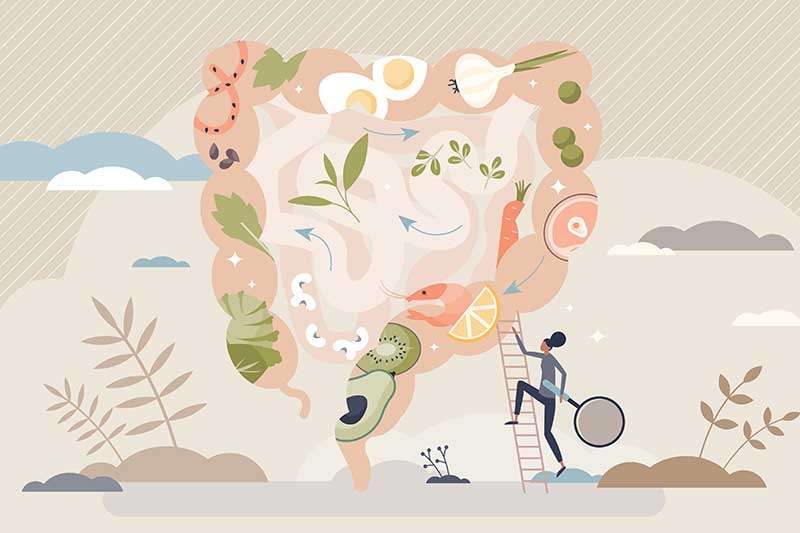


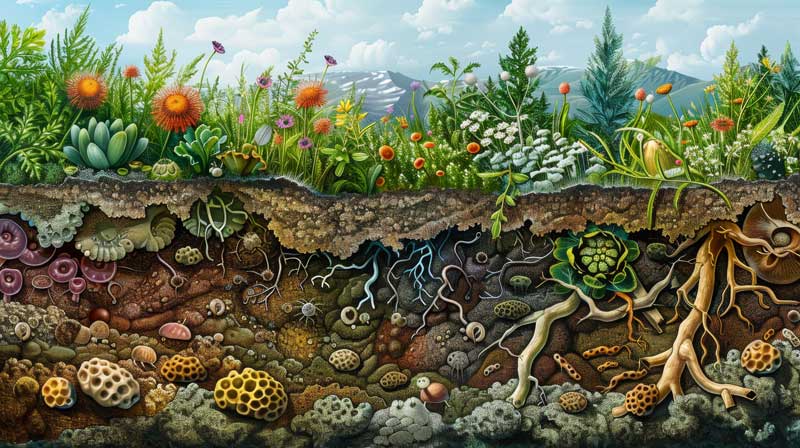

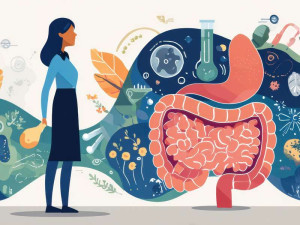


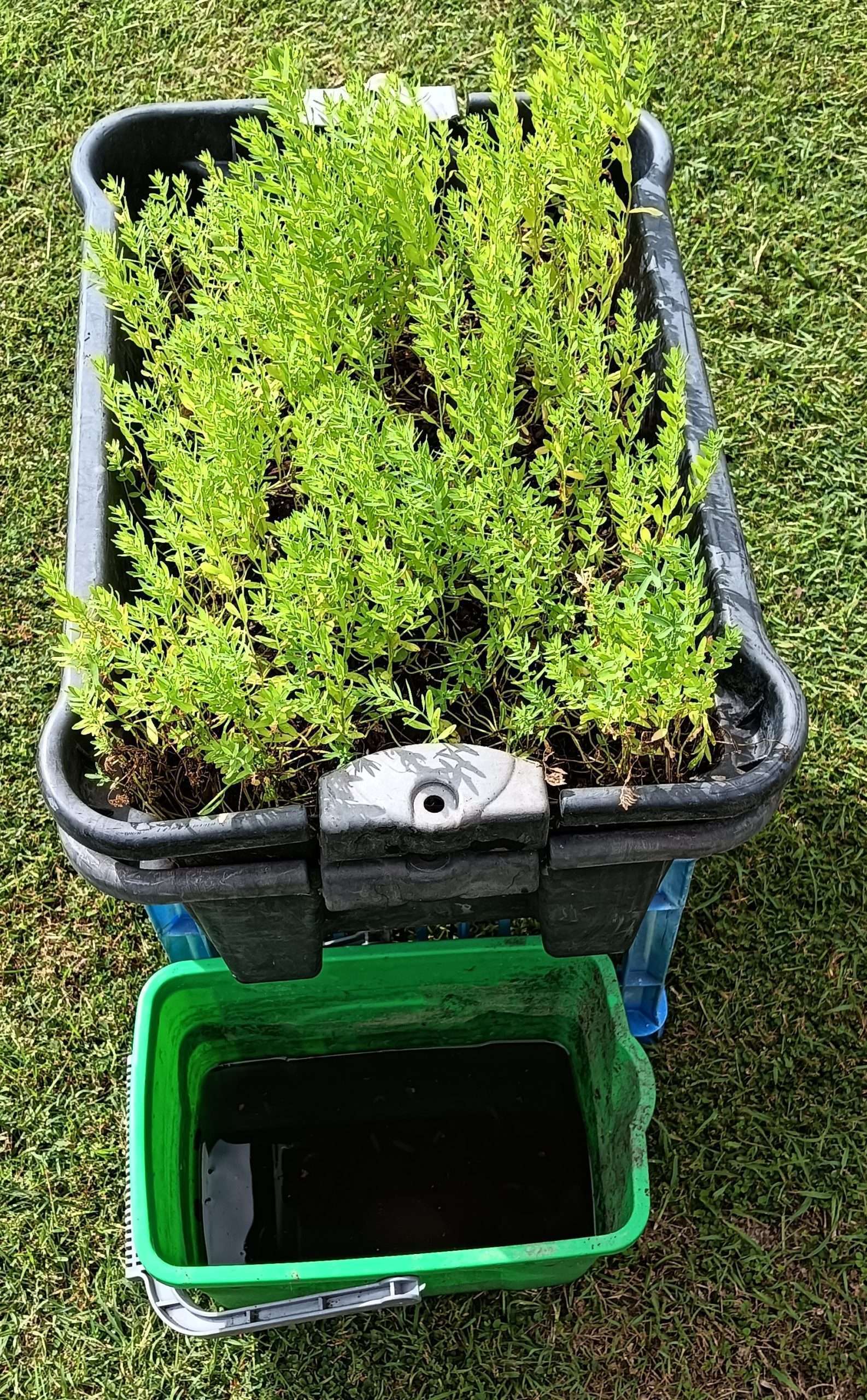

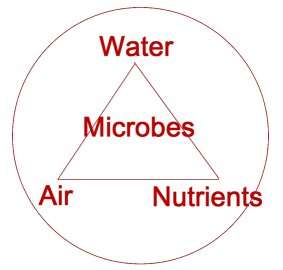 This is called Eco-balance - creating a stable Ecosystem which is in a state of stable balance.
The conditions are a balance of nutrients, water and air.
Nutrients come from was decaying organic matter and plants. Living plants exude nutrients from their roots with different species of plants exuding different nutrients which attract and feed different species of microbes.
Traditionally we ate food that was full of organic waste and ate plants so we naturally had a broad spectrum of microbes.
This is called Eco-balance - creating a stable Ecosystem which is in a state of stable balance.
The conditions are a balance of nutrients, water and air.
Nutrients come from was decaying organic matter and plants. Living plants exude nutrients from their roots with different species of plants exuding different nutrients which attract and feed different species of microbes.
Traditionally we ate food that was full of organic waste and ate plants so we naturally had a broad spectrum of microbes.
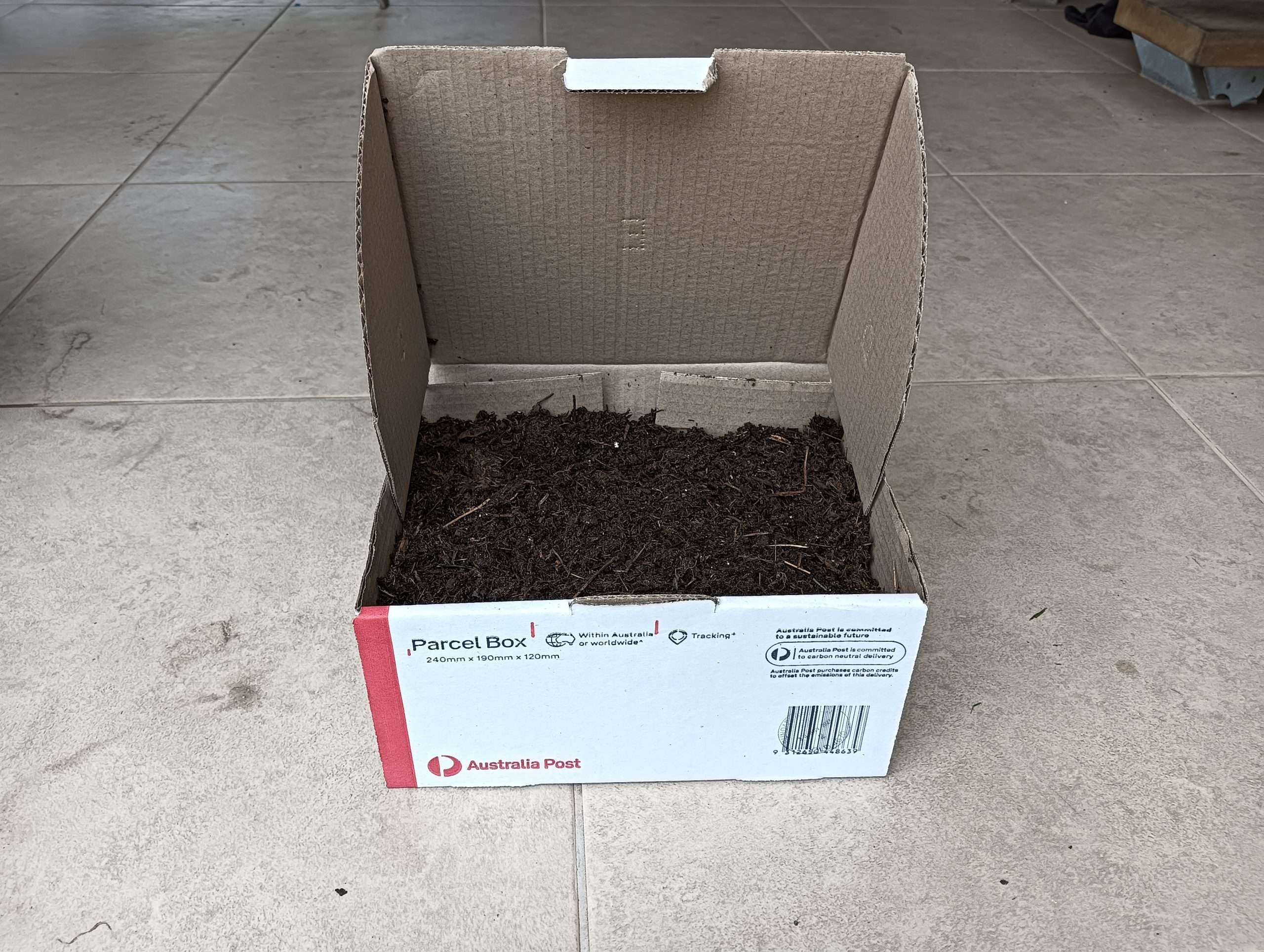 This process of breeding beneficial microbes is difficult to do on an industrial scale but is very easy for people to do at home, even if they have no garden or growing experience. Just grow plants in Gbiota boxes and use the flood and flush system.
This has many advantages other than enhancing our gut microbes particularly it is a lot cheaper than our modern remote growing system and it naturally recycles organic waste which would otherwise end up as greenhouse gases and food is always available in times of crisis.
Gbiota boxes can be readily made from boxes available at any hardware store together with regular potting mix and seeds.
It does however need a starter or inoculant kit containing a spectrum of beneficial microbes which is easily purchased online and will need replacing preferably twice a year - the microbial Ecosystem is delicate.
This process of breeding beneficial microbes is difficult to do on an industrial scale but is very easy for people to do at home, even if they have no garden or growing experience. Just grow plants in Gbiota boxes and use the flood and flush system.
This has many advantages other than enhancing our gut microbes particularly it is a lot cheaper than our modern remote growing system and it naturally recycles organic waste which would otherwise end up as greenhouse gases and food is always available in times of crisis.
Gbiota boxes can be readily made from boxes available at any hardware store together with regular potting mix and seeds.
It does however need a starter or inoculant kit containing a spectrum of beneficial microbes which is easily purchased online and will need replacing preferably twice a year - the microbial Ecosystem is delicate.


 We need a social movement where local groups decide they want to eat healthy food and are willing to spend time learning the basics of how food affects their health — and to understand that health starts in the soil.
Once people understand this, they have three options:
We need a social movement where local groups decide they want to eat healthy food and are willing to spend time learning the basics of how food affects their health — and to understand that health starts in the soil.
Once people understand this, they have three options: