Gbiota Thinking: The Path to Restore Gut Health

Gbiota Thinking: The Path to Restore Gut Health

Modern nutrition advice keeps changing, yet obesity, diabetes, heart attacks, strokes, and dementia keep rising. That tells us the problem is not just “chemicals in food” or “willpower”. Appetite is controlled by a highly intelligent gut–brain system that worked for hundreds of thousands of years. The working idea here is simple: this control system has been damaged by toxins, missing trace minerals, and addictive food combinations. The solution must be testable, scalable, and based on real measurements.


Why This Document Exists

This document explains the thinking behind the Gbiota system and links to how it works in practice. The goal is not only to grow healthy plants, but to grow health-making plants. A health-making plant needs the right balance of nutrients, phytonutrients, and trace minerals. Biochemistry has mapped many of the chemicals that support human health, and this is important. But it is not enough on its own.

Health must also be viewed biologically. Forty years ago there was little nutrition advice, yet chronic non-infectious disease was relatively minor. Since then, advice has exploded and often conflicts: low fat, high fat, avoid fruit, eat fruit, and so on. Despite all the guidance, more people are overweight and chronic disease has expanded to epidemic levels.

A useful rule applies: repeating the same mistake while expecting a different result is not wisdom. The core mistake has been treating humans like purely mechanical chemical machines. Appetite and eating behaviour are not controlled only by conscious choice. They are regulated by a powerful internal system that worked automatically for most of human history.

The Gut–Brain Control System

The body has a built-in control system that manages what and how much we want to eat. This system is distributed across the gut and the brain. It communicates through hormones and signals and also through the vagus nerve. Science has identified many signals, including hormones that influence hunger and satiety. Some signals can even be triggered by sight and anticipation, which shows how integrated this control system is.

Even when the internal logic is not fully understood, the outcomes are clear: the system normally regulates appetite effectively. A practical example is salt craving. In a hot, dry climate, heavy sweating can lead to a strong craving for “something” that does not go away until salts are replaced. The body can recognise what is missing, even if the conscious mind cannot identify it. That is evidence of a sensing and control mechanism that is extremely precise.

Infectious vs Non-Infectious Disease

For thousands of years, infectious diseases caused major suffering and death. Modern medical science made enormous progress by using reductionist methods: study the cause, then develop targeted solutions such as antibiotics. This strategy worked well for many infections.

Non-infectious diseases—obesity, diabetes, heart attacks, strokes, dementia, depression—always existed, but were once far less common. In the last few decades they have escalated dramatically. Even children, historically largely free from chronic disease, now commonly experience obesity, which is a strong predictor of later illness.

Why “Classic Nutrition Science” Has Struggled

Early approaches to chronic disease leaned heavily on large epidemiological studies, hoping correlations would reveal clear answers. Results were often disappointing and sometimes harmful. A widely cited example is the “fat is bad” era, which contributed to low-fat product trends and increased added sugars, including highly processed sweeteners. That shift helped drive diabetes and related disease.

The backlash produced a counter-trend: very low-carb and ketogenic diets. These can be effective short term, but may carry long-term risks for some people. The deeper issue is that the argument often becomes ideological while the epidemic continues to grow.

If standard expert advice is not stopping the crisis, it is time to step back and rethink the method.

Innovation Works When It Can Be Measured

A common belief is that innovation starts in research labs and is then applied by engineers and entrepreneurs. Sometimes that is true. But many major innovations were built first and explained later. Steam engines were improved before thermodynamic theory matured, and practical flight preceded modern aerodynamic theory.

The common feature is measurement. James Watt developed horsepower as a way to measure improvement. The Wright Brothers used control tests to prove they could fly safely and repeatedly. They also solved a chain of practical problems along the way.

For chronic disease, the same rule applies: a working hypothesis is needed, and the outcome must be measurable. Without measurement, debate never ends.

Reversing Diabetes and the Challenge of Scale

A useful modern model of type 2 diabetes describes a progression: poor diet leads to weight gain and fat accumulation; fat interferes with sugar handling in muscles (insulin resistance); the pancreas compensates by producing more insulin; eventually fat builds in the pancreas and blocks insulin production, tipping the person into serious diabetes with risks like amputation and blindness.

This model supports a practical conclusion: in many cases, diabetes can be reversed by dietary change. But there is a problem: scale. There are enormous numbers of people affected worldwide. Treating a small group in a supervised program is not the same as helping millions or billions.

A universal diet that fits everyone is unlikely to work. People respond differently. Some can eat a terrible diet and remain apparently healthy. Others become diabetic quickly. That leads to a “childlike” but critical question: why do some people avoid diabetes while others do not? The best current answer is that individual biology differs, so the most realistic strategy is to develop diets that are personal and measurable.

Measurement: Continuous Glucose Monitoring

Diabetes has a major advantage compared to many other chronic diseases: outcomes can be measured quickly. Continuous glucose monitoring provides a 24-hour view of blood sugar patterns, including spikes after meals and the speed of recovery. Over days and weeks, the trends reveal what is working for a specific person and what is not.

This changes the game. Instead of arguing about low-fat versus low-carb in theory, the data shows what actually happens in a real individual. For a global diabetes strategy, this is a practical testing method that can guide personalised decisions.

The Two-Part Working Hypothesis

The working hypothesis has two connected parts. Not every link has been proven in full detail, but waiting for perfect proof would be immoral given the scale of harm. What matters is whether the whole approach measurably improves blood sugar and health outcomes.

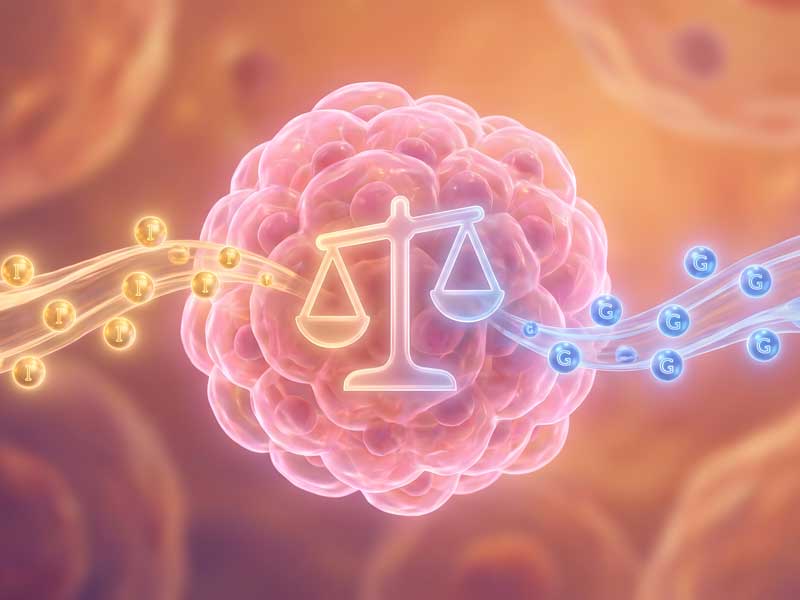
Part 1: The internal control system is compromised. The gut–brain system that regulates appetite and metabolism has been damaged by toxic chemicals in the food system, by missing trace minerals and phytonutrients, and by food patterns that the body did not evolve to handle.

Many chemicals embedded on foods were designed to kill pests. Even if their direct effects on human cells are debated, there is no question they can harm microbes, and the gut microbiome is made of microbes. At the same time, chemical-industrial agriculture has reduced mineral diversity in soils and food. When key nutrients are missing, cravings rise until something “hits the target” by chance.

Part 2: Modern food is addictive. Added sugars, sugar–fat combinations, and artificial flavours can drive addiction-like eating behaviour. The internal control system is not adapted to these concentrated and engineered foods.

Solutions Step-by-Step

Step 1: Restore the Internal Control System with Better Food

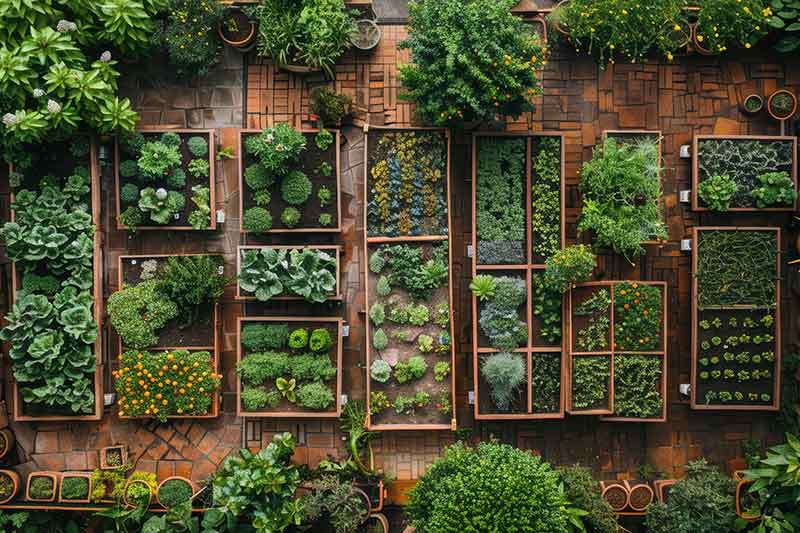
The first step is producing food that supports gut biology and provides missing minerals. The Gbiota bed system was developed to breed biology in containers and flush a compost tea through soil, draining excess. Trace minerals relevant to metabolic health, such as magnesium and chromium, can be added.

The full chain—soil to plant to food to gut—has not yet received the rigorous scientific analysis it deserves, but the measurable question is simpler: does it reduce blood sugar and improve recovery patterns on continuous monitoring? If an individual shows clear improvement when eating food grown this way, then the system works for them, even if every mechanism is not yet mapped.

Step 2: Reduce Food Addiction with Support

Reversing addiction is hard in isolation. A supportive group with a qualified, sympathetic leader can help people reset eating habits until healthy choices become normal and cravings fade. Intermittent fasting is one tool that can improve metabolic health, but it is easier to adopt with community support and clear feedback.

Step 3: Rebuild Natural Fat Cycling

Humans evolved with variable food supply. The body stores fat when food is available and releases it when food is scarce. In modern life, food is available almost constantly, so many people stay locked in storage mode. Intermittent fasting can retrain the body back into a natural in-and-out energy flow.

Step 4: Build a Practical System That Scales

A workable large-scale system should provide:

  • toxin-free, nutrient-rich, biologically active produce
  • food and dietary assistance
  • expertise in glucose monitoring and interpreting results
  • exercise advice (because it strongly affects blood sugar)
  • stress management to avoid cortisone-driven sugar spikes
  • education so people can continue after the initial intensive phase

A full health-resort model for huge numbers of people would be difficult and expensive. The focus therefore shifts toward education and self-help, supported by growers who already want to produce toxin-free food and can adopt the Gbiota method.

Conclusion

The Gbiota approach is built on a different starting point: appetite is controlled by an intelligent gut–brain system, and modern life has damaged it. The priority is to restore that system with biologically active, nutrient-rich food, reduce addictive eating patterns, and retrain natural fat cycling.

Loading

Why Metabolic Food?

Why Metabolic Food?

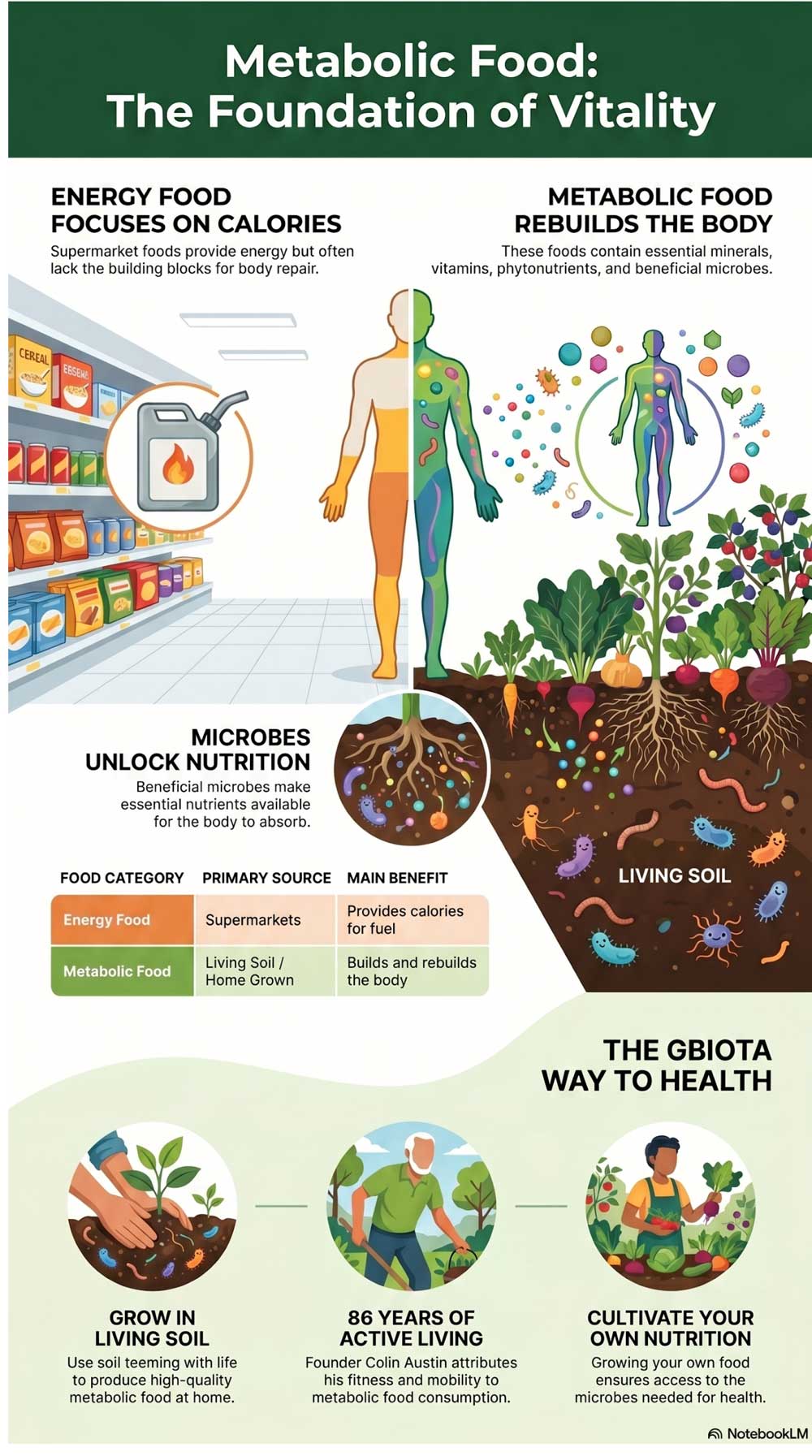
Most foods give us energy, but our bodies also need foods that help rebuild and renew our cells every day. We call these metabolic foods because they support the processes that keep us healthy and thriving.

Your body may look the same each day, but behind the scenes, your cells are always being replaced. To build strong, healthy new cells, your body relies on metabolic foods.

Modern diets are high in energy foods but often lack enough metabolic foods, leading to long-term health problems. Metabolic foods also help us feel full, so we do not overeat.

Our goal is to make metabolic foods more accessible, so everyone can live a longer, healthier life.

Deficiencies

Blood is a good example of metabolic foods at work.

Haemoglobin is essential because it absorbs oxygen from the lungs and distributes it to our muscles. Our bodies can make blood cells at the phenomenal rate of 2 million a second, but they only live for 120 days before they die and are expelled from our bodies.

The dark reddish-brown colour of our poo comes from iron, just as the dark, rich colour of healthy soil reflects its mineral richness.

Iron is often deficient in women, zinc in men, and there is a whole range of other minerals, such as magnesium, selenium and iodine, that are often deficient. Then there are vitamins, such as B12, along with phytonutrients from plants.

While we are still learning exactly how metabolic foods improve health, we know they work.

A tomato contains thousands of natural nutrients that cannot be replaced by synthetic supplements. Instead, we can follow the example of healthy cultures throughout history and grow real metabolic foods ourselves.

Most important are the microbes that breed in the soil, enter the plants, and then support our gut. A healthy gut helps support a healthy body.

It is simple and inexpensive.

We have studied how people who live long, healthy lives grow their food, and used this knowledge to create the Gbiota system — a proven way to grow metabolic foods. Our mission is to make this system available to everyone, so all can benefit.

Metabolic Food Infographic | Gbiota

Loading

Changing the food system

Changing the food system

Tripling of population

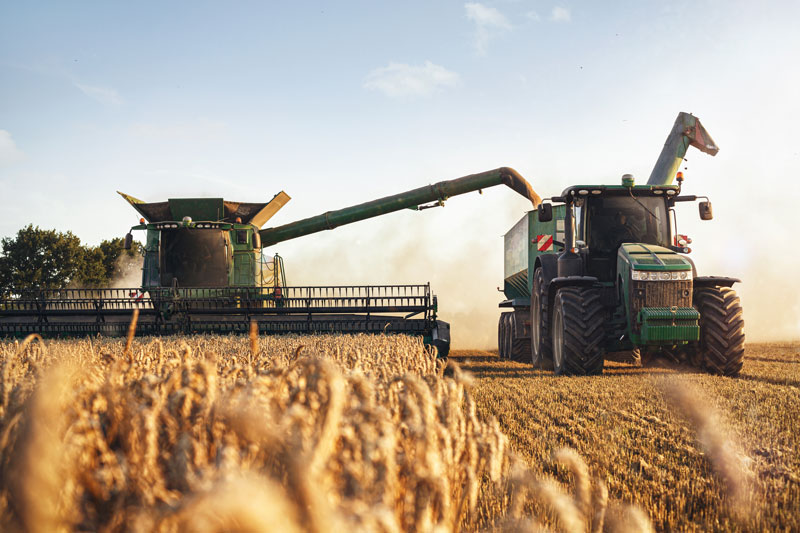
In my lifetime the world’s population has increased more than threefold (actually 3.47), and all those mouths have to be fed. We have seen the massive increase in agricultural productivity—the Green Revolution—pioneered by Norman Borlaug and now often criticised as chemical industrial agriculture. This has been highly successful from a simple criterion of volume of energy food produced. We are producing enough energy food to feed some thirteen billion people if it were equitably distributed. That is a social problem, not a technical or resource problem. That’s an increase of 4.5 times in my lifetime—spectacular.

Energy

How does this work? We need plants. Plants take carbon dioxide from the air and water from the soil and use the sun’s energy to make carbohydrates (while releasing oxygen). We can then eat these plants (or animals that eat these plants), burning the carbohydrates to release energy to power our bodies while releasing carbon dioxide and water back to the atmosphere as wastes. Are there any problems? We are not short of sunlight. Enough sunlight falls on the earth in one hour to provide enough energy to power all humans on earth for the rest of the year. Energy is not a problem. Of course, to use that energy we have to make things to harness it. In my lifetime I have watched a spectacular expansion of our technologies. If you think that a 4.5 times increase in energy food is spectacular, it is nothing in comparison with our ability to make “stuff”. With the digital revolution, automation, artificial intelligence, robots and so on, we would need to measure the increase in the tens. Labour used to mean manual labour. Now it often means sitting in front of a computer screen telling machines what to do. Again, the wealth created is not equitably distributed, which is a social—not a technical or resource—problem. But most people are enjoying a better life, which we hope will continue into the future.

Focus on the real problem

Let us not waste our mental energies focusing on problems that are not on the critical path. Instead, we should hone in on the really serious issue. That issue is not energy, vitamins, or minerals as you might expect, but trillions of bugs. (I use the common word “bug” rather than the more technically correct term “microbiology” for clarity and emphasis.) I don’t mean COVID—that is bad, but there is worse: the lack of well-being of the good bugs on which all our lives depend. Bugs unfortunately hired the wrong PR company with disastrous consequences. Their public image is that bugs should be killed at all costs. That image could be the biggest hazard facing humanity.

Bugs

Bugs are simply everywhere. Clean any surface with the most powerful antiseptic until not a single bug is left alive, and within an hour the surface will be repopulated. We are totally dependent on bugs. There may be a few dangerous ones, but the vast majority are either neutral, beneficial, or—more often—essential for our survival. Whether we like it or not, the future of humanity lies with the bugs.

Evolution

To understand bugs we have to study evolution. People often paraphrased Charles Darwin as “survival of the fittest”. That is not what he said, and it is not really true. A better phrase might be “survival of the randiest”. It does not matter how strong or swift a species is; it will only survive if it can breed and propagate—how fast and ferocious is a cane toad? Bugs were the first living creatures on earth. No other creatures could exist without the work of the bugs. It started with bugs breaking down rocks to form the first soils; we can still see this today with lichens and mosses. The process was incredibly slow, taking a billion years or so because it needed energy and the early bugs did not have an efficient way of harnessing energy. But eventually they made just enough soil for plants to grow.

The arrival of plants

Everything changed with the arrival of plants, which could harness the sun’s energy to produce sugars. They exude these sugars from their roots into the soil to feed biology—particularly bacteria and fungi—in the soil, which in turn feed the plants. This created the greatest deal of all time: the synergistic relationship between plants and soil biology, on which we still depend for our food today. We are destroying our soil at an unsustainable rate. We need the bugs to regenerate the soil. Bugs are very fussy about water, and we are exhausting many of our aquifers, which have accumulated over thousands of years.

Our private bugs

We, like most animals, also have a similar synergistic relationship with our own personal bugs. They are everywhere on and in us, particularly in our guts, which do much more than help us digest our food. For a long time, guts and their bugs were considered boring by microbiologists. Then along came DNA sequencing, which allowed them to study the trillions of cells and thousands of species that make up our guts. Researchers discovered that each individual cell was communicating with its neighbours. This got me really excited because I realised we were looking at a supercomputer inside us taking critical decisions about how we were operating. I was trained as an engineer but have spent much of my life writing code, and here was a computer which was the intelligent control system for our body. That is a really big idea, but unfortunately I could not find the code—let alone how it worked. However, I knew enough about how code works to make a pretty good guess.

Diabetes

I had a particular interest in diabetes. My wife is a medical doctor and diabetic—which should not happen, but did. Diabetes is the world’s fastest growing disease, affecting millions of people across the globe. It is easy enough to find out that diabetes is caused by fat in the pancreas shutting down insulin production and reducing the effectiveness of the remaining insulin in the rest of the body. I could read about hormones like ghrelin and leptin, which control our appetite and whether we store fat or not, but what was controlling the release of these hormones?

Pooh parties

Then there were those experiments with faecal transplants where, simply by going along to a trendy inner-city “pooh swapping party”, you could swap pooh and make yourself skinny or fat according to your choice. I was never invited to any of these parties, but I did learn of research into the gut biology of hunter-gatherer tribes and people living in the so-called blue zones, and found that they have a far healthier gut biome than most of us. Their gut biology changed from season to season as their diet changed. This is clear proof that you can change your gut biology simply through diet.

It all starts in the soil

The obvious thing to look for is the difference between the type of plants they were eating and the plants we eat in modern society. While they were eating a much wider spectrum of plant species than us, what was really apparent was the difference in the soils—with their much higher levels of both micro and macro soil biology. We may not know the exact pathway from the soil to our gut biology, but it is there.

Growing up and growing old

Babies are born weighing a couple of kilograms and will increase their mass by a factor of between thirty and fifty times. But all that time our body parts are ageing or wearing out. This varies from organ to organ, but we can oversimplify and say every two or three months we effectively have a new body. This extra mass is made from very complex chemicals which must originally come from our food. Many of these are made in our guts by processing trace minerals.

The critical list

Our gut does three critical jobs:
  • controls our appetite so we have enough energy but don’t overeat,
  • manufactures the complex chemicals we need to replace our body parts as they age,
  • hosts much of our immune system to protect us from infection.
Human survival depends on this synergistic relationship between us and our bugs, and sad to say our modern food system is damaging this relationship. Modern chemical industrial agriculture is also destroying the soil biology that actually makes soil. For our health today—and the food supply for our grandkids and their grandkids—modifying the way we grow our food is at the top of humanity’s “must do” list.

Innovation

I have spent my life in innovation. I was selected as one of the top one hundred innovators for my pioneering work on computer-aided engineering and later pioneered wicking beds as a way of saving water. It is natural that I should see resolving our food crisis as my next major challenge. I understand the process of innovation. It is not sitting in an armchair waiting for some magic idea to appear out of the blue. There are four distinct phases, each one getting progressively more difficult. The first stage is easy: studying everything that has been done before. In the days of the internet this is much easier and, in my case with food, meant travelling to remote places that still practise traditional agriculture—really quite pleasant (as long as you can handle rural loos). The second stage is the thinking stage, trying to get all this information into some form of perspective. With a topic like food and diet, where there seem so many totally opposed views, this can be challenging, but hopefully leads to the experimentation phase. The third phase is experimentation to test whether the ideas actually work in practice. They rarely do at first, so an ongoing cycle of failures and retries is needed. A bit of obstinacy is an essential requirement for an innovator. The final stage is by far the most difficult and depressing: persuading other people—often saturated with vested interests or outdated paradigms—to adopt the new thinking and technology. This is where we are now.

The Gbiota technology

The aim of the Gbiota technology is to grow plants which are natural pre and probiotics, providing our bodies with the biology we need and the food to feed those bugs, as well as essential minerals. The answer is in front of us. Humans have been collecting or growing food in a sustainable way for hundreds of thousands of years—we already know the answers. The challenge is speed and scale. It is easy to have a sustainable food system when there are just a few million people on earth, but doing it fast enough to feed the current eight billion—and growing—is the challenge. This stage three of the innovation process (proving the technology) is solved. It is simple, people are already using it, and it works. Of course, there are many scientific questions still to resolve, but these are typically resolved once the technology is proven practical and beneficial. The steam engine did not appear because Carnot discovered thermodynamic cycles; Carnot did his work because steam engines worked and were useful. We now have to move on to stage four of the innovation process: persuading people they should be feeding their gut and head brains with Gbiota food. But first, let’s look at how Gbiota beds work.

How Gbiota beds work

The inputs for the Gbiota system are waste food and organics, manure, and minerals—particularly trace minerals which are essential for human health but which plants either do not need or only need in small amounts. There is nothing radically new about these inputs. Then we need the real workers. I don’t mean the humans that work the system; I mean the bugs, worms, and creatures of the soil which do the real work. These may be added as inoculants but in many cases they will just appear if you make the conditions right, which brings me to water. We are basically breeding beneficial biology in organic waste, manure, and minerals and then allowing them to move into our guts. We may be a bit light on some of the detailed pathways, but bugs seem to know a good thing when they find it.

Goldilocks water

The bugs and the worms and creatures of the soil are actually very fussy about water. It has to be not too wet and not too dry—just right. Goldilocks water. Water is really funny stuff. It behaves like a normal fluid and will flow under pressure as we expect. But we don’t want a soil that is saturated; we want it just moist enough to keep the workers happy. To do that, we have to exploit one of the peculiarities of water. Although it is nominally a fluid, it has the remarkable property of having tensile strength like a steel wire. That is how water rises to the top of tall trees—it is literally pulled up by tensile forces as the water evaporates from the leaves.

Making a Gbiota wicking bed

Full details of how to make a Gbiota bed are on my website www.gbiota.com. Go to the Videos, Blogs, and Growing sections in the menu. Gbiota beds have a waterproof base; it could be clay, a plastic film, or a self-contained box. Ag pipe (or pipes) runs along the base of the bed and then up and over a leaky soil dam before returning to a sump. Initially, the base of the bed is filled with organic waste, then covered with soil. A meshed basket (or just an augered hole) sits above the base pipe and is filled with a mix of food and organic waste, manure, and minerals (ecomix). Worms or biological inoculants may be added if needed, but if the conditions are right they may just appear (for example, sunflowers will attract mycorrhizal fungi which just appear). Water is pumped from the sump and dispersed through the ecomix, forming a compost tea which floods the base of the bed. This tea wicks up into the body of the bed and any excess drains out through the leaky soil dam and back into the sump. This partial flood-and-drain cycle expels stale air and sucks fresh air back into the bed so it is aerobic and the compost does not go putrid. As the organic material in the bed decomposes and the surface drops, the ecomix in the basket is spread over the surface as a mulch and the basket refilled. This is a very effective composting system. Plants are grown in the normal way except that no toxic chemicals are used that may harm the biology. Pest damage can be minimised by “tipping”, just cutting the tips of shoots as in microgreens. See the video “Food for health tipping”: https://youtu.be/J1idf1tKO4k.

Labile compost

The ecomix should preferably be labile or young compost which is mature enough that any growth inhibitors, often found in plant roots, have decomposed. Some manures, particularly human, may contain pathogens. These can still be used in a two-stage process. Gbiota beds using this suspect waste are used to grow specific plants (such as Easter cassia, Senna pendula) as green manure. These plants are then used as the organic input in the food production beds.

Innovation stage 4: changing the food paradigm

Profits versus community

The final stage of innovation is always the most difficult—particularly so in this case. We are not trying to sell Cabbage A as opposed to Cabbage B. We are asking people to rethink what it is to live in a democratic and capitalist society, choosing a system in which short-term profits are replaced by considering what is best for society, both now and for future generations. There is little doubt that the modern system of chemical industrial agriculture and supermarket distribution provides the cheapest and most convenient food supply. But is it really best for our health and the health of our grandkids? The answer is clearly no. How do we get people to make that paradigm shift and use the power of their wallets to support regenerative farmers?

Up-scaling

Gbiota beds are already being used by home growers who are happy to mess around in their backyards growing some food for their own use. This is simply not enough. We have to persuade the majority of people they should be eating Gbiota food.

The Anthropocene

We are now in the Anthropocene, when humans have the numbers, power, and technology to exterminate our species—or more likely make a lot of us very miserable. Just think of the problems we face today: COVID, global warming, autocratic rulers, refugees, food shortages, and chronic diseases like diabetes. There is no doubt there are dangers ahead. Global warming receives the most publicity, but we are not all going to fry to death. There is an even bigger danger: if we don’t manage our soil, water, and bugs we simply won’t have the right type of food to maintain a healthy population.

Smart and cooperative

Humans are smart and generally cooperative—traits that have enabled us to become the most dominant creature on earth, by far. We may have innovation and technology, but these need to benefit the community as a whole and not just a few already wealthy individuals and corporations. We are not allowing our natural willingness to cooperate to shine through and are instead clinging to last century’s economic philosophies that treat profit as the sole criterion for running a business, together with a relaxed attitude to the neo-monopolies that currently dominate our global economic system. The massive and very clever advertising by the food industry may have convinced much of the population that modern food is healthy and that there is no problem. But if our grandkids and their grandkids are going to be fit and healthy from eating the right sort of food, we have to change that paradigm.

Bugs, soil, and water

We need to change the way we manage bugs, soil, and water. If we mismanage these, then our grandkids and their grandkids will suffer. But this is not just a future problem. Failure to feed our gut brains means they no longer properly control our appetite, so we overeat and are prone to diabetes—the most rapidly growing disease—and compromise our immune system, making us more susceptible to infections. That is not good in the middle of a pandemic. This is totally avoidable if we understand the issues and have an action plan.

We have allies

We already have many home growers using Gbiota beds. We know they work, change gut biology, and reduce food cravings. We know that soil biology is aerobic and gut biology is anaerobic, so we assume that some of the anaerobic biology is moving from the guts of soil animals, particularly worms. We certainly need more research to understand the pathways. We assume that having a healthy gut with essential minerals will lead to a longer and healthier life. We have no way of proving that, in the strict scientific sense, by conducting a gold-standard trial with a control group deliberately kept on a diet lacking the biology and minerals we believe are essential. Try getting volunteers for that, let alone getting it through an ethics committee. We do not live in a perfect world with perfect knowledge and are forced to make decisions based on the best available evidence—even if far from perfect. COVID has taught us that, providing some valuable lessons. Clearly, the right decision is to educate people about the importance of gut biology and trace minerals and hope they take the right decisions free from commercial pressure.

Regenerative agriculture

We do have one major factor on our side: the widespread understanding of the need to practise regenerative agriculture, of which Gbiota beds are a prime example. Production capacity is not the problem. There are thousands of farmers practising regenerative agriculture who are perfectly capable of installing and operating Gbiota beds. One issue with the Gbiota system is persuading people to eat food grown in a process dominated by recycling waste, manure, bugs, and worm poo. People have been indoctrinated to think food should be clean and sterile, and some seem to prefer getting fat, sick, and diabetic rather than eating the food we evolved to eat.

The wonderful world of the web

The modern food industry spends billions of dollars on advertising to persuade us that their food is healthy. It is a reality that no one—even governments—can afford to compete against this massive spending power. The obvious solution is the web—but the web is not what it used to be. Once one of the greatest equalising forces on the globe, it has degenerated into a home for manipulative advertising. Clever and effective, but it has created a feeling of total suspicion and saturation which leaves people resistant even to reasonable arguments. This is not my area of expertise, but it is impossible to avoid noticing the rise of influencers. It seems that people want contact with a real person they hope they can trust. Maybe a global network of food influencers is part of the answer. All the scientists with their arrays of carefully checked facts had little impact on governments to take effective action on climate change. I can only marvel at the impact of a tiny schoolgirl from Sweden. I hope that somewhere out there is a “Greta Foodberg”. Or maybe it is something totally different—a group of “grumpy grannies” who feel it is their role in life to protect their grandkids from manipulation. If you can relate to this, drop me an email. Read Community Supported Agriculture Home

Loading

Community Supported Agriculture

Community Supported Agriculture

The Gbiota club is a community-supported agriculture movement where growers and eaters work together to restore soil health, support our gut biology, and make the world healthier for our grandkids.

Join the Gbiota Club

I am inviting you to join the Gbiota club. I can and do put forward the logical reasons to join: it is essentially community supported agriculture—buyers support growers and get nutritious food grown under carefully controlled, regenerative conditions, while growers have an assured customer base and can focus on improving their soils. All of that is totally logical—and true—but it is not the real reason. The real reason is my grandkids, and their grandkids who don’t even exist yet. We live in what is called the Anthropocene, where humans have a major impact on the earth. If I listed everything that is going wrong it would be deeply depressing: climate change, obesity, diabetes, soil degradation, social unrest, inequality—the list goes on and on. The underlying reason is that many of our leaders focus on short-term benefits—profits and power now—for themselves. But humans are smart and cooperative. If we work together, we can solve these problems. We—ordinary people—can do it. We can’t simply rely on our leaders; we have to become leaders and show them a better way. We can start by growing food in a way that is both healthy and sustainable, by breeding beneficial biology in recycled waste and adding essential trace minerals.

For Our Grandkids

To be honest, I don’t really care about dollars and cents. I am 81 and have enough money to last the rest of my expected life. But I do care about the lives my grandkids and their grandkids will live. So join me in the Gbiota club and help make the world a better place for future generations. Forget the greedy politicians and big-business tycoons—we can do this ourselves.

Taking Back Control

The Gbiota club is more than people buying healthy food directly from growers—although that is essential. It is about what sort of world we, and our grandkids, live in. We can be puppets controlled by profit-obsessed corporations, short-sighted politicians, or even by the technology that dominates our lives. Or we can take control of our food system and how our food is grown. We want food that will make us healthy, grown in a sustainable way. I would make a useless politician, but I am an innovator. I have developed technology for growing plants that act as pre- and probiotics, and I can organise the communications platform so club members can decide among themselves what they want to grow and eat. But I cannot do this alone. It is up to club members to take the initiative. The first step is to register and join the club.

Not All Cabbages Are the Same

Two cabbages can look identical, yet be completely different in terms of health. One may have been grown in soil full of beneficial biology and essential trace minerals. The other may have come from tired soil, depleted in minerals and life, propped up by synthetic fertilisers and toxic sprays. Unless you happen to have a mass spectrometer and DNA sequencer in your handbag, you have no way of knowing which is which—unless you know and trust your grower. By joining the Gbiota club, we can ensure our food is grown in healthy soil, rich in beneficial biology and essential trace minerals. Healthy food starts in healthy soil. Gbiota beds grow food in nutritious, biologically active soil by breeding beneficial biology in organic waste and adding essential trace minerals.

Join the Gbiota Club

We have three types of membership:
  • Customers – people who don’t have the time or land to grow their own food but still want to eat healthy food.
  • Home Growers – people who want to use Gbiota technology to grow the best food for themselves and their families.
  • Commercial Growers – growers who want to use Gbiota technology but need access to a regular customer base.
The Gbiota club does not buy or sell food. We provide the technology for growing gut-brain food and link growers and buyers together.

Soil Is Key

Health starts in the soil. Soil is formed as microbiology breaks down rocks and is continually renewed as plants grow, die, and decompose back into the soil. We can assess soil quality by the number of worms reworking the soil. Read more in Making Soil.

Gut Microbiology

We have evolved with this microbiology, which now forms an essential part of our gut. Trillions of cells, made up of thousands of species, live in our digestive system. They are far more than a mass of dumb cells—they communicate with each other and with our head brain to form an intelligent control system that manages our bodies. Our gut brain:
  • controls our appetite so we have enough energy but don’t overeat,
  • manufactures complex chemicals we need to replace body parts as they age,
  • hosts much of our immune system and helps protect us from pandemics.
Modern industrial soils lack much of this essential biology. Many chemicals used in agriculture are advertised as safe for humans, but they can be devastating for soil biology.

The Food Crisis

The only thing necessary for the triumph of evil is for good men to do nothing. – Edmund Burke, 1770

There are about eight billion people on earth, with around 250 babies born every minute. How are we going to feed everyone—now and into the future? Our modern food industry is staggering in its scale and productivity. We have huge areas growing staple crops like wheat, corn, rice, and potatoes, and we are continuously clearing forests to grow palm oil. Much of this is fed to chickens in vast sheds, pigs in cages, and cows in feedlots. Our production of chicken wings and chips (and similar foods) is simply stunning. Right now we are producing enough food to feed a population of some thirteen billion people—more than half again the current global population—if it were equitably distributed. Yet massive amounts of food are wasted and end up in landfill, creating greenhouse gases and losing essential minerals. Does that mean we are healthy and sustainable? Simply, no.

Evolution and Soil

We humans are the result of millions of years of evolution, but our modern food is very different in two important ways from the food we evolved to eat. The key difference is in the soil. Soil is formed as microbiology breaks down rocks and is continuously cycled as plants grow, die, and decompose. This process depends entirely on microbiology and soil creatures, particularly worms.

Gut Microbiology and Health

We have evolved with this microbiology, which now forms an essential part of our gut. Trillions of cells, made up of thousands of species, communicate with each other and with our head brain to form an intelligent control system that manages our bodies and performs three vital jobs:
  • controls our appetite so we have enough energy but don’t overeat,
  • produces complex chemicals needed to repair and replace body parts,
  • hosts much of our immune system to protect us from infections and pandemics.
Modern chemical-industrial agriculture often destroys this soil biology. Many of the chemicals used may not directly harm us, but they harm the soil life that ultimately supports our gut biology.

Trace Minerals

Early soils were rich in a wide range of minerals that both we and plants need. Plants are simpler than humans and require a narrower set of minerals. There is no economic pressure on farmers to replace many trace minerals that are essential for human health—such as chromium, iron, zinc, selenium, and iodine. Chemical industrial agriculture largely replaces only the major nutrients (N, P, K) needed for plant growth. Without deliberate replenishment of trace minerals, our soils—and therefore our food—become deficient. Our health depends on healthy soils, which in turn depend on regenerative agriculture based on recycling organic waste, adding trace minerals, and breeding beneficial biology—especially worms, which are a key indicator of soil health. Read more in Adapting to the Food Crisis.

Feeding Our Gut Brain

Our gut biota are temporary residents, constantly breeding and dying. We simply cannot be fit and healthy without a healthy gut, and that means having the right species in the right balance. This depends on what we eat. We can change the biology in our guts by changing what we eat—just as we can replace a graphics card or memory module in a computer to change its performance.

Modern Foods

Modern foods, full of sugars, fats, and refined carbohydrates, breed gut biology that makes us fat and sick. But we can change that biology by adding foods that help beneficial species thrive. We know how to do this. There is a vast scientific literature on food and gut biology, and I have spent many years working out how to grow this kind of food. The recipe is simple: breed worms by feeding them organic waste, add essential trace minerals, and maintain moisture at the “Goldilocks” level—not too wet and not too dry. This creates rich vermicast that supports beneficial biology. This is a totally sustainable system, giving us a healthy gut by recycling waste. This is the Gbiota bed system.

From Technology to Action

But how do we persuade people that they should be eating plants grown in vermicast—which is really just a polite way of saying worm poo?

The Post-Truth Era

We live in a post-truth era. Our media and the internet are saturated with catchy one-liners designed to manipulate us into buying something or doing something that powerful interests want. Many people have become deeply cynical about the modern information system.

Technology People Can Trust

The aim of the Gbiota club is to make Gbiota food—gut-brain food—readily available to all people at an affordable price. We need a different approach from high-pressure, manipulative sales techniques. We need a system that people can trust, based on real people seeing and feeling the benefits for themselves. Fortunately, Gbiota beds are a simple and accessible way of growing gut food. Anyone with even a small patch of land can do it. It only takes a few weeks before the results become clear: the good bugs outbreed the bad bugs, food cravings settle, and we feel satisfied. Those people can then tell their friends, who can try it and share their experience. Once enough people are interested, regenerative farmers—who want to farm sustainably—can begin growing gut food on a commercial scale so anyone can buy it and move towards better health. You can start by reading The Gbiota Story to gain background on the project. You can learn how to make Gbiota beds in the “Growing” section of the website. These are detailed documents for club leaders. If you just want to be an ordinary member, simply register via the menu. If you have any problems (for example, a cache error), refresh the page—and if that does not work, contact me (we are working on a temporary technical problem).

Right and Wrong

This is not just about profit—it is about right and wrong. If COVID has taught us anything, it is that most people still have a sense of what is right and are willing to act for the good of the community, not just for profit or self-interest. Of course, there will always be self-seekers—it is just a pity they often work themselves into positions of power in governments and big business. Comments and questions are welcome: contact me here.

Loading

Protect our Food System

Protect our Food System

I am stunned by what is happening in the world: the blocking of essential fertilisers in the Hormuz Strait, and the harm that ultra-processed food is causing to global health.

But I am just one person and can do nothing about this.

Yet I have a feeling that I am not the only person in the world who is alarmed as they watch the world go crazy. It may also be that if we worked together, we could bring a little common sense and practicality into the world.

So I thought I would write this somewhat lengthy homepage on my website and see if anyone reads to the end and says, “Yes, I will be in this too”.

If this is not for you, then why not forward the web address gbiota.com, or the PDF version, to a contact who may be interested. It is published under the Creative Commons system for easy distribution.


Crazy World

We live in a sophisticated but fragile and crazy world. A political problem in the Hormuz Strait and our fuel and fertiliser supplies are under siege, threatening our food supply.

Is it sensible to ship a third of the fertilisers needed for food production through such a sensitive region?

But we can use this as an opportunity to overhaul our failing food system. We need a food system that provides all the nutrients and microbes our bodies need and is sustainable. Let me explain.

2.5 to 8 Billion

At the end of the last world war, the global population was 2.5 billion; it is now 8 billion. This dramatic increase in population was only made possible by a total, yet silent, revamp of the food system.

At the end of the war, many large factories producing munitions and explosives based on nitrogen were converted to making nitrogen fertilisers.

This needed a large amount of energy and so became linked to fossil fuels.

Simultaneously, the Green Revolution, pioneered by Norman Borlaug, enabled the exploitation of nitrogen-based fertilisers, resulting in a dramatic increase in food production to feed the exploding population.

It was hailed as one of the great advances in food technology.

Major advances typically come with a side effect that needs correcting, and this is true of the Green Revolution.

Energy and Metabolic Food

The bulk of the food we eat is burned to provide energy. We can call this energy food.

A much smaller amount of food is used to build and replace our body parts as they wear and age. I would prefer to call this bodybuilding food, but bodybuilding conjures up images of super-strong muscular people. However, this applies to everyone, so I call it metabolic food.

The ratio of energy to metabolic food is very important for health.

Over the hundreds of thousands of years when we were evolving, metabolic food was abundant, but energy food was in short supply, so we evolved a natural craving for energy foods, primarily sugars and fats. There is a certain balance of sugars and fats that we humans just love and is called the bliss point.

Throughout human history, we have sought foods that provide energy close to this bliss point, and it has worked incredibly well.

Our natural foods were high in metabolic foods and low in energy foods, so our craving for energy foods worked very well for us.
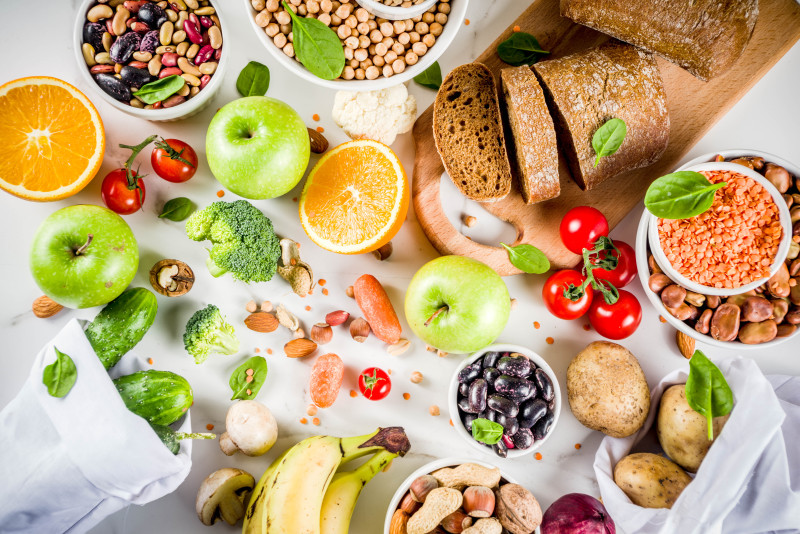
Good carbohydrate fiber rich food | GbiotaBut the Green Revolution changed that. There was a dramatic increase in energy foods, which fed the world, but there was only a minor increase in metabolic foods that looked after our bodies. The natural ratio of energy to metabolic foods had been shifted to a surplus of energy foods and a shortage of metabolic foods.

Consequences

As they say, there have been consequences. We have what is commonly called a mind, but is more accurately labelled our subconscious brain. In lay terms, our bodies have a mind of their own, and this mind fully understands that there is a shortage of metabolic foods entering our bodies and leaps into action to protect us.

It sends messages down to our gut saying there is a shortage of metabolic food, get busy and make those hormones which will make our body, where we both live, crave more food, so I can send yet more instructions to build up a store of metabolic foods.

Or in lay language, get fat.

Getting Fat – Good or Bad?

Our mind is a survival machine; its job is to keep us alive and well for as long as possible, so it thinks that storing fat is good, and generally it is.

But our mind has not evolved to learn to cope with this excess amount of energy food, so it often gets it wrong, storing far too much fat, so we can end up not just a bit podgy but grossly obese, or simply storing this excess fat in places where it should not be stored.

It may store some in our arteries, leading to a heart attack, or some in our pancreas and muscles, so we become insulin resistant and then fully diabetic, or even worse, in our brains, where we become senile, wondering who those funny kids are who keep calling you granddad.

This is the underlying cause of chronic disease, and apart from causing a great deal of misery and overloading our health system, currently, three out of four people will die from a chronic disease.

So What Can We Do About It?

All that sounds pretty miserable, so what can we do about it?

The answer is surprisingly simple and inexpensive: just fix our food system to restore the balance of energy to metabolic food.

Let us not fool ourselves that there is some magic pill from the fake pill brigade or even a genuine pill from our sophisticated biochemistry industry. The first thing we have to do is fix our food so it has the right ratio of energy to metabolic food.

And that is a lot easier done than said, to twist the old phrase around.

What We Do

That is what this website is all about: how to create this energy-to-metabolic ratio.

The chemistry of energy food is very simple; all you need is some combination of carbon and hydrogen that your body can digest and then burn to form energy, carbon dioxide and water.

The chemistry of metabolic food is more complex but still very doable.

We need a combination of minerals, vitamins, phytonutrients and microbes.

Minerals, Vitamins, Phytonutrients and Microbes

Minerals

We need a number of critical minerals. Many, such as magnesium, iron and zinc, are well recognised. Others, such as selenium and iodine, are still essential but only needed in very small quantities.

All we have to do is look to the mountains, yes literally, I am not joking, where they are in volcanic rocks. We just need microbes, particularly fungi, to break them down so they are available.

Microbes are very obliging as they breed like crazy; all you need is the right conditions.

Currently, our fertilisers are based on petrochemicals or mining-specific minerals, in particular phosphorus, which is rapidly running out.

If we carry on as we are, we will run out of phosphorus in fifty years, and then, as they say on TV, we will have a situation.


The World is Finite

But there is an even greater threat: the supply is finite and will eventually be exhausted. Phosphorus is the critical mineral with only a fifty-year known supply. What happens when that is exhausted?

Fifty years may seem a long time, but should we be concerned right now? Let us look at the case of Nauru, which seemed at one time to have an almost inexhaustible supply of guano, seabird droppings rich in phosphorus.

Nauru was one of the richest per-capita countries in the world with what seemed an inexhaustible supply. After all, seabirds keep on producing more.

But it wasn’t that they ran out gradually; it was the way they ran out. One day there was a plentiful supply, the next day the excavators hit rock, and there was none. It was abrupt, like the closure of the Hormuz Strait, and now Nauru is one of the poorest countries in the Pacific, and the world lost access to a valuable resource.

Sustainability is such an important topic; I will be coming back to that in force later.

Vitamins

We have a good understanding of vitamins and can make many of them ourselves, for example Vitamin D, with a bit of help from sunlight.

Most others we can get from plants. The most famous of all is Vitamin C, which we can get from many fruits.

When the British discovered that limes would last a long time, they started adding them to ships’ stores, hence the nickname “limeys”.

One vitamin in particular is B12, which we cannot make ourselves and is made by fungi. Some animals eat fungi, so when we eat their meat, we may get an adequate supply of B12, but otherwise it tends to rank high on the list of deficient nutrients.

Phytonutrients

Sadly, we have a poor understanding of phytonutrients, despite their widespread occurrence.

For example, a single tomato may have a thousand different phytonutrients. Apart from making tomatoes taste nice, we have little understanding of what they do and how they work.

The only advice I can offer is: if the plant tastes good, then eat it. Many plants taste very different, and much better, when just picked than even a short time later. It is sad that so many people have never tasted plants immediately after picking, as they taste so much better.

We can only assume that they are also much healthier.

Microbes

We have long known that microbes are essential for digesting our food and making it available to us. It is only in the last few decades that we have begun to understand the important role they play in health.

This was first discovered in experiments with mice, where fat mice could be made skinny and skinny mice could be made fat simply by swapping their pooh.

This was later found to also be true in humans, with the delightful medical procedure of faecal transplants.

Knowing how concerned some people are about looking slim, I would have expected that pooh-swapping parties would have become fashionable in trendy neighbourhoods, but apparently not.

But it does raise the question of where we get our gut microbes.

We know that at the beginning of life, we get them from mum, both at birth and from breast milk. But that is just the start.

Thereafter, we mainly get them from food, but it seems that close personal contact also transfers microbes. A good excuse for young couples snogging away.

Microbes are particularly important as they regulate our bodies. That means making the change from a linear to a circular food system. This website shows how, but first, why we have to make the change.

Complex Problem, Simple Solution

There is the old saying that for every complex problem, there is a simple solution that does not work. But there are solutions, and that is what this website examines, so why aren’t we working towards a solution?

Let us see what we can learn from history. Modern humans, like us today, lived sustainably for two hundred thousand years. We can see from the remains that they were large, fit and healthy. They lived in tribal communities, but arrowheads in bodies showed that they were also aggressive toward other tribes.

They lived in their territory until they had exhausted the natural resources, then moved on, allowing the land to recover. This may have been sustainable, but it limited the maximum population to under a million.

Agriculture Changed the World

Then we invented agriculture, but not the toilet, and mostly died young from disease.

Plagues, like the Black Death, could wipe out half the population. But we learned to store food, and that tempted other tribes. City warfare started, and only a few cities lasted more than a couple of centuries.

We learned about hygiene, the population increased, and the social unit increased from the city-state to the nation, and modern warfare started, not because the people wanted war, but because of psychopathic leaders.

But two world wars and the invention of the atomic bomb were enough to curb the ambition of the psychopaths.


Agriculture | Gbiota

The Green Revolution and the Anthropocene

Technology, particularly the Green Revolution, gave us an ample food supply, and the population exploded from 1.5 billion to 8 billion.

All those mouths had to be fed, but with technology, we increased food production faster than the population. But it came at a cost; we entered a new era, the Anthropocene, in which humans began to recognise that they were having a major impact on the world.

The word “sustainable” became widely used and understood, and it seemed the world was heading toward a long, peaceful future.

The Disinformation Age

Then humans came up with another innovation that, at first, looked like it would be the greatest and most beneficial innovation of all time. It is represented by what we now call a mobile phone, but in reality it is an extremely sophisticated computer system that connects to the world.

It just happens to look small and simple.

And let us face it, an innovation that lets people watch cute cat videos while sitting on the bus must be one of the greatest and most beneficial innovations of all time.

But it turns out that it does have a nasty side. It allows all those psychopaths who would otherwise be leading us to war for the industrial killing of other humans to devise something even more damaging to society: the wonder of disinformation.

Disinformation may lack the blood and gore of earlier tyrants, and they may be wearing tailored business suits rather than army fatigues, but their effect is equally damaging.

The convincing of the masses that the extract of some weird plant from a remote corner of the world is going to solve the global health problem is in no way progress. It leads to the slow but insidious destruction of our food system.

We do not need a disinformation campaign saying that everything is fine as long as we take some magic pill. We need to face the harsh reality that the way we manage our current food system is, in the short term, making us fat and sick, and in the long term is unsustainable.

In short, that means changing from a linear food system of mining, growing, harvesting, eating and disposal to a circular food system in which waste is recycled.

The reason there has been so much resistance to the change from linear to circular is that linear is seen as profitable in the short term, while circular is seen as expensive.

As you can see from the following article, I built up Australia’s leading exporter of technical software and was recognised as one of our leading innovators, but I saw that developing a food system that satisfied all our nutritional needs and was sustainable was the major challenge facing us all.

Changing the Food System

I decided to sell my company and use the resources to see if I could develop the needed technology. When I talk to people about this technology, I see they anticipate it will be complex and expensive.

The reverse is true. Any competent nutritionist can tell you exactly what types of food you should be eating. We know what we should eat. But what matters is how that food is grown. The prevailing view is that the only way we can feed the eight billion people on Earth is by industrial chemical farming.

That is wrong; we can grow the needed nutrient-rich food more cheaply and effectively locally.

I understand you may not believe me, so let me introduce you to my friends: easily grown high-nutrient foods.

Some of My Nutrient-Rich Food Friends

Now let me introduce you to a few tough characters who are my friends: spinach, flax, winter melon, purple amaranth and passionfruit. They have tough roots, are either long-lived or readily seed, grow in poor soil, and have a natural defence against insects.

They do not need any expensive fertiliser; they just need you to bury kitchen waste nearby and a bit of water. They will provide you with food with minimal work, through the political chaos we live in, and for free.

But do not think that being free means they are not good. My wife Xiulan, a medical doctor, is diabetic. Despite taking sophisticated modern drugs, her foot started to turn black, and the doctors were recommending that her foot needed amputation.

Instead, she started eating these plants, particularly winter melon, which has huge fruits that are a meal in themselves, and she still has both feet.

Just because things are free and simple does not mean they are of no value, and we must not assume we can only live in a world of fragile, high-tech systems and AI.

If it is simple, free and works, then that is better.

But face the facts, there is only one word to describe the situation where one third of the world’s fertiliser, on which our food supply depends, should be dependent on a politically unstable part of the world: crazy.

So what can we do about it? Some people think they can adopt a lifestyle of total self-reliance. I have tried that, and it is not viable.

Recycle or Perish

Throughout history, there has been a distinct pattern.

A state would become productive and wealthy. It used its prosperity to build a military and would then subjugate other states by threat or force.

It would gradually transfer its production to its subjugated states while increasing its military capability until its soil was degraded and its productive capacity diminished.

Then, after several centuries of power, it would collapse. Time and time again, this has happened.

Read The Shortest History of the World by David Baker or Goliath’s Curse by Luke Kemp, both enlightening reading on the troubles of the modern world.

We survive, long term, by recycling. Over twenty years ago I was using a system of collecting all the toilet waste, trenching it, then growing fast-growing legumes such as acacia, then letting the creatures of the soil recycle the toxic waste, probably full of pathogens, into nutrient-rich, highly productive soil.

Recycke_Gbiota

Intelligent and Naturally Cooperative

So let us ask what has allowed us to become the dominant creature on the planet? We are intelligent and naturally cooperative; we form tribes, and when led by a wise and committed elder, it works incredibly well. When a nation is led by a psychopath, disaster follows.

So how can we assure a safe and healthy food system? If we live in a high-rise apartment, we cannot have a wheat or rice field and keep a cow, a pig, and a chicken on our balcony.

Energy from the Supermarket, Nutrients from Home

We can certainly buy energy food from the local supermarket and supplement this with highly nutritious fresh food we grow in boxes. That certainly works and is how I currently live.

But there is an even better way I learned as a kid in the war: Victory Gardens. Yes, I am very old.

These may not have provided us with delicious Wagyu beef, but they did provide us with a basic food supply that was both fresh and healthy.

A feature of these Victory Gardens is the way people cooperated as part of a working community, contributing what they did best. Some people had land, others labour; some grew plants with specific skills, but they all cooperated, sharing their skills and facilities so the community benefited as a whole.

Food was being used as a weapon of war, and we survived. We can do it again to survive the combined threat of political aggression and the damage we are inflicting on our natural resources.

So why not join the Gbiota social movement here?

How Food Works

But first, we need to understand the basics of how food works and why our modern food system is a threat.

Your mind, your subconscious brain, is a highly sophisticated survival machine, the result of a billion years of evolution, with one objective: to keep you alive, fit and healthy so you can successfully pass on your genes to the next generations.

From the very first suck it is learning what foods you need. It sends signals to your gut, the gut-brain connection, to generate hormones so you want to eat the foods that will ensure you stay alive, fit and healthy.

If you do not eat the right amount of the right foods, it will send signals to the gut to produce yet more hormones, so you eat yet more food and then store it as an emergency supply.

Modern food is lacking critical nutrients. These deficiencies are why there is an epidemic of chronic diseases with the common cause of the wrong fat in the wrong place: in the arteries leading to heart attack, in the pancreas leading to diabetes, and in the brain leading to strokes and a more general problem of lower health and lifestyle from being overweight.

Widely Reported Deficits in a Modern Diet

Category Details
Elements needed by plants
Elements available from the air or water Carbon, Oxygen, Hydrogen
Primary elements from the soil N, P, K
Secondary elements Ca, Mg, S
Trace elements Mn, Fe, B, Zn, Cu, Mo, Cl, Co
Widely reported dietary deficits
Elements needed by plants but we may need higher doses Ca, Mg, Zn, Fe, Cu
Essential extra elements needed for health Selenium, Iodine, Vanadium, Chromium
Vitamins humans are generally short of Omega 3, B12, B6, E, K

The reason for these deficiencies is that modern agriculture relies on chemical fertilisers, which are carefully formulated to provide all the nutrients plants need. But we have more complex needs than plants, which can be readily resolved if you know how.

On this website, you can learn how to resolve these deficiencies and train your mind how to generate the hormones that will keep you alive, fit and healthy.

You can start by reading the 6-page article, “Understanding Food,” for free here.

You can then buy our e-books, particularly The Survival Machine, here.

You can then join the Gbiota social movement to learn how to grow and eat foods that provide the nutrients our modern diet lacks here.

But right now, I am particularly anxious to hear from people who understand the importance of food security and the role it plays in health and would be prepared to consider becoming local tribal leaders in this movement.

If this could be you, please email me at colin@gbiota.com

Loading

The Body’s Homeostatis

The Body’s Homeostatis

Your body, and specifically your brain, is one of the wonders of the world. To be fit and healthy, we need to eat the right amount of the right foods, and also engage in a certain amount of movement.

The science of biochemistry is highly sophisticated and can tell us down to the microgram what we should be eating, at least for an average person doing average things. All good.

But over thousands of years, our bodies have developed a system that decides what we should eat, tuned to our specific bodies and to what we need right now. Even more importantly, under the right conditions, it automatically makes us want to eat what we should.

Wouldn’t it be smart to get a better understanding of how this incredible system works, so we can make it work even better for us and live an even longer, healthier life?

How Our Bodies Naturally Self-Regulate

Our head-brain is like the master controller for everything our bodies do. We can think of it as split into two parts: our subconscious brain, which automatically regulates most of what our bodies do, and our conscious brain, which we use for deliberate thought and decision-making.

We have very little direct control over our subconscious brain. It is fast-acting and constantly working in the background.

Homeostasis and Set Points

Our subconscious brain establishes set points over which we may have little control, and it will always try to restore our bodies to these set points. We have known about this process for around two hundred years and have given it the name homeostasis.

By contrast, our conscious brain is slow and clunky. We have some control over it, but perhaps not as much as we think, because we can become influenced or indoctrinated by ideas.

Our subconscious and conscious brains can work together. For example, when we catch a ball, our conscious brain is far too slow to calculate exactly where our hands need to be when the ball reaches us. This is done by training our fast-acting subconscious brain.

Our subconscious brain regulates our temperature, and we have no control over the set point. If it has difficulty maintaining that set point, it may call in the conscious brain by sending a message such as, “We are feeling cold. Do you mind putting on that nice woolly jumper you got for Christmas?”

Our subconscious brain also controls the amount of oxygen in our blood by regulating our breathing rate and the speed of our heartbeat, helping distribute oxygen around the body.

It controls the amount of sugar in our bloodstream, providing fuel for our muscles and the nutrients needed to replace body parts as they age and wear out.

It also decides what type of fat we store, how much we store, and where we store it. These fats serve as readily available food when we need energy quickly.

Again, our subconscious brain decides the set points for where and how much fat we need to store. We may try to use our conscious brain to override these set points by going on a calorie-restricted diet. This may work in the short term, but rarely works in the long term.

However, we can try to move the set points so our subconscious brain is now working to meet new, healthier targets.

Loading

From Wicking Beds to Gbiota Beds: The Food Strategy

From Wicking Beds to Gbiota Beds: The Food Strategy

For many years, simple wicking beds helped people grow food during drought and hardship. Since then, the world has changed. We now face a global health crisis driven by poor food, damaged soils, and disrupted gut biology. This article explains how wicking beds evolved into Gbiota beds, why soil biology matters for human health, and how a more careful, community-based approach can help restore both soil and gut ecosystems.


Origins of Wicking Beds

Wicking beds were originally developed to provide basic food security in drought-prone and famine-affected regions. They were designed to be simple, low-cost, and easy for local people to build and maintain themselves. By storing water below the soil surface and allowing moisture to move upward, these beds reduced water use and made food production possible in harsh conditions.

The idea spread rapidly. Over time, many new versions appeared, some far more complex and expensive than the original design. While these systems succeeded in producing food, they were not designed to address long-term health outcomes or the biological quality of that food.

A New Global Problem

Today, the world faces a very different challenge. Chronic diseases such as obesity, diabetes, heart disease, and stroke are rising at unprecedented rates. This is not due to a lack of food, but rather the quality of food being eaten.

Diet is a major driver of this health crisis, but the deeper issue lies in why people eat the way they do. Appetite, food cravings, and metabolism are strongly influenced by gut biology. When gut ecosystems are damaged by toxic chemicals, highly processed foods, and a lack of essential minerals and micronutrients, natural appetite control breaks down.

The Role of Gut Biology

The gut is not just a digestive tube. It is a complex living ecosystem that acts as a control system for appetite, immune function, and metabolism. Beneficial and harmful micro-organisms coexist in balance when conditions are right. Modern food systems disrupt this balance. Foods grown in depleted soils and treated with chemicals lack the mineral diversity and biological signals that human bodies evolved to expect. At the same time, toxins and antibiotics reduce beneficial gut organisms, allowing harmful ones to dominate.

Long-term health cannot be restored by killing microbes. The only sustainable solution is to rebuild a balanced ecosystem, both in the soil and in the gut.

Limitations of Conventional Wicking Beds

Traditional wicking beds are effective water-saving tools, but they do not actively support soil biology. Nutrients are often static, and there is limited opportunity to introduce beneficial microbes in a controlled way.

This raised an important question: how could wicking beds be improved to restore gut biology by producing food rich in minerals, micronutrients, and living biology?

Answering this question required a deeper focus on soil ecology and nutrient cycling.

Flood-and-Drain Compost Tea Systems

The first major improvement was modifying wicking beds to include an external reservoir. This reservoir could still store water, but it also allowed a compost tea to be flooded through the soil and then drained away.

This flood-and-drain process delivered nutrients and beneficial biology directly to plant roots while also drawing air back into the soil. Technically, this design remains one of the most effective systems for small-scale growing.

However, it was still limited in automation and scale.

The Development of Gbiota Beds

To support larger and more robust systems, the Gbiota bed was developed. In this design, a compost tea and nutrient mix are actively pumped through the soil.

This creates a dynamic root environment where plants receive minerals, micronutrients, and living biology on a regular cycle. The goal is not just plant growth, but the production of food that supports healthy gut ecosystems.

The central aim remains restoring gut biology by restoring soil biology.

Why Balance Matters

Both soil and gut systems function as balanced ecosystems. Harmful organisms are always present, but they are kept under control when beneficial organisms dominate.

Attempts to sterilise systems, whether through soil fumigants or antibiotics, fail in the long term. They remove both good and bad organisms, allowing resistant and harmful species to return stronger than before.

True resilience comes from diversity, balance, and favourable conditions for beneficial life.

The Need for Controlled Development

The rapid spread of wicking beds showed how easily good ideas can be misapplied when shared without guidance. Complex systems, if poorly implemented, can cause confusion, failure, or unintended harm.

For this reason, it was decided that the Gbiota system should be developed within a structured community where testing, refinement, and shared learning could occur under controlled conditions.

The Role of the Gbiota Club

The Gbiota Club was formed to provide this structure. Members can experiment with the system, share results, refine techniques, and circulate accurate information.

This approach helps prevent misuse while accelerating learning. It also builds a community focused on health, soil regeneration, and responsible food production.

Anyone interested in the technology is welcome to participate and contribute to its ongoing development.

Looking Forward

Gbiota beds represent a shift from simply growing food to growing health. By combining traditional agricultural principles with modern automation and biological understanding, they offer a path toward restoring both human and environmental wellbeing.

This strategy is not about replacing all food systems, but about providing a practical, scalable alternative that addresses the root causes of modern chronic disease.

Loading

Solving the food crisis

Solving the food crisis

Solving the Food Crisis

Social Movement

The world is suffering a food crisis, not in quantity — we are actually producing more food than the world needs — but in the quality of food needed for a long and healthy life, free from many modern diseases such as obesity, diabetes, heart disease and dementia. This is not going to be solved by the mega-corporations that control our food system, or even by the governments we elect to safeguard our interests. It is going to be solved by people saying, “I want to live a long and healthy life.” One person makes very little difference. It needs many people joining together in a social movement. I do not mean a movement with crowds blocking streets, waving placards and getting arrested. I mean a quiet social movement using the power that works — the power of the wallet. I hope you join the movement and do the one thing that will make it work: tell your friends and ask them to join. It is only by getting enough people involved that we will be successful.

Not a Flash

First, I need to explain the technology. The best way to do that is to tell the story of how this technology was developed. There are ideas that change everything and seem to arrive as an instantaneous flash of inspiration. But that is not usually how it happens. There is often a long and frustrating period of puzzling, which culminates in a moment when things suddenly fall into place. Then there is an even longer period while this new way of thinking becomes accepted as the norm — the painful process of creating a paradigm shift. Let me tell you my story. My expertise is in computational fluid flow, and I was recognised as one of Australia’s leading innovators. Read My Story here. I have a particular interest in how water moves through soil and plants — something that is not as simple as it may first seem. See Water.

Ethiopia

Some thirty years ago, I was invited to go to Ethiopia to see if I could find any way of providing sustenance food during periodic droughts. It had to be really simple and cost next to nothing. The idea I came up with was to dig a trench, line it with a plastic sheet, fill it with weeds, which contain a lot of nutrients, and then back-fill it. When it rained, the trench would catch the water that would otherwise drain away, allowing plants to be grown. This was the birth of wicking beds. Watch my video here. The idea caught on, but some people thought the weeds would become putrid, so they replaced the weeds with stones, which are inert. They covered the stones with a layer of weed cloth and added a pipe so the water reservoir could be filled with clean water. The putrid problem appeared to be resolved. They had developed an effective self-watering bed without the problem of microbes. This idea — that we should grow our food free of microbes — became the accepted norm across many food production systems.

The Wrong Fat in the Wrong Place

But then my wife, a medical doctor, became diabetic — along with millions of other people across the globe. What was the root cause? Basically, the wrong fat in the wrong place. But why would our bodies suddenly start accumulating fat? At first, there was no clear scientific explanation. But science kept moving ahead, and we began to understand how important our gut biota is. The tens of trillions of microbes in our gut communicate with each other and with our brain. Together, they form an intelligent control system that helps regulate our bodies, including how much fat we store and where we store it.

Microbes Matter

It became obvious that microbes really matter. The idea that we should produce food under inert, microbe-free conditions was a bad idea. We needed to work out how to grow food with beneficial microbes, while avoiding harmful microbes.

Good and Bad Microbes

That may sound simple, but there is a practical problem: how do we create a system that encourages beneficial microbes without allowing harmful microbes to dominate? Harmful microbes do much more than make a bad smell. They can make us sick and even kill us. It is easy to kill microbes with powerful chemicals, but chemicals do not distinguish between good microbes and bad microbes. Killing the bad without killing the good is not possible using that approach.

Our Immune System

But in the bleakest hour, a knight on a white horse appears and saves the day. That white horse is our immune system, which largely lives inside our gut, our intelligent control system. It seems that we have grossly underestimated our gut brain. It is much more sophisticated than a simple on/off controller saying, “You are full, stop eating.” From the minute we take our first feed, hopefully from mum, it is learning how the food we eat affects our bodies. It learns that certain foods provide specific critical nutrients and can create cravings for those foods.

Beer and Peanuts

With all our sophisticated technology, it is surprising how little attention is sometimes paid to simple everyday observations. For example, after spending the afternoon digging in the hot sun, you may fancy a beer and some peanuts. What is happening is that your gut brain has worked out that you are low in critical salts from sweating, and has learned by experience that beer and peanuts replace those salts. That is how intelligent systems work: they learn and remember. Our gut brain does this brilliantly.

Why Do We Get Fat?

Experts give many reasons why people gain weight and often recommend diets that reduce calorie intake. But if your intelligent control system detects that you are low in a specific need — such as a mineral or vitamin — it may make you feel hungry. Not just hungry, but driven by irresistible food cravings. If you respond by eating chicken wings and cheesecake rather than the specific mineral or vitamin your body needs, then you may gain weight. Not satisfying an essential nutritional need may be one reason why people overeat. We may consume extra calories, but the deeper issue may be the specific deficit that creates cravings in the first place. ``` Technically, this issue can be addressed because it is relatively easy to have a Gbiota box with living plants growing in a home, courtyard or apartment. It is entirely practical for people to create soil, establish growing systems and produce their own fresh food. However, modern life is busy. Many people, particularly young families, simply do not have the time to create and maintain these systems themselves. That is why we may need a system where individuals or businesses establish and maintain Gbiota boxes, supplying households with living plants that are ready to harvest and eat. The concept is simple: rather than buying harvested produce from a supermarket, people receive living food systems that continue growing until needed. In principle, this could provide fresher food while simplifying the growing process for busy households. I expect one of the easiest ways for this idea to spread is through families. Older people often have more gardening experience and time available. They may be able to help younger family members establish growing systems. In my article The Best Probiotic Ever, I discuss the importance of developing a healthy gut biota early in life.

Are We There Yet?

Not quite. What we are really discussing is the decentralisation of the part of the food system that provides biologically active food. The energy-producing side of the food system generally functions well. The challenge is maintaining the biological quality of food as it moves from farm to plate.

The Food Paradigm Shift

This requires a paradigm shift in how people think about food. Paradigm shifts rarely occur through advertising or conventional marketing. Instead, they occur when individuals try something for themselves, observe the results, and then share their experiences with people they know and trust. People are increasingly sceptical of marketing claims and often place greater value on recommendations from friends, family and people they respect. The Gbiota movement is based on this principle — people sharing their experiences directly with others. The objective is to help people understand how growing fresh food and creating healthy soil may contribute to better long-term health and wellbeing. If the idea resonates with you, consider becoming involved, learning more and sharing what you discover with others. There is a large amount of information available throughout this website covering soil biology, food systems, water movement, ecological balance and practical growing methods. If you need assistance finding specific information, please feel free to contact Colin via the website.

Loading