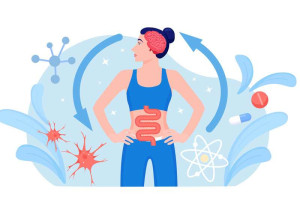
Modern nutrition advice keeps changing, yet obesity, diabetes, heart attacks, strokes, and dementia keep rising. That tells us the problem is not just “chemicals in food” or “willpower”. Appetite is controlled by a highly intelligent gut–brain system that worked for hundreds of thousands of years. The working idea here is simple: this control system has been damaged by toxins, missing trace minerals, and addictive food combinations. The solution must be testable, scalable, and based on real measurements.
Why This Document Exists
This document explains the thinking behind the Gbiota system and links to how it works in practice. The goal is not only to grow healthy plants, but to grow health-making plants. A health-making plant needs the right balance of nutrients, phytonutrients, and trace minerals. Biochemistry has mapped many of the chemicals that support human health, and this is important. But it is not enough on its own.
Health must also be viewed biologically. Forty years ago there was little nutrition advice, yet chronic non-infectious disease was relatively minor. Since then, advice has exploded and often conflicts: low fat, high fat, avoid fruit, eat fruit, and so on. Despite all the guidance, more people are overweight and chronic disease has expanded to epidemic levels.
A useful rule applies: repeating the same mistake while expecting a different result is not wisdom. The core mistake has been treating humans like purely mechanical chemical machines. Appetite and eating behaviour are not controlled only by conscious choice. They are regulated by a powerful internal system that worked automatically for most of human history.
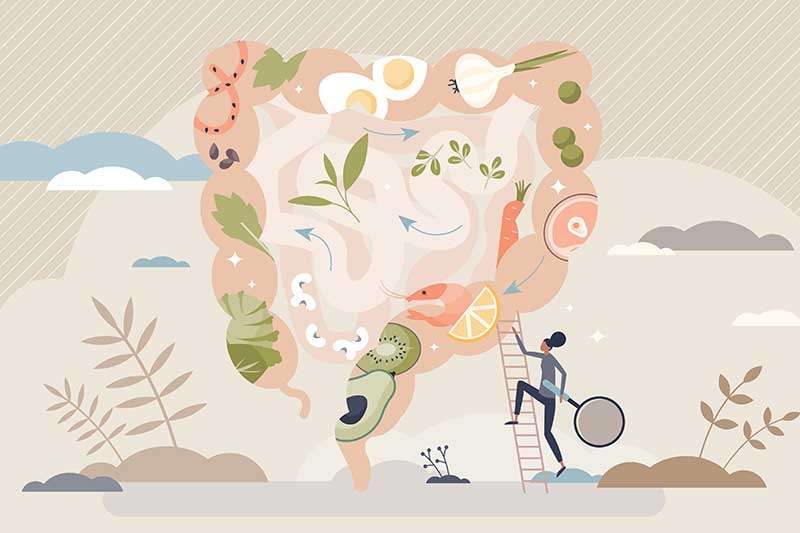
The Gut–Brain Control System
The body has a built-in control system that manages what and how much we want to eat. This system is distributed across the gut and the brain. It communicates through hormones and signals and also through the vagus nerve. Science has identified many signals, including hormones that influence hunger and satiety. Some signals can even be triggered by sight and anticipation, which shows how integrated this control system is.
Even when the internal logic is not fully understood, the outcomes are clear: the system normally regulates appetite effectively. A practical example is salt craving. In a hot, dry climate, heavy sweating can lead to a strong craving for “something” that does not go away until salts are replaced. The body can recognise what is missing, even if the conscious mind cannot identify it. That is evidence of a sensing and control mechanism that is extremely precise.
Infectious vs Non-Infectious Disease
For thousands of years, infectious diseases caused major suffering and death. Modern medical science made enormous progress by using reductionist methods: study the cause, then develop targeted solutions such as antibiotics. This strategy worked well for many infections.
Non-infectious diseases—obesity, diabetes, heart attacks, strokes, dementia, depression—always existed, but were once far less common. In the last few decades they have escalated dramatically. Even children, historically largely free from chronic disease, now commonly experience obesity, which is a strong predictor of later illness.
Why “Classic Nutrition Science” Has Struggled
Early approaches to chronic disease leaned heavily on large epidemiological studies, hoping correlations would reveal clear answers. Results were often disappointing and sometimes harmful. A widely cited example is the “fat is bad” era, which contributed to low-fat product trends and increased added sugars, including highly processed sweeteners. That shift helped drive diabetes and related disease.
The backlash produced a counter-trend: very low-carb and ketogenic diets. These can be effective short term, but may carry long-term risks for some people. The deeper issue is that the argument often becomes ideological while the epidemic continues to grow.
If standard expert advice is not stopping the crisis, it is time to step back and rethink the method.
Innovation Works When It Can Be Measured
A common belief is that innovation starts in research labs and is then applied by engineers and entrepreneurs. Sometimes that is true. But many major innovations were built first and explained later. Steam engines were improved before thermodynamic theory matured, and practical flight preceded modern aerodynamic theory.
The common feature is measurement. James Watt developed horsepower as a way to measure improvement. The Wright Brothers used control tests to prove they could fly safely and repeatedly. They also solved a chain of practical problems along the way.
For chronic disease, the same rule applies: a working hypothesis is needed, and the outcome must be measurable. Without measurement, debate never ends.
Reversing Diabetes and the Challenge of Scale
A useful modern model of type 2 diabetes describes a progression: poor diet leads to weight gain and fat accumulation; fat interferes with sugar handling in muscles (insulin resistance); the pancreas compensates by producing more insulin; eventually fat builds in the pancreas and blocks insulin production, tipping the person into serious diabetes with risks like amputation and blindness.
This model supports a practical conclusion: in many cases, diabetes can be reversed by dietary change. But there is a problem: scale. There are enormous numbers of people affected worldwide. Treating a small group in a supervised program is not the same as helping millions or billions.
A universal diet that fits everyone is unlikely to work. People respond differently. Some can eat a terrible diet and remain apparently healthy. Others become diabetic quickly. That leads to a “childlike” but critical question: why do some people avoid diabetes while others do not? The best current answer is that individual biology differs, so the most realistic strategy is to develop diets that are personal and measurable.
Measurement: Continuous Glucose Monitoring
Diabetes has a major advantage compared to many other chronic diseases: outcomes can be measured quickly. Continuous glucose monitoring provides a 24-hour view of blood sugar patterns, including spikes after meals and the speed of recovery. Over days and weeks, the trends reveal what is working for a specific person and what is not.
This changes the game. Instead of arguing about low-fat versus low-carb in theory, the data shows what actually happens in a real individual. For a global diabetes strategy, this is a practical testing method that can guide personalised decisions.
The Two-Part Working Hypothesis
The working hypothesis has two connected parts. Not every link has been proven in full detail, but waiting for perfect proof would be immoral given the scale of harm. What matters is whether the whole approach measurably improves blood sugar and health outcomes.
Part 1: The internal control system is compromised. The gut–brain system that regulates appetite and metabolism has been damaged by toxic chemicals in the food system, by missing trace minerals and phytonutrients, and by food patterns that the body did not evolve to handle.
Many chemicals embedded on foods were designed to kill pests. Even if their direct effects on human cells are debated, there is no question they can harm microbes, and the gut microbiome is made of microbes. At the same time, chemical-industrial agriculture has reduced mineral diversity in soils and food. When key nutrients are missing, cravings rise until something “hits the target” by chance.
Part 2: Modern food is addictive. Added sugars, sugar–fat combinations, and artificial flavours can drive addiction-like eating behaviour. The internal control system is not adapted to these concentrated and engineered foods.
Solutions Step-by-Step
Step 1: Restore the Internal Control System with Better Food
The first step is producing food that supports gut biology and provides missing minerals. The Gbiota bed system was developed to breed biology in containers and flush a compost tea through soil, draining excess. Trace minerals relevant to metabolic health, such as magnesium and chromium, can be added.
The full chain—soil to plant to food to gut—has not yet received the rigorous scientific analysis it deserves, but the measurable question is simpler: does it reduce blood sugar and improve recovery patterns on continuous monitoring? If an individual shows clear improvement when eating food grown this way, then the system works for them, even if every mechanism is not yet mapped.
Step 2: Reduce Food Addiction with Support
Reversing addiction is hard in isolation. A supportive group with a qualified, sympathetic leader can help people reset eating habits until healthy choices become normal and cravings fade. Intermittent fasting is one tool that can improve metabolic health, but it is easier to adopt with community support and clear feedback.
Step 3: Rebuild Natural Fat Cycling
Humans evolved with variable food supply. The body stores fat when food is available and releases it when food is scarce. In modern life, food is available almost constantly, so many people stay locked in storage mode. Intermittent fasting can retrain the body back into a natural in-and-out energy flow.
Step 4: Build a Practical System That Scales
A workable large-scale system should provide:
toxin-free, nutrient-rich, biologically active produce
food and dietary assistance
expertise in glucose monitoring and interpreting results
exercise advice (because it strongly affects blood sugar)
stress management to avoid cortisone-driven sugar spikes
education so people can continue after the initial intensive phase
A full health-resort model for huge numbers of people would be difficult and expensive. The focus therefore shifts toward education and self-help, supported by growers who already want to produce toxin-free food and can adopt the Gbiota method.
Conclusion
The Gbiota approach is built on a different starting point: appetite is controlled by an intelligent gut–brain system, and modern life has damaged it. The priority is to restore that system with biologically active, nutrient-rich food, reduce addictive eating patterns, and retrain natural fat cycling.
Health advice is full of bold claims, but most of it cannot be tested in a clear way. Diabetes is different. Blood sugar, weight, and waist measurements provide real feedback, fast. That makes it possible to talk about food and health with scientific honesty instead of hype. The core idea is simple: modern food has changed our gut biology and appetite control through toxins and sugar overload. A practical solution combines better food, movement, and stress control, tuned to the individual.
Why Focus on Diabetes?
The broader goal is to learn how to grow food that makes people healthy. That affects everyone. Diabetes matters because it is measurable, and measurement matters if you want honesty.
If you search the internet for health advice you will be buried in miracle cures, exotic supplements, and claims that promise a longer life, rapid weight loss, and perfect health. Many of these claims are simply con jobs aimed at separating people from their money. The problem is that most claims cannot be tested in time to prove whether they work. If someone says a rare jungle plant will make you live longer, there is no clean way to verify that claim in a practical timeframe.
Diabetes is different. Continuous blood sugar monitoring, plus simple tracking of weight and waist girth, provides measurable evidence about how your body handles a particular food pattern. You can see what happens within hours and days, not decades. That means approaches to diet and lifestyle can be promoted with a much higher degree of scientific honesty.
These methods can be used by non-diabetics too, in the belief they will improve health and possibly longevity. That may or may not be true, but it is a personal decision. What matters here is that the diabetic outcomes can be measured and the feedback is clear.
If you are seriously ill in Australia, professional medical help matters. The health system is competent at acute care. The weakness is prevention. The system is overloaded and is not well designed to prevent people getting sick in the first place. By focusing on food that improves health, using blood sugar as a measure, and taking a holistic approach, it is possible to contribute honestly at the prevention stage, before serious illness arrives.
Diabetes Is Treated as Progressive, Yet It Can Improve
A common medical view is that diabetes is progressive and not curable. Yet there is now reliable scientific evidence that diabetes is reversible in many cases. This is not a minor issue. In Australia, every working day, roughly twenty people suffer an amputation because of diabetes, and many more lose sight. Globally, the numbers are vastly higher.
All evidence points to a simple truth: the number of amputations and cases of blindness could be significantly reduced through prevention strategies based on food, lifestyle, and measurable feedback. That is the purpose of this work.
A Personal Reason, and a Practical Obligation
The motivation is not abstract. When diabetes becomes severe, consequences arrive fast: vision can fail, accidents happen, wounds can fail to heal, infections escalate, and doctors begin discussing amputation. When you have lived close to that edge, the obligation becomes simple: if you learn something that can help others, you share it.
The limits also matter. Genetics can make people prone to diabetes. That does not mean diabetes must progress. It means prevention and reversal methods may need to be sustained and tailored, not applied as a short-term fix.
Analysing the Facts: Scale, Speed, and Confusion
When you study diabetes, two facts jump out immediately.
First is the scale and the speed. Go back thirty years and diabetes was a fringe issue. There were overweight people, but a fraction of today’s numbers, and diabetes was far rarer. Now it is extremely common. A large share of people over forty are diabetic, undiagnosed diabetic, pre-diabetic, or carrying excess visceral fat and heading toward diabetes.
Second is the amount of dubious information. Diet and health are crowded with confident opinions that are not grounded in measurable outcomes.
If diabetes has exploded so quickly, something dramatic must have changed. It is illogical to blame this on staple foods like rice, bread, or potatoes alone. Humans have eaten these foods for thousands of years without a modern diabetes epidemic. The question is not “what foods existed?” but “what changed in the system?”
The Most Probable Explanation
Two modern changes best explain the diabetes epidemic.
1) Toxic chemicals in chemical-industrial food production. These chemicals were designed to kill. They have been detected in commercial food. Even if they have been tested for direct damage to human cells, they still travel straight into the gut biome. The gut is microbial by nature. Chemicals designed to harm biology can weaken gut biology, even if the human body appears “fine” in the short term.
2) Sugar overload and high-glycaemic foods. Modern diets are packed with added sugars and fast-acting carbohydrates that rapidly break down into sugar. This environment encourages sugar-loving bacteria to dominate in a gut that is already weakened by chemical exposure.
The gut does not operate in isolation. Gut bacteria communicate with the brain via the vagus nerve and through a complex array of hormones. Together, the gut–brain axis acts as a control system that influences whether food is used, stored, or expelled. This control system also shapes cravings by triggering pleasure chemistry such as dopamine.
When toxic exposure and sugar overload combine, the decision-making control system changes. Appetite becomes distorted. Cravings increase. The result is not only weight gain, but a shift toward metabolic dysfunction.
From Control Failure to Diabetes
As this distorted system continues, the body stores excess fat in ways that damage metabolic control. Fat can build in muscles and contribute to insulin resistance, which is a common early stage of diabetes. Fat can also build in organs, especially the pancreas, which produces insulin to manage blood sugar. When the pancreas is affected, the body’s ability to regulate blood sugar declines further and diabetes progresses.
This is why simple “eat less” advice often fails. The control system that regulates eating is being pushed out of balance. Restoring balance is the real target.
People Are Different, So Solutions Must Be Personal
A further fact must be faced honestly: people vary widely. Half the population may be caught in a diabetes and obesity epidemic, yet the other half can appear to eat toxic, sugar-loaded foods with fewer obvious consequences. Some people gain weight easily; others stay thin and struggle to gain weight.
This means there is unlikely to ever be one generic solution that suits everyone. A practical approach must be tuned to the individual. That is not a weakness. It is reality.
The Gbiota Approach: Three Core Components
A practical approach to reversing diabetes (and possibly improving other chronic diseases) has three components:
Food: grow and eat food produced in biologically active, nutrient-rich soil
Movement: regular activity that improves blood sugar handling and metabolic control
Stress management: mindfulness and routine to reduce stress-driven blood sugar disruption
The key is not merely doing these things. The key is tuning the combination so it fits the person.
Measurement: The Discipline That Keeps It Honest
To tune a routine, you must test and measure. Objective measurements include continuous blood sugar monitoring, body weight, and waist girth. Subjective measurements also matter: hunger levels, cravings, energy, and feelings of satiety.
These measurements prevent self-deception. They also prevent ideology. Instead of arguing about the “best” diet in theory, the body’s response becomes the guide.
Turning the Idea into Reality
The next question is practical: how does this become real in the world, beyond personal experimentation?
The Gbiota club can expand into a wider operation with several levels of involvement.
Personal level: people use the approach to improve their own or family health.
Hobby level: someone offers a Gbiota-style support service to a few local friends.
Retreat level: a couple or family who has moved rural (a sea change or tree change) hosts guests for a couple of weeks to go through a diabetes reversal process with food, routine, and support.
Local network level: a lifestyle doctor refers patients to a rural retreat, while a local grower supplies Gbiota-style produce to people who have already completed the initial reset.
Commercial level: if the model grows, larger scale growers may supply Gbiota food.
Each grower or family operates as an independent financial entity. At the same time, cooperation makes sense: shared learning, cooperative technology development, and umbrella marketing to build public awareness.
Conclusion
“Honest food” means using measurable feedback to guide decisions, avoiding hype, and focusing on what actually improves health outcomes. Diabetes is the clearest testing ground because changes can be tracked in real time. The most probable drivers of the epidemic are toxic chemical exposure and sugar overload, which disrupt the gut–brain control system and push the body into fat storage and metabolic failure. A practical response combines biologically active nutrient-rich food, movement, and stress control, tuned to the individual and kept honest through measurement. The final step is scale: building local networks of growers, retreats, doctors, and communities so prevention becomes normal, not rare.
Diabetes is driving a serious health crisis: unnecessary amputations, blindness, and early heart attacks. The scandal is not only medical—it is also about rights. People deserve honest information about food-based options and the freedom to choose how they are treated. Diabetes is largely driven by modern food that is high in sugar and fat but low in micronutrients and fibre, which fuels cravings and overeating. A practical solution is education through health professionals, group support, and direct access to nutrient-rich food from local growers.
The Essence
A major scandal exists in the health system when people are denied access to critical information and choice in how they are treated. The case of Garry Fettke—a surgeon trying to protect patients from unnecessary amputation—shows how badly things can go when professionals are restricted from discussing diet in a meaningful way. People are losing legs and going blind unnecessarily because they are not being told the facts about food and diabetes.
This is not just unfortunate. It is immoral. In a democratic society, people have the right to be told the truth about their health and the right to choose how they are treated. This article is an invitation to protect those rights and to make diabetes reform a serious public issue.
Diabetes is not strictly a medical problem. It is a societal problem driven by changed food. The solution is not technically difficult, and it could save thousands of people from amputations, blindness, and early death. It does, however, require confronting vested interests and challenging comfortable assumptions. The most practical pathway is to work through health professionals to educate patients about food-based strategies, form local self-support groups, and connect those groups with growers who can supply nutrient-rich, biologically active food.
From Infectious to Chronic Disease
Fifty years ago, many people died young from infectious disease. Medical progress has helped people live longer, but what matters is not only lifespan—it is healthspan: how well we live during those extra years. Chronic disease can make life miserable. In Australia, someone has a limb amputated because of diabetes roughly every twenty minutes of the working day. Diabetes is also a leading cause of blindness and contributes to early death from heart attacks.
Diabetes is one of the most common chronic diseases and one of the most damaging to quality of life. It is also measurable: blood sugar levels provide a clear way to test whether a treatment approach is working.
Many doctors state there is no cure for diabetes. In a narrow medical sense, that is often true—there is no single pill that “cures” it. But a cure can be societal: change the environment that causes the disease in the first place. A clear example is cholera.
The Cholera Lesson: A Societal Solution
Cholera in early London was not solved with a magic pill. It was solved by recognising it was a societal problem and fixing the cause: sewage contaminating drinking water. Doctors were overwhelmed and the strictly medical approach was failing. John Snow identified the source and society responded by building sewage systems and educating the public on hygiene.
That solution cost billions, but it happened because of public pressure. People demanded change: they did not want sewage in their drinking water. There was no radically new technology involved—sewers existed long before, including in Roman times. What changed was public insistence and government action.
The same principle applies to diabetes. Diabetes is a societal problem driven by modern food. Public pressure can force the system to change. The message is simple: a society should not accept a system where people become blind, crippled diabetics waiting to die from early heart attacks. Fix it.
What Causes the Diabetes Epidemic?
Sugar and fat are not intrinsically bad. They are primary energy sources. The real problem is that modern food is often energy-rich but micronutrient-poor. When food lacks essential trace minerals, phytonutrients, and fibre, the body experiences cravings. People overeat, not because they are weak, but because the body is searching for “something missing” and keeps sending hunger signals.
Overeating energy-dense food drives repeated high blood sugar. The body responds by releasing insulin, which pushes sugar out of the bloodstream and into storage. In the short term, this protects the body from high blood sugar. In the long term, constant high insulin drives fat storage and gradually loads fat into vital organs, especially the liver and pancreas.
When the pancreas becomes saturated with fat, insulin production and control breaks down. Blood sugar becomes unstable and diabetes becomes severe. At that point, the risks of amputation, blindness, kidney damage, infections, and heart attacks rise sharply.
Food-Based Reversal Is Real
No revolutionary new technology is required. Food is the core driver. Fifty years ago, there was no diabetes epidemic at today’s scale. Blue zone regions still exist where people live to extreme old age and remain active, working in fields into their eighties and nineties, with little or no diabetes. The common pattern is food grown in nutrient-rich, biologically active soils and eaten as part of a traditional lifestyle.
Diabetes can be reversed to a significant degree, even in long-term diabetics, and almost completely in many recently diagnosed cases, using diet-based approaches supported by careful medical supervision. This has been demonstrated through modern research methods, including imaging used to measure fat in the liver and pancreas, and through real-world clinical programs used at scale.
Reversal typically has two stages. Stage one is “rugged”: a restrictive diet that forces the body to burn excess fat, particularly in the pancreas. This stage requires support and careful monitoring, especially if medications are being reduced to prevent dangerous hypo- or hyperglycaemia. Stage two is maintenance: a long-term diet that prevents cravings by supplying the micronutrients and fibre that modern diets often lack. Without stage two, people slip back into the same craving cycle that created the disease.
Prevention is even better. The right approach can stop diabetes developing in the first place. That is cheaper, safer, and far less traumatic than treating advanced disease.
Sugar Blockers and Why Meals Matter
Modern foods can deliver sugar at densities the body is not well adapted to handle, creating rapid sugar spikes and insulin surges. This can lead to instability: blood sugar rises sharply, then falls too far, triggering more hunger and another search for quick energy. In control engineering terms, the system needs damping.
Food provides that damping. Fibre-rich greens act as “sugar blockers” by slowing digestion and spreading sugar absorption over time. What matters is not only the glycaemic index of a single food but the glycaemic load of the total meal. Adding greens to a meal can blunt the sugar spike and reduce the insulin surge.
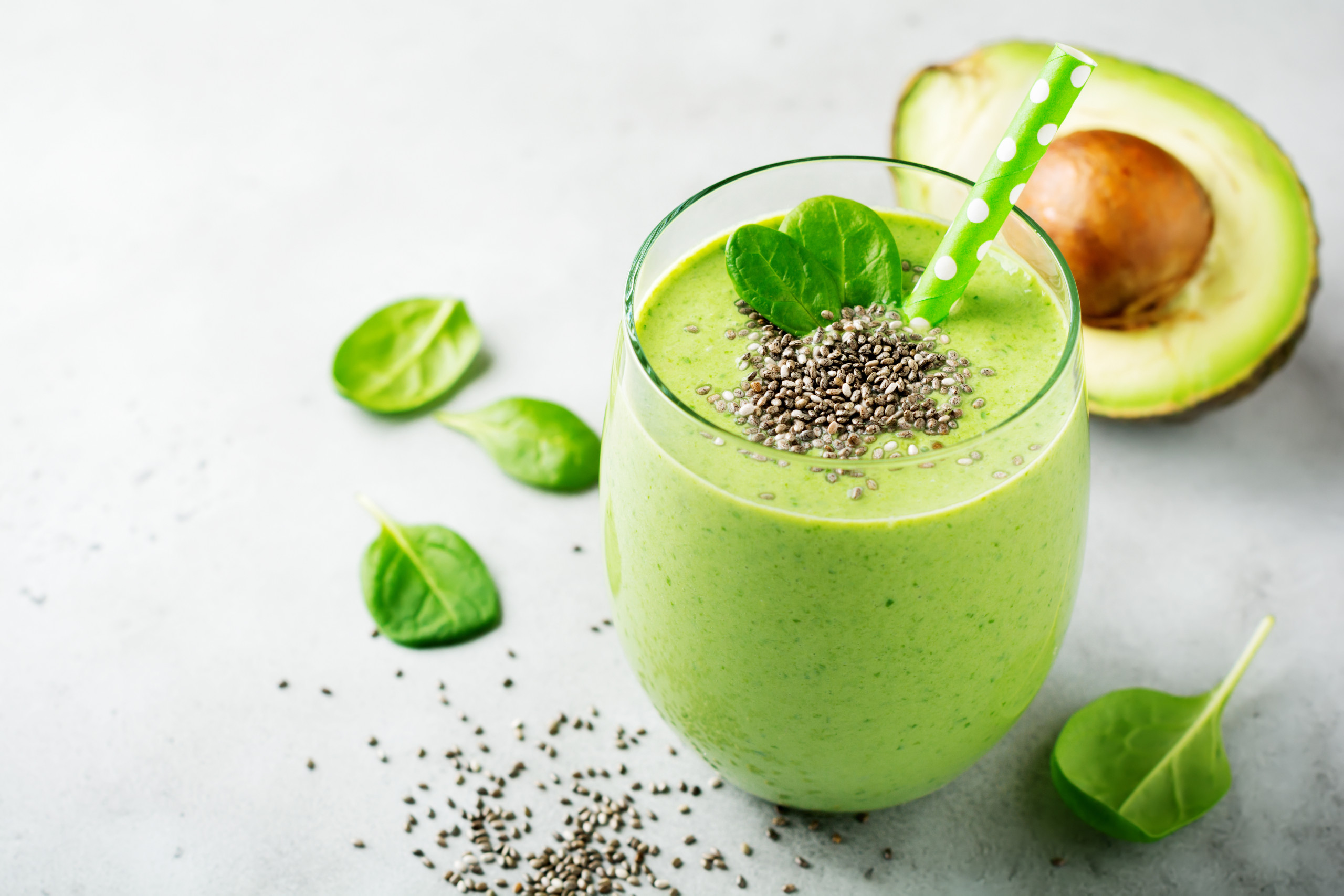
A practical example is using fruit for taste and greens for balance. A banana alone can cause a strong sugar spike. Blended with greens, the drink can still taste good while the greens reduce the spike and provide fibre and micronutrients. This is a simple, low-cost strategy compared with long-term dependency on drugs that raise insulin.
Insulin: Friend in the Short Term, Foe in the Long Term
Insulin is essential. It keeps blood sugar under control by moving sugar into storage. Initially, that storage happens in organs and muscles that can hold more sugar than the blood. Over time, storage expands into fat cells, which can hold very large amounts of energy.
The problem arises when insulin is chronically high because the diet constantly triggers sugar spikes. Chronic insulin encourages ongoing fat storage, including in the liver and pancreas. As pancreatic fat rises, the pancreas loses capacity to regulate sugar properly. At that point, treating high blood sugar by pushing insulin even higher can reduce blood sugar today while worsening the underlying fat-storage problem tomorrow.
The Scandal: Information and Choice Are Being Blocked
If diet can reverse or significantly improve diabetes, why is this not happening widely? The simplest explanation is information. People are often not told what is possible, or they are told it is impossible. The case of Garry Fettke makes this brutally clear.
A surgeon saw too many diabetic amputations and advised patients to reduce sugar. Instead of being supported for trying to prevent harm, he was told he was not a dietitian and should not provide dietary advice. This is a demarcation dispute with real victims. It blocks common-sense prevention and condemns people to unnecessary amputations and blindness.
The absurdity becomes obvious: almost anyone else can tell someone “eat less sugar,” including a stranger at the pub, but a surgeon trying to prevent amputation can be punished for it. The system ends up policing wording instead of protecting lives. That is not acceptable.
Patient Education and Group Support
Patient education is essential. Health practitioners should have a basic working knowledge of how diet affects diabetes and should be able to run group education sessions. Group sessions scale better than one-on-one consultations, and they allow people to learn, share practical strategies, and support each other through difficult stages of dietary change.
Groups also create economic power. A group can negotiate with local market gardeners to grow food rich in micronutrients and fibre and bulk-buy at a reasonable price. This matters because healthy food is often blocked by distribution costs and supermarket systems, not by what is possible to grow.
There are not enough doctors to manage diabetes through individual appointments alone. Community education and group-based support reduce load on an overstretched system and improve outcomes.
The Silo Effect and System Failure
A Senate inquiry has recognised the “silo effect,” where departments operate in isolation without seeing the consequences in other areas. In engineering terms, it is “over the wall” thinking: one team throws a problem to the next team and walks away.
Health systems often do the same. Doctors may feel they lack authority, time, or training to address food properly, so the issue is handed to dietitians. Dietitians may have limited training in medical risks, and often little knowledge of how food is grown or processed. Food production becomes another silo. The result is fragmented responsibility and preventable harm.
The Gbiota Plan
A practical plan can be implemented through government and health systems:
All health practitioners treating chronic disease, especially diabetes, should be familiar with modern diet-based treatment approaches, including evidence from clinical programs and lessons from societies without a diabetes epidemic. This includes a basic understanding of how food affects health from production to consumption.
Patients should be educated on diet-based approaches, including benefits and negatives, so decisions are informed rather than default.
Given proper information, diabetic patients should have the option to choose a diet-based approach (often challenging but potentially restorative) or a conventional drug-based approach (often symptom-focused and long-term). This must be a patient decision, not a unilateral decision imposed by the system.
Community education should be expanded, including school curriculum content on food and health, so knowledge becomes normal and shared within families.
Systems should be created to form local support groups that work with growers to supply appropriate food (rich in micronutrients and fibre) to help reverse diabetes and prevent new cases.
A Call to Action
Government is the only body with the power to drive these systemic changes. A functional democracy gives citizens a tool: public pressure. Make diabetes reform a serious issue. Demand an end to blocked information. Demand patient choice. Demand a health system that fixes causes, not only symptoms.
Contact election candidates. Ask them directly whether they will fix the silo effect that blocks information and leads to preventable amputations and blindness. Ask them whether they will support education, group-based programs, and direct access to healthy food through local growers. Then ask friends and social contacts to do the same. Public pressure changes policy when it becomes too loud to ignore.
Sugar blockers and baby greens offer a practical, food-based way to reduce sugar spikes, support healthy weight, and lower the risk of diabetes. Rather than eliminating carbohydrates, they slow digestion, giving the body time to process sugars safely. When combined with improved gut biology, baby greens grown in biologically active soils help restore appetite control, reduce cravings, and support long-term metabolic health through natural, evolutionary mechanisms.
Introduction — Sugar, Health, and Control
Modern diets are dominated by sugars and high glycaemic carbohydrates that our bodies are poorly adapted to handle in excess. This mismatch between what we eat and what our biology evolved to process lies at the heart of the global epidemics of overweight, diabetes, and metabolic disease. The problem is not simply sugar itself, but the speed at which sugar enters the bloodstream and overwhelms the body’s regulatory systems. Sugar blockers offer a way to work with the body’s natural controls rather than fighting them through restriction and willpower.
What Are Sugar Blockers?
Sugar blockers do not cancel out sugars or carbohydrates, nor do they act like artificial inhibitors. Instead, they slow the rate of digestion and absorption, reducing the rapid rise in blood sugar known as a sugar spike. This gives the body time to burn excess glucose for energy rather than storing it as fat. When sugar enters the bloodstream more slowly, insulin can do its job effectively without being overwhelmed, provided overall sugar intake is not excessive.
The Role of Gut Biology in Appetite Control
A healthy gut biology naturally regulates appetite. Trillions of microbes communicate with each other and with the brain through hormones and signalling molecules, telling us when we have eaten enough and when we have the nutrients we need. When gut biology is healthy and mineral intake is adequate, these signals reduce hunger and prevent overeating. When gut biology is damaged or diets lack essential minerals and phytonutrients, different signals are released that drive cravings, particularly for sugary and high glycaemic foods.
Sugar Blockers Must Work With the Gut
Sugar blockers are most effective when they are eaten with, or just before, sugary or high glycaemic foods and when they are combined with a strategy to restore gut biology. Used alone, they can blunt sugar spikes, but used alongside biologically active foods they can help retrain appetite control at a deeper level. This is where baby greens grown in biologically rich systems become particularly powerful.
Baby Greens as Natural Sugar Blockers
Baby greens are especially effective sugar blockers because of their fibre, phytonutrients, and mineral content. When eaten with other foods, they slow digestion and reduce the rate at which sugars enter the bloodstream. Their tender texture and mild flavour make them easy to include with almost any meal. When grown in biologically active soils, they also contribute living biology that helps rebuild the gut ecosystem rather than merely feeding it.
The Banana Paradox
Bananas illustrate a common nutritional contradiction. They are rich in minerals and broadly healthy, yet they also contain significant amounts of sugar that can cause rapid sugar spikes. For this reason, many dietitians advise people with diabetes or weight problems to avoid bananas and other fruits. However, when a banana is eaten together with baby greens, the sugar spike is blunted and the nutritional benefits of the fruit can be enjoyed without the metabolic cost.
Food Pairing Instead of Food Avoidance
The banana paradox highlights a deeper principle. Health does not require eliminating natural foods but pairing them intelligently. By combining higher-sugar foods with sugar blockers such as baby greens, digestion slows, blood sugar rises more gently, and appetite remains under control. This approach is far more sustainable than strict avoidance diets, which often fail because they ignore the body’s evolved control systems.
Insulin — Friend and Foe
Insulin is not the enemy. In a healthy body, insulin allows excess sugar to move safely into fat cells, preventing dangerous rises in blood sugar. Initially, this may lead to gradual weight gain, but it does not immediately cause serious disease. Over time, however, fat accumulates in vital organs, particularly the liver and pancreas. When fat levels in the pancreas become too high, insulin production is impaired and blood sugar can no longer be controlled, leading to full-blown diabetes.
How Sugar Blockers Reduce Insulin Stress
By slowing the release of sugar into the bloodstream, sugar blockers reduce the demand placed on insulin. This helps protect the pancreas from overload and delays or prevents the progression from insulin resistance to diabetes. Baby greens grown in biologically active systems support this process not only by slowing digestion but by improving nutrient density and gut signalling that naturally regulates intake.
Baby Greens Grown in Gbiota Beds
Baby greens grown in Gbiota beds are particularly effective sugar blockers. They are tender, flavoursome, and easy to combine with other foods. Because they are grown in biologically active soils, they contain a broad spectrum of minerals, fibre, and living biology. This combination leads to greater satiety, reduced cravings, and improved gut health, reinforcing the body’s natural appetite control systems.
The Gut–Brain Axis
The gut–brain axis is an intelligent control system that evolved over millions of years. It continuously monitors nutrient intake, microbial balance, and energy status, adjusting appetite and food preferences automatically. When this system is intact, we eat the right amount of the right foods without conscious effort. We simply feel full, satisfied, and stable. When it is damaged, we lose this automatic control and are driven by cravings instead.
Gut Biology as Ecological Balance
A healthy gut protects us from harmful microbes by ecological competition rather than force. Beneficial microbes outcompete and suppress harmful ones by creating conditions that favour balance. This process works so effectively that we are usually unaware it is happening. Modern industrial food systems disrupt this balance by stripping food of fibre, minerals, and biology, leading to chronic dysregulation.
Why Modern Food Fails the Gut
Food produced by chemical industrial agriculture damages gut biology by reducing biological diversity and mineral content. This loss breaks the natural feedback loops that control appetite and metabolism. As a result, people overeat, gain weight, and develop chronic disease despite following dietary advice. The problem is not personal failure but a biological mismatch created by modern food systems.
The Gbiota Growing System
The Gbiota growing system applies lessons from traditional biological agriculture using modern technology. It creates a biologically active compost tea made from organic waste, compost, and minerals. This tea is pulsed through the root zone in a flood-and-drain cycle, feeding plants and microbes before draining back for reuse. Each cycle draws fresh air into the soil, maintaining aerobic conditions and biological activity.
From Soil Biology to Human Biology
Plants grown in Gbiota systems are biologically active, high in fibre, minerals, and phytonutrients, and capable of supporting healthy gut ecosystems. When eaten, they help restore gut biology and improve appetite regulation. Baby greens are particularly well suited to this role because they are easy to eat regularly and combine with other foods.
Baby Greens as a Daily Health Tool
Baby greens can be added to almost any meal to act as a sugar blocker and gut-health enhancer. They do not require drastic dietary change, discipline, or deprivation. Instead, they work quietly in the background, supporting the body’s natural systems. Over time, this leads to better appetite control, reduced sugar intake, and improved metabolic health.
Conclusion — Health From Food, Not Restriction
Sugar blockers and baby greens show that health does not require extreme diets or pharmaceutical control. By slowing digestion, supporting gut biology, and restoring natural appetite regulation, they offer a simple and effective response to modern metabolic disease. Grown in biologically active systems such as Gbiota beds, baby greens reconnect soil health with human health, providing a practical pathway to healthier bodies and more sustainable food systems.
Chronic diseases like diabetes and heart attacks are not just medical problems – they are the end result of how we grow, process, and eat our food.
Why Gbiota Is About More Than Gardening
At first glance, Gbiota beds look like something for keen home gardeners – an extension of Wicking Beds, designed to grow vegetables with more minerals, phytonutrients, and biology. That’s true, but it’s only a small part of the picture. My real aim is to help prevent chronic diseases by changing both our food and our relationship with appetite.
For millions of years, humans lived as hunter gatherers, eating wild plants and animals grown in living, mineral-rich soils. Energy food and refurbishing food were in balance. With the invention of agriculture, then industrial agriculture, we changed that balance. We now produce vast quantities of high-energy food but stripped of minerals, phytonutrients, and gut-supporting biology.
There is a fundamental difference between what we should eat and what our bodies want to eat – and what our bodies want always wins.
Modern food is perfect for meeting energy needs, but poor at refurbishing our bodies and especially our gut biology. That mismatch is feeding an epidemic of chronic disease.
From Infection to Chronic Disease
In the past, most people died from infections, accidents, or violence. Infant mortality was horrific. If you survived childhood, you might live to a ripe old age. Modern hygiene, antibiotics, and engineering gave us sewers, clean water, and safe housing – and life expectancy shot up by around thirty years.
Now we are losing ground again. Chronic diseases – heart attacks, strokes, diabetes, dementia – are killing people earlier and causing years of disability. The averages hide a harsh reality: many people are dying younger from chronic disease, while the lucky ones live longer than ever.
Diabetes as a Warning Light
I use diabetes as a proxy for all chronic diseases, because it is easy to measure and tightly linked to food. We can track blood sugar, waist size, and weight. Globally, around half a billion people are diagnosed with diabetes, and many more are undiagnosed, pre-diabetic, or on their way there. The true number at risk is over a billion – more than the population of China or India.
No health system can cope with that scale. You cannot line all those people up for full medical assessment and treatment. Prevention has to be something people can do themselves, using food and daily habits, while medical systems focus on those already in serious trouble.
Prevention Means Changing Food, Not Just Pills
I have great respect for medical research and the search for new drugs, including treatments for insulin resistance. But prevention is better than cure. And prevention, in this case, is about food – not just nutrients on a label, but how that food is grown and how it trains our gut and brain to regulate appetite.
If one very wealthy person came to me asking how to keep his family healthy, the answer would be simple: buy land with good volcanic soil and clean water, grow a wide variety of fruits and vegetables using organic methods, avoid toxic chemicals, eat wild or free-ranging animals and fresh fish, and stay active. That’s a modern version of the hunter-gatherer diet – reliable, diverse, and nutrient-rich.
The problem is scale. For every one hunter gatherer, we now have roughly 10,000 modern humans who want food, transport, phones, and Sunday barbecues. We can’t all live like hunter gatherers. But we can learn from how they ate and what their food did to their guts.
Fuel Food vs Refurbishing Food
We like to classify food as fats, carbohydrates, and proteins. That’s useful for chemists, but not terribly helpful for understanding health. I find it more helpful to think of food in two groups:
Fuel food – simple, fast energy, mainly from carbohydrates and sugars.
Refurbishing food – everything the body needs to repair and rebuild: minerals, phytonutrients, vitamins, proteins, fats, and the biology that supports our gut.
Modern agriculture is very good at producing fuel food – cheap, abundant, and tasty. It is much worse at supplying refurbishing food. Our bodies are not stupid; they can sense when something is missing, but the “instrumentation” is faulty. When one key ingredient is low – say a mineral or specific nutrient – the body doesn’t tell us “eat more onions” or “go and get something fermented.” It simply says “eat.”
Our bodies are intelligent – they know something is missing, but instead of sending a precise message, they just send hunger.
So we keep eating more fuel food when what we really need is refurbishing food. That floods the body with energy, drives insulin up, and eventually pushes us towards insulin resistance and diabetes.
The Faulty Fuel Gauge
Our appetite is controlled by hormones like leptin, ghrelin, and insulin. In theory, this is our internal fuel gauge. In practice, it’s faulty. We get hunger signals when fuel is low, but also when just one refurbishing component is missing. The system worked reasonably well when traditional diets were low in simple carbohydrates and high in refurbishing foods. It fails badly in a modern food environment where fuel is everywhere and refurbishing food is scarce.
This is the root of the diabetic epidemic. Our biological control system hasn’t caught up with industrial food. Our brains and gut still behave as if we live in a world of scarcity, not one of supermarket aisles and 24-hour snacks.
Intermittent Fasting and Listening to the Body
I’ve experimented with intermittent fasting. At first, it was awful. Hunger felt like a crisis. But after a while, the body adapted. A wave of hunger would come, then fade, and I began to recognise the difference between simple “fuel hunger” and specific cravings.
I don’t treat fasting as a rigid mechanical schedule. I try to use my internal fuel gauge – to eat when I’m truly hungry and stop when I’m genuinely full. I’ve learned, through trial and error, that I can lose weight and trim my waist far more reliably this way than by simply “eating less.”
But there’s a catch: for the fuel gauge to work, refurbishing food must be available. If the body is constantly missing essential elements, it keeps sending hunger signals even when the fuel tank is full. That’s where Gbiota beds come in.
Training the Gut – My “Pet Doggy”
I think of my gut biology as a pet dog that needs training. If I feed it cheese cake and fast carbs, it will demand more of the same. If I learn which foods make me feel satisfied and help curb appetite – bitter fermented cabbage, dark chocolate – I can use them to “train the dog.”
This isn’t mysticism; it’s self-experimentation. Eat certain foods and observe: do you feel hungry and want to eat more, or do you feel satisfied and ready to stop? Over time, you can train your subconscious system to favour foods that keep you healthy instead of foods that drive overeating.
Changing the Food System – Not Just the Individual
None of this works on a large scale unless we change how food is produced. Conventional agriculture can keep producing fuel food – it’s very good at that. What we need alongside it is a new type of agriculture focused on refurbishing foods: diverse plants grown in biologically active soil, rich in minerals and microbes.
That’s the aim of the Gbiota system: a practical, scaleable way to grow regenerative, gut-supporting food at an economic price. Home gardeners can use Gbiota beds in their backyards, balconies, or small plots. Commercial growers can adopt larger systems, provided they can differentiate their produce and earn a fair return.
Why Gbiota Needs a Movement, Not Just a Method
I’ve seen what happens when a useful idea spreads without structure. When Wicking Beds went viral, the concept was copied, altered, and in some cases made unnecessarily complex. The core idea was diluted. Commercial growers were turned off by misinformation and overengineering.
Gbiota needs a different path. We need a community – the Gbiota Club – where people test the system, share results, improve the technology, and become advocates if it works for them. My role is to explain the principles and document the methods, but real change happens when many people adopt the system and tell others.
Top-Down Innovation: Making It Useful First
There are two broad ways technology develops. The bottom-up path starts with deep science and gradually builds applications – transistors, thermodynamics, fundamental research. The top-down path starts with a pressing problem and cobbles together a practical solution – the steam engine pumping out mines, early Wicking Beds in dry landscapes, and now, potentially, Gbiota beds for chronic disease prevention.
Top-down systems are messy and imperfect at first. They get refined over time as people use them, test them, challenge them, and improve them. My goal with the Gbiota system is not to present a perfect, final answer, but to offer a practical starting point that people can try for themselves.
Why I Care
My interest is not academic. My wife came from China, started eating Western-style food, and developed diabetes. Her eyesight deteriorated, she fell, broke bones in her foot, and we were looking at the possibility of amputation. Together we worked hard – on food, biology, and lifestyle – and she kept both her sight and her feet.
That experience sent me down the rabbit hole of diabetes, diet, and gut biology. The conventional view says diabetes is a non-reversible chronic disease that must simply be managed. A minority of doctors and researchers disagree, arguing that we are overloading on fast carbs and underfeeding the rest of the system. My own conclusion is simple: we need more refurbishing food grown in biologically active soil.
If I can help prevent even a fraction of the billion people heading towards diabetes by sharing what I’ve learned, that’s reward enough.
The Role of the Gbiota Club
I cannot change the global food system alone, and I’m honest enough to admit I’m a DOF – a Doddery Old Fool – in internet terms. But I’ve watched paradigm shifts happen twice before: once with plastic flow simulation, once with Wicking Beds. In both cases, change came when other people tried the ideas, found they worked, and spread them.
The Gbiota Club exists for the same reason. It’s for gardeners, growers, and citizens who want to:
Grow regenerative, biologically active food.
Improve their own gut health and track changes in weight, energy, and metabolic markers.
Share results and refinements with others.
Become advocates if the system works for them.
We need people with skills in soil, plants, microbiology, health, logistics, and communication. But above all, we need people who are prepared to try, observe, and be honest about what happens.
If that sounds like you, I invite you to join the Gbiota Club. Email me at colinaustin@bigpond.com and say you’re interested.
High-fructose sweeteners and ultra-processed foods have created a powerful, addictive drive in many people — a “hungry beast” that drives overconsumption and fuels diabetes and related illnesses. While medical advice to eat more vegetables is sound, real-world barriers — taste, food quality, addictive food design, and social factors — make change difficult. This article examines why the problem persists and outlines practical steps toward growing and preparing truly healthy food.
Abstract
One of the worst modern inventions must be high fructose corn syrup: cheaper and sweeter than refined sugar, it is now ubiquitous in processed foods from packaged soups to fast food. It is addictive in ways comparable to tobacco, alcohol and some drugs — this is the “hungry beast” inside. For a healthy young person, sugars and carbohydrates provide quick energy, but repeated exposure causes the body to produce large amounts of insulin. Over time this leads to insulin resistance, pancreatic strain, and ultimately diabetes. Excess sugar is often converted to fat in the liver, contributing to related illnesses such as heart attacks, strokes and cancer. Although many health professionals say these conditions can be stopped or even reversed by adopting diets rich in fresh green vegetables, the incidence of diabetes and its sister illnesses continues to rise. This article explores the gap between theory and practice, the reasons people struggle to change eating habits, and practical approaches — including growing food with simple systems like wicking baskets — to close that gap.
Why processed sugars and carbs are so dangerous.
Carbohydrates and sugars themselves are not inherently evil — our bodies need glucose for energy and many traditional diets include natural sources of carbohydrate balanced with fibre and micronutrients. The problem arises with highly processed sugars, especially high fructose corn syrup (HFCS), which are engineered to be cheap, intensely sweet, and fast-acting in the bloodstream. When these sugars are consumed they are rapidly absorbed, causing a sharp spike in blood glucose. The body’s immediate response is to release large quantities of insulin to remove glucose from the blood. This sudden rise and fall creates a familiar pattern: a high followed by a low, which leaves us hungry again and often craving more sugary foods. That cyclical pattern is what I call the hungry beast.
Repeated spikes and compensatory insulin release can, over time, lead to insulin resistance. The pancreas must work harder and longer, and eventually it may fail to keep up — producing insufficient insulin and precipitating type 2 diabetes. Meanwhile, surplus sugar that the body cannot immediately use is converted by the liver into fat. This process contributes to fatty liver disease and to fat deposits in critical organs. Collectively these changes underlie many of the “sister illnesses” associated with modern diets: cardiovascular disease, stroke, and a raised risk of certain cancers.
Another compounding problem is poor nutritional quality. Highly processed, sugar-heavy diets are often low in vitamins, minerals and fibre. Green vegetables — particularly those grown in mineral-rich, biologically active soil — slow digestion and blunt blood sugar spikes because fibre moderates the rate at which sugars enter the bloodstream. Technically this is straightforward: eat more vegetables. But the real world is not so simple.
This is personal
This issue is not theoretical for me: it is personal. My wife, Xiulan, is diabetic and recently suffered multiple fractures in her foot that began to show worrying signs of tissue damage — a stark reminder that diabetes is the leading cause of amputation and blindness in many parts of the world. Xiulan is a qualified surgeon and understands the medical science perfectly. She knows what needs to be done; she is motivated by pain and the risk to her health. Yet she still craves high-carbohydrate comfort foods and struggles to eat the vegetables recommended by clinicians.
This disconnect between knowledge and behaviour highlights a crucial point: intellectual understanding is not the same as emotional or habitual response. Knowing the facts about diet does not automatically translate into action. That gap — between what we know and what we do — helps explain why diabetes and related illnesses continue to expand despite clear medical guidance.
Contradictory advice
Modern media and the internet provide a deluge of dietary advice — from scientific reviews to sensationalist diet trends and outright quackery. This flood can be paralysing. The first major public conflict is the debate between reducing fats versus reducing sugars. For decades people were told dietary fat made you fat; only more recently has the role of sugars — particularly refined sugars — in promoting obesity and organ fat been acknowledged. This has spawned a series of extreme diets such as Atkins and various low-carbohydrate approaches. Some evidence supports benefits for particular individuals, but the overall picture remains mixed.
Alongside legitimate debate, there is a thriving industry of quick-fix solutions: miracle supplements, exotic “superplants,” and high-pressure marketing that promises dramatic results. Often the producers of such content hide the key points in long, suspenseful videos or pitches, and then seek payment for “full access” — a red flag for quackery. Meanwhile, good quality scientific studies present trends and averages, not guarantees; studies may show a 20% improvement for a group, but that does not mean every individual will benefit to the same extent. The net effect for many people is confusion, fatigue and eventual disengagement.
People are intrinsically different
Human beings vary enormously in physiology, genetics, gut bacteria, psychological makeup and social context. What works for one person can be ineffective or harmful for another. Diet studies necessarily rely on statistical analysis across populations and therefore can miss important individual differences. A diet that delivers dramatic results for one person may be unsuitable for someone else. This diversity complicates advice and policy.
It also affects acceptance: people have cultural food taboos, texture preferences and sensory reactions that shape what they will or will not eat. My own family offers vivid examples: my granddaughter treats fish eyes as a delicacy, while I am unable to even contemplate the idea. Xiulan can happily enjoy cooked lobster brains but cannot bring herself to eat raw salad. These are not moral failings — they are innate or learned preferences that must be respected when designing any intervention.
Learning how you work
Because diets that rely solely on calorie restriction tend to fail — hunger is a powerful, biologically driven state — successful change often requires self-experimenting to discover which foods trigger cravings and which suppress them. Many cravings are not simply psychological: gut microbes produce neurotransmitters that signal the brain and can amplify urges for specific foods. Altering your diet can change the gut microbiome over several weeks, reducing craving signals and rebalancing appetite. For some people, non-sugary dark chocolate suffices as an appetite suppressant; for others, high-fibre vegetables do the trick.
This process is slow and requires persistence. There is no universal quick fix: for a few weeks you may have to tolerate increased discomfort while your body and microbiome adapt. But the long-term benefit — reduced cravings, better metabolic control, and improved health — is well worth that transient discomfort.
The practical aim is simple: substitute high-glycaemic, fattening foods with satisfying, low-energy-density items that reduce hunger. Vegetables — especially fresh, mineral-rich greens with abundant fibre — are the most reliable choice for most people.
Food obsessions
“Patient compliance” is a clinical phrase that can underestimate how deeply food preferences are embedded in personality, emotion and culture. Some people have visceral aversions to raw vegetables, others have emotional associations with carbohydrate-heavy foods that comfort them during stress. For those people, mere information is insufficient. Behavioural change needs approaches that acknowledge emotional drivers and provide realistic alternatives.
During my work in Ethiopia and Central Australia I encountered profound food prejudices. People often refuse to accept new food sources even in the face of dire need. In one project a colleague identified a tree species well suited to local conditions and usable as a reliable food source — but the local communities were reluctant to adopt it. Similarly, when mothers face the unimaginable strain of watching children starve, changing deeply held food habits can still be near-impossible.
The economic juggernaut
The global food industry is the world’s largest industry and is dominated by a handful of multinational corporations and large financial institutions. These organisations operate within a system that rewards scale, shelf life, transportability and profit. The incentives are not aligned with producing foods that maximize micronutrient density or flavour. Varieties are commonly selected for storage and transit resilience rather than taste or mineral content. This produces supermarket vegetables that often lack the minerals and living soil biology that make fresh produce truly nourishing and flavourful.
Governments can set hygiene standards, regulate toxic chemicals and require labelling, but they lack the capacity to fully counterbalance the economic forces that shape global food supply chains. As long as consumers buy inexpensive, highly processed foods, companies will supply them. That reality places part of the responsibility with individuals and communities while also pointing to the need for structural changes in food systems and local access to quality produce.
So what do we do about it?
People are already taking action. Farmers’ markets, organic producers, food cooperatives and community gardens provide alternatives. For those who can afford it, buying fresh, locally grown produce can make a real difference. But these options are often more expensive and less available to many people.
My life’s work has been in practical innovation. Past projects such as Moldflow revolutionised industrial practice, and the wicking bed concept has helped thousands grow food with limited water. Now my focus is the wicking basket — a compact, low-cost system designed to let virtually anyone grow nutrient-dense vegetables at home regardless of space, skill or time. The objective is to remove barriers: make food accessible, tasty and reliably fresh so that people will choose it.
Finally, good food must taste good. Health messages alone are insufficient. That is why the next piece of work will focus on practical cooking and preparation techniques that make vegetables truly enjoyable. When vegetables taste great and are easy to grow at home, the hungry beast has nothing like the same pull.
Modern technology has transformed the world by boosting productivity, lowering costs, and giving us access to more food and products than ever before. But this same progress has also created powerful global systems that influence how food is made, sold, and consumed. Hidden sugars, addictive processed foods, and declining nutrition are feeding a “hungry beast” inside many of us—an internal drive shaped by biology and industry. Understanding this cycle is the first step toward reclaiming our health.
Introduction
Modern life has become incredibly efficient. Over just a few decades, technology has allowed us to produce far more food, goods, and services at a fraction of the historical cost. In theory, we now create enough food to meet the nutritional needs of the entire global population—if it were fairly and evenly distributed. This achievement is one of the great successes of our era.
But while the abundance of food is good, the systems that produce it also carry hidden risks. Alongside the benefits, technology has enabled the rise of extremely powerful multinational corporations. These organisations often have more influence than national governments and can shape the rules that govern the food industry. When this influence is used to produce inexpensive but unhealthy food, we face serious consequences at the personal, community, and global level.
The Good and the Bad
The global food system is incredibly productive. Large-scale agriculture, advanced manufacturing, logistics networks, and data-driven systems mean that supermarkets all over the world are filled with low-cost products. This level of productivity reduces costs for consumers and, in many cases, improves access to essential goods.
However, the downside is more complicated. When powerful organisations dominate a market, they can shape not only the products available to us but also the laws and standards that govern those products. It is not especially harmful if mobile phones or electronic devices are controlled by a few companies—annoying, perhaps, but not deadly.
But food is different. What we eat goes directly into our bodies. When food production is steered by profit rather than health, the results can be devastating.
The Hungry Beast Inside
One of the clearest examples of this problem is high fructose corn syrup (HFCS). It is one of the most harmful yet widely used modern ingredients, cheaper and sweeter than refined sugar and found almost everywhere in processed foods—from packaged soups to takeaway meals.
HFCS is addictive. Its effects on the brain are similar to tobacco, alcohol, and drugs, triggering reward pathways and encouraging us to consume more than we need. This is the “hungry beast” inside—an internal drive shaped not by natural hunger but by engineered cravings.
For children and teenagers, sugars and carbohydrates can provide rapid bursts of energy. But the human body responds by producing large amounts of insulin. Over time, repeated spikes lead to insulin resistance. The pancreas is then forced to work harder, eventually leading to insulin deficiency. This slow progression is the pathway toward diabetes.
The Sister Illnesses
Excess sugar is not only linked to diabetes. When the body cannot use or store the sugar it receives, the liver converts it to fat. Over time, this process contributes to a cluster of serious health issues—heart attacks, strokes, cancer, and metabolic disorders. These illnesses are now so common that they have become the greatest global health challenge of the 21st century.
Medical professionals tell us that these conditions can often be prevented—and sometimes reversed—through diet. Eating more fresh green vegetables helps the body regulate blood sugar, reduce inflammation, and restore metabolic balance. On paper, the solution seems simple.
But in reality, it is not.
Why Diet Change Is Hard
There are two major obstacles preventing people from shifting toward healthier diets.
The first is addiction: highly processed foods, especially those containing HFCS, stimulate the brain in ways that make them difficult to give up. They are designed to be irresistible.
The second is taste and quality. Vegetables must be fresh to taste good. But many commercially grown vegetables are raised using intensive production methods that focus on yield, not nutrition. As a result, they often lack essential minerals and vitamins. Food that is nutritionally weak rarely tastes good, making it even harder for people to choose vegetables over processed products.
Real change requires access to fresh, mineral-rich vegetables grown in healthy soil. But many people lack the skills, time, or space to grow their own food.
A Practical Solution: Wicking Technology
Innovation has the potential to rebuild our relationship with fresh food. In the 1990s, Colin Austin developed a simple system—now widely known as the wicking bed—to help families in Africa grow nutrient-dense food with minimal water and minimal labour. This system has since become globally recognised as an effective method for growing healthy vegetables in home gardens, farms, and community spaces.
Today, a new variation is being developed: the wicking basket. This upgraded system aims to make healthy food production accessible to everyone, even those who:
have no gardening experience
live in small apartments
have limited time
lack outdoor space
The wicking basket is designed to produce high-quality, mineral-rich vegetables using a compact, low-maintenance approach. It removes many of the common barriers that prevent people from growing their own food.
Three Articles on the Wicking Basket
To help people understand and adopt this new system, three articles are being prepared:
1. The Hungry Beast Inside — Why We Crave Sugar
This article explains why sugars and refined carbohydrates are addictive and how high fructose corn syrup in particular affects our bodies. Importantly, sugar itself is not inherently bad. The problem is that modern sugars are so highly processed that they enter the bloodstream too quickly, causing dangerous spikes in blood sugar and insulin. When consumed in natural forms and balanced with fibre, minerals, and whole foods, sugar behaves differently in the body.
2. Growing Healthy Food in a Wicking Basket
The second article shows how anyone—regardless of experience—can use the wicking basket to grow fresh vegetables at home. The focus is on practical steps, soil biology, and the importance of minerals for flavour and nutrition.
3. Cooking Vegetables So They Actually Taste Good
The third article explains that it is not enough to simply tell people that vegetables are healthy. They must taste good, or people will continue to reach for sugary processed foods. This section explores simple preparation and cooking techniques to make home-grown vegetables genuinely enjoyable.
Additional Resources
Readers can explore the full article online, including downloadable PDFs and additional materials. There is also further information available on growing mini vegetables and improving nutritional quality at the Healthy Food Association website.
Anyone who would like copies of the supporting documents can request them by email. They are free to share. There is also an indexed list of all related files available for those who want to explore the topic in more depth.
Conclusion
The “hungry beast” inside us is not a personal failure—it is a biological response shaped by modern food systems. Powerful organisations have created products that are cheap, convenient, and addictive, while fresh food continues to decline in nutritional quality. But there are solutions. By understanding how the system works, recognising the dangers of processed sugars, and learning to grow fresh, mineral-rich vegetables—even in small spaces—we can reclaim control of our health. Wicking technology, especially the wicking basket, offers a simple, accessible path toward better nutrition, better taste, and a healthier future for all.
This newsletter reflects on the human cost of modern diets, particularly diabetes, and the importance of growing fresh vegetables in nutrient-rich soil. It connects this health concern with wicking bed technology — a simple, low-cost way to grow vegetables using water-efficient systems. The author calls for community engagement, better public understanding of diet, and wider adoption of home and school gardens to improve health and prevent chronic disease.
The Human Cost of a Bad Diet
I want to open this article with a simple request: I need your feedback. Not about technology — that part I understand well — but about people. The psychology of diet, health, and behaviour is far more complex than plumbing, soil mixes or wicking beds, and that is where I am seeking insight.
Just this Wednesday, I began the long 2,000-kilometre drive from Gin Gin to Melbourne with my wife, Xiulan. We are seeing a specialist about her foot. One of the ankle bones has effectively died, and we now face difficult choices: either a bone transplant from her hip or a metal heel. This is not bad luck — it is a typical outcome of diabetes. Diabetes is now one of the leading causes of amputation and blindness. Watching someone you love go through this is something I would not wish on anyone.
My strong desire is simple: I want to stop other families from experiencing what we are facing now.
Fresh Food as Prevention
The frustrating part is that diabetes can often be prevented — and sometimes even reversed — by eating a diet rich in fresh vegetables. This is not radical or new; it is well-established. The real barrier is that sugar is addictive. The modern food system is built around convenience, sweetness, fat, and salt. These flavours keep people coming back for more.
My own approach to helping has been through technology: developing the wicking system so people can grow food easily, even if they do not have large gardens or deep gardening knowledge. The wicking system is deliberately designed to make fresh vegetables simple, reliable and low-effort.
But let’s be clear — good soil is not created just by tossing in a few minerals. Soil biology is what makes minerals available to plants. Without living, breathing soil, nothing functions properly. When you have the right minerals, porosity, surface chemistry and moisture movement, wicking beds become extremely easy to build. In fact, almost any container that can hold water can be turned into a functional growing system.
I explored these soil fundamentals in www.waterright.com.au/onceuponatime, and then expanded on the broader historical and cultural context in www.waterright.com.au/wildswans. Soil, food and human health are intertwined more deeply than most people realise.
Are We Winning the Diet War?
So the question remains: is all this work actually making a difference? From the emails I receive, I know that thousands of people are now building and using wicking beds — and for every email, there are certainly many more people I never hear from. That is the good news.
The not-so-good news is that most people write to me about water saving. Water saving is important, but it is not the main objective. The real goal is to get minerals, vitamins and phytonutrients into people’s diets.
Much of the dietary talk in the world focuses on “calorie restriction.” Honestly, this is misguided. When someone’s body is deprived of phytonutrients — the plant-based compounds essential for health — they will feel hungry. Hunger eventually overrides willpower, and the person ends up bingeing on processed foods that are cheap and convenient, full of sugar and fat.
Long-term calorie restriction simply does not work. You must replace high-sugar, high-fat processed foods with real plant-based foods that satisfy the body’s nutrient needs. Without that, hunger becomes a constant battle.
Another issue is that the people reading my work are usually already keen gardeners — people who tend to eat better than the general population. This is only a small fraction of the public.
Statistics on diabetes and its underlying cause — excess fat stored around vital organs — paint a worrying picture. It is not just the number of expanding waistlines; it is the rate of increase, especially among younger people. If nothing changes, this will become one of the biggest health challenges of our time.
I am just one individual. I cannot influence the entire population alone. But a community can.
Why I Use Creative Commons
Traditional intellectual property is built around monopoly rights. Creative Commons takes a different approach. It allows people to share intellectual work for the benefit of the community while still giving credit to the creator.
I want the technology I have created to be used as widely as possible to improve diet and health. That is why all my publications can be copied — partially or in full — at no cost. In fact, I encourage it.
Anyone can use the wicking system technology for personal use without paying a cent. If someone chooses to use it commercially — for example, selling soil or kits — then they simply need a licence and usually pay a small royalty of around 5%. This is not a barrier; it is a way to encourage businesses to help spread the system to more people.
This especially applies to Wickimix®, the soil formulation I developed. It is tricky for many individuals to make at home, but local soil suppliers or gardening clubs can produce it in bulk and distribute it cheaply. Gardening clubs can also assemble Wicking Baskets® and offer them to members or the public. This builds community capacity and supports healthier diets.
Getting the Message Out
The message we must spread is simple: people need phytonutrients from vegetables grown in nutrient-rich soil. And anyone can grow vegetables using the wicking system, even without experience or a big backyard.
I cannot outspend the processed food industry. They invest billions to promote addictive, unhealthy products. My only tool is community action. So here are some practical ideas, and I genuinely invite your suggestions.
Friends and Social Circles
Within my own circle, I can already see many “fat tummies.” I talk openly with friends about diet and show them how the wicking system works. This personal, one-to-one approach may be slow, but it is powerful.
Social media is another opportunity. I am no expert, but countless people in community groups already reach wide audiences. These networks can share information about soil, fresh vegetables, and the dangers of diabetes.
Schools
Parents can encourage local schools to teach the next generation about nutrients, minerals, soil biology and how easy it is to grow food. If children learn these skills early, they carry them for life.
Gardening Clubs
Garden clubs thrive on sharing knowledge and building community. They can run open days, teach wicking bed construction, and help more people understand the connection between soil and health.
Local Governments
Councils are usually far more responsive than state or federal governments. Many already support gardening through mulch programs or community gardens. They also operate centres and aged-care facilities where nutrition education could make a real difference.
State and Federal Governments
Higher government levels manage the bulk of health services, but prevention is almost absent from their thinking. Diabetes services are overwhelmed. We waited four months just to see a specialist, then had to travel 2,000 kilometres to Melbourne. The system cannot cope with the growing demand.
Budgets dominate political thinking, but sometimes the public must remind policymakers that health — not submarines to guard against Antarctic penguins — should take priority. Prevention is far cheaper than cure and avoids immense personal suffering.
What Do People Really Think?
I am confident in the wicking technology. Its success stories are plentiful. But I suspect I am missing something important about human psychology. Do people truly understand the dangers of modern processed food? Do they agree logically but continue eating poorly because convenience wins? Are the people I reach already “converted,” leaving the rest unaware of how easy it is to grow their own food?
I truly want to know what people think. How do we communicate the importance of diet and health? How do we reach those who are quietly heading for trouble?
Please share your thoughts. Your ideas might help us save lives.
Colin argues that diabetes is not caused by genetics or fate, but by a modern food system that overwhelms our intelligent control system — our “head brain”, our “gut brain”, and the trillions of microbes that run our internal fuel management.
The Real Problem Behind the Diabetes Explosion
Fifty years ago, type 2 diabetes was rare. Today it affects hundreds of millions of people and continues to rise at around 4% per year. Something drastic has changed — and it isn’t human biology. Our bodies are the result of millions of years of evolution. They haven’t suddenly failed.
What has changed is our food. Modern industrial-chemical farming produces food high in energy (sugar, fats, refined carbs) and low in minerals, vitamins, phytonutrients and microbes. Our control system senses this lack of micronutrients and interprets it as hunger, even when we are full — creating overeating, fat storage, and ultimately diabetes.
People aren’t getting diabetic because they ate too much — they’re getting diabetic because their control system has been screwed up by modern food.
The tragedy is that medicine often treats the symptom — high blood sugar — instead of the root cause. Drugs that increase insulin may lower sugar in the short term, but they also lock people into lifelong diabetes. Yet we now know diabetes can be reversed with food.
The Old Paradigm vs the New Paradigm
Colin describes the failed old paradigm like this:
Old paradigm: “You’re diabetic because you eat too much. Eat less. Take insulin.”
Result: People store more fat, become more insulin resistant, and diabetes gets worse.
The new paradigm looks at the body’s intelligent control system:
Your brain + gut + microbiome are constantly managing fuel flow.
If they sense “food insecurity”, they lock fat away and refuse to release it.
This is why people often regain weight after diets — the system simply resists.
Diabetes is not a calorie problem — it is a control-system problem.
Why Modern Food Breaks Our Control System
Modern food stresses our internal system in three ways:
Too much fast energy — sugar, refined carbs, seed oils.
Too few micronutrients — minerals, vitamins, phytonutrients.
Disrupted gut biology — pesticides, antibiotics and sterile soil reduce microbial diversity.
Our bodies cannot identify which nutrient is missing — they just send a powerful “eat” signal. In a world full of cheap, fast-acting food, that signal becomes destructive. We store more fat, then the “ferocious guard dog” (Colin’s metaphor for the defensive side of the system) refuses to let that fat back out.
Why Some People Become Diabetic and Others Don’t
Colin explains that genetics alone cannot explain the rise. Instead, it’s a combination of:
Fat-storage capacity — some people can store huge amounts of fat before becoming insulin resistant.
Epigenetics — environment can affect how genes express across generations.
Gut microbiome differences — some people have biology that protects them, others don’t.
But the key point is this: the sudden global surge of diabetes is man-made. It is not an evolutionary flaw.
The Puppy and the Guard Dog
Colin uses one of his most memorable metaphors to explain why diabetes is so hard to reverse:
Your internal control system starts as a smart little puppy.
When you experience food stress (real or imagined), the puppy grows into a ferocious guard dog.
The guard dog refuses to release stored fat — even when you’re dieting.
This is why dieting alone rarely works. The system must be retrained, not starved.
Reversing Diabetes: The Practical Path
Diabetes reversal requires burning off the excess fuel stored in cells so they can become insulin sensitive again. Thousands of people worldwide have done this through different dietary approaches: low-carb, low-fat, plant-based, intermittent fasting and more.
What they all have in common is not the specific diet, but the fact that they reduce stored fuel and retrain the control system.
The long-term solution, however, goes deeper — rebuilding gut biology and eating nutrient-rich food grown in living soil.
Why the Gbiota Project Matters
Colin founded the Gbiota project because reversing diabetes for one person at a time is not enough. We need to change the way food is produced. This means:
Growing food in biologically rich soil.
Restoring gut microbes through living plants.
Providing micronutrients that industrial farming has stripped away.
Supporting community growers and home gardeners.
Gbiota beds allow people to grow refurbishment food — food that feeds the microbiome and restores the body’s intelligent control system.
Making the Paradigm Shift
Change won’t come from governments, pharma or the food industry. It will come from citizens who see the need for change, reverse their diabetes, and share what worked.
The Gbiota club exists to help people support each other, grow meaningful food, run personal trials and build a community-led revolution in health.
To find out more, check out the rest of this document.
Minerals, Vitamins and Biology in Gbiota Smoothies
The main aim of a Gbiota smoothie is to improve gut health, but they also contain essential minerals, vitamins, and phytonutrients.
The plants used in Gbiota smoothies are selected to provide these essential nutrients and beneficial gut biology. However, two vitamins are not readily obtained from plants:
Vitamin D: best obtained from sunlight.
Vitamin B12: produced by fungi, not plants. The easiest way to add B12 to a smoothie is with malt extract, which also improves flavour. There is no need to worry about the sweetness, as the plants act as sugar blockers. Read about sugar blockers here.
Important Points About Gbiota Smoothies
People eating a typical Western diet usually have sugar-loving gut biology. While Gbiota smoothies include beneficial biology (prebiotics), this alone is not enough. These beneficial microbes must be fed the right foods so they can outgrow and outcompete sugar-loving bacteria.
Gut biology has a short life cycle and constantly renews. It takes around three weeks for sugar-loving microbes to die off, so one glass of Gbiota smoothie will not transform gut biology immediately — it takes time.
The fewer sugary foods you eat during this transition, the better. After this period, Gbiota smoothies act as sugar blockers.
Your current gut biology may struggle to process the high vegetable content at first, so start slowly with small servings and monitor your body’s response.
Some plants used in Gbiota smoothies contain gluten. If you are gluten-sensitive, inform your blender so they can avoid high-gluten plants like barley grass (an excellent sugar blocker). Start slowly and monitor for any issues.
Plant biology deteriorates immediately after harvest. To preserve the beneficial microbes, stock is not carried — it is strictly “pick and eat”. Speak to your blender about pre-ordering.
Regular Gbiota Smoothie
The regular Gbiota smoothie aims to provide a broad spectrum of minerals and vitamins.
Minerals are not a problem. If minerals are added to the soil and active biology is present to make them available to the plants, they will be absorbed into the plants — and then into us.
Vitamins are more challenging. Different plants provide different vitamins, so a variety of plants is used depending on seasonal availability.
There is no single fixed list of plants for vitamins. “Eat Your Vitamins” provides a list of all vitamins and the plants they can be obtained from. Many plants provide multiple vitamins, so smoothies can be made from a manageable number of plants without compromising nutritional diversity.
This is part of the Gbiota growing system:
Avoid toxic chemicals, which can damage gut bacteria.
Use “tipping”, a system of growing multiple plants at high density in nutrient-rich soil.
Grow plants past the baby stage until roots develop enough to extract minerals and biology.
Plants grown in Gbiota soil are natural prebiotics and probiotics.
Only the new tips are harvested; the mother leaves remain to power regrowth.
The harvested tips are blended with small amounts of fruit (such as banana) for flavour and lightly blended to protect plant fibres. If you prefer a smoother drink, talk to your blender.
Gbiota Sugar Blocker Smoothie
Fats and sugars are not “evil”. They are essential sources of energy — but must be consumed in the right quantities.
The danger lies in sugar spikes. Modern processed sugars are absorbed rapidly, creating short-term spikes in blood sugar. Natural sugars take longer to enter the bloodstream.
Some plants, such as barley wheat, are excellent sugar blockers but contain gluten. Speak with your blender if you have sensitivities.
Gbiota Immunity Smoothie
A combination of zinc and Vitamin C is important for immune health. Plants such as lentils increase zinc levels, and many plants contain Vitamin C.
Adding plants rich in zinc and Vitamin C can support a healthy immune system, but:
Gbiota Iron Smoothie
Some women suffer from low iron levels. Plants like watercress can help increase iron levels naturally.
Common Plants and Their Benefits
Vitamin A
Spinach, Carrot, Collards, Cantaloupe, Sweet Potato, Bell Pepper
Vitamin B1 (Thiamin)
Acorn squash, Brown Rice, Legumes, Sunflower, Yoghurt
Vitamin B2 (Riboflavin)
Almonds, Green vegetables, Mushrooms, Oats, Quinoa
Vitamin B3 (Niacin)
Peanuts, Rice
Vitamin B5 (Pantothenic Acid)
Broccoli, Peanuts, Sunflower, Soybeans, Yoghurt
Vitamin B6
Banana, Chickpeas, Potatoes
Vitamin B7 (Biotin)
Spinach, Sweet potato
Vitamin B9 (Folate)
Avocado, Banana, Peanuts, Peas, Spinach, Wheat
Vitamin B12
Yeast
Vitamin C
Bell pepper, Broccoli, Cauliflower, Guava, Kiwi fruit, Orange, Strawberries, Tomato
Xiulan was not particularly concerned when she was first diagnosed with diabetes. She was a doctor — a surgeon and gynaecologist — and had confidence in the health system. That changed when she began to lose her sight and fell down a flight of stairs, breaking multiple bones. After a successful operation, the injured area started to turn black and the doctors began talking about amputation. The prospect of becoming a blind cripple was confronting and life-changing.She was told that diabetes was a chronic, irreversible disease that would steadily worsen. She could expect to take stronger and stronger medications and face a higher risk of dying young, possibly from a heart attack.
Her husband, Colin, has been recognised as one of Australia’s leading innovators by the Institute of Engineers. He built his company, Moldflow, into Australia’s leading exporter of technical software. Neither of them could accept what they were being told without question, so they set out to discover the root causes of diabetes.
Discovering the Real Drivers of Diabetes
They began experimenting with continuous blood sugar monitoring, looking for patterns in the spikes and drops in blood sugar and trying to correlate them with the foods Xiulan was eating. The results were unexpected and raised more questions about what was really going on inside the body.
Colin, now older, thought back to his childhood. At that time, chicken pox, mumps, and measles were common childhood diseases, but diabetes was rare. Today, diabetes is widespread. Around one in three people are diabetic, pre-diabetic, or overweight enough to be at risk of diabetes. In Australia, every few minutes someone has a leg amputated due to diabetes — a situation some have described as the “black death” of the twenty-first century.
Trained as an engineer, Colin asked a simple question: in the last fifty years, what has changed to create this modern epidemic?
He knew it could not simply be the type of food. In his childhood, people ate plenty of sugary foods — cakes with cream, marzipan, icing sugar — and lots of fats. Dripping (animal fat) on toast was a common breakfast. So what had really changed?
From Soil Biology to Gut Biology
As a schoolboy, Colin worked on a farm to earn money for a racing bike. He saw firsthand how farming practices changed over time. One of his jobs was burying manure and dead animals, and he clearly remembered how this improved the soil for years afterward. Looking back with the benefit of modern science, he realised this was not just about nutrients — it was about soil biology, which in turn affects our gut biology.
With his expertise in computers, Colin also saw that it was not just about which species of microbes live in the gut. The microbes communicate and cooperate, forming an intelligent system that acts as a kind of control system for the body.
When this system is damaged by toxins and a lack of critical minerals, it goes into “emergency mode”. The body begins to store extra fat inside cells. As these cells swell, it becomes harder for sugar to enter them — the root of insulin resistance. Our bodies can readily convert sugar to fat and fat back to sugar, but when the control system is impaired, this balance is disrupted.
At this stage, a person may not yet be diagnosed with diabetes because the pancreas can still produce extra insulin to keep blood sugar under control. This can continue for years, with the main visible symptom being excess weight.
The situation becomes serious when fat accumulates inside the cells of the pancreas itself, so it can no longer produce enough insulin. This is the point at which diabetes becomes dangerous and difficult to manage.
The Role of Gut Biology and Living Food
Diabetes is a complex condition with many contributing factors, but damage to gut biology is central. A diet based on food grown in healthy, living soil — rich in diverse microbes and balanced minerals — appears to play a crucial role in avoiding or helping to reverse diabetes.
The fact that Xiulan still has good eyesight, both legs, and a significantly improved quality of life, together with research from around the world, supports this view.
From Personal Crisis to Global Mission
Because diabetes has become such a global problem, Colin's goal is to link diabetics and health-conscious people with farmers who practice regenerative agriculture, so they can improve their gut biology and overall health by buying nutrient-rich food at a reasonable price directly from these farsighted farmers.
This is about more than just food; it is about rebuilding the connection between living soil, gut health, and human wellbeing.
We live in an age of unbridled information — and much of it is conflicting. How do we know what is true, what is false, and why does it matter?
My personal focus is food and how it is grown. Here, the truth matters enormously. False information can make us sick or shorten our lives, while sound knowledge can help keep us healthy well into old age.
I grew up with Newtonian laws — taught as absolute truth — until Einstein revealed that these laws worked under certain conditions, making them incredibly useful but not universal.
The same applies to food. We may hear that bacon and eggs are unhealthy, yet we all know someone like Uncle Joe who ate bacon and eggs daily and lived energetically into his late eighties.
Rather than chase absolute truths, we should focus on what is practical, useful, and keeps us healthy.
I’ve always had a poor memory, but I learned early that if I truly understand basic principles, I don’t need to memorise endless facts — especially in a world drowning in information.
My interest lies in uncovering those basic principles that consistently work.
But before diving into that, let’s look at how our brains process information.
Managing Information Overload
We are bombarded with more facts than we can possibly analyse. Fortunately, evolution has equipped us with a way to cope. Call it dogma, prejudice, or a working model — I prefer the term mental picture.
From table manners to politics and religion, we all develop mental pictures of how the world works. These guide our decisions so we don’t need to rethink everything from scratch.
These mental pictures shape everything — simple habits like sleeping in on Sunday, or complex issues like climate change, diet, and whether bacon is good or bad for us.
They are deeply ingrained, and people rarely change them without a strong external force. In fact, people can be very clever at defending them. For example, if influential voices tell us repeatedly that fat is bad, we form a mental picture that fat is harmful.
But new science may show that certain vitamins are only fat-soluble. We may consume plenty of vitamins, but without the right fats our bodies cannot access them — and excess salt, for example, can block absorption of important minerals.
This mirrors Einstein showing that Newtonian laws were conditionally true, not universally.
We need vitamins and minerals (true), but simply flooding the body with them is only conditionally useful. We need balance — minerals, vitamins, and the necessary fats to access them.
Nowhere is conditional truth clearer than in the belief that overweight people should simply eat less and exercise more.
Eat Less and Exercise More: A Conditional Truth
One fact is clear: fat stored in the wrong places is harmful. Science firmly links misplaced fat to diabetes. Initially, insulin resistance appears — which affects many people but often causes no immediate symptoms.
But once the liver fills with fat and the pancreas becomes overloaded, insulin production drops and serious diabetes develops.
Experts often advise eating less fat and fewer calories, arguing that carbohydrates easily convert to fat.
This is conditionally true. Some people reverse diabetes with extreme diets that force the body to burn fat aggressively.
But it misses an essential point. Throughout history there have been overweight people who are not diabetic and live active, healthy lives. And many who attempt extreme diets end up gaining more weight later, as if the body is trying to protect itself from future starvation.
The issue is not that “eat less, exercise more” is wrong — nor that “eat more, exercise less” is right. It’s that both perspectives are conditional truths.
Across all these discussions, a common theme emerges: the body is regulated by an intelligent control system, deeply connected to our gut biology.
Do we fully understand this system? No. We understand hormones like ghrelin and leptin, but they are only messengers. We don’t yet know how the control system interprets information and decides what to do.
Throughout these pages, I ask two key questions:
1. Does it fit the known facts?
2. Is it useful?
Our gut biology shifts depending on what we eat. A typical modern diet encourages a gut biology geared towards sugar consumption, which is very different from the plant-focused gut biology we evolved with. Hidden sugars are a major factor.
Our Intelligent Control System
The trillions of microbes in our gut communicate with each other to form a genuine gut brain that helps regulate appetite and metabolism. When sugar-loving microbes dominate, they send signals that make us crave more sweet food.
Our appetite signals are influenced by which microbes we feed — not just by willpower.
Sugars Are Not Intrinsically Bad
Glucose is our primary energy source and is essential for brain function. Fructose is much sweeter and can be problematic in high amounts. Lactose keeps babies growing and thriving. The issue is not sugar itself, but the *speed and amount* entering the bloodstream.
A sugar-loving gut sends strong messages to eat more sugar. This leads to a blood sugar spike. The body responds by releasing insulin, which moves sugar into fat cells. This may simply lead to weight gain at first.
The Sugar–Insulin Roller Coaster
Our bodies evolved to handle slow sugar release from leafy plant-based diets. Modern processed sugars enter the bloodstream far too quickly. Insulin surges to reduce the spike, but often overshoots, pushing blood sugar too low. The body then triggers hunger signals to avoid hypoglycemia — often for more sugary food.
This cycle can continue for years. Eventually, excess fat accumulates in the pancreas, reducing its ability to produce insulin, leading to Type 2 diabetes.
Mood Swings
The sugar–insulin cycle releases hormones such as cortisol, adrenaline, epinephrine and glutamate. These shifts can cause mood swings: overexcitement, irritability, depression, or numbness. It affects both the person and those around them.
Sugar Blockers
In the short term, Gbiota smoothies can act as sugar blockers. The term is not literally accurate — they do not block sugar — but is commonly used in medical literature. The fibre slows sugar absorption, giving the body time to respond without extreme spikes.
Sugar blockers slow sugar release so the body can manage it naturally.
If you know you are going to eat something sweet, having a Gbiota smoothie before (or with) it will reduce the spike. Regular use may also reduce sugar cravings over time.
Evolution at Work
The body has evolved to handle gradual sugar intake. When sugar rises, the pancreas releases insulin to bring it down. When sugar drops too low afterward, the body triggers hunger to restore balance. Modern high-sugar foods disrupt this balance and overwhelm the system.
Repeated sugar swings lead toward Type 2 diabetes. Sugar blockers slow this cycle to match what the body can handle.
Lentils are a good natural sugar blocker and help increase Omega 3 levels. There is ongoing debate about cholesterol, but it is clear that diet affects cholesterol patterns differently for different people.
Changing Gut Biology
The only long-term solution is to restore gut biology to its natural state. This involves reducing sugar intake and feeding beneficial microbes. This may take up to three weeks. During this time, drinking Gbiota smoothies provides both the beneficial microbes and the fibre needed to sustain them.
A large portion of the immune system is located in the gut. A healthy gut supports a strong immune system.
But a Word of Warning
If you normally eat a low-fibre Western diet, your gut biology may not initially be prepared for high-fibre food. Start with small amounts of Gbiota smoothie and increase gradually. If you have celiac disease, avoid wheat or barley ingredients.
Welcome to my site, which I created after some thought and practical experiments. My wife, Xiulan, a medical doctor, was having severe problems with her diabetes, so we fitted her with a continuous blood sugar monitor to look for connections between her blood sugar levels, her food, and anything else that might be relevant.
Continuous Blood Sugar Monitoring
As expected, certain foods raised blood sugar levels — but what caused the real spikes and lows was stress. Even experimenting with intermittent fasting caused a spike when she felt hungry. Conversely, a gentle walk in the park to watch the ducks on the lake lowered her levels. It was more than the exercise — even playing mahjong helped. So, what was going on?
The Gut–Brain Connection
We have known about the importance of gut biology for a long time, but we are only just beginning to understand that the gut microbiome is more than a collection of different species of microbes — it’s a coordinated, intelligent ecosystem. These microbes communicate with each other to form an adaptive network, similar to the swarm intelligence seen in ants and bees.
Our guts are a genuine “second brain,” communicating continuously with the one in our head to act as an intelligent control system for the body. We don’t store fat simply because we eat too much of the wrong kind of food — our gut decides whether to store energy, influencing appetite and metabolism.
Health Starts in the Soil
True health begins with a healthy gut, which in turn depends on eating fresh food grown in biologically active, living soil. Plants grown in microbe-rich environments contain the natural compounds that sustain our internal microbiome.
Regenerative Farmers and Community Health
There are many farmers who understand the importance of soil biology — we call them regenerative farmers. This website contains articles about health, gut biology, and regenerative growing. Its main purpose is to connect people who value their health with regenerative farmers so they can buy directly, at fair prices, and enjoy real, living food.
Type 2 diabetes is now so common that the standard medical system is overloaded. A farm-stay retreat model can help by teaching people practical routines for food, movement, and stress reduction that support long-term remission. The retreat does not “fix diabetes in two weeks”. Instead, it provides the right environment, skilled support, and measurement tools so guests can learn what works for their own bodies and keep improving at home. This model can also strengthen local farming, reduce inequality, and build healthier communities.
Purpose of this operating plan
This document sets out a suggested operating procedure for a village-based farm stay program designed to help people with type 2 diabetes. The core idea is simple: provide a supportive place where guests can learn and practise the daily habits that move them toward long-term remission.
The model can also assist people with other chronic diseases that often share similar root drivers, including overweight linked to excess insulin and insulin resistance. These include (but are not limited to) heart attacks, strokes, gout, and dementia. The program focuses on practical habit change and an improved food system rather than relying on pills as the main strategy.
Objectives
The key objectives are:
Help large numbers of people with type 2 diabetes by providing a farm stay system based on diet, physical activity,
and emotional tranquillity.
Provide a model that can be widely adopted in China and also adapted for other countries.
Demonstrate an improved farming and food system that focuses on community health rather than profit for a few.
Improve rural living standards, reduce social inequality, and reduce the drift of population from rural to urban areas.
Ensure the project is fair: people will contribute time and effort because the health crisis matters, but the scale is so huge that goodwill alone is not enough. Everyone involved should receive meaningful rewards for their work (past and current).
Why diabetes is so hard to solve with “normal care”
The scale of diabetes defeats the standard model of short consultations and symptom control. When the numbers are extremely high, health professionals naturally prioritise urgent problems like dangerously high blood sugar because high glucose is linked to blindness and amputations. That short-term focus is understandable, but it does not reverse diabetes. It largely manages symptoms.
In contrast, the farm-stay model is built around time, support, education, and measurement. It gives guests a chance to learn what changes reduce insulin resistance, improve recovery after meals, and lower baseline glucose levels overtime.
Main contributors to the diabetes epidemic
Diabetes does not come from one single cause. The key contributors include:
Disruption of the controlling hormone system (largely located in the gut), which influences digestion, appetite, and activity levels. When this control system is disrupted, excess fat is stored throughout the body and especially in vital organs like the liver and pancreas.
Insulin resistance caused by excess fat blocking normal transfer of glucose into the muscles and liver.
Psychological stress leading to excess cortisol, which can drive higher blood glucose levels.
Genes and epigenetics matter, but they do not “cause” diabetes by themselves. They mainly affect how susceptible a person is when exposed to the modern risk environment.
Can diabetes be reversed?
Diabetes is not an infectious disease, so “cure” is not the best word. However, many people can reach remission: blood sugar returns to a non-diabetic range and medication may no longer be needed. There is a range of vulnerability. A few people seem highly resistant, most people become diabetic with long exposure to poor diet and low activity, and a minority are very susceptible and may find reversal difficult.
A short farm stay of two weeks does not reverse diabetes by itself. The retreat is designed to deliver education and a workable routine so guests can continue long-term changes after they leave. The vast majority of people can improve substantially, but ongoing management of diet, exercise, and stress is needed to reduce the chance of relapse.
Understanding the two-stage process
Diabetes often develops in two stages. In the early stage, muscle and organs become clogged with fat, which shows up as insulin resistance. The pancreas can compensate by producing more insulin, so blood glucose may look “not too bad” and symptoms may be mild or absent.
Over time, insulin’s job is to move glucose into cells and organs where it can be stored (often as fat). If that fat is not burned off, insulin resistance increases. Eventually fat clogs the pancreas itself, so it can no longer produce enough insulin. That later stage is where severe problems accelerate.
If food intake is restricted, the body should burn fat and insulin resistance should reduce. The hard part is that the body is designed to survive food shortage, so it may fight back by reducing activity and increasing hunger signals. Helping people through that phase is one of the most important jobs of the retreat.
How the retreat works: food is the primary tool
Step 1 — Restore gut biology
The first priority is to restore gut biology that may be compromised by toxic chemicals and poor food patterns. Healthy gut biology supports the production and balance of many hormones that control appetite, digestion, and energy use. This is not “one pill fixes it”. It is a process of rebuilding a healthier internal ecosystem.
A key part of the model is growing plants that are free of toxic chemicals and rich in biological activity. Companion planting and diversity-based growing methods can help reduce reliance on chemicals while maintaining production. Local expertise matters, and it is expected that local farmers have valuable knowledge of beneficial plants, both wild and cultivated, that can support better metabolic health. The goal is to refine growing techniques and align them to produce consistent, high-quality food for guests.
The Gbiota growing approach centres on subsurface irrigation through which a compost tea rich in biological activity flows. The original system was developed for dry Australian conditions, so wetter climates may require fine tuning, but the underlying principles remain the same.
Step 2 — Food counselling and burning off blocking fat
Diabetes is driven by bad diet and low activity, so good diet and exercise are the path to reversal. But fear-based messaging (“you will go blind”) often fails. People tune out. The message has to be positive, realistic, and achievable. That requires support, not just information.
A trained, empathetic carer can make a major difference by helping guests through the first week, when dietary change can feel hardest. A partner or “buddy” system is strongly encouraged for practical and emotional support. Being part of a small group going through the same process also helps motivation and compliance.
The early diet focus is to severely reduce fast-acting carbohydrates (high glycaemic foods), sugars, and processed carbohydrates. Sugar can be addictive, but with the right support it often improves in a relatively short time. Rather than forcing a single rigid diet, a practical approach is to build a plan that the guest can sustain.
Different guests will tolerate different strategies. Total fasting can be effective but is extreme. Intermittent fasting, especially a daily eating-window approach, can be highly effective and more practical. Keto is popular but some people find it too extreme. A more practical middle path for many guests is a diet based mainly on low glycaemic vegetables, with optional inclusion of foods like eggs and fish and some meat if needed for sustainability and adherence.
Continuous blood sugar monitoring: the key feedback tool
Continuous blood sugar monitoring (CGM) is a powerful tool for personal learning. It shows, in near real time, which foods cause spikes. The pattern of spike height and recovery rate helps indicate insulin resistance. Base levels across the day also provide useful information.
Carers can be trained to apply sensors and interpret patterns, but a strong approach is to help guests discover their own patterns. Learning from your own data builds understanding and commitment.
A buffet-style service supports this learning. Guests can choose what they want to eat, then see the effect on their CGM trace. To reduce “sneaky picking” and improve accuracy, guests can be asked to photograph all food with a time stamp. The carer then reviews the trace and supports the guest to refine their choices.
Exercise and activity
Exercise has a profound effect on blood sugar and insulin resistance, even if the direct calorie burn seems modest. It also helps mood, sleep, and stress. The retreat model combines movement with a practical daily rhythm so guests can tolerate the natural hunger that comes with fat loss.
A starting schedule can look like this (and can be adjusted to suit the person):
Wake up and go for a walk soon after rising.
Group activity around 8 am (for example, coordinated dancing with music) to shift attention away from hunger.
Breakfast around 9 am.
Farm work and learning sessions for practical activity and skills.
Main meal around 12 pm, followed by free time (including rest).
Light snack around 4 pm if needed, then more walking or group activity.
This can align with an 8:16 eating-window approach, where the evening is easier (less hunger) and the morning is
occupied with movement and structure.
Stress control: the overlooked driver
Stress can push glucose up sharply through cortisol, and CGM makes that visible. Relaxation options can include yoga, meditation, and similar practices. For many people, group movement and synchronised activities can also reduce stress and improve mood. The key is to offer multiple options so guests can find what actually works for them.
Safety and medical linkage
If guests are on medication, the retreat needs clear safety procedures and an emergency link to medical help, especially to manage the risk of hypoglycaemia as diet and activity change. The buddy system also helps by watching for warning signs when glucose drops too low.
Business structure and roles
A clear operating structure is needed. One overall manager should welcome new guests and be immediately available if issues arise. Under that leadership, the main functional areas typically need their own leads:
Farming and food growing (chemical-free, biology-rich production, consistent supply).
Food preparation and cooking (food must taste good or people won’t stick to it).
Carers (support, education, review of CGM patterns, habit coaching).
Activity organisers (walking, group movement, relaxation options, daily rhythm).
Conclusion
This farm-stay operating model is designed to meet a hard reality: diabetes is now so widespread that short clinical appointments cannot deliver the time, measurement, and support needed for long-term change. A retreat can act as a practical bridge between what is known (diet, activity, stress) and what is doable (routine, support, education, feedback). It also demonstrates a healthier local food system built around biology-rich growing, good cooking, and community wellbeing.
A Gbiota retreat is a practical, education-first program that helps people with Type 2 diabetes reduce blood sugar and improve insulin sensitivity using three levers: food quality, movement, and stress control. Guests stay for two to four weeks, use continuous glucose monitoring, and learn what works for their own body through simple testing and real feedback. The goal is not a quick “fix”, but skills, routines, and support that continue at home.
Invitation
This is an invitation to set up a Gbiota retreat focused on diabetes reversal. The work can make a meaningful difference to people’s health while also providing a good and rewarding living. A retreat model is simple to understand in practice, but it is backed by a deeper body of technology and thinking about how food, gut biology, and modern lifestyles shape chronic disease.
Part 1 — How a Gbiota Retreat Operates
The purpose of a Gbiota retreat is to provide accommodation, structure, and support so people with Type 2 diabetes can begin reversing the condition. A typical stay is two to four weeks. Diabetes is not realistically “reversed” in two weeks, so the retreat focuses on education and routine-building. The outcome is that guests leave with a plan they can continue, not a temporary result that collapses at home.
A typical retreat may host around six guests at a time. Guests are preferably accompanied by a partner, because ongoing support after the retreat strongly improves follow-through. The retreat may be rural and run by an individual, a couple, or a small group with a genuine interest in caring for people, growing food, cooking, and creating healthy routines.
Food, Exercise, and Stress: The Three Levers
The retreat program uses three key components that repeatedly show up in diabetes improvement:
Diet: shift toward food that supports gut biology, reduces toxins, and supplies trace minerals, fibre, and phytonutrients.
Exercise: use regular movement to improve insulin sensitivity and reduce blood sugar volatility.
Stress reduction: reduce chronic stress load that can drive cortisol spikes and worsen glucose control.
Food is not restricted by force. Meals are provided buffet-style, but guests are asked to photograph everything they eat with a time stamp. This creates a simple record that can be compared directly with glucose traces. The aim is to learn the guest’s personal responses, not to impose a generic diet rule.
Continuous Glucose Monitoring: The Core Tool
Guests are fitted with a continuous glucose monitor on arrival. This is essential for diagnosis, correction, and learning. The glucose trace after meals is analysed for two key features:
Spike height: how high glucose rises after eating.
Recovery rate: how quickly glucose returns toward baseline.
Together these indicate how the body is handling insulin and can be used as a practical indicator of insulin resistance. This “see it, measure it” approach replaces arguments and guesswork with visible feedback.
Meal Timing and Intermittent Fasting
Meal times are arranged to support intermittent fasting, which is widely used to reduce blood sugar and improve insulin sensitivity. Fasting windows are not treated as a contest of willpower. Some people experience stress when hunger becomes intense, which can trigger a cortisol-driven glucose rise. Snacks are normally discouraged, but may be advised if stress spikes appear. The goal is stable progress, not a rigid rule that backfires.
Exercise Options That Actually Work
Exercise is treated as essential. The energy burned during exercise may look small on paper, but real-world experience repeatedly shows a major improvement in insulin resistance with consistent movement. Walking is excellent and easy to maintain. Dancing and exercise to music can provide short, higher-intensity bursts that also improve mood and compliance. The retreat encourages a style of movement the guest can keep doing after they leave.
Stress Reduction and Relaxation Practices
Stress is a major driver of poor glucose control. A retreat reduces stress by design: fewer decisions, supportive people, healthy food available, time outdoors, and a calm routine. Structured relaxation may include meditation, yoga, or tai chi. Any practice that reliably lowers stress and improves sleep can be useful. Exercise itself also lowers stress and improves mental state, so the two levers work together.
Quality Standards and the Gbiota Name
Each Gbiota retreat is an independent financial operation. Retreat hosts receive training and information on the Gbiota system and are expected to share practical learnings so others can improve. A license to use the Gbiota name (a registered trade mark) is provided, along with an expectation of maintaining standards to protect the image and credibility of the name. This is important: the model relies on trust, consistency, and measurable outcomes.
The Global Chronic Disease Epidemic
The scale of diabetes is staggering. In Australia alone, in round figures, one person is diagnosed as diabetic every minute and there are around 4,400 diabetic amputations each year. Australia is only a small fraction of the global picture. Numbers in the United States are tens of millions. Numbers in China and India are far higher again.
These numbers overwhelm the current medical system. There are not enough doctors to deliver the time-intensive education and follow-up that would be required to reverse diabetes for large populations. The system therefore focuses, understandably, on controlling high blood sugar to reduce immediate risks like blindness and amputations. The typical pattern is diagnosis, a short consultation, medication, and brief follow-up. This can stabilise symptoms, but pills do not usually reverse the underlying condition.
A retreat model exists because a scalable, human-support approach is needed. Many people can improve and often reverse Type 2 diabetes by focusing on root causes, but they need time, coaching, measurement, and a practical environment to learn what works.
Part 2 — Changing the Paradigm
The conventional medical paradigm has long been that Type 2 diabetes is incurable and progressively worsens. There is now a large body of evidence and practical experience showing this is not always true. Insulin sensitivity can often be restored to the point where the harmful effects of diabetes disappear, provided the person continues to manage the three key factors: diet, exercise, and stress.
It is not strictly correct to say “cured” in the same way as an infectious disease, because a genetic propensity may remain. However, restoring insulin sensitivity can allow people to live normally, avoid blindness and amputations, and dramatically reduce risk of early heart disease—so long as they keep the core habits that protect them from relapse.
Why the Old Story No Longer Holds
Two questions challenge the old story immediately. First: why do some careful, slim people develop Type 2 diabetes while others who seem to eat anything do not? Second: why was diabetes uncommon decades ago, yet is now a global epidemic? When a disease explodes across populations, something in the environment has changed. That drives a deeper look beyond “eat less, move more”.
Part 3 — A Systems View of Diabetes
A useful way to understand diabetes is to view the body as an energy system with a sophisticated control mechanism. The body can run on many fuels, store energy in multiple compartments, and respond to rapid changes in demand. Sugar is a primary fuel source, so sugar itself is not “evil”. The real issue is how the control system responds to modern inputs.
A car has a fuel tank and a fuel injection control system. The body also stores energy, but in several “tanks”: blood and muscles for immediate use, the liver for rapid access, and fat stores for longer-term reserve. Hormones act as control signals that move energy between these tanks. When the control system works well, blood sugar is stable and appetite is regulated. When the control system is disrupted, glucose spikes, cravings rise, and fat accumulates in organs that should not be overloaded.
The Control System: Gut, Brain, and Hormones
The gut contains trillions of microbial cells that interact with each other and the nervous system. Signals travel through the vagus nerve and through hormones carried in the bloodstream. This gut–brain axis influences appetite, satiety, stress responses, and food reward. Hormones related to hunger and fullness interact with “reward” chemistry such as dopamine and serotonin. In plain terms: the system can be pushed toward addiction-style behaviour where cravings override logic.
What Has Changed in the Last 30 Years?
Populations have eaten rice, bread, and potatoes for thousands of years without a modern diabetes epidemic. The major changes are more recent: industrial food density (high sugar, high refined carbohydrate load, combinations of fat/salt/sugar engineered for craving) and widespread chemical inputs into the food chain. Even if debate continues about certain chemicals and direct harm to human cells, it is difficult to ignore that many of these substances reach the gut first, where biology is fundamental. If gut biology is damaged, the control system is damaged.
Why “Just Diet Harder” Often Fails
Rigid calorie restriction often puts a person into direct conflict with their internal control signals. Short-term weight loss is possible, but relapse is common when cravings and stress responses rebound. The aim is not to fight the control system with willpower. The aim is to restore conditions where the control system works with you—where you feel satisfied, stable, and less driven by cravings.
Part 4 — Reversing Diabetes with a Retreat Model
A retreat approach is pragmatic. It accepts that full scientific understanding of the control system is still incomplete, but it also accepts the moral reality: waiting decades for perfect knowledge while amputations and blindness continue is not acceptable. Engineering often progresses by testing, measuring outcomes, and iterating—then science catches up with deeper explanation later. The retreat model follows that pragmatic path.
Testing and Re-Testing: A Practical Method
Continuous glucose monitoring provides the measurement tool needed to test diet patterns, meal timing, movement, and stress-control practices. This turns diabetes improvement into a series of experiments with clear feedback. One person may tolerate one breakfast well but spike badly on another. Another may do well if they walk after meals. Another may need snacks to prevent a stress spike. The point is not a universal rule. The point is finding the individual procedure that works, then practicing it until it is routine.
Working With Doctors, Not Against Them
The retreat model complements the medical system. It provides the time, structure, empathy, and day-to-day testing that busy clinics cannot deliver at scale. Medical oversight remains important, especially for people on glucose-lowering medications where dosage changes may be needed during improvement. The retreat provides education, measurement, and support so a person can apply what they learn safely and effectively.
Scaling the Impact
It is not realistic for one small team to build centres everywhere. The scalable method is to share the approach, provide training and documentation, and help local hosts establish their own retreats. With the internet, retreats can operate in many regions and share learnings, while keeping standards high and outcomes measurable.
Next Step
If you are interested in establishing a Gbiota retreat, or if you would like to visit a centre as they become established, email: colinaustin@bigpond.com
“Diabesity” is Colin’s word for the modern epidemic of diet-related disease – diabetes, obesity, heart attacks, strokes, dementia, leaky gut and more – driven by the way we grow and process food, and how that food changes our gut biology.
What Is Diabesity – And Why Is It Exploding?
In just a few decades, “diabesity” has gone from rare to normal. Around one in three people in many countries now live with diabetes, obesity or other chronic, diet-linked diseases – and the trend is still rising.
Colin uses “diabesity” as an umbrella term for all those conditions connected with modern diets: type 2 diabetes, obesity, heart attacks, strokes, dementia, irritable and leaky gut, Crohn’s, lupus, coeliac disease and more. It’s a miserable cluster of problems that causes huge suffering and costs health systems trillions of dollars.
What makes this so disturbing is not only the scale, but the timing. Fifty years ago, these diseases were rare. People worried about infectious diseases; very few had even heard of type 2 diabetes. Today, infectious diseases are under control for most of us – and chronic diseases have stepped in to take their place.
Why the Old Story About Calories Doesn’t Stack Up
For decades, the standard message has been simple: you are overweight because you eat more calories than you burn. According to this story, all calories are equal, and if you just eat less and move more, the problem will go away.
Colin argues this is pseudo-science. We don’t eat “calories”; we eat food, and our bodies handle different foods in different ways. A hundred calories of cabbage and a hundred calories of cheesecake do very different things in the body.
Calories measure how much energy is in food – not how your body chooses to burn it, store it as fat, or simply send it down the toilet.
Our bodies don’t just store all “extra calories” as fat. They decide what to do with each mouthful. Some energy is used immediately, some is stored as fat, and some is simply excreted. That decision is not made by a simple fuel gauge – it is made by a complex biological control system.
The Diet Wars: Fat vs Carbs vs Plants
Colin reviews the three big “diet tribes”:
“Fat is bad” – the classic low-fat, high-carb model, where fat is blamed for insulin resistance and blocked blood vessels.
“Carbs are bad” – the low-carb or keto approach, where carbs and sugar are seen as the main driver of high insulin, fat storage and weight gain.
Vegetarian / plant-based – focusing on fibre, phytonutrients and slow-release carbs to blunt sugar spikes and lower insulin levels.
Each group can point to studies, clinics and success stories. And that is part of the problem: all three can help some people, some of the time. There is no single diet that works for everyone, all the time.
Colin’s conclusion is that we are missing the bigger picture. Focusing on macronutrients – fat vs carbs vs protein – ignores the central actor that sits between food and health: our gut biology.
What Really Changed? Not Just How Much We Eat
Looking back, humans have feasted for centuries. Traditional cultures in China, the South Pacific and Europe all enjoyed big celebratory meals without triggering a diabesity epidemic. The shift is not simply that we eat more food.
The real revolution has been in how food is grown and processed:
Heavy use of herbicides and pesticides.
Routine use of antibiotics in farm animals.
Industrial processing that strips out fibre, phytonutrients and biological life.
Cheap, highly refined carbohydrates and sugars everywhere, all the time.
Modern food is now high in fast-release energy and low in minerals, phytonutrients, fibre and microbes – exactly the opposite of the wild and traditional foods our bodies evolved to handle.
Why Two-Thirds of People Are Still OK
Here is the surprising part: even in the middle of this food environment, two-thirds of people are still not officially diabetic or obese. That raises a powerful question: what are their bodies doing differently?
Genetics play some role, but they cannot explain such a rapid shift. Colin believes the most likely explanation is that the difference lies in our gut biology – the community of microbes that live in our intestines and help decide what happens to our food.
We already know that faecal transplants can dramatically change weight and metabolic health by changing gut bacteria. You can take a fat mouse, give it the gut microbes of a lean mouse, and it becomes lean. The same principle has been observed in humans.
Change your gut biology and you change how your body decides what to burn, what to store as fat, and what to throw away.
Transplants are not a practical solution for billions of people – but they prove a crucial point: gut biology is not a side issue; it is central to diabesity.
Pharma, Diets, or Gut Biology? The Three Options
Colin frames our choices like this:
Option 1 – Rely on Pharmaceuticals
Current diabetes drugs and insulin manage blood sugar; they do not reverse the disease. For some people this is enough to avoid immediate crisis, but many still end up facing blindness, amputations and early death. It is a costly, lifelong management strategy, not a cure.
Option 2 – Change Diet Alone
Low-fat, low-carb and vegetarian diets all have evidence behind them. Many honest doctors have reversed diabetes in their clinics using one of these approaches. But:
The “right” diet seems to vary from person to person.
Most versions are restrictive and hard to sustain in normal social life.
The success rates in studies are often modest – 10–20% improvements, not 99%.
That suggests we are missing a major piece of the puzzle.
Option 3 – Change Gut Bacteria
This is where Colin believes the real leverage lies. Our gut microbes act as an intelligent system that helps decide:
Whether food is burned as energy, stored as fat, or excreted.
How hungry we feel and what we crave.
How sensitive or resistant we are to insulin.
We may not fully understand the “software” in this gut computer yet – but we know one powerful way to reprogram it: through the food we grow and eat.
The Role of the Gbiota Project
The Gbiota project is not just about clever garden beds. It is about using biologically active soil and mineral-rich plants to support a healthier gut biome and, through that, to help people dodge diabesity.
The aim is to:
Grow food in living, microbe-rich soil, rather than in dead or chemically dominated soil.
Increase the “refurbishing” side of food – minerals, phytonutrients, fibres and beneficial microbes – not just the fuel side.
Make this practical for both home gardeners and commercial growers, so it can reach large numbers of people.
Colin’s view is that we cannot afford to wait for perfect science before we act. In real innovation, practice and research move together. Engineers try something that looks promising; if it works in the real world, scientists come later to explain and refine it.
The Gbiota beds are that practical starting point – a way for ordinary people to grow food that supports gut biology and then see, in their own bodies, what changes.
Decision Time
Dodging diabesity is not about finding the one magic diet, or the one perfect pill. It is about changing the way we grow and eat food so that:
Our gut biology works with us, not against us.
Our hormones steer us away from junk and overeating, instead of towards it.
We can enjoy food and social life without accepting a future of pills, amputations and early decline.
The Gbiota project is Colin’s proposal for how we begin that shift – from the soil, to the plant, to the gut, to the brain.
Two new diabetes articles are now available, covering both the scientific evidence for reversal and the practical steps to achieve it. Diabetes is used as a “canary in the coal mine” because continuous glucose monitoring gives fast, low-risk feedback on what works. Recent observations highlight how powerful exercise is for flattening blood sugar curves, and how stress can cause spikes even larger than food. Work is also underway to test gut biology changes using faecal analysis.
New articles now published
Two articles on reversing diabetes have just been completed. One focuses on the scientific evidence that diabetes is reversible, and the second focuses on the practical steps needed to reverse it.
The index page on the website has also been completely revised so these articles are easier to find and navigate. Feedback on the new web system is welcome.
Why focus so strongly on diabetes?
Diabetes matters personally, but it is also a useful test case for understanding diet and chronic disease. Diabetes acts like a “canary in the coal mine” because continuous blood sugar monitoring provides an immediate answer on whether a treatment is working.
The risk level is low. At worst, the person being tested experiences a short-term sugar spike, which is unlikely to cause meaningful long-term harm on its own. This makes it far easier to test ideas quickly and safely compared with other chronic diseases.
Why diabetes research can guide other chronic diseases
It is much harder to run practical experiments on conditions such as heart disease. Outcomes are slower, risk is higher, and few volunteers want to trial experimental approaches when the result can be a harsh “zero or one” outcome.
Because diabetes is measurable in real time, what works for diabetes can often provide a strong lead on how to manage other chronic diseases.
Gbiota beds and the next evidence step
The Gbiota beds have been working very well as a food production system. The next step is to gather stronger evidence that they also improve gut biology.
An appointment with an endocrinologist has been arranged to help organise faecal analysis, but the process is slow and the wait extends to September.
What continuous monitoring is revealing
Continuous blood sugar monitoring has been extremely informative. One standout finding is how effective exercise can be for controlling blood sugar. Regular evening walks have had a clear effect in flattening the blood sugar curve.
Stress effects are even more dramatic than expected. Cortisol (the stress hormone) is known to raise blood sugar, but the size of the stress-driven spikes can exceed the spikes caused by food.
A simple experiment: magnesium and stress
Magnesium is considered important for stress management, so magnesium tablets have been added as a small experiment, even though they may be unnecessary when the diet is already strong.
Closing note
If you are using Gbiota beds, feedback is welcome—especially what is working well, what is unclear, and what results you are noticing in plant growth and day-to-day operation.
Diabetes does not have to be a one-way path to worsening health. The newer model is simple: fat build-up can block insulin action in muscles, liver, and even the pancreas itself, so blood sugar rises. Remove the fat pressure and the system can work again. The practical problem is not science—it is uptake. Many people are still told reversal is impossible, and the default “pill-first” pathway can make reversal harder.
Introduction
For a long time, the mainstream story about type 2 diabetes was bleak: it was progressive, it always got worse, and there was no real way back. That story shaped medical habits, patient expectations, and whole systems of care.
But research and real-world outcomes have shifted the model. Diabetes is often reversible in practice, especially when addressed early and with the right strategy. The sad part is that this knowledge is not yet reaching everyone who needs it.
Conventional Wisdom (and Why It Seemed Logical)
The older view was built around a simple idea. Insulin, made by beta cells in the pancreas, becomes less effective as insulin resistance develops. For a long time there may be few obvious symptoms because the pancreas can compensate by producing more insulin.
Eventually a tipping point is reached: the pancreas cannot produce enough, blood sugar levels rise rapidly, and the beta cells are said to have “burned out” or been destroyed. Under that model, progression was expected and “reversal” sounded impossible.
There is also an amplifying trap in this older approach. Insulin encourages fat storage. So conventional pills that increase insulin production can reduce blood sugar in the short term, but they can also increase fat storage and make reversal more difficult over time. The immediate symptom looks better, while the underlying blockage can worsen.
The New Paradigm
A major shift occurred when bariatric surgery became common. Doctors noticed that diabetes could reverse—meaning the beta cells were still capable of working. Similar reversals were also seen with fasting.
This led to a different model: insulin is not only a regulator of blood sugar, it also drives fat storage. When the body stores excess fat, that fat can block the movement of sugar into muscles and the liver. Over time, fat can also block the beta cells in the pancreas, so they no longer produce sufficient insulin.
This change in framing matters. If beta cells are not destroyed but blocked, then removing the fat pressure can allow them to function again. Under this model, reversal is not magic—it is a mechanical outcome of removing the blockage and restoring insulin sensitivity. This new view has been accepted among specialist doctors and researchers.
Methods of Reversing Diabetes
Outside of bariatric surgery, three main approaches are described for reversing diabetes. Each has trade-offs, and the best approach is usually the one a person can stick with safely and consistently.
1) Fasting approaches
Long-term fasting can be effective, but it should only be done under strict medical supervision. A more accessible option is intermittent fasting, such as keeping an eating window each day or doing a full fasting day from time to time.
Intermittent fasting tends to be slower than long-term fasting, and it still requires sensible eating during the eating window. It is not a free pass to “pig out” and expect good results.
2) High fat, low carb (ketogenic-style) diets
High fat, low carb diets are often reported as effective for reversing diabetes. The concern is practicality: many people find them difficult or unpleasant to maintain long term. They may work well for some people, but they are not necessarily suitable for everyone.
3) A low glycaemic, vegetable-forward approach
The most practical pathway described here is a largely low glycaemic (slow acting) vegetable diet, with eggs, fish, and meat adjusted to individual taste. The key point is personal testing: continuous blood sugar monitoring, combined with careful experimentation, helps identify what works for a specific individual. This approach is not expensive or technically complex and can be highly practical for many people.
Reversal may not work for a small number of people due to genetics, and even when it is possible, psychological and emotional barriers can prevent success. Still, for most people the evidence and practical outcomes suggest reversal is realistic with the right structure and support.
Why the Message Still Isn’t Getting Through
Here is the “sad tale” part: many patients are still told diabetes is not reversible. The newer paradigm has not fully reached everyday practice.
In Australia, it is usually possible—at least in theory—to search for a specialist who follows the latest research. But doing leads to extra effort and expense, and not everyone has the time, money, or confidence to push against the default advice.
The reality is that diabetes has exploded in scale, and the medical system is overwhelmed. Under pressure, the easiest pathway is to prescribe pills quickly. But there is no pill that reverses diabetes. Worse, many conventional diabetic pills aim to increase insulin supply, which can make reversal more difficult because insulin also promotes fat storage.
The Situation in China
Reports from China suggest the situation can be even tougher. Medical services are often delivered through hospitals rather than a local family doctor model. With high patient load and limited time, doctors can be pushed toward quick medication-based responses rather than supporting diet and physical activity pathways that take time, education, and follow-up.
This creates a major opportunity for community and local solutions—but it also raises a practical challenge: how to connect with the medical system and credible diabetes education networks so that reversal methods can be taught and supported at scale.
Potential Leads and Useful Contacts
Some promising leads (based on publicly available references) include individuals and organisations connected to diabetes education and care in China. These may be worth exploring as starting points for collaboration, local referrals, or practical guidance.
Presentation reference: YouTube presentation link
(one of the better presentations of the “blocked by fat” model).
China Daily reporting (diabetes care and education): Link 1
and Link 2.
Chinese Diabetes Society (CDS): a national organisation established in 1991 (Shanghai), with provincial and municipal branches and thousands of members, focused on prevention, care, and education.
Chinese Diabetes Society Details
The following contact details are listed for the Chinese Diabetes Society (CDS):
Approx. members: ~3,900 (with ~3,000+ referenced across China)
Conclusion
The science and practical evidence have shifted: for many people, diabetes can be reversed by removing the fat pressure that blocks insulin action and by restoring insulin sensitivity. The methods exist, and the tools to measure progress—especially continuous blood sugar monitoring—make the process more clear and personal.
The painful gap is adoption. Too many people still receive the old message: “It can’t be reversed.” Until the new paradigm becomes everyday knowledge, the system will keep treating symptoms first and leaving too many people on a path that could have been avoided.
Type 2 diabetes is no longer seen as a one-way decline. The core issue is not “burnt out” pancreas cells, but fat and metabolic stress driven by high-glycaemic food and damaged gut biology. Most people can improve, and many can reverse diabetes with diet, exercise, and lower stress—then maintain results with a sustainable routine. This article outlines a refuge-style model that combines nutrient-rich food, supportive carers, and measurable feedback like continuous glucose monitoring.
Paradigm Shift: Diabetes Can Improve and Often Reverse
There has been a major shift in how chronic disease is understood, especially type 2 diabetes. For many years, diabetes was treated as irreversible and progressively worsening, needing stronger medication over time. The fear was clear: ignore medication and the likely outcomes were blindness, amputations, insulin injections, and early death from heart attack.
That story is changing. The newer understanding is that insulin-producing beta cells do not simply “burn out” and disappear. Instead, they can become clogged and impaired by fat, driven by long-term high insulin levels. The drivers include high-glycaemic foods (sugar and processed foods) and compromised gut biology, especially when the body is exposed to toxins.
With that shift comes a practical conclusion: for the majority of people, diabetes can be improved and often reversed through a combination of better diet, consistent exercise, and stress reduction. The aim is not perfection. It is regaining metabolic control and keeping it.
An Invitation: A Diabetes Refuge in Australia
A practical idea is to create a refuge-style model in Australia where people can step out of the standard pattern and focus on reversing diabetes. The model draws inspiration from an eco-village approach, where food, routine, and education are aligned to support recovery.
This can be done using an existing eco-village structure in Gin Gin, Queensland. Housing exists and more may be available if needed. The real question is community interest: are there people willing to help establish an Australian diabetic refuge based on the model described below?
The Yangtou Project: Food, Routine, and Support
A major reference model is an eco-village being developed in Yangtou, Fujian province, China. Diabetes is a massive issue in China (alongside India), with more than 115 million people officially diagnosed and many more undiagnosed or pre-diabetic. Asian populations are often particularly prone because fat may accumulate around vital organs (visceral fat) even when overall body fat does not seem extreme.
The aim of the eco-village is to provide a refuge for reversing diabetes. The food system is designed to grow plants that are free of toxic chemicals, high in nutrients and trace minerals, and biologically active. Food is grown using Gbiota beds to lift nutrient density and biological quality.
A key part of the model is care. The plan includes empathetic carers who are trained in diet, exercise, and stress reduction. The role of carers is not to apply a rigid rulebook. The role is to help select a routine customised to each guest, then build skills so the reversal can continue after leaving the refuge.
A wider library of supporting information exists online, including diet and health material and detail on the Yangtou project and practical approaches to reversing diabetes.
Self-Regulating Routines: Intermittent Fasting in Real Life
A pragmatic approach to health is to use routines that regulate weight and blood sugar without needing constant calculation. Intermittent fasting is one example. A 10:14 routine (ten-hour eating window, fourteen-hour fast) can work well in many cases, such as eating breakfast a little later and having an early dinner.
But real life matters. When life circumstances change—more feasts, more treats, or simply more tempting food—weight may stop dropping as expected. In that case, tightening the routine can help. An 8:16 routine can be more effective, especially when paired with more discipline in food choices. The goal is not extreme dieting; it is steady correction and continuous self-management.
The practical lesson is simple: ignore overconfident “expert” rules that pretend everyone is the same. A useful routine is self-regulating and adjustable. Monitor results and change course when needed.
Continuous Glucose Monitoring: The Missing Standard Tool
Continuous blood sugar monitoring can be a powerful tool. It provides a 24-hour record of blood sugar and reveals patterns that single “prick tests” miss. A one-time reading can be misleading because it captures only a moment. A continuous graph shows what food actually does, when spikes happen, and how quickly the body recovers.
These graphs quickly show that standard diet rulebooks often fail because people respond differently. With continuous monitoring, problem foods and beneficial foods become obvious, and diet can be adjusted based on real feedback rather than guesswork.
A further insight comes from the recovery curve. The speed at which blood sugar drops after a spike provides practical information about insulin effectiveness. The slope of that line can indicate whether insulin response is improving. This matters because it suggests that impaired beta cells may still be functional when fat and metabolic stress are reduced.
Exercise Has a Bigger Impact Than Expected
Exercise can have a dramatic effect on blood sugar. A common claim is that exercise burns relatively few calories and may simply increase hunger, so it does not help much. Real-world monitoring can show the opposite: exercise can significantly reduce blood sugar and improve control, even without dramatic weight change.
A simple daily walk can shift the blood sugar graph in a way that medication alone often does not. For a diabetes refuge model, this is critical: exercise does not need to be complicated, but it needs to be consistent and built into the routine.
Stress, Cortisone, and the “Hungry Spike”
Stress hormones matter. Cortisone (and cortisol) can raise blood sugar, and this can be seen clearly on continuous monitoring. When stress rises, blood sugar can rise even without food.
One surprising pattern is that hunger itself can trigger a stress response. When hunger sets in, blood sugar can rise sharply. A likely explanation is that hunger becomes stress, the body releases stress hormones, and blood sugar rises as part of that response.
This insight changes how fasting is used. Fasting can help many people, but if it triggers stress spikes, the approach must be modified. The practical goal is to design a routine that improves metabolic health without pushing the body into dietary stress.
Medication and the Need for Better-Aligned Doctors
As diet improves and blood sugar patterns change, a new risk appears: blood sugar may drop below the safe line, increasing risk of hypoglycaemia if medication is not adjusted. That means medical supervision is essential, especially when medications need to be reduced.
A major obstacle is that some doctors still believe diabetes cannot be reversed. If a doctor is locked into that view, reducing medication can become a battle. A practical response is to seek a doctor who understands current evidence and is willing to work with diet-led improvement rather than assuming lifelong decline.
Gbiota Beds: Automated Is Not Maintenance-Free
A key strength of Gbiota beds is automation. Flood-and-drain style systems can be highly reliable and efficient. But an important engineering truth applies: automated does not mean maintenance-free. When no one checks the system, small issues can grow into failures.
One practical issue is water quality. If a rainwater tank lacks a first-flush system, roof debris can wash into the tank and clog a float valve (a typical toilet-style valve). A simple filter can prevent clogging and maintain flow into the local reservoir where pumps sit.
Compost Quality, Safety, and a “Living Filter” Approach
Compost systems raise an important question: fresh (labile) compost can contain growth inhibitors and potentially unwanted compounds. When the aim is to regenerate gut biology and food may be eaten straight from the garden, safety matters.
A long-used approach is multi-stage composting, where plant growth helps filter and stabilise materials over time. Weeds and hardy plants can act as toxin filters before the compost is used more directly. A mature compost layer can also act as a stabilising filter within a bin.
A practical experiment is to simplify the system by adding materials directly into the bin while increasing nitrogen inputs to speed decomposition. The goal is to keep the process robust, safe, and productive without becoming overly complicated.
Pumps, Pressure, and the “Simplest Working Design”
As compost piles grow, a small pond pump may not develop enough head pressure to reach the top of the pile. In that case, a dirt-tolerant sump pump with higher pressure and flow can solve the problem.
A design choice then appears: use multiple smaller pumps in sequence, or simplify into one stronger pump. A multi-pump system can be built on the theory that local tanks need time to refill between cycles. But a simpler one-pump design may work better in practice.
A key observation is that a larger pump can drain a small tank quickly, but return water can flush back in. With help from a float valve, the tank may maintain enough water to keep the cycle stable. This reveals a useful concept: when the soil is saturated, flow reduces dramatically and only a small amount continues as wicking into surrounding soil.
The broader lesson is a practical engineering philosophy: build as simple as possible, test, then modify. Complexity is not always smarter. The simplest design that consistently works is often the best design.
Conclusion
Diabetes reversal is not a fantasy and not a one-size-fits-all recipe. It is a practical process built around nutrient-dense food, daily movement, stress control, and measurable feedback. Continuous glucose monitoring reveals what actually works for each person and exposes hidden drivers such as stress and hunger spikes. A refuge-style model can combine biologically active food, empathetic carers, and structured routines so people gain results and learn how to maintain them at home. The pieces exist; the next step is community action to make the model real.