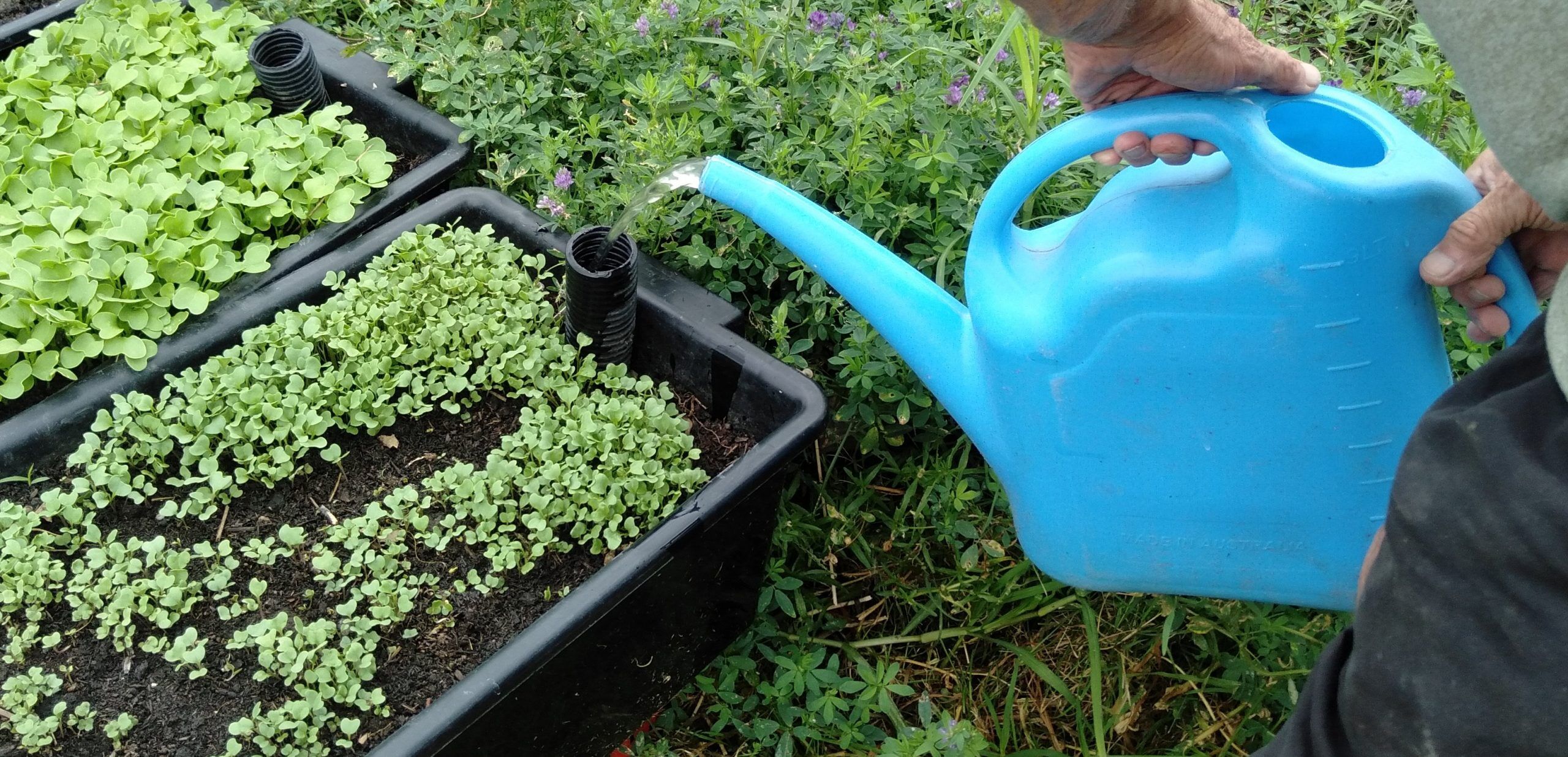
Metabolic food


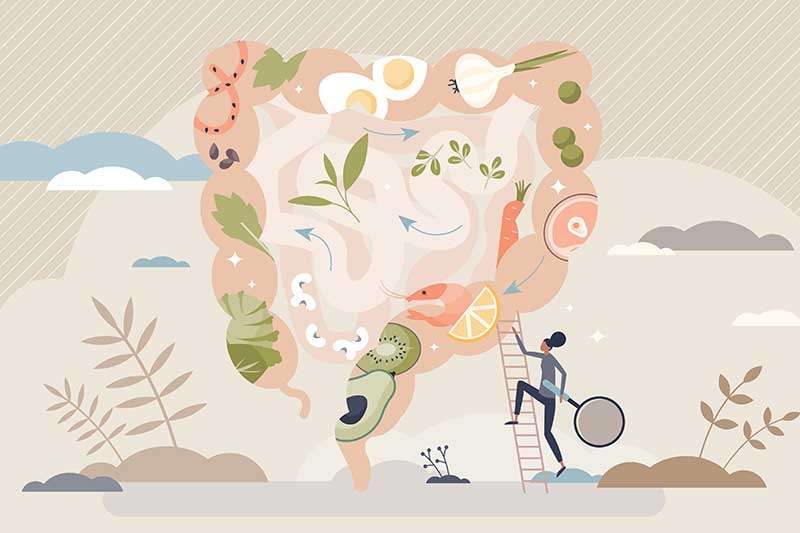
Modern nutrition advice keeps changing, yet obesity, diabetes, heart attacks, strokes, and dementia keep rising. That tells us the problem is not just “chemicals in food” or “willpower”. Appetite is controlled by a highly intelligent gut–brain system that worked for hundreds of thousands of years. The working idea here is simple: this control system has been damaged by toxins, missing trace minerals, and addictive food combinations. The solution must be testable, scalable, and based on real measurements.
This document explains the thinking behind the Gbiota system and links to how it works in practice. The goal is not only to grow healthy plants, but to grow health-making plants. A health-making plant needs the right balance of nutrients, phytonutrients, and trace minerals. Biochemistry has mapped many of the chemicals that support human health, and this is important. But it is not enough on its own.
Health must also be viewed biologically. Forty years ago there was little nutrition advice, yet chronic non-infectious disease was relatively minor. Since then, advice has exploded and often conflicts: low fat, high fat, avoid fruit, eat fruit, and so on. Despite all the guidance, more people are overweight and chronic disease has expanded to epidemic levels.
A useful rule applies: repeating the same mistake while expecting a different result is not wisdom. The core mistake has been treating humans like purely mechanical chemical machines. Appetite and eating behaviour are not controlled only by conscious choice. They are regulated by a powerful internal system that worked automatically for most of human history.
The body has a built-in control system that manages what and how much we want to eat. This system is distributed across the gut and the brain. It communicates through hormones and signals and also through the vagus nerve. Science has identified many signals, including hormones that influence hunger and satiety. Some signals can even be triggered by sight and anticipation, which shows how integrated this control system is.
Even when the internal logic is not fully understood, the outcomes are clear: the system normally regulates appetite effectively. A practical example is salt craving. In a hot, dry climate, heavy sweating can lead to a strong craving for “something” that does not go away until salts are replaced. The body can recognise what is missing, even if the conscious mind cannot identify it. That is evidence of a sensing and control mechanism that is extremely precise.
For thousands of years, infectious diseases caused major suffering and death. Modern medical science made enormous progress by using reductionist methods: study the cause, then develop targeted solutions such as antibiotics. This strategy worked well for many infections.
Non-infectious diseases—obesity, diabetes, heart attacks, strokes, dementia, depression—always existed, but were once far less common. In the last few decades they have escalated dramatically. Even children, historically largely free from chronic disease, now commonly experience obesity, which is a strong predictor of later illness.
Early approaches to chronic disease leaned heavily on large epidemiological studies, hoping correlations would reveal clear answers. Results were often disappointing and sometimes harmful. A widely cited example is the “fat is bad” era, which contributed to low-fat product trends and increased added sugars, including highly processed sweeteners. That shift helped drive diabetes and related disease.
The backlash produced a counter-trend: very low-carb and ketogenic diets. These can be effective short term, but may carry long-term risks for some people. The deeper issue is that the argument often becomes ideological while the epidemic continues to grow.
If standard expert advice is not stopping the crisis, it is time to step back and rethink the method.
A common belief is that innovation starts in research labs and is then applied by engineers and entrepreneurs. Sometimes that is true. But many major innovations were built first and explained later. Steam engines were improved before thermodynamic theory matured, and practical flight preceded modern aerodynamic theory.
The common feature is measurement. James Watt developed horsepower as a way to measure improvement. The Wright Brothers used control tests to prove they could fly safely and repeatedly. They also solved a chain of practical problems along the way.
For chronic disease, the same rule applies: a working hypothesis is needed, and the outcome must be measurable. Without measurement, debate never ends.
A useful modern model of type 2 diabetes describes a progression: poor diet leads to weight gain and fat accumulation; fat interferes with sugar handling in muscles (insulin resistance); the pancreas compensates by producing more insulin; eventually fat builds in the pancreas and blocks insulin production, tipping the person into serious diabetes with risks like amputation and blindness.
This model supports a practical conclusion: in many cases, diabetes can be reversed by dietary change. But there is a problem: scale. There are enormous numbers of people affected worldwide. Treating a small group in a supervised program is not the same as helping millions or billions.
A universal diet that fits everyone is unlikely to work. People respond differently. Some can eat a terrible diet and remain apparently healthy. Others become diabetic quickly. That leads to a “childlike” but critical question: why do some people avoid diabetes while others do not? The best current answer is that individual biology differs, so the most realistic strategy is to develop diets that are personal and measurable.
Diabetes has a major advantage compared to many other chronic diseases: outcomes can be measured quickly. Continuous glucose monitoring provides a 24-hour view of blood sugar patterns, including spikes after meals and the speed of recovery. Over days and weeks, the trends reveal what is working for a specific person and what is not.
This changes the game. Instead of arguing about low-fat versus low-carb in theory, the data shows what actually happens in a real individual. For a global diabetes strategy, this is a practical testing method that can guide personalised decisions.
The working hypothesis has two connected parts. Not every link has been proven in full detail, but waiting for perfect proof would be immoral given the scale of harm. What matters is whether the whole approach measurably improves blood sugar and health outcomes.
Part 1: The internal control system is compromised. The gut–brain system that regulates appetite and metabolism has been damaged by toxic chemicals in the food system, by missing trace minerals and phytonutrients, and by food patterns that the body did not evolve to handle.
Many chemicals embedded on foods were designed to kill pests. Even if their direct effects on human cells are debated, there is no question they can harm microbes, and the gut microbiome is made of microbes. At the same time, chemical-industrial agriculture has reduced mineral diversity in soils and food. When key nutrients are missing, cravings rise until something “hits the target” by chance.
Part 2: Modern food is addictive. Added sugars, sugar–fat combinations, and artificial flavours can drive addiction-like eating behaviour. The internal control system is not adapted to these concentrated and engineered foods.
The first step is producing food that supports gut biology and provides missing minerals. The Gbiota bed system was developed to breed biology in containers and flush a compost tea through soil, draining excess. Trace minerals relevant to metabolic health, such as magnesium and chromium, can be added.
The full chain—soil to plant to food to gut—has not yet received the rigorous scientific analysis it deserves, but the measurable question is simpler: does it reduce blood sugar and improve recovery patterns on continuous monitoring? If an individual shows clear improvement when eating food grown this way, then the system works for them, even if every mechanism is not yet mapped.
Reversing addiction is hard in isolation. A supportive group with a qualified, sympathetic leader can help people reset eating habits until healthy choices become normal and cravings fade. Intermittent fasting is one tool that can improve metabolic health, but it is easier to adopt with community support and clear feedback.
Humans evolved with variable food supply. The body stores fat when food is available and releases it when food is scarce. In modern life, food is available almost constantly, so many people stay locked in storage mode. Intermittent fasting can retrain the body back into a natural in-and-out energy flow.
A workable large-scale system should provide:
A full health-resort model for huge numbers of people would be difficult and expensive. The focus therefore shifts toward education and self-help, supported by growers who already want to produce toxin-free food and can adopt the Gbiota method.
The Gbiota approach is built on a different starting point: appetite is controlled by an intelligent gut–brain system, and modern life has damaged it. The priority is to restore that system with biologically active, nutrient-rich food, reduce addictive eating patterns, and retrain natural fat cycling.
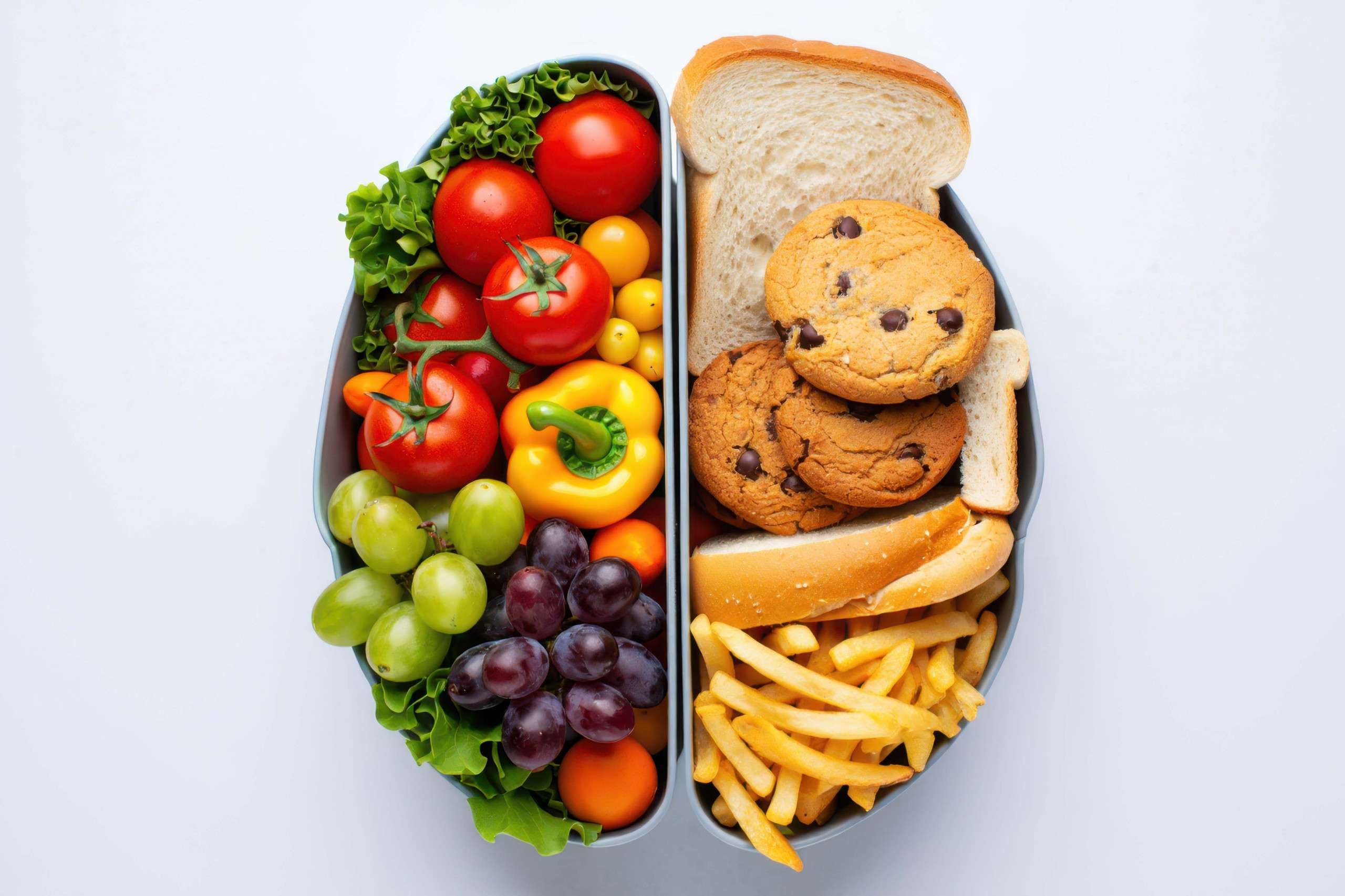
Most foods give us energy, but our bodies also need foods that help rebuild and renew our cells every day. We call these metabolic foods because they support the processes that keep us healthy and thriving.
Your body may look the same each day, but behind the scenes, your cells are always being replaced. To build strong, healthy new cells, your body relies on metabolic foods.
Modern diets are high in energy foods but often lack enough metabolic foods, leading to long-term health problems. Metabolic foods also help us feel full, so we do not overeat.
Our goal is to make metabolic foods more accessible, so everyone can live a longer, healthier life.
Blood is a good example of metabolic foods at work.
Haemoglobin is essential because it absorbs oxygen from the lungs and distributes it to our muscles. Our bodies can make blood cells at the phenomenal rate of 2 million a second, but they only live for 120 days before they die and are expelled from our bodies.
The dark reddish-brown colour of our poo comes from iron, just as the dark, rich colour of healthy soil reflects its mineral richness.
Iron is often deficient in women, zinc in men, and there is a whole range of other minerals, such as magnesium, selenium and iodine, that are often deficient. Then there are vitamins, such as B12, along with phytonutrients from plants.
While we are still learning exactly how metabolic foods improve health, we know they work.
A tomato contains thousands of natural nutrients that cannot be replaced by synthetic supplements. Instead, we can follow the example of healthy cultures throughout history and grow real metabolic foods ourselves.
Most important are the microbes that breed in the soil, enter the plants, and then support our gut. A healthy gut helps support a healthy body.
It is simple and inexpensive.
We have studied how people who live long, healthy lives grow their food, and used this knowledge to create the Gbiota system — a proven way to grow metabolic foods. Our mission is to make this system available to everyone, so all can benefit.
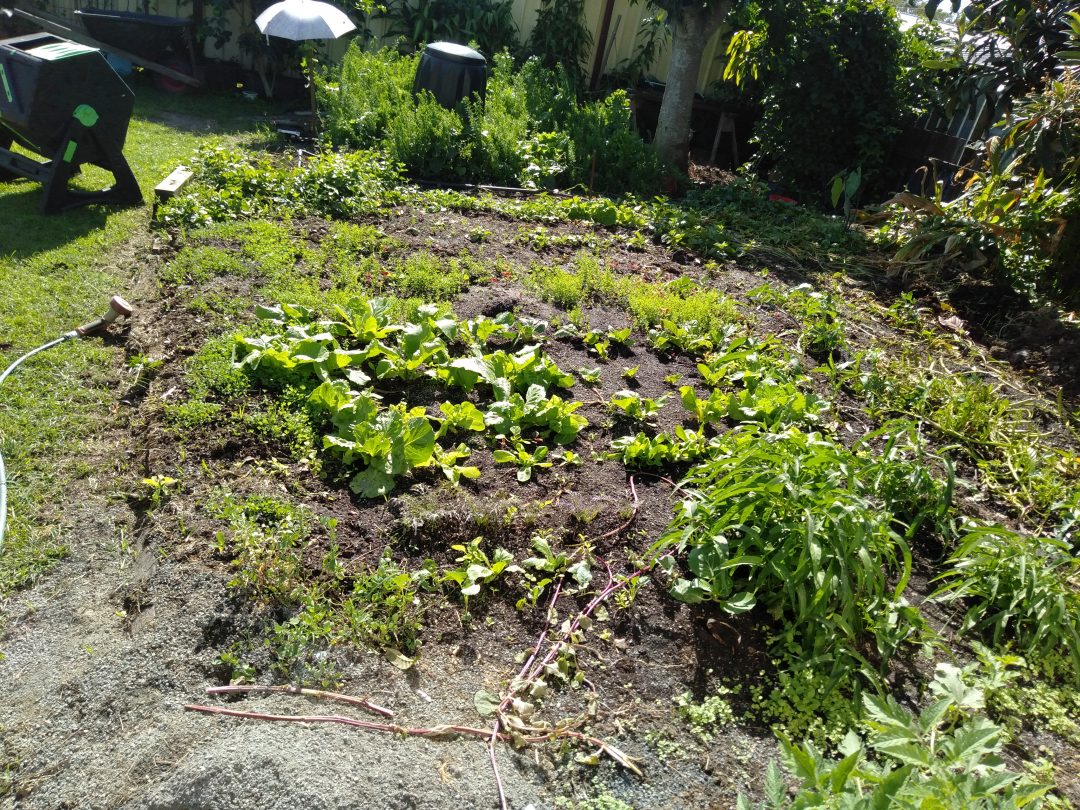


I am stunned by what is happening in the world: the blocking of essential fertilisers in the Hormuz Strait, and the harm that ultra-processed food is causing to global health.
But I am just one person and can do nothing about this.
Yet I have a feeling that I am not the only person in the world who is alarmed as they watch the world go crazy. It may also be that if we worked together, we could bring a little common sense and practicality into the world.
So I thought I would write this somewhat lengthy homepage on my website and see if anyone reads to the end and says, “Yes, I will be in this too”.
If this is not for you, then why not forward the web address gbiota.com, or the PDF version, to a contact who may be interested. It is published under the Creative Commons system for easy distribution.
We live in a sophisticated but fragile and crazy world. A political problem in the Hormuz Strait and our fuel and fertiliser supplies are under siege, threatening our food supply.
Is it sensible to ship a third of the fertilisers needed for food production through such a sensitive region?
But we can use this as an opportunity to overhaul our failing food system. We need a food system that provides all the nutrients and microbes our bodies need and is sustainable. Let me explain.
At the end of the last world war, the global population was 2.5 billion; it is now 8 billion. This dramatic increase in population was only made possible by a total, yet silent, revamp of the food system.
At the end of the war, many large factories producing munitions and explosives based on nitrogen were converted to making nitrogen fertilisers.
This needed a large amount of energy and so became linked to fossil fuels.
Simultaneously, the Green Revolution, pioneered by Norman Borlaug, enabled the exploitation of nitrogen-based fertilisers, resulting in a dramatic increase in food production to feed the exploding population.
It was hailed as one of the great advances in food technology.
Major advances typically come with a side effect that needs correcting, and this is true of the Green Revolution.
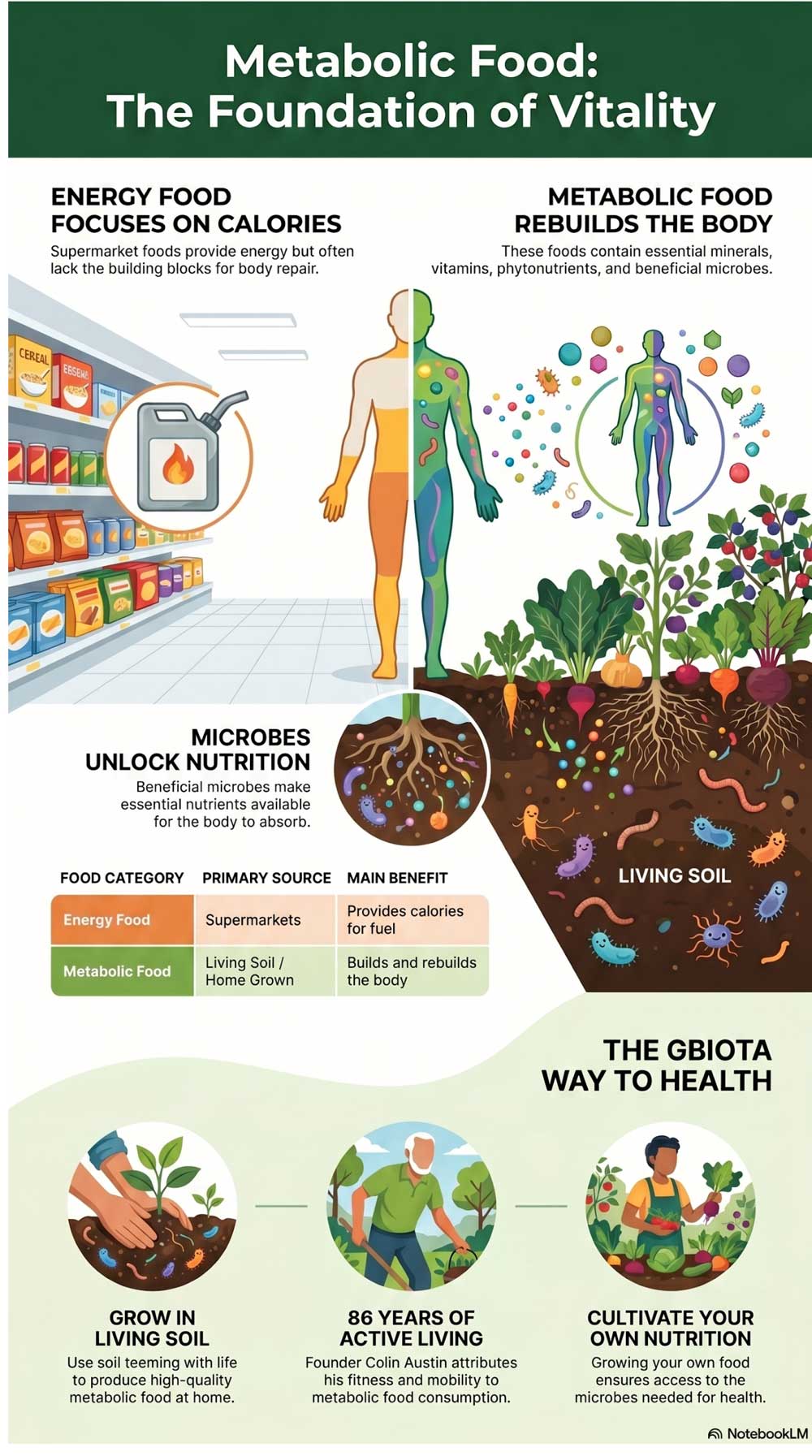
The bulk of the food we eat is burned to provide energy. We can call this energy food.
A much smaller amount of food is used to build and replace our body parts as they wear and age. I would prefer to call this bodybuilding food, but bodybuilding conjures up images of super-strong muscular people. However, this applies to everyone, so I call it metabolic food.
The ratio of energy to metabolic food is very important for health.
Over the hundreds of thousands of years when we were evolving, metabolic food was abundant, but energy food was in short supply, so we evolved a natural craving for energy foods, primarily sugars and fats. There is a certain balance of sugars and fats that we humans just love and is called the bliss point.
Throughout human history, we have sought foods that provide energy close to this bliss point, and it has worked incredibly well.
Our natural foods were high in metabolic foods and low in energy foods, so our craving for energy foods worked very well for us.
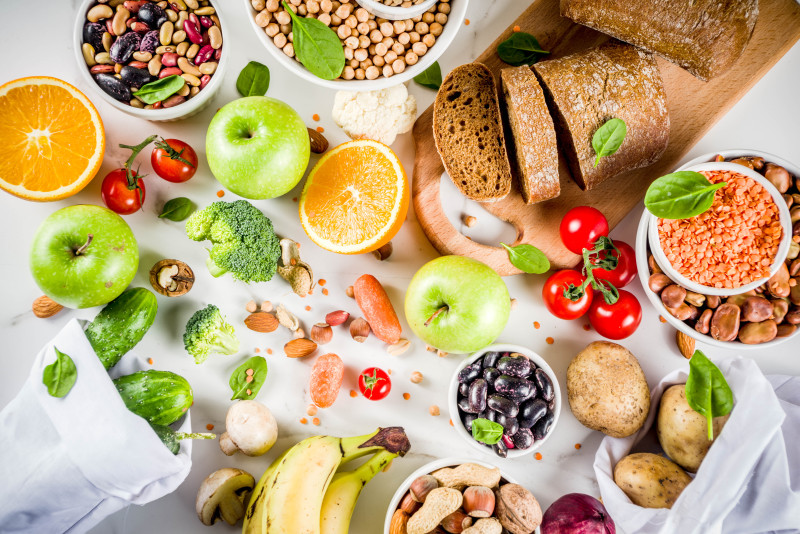 But the Green Revolution changed that. There was a dramatic increase in energy foods, which fed the world, but there was only a minor increase in metabolic foods that looked after our bodies. The natural ratio of energy to metabolic foods had been shifted to a surplus of energy foods and a shortage of metabolic foods.
As they say, there have been consequences. We have what is commonly called a mind, but is more accurately labelled our subconscious brain. In lay terms, our bodies have a mind of their own, and this mind fully understands that there is a shortage of metabolic foods entering our bodies and leaps into action to protect us.
It sends messages down to our gut saying there is a shortage of metabolic food, get busy and make those hormones which will make our body, where we both live, crave more food, so I can send yet more instructions to build up a store of metabolic foods.
Or in lay language, get fat.
Our mind is a survival machine; its job is to keep us alive and well for as long as possible, so it thinks that storing fat is good, and generally it is.
But our mind has not evolved to learn to cope with this excess amount of energy food, so it often gets it wrong, storing far too much fat, so we can end up not just a bit podgy but grossly obese, or simply storing this excess fat in places where it should not be stored.
It may store some in our arteries, leading to a heart attack, or some in our pancreas and muscles, so we become insulin resistant and then fully diabetic, or even worse, in our brains, where we become senile, wondering who those funny kids are who keep calling you granddad.
This is the underlying cause of chronic disease, and apart from causing a great deal of misery and overloading our health system, currently, three out of four people will die from a chronic disease.
All that sounds pretty miserable, so what can we do about it?
The answer is surprisingly simple and inexpensive: just fix our food system to restore the balance of energy to metabolic food.
Let us not fool ourselves that there is some magic pill from the fake pill brigade or even a genuine pill from our sophisticated biochemistry industry. The first thing we have to do is fix our food so it has the right ratio of energy to metabolic food.
And that is a lot easier done than said, to twist the old phrase around.
That is what this website is all about: how to create this energy-to-metabolic ratio.
The chemistry of energy food is very simple; all you need is some combination of carbon and hydrogen that your body can digest and then burn to form energy, carbon dioxide and water.
The chemistry of metabolic food is more complex but still very doable.
We need a combination of minerals, vitamins, phytonutrients and microbes.
We need a number of critical minerals. Many, such as magnesium, iron and zinc, are well recognised. Others, such as selenium and iodine, are still essential but only needed in very small quantities.
All we have to do is look to the mountains, yes literally, I am not joking, where they are in volcanic rocks. We just need microbes, particularly fungi, to break them down so they are available.
Microbes are very obliging as they breed like crazy; all you need is the right conditions.
Currently, our fertilisers are based on petrochemicals or mining-specific minerals, in particular phosphorus, which is rapidly running out.
If we carry on as we are, we will run out of phosphorus in fifty years, and then, as they say on TV, we will have a situation.
But there is an even greater threat: the supply is finite and will eventually be exhausted. Phosphorus is the critical mineral with only a fifty-year known supply. What happens when that is exhausted?
Fifty years may seem a long time, but should we be concerned right now? Let us look at the case of Nauru, which seemed at one time to have an almost inexhaustible supply of guano, seabird droppings rich in phosphorus.
Nauru was one of the richest per-capita countries in the world with what seemed an inexhaustible supply. After all, seabirds keep on producing more.
But it wasn’t that they ran out gradually; it was the way they ran out. One day there was a plentiful supply, the next day the excavators hit rock, and there was none. It was abrupt, like the closure of the Hormuz Strait, and now Nauru is one of the poorest countries in the Pacific, and the world lost access to a valuable resource.
Sustainability is such an important topic; I will be coming back to that in force later.
We have a good understanding of vitamins and can make many of them ourselves, for example Vitamin D, with a bit of help from sunlight.
Most others we can get from plants. The most famous of all is Vitamin C, which we can get from many fruits.
When the British discovered that limes would last a long time, they started adding them to ships’ stores, hence the nickname “limeys”.
One vitamin in particular is B12, which we cannot make ourselves and is made by fungi. Some animals eat fungi, so when we eat their meat, we may get an adequate supply of B12, but otherwise it tends to rank high on the list of deficient nutrients.
Sadly, we have a poor understanding of phytonutrients, despite their widespread occurrence.
For example, a single tomato may have a thousand different phytonutrients. Apart from making tomatoes taste nice, we have little understanding of what they do and how they work.
The only advice I can offer is: if the plant tastes good, then eat it. Many plants taste very different, and much better, when just picked than even a short time later. It is sad that so many people have never tasted plants immediately after picking, as they taste so much better.
We can only assume that they are also much healthier.
We have long known that microbes are essential for digesting our food and making it available to us. It is only in the last few decades that we have begun to understand the important role they play in health.
This was first discovered in experiments with mice, where fat mice could be made skinny and skinny mice could be made fat simply by swapping their pooh.
This was later found to also be true in humans, with the delightful medical procedure of faecal transplants.
Knowing how concerned some people are about looking slim, I would have expected that pooh-swapping parties would have become fashionable in trendy neighbourhoods, but apparently not.
But it does raise the question of where we get our gut microbes.
We know that at the beginning of life, we get them from mum, both at birth and from breast milk. But that is just the start.
Thereafter, we mainly get them from food, but it seems that close personal contact also transfers microbes. A good excuse for young couples snogging away.
Microbes are particularly important as they regulate our bodies. That means making the change from a linear to a circular food system. This website shows how, but first, why we have to make the change.
There is the old saying that for every complex problem, there is a simple solution that does not work. But there are solutions, and that is what this website examines, so why aren’t we working towards a solution?
Let us see what we can learn from history. Modern humans, like us today, lived sustainably for two hundred thousand years. We can see from the remains that they were large, fit and healthy. They lived in tribal communities, but arrowheads in bodies showed that they were also aggressive toward other tribes.
They lived in their territory until they had exhausted the natural resources, then moved on, allowing the land to recover. This may have been sustainable, but it limited the maximum population to under a million.
Then we invented agriculture, but not the toilet, and mostly died young from disease.
Plagues, like the Black Death, could wipe out half the population. But we learned to store food, and that tempted other tribes. City warfare started, and only a few cities lasted more than a couple of centuries.
We learned about hygiene, the population increased, and the social unit increased from the city-state to the nation, and modern warfare started, not because the people wanted war, but because of psychopathic leaders.
But two world wars and the invention of the atomic bomb were enough to curb the ambition of the psychopaths.

Technology, particularly the Green Revolution, gave us an ample food supply, and the population exploded from 1.5 billion to 8 billion.
All those mouths had to be fed, but with technology, we increased food production faster than the population. But it came at a cost; we entered a new era, the Anthropocene, in which humans began to recognise that they were having a major impact on the world.
The word “sustainable” became widely used and understood, and it seemed the world was heading toward a long, peaceful future.
Then humans came up with another innovation that, at first, looked like it would be the greatest and most beneficial innovation of all time. It is represented by what we now call a mobile phone, but in reality it is an extremely sophisticated computer system that connects to the world.
It just happens to look small and simple.
And let us face it, an innovation that lets people watch cute cat videos while sitting on the bus must be one of the greatest and most beneficial innovations of all time.
But it turns out that it does have a nasty side. It allows all those psychopaths who would otherwise be leading us to war for the industrial killing of other humans to devise something even more damaging to society: the wonder of disinformation.
Disinformation may lack the blood and gore of earlier tyrants, and they may be wearing tailored business suits rather than army fatigues, but their effect is equally damaging.
The convincing of the masses that the extract of some weird plant from a remote corner of the world is going to solve the global health problem is in no way progress. It leads to the slow but insidious destruction of our food system.
We do not need a disinformation campaign saying that everything is fine as long as we take some magic pill. We need to face the harsh reality that the way we manage our current food system is, in the short term, making us fat and sick, and in the long term is unsustainable.
In short, that means changing from a linear food system of mining, growing, harvesting, eating and disposal to a circular food system in which waste is recycled.
The reason there has been so much resistance to the change from linear to circular is that linear is seen as profitable in the short term, while circular is seen as expensive.
As you can see from the following article, I built up Australia’s leading exporter of technical software and was recognised as one of our leading innovators, but I saw that developing a food system that satisfied all our nutritional needs and was sustainable was the major challenge facing us all.
I decided to sell my company and use the resources to see if I could develop the needed technology. When I talk to people about this technology, I see they anticipate it will be complex and expensive.
The reverse is true. Any competent nutritionist can tell you exactly what types of food you should be eating. We know what we should eat. But what matters is how that food is grown. The prevailing view is that the only way we can feed the eight billion people on Earth is by industrial chemical farming.
That is wrong; we can grow the needed nutrient-rich food more cheaply and effectively locally.
I understand you may not believe me, so let me introduce you to my friends: easily grown high-nutrient foods.
Now let me introduce you to a few tough characters who are my friends: spinach, flax, winter melon, purple amaranth and passionfruit. They have tough roots, are either long-lived or readily seed, grow in poor soil, and have a natural defence against insects.
They do not need any expensive fertiliser; they just need you to bury kitchen waste nearby and a bit of water. They will provide you with food with minimal work, through the political chaos we live in, and for free.
But do not think that being free means they are not good. My wife Xiulan, a medical doctor, is diabetic. Despite taking sophisticated modern drugs, her foot started to turn black, and the doctors were recommending that her foot needed amputation.
Instead, she started eating these plants, particularly winter melon, which has huge fruits that are a meal in themselves, and she still has both feet.
Just because things are free and simple does not mean they are of no value, and we must not assume we can only live in a world of fragile, high-tech systems and AI.
If it is simple, free and works, then that is better.
But face the facts, there is only one word to describe the situation where one third of the world’s fertiliser, on which our food supply depends, should be dependent on a politically unstable part of the world: crazy.
So what can we do about it? Some people think they can adopt a lifestyle of total self-reliance. I have tried that, and it is not viable.
Throughout history, there has been a distinct pattern.
A state would become productive and wealthy. It used its prosperity to build a military and would then subjugate other states by threat or force.
It would gradually transfer its production to its subjugated states while increasing its military capability until its soil was degraded and its productive capacity diminished.
Then, after several centuries of power, it would collapse. Time and time again, this has happened.
Read The Shortest History of the World by David Baker or Goliath’s Curse by Luke Kemp, both enlightening reading on the troubles of the modern world.
We survive, long term, by recycling. Over twenty years ago I was using a system of collecting all the toilet waste, trenching it, then growing fast-growing legumes such as acacia, then letting the creatures of the soil recycle the toxic waste, probably full of pathogens, into nutrient-rich, highly productive soil.
So let us ask what has allowed us to become the dominant creature on the planet? We are intelligent and naturally cooperative; we form tribes, and when led by a wise and committed elder, it works incredibly well. When a nation is led by a psychopath, disaster follows.
So how can we assure a safe and healthy food system? If we live in a high-rise apartment, we cannot have a wheat or rice field and keep a cow, a pig, and a chicken on our balcony.
We can certainly buy energy food from the local supermarket and supplement this with highly nutritious fresh food we grow in boxes. That certainly works and is how I currently live.
But there is an even better way I learned as a kid in the war: Victory Gardens. Yes, I am very old.
These may not have provided us with delicious Wagyu beef, but they did provide us with a basic food supply that was both fresh and healthy.
A feature of these Victory Gardens is the way people cooperated as part of a working community, contributing what they did best. Some people had land, others labour; some grew plants with specific skills, but they all cooperated, sharing their skills and facilities so the community benefited as a whole.
Food was being used as a weapon of war, and we survived. We can do it again to survive the combined threat of political aggression and the damage we are inflicting on our natural resources.
So why not join the Gbiota social movement here?
But first, we need to understand the basics of how food works and why our modern food system is a threat.
Your mind, your subconscious brain, is a highly sophisticated survival machine, the result of a billion years of evolution, with one objective: to keep you alive, fit and healthy so you can successfully pass on your genes to the next generations.
From the very first suck it is learning what foods you need. It sends signals to your gut, the gut-brain connection, to generate hormones so you want to eat the foods that will ensure you stay alive, fit and healthy.
If you do not eat the right amount of the right foods, it will send signals to the gut to produce yet more hormones, so you eat yet more food and then store it as an emergency supply.
Modern food is lacking critical nutrients. These deficiencies are why there is an epidemic of chronic diseases with the common cause of the wrong fat in the wrong place: in the arteries leading to heart attack, in the pancreas leading to diabetes, and in the brain leading to strokes and a more general problem of lower health and lifestyle from being overweight.
| Category | Details |
|---|---|
| Elements needed by plants | |
| Elements available from the air or water | Carbon, Oxygen, Hydrogen |
| Primary elements from the soil | N, P, K |
| Secondary elements | Ca, Mg, S |
| Trace elements | Mn, Fe, B, Zn, Cu, Mo, Cl, Co |
| Widely reported dietary deficits | |
| Elements needed by plants but we may need higher doses | Ca, Mg, Zn, Fe, Cu |
| Essential extra elements needed for health | Selenium, Iodine, Vanadium, Chromium |
| Vitamins humans are generally short of | Omega 3, B12, B6, E, K |
The reason for these deficiencies is that modern agriculture relies on chemical fertilisers, which are carefully formulated to provide all the nutrients plants need. But we have more complex needs than plants, which can be readily resolved if you know how.
On this website, you can learn how to resolve these deficiencies and train your mind how to generate the hormones that will keep you alive, fit and healthy.
You can start by reading the 6-page article, “Understanding Food,” for free here.
You can then buy our e-books, particularly The Survival Machine, here.
You can then join the Gbiota social movement to learn how to grow and eat foods that provide the nutrients our modern diet lacks here.
But right now, I am particularly anxious to hear from people who understand the importance of food security and the role it plays in health and would be prepared to consider becoming local tribal leaders in this movement.
If this could be you, please email me at colin@gbiota.com

Your body, and specifically your brain, is one of the wonders of the world. To be fit and healthy, we need to eat the right amount of the right foods, and also engage in a certain amount of movement.
The science of biochemistry is highly sophisticated and can tell us down to the microgram what we should be eating, at least for an average person doing average things. All good.
But over thousands of years, our bodies have developed a system that decides what we should eat, tuned to our specific bodies and to what we need right now. Even more importantly, under the right conditions, it automatically makes us want to eat what we should.
Wouldn’t it be smart to get a better understanding of how this incredible system works, so we can make it work even better for us and live an even longer, healthier life?
Our head-brain is like the master controller for everything our bodies do. We can think of it as split into two parts: our subconscious brain, which automatically regulates most of what our bodies do, and our conscious brain, which we use for deliberate thought and decision-making.
We have very little direct control over our subconscious brain. It is fast-acting and constantly working in the background.
Our subconscious brain establishes set points over which we may have little control, and it will always try to restore our bodies to these set points. We have known about this process for around two hundred years and have given it the name homeostasis.
By contrast, our conscious brain is slow and clunky. We have some control over it, but perhaps not as much as we think, because we can become influenced or indoctrinated by ideas.
Our subconscious and conscious brains can work together. For example, when we catch a ball, our conscious brain is far too slow to calculate exactly where our hands need to be when the ball reaches us. This is done by training our fast-acting subconscious brain.
Our subconscious brain regulates our temperature, and we have no control over the set point. If it has difficulty maintaining that set point, it may call in the conscious brain by sending a message such as, “We are feeling cold. Do you mind putting on that nice woolly jumper you got for Christmas?”
Our subconscious brain also controls the amount of oxygen in our blood by regulating our breathing rate and the speed of our heartbeat, helping distribute oxygen around the body.
It controls the amount of sugar in our bloodstream, providing fuel for our muscles and the nutrients needed to replace body parts as they age and wear out.
It also decides what type of fat we store, how much we store, and where we store it. These fats serve as readily available food when we need energy quickly.
Again, our subconscious brain decides the set points for where and how much fat we need to store. We may try to use our conscious brain to override these set points by going on a calorie-restricted diet. This may work in the short term, but rarely works in the long term.
However, we can try to move the set points so our subconscious brain is now working to meet new, healthier targets.

Healthy food starts with healthy soil biology. A Gbiota bed is designed to grow plants in a biologically active, mineral-rich root zone so the food supports better gut function, fewer cravings, and more stable energy. The practical method is simple: protect and mature the rhizosphere, avoid soil disturbance, and regularly flush the root zone with biologically active “compost tea”. This approach learns from traditional and wild ecosystems, then modernises them with efficient water use and low-labour pumping.
The long-term aim is big: shift the food system so healthy food is normal and affordable for everyone. The shorter-term target is more practical: build a growing system where plants grow in biologically active soil and support better health by improving gut biology. If enough people can show they feel better—more energy, fewer cravings, and steadier digestion—then the message can spread through simple personal contact.
There is strong and growing evidence that gut biology is central to health and strongly linked to chronic disease risk. There is also a vast body of knowledge on soil biology, ranging from easy-to-read books and practical teaching through to dense scientific papers. The tricky gap is direct, step-by-step technical proof of how biology moves from soil—especially the rhizosphere (the root zone)—through plants and into the human gut.
Because the full pathway is still not clearly mapped, the approach here is pragmatic: build conditions that clearly support diverse, mature soil life at the root zone, grow plants under those conditions, then observe whether eating those plants improves gut function and wellbeing. Testing gut biology is now possible, but it is also possible to become more sensitive to gut changes through lived experience—especially after events that disrupt the gut, such as antibiotics.
A useful clue comes from traditional fermented vegetables. Even after vigorous washing, scrubbing with salt, and covering vegetables with previously boiled water, fermentation can still happen strongly—often with obvious effects on digestion. This suggests vegetables can carry substantial microbial life, and not only on the surface.
If the microbes were only on the outside, intensive washing and salt treatment should reduce them dramatically. So a reasonable working hypothesis is that a meaningful portion of the biology is within plant tissues, and one likely route is transport from the rhizosphere into the plant along with water and solutes. There are also hints that microbes can enter plants through root damage caused by insects or other attacks. Another possibility is that some biology comes via insects and other “creepy crawlies” whose own gut microbes become part of the rhizosphere system.
This topic deserves deeper, bottom-up scientific research. However, the practical, top-down question remains: if plants are grown with ongoing flushing of biologically rich tea through the rhizosphere, does eating those plants measurably improve gut biology and related outcomes (energy, cravings, digestion, resilience)?
Comparative studies of gut biology often show that rural and semi-nomadic groups can have markedly stronger gut diversity and function than people eating modern industrial diets. This is not a romantic call to “go back in time”. Many traditional settings include hardship and risks most people would not accept. But the contrast is still valuable: humans had healthy gut ecosystems for a very long time, and the modern gut crisis has escalated rapidly alongside factory-style farming and food processing.
The practical goal is to study how plants grow in wild ecosystems and in long-running agricultural systems, then extract the mechanisms that support biology, minerals, and plant diversity—without importing the poverty, disease risk, or heavy labour. A Gbiota bed attempts to modernise the useful parts: stable soil ecology, continuous feeding of microbes, gentle handling of soil structure, and consistent mineral supply.
Many long-term agricultural regions show nutrient problems, sometimes due to a missing trace element such as iodine, zinc, or another essential mineral. In other cases, the land was originally fertile but has been mined over centuries and is now depleted of nutrients and life. A few fortunate regions still have volcanic soils that remain rich and biologically active.
Modern tools allow identification and correction of mineral deficiencies, which is critical if the goal is not only plant growth but also high-quality nutrition. While modern food crops have been selectively bred for productivity, many herbs and medicinal plants still carry traditional value and may fit well into a system focused on health rather than maximum bulk yield.
Traditional systems are often complete ecosystems: recycling organic matter, integrating animals, and keeping biology active year-round. Chickens are common for a reason: they process waste, contribute manure, and support nutrient cycling. These systems also tend to avoid “resetting” the whole garden bed at once. Instead of clearing everything, people harvest what’s ready and replant into the gaps, leaving much of the soil undisturbed so life can persist and recolonise disturbed patches.
The key point is not just nutrients. The main objective is feeding and protecting the soil microbes. Frequent deep disturbance is highly disruptive—especially to fungal networks (hyphae) that spread through the soil and help transport water and nutrients. If gut health depends on renewing and feeding biology, then the growing system must do the same for soil.
There is a strong parallel between soil ecology and gut ecology. In the gut, antibiotics can wipe out beneficial organisms, while excess sugars can feed harmful ones. In industrial agriculture, aggressive chemicals can damage soil biology, and in factory-farmed animals, routine antibiotics can also shape microbial outcomes. Whether or not industrial systems are “necessary” at global scale is debated, but one point is clear: a portion of human food should come from a balanced ecosystem that helps replenish and feed gut biology.
A balanced ecosystem does not mean harmful organisms vanish. It means conditions favour beneficial organisms strongly enough that harmful ones are kept at low, manageable levels. This “competition and balance” approach is often more sustainable than trying to sterilise systems and then re-inoculate them—an approach that has repeatedly failed because ecosystems are complex and adapt rapidly.
In many traditional systems, watering does more than hydrate plants: it also moves biology into the root zone. Much of the water used in real-world farming is biologically active, whether people intend it or not. One major practical principle is to flush the root zone with biologically active water—compost tea—so the rhizosphere is fed and reinforced.
In a Gbiota bed, this flushing can be done efficiently and repeatedly using a small reservoir and a pump controlled by a timer. The system circulates compost tea through the root zone and, where needed, through a compost zone to extract beneficial biology and nutrients while avoiding toxic compounds associated with immature decomposition. The pipes and pumps are not the “magic”. The core is sustaining an active, stable rhizosphere.
The rhizosphere is the most important part of a Gbiota bed. A simplified “physics” model of plant growth focuses on soluble nutrients dissolving in soil water, osmosis pulling that solution into fine root hairs, and water movement driven by tension as water evaporates from leaves. This model is accurate as far as it goes, and it fits well with modern farming where soil is tilled to a fine texture and soluble fertilisers are applied.
But this is not how plants operate in the wild. The biological model is different: plants are energy converters. They capture sunlight, pull carbon dioxide from the air, and build sugars and other compounds. A portion of that energy is released as root exudates that feed microbes, especially mycorrhizal fungi. In return, the biology supplies plants with water, nutrients, and sometimes protection from pathogens.
In the rhizosphere, there is constant competition—a “bug-eat-bug” world. In a healthy balance, beneficial organisms keep harmful ones under control mainly by outcompeting them for space and food. Chemical warfare can suppress organisms short-term, but it also selects for resistance and can damage the larger ecology the system depends on. If the aim is gut health rather than maximising bulk yield, then building balance is the smarter target.
Mycorrhizal fungi are central players because they extend the plant’s reach. Their hyphae push into tiny pores and even into rock surfaces. Using pressure and enzymes, they help dissolve minerals and release nutrients plants can use. This is nature’s slow, distributed fertiliser factory. And it is powered by plant energy: sugar exudates exchanged for minerals and water.
The rhizosphere is not just microbes. It also includes macro-creatures—worms, insects, and many soil dwellers—each carrying their own internal biology. Their gut microbes contribute to the broader soil ecosystem. The diversity is enormous, and that diversity is part of what makes the system stable over time.
In the wild, dead plants and animals are processed by decomposers in stages. Nutrients become available only after that processing. Freshly decomposing material can be “labile” and sometimes toxic to plants, because plants manufacture defensive chemicals and those compounds can inhibit growth. Wild systems handle this through timing: plants avoid fresh toxic zones and return later when decomposition has stabilised.
Traditional farmers learned the same lesson without needing modern chemistry. They composted slowly, or used animals to process waste so that manure and bedding became more stable and plant-safe. This is one reason compost tea must be biologically mature and balanced: the goal is to feed the rhizosphere, not shock it with unstable chemistry.
The purpose of a Gbiota bed is to grow food that supports health by strengthening gut biology. The practical target is a stable, ongoing, mature rhizosphere built through permanent planting plus sequential cultivation (replanting in gaps rather than full reset). Compost tea is supplied to the rhizosphere to feed and reinforce soil biology. This can be done manually, but regular, low-effort application is best achieved with a simple automated pump-and-timer system.
Put simply: protect soil structure, feed the biology, keep minerals in balance, and build a living ecosystem at the roots. If the root zone is alive and stable, the plants grown in it can become a practical bridge between healthy soil and a healthier gut.

Health advice is full of bold claims, but most of it cannot be tested in a clear way. Diabetes is different. Blood sugar, weight, and waist measurements provide real feedback, fast. That makes it possible to talk about food and health with scientific honesty instead of hype. The core idea is simple: modern food has changed our gut biology and appetite control through toxins and sugar overload. A practical solution combines better food, movement, and stress control, tuned to the individual.
The broader goal is to learn how to grow food that makes people healthy. That affects everyone. Diabetes matters because it is measurable, and measurement matters if you want honesty.
If you search the internet for health advice you will be buried in miracle cures, exotic supplements, and claims that promise a longer life, rapid weight loss, and perfect health. Many of these claims are simply con jobs aimed at separating people from their money. The problem is that most claims cannot be tested in time to prove whether they work. If someone says a rare jungle plant will make you live longer, there is no clean way to verify that claim in a practical timeframe.
Diabetes is different. Continuous blood sugar monitoring, plus simple tracking of weight and waist girth, provides measurable evidence about how your body handles a particular food pattern. You can see what happens within hours and days, not decades. That means approaches to diet and lifestyle can be promoted with a much higher degree of scientific honesty.
These methods can be used by non-diabetics too, in the belief they will improve health and possibly longevity. That may or may not be true, but it is a personal decision. What matters here is that the diabetic outcomes can be measured and the feedback is clear.
If you are seriously ill in Australia, professional medical help matters. The health system is competent at acute care. The weakness is prevention. The system is overloaded and is not well designed to prevent people getting sick in the first place. By focusing on food that improves health, using blood sugar as a measure, and taking a holistic approach, it is possible to contribute honestly at the prevention stage, before serious illness arrives.
A common medical view is that diabetes is progressive and not curable. Yet there is now reliable scientific evidence that diabetes is reversible in many cases. This is not a minor issue. In Australia, every working day, roughly twenty people suffer an amputation because of diabetes, and many more lose sight. Globally, the numbers are vastly higher.
All evidence points to a simple truth: the number of amputations and cases of blindness could be significantly reduced through prevention strategies based on food, lifestyle, and measurable feedback. That is the purpose of this work.
The motivation is not abstract. When diabetes becomes severe, consequences arrive fast: vision can fail, accidents happen, wounds can fail to heal, infections escalate, and doctors begin discussing amputation. When you have lived close to that edge, the obligation becomes simple: if you learn something that can help others, you share it.
The limits also matter. Genetics can make people prone to diabetes. That does not mean diabetes must progress. It means prevention and reversal methods may need to be sustained and tailored, not applied as a short-term fix.
When you study diabetes, two facts jump out immediately.
First is the scale and the speed. Go back thirty years and diabetes was a fringe issue. There were overweight people, but a fraction of today’s numbers, and diabetes was far rarer. Now it is extremely common. A large share of people over forty are diabetic, undiagnosed diabetic, pre-diabetic, or carrying excess visceral fat and heading toward diabetes.
Second is the amount of dubious information. Diet and health are crowded with confident opinions that are not grounded in measurable outcomes.
If diabetes has exploded so quickly, something dramatic must have changed. It is illogical to blame this on staple foods like rice, bread, or potatoes alone. Humans have eaten these foods for thousands of years without a modern diabetes epidemic. The question is not “what foods existed?” but “what changed in the system?”
Two modern changes best explain the diabetes epidemic.
1) Toxic chemicals in chemical-industrial food production. These chemicals were designed to kill. They have been detected in commercial food. Even if they have been tested for direct damage to human cells, they still travel straight into the gut biome. The gut is microbial by nature. Chemicals designed to harm biology can weaken gut biology, even if the human body appears “fine” in the short term.
2) Sugar overload and high-glycaemic foods. Modern diets are packed with added sugars and fast-acting carbohydrates that rapidly break down into sugar. This environment encourages sugar-loving bacteria to dominate in a gut that is already weakened by chemical exposure.
The gut does not operate in isolation. Gut bacteria communicate with the brain via the vagus nerve and through a complex array of hormones. Together, the gut–brain axis acts as a control system that influences whether food is used, stored, or expelled. This control system also shapes cravings by triggering pleasure chemistry such as dopamine.
When toxic exposure and sugar overload combine, the decision-making control system changes. Appetite becomes distorted. Cravings increase. The result is not only weight gain, but a shift toward metabolic dysfunction.
As this distorted system continues, the body stores excess fat in ways that damage metabolic control. Fat can build in muscles and contribute to insulin resistance, which is a common early stage of diabetes. Fat can also build in organs, especially the pancreas, which produces insulin to manage blood sugar. When the pancreas is affected, the body’s ability to regulate blood sugar declines further and diabetes progresses.
This is why simple “eat less” advice often fails. The control system that regulates eating is being pushed out of balance. Restoring balance is the real target.
A further fact must be faced honestly: people vary widely. Half the population may be caught in a diabetes and obesity epidemic, yet the other half can appear to eat toxic, sugar-loaded foods with fewer obvious consequences. Some people gain weight easily; others stay thin and struggle to gain weight.
This means there is unlikely to ever be one generic solution that suits everyone. A practical approach must be tuned to the individual. That is not a weakness. It is reality.
A practical approach to reversing diabetes (and possibly improving other chronic diseases) has three components:
The key is not merely doing these things. The key is tuning the combination so it fits the person.
To tune a routine, you must test and measure. Objective measurements include continuous blood sugar monitoring, body weight, and waist girth. Subjective measurements also matter: hunger levels, cravings, energy, and feelings of satiety.
These measurements prevent self-deception. They also prevent ideology. Instead of arguing about the “best” diet in theory, the body’s response becomes the guide.
The next question is practical: how does this become real in the world, beyond personal experimentation?
The Gbiota club can expand into a wider operation with several levels of involvement.
Each grower or family operates as an independent financial entity. At the same time, cooperation makes sense: shared learning, cooperative technology development, and umbrella marketing to build public awareness.
“Honest food” means using measurable feedback to guide decisions, avoiding hype, and focusing on what actually improves health outcomes. Diabetes is the clearest testing ground because changes can be tracked in real time. The most probable drivers of the epidemic are toxic chemical exposure and sugar overload, which disrupt the gut–brain control system and push the body into fat storage and metabolic failure. A practical response combines biologically active nutrient-rich food, movement, and stress control, tuned to the individual and kept honest through measurement. The final step is scale: building local networks of growers, retreats, doctors, and communities so prevention becomes normal, not rare.

For many years, simple wicking beds helped people grow food during drought and hardship. Since then, the world has changed. We now face a global health crisis driven by poor food, damaged soils, and disrupted gut biology. This article explains how wicking beds evolved into Gbiota beds, why soil biology matters for human health, and how a more careful, community-based approach can help restore both soil and gut ecosystems.
Wicking beds were originally developed to provide basic food security in drought-prone and famine-affected regions. They were designed to be simple, low-cost, and easy for local people to build and maintain themselves. By storing water below the soil surface and allowing moisture to move upward, these beds reduced water use and made food production possible in harsh conditions.
The idea spread rapidly. Over time, many new versions appeared, some far more complex and expensive than the original design. While these systems succeeded in producing food, they were not designed to address long-term health outcomes or the biological quality of that food.
Today, the world faces a very different challenge. Chronic diseases such as obesity, diabetes, heart disease, and stroke are rising at unprecedented rates. This is not due to a lack of food, but rather the quality of food being eaten.
Diet is a major driver of this health crisis, but the deeper issue lies in why people eat the way they do. Appetite, food cravings, and metabolism are strongly influenced by gut biology. When gut ecosystems are damaged by toxic chemicals, highly processed foods, and a lack of essential minerals and micronutrients, natural appetite control breaks down.
The gut is not just a digestive tube. It is a complex living ecosystem that acts as a control system for appetite, immune function, and metabolism. Beneficial and harmful micro-organisms coexist in balance when conditions are right. Modern food systems disrupt this balance. Foods grown in depleted soils and treated with chemicals lack the mineral diversity and biological signals that human bodies evolved to expect. At the same time, toxins and antibiotics reduce beneficial gut organisms, allowing harmful ones to dominate.
Long-term health cannot be restored by killing microbes. The only sustainable solution is to rebuild a balanced ecosystem, both in the soil and in the gut.
Traditional wicking beds are effective water-saving tools, but they do not actively support soil biology. Nutrients are often static, and there is limited opportunity to introduce beneficial microbes in a controlled way.
This raised an important question: how could wicking beds be improved to restore gut biology by producing food rich in minerals, micronutrients, and living biology?
Answering this question required a deeper focus on soil ecology and nutrient cycling.
The first major improvement was modifying wicking beds to include an external reservoir. This reservoir could still store water, but it also allowed a compost tea to be flooded through the soil and then drained away.
This flood-and-drain process delivered nutrients and beneficial biology directly to plant roots while also drawing air back into the soil. Technically, this design remains one of the most effective systems for small-scale growing.
However, it was still limited in automation and scale.
To support larger and more robust systems, the Gbiota bed was developed. In this design, a compost tea and nutrient mix are actively pumped through the soil.
This creates a dynamic root environment where plants receive minerals, micronutrients, and living biology on a regular cycle. The goal is not just plant growth, but the production of food that supports healthy gut ecosystems.
The central aim remains restoring gut biology by restoring soil biology.
Both soil and gut systems function as balanced ecosystems. Harmful organisms are always present, but they are kept under control when beneficial organisms dominate.
Attempts to sterilise systems, whether through soil fumigants or antibiotics, fail in the long term. They remove both good and bad organisms, allowing resistant and harmful species to return stronger than before.
True resilience comes from diversity, balance, and favourable conditions for beneficial life.
The rapid spread of wicking beds showed how easily good ideas can be misapplied when shared without guidance. Complex systems, if poorly implemented, can cause confusion, failure, or unintended harm.
For this reason, it was decided that the Gbiota system should be developed within a structured community where testing, refinement, and shared learning could occur under controlled conditions.
The Gbiota Club was formed to provide this structure. Members can experiment with the system, share results, refine techniques, and circulate accurate information.
This approach helps prevent misuse while accelerating learning. It also builds a community focused on health, soil regeneration, and responsible food production.
Anyone interested in the technology is welcome to participate and contribute to its ongoing development.
Gbiota beds represent a shift from simply growing food to growing health. By combining traditional agricultural principles with modern automation and biological understanding, they offer a path toward restoring both human and environmental wellbeing.
This strategy is not about replacing all food systems, but about providing a practical, scalable alternative that addresses the root causes of modern chronic disease.

Diabetes is driving a serious health crisis: unnecessary amputations, blindness, and early heart attacks. The scandal is not only medical—it is also about rights. People deserve honest information about food-based options and the freedom to choose how they are treated. Diabetes is largely driven by modern food that is high in sugar and fat but low in micronutrients and fibre, which fuels cravings and overeating. A practical solution is education through health professionals, group support, and direct access to nutrient-rich food from local growers.
A major scandal exists in the health system when people are denied access to critical information and choice in how they are treated. The case of Garry Fettke—a surgeon trying to protect patients from unnecessary amputation—shows how badly things can go when professionals are restricted from discussing diet in a meaningful way. People are losing legs and going blind unnecessarily because they are not being told the facts about food and diabetes.
This is not just unfortunate. It is immoral. In a democratic society, people have the right to be told the truth about their health and the right to choose how they are treated. This article is an invitation to protect those rights and to make diabetes reform a serious public issue.
Diabetes is not strictly a medical problem. It is a societal problem driven by changed food. The solution is not technically difficult, and it could save thousands of people from amputations, blindness, and early death. It does, however, require confronting vested interests and challenging comfortable assumptions. The most practical pathway is to work through health professionals to educate patients about food-based strategies, form local self-support groups, and connect those groups with growers who can supply nutrient-rich, biologically active food.
Fifty years ago, many people died young from infectious disease. Medical progress has helped people live longer, but what matters is not only lifespan—it is healthspan: how well we live during those extra years. Chronic disease can make life miserable. In Australia, someone has a limb amputated because of diabetes roughly every twenty minutes of the working day. Diabetes is also a leading cause of blindness and contributes to early death from heart attacks.
Diabetes is one of the most common chronic diseases and one of the most damaging to quality of life. It is also measurable: blood sugar levels provide a clear way to test whether a treatment approach is working.
Many doctors state there is no cure for diabetes. In a narrow medical sense, that is often true—there is no single pill that “cures” it. But a cure can be societal: change the environment that causes the disease in the first place. A clear example is cholera.
Cholera in early London was not solved with a magic pill. It was solved by recognising it was a societal problem and fixing the cause: sewage contaminating drinking water. Doctors were overwhelmed and the strictly medical approach was failing. John Snow identified the source and society responded by building sewage systems and educating the public on hygiene.
That solution cost billions, but it happened because of public pressure. People demanded change: they did not want sewage in their drinking water. There was no radically new technology involved—sewers existed long before, including in Roman times. What changed was public insistence and government action.
The same principle applies to diabetes. Diabetes is a societal problem driven by modern food. Public pressure can force the system to change. The message is simple: a society should not accept a system where people become blind, crippled diabetics waiting to die from early heart attacks. Fix it.
Sugar and fat are not intrinsically bad. They are primary energy sources. The real problem is that modern food is often energy-rich but micronutrient-poor. When food lacks essential trace minerals, phytonutrients, and fibre, the body experiences cravings. People overeat, not because they are weak, but because the body is searching for “something missing” and keeps sending hunger signals.
Overeating energy-dense food drives repeated high blood sugar. The body responds by releasing insulin, which pushes sugar out of the bloodstream and into storage. In the short term, this protects the body from high blood sugar. In the long term, constant high insulin drives fat storage and gradually loads fat into vital organs, especially the liver and pancreas.
When the pancreas becomes saturated with fat, insulin production and control breaks down. Blood sugar becomes unstable and diabetes becomes severe. At that point, the risks of amputation, blindness, kidney damage, infections, and heart attacks rise sharply.
No revolutionary new technology is required. Food is the core driver. Fifty years ago, there was no diabetes epidemic at today’s scale. Blue zone regions still exist where people live to extreme old age and remain active, working in fields into their eighties and nineties, with little or no diabetes. The common pattern is food grown in nutrient-rich, biologically active soils and eaten as part of a traditional lifestyle.
Diabetes can be reversed to a significant degree, even in long-term diabetics, and almost completely in many recently diagnosed cases, using diet-based approaches supported by careful medical supervision. This has been demonstrated through modern research methods, including imaging used to measure fat in the liver and pancreas, and through real-world clinical programs used at scale.
Reversal typically has two stages. Stage one is “rugged”: a restrictive diet that forces the body to burn excess fat, particularly in the pancreas. This stage requires support and careful monitoring, especially if medications are being reduced to prevent dangerous hypo- or hyperglycaemia. Stage two is maintenance: a long-term diet that prevents cravings by supplying the micronutrients and fibre that modern diets often lack. Without stage two, people slip back into the same craving cycle that created the disease.
Prevention is even better. The right approach can stop diabetes developing in the first place. That is cheaper, safer, and far less traumatic than treating advanced disease.
Modern foods can deliver sugar at densities the body is not well adapted to handle, creating rapid sugar spikes and insulin surges. This can lead to instability: blood sugar rises sharply, then falls too far, triggering more hunger and another search for quick energy. In control engineering terms, the system needs damping.
Food provides that damping. Fibre-rich greens act as “sugar blockers” by slowing digestion and spreading sugar absorption over time. What matters is not only the glycaemic index of a single food but the glycaemic load of the total meal. Adding greens to a meal can blunt the sugar spike and reduce the insulin surge.
A practical example is using fruit for taste and greens for balance. A banana alone can cause a strong sugar spike. Blended with greens, the drink can still taste good while the greens reduce the spike and provide fibre and micronutrients. This is a simple, low-cost strategy compared with long-term dependency on drugs that raise insulin.
Insulin is essential. It keeps blood sugar under control by moving sugar into storage. Initially, that storage happens in organs and muscles that can hold more sugar than the blood. Over time, storage expands into fat cells, which can hold very large amounts of energy.
The problem arises when insulin is chronically high because the diet constantly triggers sugar spikes. Chronic insulin encourages ongoing fat storage, including in the liver and pancreas. As pancreatic fat rises, the pancreas loses capacity to regulate sugar properly. At that point, treating high blood sugar by pushing insulin even higher can reduce blood sugar today while worsening the underlying fat-storage problem tomorrow.
If diet can reverse or significantly improve diabetes, why is this not happening widely? The simplest explanation is information. People are often not told what is possible, or they are told it is impossible. The case of Garry Fettke makes this brutally clear.
A surgeon saw too many diabetic amputations and advised patients to reduce sugar. Instead of being supported for trying to prevent harm, he was told he was not a dietitian and should not provide dietary advice. This is a demarcation dispute with real victims. It blocks common-sense prevention and condemns people to unnecessary amputations and blindness.
The absurdity becomes obvious: almost anyone else can tell someone “eat less sugar,” including a stranger at the pub, but a surgeon trying to prevent amputation can be punished for it. The system ends up policing wording instead of protecting lives. That is not acceptable.
Patient education is essential. Health practitioners should have a basic working knowledge of how diet affects diabetes and should be able to run group education sessions. Group sessions scale better than one-on-one consultations, and they allow people to learn, share practical strategies, and support each other through difficult stages of dietary change.
Groups also create economic power. A group can negotiate with local market gardeners to grow food rich in micronutrients and fibre and bulk-buy at a reasonable price. This matters because healthy food is often blocked by distribution costs and supermarket systems, not by what is possible to grow.
There are not enough doctors to manage diabetes through individual appointments alone. Community education and group-based support reduce load on an overstretched system and improve outcomes.
A Senate inquiry has recognised the “silo effect,” where departments operate in isolation without seeing the consequences in other areas. In engineering terms, it is “over the wall” thinking: one team throws a problem to the next team and walks away.
Health systems often do the same. Doctors may feel they lack authority, time, or training to address food properly, so the issue is handed to dietitians. Dietitians may have limited training in medical risks, and often little knowledge of how food is grown or processed. Food production becomes another silo. The result is fragmented responsibility and preventable harm.
A practical plan can be implemented through government and health systems:
Government is the only body with the power to drive these systemic changes. A functional democracy gives citizens a tool: public pressure. Make diabetes reform a serious issue. Demand an end to blocked information. Demand patient choice. Demand a health system that fixes causes, not only symptoms.
Contact election candidates. Ask them directly whether they will fix the silo effect that blocks information and leads to preventable amputations and blindness. Ask them whether they will support education, group-based programs, and direct access to healthy food through local growers. Then ask friends and social contacts to do the same. Public pressure changes policy when it becomes too loud to ignore.
Download ‘Fixing Diabetes: Food, Rights, and a Practical Community Plan’ (full PDF)
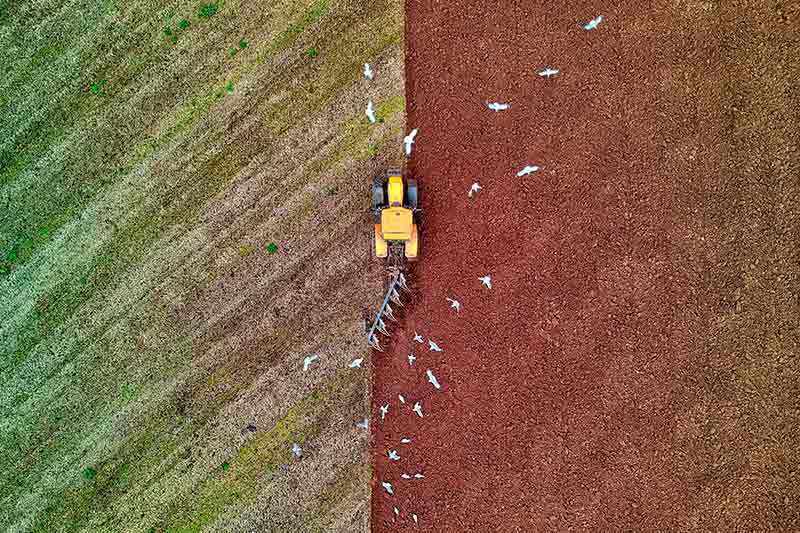
For thousands of years, people stayed healthy by eating food grown in living soil using traditional farming methods. While life was harder and infectious disease was common, those who survived often remained fit and active into old age. Modern agriculture produces more food than ever, yet chronic disease is now widespread. This article explains what was lost, how soil and food quality affect health, and how modernised traditional agriculture can restore health using today’s technology.
For over 4,000 years, farmers grew food using traditional methods based on recycling organic matter, maintaining soil fertility, and working with natural systems. Many people died young from infections or accidents, but those who survived often lived long, physically active lives. Elderly farmers regularly worked in the fields into their eighties and nineties.
This pattern is well documented in the classic book Farmers of Forty Centuries, written in 1910. Even today, it is still possible to visit remote areas of China and observe agriculture practiced much as it was centuries ago. These systems supported large populations without modern chronic disease epidemics.
After World War II, agriculture was transformed in the name of efficiency. Chemical fertilisers, pesticides, and herbicides dramatically increased yields. On the surface, this appeared to be a success. We now produce more food than at any point in history.
However, this increase in quantity has come with serious costs. Modern societies now experience unprecedented levels of chronic disease, including obesity, diabetes, heart disease, strokes, dementia, and other long-term illnesses. This widespread health crisis is new and did not exist on this scale in traditional food systems.
A system that worked for thousands of years must have had something fundamentally right. The question is not only what went wrong, but how it can be fixed.
The urgency of this question became clear when diabetes entered the household. Loss of eyesight followed, then a serious fall and broken bones. After surgery, circulation failed and the foot began to turn black. Doctors discussed amputation as the likely next step.
The prospect of blindness, disability, and early death from heart disease is powerful motivation to act. This experience made it impossible to ignore the deeper causes of modern disease.
A background in advanced computer simulation and software engineering shaped the approach to the problem. Decades were spent building complex systems with one clear goal: solving real-world problems efficiently.
Billions of dollars have been invested in agricultural research, largely by multinational corporations. The primary goal has been profitability, not human health. The outcome has been food that is high in sugars and fats, low in essential micronutrients, and often contaminated with toxic chemicals. At the same time, these chemicals damage the soil that future food production depends on.
A society that harms people and destroys soil so a small number of individuals can accumulate more wealth is not a smart society.
The human gut is an intelligent system. It senses nutrient availability and helps regulate appetite. When food lacks essential trace minerals and phytonutrients, the gut signals that something is missing. The result is cravings.
People respond by eating more food, often rich in sugar and fat, because those foods are readily available and heavily promoted. This leads to weight gain, insulin resistance, and eventually diabetes.
The problem is made worse by toxic chemicals that directly damage gut biology. When this control system is disrupted, appetite regulation breaks down entirely.
The obvious question is what happens if the same level of technology used in advanced engineering is applied to food production, with the single goal of restoring health rather than maximising profit.
The result is a growing system that focuses on soil biology, mineral balance, and plant diversity. Essential trace minerals are incorporated into compost tea and circulated through the root zone of plants. This delivers nutrients and beneficial biology directly where plants can use them.
By growing mixed plant species, as occurs in nature, toxic chemicals can be avoided. Composting waste organics regenerates soil rather than depleting it. This approach supports both human health and long-term soil health.
This system takes the principles of traditional agriculture and combines them with modern automation and control. The aim is not to return to the past, but to modernise what worked while avoiding what failed.
Soil remains biologically active. Nutrients are recycled rather than mined and discarded. Water use is efficient. Plants grow in conditions that allow them to produce the complex compounds needed for human health.
A society that can regenerate its soils while feeding its population has a future. One that continues to mine soil fertility and human health does not.
With dietary change and access to better food, health can improve dramatically. Recovery is possible when the body receives what it actually needs. This raises a much bigger question: how can this technology reach the billions of people already suffering from chronic disease, and the many more who want to avoid becoming medical statistics?
The technology exists, but access is blocked by a food system tightly controlled by large corporations with enormous financial power. Farmers receive only a small fraction of the retail price of food. Most of the cost is tied up in marketing, distribution, and corporate profit.
This structure makes it difficult for growers to adopt regenerative systems, even when they want to, and makes healthy food unnecessarily expensive for consumers.
A practical solution is to reconnect growers and consumers directly, much like traditional farmers markets. Modern internet platforms make this possible at scale.
People can commission growers to produce specific plants and herbs that have been valued for health benefits for centuries. Growers gain secure demand and fair prices. Consumers gain access to food grown specifically to support health.
No one wants to live with blindness, disability, or the constant fear of early death from preventable disease. The alternative is not complex. It begins with eating real food grown in living soil.
Modernised traditional agriculture offers a path forward: using today’s technology to restore what thousands of years of farming already proved works. Healthy people, healthy soil, and a food system designed to serve society rather than exploit it.
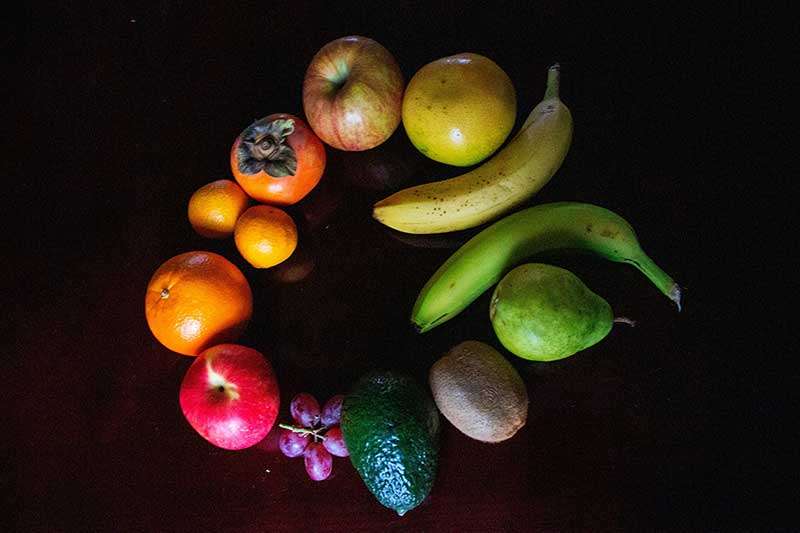
Plants give us energy from sugars and fats, but health depends on more than calories. We also need phytonutrients: complex plant chemicals linked to taste, appetite control, and long-term wellbeing. Phytonutrients rely on a living ecological chain that starts in the soil, where microbes and fungi unlock minerals so plants can build these compounds. When soil biology is damaged, food can become energy-rich but nutrient-poor, driving cravings and chronic disease. This article explains the cycle and the Gbiota growing approach.
Plants convert sunlight, atmospheric carbon, and water into sugars and fats. These simple chemicals provide energy. But health needs more than energy. Humans (and animals) also need a wide range of complex chemicals made by plants, known as phytonutrients.
Making phytonutrients depends on a complex ecological chain. It begins with minerals in the soil. Many essential minerals are insoluble, so they cannot be taken up easily by plant roots. They first need to be broken down and made available by soil biology, including bacteria and fungi.
Mycorrhizal fungi are especially important. Their fine hyphae extend through the soil and help break down rock and mineral particles. This releases minerals and brings them directly to plant roots. When this system is strong, plants receive the building blocks needed for deeper nutrition.
Plants are masters of chemistry. Using minerals from the soil, they manufacture phytonutrients that support human health. These compounds also play a major role in flavour. Strong taste and aroma are not accidental. Plants need animals to spread seeds and help recycle nutrients back into the soil, so taste becomes part of the plant’s survival system.
Modern chemical industrial farming produces energy in abundance, but it often damages the biological life in soils. When soil biology is destroyed or weakened, plants struggle to produce enough of the phytonutrients that depend on mineral uptake and microbial cooperation.
When the diet lacks phytonutrients, the body tends to respond with hunger cravings. Instead of feeling satisfied, people keep searching for “something missing”. In practice, that often means eating excess high-sugar and high-fat foods, which contributes to the modern chronic health epidemic.
The Gbiota system is designed to rebuild the ecological chain that produces phytonutrients. The primary inputs are organic wastes and essential minerals. These are composted in bins, creating a biologically active base material.
Water is circulated through the compost bin and through the plant root zone in a flood-and-drain system. This cycle helps aerate the root zone, and it delivers both minerals and biology so plants can produce essential phytonutrients. Because roots are flushed with nutrient-rich solution every few hours, the system is highly productive.
Growers operating this system need approval and then post available produce online for sale. Orders are typically taken before plants are harvested. This means produce can be genuinely fresh, harvested close to pickup or delivery, and there is little to no waste.
With a highly productive system, recycling waste organics, avoiding the high cost of chemical inputs, and selling direct to the customer online, it becomes possible to offer produce rich in phytonutrients at a cost that is competitive with chemical industrial agriculture. The customer receives the health benefit of more nutrient-rich food, and the environment benefits through regenerating soil quality, recycling organic waste, and capturing carbon in the soil.
The Gbiota club exists to improve health through nutritious food, with a focus on chronic disease such as diabetes and support for expectant and nursing mothers. Membership is open to anyone, but it relies on clear processes for sharing information responsibly.
The purpose of the Gbiota club is to help improve peoples health by nutritious food. This focus specifically applies to chronic diseases such as diabetes and also applies to expectant and nursing mothers.
Anyone can join the Gbiota club, but various operating processes need to be followed. Membership may be revoked if these processes are not followed.
Wide participation is important and the club is designed as a global operation. Members are encouraged to recruit new members by sharing information on the underlying principles of the technology.
Generally, information on the website is available under the Creative Commons system. Information can be shared freely, with the understanding that the source is acknowledged.
At the same time, experience shows that information on the web is prone to corruption and can be used for unethical commercial exploitation. For that reason, some information needs to be classified as club confidential and not shared outside the club.
When a specific technology has been tested by members and there is general agreement that it is solid, it may be reclassified and made widely available under Creative Commons.
A secure region of the website has been created for club members only. This area is password protected. Sharing practical ideas and experiences is encouraged, and members can email material for inclusion in the secure area, preferably as a Word document. The content can then be reviewed and, if needed, clarified before being posted for other members to access.
Files in the secure area are treated as living documents. They can change as new ideas emerge, or as failures and errors are identified. Failures are a normal part of experimentation, so members need a secure environment to discuss, correct, and if necessary retract information without it being misused or permanently misrepresented elsewhere.
Under the updated system, membership of the club is now free. However, produce sold on a commercial basis should be traded on the pickandeat.shop website, where a nominal commission applies. This commission covers the use of the pickandeat.shop platform, use of the Gbiota™ trade mark, and a license to use Gbiota technology know-how.
Many members already have strong expertise in growing plants and constructing systems such as wicking beds and Gbiota beds. However, in the area of soil and gut biology, and their interaction, there are still many unanswered questions. Proper investigation will require access to professional research laboratories, and testing will almost inevitably involve costs.
Home growers using Gbiota beds for their own use can use the technology free of charge. However, the technology is confidential intellectual property and information should not be shared outside club membership.
Produce grown in Gbiota beds can be marketed as grown in Gbiota beds and the trade mark Gbiota™ can be used. Toxic chemicals suspected of damaging gut bacteria, specifically glyphosate, should not be used on Gbiota beds.
To join, send an email requesting membership and a password for the secure area will be provided by return email.
Questions or comments can be sent to: colinaustin@bigpond.com
If you wish to donate to support the cause, donations are welcome. Donations can be made via the PayPal icon on the website or by direct transfer to:
Westpac
BSB: 733387
Account: 530222
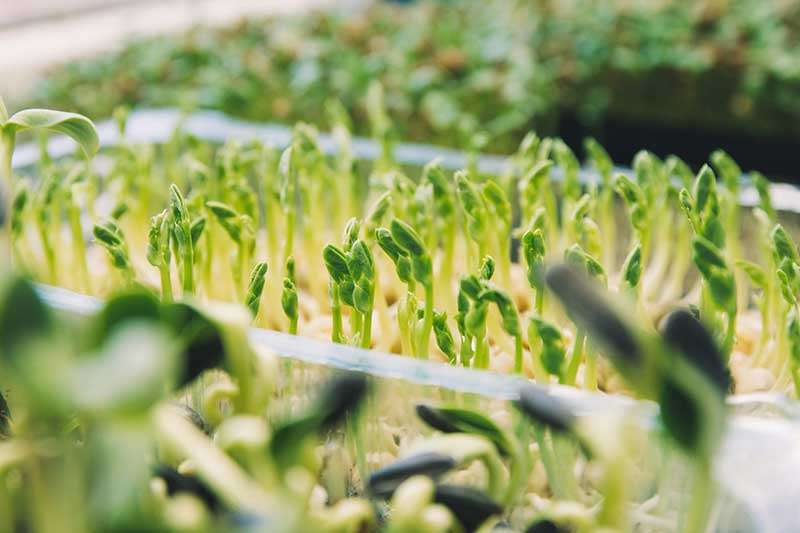
Baby greens can help combat modern chronic disease by reducing sugar spikes and improving gut biology. They do not “remove” sugar, but slow digestion so sugar enters the blood more gradually. More importantly, Colin Austin argues that baby greens grown in biologically active, mineral-rich systems can help restore gut biota, which influences hunger-control hormones, mood, and immunity. This article explains sprouts, microgreens, and baby greens, why Gbiota-grown baby greens are different, and how better food targets root causes, not symptoms.
Baby greens are one of the most effective ways of improving health and combating our modern diet, which leads to chronic disease such as overweight and diabetes. Colin explains that baby greens act in two ways. First, they work as “sugar blockers” by reducing the size of the sugar spike. Second, they can change gut biota, which is less well understood but may be more important, because gut biology affects hunger-control hormones and appetite.
It is important to understand what “sugar blocker” means. Baby greens do not magically eliminate sugar. Instead, they spread the sugar spike over a longer time so the body has more time to burn off excess sugar. This matters, but Colin argues baby greens work in a more complex way as well: by improving gut biota and supporting the release of hormones that help control hunger.
People often mix up sprouts, microgreens, and baby greens, but they are different stages of growth. Sprouts are simply seeds that are sprouted and eaten before there is any root development. Seeds contain nutrients, but those nutrients can be difficult for our bodies to access. Sprouting makes nutrients more available, but there is no new nutrient input from roots because roots have not properly formed. Sprouting usually takes only a few days.
Microgreens take a little longer. The seed develops roots and may take up water, helping the seed convert into a small plant. However, Colin notes that the nutrients still come largely from the seed itself. Microgreens are commonly eaten after about a week or so.
Baby greens are one step further along. They may take up to a month or more before they are eaten. In the Gbiota system, they are grown in biologically active soil and are regularly flushed with compost tea and mineral supplements. They develop a fully working root system, and in the Gbiota growing system they take in both nutrients and biology from the soil. Colin states this is the key benefit of Gbiota baby greens.
Colin argues that many highly beneficial plants can be grown as baby greens that would not be suitable if allowed to fully mature. Linseed is his example. It is an excellent source of Omega 3, which is important for health. But as linseed matures, the stems become tough and indigestible, making it less useful as a food.
As a baby green, linseed becomes an excellent food source. The tips are tender, tasty, and full of nutrients. Colin suggests the ideal harvest method is to cut off the tips and eat them, leaving stalks and older leaves intact. This allows the plant to keep producing energy for further growth. The result is a “cut and grow” cycle where a plant can be harvested many times before it becomes too old and tough.
Colin describes this cut-and-grow approach as both economic and practical, but also beneficial for production. Plants can be grown very close together, which reduces weed pressure. Harvesting is often completed before insects seriously discover the crop. This can make it easier to grow without toxic chemicals, and without the high costs associated with organic production of fully mature plants.
Vegetables contain fibre, and fibre slows the absorption of sugar into the bloodstream. This reduces the size of a sugar spike. Baby greens do not eliminate the effects of sugars and high-glycaemic carbohydrates; they slow the rate of digestion so the body has more time to burn off excess sugar.
Colin says this is beneficial, but he believes there are two other mechanisms that can be even more important when baby greens are grown in a biologically active, nutrient-rich system. Before explaining those, he uses a simple example to show how powerful baby greens can be in real eating: what he calls the banana paradox.
Bananas are generally a healthy food because they contain a broad spectrum of minerals. However, they are also full of sugar, which can cause sugar spikes. Because of this, many dietitians recommend that diabetics or people on a diet avoid bananas and other sweet fruits.
Colin argues that when a banana is eaten with baby greens, the sugar spike is blunted. He also says that baby greens can improve gut biology, which can help control appetite over time. In his view, baby greens are most effective when combined with other foods. Many people do not find baby greens particularly tasty when eaten alone, but when combined with foods like banana, they can create a pleasing taste while making a sugar-rich food healthier.
Colin says the greatest benefits of baby greens come from how they can improve gut biota. Gut biota contains trillions of cells across thousands of species. It is incredibly complex. Modern science is still learning how it works, but we already know it is far more than a collection of organisms. It operates like an integrated system.
He compares gut biota to human civilisation. A society contains people with many different skills—plumbers, dentists, farmers, engineers, bricklayers, musicians, and drivers. People do not work alone; they communicate and cooperate. Colin says gut biota works the same way: trillions of different cells communicate with each other and also with the head brain, forming an intelligent control system that helps manage how the body operates.
We may not fully understand the “supercomputer” complexity, but we can observe outcomes through the hormones gut biology releases. These hormones influence appetite (hungry or full), mood (fear, anger, happiness, sadness), and defence systems that protect us against toxins and harmful biology. Colin emphasises that this system works so well that we often do not realise how much we are being protected every day.
Gut biota is not fixed. It starts to develop before birth, receives a major boost during birth and breastfeeding, and then continues to shift through life based on the food we eat. Colin warns that it is a big mistake to think we can simply take a few probiotic pills and quickly “change” gut biota.
He compares this to early mistakes in agriculture. When some farmers first realised how important soil biology is, they tried to sterilise soil using highly toxic chemicals such as methyl bromide and then add a few “good” microbes back in. Colin says this approach failed because it ignored how ecosystems really work.
Today, we understand ecological balance. In soils—and in our guts—there are beneficial and harmful organisms. Powerful chemicals can kill organisms, but microbes reproduce rapidly, and natural variability means some will survive and become resistant. Colin argues that toxic control methods tend to breed resistant organisms.
The biological approach is different. Harmful organisms are controlled by competition: creating conditions that strongly favour beneficial organisms, so they outcompete and outbreed harmful ones. Harmful biology still exists in tiny amounts, but it does not cause harm while the system stays balanced.
Colin gives a simple example: most people carry potentially harmful E. coli in their gut, but it is usually present at low levels and the immune system manages it. When gut balance is disrupted, people can become seriously ill. Colin argues that a global rise in chronic disease is linked to modern food disrupting this natural gut balance.
People who understand this, and return to a more traditional diet that our bodies evolved with, can avoid the modern epidemic.
Colin argues that baby greens grown in a Gbiota bed are more than sugar blockers. They can be tender and tasty, so they can be eaten with other foods to balance sugar intake. But he says the prime benefit is that they are grown in biologically active soil with a balance of minerals and phytonutrients. This can help restore gut biology, leading to a feeling of satisfaction and better appetite control.
He contrasts this with the modern diet, which is rich in sugars and fats but low in micronutrients. In that situation, people develop cravings, overeat, and end up on what he calls the overweight or diabetes highway.
A healthy gut biota contains trillions of cells that communicate with each other and with our head brain. Colin describes this as a master intelligent control system that evolved over millions of years to protect the body and help us eat the right amount of the right foods.
When this system is working, it happens automatically. We do not have to rely on endless willpower, expensive programs, or constant forced control. We simply feel full and satisfied.
A healthy gut ecosystem also helps protect against harmful microbes by maintaining conditions where beneficial microbes dominate through competition. This natural balance is happening constantly, and it works so well we usually do not notice it.
Colin argues that modern food produced by chemical industrial agriculture severely damages gut biota. When that happens, we lose automatic appetite control and develop cravings.
Colin describes the Gbiota system as learning from traditional biological growing systems and then using modern technology to make them practical at scale. The basic principle is to create a mix of compost, organic waste, and minerals to form a biologically active tea. This tea floods the root system on a flood-and-drain cycle, delivering biology and nutrients, then drains back out for reuse. As it drains, air is automatically pulled back into the soil.
In this system, plants are biologically active, high in nutrients and fibre, and can help improve gut biology. Because baby greens are tender and tasty, they can be combined with virtually any other food, acting as sugar blockers and supporting gut health.
When the body senses high blood sugar, it releases insulin. In a healthy body, insulin helps excess sugar enter fat cells, bringing blood sugar under control. The extra sugar may contribute to weight gain, but initially may not cause serious illness beyond the trend toward insulin resistance.
Over time, however, excess fat accumulates in vital organs, particularly the liver and pancreas. When fat in the pancreas reaches a critical level, it blocks further insulin creation. At that point, the body can no longer control blood sugar and diabetes becomes fully developed.
Colin’s point is that in the short term insulin helps control blood sugar, but in the long term, continual high insulin levels are damaging, driving overweight and diabetes.
Colin argues that modern health systems are overwhelmed by the scale of the chronic disease epidemic. As a result, they focus on short-term symptom management, such as lowering blood sugar, rather than addressing root causes tied to modern food production.
The longer-term solution, he argues, is simple in concept: eat food that makes us healthy. The modern diabetes epidemic is new. If we go back fifty years, when diets were more traditional, there was no such widespread diabetes epidemic.
However, he says we cannot simply return to old farming methods. There are too many people, and modern society would not accept the higher costs. Instead, we must study traditional agriculture, learn why it produced healthier food, and then incorporate the essential features into a modernised, automated system that remains economically realistic.
Colin argues the major barrier is not just production but the structure of the modern food industry, dominated by profit-oriented mega corporations. A modern grower may receive only 15% to 20% of the retail price. Put another way, over 80% of the retail cost comes from distribution, marketing, and advertising budgets that run into billions of dollars.
So the challenge is to create a system where growers can receive enough income to grow food in biologically active, nutrient-rich soil, while consumers can afford healthy food. Colin’s view is that production costs matter, but the biggest savings are in reducing the 80% distribution and marketing burden. That is where change can be made.
He notes that this is part of a wider discussion in his writing on community food action and “new food”.
Baby greens can reduce sugar spikes through fibre, but Colin argues their deeper value is supporting gut biology and restoring appetite control through gut–brain signalling. Baby greens grown in biologically active, mineral-rich systems such as Gbiota beds are designed to deliver nutrients and biology through active roots, not just seed nutrition. In Colin’s view, this offers a practical path to better health, but the wider system must also change: growers need fair income, and the biggest opportunity lies in cutting the 80% distribution costs that dominate modern food pricing.

Modern chronic disease is not an accident but the outcome of how we grow, process, and distribute food. Colin Austin argues that humans evolved to eat diverse, nutrient-rich foods grown in living soil, not extreme diets dominated by sugar, fat, and chemicals. He outlines why the health crisis is not a technical problem, how Gbiota beds can grow nutrient-dense food efficiently, and why the real solution lies in reconnecting growers and communities through local cooperation.
The food we eat determines our health. To understand what food truly makes us healthy, we must use science and epidemiology, but we must also consider evolution. Humans evolved as omnivores, eating a wide range of foods. Extreme diets, whether vegan or carnivore, are not part of our evolutionary history, and there is insufficient long-term evidence to show they are healthy.
For hundreds of thousands of years, most humans prospered on varied diets. Only in rare cases did people eat extreme diets, usually due to environmental constraints. Today, however, our modern food system has pushed us into a new extreme: a diet high in sugar and fat, heavily promoted by multinational corporations that spend billions convincing us these foods are healthy.
Sugars and fats are not inherently bad. They are our primary sources of energy. The problem is imbalance. Modern diets often lack essential trace minerals and complex phytonutrients that are critical for health.
Another major problem is exposure to toxic chemicals that damage our gut biota. Gut microbes are a critical part of our internal control system, helping regulate appetite and support immune function. When this system is damaged, appetite control breaks down and disease risk increases.
The encouraging news is that we now have the knowledge and technology to grow plants that supply the minerals, phytonutrients, and biological quality our bodies need. These nutrients come largely from plants grown in biologically active soil.
Gbiota beds are a growing system where mineral-enriched compost tea delivers nutrients directly to plant roots using a flood-and-drain cycle. This system supplies both nutrients and beneficial biology, producing highly nutritious plants.
Baby greens grown in Gbiota beds can be harvested regularly, providing a continuous supply of healthy vegetables at a reasonable production cost. They are not as cheap as chemically produced farm-gate food, but they are vastly superior in nutrient quality.
This highlights a major flaw in the modern food system: growers receive only a small fraction of the retail price. Marketing and distribution costs can exceed 80% of what consumers pay. Direct purchasing from growers allows people to access healthy food while giving growers a fair return.
Colin is clear that people should not live on vegetables alone. That would be just as extreme as the current high sugar and fat diet. Attempting to live mainly on baby greens would lead to serious digestive problems and malnutrition.
The goal is balance: a diet that includes a wide range of foods, supported by vegetables and greens that genuinely contribute to health rather than simply filling space on a plate.
Colin proposes a volunteer-driven system where people concerned about the health crisis work together to create access to healthy food at a reasonable price. The key is forming local buying groups that act like cooperatives.
These groups commit to buying directly from growers who are willing to adopt regenerative, biological growing systems. This approach breaks a fundamental catch-22: growers will not invest in biological systems without a secure market, and individual buyers lack the influence to persuade growers to change.
We are all aware of the chronic health crisis caused by food high in sugar and fat and low in trace minerals and phytonutrients. This has been discussed endlessly in books, media, and online.
What is rarely discussed is how to fix it. Colin argues that the solution may be simpler than we think. The technology already exists. What is missing is coordinated action.
This is not a technical problem. Colin and many other researchers have spent years developing systems that grow food capable of supporting human health. He has invested significant time and money experimenting with growing systems and has a long history of successful innovation.
He states without hesitation that the Gbiota bed is the innovation he is most proud of. It works. It produces food rich in nutrients and biology using largely waste inputs such as organic residues and mineral dust. It is productive, water-efficient, and capable of automation.
There are still improvements to make, including harvesting efficiency and testing additional plant species, but the system already works. The real challenge is scale: getting this food to the millions, and eventually billions, of people who need it.
Colin acknowledges economic reality. Chemical industrial agriculture is, in the short term, the cheapest way to produce food. He has worked hard to make Gbiota systems competitive, and while they come close, chemical systems remain cheaper at the farm gate.
However, this comparison ignores hidden costs. Chemical agriculture causes widespread illness and long-term soil damage, yet these costs are treated as externalities. If the food industry had to pay for hospital amputations and soil destruction, food economics would look very different.
Globally, every thirty seconds someone loses a limb to diabetes. These are not abstract numbers. This is why action matters.
The real opportunity lies not just in farming, but in distribution. Farmers typically receive only 15–20% of the retail price. The remaining cost is tied up in transport, storage, marketing, and retail.
By shortening the distance between grower and eater, healthy food can become affordable without forcing growers to operate at a loss.
Large corporations use massive advertising budgets to promote unhealthy food as healthy. Sugar itself is not the enemy; it is fuel. But excess fuel does not improve performance. Eating more sugar does not make the body work better.
Hidden sugars now appear in foods where we would never expect them, from breakfast cereals to bread. The last thing we need is more sugar disguised as health food.
While the internet has many problems, it also gives power back to people. Colin believes this power can be used to create alternative food systems that serve health rather than profit.
The challenge is not missing technology, but missing coordination.
The Gbiota system already works. It grows food in biologically rich soil, is productive and efficient, and is available to anyone who wants to use it. Many home growers already use it successfully.
To make a real impact, small commercial growers must also be involved.
Chemical agriculture is global, and its damage is often worst in poorer regions such as India and Africa. Any solution must be global in principle but local in action.
Many growers want to change but cannot risk their livelihoods without guaranteed demand. Likewise, millions of individuals want better food but cannot change the system alone.
The solution is local organisation. People who understand the problem must form local groups committed to buying healthy food. These groups may form through friendships, health networks, gyms, or local food communities.
Once demand is organised, growers can confidently invest in biological systems. Colin provides technical support through his existing resources.
The final step is logistics. Ideally, food is collected from farms and delivered the same day. Where that is not possible, food hubs allow centralised pickup.
Many people are content with supermarket food. Others are not. For those who care about health, the environment, and fairness, an alternative system is necessary.
Colin’s motivation is personal and global. His wife reversed diabetes through dietary change, but millions of others are still at risk. The current system enriches a few while damaging public health and destroying soil.
“New Food” is a call to rebuild health by rebuilding food systems. The technology exists. The knowledge exists. What is required now is community action: people organising locally to support growers and reclaim food that truly supports human health.

Modern society is experiencing a rapid rise in chronic disease, despite having more food and medical technology than ever before. Colin Austin argues that the root cause lies in degraded soils, nutrient-poor food, and broken food systems. Drawing on personal experience, traditional cultures, and engineering principles, he explains how gut–brain signalling, soil biology, and true food freshness interact. He then outlines practical solutions through wicking beds, Gbiota growing systems, and a fairer “pick and eat” food model.
Colin Austin opens with a moment that restored his faith in humanity. Watching New Zealand’s Prime Minister Jacinda Ardern comfort a grieving child after a tragedy, he saw leadership grounded in empathy rather than performance. It felt real, human, and connected.
That moment mattered because, for a long time, Colin had been deeply discouraged by the state of modern health. Across wealthy nations, rates of obesity, diabetes, heart disease, dementia, and depression continue to rise. Meanwhile, enormous food and pharmaceutical industries profit from managing symptoms rather than preventing disease.
This article is not written in despair. Colin says he now sees a clear path forward — one that starts with food, soil, and biology rather than pills and procedures.
The motivation behind this work is personal. Colin’s wife, Xiulan, developed diabetes. Over time, she began losing her eyesight. Then she fell down a flight of stairs and shattered bones in her foot.
After surgery, her foot turned black. Doctors began discussing amputation. They explained that diabetes was incurable and progressive. Blindness, limb loss, and early death were described as normal outcomes. The only uncertainty, they said, was how fast it would happen.
Colin rejected this explanation. He states clearly that most people can avoid diabetes if it is caught early, and that many people can reverse it — even after years — by changing what and how they eat.
Colin argues that today’s health crisis is historically new. Fifty years ago, diabetes and extreme obesity were uncommon. In many traditional societies today, they remain rare.
He points out that while traditional societies may face higher risks from accidents or infections, people who survive into older age often remain physically capable. It is not unusual to see people in their eighties or nineties working, walking long distances, or farming.
In contrast, modern societies often see frailty, chronic illness, and dependence decades earlier. According to Colin, the key difference is not genetics or medicine — it is food.
Traditional food systems begin with soil rich in organic matter, minerals, and living biology. Compost, animal manures, and plant residues feed microbes and fungi that cycle nutrients naturally.
Modern industrial agriculture, by contrast, often relies on soluble fertilisers and chemical controls. While yields may be high, the soil itself becomes biologically depleted. Trace minerals are removed year after year without being replaced.
Colin cites evidence that some trace elements have declined dramatically over decades of intensive farming. Plants may look healthy, but their nutrient density is reduced. Humans then eat more food but receive fewer essential compounds.
Traditional diets are diverse. People eat many species of leafy greens, herbs, roots, and wild plants. Older generations often recognise dozens of edible species that modern people no longer identify as food.
Modern diets are narrow by comparison. Even when people eat vegetables, they usually consume a small number of commercially favoured crops. This lack of diversity limits the range of minerals, fibres, and phytonutrients entering the body.
Colin emphasises that traditional societies eat much of their food within hours of harvest. Some foods store well, but many greens are eaten immediately.
Modern food systems involve long supply chains. Produce is often harvested early, transported long distances, stored, and displayed days or weeks later. Labels may say “fresh”, but Colin argues there is a fundamental difference between appearance and biological freshness.
Humans evolved with a sophisticated internal control system that regulates hunger and satiety through the gut–brain axis. When the body receives adequate nutrients, hormones signal satisfaction and eating stops naturally.
Sugars and fats are not inherently harmful, Colin says. In traditional contexts, they were valuable energy sources. The problem arises when food is energy-rich but nutrient-poor.
When essential minerals, fibres, and phytonutrients are missing, the body sends hunger signals without specifying what is lacking. People feel compelled to keep eating, often choosing what is most available — processed, sugary, and fatty foods.
This leads to overeating, insulin resistance, and chronic disease. Supplements may help temporarily, but Colin argues that nutrient-dense food provides balance automatically, without spikes or deficiencies.
Modern agriculture often treats microbes as enemies. Chemical sprays and antibiotics aim to sterilise environments and kill threats.
Colin acknowledges legitimate concerns around food safety, but argues that killing everything creates long-term instability. Microbes adapt, resistance develops, and chemical inputs escalate.
Biological systems work differently. When conditions favour beneficial microbes — through organic matter, minerals, and fibre — they outcompete harmful organisms. This ecological balance has sustained humans and animals for millennia.
Colin describes himself as lacking the mental filter that stops most people pursuing bad ideas. He jokes that this leads to many failures — but occasionally, a breakthrough.
One such breakthrough was Moldflow, a plastic flow simulation developed in his spare bedroom. It grew into a world-leading technology company and was later sold to a major US firm.
After that success, Colin turned his attention to soil, water, and long-term environmental limits. He became convinced that soil could store vast amounts of carbon while producing healthier food.
Invited to Ethiopia to help grow food under drought conditions, Colin developed two connected ideas.
The first was the wicking bed: a growing system built over an underground water reservoir that supplies roots via capillary action.
The second was nutrients. Instead of expensive inputs, he observed that weeds thrive by extracting nutrients from poor soils. By composting weeds inside the system, nutrients could be recycled efficiently.
Wicking beds spread rapidly online. Colin learned that information travels fast, but accuracy does not always keep up.
Some guides removed organic matter and filled beds with stones to keep them “clean”. This disrupted capillary action and biology, leading to stagnant, smelly systems.
Colin spent years responding to problems caused by these changes, reinforcing that biology, not sterility, makes systems work.
Colin repeatedly returns to health outcomes. In Australia alone, he notes that diabetes-related amputations occur roughly every twenty minutes.
His goal is to prevent this suffering by making nutrient-dense food affordable and accessible. Diabetes, he argues, must not become a disease of poverty.
While wicking beds work well for home growers, Colin says broader adoption requires solving two problems:
Colin formed the Gbiota club to share practical growing systems designed to support gut health. After years of refinement, he developed a simple, reliable flood-and-drain method using biologically active soil.
The Gbiota manual is shared freely within the club under Creative Commons. Gbiota™ is a registered trademark that growers can use when meeting the specification.
“The Food Revolution” is not nostalgia. It is a practical response to modern disease and ecological decline. By restoring soil biology, plant diversity, and direct food relationships, Colin Austin argues we can rebuild health from the ground up.
Colin Austin — 11 April 2019.

Sugar blockers and baby greens offer a practical, food-based way to reduce sugar spikes, support healthy weight, and lower the risk of diabetes. Rather than eliminating carbohydrates, they slow digestion, giving the body time to process sugars safely. When combined with improved gut biology, baby greens grown in biologically active soils help restore appetite control, reduce cravings, and support long-term metabolic health through natural, evolutionary mechanisms.
Modern diets are dominated by sugars and high glycaemic carbohydrates that our bodies are poorly adapted to handle in excess. This mismatch between what we eat and what our biology evolved to process lies at the heart of the global epidemics of overweight, diabetes, and metabolic disease. The problem is not simply sugar itself, but the speed at which sugar enters the bloodstream and overwhelms the body’s regulatory systems. Sugar blockers offer a way to work with the body’s natural controls rather than fighting them through restriction and willpower.
Sugar blockers do not cancel out sugars or carbohydrates, nor do they act like artificial inhibitors. Instead, they slow the rate of digestion and absorption, reducing the rapid rise in blood sugar known as a sugar spike. This gives the body time to burn excess glucose for energy rather than storing it as fat. When sugar enters the bloodstream more slowly, insulin can do its job effectively without being overwhelmed, provided overall sugar intake is not excessive.
A healthy gut biology naturally regulates appetite. Trillions of microbes communicate with each other and with the brain through hormones and signalling molecules, telling us when we have eaten enough and when we have the nutrients we need. When gut biology is healthy and mineral intake is adequate, these signals reduce hunger and prevent overeating. When gut biology is damaged or diets lack essential minerals and phytonutrients, different signals are released that drive cravings, particularly for sugary and high glycaemic foods.
Sugar blockers are most effective when they are eaten with, or just before, sugary or high glycaemic foods and when they are combined with a strategy to restore gut biology. Used alone, they can blunt sugar spikes, but used alongside biologically active foods they can help retrain appetite control at a deeper level. This is where baby greens grown in biologically rich systems become particularly powerful.
Baby greens are especially effective sugar blockers because of their fibre, phytonutrients, and mineral content. When eaten with other foods, they slow digestion and reduce the rate at which sugars enter the bloodstream. Their tender texture and mild flavour make them easy to include with almost any meal. When grown in biologically active soils, they also contribute living biology that helps rebuild the gut ecosystem rather than merely feeding it.
Bananas illustrate a common nutritional contradiction. They are rich in minerals and broadly healthy, yet they also contain significant amounts of sugar that can cause rapid sugar spikes. For this reason, many dietitians advise people with diabetes or weight problems to avoid bananas and other fruits. However, when a banana is eaten together with baby greens, the sugar spike is blunted and the nutritional benefits of the fruit can be enjoyed without the metabolic cost.
The banana paradox highlights a deeper principle. Health does not require eliminating natural foods but pairing them intelligently. By combining higher-sugar foods with sugar blockers such as baby greens, digestion slows, blood sugar rises more gently, and appetite remains under control. This approach is far more sustainable than strict avoidance diets, which often fail because they ignore the body’s evolved control systems.
Insulin is not the enemy. In a healthy body, insulin allows excess sugar to move safely into fat cells, preventing dangerous rises in blood sugar. Initially, this may lead to gradual weight gain, but it does not immediately cause serious disease. Over time, however, fat accumulates in vital organs, particularly the liver and pancreas. When fat levels in the pancreas become too high, insulin production is impaired and blood sugar can no longer be controlled, leading to full-blown diabetes.
By slowing the release of sugar into the bloodstream, sugar blockers reduce the demand placed on insulin. This helps protect the pancreas from overload and delays or prevents the progression from insulin resistance to diabetes. Baby greens grown in biologically active systems support this process not only by slowing digestion but by improving nutrient density and gut signalling that naturally regulates intake.
Baby greens grown in Gbiota beds are particularly effective sugar blockers. They are tender, flavoursome, and easy to combine with other foods. Because they are grown in biologically active soils, they contain a broad spectrum of minerals, fibre, and living biology. This combination leads to greater satiety, reduced cravings, and improved gut health, reinforcing the body’s natural appetite control systems.
The gut–brain axis is an intelligent control system that evolved over millions of years. It continuously monitors nutrient intake, microbial balance, and energy status, adjusting appetite and food preferences automatically. When this system is intact, we eat the right amount of the right foods without conscious effort. We simply feel full, satisfied, and stable. When it is damaged, we lose this automatic control and are driven by cravings instead.
A healthy gut protects us from harmful microbes by ecological competition rather than force. Beneficial microbes outcompete and suppress harmful ones by creating conditions that favour balance. This process works so effectively that we are usually unaware it is happening. Modern industrial food systems disrupt this balance by stripping food of fibre, minerals, and biology, leading to chronic dysregulation.
Food produced by chemical industrial agriculture damages gut biology by reducing biological diversity and mineral content. This loss breaks the natural feedback loops that control appetite and metabolism. As a result, people overeat, gain weight, and develop chronic disease despite following dietary advice. The problem is not personal failure but a biological mismatch created by modern food systems.
The Gbiota growing system applies lessons from traditional biological agriculture using modern technology. It creates a biologically active compost tea made from organic waste, compost, and minerals. This tea is pulsed through the root zone in a flood-and-drain cycle, feeding plants and microbes before draining back for reuse. Each cycle draws fresh air into the soil, maintaining aerobic conditions and biological activity.
Plants grown in Gbiota systems are biologically active, high in fibre, minerals, and phytonutrients, and capable of supporting healthy gut ecosystems. When eaten, they help restore gut biology and improve appetite regulation. Baby greens are particularly well suited to this role because they are easy to eat regularly and combine with other foods.
Baby greens can be added to almost any meal to act as a sugar blocker and gut-health enhancer. They do not require drastic dietary change, discipline, or deprivation. Instead, they work quietly in the background, supporting the body’s natural systems. Over time, this leads to better appetite control, reduced sugar intake, and improved metabolic health.
Sugar blockers and baby greens show that health does not require extreme diets or pharmaceutical control. By slowing digestion, supporting gut biology, and restoring natural appetite regulation, they offer a simple and effective response to modern metabolic disease. Grown in biologically active systems such as Gbiota beds, baby greens reconnect soil health with human health, providing a practical pathway to healthier bodies and more sustainable food systems.

I have recently published a short article in the Gbiota Club area on closed Gbiota beds. It is available free to anyone who joins the Gbiota Club, and that raises a fair question. Why publish some material inside a community rather than simply placing it openly on the web? The answer goes well beyond marketing or exclusivity and cuts to the heart of how technology, society, and health interact.
Technology is one of the defining forces of modern society. It can bring enormous benefits, but it can also cause serious harm if left unchecked. I know this from direct experience. I was an early pioneer in the computer revolution, founding a company in my spare bedroom that went on to become a significant international business and Australia’s leading exporter of technical software. I have seen firsthand how quickly technology can reshape industries and lives.
After that chapter, I moved on to other technologies, including intelligent irrigation scheduling systems based on what is now called artificial intelligence. In reality, this is self-learning software that can analyse and adapt to vast amounts of information well beyond human capacity. Even for someone deeply committed to technology, this capability is confronting. It is powerful, effective, and potentially destabilising.
Left unchecked, modern technology can threaten social stability. It can displace millions of people from meaningful work and funnel wealth toward a very small number of individuals, while lowering the living standards of many. At the same time, technology also has the capacity to dramatically improve quality of life. The key question is not whether technology is good or bad, but how its benefits are distributed.
If technological progress enriches a few while degrading the lives of the many, the outcome is social dissatisfaction, division, and instability. We see the results every day when we turn on the news. As technology developers, we have a responsibility to consider the social consequences of what we create, not just its technical success.
Today, my focus is food production, and this may be the most important technological challenge of all. People are becoming sick and dying prematurely from food that is fundamentally inappropriate for human biology. This is not an abstract problem; it is playing out globally in the form of obesity, diabetes, cardiovascular disease, and other chronic conditions.
The reasons are not hard to identify. Trillions of dollars circulate through financial institutions seeking the highest possible returns, often with little regard for social consequences. Chemical industrial agriculture has been extremely profitable for a small group, but it is harming people on a massive scale. The food system prioritises shelf life, processing efficiency, and profit over nutrient density and biological integrity.
As a result, people across the world are getting fat and sick, and the connection to food quality is direct. My interest is in reversing this trend by making genuinely healthy food readily and economically available. This is what I mean by “health from food”.
From a technical standpoint, I am confident. Our understanding of soil biology, nutrient availability, water storage, and resilience to extreme weather has advanced dramatically. We now understand how biologically active soils not only produce more nutritious food but also store carbon and water, improving both human health and environmental stability.
Within the relatively niche area of Gbiota beds, we have developed systems capable of growing produce rich in nutrients and living biology. These are the components required to support gut biota, the intelligent control system that largely determines what we eat and how much we eat. There is no longer any serious doubt that how our food is grown profoundly affects human health.
Technologically, the problem is largely solved. We know how to grow food that supports health. Yet this is where we encounter a major roadblock.
I live in a major horticultural region and regularly speak with young, idealistic growers who want to improve their soils and grow food that genuinely benefits human health. They tell me they wish the community would support them by buying their produce. At the same time, I speak with consumers who want to eat healthier food but find it difficult or prohibitively expensive to access.
Both sides want the same thing, yet the system fails to connect them. This disconnect is exactly what the Food for Health project aims to address.
From a mechanical perspective, connecting growers and consumers is not difficult. Websites such as pickandeat.shop can link producers directly with buyers. The real challenge is trust. Consumers must trust that food is grown the way it claims to be grown, and growers must trust that they will be paid fairly and reliably.
Trust cannot be manufactured by technology alone. It requires social structures. The key is creating local groups with local coordinators who can bring growers and consumers together. This human layer is currently missing, and without it, even the best technology will fail.
This is an appeal to people who feel they may be able to take on this socially important role. By helping coordinate local food-for-health groups, you become part of reversing the chronic disease epidemic by giving people the most powerful preventative tool available: real food.
If you prefer a passive role, there are still simple ways to help. The pickandeat.shop website will be launching shortly. You can register as a prospective consumer and encourage friends to do the same. All information remains confidential.
Many readers simply want to grow some of their own food, which is excellent. Others may wish to explore small-scale local food businesses, and commercial growers are also welcome, whether or not they use the Gbiota system specifically. Regenerative approaches of all kinds belong within the food-for-health ecosystem.
Fermented foods, sourdough bread, and other traditional practices that support gut health are also an important part of this movement. Anyone interested can contact me directly by email.
Technically, we know how to grow food that improves health and helps reverse chronic disease. However, new technologies always require social adaptation. This section explores how society must change to take advantage of healthier food systems.
This overview explains how food influences health by shaping gut biology, which in turn controls appetite, cravings, and long-term wellbeing.
In this video, I demonstrate how a healthy meal can be prepared in just five minutes, directly from garden to plate.
This segment follows children shopping with their grandparents, revealing what influences food choices at a young age.
Here, practical tips are shared on how to cook healthy food so that it tastes good, even after a long working day.
While we have made great progress against infectious diseases, chronic diseases now dominate. Damage to gut biology disrupts appetite control and metabolism. This cannot be fixed by fad diets, but by rebuilding gut ecology through appropriate food.
Across the globe, poor-quality food is destroying health while soil and water systems are degraded to satisfy short-term profit. This does not have to be the future. We already have the technology needed to grow healthy food sustainably. What we need now is cooperation.
Mega-corporations wield immense advertising power, but coordinated community action has repeatedly proven stronger. People power can reshape food systems, just as it has reshaped other industries.
The Gbiota Club was formed to develop and share the technology required to grow food for health. That goal has been achieved. The next step is distribution, coordination, and scale.
Over twenty years ago, we developed and promoted the concept of the wicking bed, using a subsurface water reservoir to dramatically improve water efficiency. This evolved into the Gbiota bed, where biologically rich compost teas are pulsed through a flood-and-drain cycle.
The aim is not only nutrient-rich plants but also the stimulation of gut biology through living food. One key application is growing baby greens that act as sugar blockers in the fight against diabetes and obesity.
To explain these ideas, I sometimes use storytelling. The story of Sir Phytonutrients and his battle against “Dr Big Food” may seem whimsical, but it reflects a real struggle. Hundreds of millions suffer from diabetes worldwide, with devastating consequences. The solution is not more pills, but better food grown in healthy soil.
Stories travel where technical papers do not. Twenty years ago, wicking beds spread because people shared them with friends. The same approach can work again.
I am now waiting to see how this story continues. People can dismiss it, debate it, or join it. Those who choose to help can become growers, coordinators, educators, or simply advocates for better food.
This is not about perfection. It is about direction. Everyone deserves access to food that supports health, produced in a way that restores soil, water, and community.
Together, we can make this happen.
Colin Austin

The Gbiota Club is a community-based response to the global decline in health caused by poor food quality. Chronic disease, obesity, and metabolic illness are driven by food that looks good but lacks nutrients and damages gut biology. The Gbiota Club exists to rebuild health by growing and distributing genuinely nutritious, toxin-free food through trust, community, and regenerative growing systems. It is not a business or a charity, but a shared effort to create a better food system that works for people, growers, and long-term health.
Colin Austin – June 2019
Over the last thirty years there has been a dramatic decline in human health, marked by a global epidemic of chronic disease. People are becoming overweight, tired, and sick, not simply because they eat too much, but because modern food is high in toxins and low in essential nutrients. The aim of the Gbiota Club is to grow and supply food that restores health and is widely available at a price people can afford.
The goal is not only to improve how food is grown, but to change how food is produced, distributed, and trusted. Gbiota beds, developed from wicking bed technology, already demonstrate that it is technically possible to grow highly productive, nutrient-rich food that supports gut health. The challenge now is to make this food accessible to everyone who cares about their health.
The human gut is not just a digestive pipe but a highly intelligent control system. Trillions of microbial cells communicate with each other and with the brain, regulating hunger, satiety, fat storage, and immune response. Hormones such as insulin, ghrelin, and leptin are only messengers; the real decisions are made by the gut biology, or Gbiota.
Our gut microbes are not truly part of us, yet we depend on them completely. They live inside us, feed on what we eat, and in return regulate our health. A healthy gut requires ecological balance, where beneficial microbes outcompete harmful ones. This balance cannot be achieved with pills or restriction diets, only by feeding the gut biology properly.
Weight gain is not caused by eating too much; it is caused by the body being instructed to store fat. When gut biology is damaged, the body increases hunger to compensate for missing nutrients. Overeating is a symptom, not the cause. Attempts to override this biological control system inevitably fail in the long term.
Modern industrial food damages gut biology through chemical residues and nutrient depletion. This starves beneficial microbes and allows harmful ones to dominate. The result is widespread metabolic dysfunction affecting billions of people worldwide.
The solution is simple but demanding: eat food that contains real nutrients and is free from toxic chemicals. Vegetables should be ideal, yet many are heavily sprayed, making them harmful despite their healthy image. What matters is not the type of food, but how it is grown.
Regenerative agriculture rebuilds soil biology and mineral balance, producing food that supports gut health. Gbiota beds were designed to flush nutrient-rich compost tea through the root zone while avoiding toxic inputs. This approach works, but it is more labour-intensive and therefore more expensive at the farm level.
Techniques such as mixed planting, dense cropping, and early harvesting reduce pest damage without chemicals. These methods are proven but require a food system that values health over appearance and volume.
Consumers cannot judge food quality by appearance. Supermarkets reward looks and shelf life, not nutrition. In traditional communities, trust existed because people knew the grower. That trust has been lost in modern supply chains.
Home gardening helps but cannot provide the diversity needed for optimal gut health. A new system is required—one that reconnects growers and consumers through trust, transparency, and cooperation.
The Gbiota Club is an internet-based community supported by local human connections. Members gain access to information on growing food for health and to a marketplace that connects them directly with regenerative growers.
My role is to develop the technology and provide free technical information through waterright.com.au. The pickandeat.shop platform brings growers and buyers together in a modern version of the village food system.
The system relies on transparency. Buyers can comment on produce quality, encouraging growers to maintain high standards. This mutual dependence creates trust and accountability without certification bureaucracy.
Growing biologically is more expensive, but the current food system is highly inefficient. Growers receive only a small fraction of the retail price. By shortening supply chains and reducing waste, healthy food can become affordable.
Humans thrive through cooperation. In my YouTube video, ‘Food for Gut Health – Society’ I argued that the success of the human species was much more than technology but the way we have learned to cooperate together as part of a community.
Local Gbiota coordinators are essential to forming groups, working with growers, and organising logistics. These coordinators are the backbone of the system.
The traditional hub-and-spoke model is slow and wasteful. Gbiota uses a radial system where food is harvested only when ordered and delivered fresh. This reduces waste, transport distance, and food degradation.
The Gbiota Club is not a business or a charity. Growers and coordinators are fairly compensated, but the primary goal is community health.
Local groups may adopt legal structures if needed.
No one knows whether this system will succeed. Its success depends entirely on people choosing to participate as coordinators, growers, and informed consumers. The alternative is to continue with a food system that damages health while appearing efficient.
Comments and discussion are welcome.
Contact: colinaustin@bigpond.com

The Gbiota philosophy grew from practical experience rather than theory. Faced with severely degraded soil on an old goat farm, Colin Austin set out to regenerate soil faster than conventional thinking allowed. Years of failed experiments revealed that no single additive or method worked reliably. Instead, the breakthrough came from understanding water, soil moisture stability, and microbial life. This chapter explains how soil regeneration depends on managing water to support living soil.
In the early 1970s, I was looking for a lifestyle change and bought a small holding that had previously been used as a goat farm. I wanted to grow my own food. I had been brought up growing food, and as I often say, I was born when Hitler declared war — a case of gross exaggeration, but it makes the point.
The reality of the land was confronting. The goats had completely destroyed the topsoil. When wet, the soil became a sticky, gluey mess. When dry, it set as hard as concrete. There was no structure, no life, and no resilience. I was immediately faced with a problem that would shape the rest of my work: how do you regenerate soil that has effectively collapsed?
This period coincided with the era of giant dust storms, when millions of tonnes of topsoil were being lost. At the time, farmers were still learning the value of protecting topsoil, and widespread changes in farming practice were yet to come. I did not know then that agriculture would eventually respond, but I could see a looming calamity if the world continued to lose its soil.
Soil regeneration became my serious out-of-work interest. Fortunately, my main business — writing computer simulation software — was becoming successful. Over time it became an international leader in its field and one of Australia’s major exporters of technical software.
That success gave me freedom. I did not need a financial return from my soil research. I could treat it as a long-term research project driven by belief rather than profit. I believed soil regeneration was critical to the future of humanity.
The success of my company was based on what I called speculative research. There is a common belief, especially among those who fund research, that science must move cautiously, carefully checking every detail before progressing. That discipline is important, but major breakthroughs often come from experiments that appear ridiculous at first.
The cost of innovation is the willingness to make many mistakes and to feel foolish in front of your peers. This was the same philosophy I brought to my soil regeneration experiments.
When I read the existing literature on soil regeneration, it was deeply discouraging. Regeneration rates were often measured in millimetres per century. I have always been an impatient person, and I wanted a system that could regenerate soil in years, not lifetimes.
I tried everything. Local garden stores must have loved me. I bought every product that claimed to improve soil: clay breakers in bottles, bags, and trailer loads, along with strange plants that were supposed to be ploughed back into the soil as green manure.
I divided the block into small squares in what I believed was a scientific approach. There were control squares, duplicates, and combinations of different treatments. On paper, it looked sound.
In reality, it was a disaster. Some squares showed real regeneration. Others stayed gluey when wet and concrete-hard when dry. Single-variable experiments were a failure. It became clear that regeneration required combinations of processes — green manures, additives, and soil management together.
The results were confusing and inconsistent. I attempted to analyse them using the Taguchi method, a mathematical approach used in Japanese industry to analyse multi-variable systems. Even that failed to make sense of the data.
The cruel reality was this: a combination that worked in one area could fail completely in another. After years of effort, the experiments were a shambles. There were no clear rules, no reliable recipes, and no repeatable outcomes.
At this point, my background in computer simulation became relevant. In simulation work, the goal is to write code that behaves like the real world. You create an algorithm, test it, and adjust it using tuning factors until it produces realistic results.
There is a fundamental rule in simulation: if you need endless correction factors and millions of lines of code, the base algorithm is wrong. When that happens, the only sensible option is to start again with a better model.
This was exactly what was happening with my soil experiments. I was trying to create complex formulas involving specific amounts of ingredients, crops, and cultivation methods. The system had become far too complicated to ever be reliable.
I realised I had to stop chasing formulas and start understanding the underlying mechanics. I needed a generic rule — something that could be applied in most situations.
I went back and re-examined my experiments, not looking at what I had controlled, but at what I had ignored.
The answer was obvious once I saw it: water was playing a critical role. A paddock may look uniform, but nature rarely is. My land certainly was not uniform. It sloped down towards a creek.
I irrigated using the creek, a small dam, and a pump. When I examined soil samples from different squares, it became clear that moisture levels varied far more than I had assumed.
The subsoil contained fissures that created underground flow paths. These were not creeks, but they were enough to channel water preferentially. Some areas dried out badly during hot months, while others became waterlogged in wet periods.
Only the areas where moisture levels remained moderate and reasonably uniform throughout the year showed real soil regeneration. Areas that were too wet or too dry showed little improvement.
This was a crucial observation, but it was not the full answer. Water alone does not regenerate soil. Water is inert.
The missing piece was biology.
The regenerating areas had something else in common: biological activity. This was obvious from the number of worms present. Worms cannot eat organic matter directly; microbes must process it first.
As I began to explore soil microbiology, I quickly realised how complex the field is. There are countless species, many still unidentified. Scientists seek full understanding, but I am an engineer.
Engineers often build useful systems without fully understanding every underlying detail. History is full of examples where engineering intuition led, and science followed later with explanation.
I did not need to understand every microbe. I only needed to understand the conditions that allow microbial life to flourish. Microbes need food, which is usually available. More critically, they need stable moisture.
This is difficult in Australia, where evaporation exceeds rainfall across most of the continent. In many areas, evaporation is several times higher than rainfall.
At first glance, maintaining soil moisture under such conditions seems impossible. However, soil behaves in a useful way. The surface dries quickly and forms an insulating crust that reduces further evaporation. Beneath this crust, subsoil moisture can remain stable.
To take advantage of this effect requires a complete rethink of how water is managed. Instead of constantly wetting the surface, the goal becomes protecting subsoil moisture.
This realisation led me into irrigation scheduling, subsurface irrigation, water harvesting, and eventually the wicking worm bed. Of all the methods I explored, the wicking worm bed proved the most successful.
These systems are described in later chapters.
At the time of these experiments — now more than thirty years ago — I had no awareness of global warming. With hindsight, it is clear that this work had major implications for carbon capture.
Regenerating soil through biology and moisture stability also rebuilds soil carbon. What began as a personal food-growing problem turned out to be part of a much larger solution.
In the next chapter, I will describe my experiments with irrigation scheduling and how they led directly to practical water-efficient growing systems.

Colin Austin is an engineer, inventor, and founder of Moldflow, a software company that helped shift plastics mould design from “gut feel” to science-based engineering. After building one of Australia’s most successful technical software exporters, his focus moved to fresh water, irrigation efficiency, and sustainable growing systems. His work includes micro-flood irrigation, scheduling software that supports precise irrigation, and the wicking bed system—developed after work in Ethiopia—aimed at enabling reliable food production through drought cycles.
Colin Austin has had a varied career spanning engineering, process control, software innovation, irrigation systems, and practical sustainability. After graduating in engineering from Sheffield University in 1963, he worked across industry and academia, then built a globally recognised software business. Later, he applied that same “scientific approach” mindset to irrigation and water management, aiming to improve how water is delivered and how crops are scheduled in real conditions.
A key theme through Colin’s work is moving from guesswork to measurement and clear decision-making. In plastics, that meant modelling complex flow patterns. In water and irrigation, it meant designing simple but effective delivery systems, and creating software tools that help growers apply the right amount of water based on plant demand and soil conditions.
Colin began his career in process control and developed expertise in plastics processing equipment. He worked as the R&D Manager of Johns Hydraulics, building practical experience in how complex systems behave in real production settings. He later spent time in academia as a lecturer at RMIT in Melbourne, where he continued developing and refining engineering approaches to difficult problems.
These early years shaped a pattern that shows up later in his water and soil work: identify the real constraint, measure what matters, and build tools that make complex systems easier for people to operate.
Colin wrote software that transformed international plastics mould design by applying scientific principles rather than relying on intuition alone. This approach proved highly successful. The company he founded, Moldflow, became the largest exporter of technical software in Australia, growing into a multi-million-dollar business selling into more than 48 countries.
The Moldflow story matters because it demonstrates the method: take a hard, real-world engineering problem, build practical modelling and decision tools, then help an entire industry operate with more certainty and less waste.
Over time, Colin became increasingly concerned about environmental issues—especially the management of fresh water, which he viewed as the world’s most critical resource. In his view, irrigation and water delivery had many of the same weaknesses that plastics design once had: too much reliance on habit, rules of thumb, and tradition, and not enough measurement-based decision-making.
Just as he helped move plastics processing from a “hunch based” approach to a science-based approach, he believed irrigation technology could also be transformed. The goal was practical: use water better, reduce losses, and help growers apply water precisely to match plant needs and the soil’s capacity to hold that water.
A key development was micro-flood irrigation. This system uses thin wall blown film to transport and deliver water under gravity. The intent is to replace traditional open channels that can suffer major losses through evaporation and leakage.
A central element of the system is a simple sequencing valve that squeezes the plastic pipe to control water distribution. This enables precise application of water, even when working with gravity-fed systems. The emphasis is on low complexity and practical deployment—solutions that can be installed and operated without requiring expensive infrastructure.
Alongside delivery systems, Colin continued software development in irrigation scheduling. The purpose of this software is to enable precise water application by calculating plant water usage and the water holding capacity of the soil.
The approach relies on measurements from soil and plant sensors, turning raw readings into decisions that a grower can act on. In simple terms: understand what the plant is using, understand what the soil can hold, and match irrigation to those realities. The outcome is better control—less under-watering, less over-watering, and less loss beyond what the plant can use.
Colin’s work in Ethiopia added a practical, high-stakes dimension to these ideas. After returning from Ethiopia—where he worked with World Vision to train local farmers to install and operate simple but effective irrigation technology—he developed the wicking bed system.
He believed this system could save thousands of lives by enabling local farmers to grow food under cyclic drought conditions. The context is important: drought cycles can destabilise food supply rapidly, and systems that hold moisture and support stable plant growth can make the difference between harvest and failure.
Wicking beds, in this framing, are not “just a garden method.” They are part of a broader idea: redesign growing systems so they can cope with variable rain, improve water efficiency, and support reliable food production where conventional irrigation is difficult or unreliable.
Colin has received numerous awards over many years. These include recognition for technical innovation, export achievement, engineering excellence, environmental contributions, and water-saving outcomes.
| Year | Award |
|---|---|
| 1980 | John Derham Award For Technical Innovation (awarded to Colin Austin) |
| 1982 | National Small Business Award |
| 1983 | Governor Of Victoria, Export Award |
| 1984 | Governor Of Victoria, Export Award |
| 1984 | Dept Of Trade (With Confederation Of Australian Industry) Export Award For Outstanding Achievement |
| 1985 | AITA, Cad Software Solution Of The Year Award |
| 1988 | Australian Bicentennial Export Award, Services Category |
| 1989 | Australian British Chamber Of Commerce Federal Award For Small Business Export Initiative And Innovation |
| 1990 | Governor Of Victoria Export Award (Individual Significant Export Achievement) |
| 1990 | Government Of Victoria Export Award Certificate Of Commendation, Services Category |
| 1990 | Business Bulletin Small Business Achievement Award |
| 1990 | Business Bulletin Small Business Achievement Award |
| 1991 | The John Hart Technology Award |
| 1991 | Rolls Royce/Qantas Award And Warren Centre Award For Engineering Excellence |
| 1991 | Governor Of Victoria Export Award (Significant Achievement By An Export Product) |
| 1993 | AITA Exporter Of The Year Award |
| 1993 | ANTEC (USA) Best Technical Paper Award For Lean Plastics Manufacture |
| 1994 | Southern Cross Award For Excellence (Technology In Government Committee) |
| 1997 | Fred O. Conley Award For Outstanding Achievement In Plastics Engineering & Technology |
| 2002 | Triannual Plastics Industry Award For Contributions To The Plastics Industry |
| 2002 | SPE Environmental Award |
| 2002 | SaveWater Award Winner, Agricultural Section |
| 2003 | SaveWater Award, Regional Sustainability |
Colin’s publications cover irrigation control, scheduling, water policy, and practical guides. They reflect a consistent focus on making water use more precise, more sustainable, and easier to manage in real-world settings.
| Publication | Date | Theme |
|---|---|---|
| Intelligent Irrigation | 1996 | Closed Loop Control Of Irrigation |
| The Murray Darling Basin — A Technological Solution | 1997 | Replacing Flood Irrigation |
| Soil Moisture Interpretation Made Easy | 1997 | Guide To Soil Moisture |
| Agriflow Making Water Go Further | 1999 | Replacing Flood Irrigation |
| Vision For The Bush | 2000 | Managing Our Natural Resources |
| Irrigation Scheduling | 2000 | Guide To Scheduling |
| Water Right — The New Thinking On Irrigation Scheduling | 2001 | Adaptive Scheduling |
| Sensor Based Irrigation Scheduling | 2002 | Training Course |
| Reaping The Benefits Of Water Saving Technology | 2002 | Implementation Of Water Saving Technology |
| Water, Technology And Policy Interactions | 2002 | Water Policy |
| Myths And Fantasies Of Sustainable Food Production In Australia | 2003 | Critique Of DNRE |
| Irrigation Scheduling | 2003 | Scheduling Manual |
| Making The Most Of Water — Micro Flood Operating Manual | 2003 | Micro Flood User Guide |
| Water, Wit And Wisdom — The Search For The Solution To The Water Crisis | 2004 | Book (ISBN 06463814-X) |
| Solving The Water Crisis | 2005 | DVD |
Colin’s work sits at the intersection of technology and everyday practice. The intention is not complexity for its own sake. It is about designing systems that work under pressure: scarce water, variable rainfall, high evaporation, limited budgets, and real operational constraints.
Micro-flood focuses on low-cost transport and controlled delivery under gravity. Scheduling software focuses on precision—linking plant demand and soil capacity to irrigation decisions. Wicking beds focus on resilience—keeping plants productive when rainfall is unreliable and drought cycles are unavoidable.
Taken together, these projects reflect a consistent aim: support practical, measurable improvements in water use, soil performance, and food production, while keeping solutions accessible enough to be adopted in the real world.
Download “Colin Austin – Part 2: A Life Of Innovation” (Full PDF)

This article tells the story of Colin Austin, an Australian engineer and innovator whose work spans advanced computer modelling, irrigation reform, soil regeneration, and water sustainability. From founding a world-leading software company to developing practical solutions for drought, irrigation efficiency, and food security, his journey shows how speculative thinking and real-world experience can reshape how societies manage their most critical resources.
In the early 1970s, Colin Austin recognised that computers would fundamentally change how complex engineering systems were designed. At the time, most industrial design relied heavily on experience and intuition rather than scientific modelling. Colin saw an opportunity to replace this “gut feel” approach with accurate mathematical simulation.
He developed software that could predict how molten plastic flowed into cold moulds. This was a technically demanding problem involving moving fluid fronts, heat transfer, and three-dimensional geometry. Many believed it was impossible to solve in a practical way. Colin proved otherwise.
The software Colin developed became the foundation of Moldflow, the company he founded. Moldflow transformed plastics manufacturing by allowing designers to predict defects, reduce waste, and improve quality before physical moulds were made.
Moldflow grew into Australia’s most successful exporter of technical software, selling into more than 48 countries. Its customers included global leaders in automotive, electronics, aerospace, and appliance manufacturing. Colin became internationally recognised as a leader in computational fluid flow, and the company became known for its constant stream of innovation.
One of the defining features of Moldflow’s success was Colin’s approach to research. He described it as “speculative research”. Rather than following rigid plans and milestones, projects were started with no guarantee of success.
Many ideas failed. That was expected. The aim was not efficiency in the short term but breakthrough results in the long term. Colin believed that highly structured “competence research”, common in government-funded programs, often suppressed creative, high-risk ideas. Speculative research embraced uncertainty as a necessary condition for innovation.
As Moldflow succeeded commercially, Colin became increasingly concerned about environmental issues, particularly fresh water. He examined water research programs around the world and found that most focused on incremental improvements rather than fundamental change.
Water, he concluded, was becoming the most critical limiting resource for modern societies. Armed with expertise in fluid flow modelling and speculative research, he believed he could help change how water was managed.
Colin sold his multi-million-dollar company to fund a new research group dedicated to solving water problems. He assembled a small team of highly creative researchers to explore unconventional ideas that were largely ignored by bureaucratic systems.
Early work focused on irrigated agriculture. Innovations included micro flood irrigation, a system that could deliver precise amounts of water while replacing open channels that lose large volumes to evaporation and leakage.
Alongside irrigation hardware, Colin continued software development. He created scheduling tools that calculated plant water use more accurately, enabling growers to apply only what crops actually needed.
Despite technical success, he became frustrated. Government policies often encouraged wasteful water use by keeping prices artificially low. Efficient systems struggled to gain adoption in environments shaped by outdated incentives.
Colin’s perspective changed dramatically when World Vision invited him to Africa. He was asked to find ways for communities to grow sustenance food during periodic droughts.
Before arriving, he assumed the problem was simply lack of rain. On the ground, he learned the reality was erratic rainfall. Communities could survive average conditions but collapsed when rains failed for just a few weeks at critical crop stages. This phenomenon was known as a “green drought”.
To address erratic rain, Colin developed the wicking bed system. A wicking bed is essentially an underground water reservoir. When rain occurs, water is stored below the soil surface, where it is protected from evaporation.
Plants draw water upward as needed, allowing them to continue growing even when rainfall stops. This simple idea proved highly effective in enabling crops to reach maturity during dry spells.
Returning to Australia after Africa was a second shock. Colin saw how poorly water was managed in a country where large volumes of rain fall but are rarely captured. He found it astonishing that high-quality potable water was used for toilets and gardens while rainwater flowed unused from roofs and landscapes.
From his perspective, Australia relied excessively on large dams that only filled under rare conditions, then wasted that valuable water through inefficient distribution and use.
Colin encountered strong resistance from established institutions. Large infrastructure projects continued to be promoted while small-scale, local water harvesting solutions were ignored. He became deeply sceptical of government monopolies over water distribution.
Concluding that institutional change would be slow, he decided the most effective path forward was public education. By sharing practical ideas directly with communities, he hoped adoption would grow from the ground up.
Colin eventually moved into an eco-village, where his ideas could be fully implemented. There, wicking beds, rainwater harvesting, and local water reuse were adopted at scale, demonstrating that his concepts worked not only in theory but in everyday life.
This environment provided proof that decentralised, low-cost systems could meet water needs while reducing dependence on centralised infrastructure.
Throughout his career, Colin received numerous awards for innovation, export achievement, engineering excellence, and environmental contribution. These honours reflect both his technical skill and his willingness to challenge conventional thinking.
Colin Austin’s work spans software engineering, irrigation science, soil regeneration, and water policy. The unifying theme is a belief that real progress comes from questioning assumptions, observing reality closely, and being willing to fail in pursuit of better systems.
His story shows that solutions to complex problems like water scarcity do not always require massive infrastructure. Often, they require better thinking, local action, and respect for natural processes.
Download ‘Colin Austin: A Life of Innovation in Water, Soil and Sustainable Systems’ (full PDF)

Healthy soil is the foundation of food, nutrition, and long-term resilience. Yet much of the world’s soil is being degraded faster than it can regenerate naturally. This article describes a practical soil-making system that accelerates natural soil formation by combining pioneer plants, mycorrhizal fungi, beneficial worms, and controlled moisture using wicking principles. It is not a shortcut or a chemical fix, but a managed biological process that works with nature rather than against it.
Every person depends on soil for food production, yet globally our soils are being steadily degraded. This degradation reduces both the quantity and quality of food. Quality matters because food must contain sufficient minerals and trace elements to support human health.
There is growing evidence that many so-called modern diseases, including diabetes and other metabolic disorders, are linked to mineral deficiencies in food. These deficiencies are not accidental; they reflect soils that have lost biological activity and mineral balance.
There is no magic powder that can be spread on degraded soil to instantly turn it into fertile loam. Soil is not manufactured; it is created through a process. In nature this process happens continuously, but very slowly. Natural soil formation is often measured in millimetres per century.
The key insight is that while we cannot bypass the natural process, we can manage it. By understanding how soil is created and supporting the organisms involved, we can dramatically accelerate regeneration.
Soil is created by complex communities of living organisms working together. The process usually begins with pioneering plants invading bare or degraded land. These plants are adapted to harsh conditions. They seed freely, sucker readily, and develop deep, strong root systems capable of extracting nutrients from poor substrates.
Plants do not directly make soil. Instead, they provide energy to soil organisms through photosynthesis. This energy enters the soil food web in the form of sugars, root exudates, and plant residues. Soil itself is created by the organisms that feed on this energy.
Plants form highly synergistic relationships with mycorrhizal fungi. The plant supplies sugars, while the fungi extract water and nutrients that plants cannot access on their own. Fungal hyphae are extremely fine and can exert high pressure at their tips. They also release enzymes that dissolve rock particles, freeing locked-up minerals.
Other organisms play supporting roles. Lichens and mosses can slowly break down rock surfaces. Pioneering plants usually have short lifespans, and their remains contribute organic matter to the developing soil.
Bacteria break down softer plant tissues, while fungi decompose harder materials such as lignin. Worms and other soil creatures consume decaying organic matter and reshape it into stable soil structure.
Worms are particularly important because they excrete a nitrogen-rich slime that binds soil particles into aggregates. These aggregates create pore spaces that hold air and water, which are essential for plant roots and microbes.
All soil organisms require water, but fungi are especially sensitive to moisture conditions. Too much water excludes oxygen and kills fungi. Too little water stops biological activity altogether.
Soil generation requires steady moisture, not cycles of flooding and drying. Regions with excessive rainfall, such as wet tropical zones, often have shallow soils because nutrients are rapidly leached away. Forest belts in mid-latitudes may look fertile but frequently have thin soil layers.
At the other extreme, desert regions are simply too dry to support active soil biology. The most productive soils on Earth tend to occur in savannah regions where rainfall is reliable but not excessive.
The great challenge in soil creation is maintaining soil moisture within a narrow, stable range. It must remain moist enough to support fungi and bacteria, but never saturated.
Over many years of experimentation, we have developed a soil regeneration system with four key elements:
Each component plays a specific role. Individually they help, but together they form a self-reinforcing system.
Soil organisms cannot create energy on their own. With rare exceptions, they depend entirely on energy fixed by plants through photosynthesis.
Crops contribute some energy to soil biology, particularly when mycorrhizal fungi are present. However, cropping systems usually result in a net loss of soil carbon due to cultivation, exposure, and fertiliser use.
To build soil, additional plant biomass is required. This biomass can be grown alongside crops or produced elsewhere and imported as organic matter. Either way, extra plants are essential to offset carbon losses and feed the soil food web.
Our work has focused on Easter Cassia (Senna pendula var. glabrata) as a soil-building plant. It is a true pioneer species that thrives on severely degraded soils.
Easter Cassia is extremely robust. It produces large quantities of soft, succulent foliage that soil organisms can readily consume. As a legume, it fixes atmospheric nitrogen. Its deep root system efficiently mines phosphorus from lower soil layers.
For these reasons, we call Easter Cassia the “soil tree.” However, the tree itself does not make soil. It feeds the soil biology that creates soil.
Fungi dissolve minerals, worms aerate and aggregate the soil, and bacteria process soft organic matter. None of these alone can produce high-quality soil, but together they form a powerful regenerative system.
Easter Cassia is used as a permanent or semi-permanent host for mycorrhizal fungi. Crops are harvested, and when the crop dies, the fungi associated with it often die as well.
By maintaining living Cassia trees, we create a continuous refuge for fungi. From this refuge, fungal networks can extend into nearby crops, re-colonising roots and improving nutrient uptake.
The trees must be regularly trimmed. These trimmings feed soil organisms and prevent excessive shading.
It must be emphasised that Easter Cassia is a vigorous plant. If unmanaged, it can spread aggressively. It should only be used where active management is possible.
Mycorrhizal fungi are among the most important organisms in soil. Their hyphae release enzymes that unlock nutrients trapped in rock particles.
These fungi form delicate symbiotic relationships with plants. Without a host, fungal spores die quickly. Without fungi, plants lose access to many nutrients.
Fungi are easily damaged by sunlight, drought, and soil disturbance. Even no-till cropping can break hyphal networks. In nature, fungi compensate by producing large numbers of durable spores.
Our approach is to inoculate Easter Cassia with mycorrhizal fungi and plant them close to crops. This provides a stable fungal reservoir that can continually re-infect crop roots.
Worms play a critical role in soil regeneration. Amyuthus worms, sometimes called snake worms, can grow up to 300 mm long.
They transport decaying organic material from the surface deep into the soil. Their burrowing creates a highly porous structure that holds both air and water.
Field trials suggest that these worms may help spread mycorrhizal fungi. Plots inoculated with fungi alone showed localised activity. When worm eggs were added, fungal distribution was much wider.
The mechanism is not fully understood, but such relationships are common in soil ecosystems.
Worms cannot digest organic matter directly. Bacteria break it down first. Worms then consume this material and excrete nitrogen-rich mucus that binds soil particles into stable aggregates.
Wicking beds were developed over a decade ago and are now well established. They consist of a lower water reservoir filled with organic material, topped by soil.
Water moves upward by capillary action, keeping the root zone moist but never saturated. This creates ideal conditions for fungi and bacteria.
Wicking furrows apply the same principle at scale. Water flows along lined furrows partially filled with organic matter. Moisture wicks sideways into the soil without direct saturation.
Easter Cassia trimmings can be shredded and mixed with grass clippings to form an effective wicking medium.
This soil-making system does not rely on chemicals or shortcuts. It accelerates natural processes by supplying energy, biology, and water in the right balance.
By combining pioneer plants, fungi, worms, and steady moisture, degraded soils can be regenerated far faster than natural processes alone would allow.
The result is living soil that supports healthy plants, nutrient-dense food, and long-term resilience.
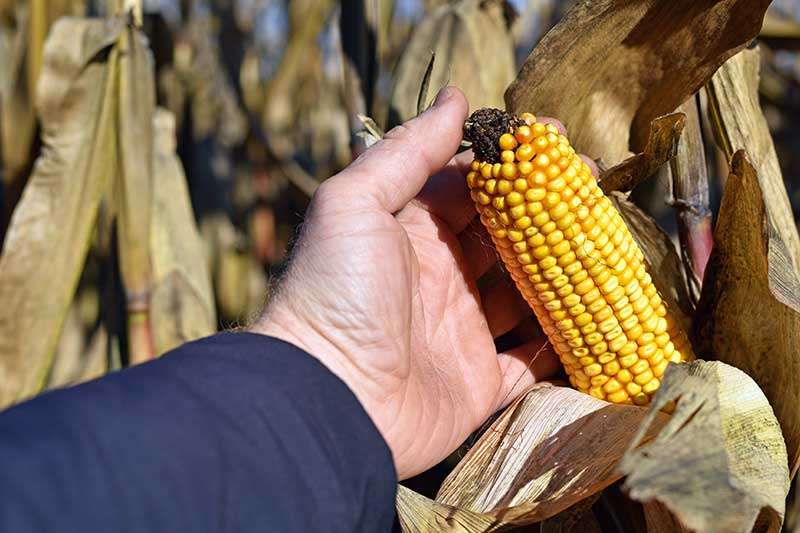
The global food system has been remarkably successful at producing large quantities of food, even as the world’s population continues to grow. However, this success has come at a hidden cost. Modern agricultural methods have placed increasing stress on soils, water, and ecological systems. This article explains why food abundance does not equal sustainability, how climate change amplifies existing weaknesses, and why soil-focused systems such as wicking beds offer a practical path forward.
The world’s population continues to grow at a rapid rate, and for many years this has raised fears of widespread food shortages. In practice, those fears have not been realised. On a global scale, food production has consistently outpaced population growth. Far from being scarce, food is produced in such abundance that wastage now amounts to billions of dollars every year.
This growth in food production has been driven by several key factors. The widespread use of synthetic fertilisers has increased yields dramatically. Advances in genetics and plant breeding have produced crop varieties that grow faster, resist disease, and tolerate a wider range of conditions. Irrigation has also played a major role, allowing food to be produced reliably in regions that would otherwise be limited by rainfall.
In the short term, these approaches have been extremely successful. They have allowed large populations to be fed and have reduced the risk of famine in many parts of the world. However, this success has masked a serious long-term problem. Many of these agricultural systems degrade the very ecological resources they depend on, particularly soil.
Repeated use of chemical fertilisers without rebuilding organic matter can damage soil structure. Heavy machinery compacts soil, reducing its ability to absorb and store water. Over time, soils lose biological activity, become less resilient, and require ever greater inputs to maintain yields. Climate change adds further pressure through more frequent droughts, floods, and unpredictable rainfall patterns.
Because of these trends, many growers and researchers have long been concerned that current food production systems are not sustainable in the long term. In response, efforts have been made to develop farming methods that work with natural processes rather than against them. These systems focus on improving soil quality, increasing organic matter, and restoring biological activity.
From a long-term perspective, sustainable practices based on healthy soils can be both productive and economic. Improved soil structure increases water retention, reduces erosion, and supports stable yields under variable weather conditions. However, there is a major obstacle to widespread adoption. In the short term, changing farming systems often involves additional costs.
Growers typically operate under intense price pressure. Markets demand low-cost food, leaving little room for experimentation or investment in practices that may take years to deliver full benefits. As a result, many farmers simply cannot afford the short-term cost of transition, even if the long-term benefits are clear.
This economic reality has meant that genuinely sustainable farming techniques have often been adopted only by growers who are both ecologically motivated and financially secure. While these early adopters demonstrate what is possible, their practices remain the exception rather than the rule.
One technology that offers practical advantages in both climate adaptation and resource efficiency is the wicking bed system. Wicking beds store significant quantities of water within the soil profile, reducing overall water use. In some cases, water consumption can be reduced by up to 50 percent compared to conventional irrigation methods.
By storing water below the soil surface, wicking beds reduce evaporation losses and extend the period during which plants can continue growing after rainfall. This is particularly valuable in a changing climate, where rain may fall less frequently but in more intense events. Stored moisture helps smooth out these extremes.
The consistently moist conditions within a wicking bed also support soil biology. They are particularly conducive to the growth of mycelium, the network of fine filaments formed by fungi. These fungal networks add physical structure to the soil, binding particles together and improving its ability to hold water.
Beyond improving structure, many fungi form symbiotic relationships with plant roots. Mycorrhizal fungi can penetrate or closely associate with root systems, effectively extending the reach of the plant. Through this partnership, plants gain improved access to water and nutrients that would otherwise be beyond their reach.
This biological cooperation reduces the need for external inputs while improving plant health and resilience. In the context of climate change, systems that strengthen soil biology and water efficiency are essential. They link food production and climate adaptation into a single, integrated solution.

Modern food is abundant, but it often pushes us toward excess sugar and fats while quietly leaving out minerals, vitamins, and the living biology that supports gut health. The coming food revolution is simple: make fresh, growing plants practical for everyday people. Wicking baskets can bring living food to doorsteps, so people can “graze” leaves as needed instead of buying harvested, declining produce. This is healthier, cheaper, and powered by local growers and people-to-people sharing.
The modern factory farming and processed food system is helping to drive chronic disease by making it easy to overeat fats and sugars while making it hard to access mineral-rich, biologically active plant food. Most medical and dietary professionals agree on one broad direction: eat more fresh fruit and vegetables grown in nutritious soil.
Gardeners can do this by growing their own, but most people do not have the time, space, or skills to reliably grow a steady supply of fresh food. The aim here is to solve that problem by separating growing into two roles: a skilled grower raises living plants in a portable wicking basket, and the customer simply keeps it watered and picks leaves as needed.
This is not about building a large central corporation. It is about a network of independent local growers supplying people in their area. A grower could be a grandmother with time to grow for her busy family, a small local producer at a farmers market, or a specialist growing rare plants that are hard to buy but may have health value.
An internet service can help connect growers and consumers, allowing growers to explain how they grow and what is available, and allowing consumers to find growers in their local area. The core idea is practical: make healthy food easy and normal, not a niche hobby for the privileged.
Poor diet is now one of the most serious global problems. A practical technology, the wicking basket, can bring fresh, living produce to people who cannot grow their own. The major challenge is not technical, but social: how to establish a new habit against the scale and budgets of the processed food industry.
The approach proposed here is a “kickstart” operation: people try a wicking basket without obligation, experience the benefits directly, and then spread the word through personal networks. This is deliberately simple: people power versus corporate might. If you act on these ideas, the creative commons section matters, because fairness and acknowledgement are part of the philosophy.
Many revolutions are obvious in hindsight but unclear when you are standing in the middle of them. Cheap and reliable cars changed where people lived, how suburbs formed, and how we worked and travelled. Computers changed engineering and business. Smartphones and the internet changed how we communicate and purchase. At the beginning, the full impact is rarely clear.
Food is now ripe for a revolution, not because we lack food, but because our food environment is shaping our health in ways we can no longer ignore.
Daily news is full of tragedies, and many people feel powerless to act. But there is a quieter crisis that is far larger: diet-driven illness. Poor diet is harming and killing people on a scale that dwarfs most headline events. It is maiming millions and affecting billions, and it is one of the greatest modern threats to health and quality of life.
For some people, this is deeply personal. When poor diet leads to serious disease in a family, it stops being an abstract argument and becomes a practical problem that demands a practical solution.
The claim here is direct: a healthy diet does not need to cost more. With the right systems, it can cost less and reduce medical costs and suffering. That is the motivation behind this food revolution.
Supermarkets can give the appearance of choice while delivering the same underlying product. In the breakfast cereal aisle you can see many brands, colours, and promises, but much of it is controlled by a small number of companies and built on the same base ingredients, tuned with sugars and salt to taste good and encourage repeat eating. The variety is often packaging and marketing, not genuine nutritional diversity.
Then you walk to the “fresh produce” section and it looks better, but there is a catch: the produce is harvested, meaning it is no longer growing. It is slowly declining. Modern supply chains have become very good at selecting and handling varieties for shelf life and transport toughness. Nutrition and health are often secondary to storage life and appearance.
The range is also narrow compared with what is possible. Humanity eats a tiny fraction of the edible plant diversity available in nature. That alone suggests there is room for change.
Diet debates can be noisy, with countless opinions and branded approaches. But if you step back and ask for one broad point of agreement, a common message emerges: most professionals agree we eat too much fat and sugar and we should eat more plant-based food grown in nutritious soil. That plant food should contain vitamins, minerals, trace elements, and fibre.
There is also a practical point hidden inside that advice. Sugars and fats can act as appetite enhancers. They make food easy to overconsume. If the diet is also short of minerals and trace elements, appetite signals can become distorted and people may feel hungry more often. In contrast, fibre tends to support fullness, reduce the urge to keep eating, and help the body clear unwanted compounds.
In simple terms: many of the most expensive “health” products try to sell a solution that ordinary, fresh, well-grown plants can provide naturally, if people can access them easily.
Organic produce is valuable, and avoiding harmful chemicals matters. However, organic food can be priced out of reach for many households. Healthy food should not be a luxury product that only some people can afford.
There is another issue that is less discussed: even organic produce is usually harvested produce. Once picked, it is no longer alive and it begins to decline. Some nutrients degrade over time, and flavour changes quickly. Taste is not a perfect scientific measure, but it is often a useful indicator of freshness and nutrient presence.
This leads to a bigger shift in thinking: instead of buying plants after harvest, make it normal to access plants while they are still growing.
When you buy a lettuce, you buy one plant, and over the next few days you eat one plant. That is the harvest model. The grazing model is different: you take part of the plant, such as outer leaves, and the plant regenerates. Plants evolved alongside grazing animals. Regrowth is normal.
Many highly nutritious plants regenerate well when grazed. Examples include watercress, kang kong, kale, and silverbeet. In a living system you do not just get a single meal. You get ongoing produce from the same living plant, provided the soil stays fertile and biologically active.
To maintain nutrient quality you do need to support the soil. But the ongoing costs can be small, especially if kitchen scraps are recycled through composting or worm systems. The practical claim is simple: living plants can be healthier and more economical than repeatedly buying harvested produce.
Growing food at home has clear benefits beyond nutrition: exercise, relaxation, and a sense of control. But growing a reliable, diverse, continuous food supply is not easy in modern life. Work, travel, children, and changing schedules make consistency difficult. Germination and growth are unreliable, and home growers often experience surplus and shortages. Many people also do not have the knowledge to grow the wide range of plants needed for a balanced diet.
Community exchanges can help, with neighbours swapping plants or produce to smooth out supply gaps. The internet can amplify this by connecting people beyond a small circle and helping growers and consumers find each other efficiently.
This is not an attack on gardening. It is a recognition of limits. Gardening as a major food supply is often a privilege. Many people live in apartments, rent without garden access, work long hours, travel, or simply lack the ability to manage a garden continuously.
Yet diet-driven disease is widespread. If the solution depends on everyone becoming a gardener, it will not scale. The question becomes: how can people get the benefits of living, home-grown food at their doorstep when they cannot grow it themselves?
The technical solution is a portable version of a wicking bed: a wicking basket that can be exchanged. This creates two roles.
For the customer, the habit becomes easy. Instead of opening the fridge for processed snacks, they can step outside and pick fresh leaves. The plant continues to grow. Food is available immediately, and it is genuinely fresh because it is still alive.
The grower does not have to be a large business. It could be a neighbour, a retired parent, a community group, a small local producer, or someone specialising in rare plants with particular health value. The internet becomes a connector between people who want healthier food and people who can grow it.
The main competitor is not home gardening. It is the processed food industry and the supermarket system. These are powerful organisations with large budgets, deep psychological research, and expertise in producing foods engineered for desire and habit. The goal is profit, and health usually matters only when it affects sales.
In business terms, it is sensible to do a simple SWOT analysis. On paper it looks unbalanced: individuals and small growers versus multinational marketing. But history shows that a product that gives real, obvious benefits can spread by word of mouth, even without a marketing machine.
Advertising is now so common that people develop immunity. Slick messages blur together. But direct experience is different. When a person tries something and feels genuine benefits, they talk. Not everyone, not always, but enough to matter.
That is the theory behind “people power.” If people can experience living food at their doorstep, the story becomes real, not theoretical. This is how simple technologies can spread in an internet-connected world: through a chain of personal trust, social sharing, and practical demonstration.
The first step is to reach “early adopters,” the people willing to try something new. The proposed kickstart operation is straightforward: produce a limited batch of wicking baskets, fill them with a high-performing soil mix (structure, chemistry, and biology), and include a selection of plants so users can experience grazing living produce immediately.
The plant selection can be grouped into overlapping categories:
The intention is to include at least four different varieties per basket when possible and, where practical, adapt plant choices to customer preferences and availability.
The proposed trial is based on trust: people can try the system without upfront payment. If they see the value, they pay and tell others. If they are not convinced, they return the basket. The idea may sound unconventional, but the aim is not to optimise a business model. It is to start a movement that can improve health at scale.
The long-term goal is not to ship soil and plants over distance. That is costly and inefficient. The goal is to develop a network of independent growers who produce soil and plants locally and supply customers nearby. Empty baskets are light and can be shipped in bulk, but the best system is local production and local exchange.
Some growers may do this simply to support family, friends, and community. Others may build small businesses. The key is that the system can operate without central control: local knowledge, local plants, local trust.
There is a tension in how society handles ideas. One extreme treats intellectual property as a tool for monopoly power and maximum profit. The other extreme insists all ideas should be free with no recognition or return for the innovator. Both extremes create problems.
Diet, health, and sustainable food systems are too important to be trapped behind secrecy, but they also take real time and cost to develop. A balanced approach is needed so ideas can be shared for community benefit while still protecting fair recognition and enabling ethical commercial use.
The creative commons approach aims to do that. People can share and use the information freely for non-commercial purposes, provided they acknowledge the source. For commercial use, formal agreement is required, typically through a simple licensing arrangement. This creates a pathway for community action while keeping the work coherent, credited, and able to continue over time.
If you want to learn more, become an early adopter, or explore how the wicking basket system could work in your local area, contact Colin Austin: colinaustin@bigpond.com. The aim is to bring together growers and consumers through web-based connection and local relationships, so living food becomes normal, affordable, and practical.
Download ‘The Coming Food Revolution: Living Plants, Better Soil, Better Health’ (full PDF)

Many modern chronic diseases share a common starting point: visceral “fat tummy” fat, often called metabolic syndrome. This condition can progress to type 2 diabetes, heart disease, stroke, and faster cancer growth. Conventional advice based on calories and low-fat diets has failed. This article explains why hormones and gut biology matter more than willpower, how modern food disrupts natural controls, and why a practical, ecology-based approach offers a more realistic path to long-term health.
A trip to Yunnan in south-west China forced me to rethink much of what I believed about diet and health. While there, I observed people eating what most would consider an ideal traditional diet. The soils were rich, the food was locally grown, chemical inputs were almost nonexistent, and meals were prepared in familiar ways that had changed little over generations. Yet I was confronted with something unexpected: fat tummies were appearing, even among children.
Not everyone was overweight. Many people were slim, active, and healthy looking. But enough were developing central fat to raise serious questions. What had changed? The answer was not opium or alcohol or anything exotic. It was refined sugar and refined flour, introduced through modern packaged foods, fizzy drinks, and frozen treats. These were not eaten occasionally as luxuries but increasingly as part of daily life.
Sugar in fruit and starch in whole grains are foods humans have managed for millennia. The problem arises when these are refined, concentrated, stripped of fibre, and absorbed rapidly. Concentration changes everything. Just as alcohol distilled from fruit behaves very differently to fermented fruit itself, refined sugar behaves like a drug rather than a food. Cravings develop, appetite control weakens, and fat accumulates where it does the most harm.
What doctors call metabolic syndrome is not simply about appearance. Visceral fat wrapped around organs interferes with insulin signalling, drives inflammation, and dramatically increases disease risk. Diabetes, heart attacks, strokes, and some cancers cluster around this condition. It is not a marginal issue affecting a few; it is the defining health problem of our age.
Globally, billions are now overweight or obese. The economic cost is measured in trillions, but the human cost is far greater: blindness, amputations, chronic pain, loss of independence, and shortened lives. Most health systems are structured to manage symptoms, not reverse underlying causes, and they are already overwhelmed.
This issue is not academic for me. My wife Xiulan was diagnosed with diabetes years ago. Acting on prevailing medical advice, I encouraged her to follow a low-fat diet. I now believe that advice did harm. She was constantly hungry, cravings intensified, carbohydrate intake increased, and her condition deteriorated. Her eyesight suffered. She fell and broke multiple bones. I have spent years trying to prevent the grim outcomes that too many diabetics face.
I have deep respect for medical science. Surgery and acute care are extraordinary achievements. But diet advice for chronic disease has repeatedly failed in practice. When outcomes keep getting worse, it is time to question the underlying assumptions.
Much dietary advice rests on population statistics. Statistical significance, however, is not the same as practical usefulness. A car that starts 60 percent of the time might be statistically interesting but is useless in real life. Many dietary studies suffer the same flaw. They describe weak averages that do not reliably help individuals.
The real test of any theory is prediction. If a dietary model cannot reliably predict outcomes for individuals in the real world, it has failed, no matter how persuasive the graphs appear.
The idea that weight is simply “calories in versus calories out” sounds scientific, but it ignores biology. Humans do not burn food in a laboratory calorimeter. We absorb, store, and excrete energy under hormonal control. The body decides whether energy becomes fat or waste, and that decision is not conscious.
This explains why people can eat similar calories and experience wildly different outcomes. Some remain lean with ease, while others gain fat despite careful restriction. Identical twins can diverge. Calories alone cannot explain this.
A more useful model is that the body operates a complex control system involving hormones, the nervous system, and the gut. Insulin plays a central role. When blood sugar rises, insulin moves sugar into cells, often storing it as fat. Elevated insulin also suppresses leptin, the hormone that signals fullness. The result is a cruel loop: fat storage increases hunger.
From this perspective, people do not get fat because they overeat. They overeat because their bodies are driven to store energy as fat. Appetite is a consequence, not a cause.
We can think of humans as having three interconnected brains: the brain in the skull, the nervous system of the gut, and the gut microbiome itself. The trillions of microbes in our intestines form an ecosystem that communicates chemically with our nervous system. These microbes influence digestion, immunity, inflammation, mood, and appetite.
Microbial communities evolve rapidly. When fed refined sugars and flours, microbes that thrive on these foods multiply. Over time, they dominate the ecosystem and signal for more of what they prefer. We experience those signals as cravings. This is why willpower is such a weak defence against modern food.
For most of human history, gut ecosystems were shaped by diverse, fibre-rich foods, soil contact, and fermented foods. In a very short time, we introduced antibiotics, antiseptics, ultra-processed foods, and sterile environments. Beneficial organisms were damaged, while opportunistic species flourished.
The result is not simply poor digestion but a distorted control system that drives overeating and fat storage. This is why the fat-tummy crisis cannot be solved by calorie counting alone.
If the problem is ecological, the solution must be ecological. The goal is not to sterilise the gut or eliminate all “bad” microbes. That is neither possible nor desirable. The goal is to create conditions where beneficial organisms outcompete harmful ones and keep them in balance.
This mirrors how healthy ecosystems function in soil, forests, and oceans. Diversity creates stability. Simplification leads to collapse.
Pre-biotics aim to feed beneficial microbes already present. Fibre-rich plant foods play a critical role here. Pro-biotics attempt to introduce organisms directly, but commercial products contain only a tiny fraction of the species found in a healthy gut. The one method that clearly works is faecal transplant, but it is understandably unappealing and not a scalable solution for society.
A more practical approach is to rebuild the ecosystem gradually through food quality, diversity, and soil-based biology.
Modern agriculture excels at producing bulk calories but often at the expense of minerals, phytonutrients, and soil biology. Crops can grow with minimal inputs, but humans cannot thrive on mineral-poor food. Trace elements such as chromium and vanadium are essential for glucose metabolism, yet they are increasingly absent from modern diets.
Growing food in biologically active, mineral-rich soil restores not only nutrient density but also microbial diversity. This was the original motivation behind sponge beds and wicking beds.
My approach is not a rigid recipe but a set of principles. Small inoculants of living soil from healthy ecosystems can rapidly multiply if given food. Compostable plant material provides that food. Diversity of plants supports diversity of microbes.
I avoid leaving soil bare. Living roots keep biology active. Organic matter is returned continuously. Chemicals are avoided. Over time, soil becomes a living sponge that supports resilient plant growth.
The hardest question is transfer. How does beneficial biology move from soil to the human gut? We know this happened naturally for most of history, but modern hygiene has broken many of those pathways. Fresh, minimally processed vegetables may play a role. Fermented foods likely help. Direct evidence is still emerging, which is why practical experimentation matters.
Formal medical research is slow, expensive, and often narrowly focused. Meanwhile, billions are affected now. A practical crowd-based approach allows individuals to test changes safely while tracking meaningful outcomes such as waist size, blood sugar, energy, and wellbeing.
This is not about rejecting medicine. It is about complementing it with a systems-based approach that addresses root causes rather than symptoms alone.
Participants can begin by recording baseline measurements: waist circumference, weight, blood sugar history, and general wellbeing. Changes are then introduced gradually: reducing refined sugar and flour, increasing fibre-rich plant foods, prioritising food grown in biologically active soil, and observing changes over time.
The aim is not perfection but direction. As gut biology stabilises, cravings often reduce, making healthier choices easier rather than harder.
The fat-tummy crisis is not just a personal problem. It threatens health systems, economies, and quality of life on a massive scale. Large-scale solutions will require policy changes, but individual action remains essential.
By rebuilding gut ecosystems through better food and soil practices, we may rediscover a level of health that once seemed normal. The challenge is enormous, but the alternative—continuing on the current path—is far worse.
Contact: Colin — colinaustin@bigpond.com
Download ‘Combating Fat Tummy Disease by Changing Gut Biology’ (full PDF)

This article reflects on more than four decades of work exploring technology, soil, water, food systems, and health. It explains how early work in computer modelling led to irrigation innovation, wicking beds, and eventually a focus on diabetes and gut biology. The central idea is simple but profound: while we can produce enough food to feed the world, declining food quality and damaged gut biology now threaten long-term human health. Restoring biologically active soil and gut bacteria may be critical for our future.
This website is now more than twenty-one years old. Over that time the focus has evolved, but the underlying concern has remained the same: how do we survive and thrive as a species? In recent years my attention has centred on improving gut bacteria by growing plants in biologically active soil. Earlier work focused on diabetes, wicking beds, intelligent irrigation, and subsurface watering systems. All of these threads are connected by one idea—systems thinking.
Back in 1974 I realised that computers were going to change the world. This was in the era of punch cards, long before touch screens and personal devices. I taught myself programming and wrote software called Moldflow. Using numerical methods, it solved problems that conventional mathematics could not, such as predicting how hot plastic flows into a cold mould.
Today this sort of modelling is common, but at the time it was new territory. The software took off, and my company became one of Australia’s leading exporters of technical software. Despite the success, we were still a small operation competing with global multinationals. To survive, we had to keep innovating.
I discovered that true innovation rarely follows a straight line. Instead, it comes from speculative research—exploring ideas that look strange or even foolish at first. Most fail, but a few lead to breakthroughs. I called this the “zig-zag” approach to research.
After nearly twenty years running the company, I began to feel uneasy. While the business was successful, I was no longer convinced I was working on the most important problems. The question that kept returning was not how to optimise manufacturing, but how humanity would survive the challenges ahead.
I sold the company and redirected my energy toward what I saw as the real limiting factors for our future: soil and water. That decision marked the beginning of this website. Food, after all, comes from soil and water. If those systems fail, no amount of technology can compensate.
One of the first problems I tackled was irrigation efficiency. If you apply a small amount of water, it wets the surface and is quickly lost through evaporation. If you apply too much, water drains past the root zone, taking valuable nutrients with it. The challenge is delivering just enough water, exactly where plants need it.
I explored two main solutions. The first was subsurface irrigation, which delivers water below the surface. The second was intelligent irrigation scheduling, where the system “learns” how much water plants use and applies only what is needed to reach the base of the root zone.
I developed working systems based on these ideas, but they did not achieve commercial success. They were effective, but too complex for widespread adoption. However, zig-zag research often produces unexpected results. While working on these systems, I realised that placing a plastic film beneath the root zone solved many problems at once.
This barrier prevents water and nutrients from draining away. Scheduling becomes simple: fill until full. Experts warned the water would become stagnant and putrid, but experiments showed that if the water was cycled, the system worked extremely well.
Although this approach did not take off with large commercial growers, it led directly to the development of wicking beds. These beds spread rapidly and are now used around the world. Unfortunately, many imitations ignored the importance of soil biology. Using inert materials such as stones and fabric reduced performance and missed the core principle.
Soil biology is not optional. It is central to nutrient cycling, water efficiency, and plant health. Numerous articles on this site explain how wicking beds work best when soil life is supported rather than sterilised.
My work took another major turn when my wife, Xiulan, was diagnosed with diabetes. At that point, my focus shifted from abstract questions about humanity to the very concrete task of helping someone I love. Diabetes forced me to confront food quality, not just food quantity.
The world is capable of producing enough calories for everyone, now and into the future. The problem is quality. Mass-produced foods are often high in carbohydrates and sugars because they are cheap to produce at scale. They are frequently low in essential minerals and phytonutrients—complex compounds made by plants that support human health.
Our bodies have a powerful mechanism for dealing with carbohydrates and sugar: insulin. When sugar intake is high, insulin rises to move glucose out of the bloodstream. Over time, chronic excess insulin can lead to insulin resistance. This is the pathway to type 2 diabetes.
On the surface, the solution seems obvious: reduce sugar and refined carbohydrates and eat more nutrient-rich food. If it were that simple, a third of the global population would not be diabetic or pre-diabetic. Something else is clearly at work.
Changing diet is essential, but it is often not sufficient. The missing factor is gut biology. We are only beginning to understand the complexity of the gut microbiome, yet we already know it plays a central role in health.
Gut bacteria produce essential vitamins, help unlock minerals from food, interact with the immune system, and manufacture hormones that influence mood, appetite, and behaviour. In many ways, the gut acts as a second brain.
If your gut biology is sending strong signals to eat certain foods—such as sugar or rich desserts—it is extremely difficult to resist over the long term. This is not a failure of character. It is biology. Appetite and cravings are regulated by chemical signals that evolved to keep us alive, not to cope with modern processed food.
This reality has shaped the current focus of my research. If we want lasting change, we must improve gut biology itself. That means providing the gut with the diversity of organisms and nutrients it needs to function as a stable control system.
Growing plants in biologically active soil is one part of this solution. Plants grown in living soil carry beneficial microbes and higher mineral content. When combined with practices such as fermentation, they can help reintroduce diversity and resilience into the gut ecosystem.
Looking back, the path from computer modelling to irrigation, wicking beds, diabetes, and gut health is not as strange as it seems. Each step involves systems that must be balanced and adaptive. Computers need feedback loops. Irrigation systems need control. Soils need living biology. Human health depends on internal ecosystems working as intended.
The survival of our species does not hinge on producing more calories. It depends on producing food that supports long-term health and functional biology. As chronic disease rises, we face limits not of technology, but of biological resilience.
If we continue to degrade soil biology and ignore gut biology, we will spend ever more resources managing disease rather than preventing it. Rebuilding these living systems may be one of the most important challenges of our time.
The articles on this site explore these ideas in detail—from soil and water systems to diabetes and gut health. The work continues, guided by the same principle that has driven it from the beginning: real solutions come from understanding how systems work as a whole, not from chasing single fixes.

This article explains why common approaches to type 2 diabetes—low fat, low carb, plant-based, or fasting—can help, yet often fail to “stick” for many people. The missing piece is gut biology. Our gut is not just for digestion; it is a control system that influences appetite, cravings, blood sugar stability, immunity, inflammation, and even mood. I outline a practical, pragmatic path: restore gut biology first using biologically active food and fermentation, then fine-tune diet, fasting, exercise, minerals, and habits.
Type 2 diabetes has become a modern epidemic, and it sits inside a larger crisis of non-communicable diseases: obesity, heart attacks, stroke, fatty liver, dementia, and many problems that look unrelated but share common roots. Health systems spend vast sums managing symptoms, yet numbers keep rising and the age of onset keeps dropping. Many people now live for decades on stronger and stronger medication, without ever feeling that the underlying problem is being resolved.
What makes the situation worse is confusion. Patients hear one expert say “cut fat” and another say “fat is fine, cut carbs.” Some say “go vegan,” others say “avoid plants,” others say “fast,” and others say “never skip breakfast.” People are not stupid; they are overwhelmed. When advice becomes contradictory, many tune out and fall back into the comfort of the familiar modern diet that created the problem in the first place.
This work is not an abstract interest. My wife Xiulan developed type 2 diabetes and experienced serious complications. At times her eyesight deteriorated. She fell down stairs and broke multiple bones in her foot. After surgery, the foot began to turn black. Anyone who has watched that sequence understands that diabetes is not a “slightly high reading.” It is a disease that can destroy quality of life in slow motion, and then suddenly accelerate.
We worked hard on diet changes and thought we were improving her condition, only to see blood sugar jump unexpectedly. Sometimes these shifts appear to link to heat, stress, travel, sleep disruption, or some other change in environment. If you are dealing with diabetes inside a family, you quickly learn that simple rules are not enough. You need a system that works under real-life conditions.
When we sought specialist advice, we were told diabetes is not reversible and will steadily get worse. The recommended path was stronger medication, then insulin injections, and eventually the expected list of complications. That view is common. It is also discouraging, because it implies the only hope is permanent management of decline.
Yet for years I have also read work by qualified doctors who claim diabetes can be reversed by diet and lifestyle changes. This is not fringe “magic plant” material. These are medical practitioners treating diabetics every day. The fact that two groups of qualified professionals can hold opposite views tells you something important: diabetes is not a simple mechanical failure with one standard fix.
Diabetes is often described as “high blood sugar.” That is true, but incomplete. High blood sugar is a symptom. The core problem is insulin resistance: insulin fails to move sugar from the bloodstream into muscles and organs efficiently. A widely accepted explanation is that fat accumulates inside muscle cells and organs such as the liver and blocks this transfer.
Standard treatment often increases insulin action or insulin levels to push sugar down. This can be essential in the short term to prevent damage, but it may worsen the long-term disease because insulin promotes fat storage and tends to increase hunger. Over time the pancreas can become exhausted, and then diabetics may rely on injections for life. That is why a symptom-focused approach can create a trap: it manages the immediate danger while nudging the system further into insulin resistance.
Four broad strategies dominate the diabetes debate, and each has logic behind it.
Low-fat diets aim to reduce fat accumulation by reducing fat intake. This seems sensible, but in practice many low-fat foods become high-sugar or high-starch foods, and appetite often remains a problem.
Low-carb or high-fat diets argue that carbohydrates create insulin spikes that drive hunger, fat storage, and insulin resistance. Many people see rapid improvements in blood sugar on low-carb plans, especially early on.
Plant-based high-fibre diets focus on whole plants, slower digestion, and fibre that reduces sugar spikes. Plants also contain phytonutrients and can feed gut microbes.
Intermittent fasting reduces the time the body is processing food and producing insulin, giving periods where insulin drops and stored fat can be mobilised. I have trialled fasting myself because it is safer to test on me than to test first on a diabetic. I found moderate fasting workable when it is flexible, not extreme. A simple “late breakfast, early dinner” approach can be practical and sustainable, and it is surprisingly controllable.
The problem is not that one of these is “the truth” and the others are “lies.” The problem is that different people respond differently, and the current debate often ignores why.
Before we argue about the best diet, we should acknowledge that modern food is not the same as food fifty years ago. Agriculture has become extraordinarily productive. Hygiene has improved. Supermarkets demand long shelf life and visual perfection. Produce is often washed aggressively to remove microbes. Crops are bred for yield, transport, and appearance.
That sounds like progress, but there are hidden costs. Soils have often been driven for yield rather than mineral density and biological richness. Many trace minerals matter to human physiology, yet they do not necessarily matter to plant yield. There is no strong economic incentive to replace trace minerals if the plants look fine. Minerals such as chromium and vanadium are often discussed in relation to blood sugar control, but modern farming rarely targets these as outcomes.
Even more important is soil biology. Vegetables grown in biologically active soil are naturally covered in microbes. In the past, people regularly consumed a “background dose” of soil-derived biology through fresh produce. Modern washing, storage, and sterilisation reduce that biology. Produce may be cleaner, but it can also be biologically poorer.
Meanwhile diets have shifted toward processed foods engineered to be irresistible: sugar, fats, salt, and refined starch. These foods do not just add calories; they shape cravings. Gut biology adapts to what we eat, and that adaptation may be driving modern eating patterns.
Most nutrition arguments rely on one of three types of evidence.
Observational studies compare populations. They are cheap and can involve large numbers, but they cannot prove cause. Lifestyle, culture, stress, sunlight, activity, and community all blur the picture.
Clinic-based evidence comes from doctors who apply a specific diet model and see results. This is powerful because it is real life, not theory. But it can be biased: success stories are shared, and failures are less visible. Also, patients who choose a specialist clinic are already a self-selected group.
Controlled trials are the gold standard, yet dietary trials are difficult to run cleanly because people do not live in laboratories. Even when results are “statistically significant,” the effect sizes can be weak. A 10–20% improvement may be real, but it is not the sort of reliability people want when facing a serious disease.
As an engineer, I find weak reliability unacceptable. If an aircraft arrived at the correct destination only 15% of the time, the airline would collapse. Engineers would immediately conclude that a key component is missing.
Think of the human body as a system. We talk endlessly about fuel (carbs, fat, calories) and engines (metabolism). But systems do not function reliably without control. Planes need rudders, autopilots, sensors, and feedback loops. Without control, even a powerful engine is not enough to reach the destination.
In human health, the control system is not just the “brain in the head.” It is also the gut brain and the microbial ecosystem inside us. If gut biology is damaged, appetite control can fail. Cravings can intensify. Energy handling changes. The result is that even “correct” dietary advice becomes hard to follow, because the body does not behave like a simple machine. It behaves like an intelligent system trying to satisfy signals it believes are necessary.
The gut microbiome is not one organism. It is thousands of families, species, and sub-species, interacting continuously. No single bacterium “decides” to make you eat cake. Intelligence emerges from communication between many simple units. This is how brains work, how ant colonies operate, and how ecosystems stabilise themselves.
Gut biology communicates with the body through hormones, immune signals, and nerves. It affects appetite signals, inflammation, insulin sensitivity, and even mood. It is a form of biology-based decision-making. When gut biology is stable and diverse, appetite control often becomes easier. When it is compromised, appetite can feel like an enemy you cannot defeat with willpower.
The long-running message “eat less, exercise more” fails because it assumes the body is a simple calculator. It is not. Appetite is controlled by hormones and by the gut-brain system. If you damage the control system, lectures do not repair it. People can force weight loss for a period, but the system often rebounds because biology is trying to maintain what it believes is normal.
Also, modern food is addictive in a practical sense. The combination of sugar, fat, and salt triggers reward pathways. The result is not “weak character”; it is a predictable response to engineered food acting on a compromised control system.
Imagine you are at a party determined to eat only salad. Your conscious mind is sincere. Then someone offers cheesecake. The smell, the social cues, the emotion of being included, the pleasure expectation, the dopamine anticipation—suddenly your intention is under pressure. If you have strong gut biology and stable appetite control, you may refuse easily. If not, refusal can feel like trying to hold your breath forever. Eventually the body wins.
This is why diet advice alone often fails: it assumes decisions are made by logic, when in reality decisions are heavily shaped by internal signals and learned reward loops.
Many people hope probiotics are the simple fix: take a pill and repair the gut. Sometimes they help, particularly for specific digestive issues. But rebuilding an ecosystem of thousands of interacting species is not like replacing a flat battery.
Many commercial products contain a small number of strains. Some do not include species capable of long-term colonisation. Some are destroyed by stomach acid. And even when bacteria arrive alive, they still need the right food environment to thrive. A few strains do not automatically rebuild diversity, resilience, and stability.
Faecal transplant is a proof that gut biology can change health rapidly, but it is not a mass solution for millions of people. We need practical daily methods to rebuild gut ecology.
Healthy people from different parts of the world can have very different gut profiles. There is no single ideal microbiome. What matters is ecological strength: diversity, stability, and the ability to resist harmful species. This supports a practical conclusion: we should aim to rebuild complexity, not chase one “magic” strain.
If gut biology is central, then the first step in reversing diabetes is to rebuild gut ecology. Only then does it make sense to fight over fine details of macros. A healthy gut control system makes good eating easier, because cravings reduce and appetite signals become more trustworthy.
That brings us to a practical requirement: gut biology needs regular inputs of living biology and the foods that support it. In the old world, people got that naturally. In the modern world, we often do not.
Vegetables grown in biologically active, mineral-rich soil can carry beneficial biology. When eaten fresh, they can act as natural probiotics. They also contain fibre and phytonutrients that feed and shape gut ecology. This is one reason I have focused on growing systems that increase soil biology rather than sterilising it.
Minerals matter too. The body requires trace minerals to manufacture enzymes and hormones that regulate metabolism. I am not enthusiastic about simply swallowing mineral supplements, because absorption and balance are complex. I prefer minerals delivered through food grown in soils designed to release and cycle minerals through biology.
Growing your own biologically active vegetables is valuable, but it has a major flaw: you get gluts and gaps. One week you have too much, then nothing is ready. Health improvements require consistency. You do not want a “good week” followed by three weeks of nothing.
Traditional cultures solved the reliability problem with fermentation. Fermentation preserves food and multiplies biology. It converts a glut into a stable daily resource. Fermented vegetables are not just “stored vegetables.” They are living foods that can act as both probiotic and prebiotic support.
In my own experiments, fermented vegetables produced clear signs of increased gut activity. That does not prove they reverse diabetes on their own, but it does show they can change gut function in ways you can observe, not just theorise about.
G-Biota combines biologically active growing with fermentation. The aim is not perfection. The aim is a practical routine that fits daily life: a regular intake of living fermented vegetables grown in an environment designed to support soil biology and mineral cycling.
In practice, it can be consumed in small daily amounts. It can be combined with other foods to make it pleasant. The key is not the exact recipe; the key is regularity and ecological input.
Gut biology is central, but not the only factor. Diabetes is multi-factorial. Diet composition still matters. Fasting can be useful. Exercise can shift blood sugar quickly in many people. Stress can push blood sugar up through cortisol. Sleep matters. Social support matters.
What I am arguing is that these tools work better when the gut control system is repaired. Without that, people are trying to steer the plane without a rudder.
I do not claim that all cases of diabetes can be reversed. Some people may have advanced damage or complex genetics. But there is enough evidence from clinicians and real-world cases to justify serious effort. The alternative—accepting inevitable decline—is too bleak to accept without a fight.
First restore gut biology using real food, fibre, and living fermented foods. Second reduce exposure to addictive processed foods that hijack appetite. Third use fasting and exercise as tools, not as punishment. Fourth improve mineral density through biologically active food rather than sterile calories. Fifth build habits and social support that make the system sustainable.
We are not dealing with a minor lifestyle issue. We are dealing with a failure of regulation driven by a modern food environment that damages gut biology and trains cravings. The most practical path forward is not ideology or diet wars. It is rebuilding an internal control system that can once again manage appetite and energy with less effort and less suffering.
G-Biota is one attempt to build such a system using the oldest tools humans have always had—soil biology, plants, and fermentation—combined with modern understanding of gut ecology. If we can make this practical, reliable, and scalable, it may become part of a wider solution to the chronic disease epidemic.

Chronic diseases like diabetes and heart attacks are rising fast, and medical treatment alone cannot stop the epidemic. This article explains a practical prevention approach: improve “refurbishing food” (minerals, phytonutrients, and living biology) so the gut can recover, then train our habits so we naturally eat the right amount of fuel food. Gbiota beds are an evolution of wicking beds designed to grow biologically active, nutrient-rich plants at home and at larger scale.
Colin Austin — 20 January 2018
At first glance, Gbiota beds can look like something only keen home gardeners would care about. They are an extension of wicking beds, but with a stronger focus on gut biology, minerals, phytonutrients, and a pathway to larger-scale production. That is true, but it is only a fraction of the vision.
Over millions of years humans and pre-humans lived as hunter gatherers. Food came from wild plants and animals, grown in living soils. There was a natural balance between food that fuels the body and food that helps rebuild it. Life could be violent and short, but the food system itself supported strong biology.
Agriculture was a major innovation. It stabilised food supply, populations grew, and people clustered in villages and cities. Later, antibiotics, sewage systems, and clean water helped people live longer. Then came another revolution: industrial agriculture and modern food processing. We produced enough energy food for a much larger population, but the quality of that food changed.
Modern food can be high in energy, yet low in the essentials that rebuild the body: minerals, phytonutrients, and the living biology that supports a healthy gut. Most importantly, it fails to refurbish gut biology, which works with the head brain as an intelligent control system. There is also a hard truth: there is a difference between what we should eat and what our bodies want to eat, and what the body wants usually wins.
The aim of the Gbiota project is prevention. Chronic, non-infectious diseases such as diabetes, heart attacks, strokes, and dementia now dominate health systems and quality of life. Heart attacks can kill quickly. Diabetes can bring long, expensive decline with severe complications. The message is blunt: we must do more than search for cures. We need to stop these diseases happening in the first place.
Epidemics teach a useful lesson. Medical action alone cannot stop them once they are widespread. Cholera in London in 1849 was not solved by treating each sick person; it was solved by finding and eliminating the root cause. Dr John Snow identified contaminated water, shut down the pump, and the epidemic slowed. The parallel is clear: we can and must help people who already have diabetes, but that will not stop the epidemic. We need to address root causes, and for diabetes the core driver is food.
Humanity struggles to grasp big numbers. There are hundreds of millions of diagnosed diabetics worldwide. Add undiagnosed diabetes, pre-diabetes, and the large group that is overweight and likely to progress, and the number of people at risk becomes enormous. Health systems cannot provide full, individualised care to everyone in that pipeline. That is why prevention must be something ordinary people can do for themselves, without needing a medical lab.
Over the last century we changed how we die. Infectious diseases, accidents, and violence were once the main causes. Hygiene, clean water, sewers, and medical science lifted life expectancy, but now chronic diseases are pulling average age at death down again. Some people live longer than ever, but more people are dying younger due to chronic illness.
In these articles, diabetes is used as a proxy for the broader chronic disease problem. It is measurable. Blood sugar, weight, and waist size give simple feedback. The working idea is that the rise in diabetes is strongly linked to changes in our food system, including depleted soils, reduced minerals, and reduced soil life that should support a healthy gut.
Research into cures matters, and new drugs may help. But prevention is still the better target. If food is a root cause, then preventing disease means changing food production and food quality, not only medical treatment. The challenge is that prevention is harder to “prove” in everyday life. If you fix a toothache, you feel cured immediately. With food, success is measured by what does not happen over years. That is one reason prevention is often neglected.
There is also a reality check about scale. If one wealthy family can buy pristine land, grow diverse produce organically, eat wild-caught fish, and stay active, they can create a modern version of a hunter-gatherer diet. But that solution does not scale. We now have billions of people, dense cities, and lifestyles shaped by modern infrastructure. We cannot solve chronic disease by telling everyone to own a rural estate.
Food quantity is not the main issue globally. In recent decades, food production has increased faster than population, and an extraordinary share is wasted. Many people still suffer hunger, but that is often politics and distribution rather than absolute shortage. The deeper issue here is food quality: many diets are deficient in essential minerals and, more importantly, fail to support healthy gut biology.
Even if we produced healthier food, one more hurdle remains: people must actually want to eat it. It is no good repeating “eat healthy” slogans if the body’s cravings and habits pull in the opposite direction. Prevention is not only about producing better food; it is about changing what the body wants.
The obvious question is: what is a healthy diet? Here the article points out the confusion. Experts argue: fat is bad, carbs are bad, sugar is bad, eat more vegetables (which contain carbs), eat more fruit (which contains fructose). This conflict makes people tune out. Meanwhile large industries promote their interests, pushing their own story.
A different way of thinking is proposed. Instead of classifying food only by chemistry (carbs, fats, proteins), classify food by what it does for the body. One part of food is fuel. The other part provides the “materials” needed to refurbish the body: proteins, minerals, vitamins, phytonutrients, and living biology. This is like a car needing petrol, but also needing oil, coolant, brake pads, and replacements as parts wear out. The body can turn many foods into fuel, and modern systems supply fuel in abundance. The weakness is in refurbishing inputs.
The body is intelligent. If something is missing, it sends hunger signals. But there is a design fault: the signals rarely tell us precisely what is missing. Instead of “you need selenium” or “you need salts,” the message is often just “eat.” In a modern diet that is already heavy in fuel foods, that signal leads to eating more fuel when what is needed is refurbishing food. Over time this pushes high insulin demand and contributes to insulin resistance and diabetes.
The article gives a simple example. On a hot day you might feel restless cravings, drink lots of water, and still feel unsatisfied. The real need could be salts. Once salts are supplied, the craving disappears. The issue is not that the body is “weak.” The issue is that the signalling system is crude: it flags a deficit, not the exact solution. In the past, traditional diets were lower in fast fuel and higher in refurbishing foods, so this design flaw mattered less. Modern food flips that balance, so the flaw becomes dangerous.
This is where Gbiota beds fit. They are designed to increase the supply of refurbishing food: mineral-rich, phytonutrient-rich, biologically active plants that support a healthy gut. But the article stresses that growing better food is not enough on its own. We must also change why we eat what we eat.
Diet advice often assumes humans are simple machines: tell people what they should do, and they will do it. But experience shows that “eat less, move more” does not solve the problem at population scale. The focus needs to shift from what we should eat to how to make our bodies want to eat what keeps us healthy.
To explain this, the article draws an analogy to early computers and simple programming: “if this, then that.” Human behaviour includes conscious decisions (slow, effortful) and unconscious decisions (fast, automatic). Much of eating is driven by the fast system. People rarely decide consciously, “I will get diabetes.” The behaviour happens because habits and cues trigger automatic choices before conscious reasoning arrives. If we want prevention, we must train the subconscious, not just lecture the conscious mind.
The article uses the “yellow ute” story to show why the fast system exists. When danger appears, the body reacts in microseconds. Conscious logic is too slow. The brain uses shortcuts: stored patterns and pre-built responses. This protects us, but it also means food cues can trigger rapid eating before we “decide.” The prevention strategy is to build better stored patterns, so the automatic system makes better choices.
The good news is that brains re-program themselves. Babies do it constantly, turning effortful actions into automatic skills. Adults still have plasticity, but changing habits can require clearing space: breaking some old programming to allow new patterns. This is not a mystical process. It is repetition, cues, and rewards, applied deliberately.
The author’s practical approach is simple: learn to distinguish hunger from cravings. Hunger is a general need for fuel. A craving can be a signal for something specific, or a learned habit triggered by context. If you can learn that difference, you can respond more accurately. When the body is given refurbishing food consistently, it is less likely to send confusing “eat more” signals.
The article describes experimentation with intermittent fasting. The key is not rigid schedules, but learning to use the body’s own “fuel gauge” more accurately. A strict timetable can be mechanistic and detached from real needs, similar to putting fuel in a car on fixed days regardless of the gauge. Instead, the idea is to eat when genuinely hungry, while ensuring that refurbishing needs are met so the gauge is not giving false readings.
The body tends to burn carbs first, then fat. The author wants a practical way to know when the switch happens, without lab equipment. He notes that hunger can come in waves: it rises, then passes. Over time, fasting becomes tolerable, and a person may feel more in control. The test is simple: does weight reduce and does the waist shrink? For him, the answer is yes. The point is not that everyone must do it, but that self-testing and feedback matter.
The “false gauge” issue remains important. If you are deficient in refurbishing food, you can feel hungry even when fuel is plentiful. If you are short of something specific (like salts), cravings may appear. The practical method is to supply the likely missing item and see if the craving disappears. This is presented as training sensitivity to signals, not as a perfect scientific method.
The article offers a memorable metaphor. Think of the biology in your tummy like a pet that needs training. Learn to read what it is telling you through hunger, fullness, and cravings, then train it with patterns that reduce overeating. The author uses examples that work for him: bitter fermented foods and high-cocoa dark chocolate can curb appetite and help stop “pigging out.” The claim is not that these specific foods are universal, but that people can experiment to find what calms appetite rather than inflaming it.
The larger goal is not only personal habits, but a broader food system change. Modern large-scale agriculture is effective at producing fuel food. We can grow enormous quantities of energy, and the limiting factors are often logistics and water efficiency rather than the sun’s energy. But we need a second type of agriculture, on smaller scale, focused on refurbishing foods: minerals, phytonutrients, and living biology.
Home gardeners already produce some of this, and many people buy organic produce, but the argument is that it is not enough to meet global needs. The Gbiota bed is proposed as a practical growing system that can scale up, producing biologically active, nutrient-rich plants at an economic price. That is a major change, and it will not happen through argument alone. It will happen when people try it, see results, and share the story.
The article closes by reflecting on innovation. Two earlier examples are given: Moldflow simulation work that challenged conventional thinking, and wicking beds that were dismissed by experts but proven in practice. In both cases, acceptance did not come from clever persuasion. It came from other people trying the idea, seeing it work, and telling others. That is the viral pathway of real adoption.
Chronic disease is a global-scale crisis, and the author recognises the ambition is huge. But the strategy is similar: build a community of advocates who test, improve, and share. The Gbiota club is framed as the mechanism for this. It needs a range of skills, including gut microbiology expertise, and it needs people willing to try, measure, and report. Teamwork is the only way scale change happens.
The prevention approach described here is two-part. First, improve food quality by increasing refurbishing foods that restore gut biology and supply minerals and phytonutrients. Second, train the subconscious habits that drive eating, so “want” aligns more often with “should.” Modern food systems are excellent at producing fuel. The missing piece is widespread access to biologically active, nutrient-rich food and the practical skill of listening to signals without being trapped by cravings. Gbiota beds aim to help make that shift real, not theoretical.
To join the Gbiota club, email: colinaustin@bigpond.com.

Chronic diseases such as diabetes, obesity, heart disease, and dementia have risen from affecting about 1 in 100 people to nearly 1 in 3. This article explains a practical reason for that change: our gut biology has been damaged by how modern food is grown and processed. Gbiota beds offer a low-cost way to grow biologically active, mineral-rich plants that support gut health. However, technology alone is not enough. This article outlines how Gbiota can be adopted, protected, and scaled through people-led action.
Modern society produces food that is cheap, plentiful, and hygienic. Governments spend billions on medical research, and pharmaceutical companies invest heavily in new drugs. On the surface, this should result in good health. Instead, chronic disease has exploded. Fifty years ago, diabetes and related illnesses affected about 1 in 100 people. Today, around 1 in 3 suffer some form of diabesity.
Genetics cannot explain such a rapid change. The more likely explanation is that the quality of food has changed, particularly in ways that damage the gut biome. Gbiota beds were developed to address this by restoring biologically active soils and growing plants that nourish gut biology. The challenge is not just proving the idea works, but ensuring it is adopted correctly and widely.
The gut biome is not just a digestive aid; it is an intelligent control system that uses hormones and nerve signals to decide what happens to the food we eat. It influences appetite, fat storage, energy use, immunity, and mood. Short-term dietary changes or probiotic pills can alter gut biology briefly, but gut bacteria live short lives. Long-term change only occurs when beneficial bacteria are continuously fed through diet.
This leads to a practical question: how much food do beneficial gut organisms need? Using simple estimates, the article suggests that around half a cup of suitable “good-bug food” per person per day could tilt the gut ecosystem toward health. Scaled globally, this represents an enormous volume of food, meaning the solution must extend beyond home gardens.
A common belief is that if something is useful and profitable, the market will provide it. In reality, this is often false for public health problems. Even if growing good-bug food could save trillions in healthcare costs, those savings do not directly reward the people who grow the food. Individuals may still choose cheap, addictive foods, and large companies profit from selling them.
To explain this, the article turns to altruism. Humans survived and thrived because individuals were willing to act for the good of the group. Over time, groups expanded from families to tribes, villages, nations, and eventually corporations. In modern systems, loyalty to employers and institutions can conflict with broader social good, creating what the author calls “defective altruism.”
Large food companies make money from products that look and taste good but are often low in biological value. Pharmaceutical companies profit from managing disease rather than preventing it. Doctors are overworked and not trained in changing gut biology through food. Together, these forces reinforce the status quo, even as chronic disease rates climb.
The internet complicates matters further. While it offers access to information, it also spreads confusion, misinformation, and aggressive marketing. Any grassroots health solution must compete in this noisy environment.
The adoption of wicking beds offers a useful lesson. The technology spread not through major marketing campaigns but through people trying it, seeing it work, and telling others they trusted. Two conditions made this possible: the system worked, and it was simple and cheap enough for people to test themselves.
There is also a warning. As wicking beds spread, the technology became corrupted. Key features were removed or replaced, such as substituting stones for biologically active materials, reducing effectiveness. This experience shapes the Gbiota strategy: adoption must be guided and protected to preserve what actually works.
Gbiota beds evolved from wicking bed principles but focus even more strongly on soil biology. They are designed to be simpler, cheaper, and more scalable. The central idea is that biologically active soil transfers nutrients, microbes, and signals into plants, and from there into the human gut.
If the goal is to produce large volumes of food that genuinely supports gut health, soil is the foundation. Gbiota beds are therefore built around managing decomposition, water movement, and biology rather than just plant growth.
Convincing billions of people individually is impossible. Instead, the strategy is to work with a committed community. By supporting a defined group, the system can be tested, refined, and protected. This group can then demonstrate results that influence broader opinion.
In return for guidance and shared knowledge, the community is asked to do three things. First, verify that eating food grown in biologically active soil improves health. Second, act as guardians of the technology so it is not degraded or misrepresented. Third, recruit others and share results through trusted personal networks.
Several common assumptions are challenged. Taking probiotic pills alone does not create lasting change. Antibiotics damage gut biology and cannot restore it. Returning to some imagined “old-fashioned diet” is unrealistic and does not explain the speed of the current epidemic.
The real issue is how food is grown. Modern agriculture often relies on inorganic fertilisers and chemical controls that leave soil microbes with little to feed on and actively kill many organisms. The resulting food may look good but is often low in biological value and trace minerals important for human health.
In natural ecosystems, nutrients are recycled. Plants die, decompose, and are broken down by a hierarchy of organisms from insects to microbes. Plants also form networks with fungi, sharing signals and nutrients. This system evolved over billions of years and maintains balance without external inputs.
Animals eating plants also consume microbes and microbial by-products, supporting their own digestion. This creates a stable triangle between soil organisms, plants, and animals. Disrupting one part of this triangle disrupts the whole system.
Traditional farming attempted to mimic natural recycling through manure, compost, crop rotation, and fallow periods. Over time, nutrients were still depleted unless replaced, leading to practices such as slash-and-burn clearing. Modern farming solved yield problems with fertilisers, but often at the cost of soil biology.
Inorganic nutrients feed plants directly but leave little for soil microbes. Herbicides and insecticides further reduce biological life. Processing then removes what little biology remains. The article argues this shift is the primary driver behind the rapid rise in diabesity.
Gbiota separates decomposition from plant growth. Organic material is broken down in a controlled fermentation area. Water passing through this material collects nutrients and biology, then delivers them to plant roots. Excess drains back to a sump and is reused.
This approach allows plants to access the benefits of decomposition without being harmed by toxic by-products. It is simple, adaptable, and suitable for both small and large systems.
The aim is not only to grow vegetables, but to observe whether people feel and function better when they eat them. This is system-level research. It complements laboratory studies of gut species by focusing on real-world outcomes such as energy, waist size, blood sugar, and general wellbeing.
Biodiversity matters. There is evidence that contact with diverse environments, animals, and soil organisms improves gut diversity. Gbiota systems can potentially enhance this through controlled, safe exposure to biological richness.
Any large-scale system needs a steady supply of organic material. This is not a limiting factor. A large proportion of food is wasted and sent to landfill. Animal waste is also abundant, though socially sensitive. The article proposes staged composting systems to make recycling safer and acceptable.
Fast-growing plants can act as filters, converting compost into safe biomass, which is then composted again for food production. This approach supports nutrient recycling while managing risk.
The article raises concern that knowledge of beneficial plants is being lost. In some rural areas, older people still use a wide range of wild plants for health. As younger generations move to cities, this knowledge disappears.
Many modern medicines originate from plants. Metformin, for example, comes from French lilac. This suggests that preserving plant diversity and seed knowledge is critical. Growing whole plants may offer benefits that isolated pills cannot replicate.
The author is frank: one person cannot solve a global problem. Ideas only matter if others test them and show they work. The Gbiota club is proposed as a vehicle for shared testing, learning, and protection of the system.
Members are encouraged to build simple Gbiota beds, observe health effects, share results, and help others do the same. If enough people demonstrate real benefits, demand can influence farmers, investors, and policymakers.
The goal is not perfection or instant global change. It is steady, protected adoption of a system that restores soil biology, improves food quality, and supports gut health. If successful, Gbiota could help reverse the trend toward chronic disease and create communities that are both healthier and more resilient.
Download ‘Gbiota Adoption: Growing Food That Restores Gut Health’ (full PDF)

This article is written as a playful “screenplay for a film by Steven Spielberg,” but it carries a serious message. Diabetes and obesity are not just about willpower or one perfect diet. Our guts act like an intelligent control system, and modern science still does not fully understand how that system decides what to do with food. The story argues we are chasing symptoms instead of causes, and proposes an integrative, real-world approach: change the system, test outcomes, and learn what works.
Colin Austin — 1 March 2018.
“Gutivars strike back” is written as a screenplay, with Spielberg-style scene changes, humour, and a few sharp jabs at modern systems. Under the fun, the goal is serious: explain why diabetes and chronic disease have become so widespread, why experts often disagree, and why the missing piece is the gut as an intelligent control system. The film framing is not just entertainment. It is a way to make a complex topic easier to follow, while keeping the central argument intact.
The opening scene is set in a beautiful Austrian town in the 1920s. Two scientists are developing what the script calls one of the greatest breakthroughs of all time: how hormones control our bodies, a discovery that could save millions from heart attacks and diabetes. The film uses a humorous cartoon model: inside our guts is a “little man” who inspects food and decides what to do with it.
He has levers. If the food is energy-dense (like cheesecake), he might pull a lever that sends energy into the bloodstream, turning the person into an overexcited kid at a party. Or he might store the food as tummy fat. Or he might decide the food is “crap” and send it out of the body. The key point follows: there is no little man. Hormones do it. But what we still do not fully understand is how the “system” decides which lever to pull.
The scientists publish their work in an obscure publication, not a major journal. Then history turns dark: Hitler’s people decide the scientists should not “waste time” saving lives and the breakthrough is almost lost. The script claims it is later recovered when someone finds the paper in New York around 1950. It is written as a dramatic rescue of an idea that should have changed everything.
The film jumps to Mao-era China during the Cultural Revolution. Spielberg-style visuals show starvation and terror. The script references estimates of famine deaths ranging widely, and shows extreme human behaviour during famine to underline how powerful food scarcity is. Then it narrows to one person: a teenage girl separated from her family and sent by train to Xinxiang near Mongolia, leaving her scarred for life.
The script names her: Xiulan Tang. It then shows resilience. Despite early trauma, she becomes a doctor and later a respected surgeon in Shanghai. This matters to the story because it contrasts real hunger (where people will do anything for food) with modern abundance (where people can be surrounded by food and still be nutritionally damaged).
Next we meet Colin Austin as an older man in a Shanghai hospital, looking for a remedy for a collapsing knee. He ends up with a high-tech artificial knee, and a wife, Xiulan. The couple later move to Australia, and the story shifts to a supermarket scene: abundance everywhere, strong contrast to famine memories. Xiulan comes to love tasty processed food and, within two years, develops Type 2 diabetes. The script notes that changing diet is not easy, especially across cultures and habits.
Then come the medical scenes. A doctor confirms diabetes. Later, the story escalates: Xiulan begins to lose sight, falls down stairs, breaks bones in her foot, and the foot begins to turn black. They face the classic diabetic fear: becoming a blind, limbless torso. They move from specialist to specialist, and each tells a different story. One suggests cortisone injections; another warns it will raise blood sugar. Colin asks about diet, but specialists refuse to enter the “low carb vs low fat” debate and tell them to keep eating normally and keep taking pills.
The tension peaks with the dietician: diabetes is described as irreversible, steadily worsening until insulin injections and early death. Colin reacts with anger, thumps the table, and insists that if diabetes is caused by diet, it should be cured by diet, and he will find out how. Spielberg then adds a human twist: the dietician cries afterwards and admits, quietly, that he may be right but they do not know how to help people.
Driving home, Colin explains the “silo effect”: clever people working in narrow areas without understanding how the pieces link together. In engineering he calls it “cardboard box engineering” or “over the wall engineering,” where one group throws the problem to the next and it becomes a “dead cat.” The dialogue is written for humour, but the meaning is serious: chronic disease care needs integration, not isolated expertise.
The film flashes back about forty years to a General Motors training room. Colin is teaching computer-aided engineering software. The audience is sceptical at first, then angry when he suggests they are doing things wrong, then gradually receptive as they see the method. A senior engineer asks how someone “from Australia” can tell them what to do. Colin’s answer is the backbone of the article: experts are expert in their own field, and each will know more than him in their speciality, but the real job is integration.
Colin explains that complex problems involve many technologies: heat transfer, fluid flow, materials, geometry, and unknowns where you cannot calculate an answer. He describes solving equations, getting wrong results, then changing assumptions and using empirical methods until results match real-world tests. The point is not “make things up.” The point is: fill the gaps between disciplines, then test the whole system. He calls this “integrative technology,” where “2 plus 2 makes 5.” It is powerful, but only works when you test the system as a whole under real conditions.
The screenplay then uses a quick “company history” segment to prove the method is real, not theory. Colin describes early computing, building software, forming Moldflow, and the idea that integration can create extraordinary value. He then links it to environmental work, including developing wicking beds and responding to experts who said water would go putrid. The claim is that by integration and empirical testing, wicking beds became practical. The message is: integrative thinking is investable, and it solves problems that silo-thinking cannot.
Now Spielberg turns to the nutrition war: Ancel Keys and the low-fat paradigm, contrasted with writers like Gary Taubes and Nina Teicholz who challenged the process that led to the “fats are bad” conclusion. The screenplay argues Keys used correlation without mechanism, got the wrong answer, and his authority helped lock the view into medicine. It also satirises Big Food, which benefited from low-fat messaging because cheap carbs and sugar became profitable. It compares this confusion-making to techniques used by tobacco companies: create doubt, fund research, and keep the public uncertain.
The “red car” scene is a simple lesson in bad science. Speed cameras catch more red cars than grey ones. Officials test red vs grey cars, find no performance difference, then tax red cars anyway. The true reason is social: young men drive red cars fast to impress girls. The parallel is blunt: we often chase symptoms (like fatness) without understanding causes (the control system that drives fat storage). Statistically significant does not automatically mean meaningful.
The film returns to the Austrian “little man” metaphor. We know excess insulin can make people fat and drive insulin resistance, which we call diabetes. We also know faecal transplants can make fat people thin, showing gut biology matters. But the screenplay insists we still lack the deeper answer: why do some people’s guts push levers toward fat storage and diabetes, while others seem almost immune even with similar diets? Until we understand that decision-making system, we will keep arguing diet slogans and treating symptoms.
It also warns against turning “keto vs low fat” into the new dogma. Even if one side is partly right, it will not solve a global problem at seven billion people. Any workable solution must involve changing the food system, not just giving wealthy people a special diet. The screenplay frames Nina’s message as criticism of scientific method, not just a food argument.
Colin then steps out of the film voice and speaks directly. He describes moving from specialist to specialist and seeing competence in silos, but no one of “average competence” integrating the whole story. He argues diabetes is caused by diet, so it is a fair bet it can be cured by diet, yet after years of following arguments about “the right diet,” he calls it a shambles that defies scientific process.
His explanation is consistent: our bodies are not dumb machines. Our guts are an intelligent system formed by billions of communicating cells. This changes how we interpret diet disputes. Even fructose becomes a different question. One gut might send it to the liver and convert it to fat, triggering obesity and diabetes. Another gut might discard it. So the goal is not to fight endlessly over which food is “bad,” but to use diet and environment to change gut decision-making so it works for health.
Colin describes a “hunch” that changing gut biology may involve the route biology takes from soil through plants into our guts. He admits it may sound silly because soil biology is not the same as human gut biology. But he argues it is worth testing, especially after reading research suggesting plants have their own biome and that soil creatures with guts can attack roots and pass biology into plants. None of this proves the outcome, but it supports the idea that growing plants in biologically active soil could influence gut biology through diet.
The screenplay finishes with a call to action: citizen research. Gardeners can grow plants in biologically active soil and observe whether it changes gut biology and health. If a proof of concept is demonstrated, professional researchers are more likely to invest serious effort. Citizen research can be faster and freer because it does not require grants and rigid academic constraints. It can pursue ideas that are high risk but high reward.
The text also includes a practical “facilitating factor”: diabetes is measurable. It is risky for citizens to experiment with heart disease directly, but diabetes progress can be tracked simply through blood sugar monitoring, and general chronic disease improvement can also be observed through waist measurement, scales, and personal energy levels. That is why the author wants to form the Gbiota club and invites readers to email if they want to join.
Contact: colinaustin@bigpond.com
Download ‘Gutivars Strike Back: A Spielberg-Style Story About Gut Health and Diabetes’ (full PDF)
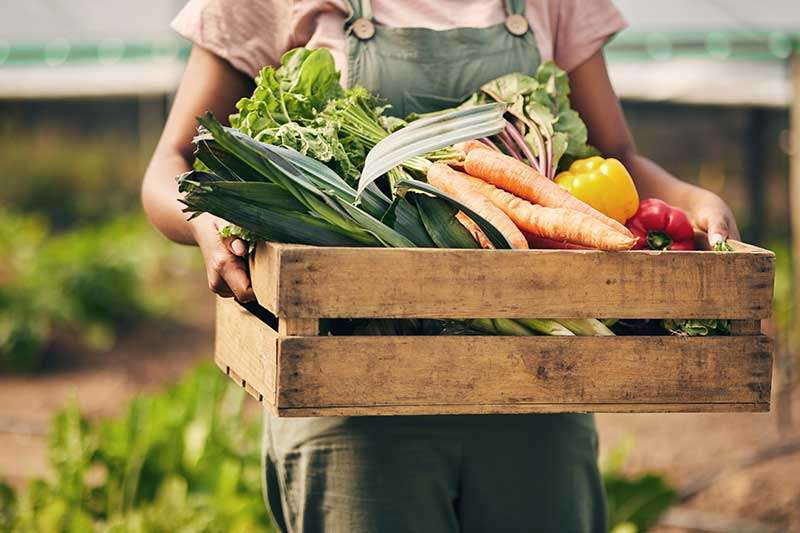
This report explains how wicking beds can help safeguard future food supply by saving water, improving soil quality, using nutrients more effectively, and embedding atmospheric carbon into soil. It also shows an unexpected benefit: linked wicking beds can act as drainage in flood conditions, helping crops survive long waterlogging. The main challenge has been cost and labour, so the trials focus on low-cost, large-scale installation methods suited to farmers and orchards.
Wicking beds have multiple benefits: they grow crops with limited water, improve soil quality, make better use of nutrients, and have the potential to absorb large volumes of atmospheric carbon. They also have significant potential to both reduce climate change and help growers adapt to the flood–drought cycle that is expected to increase with climate change. The major downside to date is that wicking beds are labour intensive to construct, which has largely limited adoption to environmentally sensitive growers operating on a small scale. The aim of this project was to develop a way of installing wicking beds cheaply and easily on a large scale by converting an existing orchard into multiple linked beds. Because pipes are one of the major costs, alternative low-cost flow paths were trialled using wood chips, bamboo, sticks covered with film, and bubble wrap. All systems were effective if slow fill rates were used, so final choice becomes a practical issue of cost, raw material availability, and ease of automation. Water-use efficiency has been well established, but long-term drought conditions ended with extensive flooding during these trials, preventing a clean productivity comparison. However, an unexpected and important benefit was observed: linked beds provided drainage that reduced long waterlogging of roots, helping plants survive conditions that would normally destroy crops.
The world population continues to increase and is expected to rise toward nine billion within the next fifty years, placing greater pressure on food production resources. Historically, agriculture in developed countries has steadily improved efficiency by roughly 2% to 3% per year, which has more than compensated for population growth in the past. Climate change alters that equation. The expected increase in the flood-and-drought cycle will require farmers to adapt to more violent and less predictable weather. Australia provides a clear example: years of drought reduced food production; then drought-breaking rains produced some of the best crops in years, only for many to be destroyed by floods and heavy rains. This shows that flooding can be as devastating as drought. Food production is therefore the critical issue in climate change. Wicking beds can both reduce atmospheric carbon levels and help growers maintain food production through more violent flood-and-drought cycles, but to be effective they must be adopted at scale, which means making the technology cheaper and easier to implement. This document is a provisional report of trials aimed at low-cost, wide-scale application.
Wicking bed technology was developed over ten years earlier to solve a specific problem: lack of rain during the critical period when seed heads fill. The basic concept is an underground water reservoir lined with plastic sheet that fills with water and wicks upward into the root zone above. A second generation placed waste organic material into the reservoir, so it slowly decomposed and plants fed on a nutrient-rich compost tea. A third generation added inoculants of fungi and worms, coupled with nitrogen to control decomposition, further improving soil quality and production. These steps made it clear that wicking beds are also an effective way of embedding large volumes of atmospheric carbon into soil. Plants already absorb many times man-made emissions, but most of that carbon is rapidly returned to the atmosphere; controlled decomposition inside wicking beds embeds carbon into soil, providing a practical pathway for reducing atmospheric carbon while building fertility. The technology is widely adopted by environmentally sensitive growers but mainly on a small scale. Widespread adoption requires solving two key problems: developing low-cost large-area application and achieving acceptance for carbon trading so growers can be paid for absorbing carbon. The report notes the scale this could reach: for example, China could theoretically offset its entire emissions if about 17 million hectares were converted, around one third of China’s irrigated farmland, and widespread adoption by developing countries could create large volumes of carbon credits traded into emitter nations.
The aim of the research is to find a method of applying wicking beds to large areas at an economic price and to establish a mechanism for carbon trading involving millions of small growers worldwide. Low cost plus carbon-trading revenue would make it economic for farmers currently using flood irrigation to upgrade. This matters because flood irrigation is one of the largest users, and wasters, of water globally.
Several options exist for large-scale application. Multiple beds can be linked together using beds along the contour, with interconnecting lines down the slope. Automation is needed to create beds at scale. The most promising approach described is a simple rotating wheel attached to a tractor’s three-point linkage that digs a trench along the contour, lays plastic film, places low-cost flow channels (bored bamboo or sticks), covers them with a narrow plastic strip as a dirt shield, fills the trench with organic waste, then grades the surface. A second set of trenches down the slope can be lined with pipe (plastic or bamboo) and shaped with a small hump to divert flow into the contour trenches. Another possibility is ploughing bubble wrap into soil with a modified pipe layer. A major advantage, beyond irrigation, is the drainage component during flooding.
Trials were carried out at Kookaburra Park Eco Village near Gin Gin, close to Bundaberg in Queensland, a region nominally classified as the dry subtropics. Traditional wicking beds had been built previously, typically single beds up to 20 metres long and 1.5 metres wide, which is convenient for vegetables and access. A 90 mm stormwater pipe is commonly used to distribute water along a bed. It is highly effective, but pipe cost (noted at around $4 per metre) becomes uneconomic at large scale, so alternatives were explored.
Several alternatives to plastic pipe were trialled. Hollowed bamboo covered with PE film performed very well but is not readily available in Australia. Random sticks (prunings) about 0.5 m long, covered with PE film, provided an irregular but still effective flow path, although collecting and laying them is time consuming. Folded bubble wrap (allowing flow between bubbles) had lower flow rates but was better suited to automation. Sticks laid onto bubble wrap with the wrap folded over the sticks gave very efficient water transport and required only a few sticks. Open fills such as wood chips were also tried alone or in combination.
A core goal was to link many beds so multiple beds could be irrigated simultaneously at an economic scale. The concept used was an area around half a hectare per system, such as linked beds 50 m wide over 100 m long. An existing orchard was used, containing mature citrus (grapefruit, orange, lemon) and younger mango, lychee, and other subtropical fruits. Ideally, beds sit along contour lines, but the existing trees were not perfectly on contour and bed lengths varied, reflecting the real-world constraints likely in practice. The approach began by digging contour channels with minimal slope (similar to furrow irrigation but essentially level) and connecting them using slope channels down the incline. A simple earth hump (plug) was used to partially block the slope channel below each junction so water would hit the hump, fill the contour channel, then overflow the hump and continue down the slope to the next contour. During a period when work paused due to surgery, the system operated as contour furrows and performed well largely because the heavy black clay was impermeable; in more porous soils, infiltration losses would be much higher. A flow rate of 20 litres per minute was used to fill channels in the clay. After recovery, channels were converted to wicking beds by lining them with plastic film. Practical constraints meant channels were not perfectly shaped and a “perfect fit” film approach proved impractical. A workable method was adopted: cutting film wider than required, placing the flow material, partially filling with organic matter, filling with water, then “crunching” excess film down to level by foot. This is crude but effective under constraints. Slope channels were converted to pipe using 50 mm corrugated pipe, with inlet and outlet arranged to match the wicking bed plastic level and seal against film near the earth hump.
The original plan was to test hydraulics and then monitor plant growth and productivity. However, the trials moved from the normal dry season into heavy rains, with frequent storms over 200 mm in a day. This revealed that the linked wicking beds provided excellent drainage after floods. While 200 mm in a day creates sheet flooding that no system can instantly remove, many plants can tolerate short immersion if water drains away quickly. Long immersion kills most plants, so post-flood drainage can be the difference between survival and loss. High-flow stick systems transported water at far higher rates than the initial 20 L/min, allowing contour channels to fill and then divert full flow to the slope overflow pipe. Bamboo performed even better but is scarce locally. Bubble wrap and wood chip channels had greater resistance and could not handle 20 L/min; water overflowed to slope pipes before contour channels filled, and the small head feeding the 50 mm pipe was inadequate, causing overflow. Reducing inlet flow to 5 L/min solved overflow and allowed low-flow channels to fill properly. One channel filled with wood chips without a PE liner failed at low flow because leakage was too high; the basic flood irrigation principle of “get water on fast before it soaks away” is incompatible with unlined channels at low flow. A channel using bubble wrap (folded as a flow path) backfilled with virgin soil worked well and is attractive because it can be automated using a modified pipe layer, although it does not directly leverage organic material to improve soil and embed carbon; other methods may apply organics separately. Traditional open furrows proved problematic for weed control machinery, so they were converted to organic-filled wicking beds.
Wicking beds can be closed or open. In a closed system, plants grow in the bed and have easy water access, but the system suits shallow-rooted plants such as vegetables. In an open system, deeper rooted plants grow beside the wicking bed; water wicks upward and then moves sideways and down to the root zone. These trials mainly used open wicking beds. One bed used a combination approach: a wider bed (about 1.5 m) growing vegetables with fruit trees growing just outside; this improved land use and proved successful. Most other beds were narrower (about 0.5 m) and used purely for irrigating trees. A cover crop was also grown in and around beds for weed control, which is critical in hot dry subtropical climates where periodic heavy rains encourage weeds and insects. Aggressive cover crops (creeping grasses or legumes) outcompete weeds and improve soil quality. The report also notes another benefit: while surface tension in wicking action is relatively weak and depends on pore size and soil chemistry, plants generate much stronger forces through transpiration. As water evaporates from leaves, it pulls water upward through capillary chains; these forces are strong enough to lift water many metres. At night the driving energy stops and water can flow back down through easier paths, creating a diurnal cycle that can move meaningful quantities of water over distance and between plants.
Several practical options emerge. The simplest is to line a channel and fill it with waste organic material. This reduces flow, limiting bed length and requiring more slope lines. The most cost-effective system, where cheap labour and abundant prunings or bamboo exist, is a liner with bamboo or sticks covered with film, giving excellent flow characteristics. Bubble wrap systems are the easiest to automate over large areas.
In an ideal world, wicking beds could absorb emissions through international trading, with developing countries absorbing carbon and selling offsets to developed nations. This is technically and socially attractive: it helps solve emissions and improves balance between rich and poor. However, there is a second scenario: no international agreement, leaving growers to adapt to climate change, particularly an intensified flood-and-drought cycle. The Gin Gin region already experiences erratic rainfall and high evaporation, with long dry stretches and small showers that evaporate without penetrating soil. Useful rain often arrives as “freak rain,” commonly the tail end of cyclones producing around 200 mm in a day over a few days, followed by blue skies and high evaporation. Growers adapt using swales on contour lines to slow and capture water; trees are often planted on ridges to avoid waterlogging in heavy soils so plants keep some roots dry and recover after floods. Farmers are opportunistic, growing when conditions are good and leaving land fallow in drought. Dams, leaky dams, swales, spillways, and deep-rooted grasses are used to store water, slow runoff, recharge water tables, and reduce erosion. These approaches can manage a normal flood–drought cycle reasonably well.
The year of the trials was not normal. A severe drought had lasted around ten years, among the longest on record. Local dam systems that cope with several-year droughts were inadequate for drought of that length. Drought usually breaks with a major storm and short flooding that fills dams. But the pattern experienced was different: a long drought followed by a series of severe storms, with heavy rain even between storms. This meant ground stayed continuously saturated for long periods. In some locations, where drainage was inadequate, plants died from continuous immersion. There is little you can do to protect against 200 mm per day sheet flooding, but what matters is how quickly water drains away afterwards. The wicking bed areas drained in about ten hours, while other areas remained flooded for days. Excessive rains were disastrous: some of the best crops in years were ruined after farmers had already paid costs for seed, fuel, and fertiliser. Wet ground made machinery access difficult, weeds exploded, and high humidity created major problems with rusts, fungi, and rots. Vegetables bolted rapidly and became unusable. These are the kinds of new problems growers may face as climate change intensifies. Wicking beds were developed to grow crops with limited water, but the accidental discovery of strong drainage capability may prove equally important for adapting to the flood-and-drought cycle.
Climate change and increased flood-and-drought cycles present a severe threat to future food production. Wicking beds have the potential to mitigate climate change by embedding large volumes of carbon into soil, but doing this at scale depends on international agreement and the ability to provide independent scientific evidence to negotiators. If there is no effective international accord on atmospheric carbon, agriculture will still have to adapt to harsher cycles. Wicking beds use less water, can store water for short periods, and now appear to offer meaningful drainage capability, providing a way to adapt to adverse conditions. The report suggests that previous limitations of large-scale installation cost can be overcome. A twin research approach is required: scientific data on carbon absorbed and continued refinement of low-cost, large-scale application technology. If these objectives are met, the system may contribute to what has been described as the greatest moral challenge of our age.
Download ‘Safeguarding Future Food Supply with Wicking Bed Technology’ (full PDF)

This site exists because I believe we have a responsibility to future generations to rethink how we use soil, water, and food systems. Modern wealth has been built on short-term thinking that ignores long-term environmental costs. Through wicking beds, soil regeneration, and practical innovation, I aim to share ideas that improve nutrition, restore soil, and store carbon. These are not commercial ventures but tools to help people grow healthy food and build resilience in a changing world.
I recently received an email from Marianne Kambouridis in Ballarat, telling me about the work she is doing on sustainability in her school. That email gave me the nudge I needed to finally write down what I believe, what I am trying to achieve, and how others can support these aims.
This site has grown over time, and people arrive here for many different reasons. Some are curious about wicking beds. Some are interested in soil, water, or climate. Others simply want practical ways to grow food. It is worth explaining why this site exists at all.
I suffer from what I jokingly call grandfather’s syndrome. Instead of spending my remaining years enjoying myself in the way sensible people might, I find myself thinking about the world my grandchildren will inherit, and in turn the world their grandchildren will inherit.
The global population is currently around seven billion people. By the time my grandchildren reach maturity it will be closer to nine billion. More importantly, lifestyles will change. Today most people live modestly in developing countries. In my grandchildren’s lifetime, many of these people will enjoy greater wealth and purchasing power than those of us currently living in the affluent West.
This is not necessarily a bad thing. Rising living standards are something to celebrate. But they come at a cost, particularly if they follow the same resource-intensive path that wealthy nations have taken.
Our capitalist system has been extraordinarily effective at creating wealth. However, it is also very effective at ignoring long-term consequences. Profit is measured over quarters and years, while damage to soil, water, and ecosystems accumulates over decades and centuries.
The natural environment is not an externality. It provides our food, clothing, shelter, and quality of life. It also provides something less tangible but equally important: the ability to enjoy the natural world itself.
When these systems are degraded, the costs eventually return to society in the form of health problems, food insecurity, and environmental instability.
It is easy to feel powerless. Wars, political conflict, and global inequality are largely beyond the influence of individuals. I cannot solve those problems, and neither can you.
What I can do is work in areas where I have experience. I am an engineer. I spent many years working in science, technology, and innovation. I understand how innovation happens, how ideas are tested, and why most fail before a few succeed.
I am no longer interested in innovation for profit. But I have always been interested in growing plants, and in the essential roles that soil and water play in sustaining life.
Growing food has always felt normal to me. Perhaps that comes from my childhood experiences. When I was young, food security was not something to take for granted. I learned early that soil and water matter, and that without them everything else becomes irrelevant.
That understanding has stayed with me throughout my life, even while my professional work took me into other fields.
Over several decades I have worked on ways to regenerate degraded soils and use water more effectively. These are not abstract ideas. They are practical technologies developed through experimentation, failure, and refinement.
Wicking beds were one of the outcomes of this work. More recently, BioPacks were developed to address the deeper issue of soil biology and trace minerals.
These developments are not hobbies in the sense of idle pastimes. They cost money rather than making it, at least for me. But they are intended to have a wider benefit by improving food quality, water efficiency, and soil health.
In my lifetime our capacity to produce goods has increased beyond anything I could have imagined as a child. Science, technology, and capitalism together have delivered unprecedented material wealth.
We are now watching this same system spread rapidly through developing countries. Living standards are rising, and rightly so. But this expansion places extraordinary pressure on the natural systems that support us all.
Western governments often behave as if the profit motive alone will solve environmental problems, provided they adjust financial levers from a distance. The ongoing economic difficulties in Europe and the United States suggest there are limits to this approach.
Whatever your politics, it is difficult to deny that China’s more pragmatic interaction between government and the private sector has delivered different outcomes.
Soil carbon is the second-largest carbon sink on the planet, after the oceans. Properly managed soils could absorb decades of human-made emissions.
This would buy time for the development of new energy technologies while simultaneously improving food security. I have written extensively about this in my books on resolving climate change.
This will not happen automatically. It requires deliberate action and government involvement. Soil regeneration is not something markets naturally reward in the short term.
Because of my grandfather’s syndrome, I believe that soil and water technologies can play a meaningful role in creating a better future. That belief is what keeps me running this site, publishing newsletters, writing articles, and engaging in what is often frustrating dialogue with governments.
You can help by sharing these ideas, talking to friends, and using the reach of the internet to spread information.
I believe everyone has a right to a healthy diet. I do not believe in making money from people who lack the resources to feed themselves properly.
Any technology or information I develop is made freely available, without expectation of payment, to those who need it most.
From time to time I write booklets or articles and invite those who are financially comfortable to make a small contribution. This helps cover research and education costs. It will never make me rich, but it does make the work sustainable.
I am also human. Knowing that people value this work provides encouragement, especially when dealing with institutional resistance and slow-moving policy environments.
Many people visit this site simply to learn how to build a wicking bed. That can be remarkably simple: an old vegetable box, a drain hole, a pipe, and soil.
But this site is about more than instructions. It is about innovation itself.
Animals can be intelligent, but humans are unique in our ability to create new ideas and pass them on. Innovation is cumulative. Each generation builds on the insights of the last.
Innovation means questioning assumptions. When I first began experimenting with wicking beds, the accepted wisdom was that drainage was essential and that stagnant water would make the soil putrid.
That wisdom turned out to be wrong. Properly managed wicking beds breathe. Rising and falling water levels draw air into the soil and expel stale gases.
Most innovation fails. I have experienced both success and failure. My work in computer simulation was successful and funded later projects.
Other ideas, such as subsurface irrigation systems and soil aeration pipes, were technically sound but too complex for widespread adoption. They were not wasted efforts. Each failure provided insights that led to simpler, more robust solutions.
Wicking beds succeeded partly because they can be built cheaply from scrap materials. I remain delighted by stories of people repurposing old bathtubs and growing abundant food.
However, I worry that the deeper value of wicking beds is being overlooked. They are often treated as self-watering pots rather than as systems that create ideal conditions for soil biology.
When combined with mineral-rich inputs and healthy microbial life, wicking beds support plants that produce complex phytochemicals essential for human health.
Fresh, nutrient-dense vegetables and herbs are more effective than dietary supplements, and far cheaper.
More than half the world’s population now lives in cities. Wicking beds are well suited to urban life, fitting onto balconies and verandas.
They provide modest but critical amounts of high-quality food, recycle food scraps, and reconnect people with natural processes that modern life often obscures.
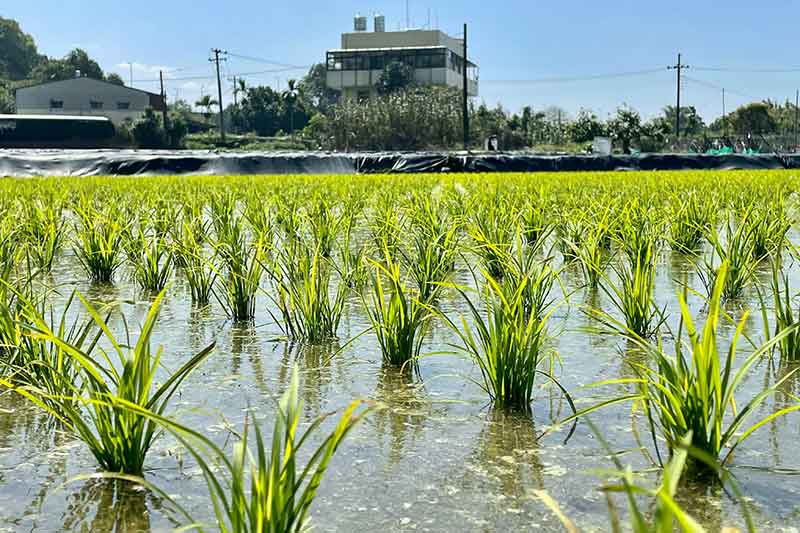
Anticipatory irrigation is a practical, common-sense approach to watering crops more efficiently by working with rainfall, soil behaviour, and evaporation rather than against them. Instead of reacting too late or overwatering, this method focuses on getting water deep into the soil when conditions are right. The result is better use of small rainfalls, lower evaporation losses, healthier plants, and far more reliable irrigation scheduling using simple measurements and feedback.
Anticipatory irrigation is a simple method designed to achieve two main goals at the same time: making use of smaller rainfall events and minimising evaporation losses.
The basic aim is to get water deep into the soil profile where it is protected from evaporation and available to plant roots over a longer period.
Just as there is a threshold level for runoff in dams, there is also a threshold amount of irrigation
water that must be applied before water penetrates into the deeper layers of soil.
The surface soil always has an insulating crust. This crust must be wetted out first, and all the water used to wet this surface layer will usually be lost to evaporation within a few hours.
Experienced irrigators know that enough water must be applied to fill the soil profile. Doing this extends the time between irrigations and reduces the repeated losses associated with wetting the surface again and again.
What is less obvious is that the best time to irrigate is often just after a rainfall event. When rain has already wetted the soil surface, a much smaller volume of irrigation water is needed to push moisture deeper into the soil profile.
In this way, even small rainfalls become useful. Instead of evaporating quickly, they act as the first stage of filling the soil, allowing irrigation to complete the job efficiently.
There are times when rain is expected, but plants need water immediately. In these cases, the goal is not to fill the entire soil profile, but simply to apply enough water to meet short-term plant needs.
At other times, extreme heat may be forecast. In these conditions, it can be far better to irrigate ahead of time rather than irrigate during peak heat when evaporation losses are highest.
All of this sounds like common sense, and it is. However, applying it consistently requires knowing how much water is needed to fill the soil profile.
Soil moisture probes are widely used to measure moisture levels, but they have two major limitations.
First, they only measure moisture content in the immediate area around the probe. Moisture varies widely throughout the root zone, so readings can change significantly depending on where the probe is placed. Experts attempt to position probes in an “average” location, but in practice this is far more difficult than it sounds.
A more serious issue is knowing how much of the root zone has actually been wetted. Irrigation systems never apply water uniformly. Only part of the root zone is wetted at any one time.
This makes it extremely difficult to calculate total soil water content from a few sample points.
This leaves us with what appears to be an impossible challenge: how do we calculate the total amount of water in the soil using only a small number of measurements?
The solution turns out to be surprisingly simple. Consider a jar filled with stones that is already partially filled with water. The problem of soil water measurement is exactly the same as this jar.
A water expert might be tempted to use probes, estimate the water between the stones, and calculate how much more water is needed to fill the jar.
The real solution is almost childlike: simply measure how much water is required to fill the jar. That measurement tells you exactly how much water was missing.
We apply the same idea to irrigation scheduling. First, we fill the soil profile and use soil moisture probes
to confirm when the profile is full. More specifically, we determine how much water must be applied
for moisture to reach the bottom of the root zone. We do not need to know how much water is in the soil at that point; we simply define that condition as “full”.
Next, we allow the plants to use some water. Again, we may not know exactly how much water they have used. But we can measure it indirectly by refilling the soil profile.
There is one practical difficulty. It can take a long time for water to soak down to the base of the root zone. We cannot simply keep applying water until the profile is full, as this would introduce large errors.
The solution is to make an initial estimate. We guess how much water has been used by estimating a crop factor and multiplying it by evaporation. We then apply that estimated amount of water.
We do not even need to start with a full soil profile. We begin with a guessed crop factor, apply the estimated water, and measure the irrigation depth. We then adjust the crop factor until, after applying the estimated water, the profile is again full. Once this is done, we know at any point how much water is needed to fill or partially fill the profile simply by looking at evaporation data.
Guessing alone would be inefficient, but the process becomes very effective when combined with a mathematical technique known as a predictor–corrector method.
This method is built into a simple software program that continually refines estimates based on measured results.
To manage irrigation effectively, we need to know two things: how much water plants are using, and the maximum allowable deficit in the soil.
These values are site-specific and must be learned through monitoring.
We cannot measure these values directly, but we can learn them over time by observing how the soil and plants respond. We start by making cautious estimates of crop factor and allowable deficit.
Evaporation is measured, and the current deficit is estimated using evaporation and the current crop factor. This is compared with the allowable deficit to decide whether irrigation is needed.
After irrigation, soil moisture or irrigation depth is measured once water levels have stabilised. This information is then used to adjust the crop factor.
When the crop factor becomes stable, the onset of plant stress can be observed to determine the allowable deficit.
Anticipatory irrigation avoids the trap of chasing exact soil moisture values. Instead, it focuses on refill amounts, timing, and feedback. The result is better use of rainfall, lower evaporation losses, healthier plants, and more reliable irrigation decisions.
[vdo id=”c104d4c69c4a45848f145463a1d6d5a7″]
Anticipatory irrigation combines practical observation with simple measurement and feedback. It recognises that timing matters as much as volume.
By filling the soil profile efficiently and adjusting decisions based on real outcomes, growers can reduce water waste, make better use of rainfall, and irrigate with confidence rather than guesswork.
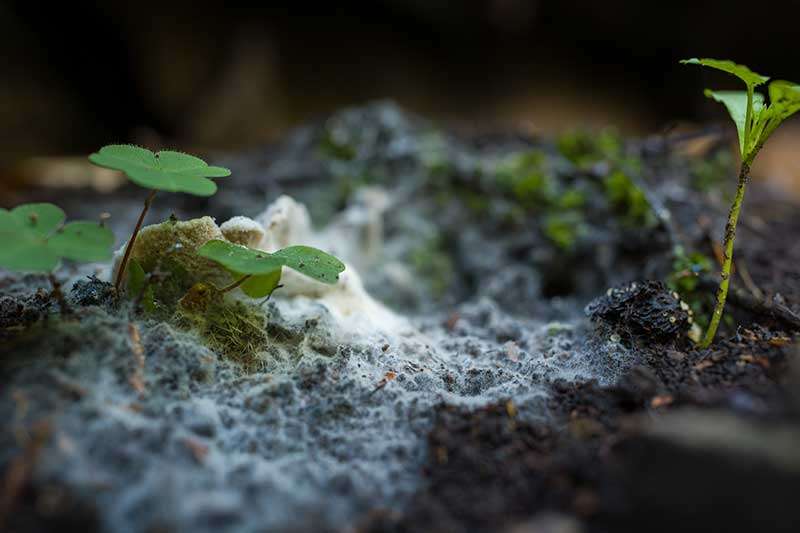
Soil BioPacks were created to make soil biology practical for ordinary growers—so we can grow vegetables that are not just “big and green”, but genuinely nutrient-rich. This article tells the behind-the-scenes story: the delays, the lessons, and the hard realities of working with living systems. If you want tidy beds, chemical quick-fixes, and zero weeds, this is not for you. But if you want minerals, biology, and better food, read on.
At long last, Soil BioPacks became available. From the outside they look simple—just a box of soil—but that simplicity hides a lot of learning.
Developing BioPacks was not as straightforward as it looked at first. It was a challenge, but also educational, so this is the story—warts and all.
Before you even think about buying a Soil BioPack, you need to decide whether growing with soil biology is really for you. Most of the world’s food is produced through chemically based monoculture. In one sense it is efficient: it produces food in bulk at low cost. The negatives are less obvious until you look closely—food can be short of trace minerals that matter for health, and produce is often picked before it is ripe, so plants do not have time to build many of the phytochemicals that help keep us well.
Organic farming recognised the dangers of excessive chemical use, but too often the emphasis has been on “avoiding toxins” rather than on the positive goal: improving health by improving the nutrient content of food.
Growing based on soil biology aims to increase mineral content and the important phytochemicals needed for health by relying on living soil to do its job: fungi, bacteria, worms, and the rest of the ecosystem release minerals that are otherwise locked up, and plants can ripen naturally and be eaten soon after harvest. The principles are good—but there are serious practical issues that must be stated up front.
First: soil biology—especially the critical mycorrhizal fungi—is delicate. It is easily damaged by working the soil. These fungi are living creatures that need looking after. It is not simply “sprinkle a little powder and everything is solved”. A certain area must be protected as a permanent refuge for the biology, and disturbance has to be minimised.
Second: soil biology is a working ecosystem. That means abandoning the neat, clean soil and perfectly organised beds many growers take pride in. In a biological system, crops are often grown alongside host plants that support the biology. The right hosts should not compete with your crops, and may even assist growth. But if you are a “tidiness freak”, growing with soil biology is not for you.
Third: a multi-culture system with highly fertile soil is a natural magnet for weeds.
The usual herbicides used to control weeds can quickly destroy soil biology. This approach does not lend itself to mechanisation, so you may end up swapping “no-till energy savings” for hand weeding. In practice, hand weeding can become one of the biggest ongoing costs—whether the cost is time, money, or both.
Once upon a time—about forty years ago—I watched red clouds of soil spreading across the sky. Millions of tonnes of topsoil were being lost in dust storms. That sort of sight changes you. It makes you realise how thin the living layer really is, and how quickly it can be destroyed.
For me, the BioPack idea sits inside a bigger question: if we keep treating soil like an inert medium—just something to hold roots upright—what happens to the food, and what happens to us?
The aim of the BioPacks is a controlled ecosystem where plants and soil biology work together, while competition from “the baddies” is minimised. Plants are not optional extras in this system—they are the engine. Their photosynthesis provides the energy and carbon (in sugars) that powers the whole ecosystem. You cannot have an ecosystem without plants: they bring in energy from sunlight and carbon from the atmosphere.
At one stage I thought I just needed one ideal host plant—something that would host fungi and other biology, grow alongside crops, and spread in a manageable way without being invasive.
I thought I had hit the jackpot with Gota Kola. It seemed to fit the requirements, and it has another advantage: it can form a living green ground cover around vegetables.
Many people like clean bare soil (or mulch) around their plants. I don’t like bare soil. Even mulch can feel like “wasted sunlight” to me. I prefer green mulch that uses sunshine to feed the soil. If soil biology needs feeding, the energy ultimately comes from plant photosynthesis—so why leave sunlight unused?
Gota Kola seemed ideal because it was not too aggressive: it could give ground cover without outcompeting other plants. That was the theory. In practice, I ran into a problem: I had real trouble growing Gota Kola in isolation, which was the original plan for the BioPacks.
I don’t fully understand the mechanism, but it seemed to need other plants nearby to grow well. In mixed plantings it could thrive—tomatoes growing happily in a clump of Gota Kola—but in “pure” plantings it struggled.
In a perverse way, failing to grow Gota Kola “cleanly” was a success. It forced a learning experience: nature is not built around one magic plant that does everything perfectly. In the real world, Gota Kola often grows in combination with other plants—grasses and weeds included.
That failure shifted the direction of the BioPacks. Instead of hunting for one perfect mother plant for the biology, I began to accept what nature keeps demonstrating: combinations matter, and synergistic plant communities can outperform single-species thinking.
I have always been an advocate of companion planting, even when the “why” was not always clear.
The BioPack work made the reason more obvious: different plants contribute different root structures, sugars, exudates, and micro-habitats. The biology responds to that diversity.
The challenge becomes selecting a combination of plants that work together—supporting fungi and microbes—without becoming weeds in their own right.
This may be too much of a simplification for some horticulturists, but I tend to think of plants as having either tap roots or mat (fibrous) roots. Gota Kola is a tap-root plant, and my hunch is that it benefits from having a fibrous-root companion nearby.
If you want to go deeper into root behaviour, “Roots Demystified” by Robert Kourik is a worthwhile read.
Any productive biological system attracts competition—pests, weeds, and soil problems that enjoy the same fertile conditions you are trying to create. This is why “controlled ecosystem” matters. The BioPack approach is not about building a wild jungle you can’t manage. It is about building a living system you can keep stable and productive.
Even if you start with biologically active soil, it may not be enough—especially in worked soils.
So the BioPack method uses both existing soil life and specialist inputs to build a working ecosystem:
mycorrhizal fungi, rhizobium bacteria, compost biology, and worms.
Mycorrhizal fungi are often the most deficient in worked soils because they are easily damaged.
They can also be the hardest part of soil biology to build up—yet they play one of the most crucial roles.
That is why they are a central plank of the BioPacks.
The approach has been to improve natural mycorrhizae in the soil and combine that with commercially available spores. The spores are introduced by dosing roots directly, then reinforcing the inoculation by pouring spore-containing water into holes leading down to the root zone. This continues until the fungi have clearly “taken”.
BioPacks are then cut from the bed in a way that disturbs only a small portion, so the plants and fungi can regenerate for the next batch. While the system matures, extra spores may also be added to individual BioPacks before distribution—a belt-and-braces approach.
There is a basic law in plant nutrition called the law of the minimum: plant growth is restricted by the component in shortest supply, regardless of how much of everything else you add.
Modern fertiliser technology means plants are rarely limited by a shortage of N, P, and K. This has shifted attention onto secondary nutrients—but there is another reality: humans require a much wider range of nutrients, particularly trace elements, than plants do.
Commercially it is perfectly possible to produce great-looking vegetables that sell well, yet still fail to provide the minerals and complex chemistry—vitamins and phytochemicals—needed for human health. That is why trace elements and minerals are added into the BioPacks.
Two choices exist for mineral supply: cheap rock dust from a quarry, or custom blended mineral packs.
The blended packs cost more, but were selected because they have better structure and defined content.
Growers can still choose to add extra minerals into their beds via quarry dust or trace element packs, depending on their goals and budget.
Properly prepared compost is the most practical method of increasing microbial action in soil.
Quality matters. Compost made with careful management of biology—and supported with inputs like seaweed products—can be excellent for encouraging biological activity.
Commercial “compost accelerators” can add concentrated bacteria, but if you are already using high-quality compost with well-managed biology, extra accelerators may not be necessary.
Worms play a critical role in improving soil texture and—just as importantly—distributing biology.
Bacteria breed fast, but they don’t have legs. Without larger mobile creatures, biology can remain stuck in one area. Fungi spread more slowly as they grow outward through soil.
Worm eggs are more reliable in transport than live worms, even though they take a few months to mature and begin breeding. The BioPack approach uses a blend of worms: traditional composting worms that tend to remain in one area, and larger highly mobile worms that act as excellent carriers of soil biology.
One of the unexpected issues in developing BioPacks was postage. The original plan was smaller packs to keep postage cheap—after all, these are inoculants. But here was another learning experience: there is a minimum size for a viable ecosystem.
The pack size was upgraded to a 152 mm cube which, with some vermiculite, can be kept within the 3 kg limit. Posting fully grown plants with foliage turned out to be impractical. The contents get shaken and mixed in transit—sometimes it feels as if Australia Post has a special vibrating machine for the job.
The practical solution has been to trim plants to the top of the box and pack the remaining foliage in vermiculite so the box is tight and stable. This can disappoint people who have seen pictures of BioPacks in full foliage, because the box may arrive with no visible plants. But with water and sun, plants quickly refoliate.
At the time of writing, BioPacks were being shipped directly to customers. The pricing model described was $28 per BioPack, plus $15 postage, plus an extra $3 for each additional BioPack. Payment options included direct transfer (with account details after order confirmation) or PayPal.
Distribution through coaches was seen as an ideal pathway, because customers could see the ecosystem at work. Better still, coaches could incorporate a Soil BioPack into completed wicking beds offered for sale, so the buyer receives a system that begins with biology, not just a box of dirt.
The technical details—fungi, minerals, compost, worms, packaging—matter. But they should not distract from the main objective: growing systems that help ordinary people produce genuinely nutrient-rich vegetables, by rebuilding soil biology rather than trying to replace nature with quick chemistry.
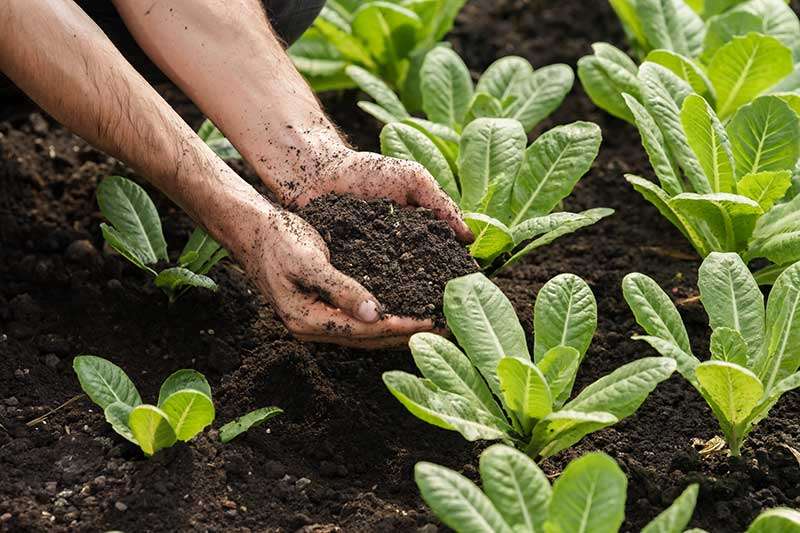
Gardening Australia recently showed how to build self-watering containers and asked people to focus on water saving. Colin Austin agrees the design works, but says it risks missing the real benefit of wicking beds: improved nutrition. Modern farming produces cheap, good-looking food, yet often strips soils of minerals and trace elements essential for human health. Wicking beds can help by making it easy for anyone to grow nutrient-dense vegetables using mineral-rich living soil, strong biology, and proper “breathing” to prevent stagnant, smelly reservoirs.
Recently Gardening Australia ran a segment on how to make self-watering containers and people have asked me what I think.
For a start let me say that I am delighted that such a well watched program as Gardening Australia is giving prominence to wicking beds — it is very satisfying to see how rapidly they are spreading. There is no doubt that technically the system promoted — using stones covered with a cloth — does work. It extends the time between watering and it does save water.
But my question is: does focusing on water saving mean that we are really missing the key point? I, more than most, must be sensitive to water saving, but there is a much bigger issue.
Modern agriculture is very efficient and produces a lot of food very cheaply, but ongoing crops take the goodness out of the soil. Farmers are very good at knowing how much fertiliser to apply to renew their soil to produce good looking plants, but while the plants may look healthy they may not contain the critical ingredients which are important for our health.
For example, plants have no need whatever for trace elements like iodine and selenium, but they are essential for us. Selenium is believed to play a critical role in our DNA correctly reproducing our cells. The amount needed may be very small but they are critical. The excess of calories but lack of nutrition in our food is causing major health problems around the world — obesity, diabetes and heart problems.
I have selected just one quote from the medical profession, in this case by Georgia Clark-Albert who is a diabetic specialist, but the theme is widespread.
“I remembered back to my graduate and undergraduate nutrition work, when the consensus was that if people were eating a healthy diet they didn’t need supplements. However, there have since been some changes to our diets:
• Fewer nutrients in our produce because of processing techniques.
• Faster-growing fruit doesn’t have time to develop nutrients.
• Monoculture farming practices leads to soil-mineral depletion.
• Selective breeding to increase crop yield leads to genetic dilution effect and declines in the content of protein and minerals.
• The average vegetable in today’s supermarket is five to 40 percent lower in minerals than those harvested 50 years ago.”
Wicking beds provide a solution by providing nutrient rich food. They can be very simple; it is dead easy to make effective wicking beds at virtually no cost.
Just take a polystyrene vegetable box, often free from supermarkets; put a pipe down to the base and a hole in the side, fill with soil and “hey presto” there is an effective wicking bed.
So simple that anyone can grow their own vegetables. Plants like Kang Kong and water cress will keep on growing with virtually no attention other than occasional watering and feeding.
Of course the key is in the soil. It must contain the necessary minerals — if the soil lacks minerals then so will the plants and so will our diet.
But it is not as simple as adding nutrients. Volcanic rocks provide an abundance of these essential trace minerals.
Soil biology is also needed to release the minerals and make them available to the plant.
Worms distribute nutrients, fungal spores and bacteria throughout the soil while at the same time making channels throughout the soil so it looks like Swiss cheese and holds much more water.
Soil biology needs feeding. Recycling waste food is a socially and environmentally effective way of feeding the soil biology which in turn increases our nutrient intake.
We need to start thinking of wicking beds as a mini eco system.
Plants and animals (that includes us humans) have evolved together in a mutually beneficial or symbiotic relationship. Plants provide us with vital nutrients and phytochemicals which are essential for our health. In return, animals distribute plant seeds far away from the host plants. Both animals and plants mutually benefit from this relationship.
We live in an era of astonishing technical development. Smart phones send terabytes of information around the world while genetics are breaking ground in improving health, but we still depend on balanced eco systems which have evolved over thousands of years to maintain our health. This concept of a mini eco system is the philosophy behind the development of BioPacks.
I would be more than happy to see Gardening Australia focus on the soils that go into wicking beds, as they are the critical issue.
However there are some technical issues with using stones in a separate water reservoir. I have had people complaining that the water in their wicking beds goes smelly and putrid.
It is important that the water is cycled so the liquid water level drops (there is still plenty of water for the plants held in the soil even when the reservoir is empty) and is then refilled.
This gives a breathing action to the soil, expelling stale air and sucking in fresh air.
Using living soil as the water reservoir rather than inert stones means the roots grow throughout the bed.
In particular they can go down to the base of the box and extract all the liquid water so it never goes stagnant.
I must admit I do like the visible drain hole which can be used as a sight gauge on the side of the box. This enables the water level to be adjusted by twisting the drain tube. Being able to see the water level reduces the temptation to keep on topping up with more water, which is the commonest cause of failure with wicking beds.
Some people argue that stones will hold more water than soil, and there is some truth in this.
Stones will typically have a pore space of about 30%. The pore space in the soil will depend on the state of the soil, but may only be 20% in a poor soil.
But if the water holding capacity is an issue — for example if the boxes are going to be left for some time between watering — then it is easy to increase the water holding capacity by laying pipes or some other container such as an old water bottle, in the base of the box.
These pipes do not contain any stones or soil so 100% of the space is available for water storage — much more efficient than using the pore space between stones as water storage.
A metre of 90mm storm water pipe will hold some 6 litres of water — the size of a small bucket — which together with the water in the soil gives a significant amount of stored water.
These issues about water storage are technical issues and should not draw attention away from the fact that wicking boxes, with the necessary soil, minerals and biology, enable anyone — including people with no gardening expertise or people living in an apartment — to improve their health by eating their own freshly grown vegetables.
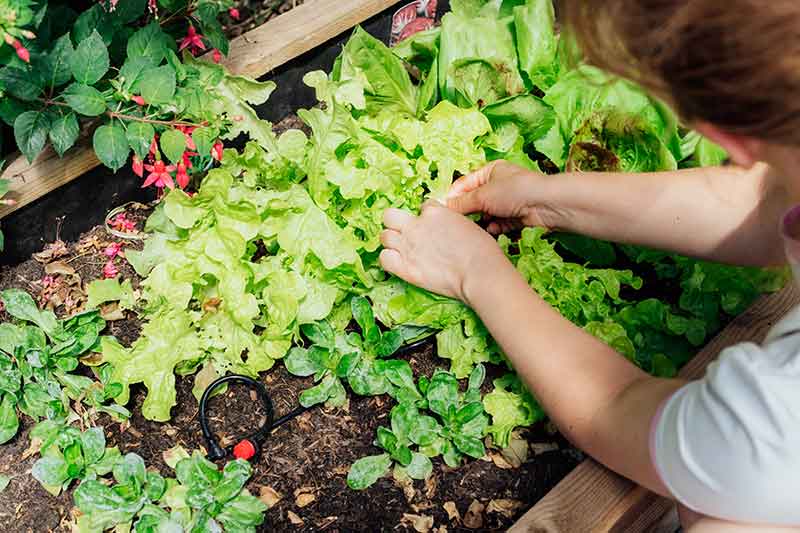
Wicking beds are often promoted as a convenient way to save water and reduce the effort required to grow vegetables. While this is true, it only scratches the surface. In this Shanghai talk, Colin Austin explains how modern wicking bed technology can help address a much deeper problem: diets that deliver abundant energy but lack essential minerals, vitamins, and phytochemicals. When the body senses these deficiencies, it can drive overeating. Growing fresh vegetables in mineral-rich, biologically active soils provides a practical way to restore balance.
Wicking beds are widely recognised as a clever gardening technique. The original idea was simple: place a waterproof layer beneath the soil so that water from rain or irrigation is trapped rather than draining away. This allowed crops to survive drought and reduced the loss of nutrients below the root zone.
This early form of wicking bed technology was developed mainly to provide basic food security in regions where water was scarce. It was a practical, low-tech solution that worked well, and it is no surprise that gardeners around the world quickly adopted it.
However, stopping at this point misses the real opportunity. Thinking of wicking beds purely as a labour-saving device is like thinking of the horse and cart as the ultimate form of transport. Modern wicking beds can play a much larger role, particularly in addressing some of the most serious health challenges facing modern societies.
Across much of the developed world, rates of obesity, diabetes, heart disease, and stroke have risen dramatically. Diabetes alone has become one of the largest costs to public health systems, consuming enormous resources while continuing to grow.
When I first visited mainland China after Deng Xiaoping opened the country to the world, two images stayed with me. The first was the vast number of bicycles filling the streets. The second was how slim and physically active people appeared. Food was simpler, transport involved daily physical effort, and lifestyles were less sedentary.
Over time, prosperity brought major changes. Bicycles were replaced by electric scooters and cars. Diets shifted toward processed foods rich in sugar, fats, and refined carbohydrates. China is now the country with the largest number of people living with diabetes—over 100 million. This mirrors patterns already seen in Australia, the United States, and Europe.
Modern agriculture is exceptionally good at producing energy. Crops such as rice, wheat, corn, and soy have been selectively bred to maximise yield. The Green Revolution transformed food production, allowing the world to generate enough calories to feed far more people than currently live on the planet.
In purely energetic terms, hunger should no longer exist. Where people remain underfed, the causes are usually political instability, conflict, or failures of distribution rather than a lack of food production.
Yet alongside this success lies a fundamental problem. While energy is abundant, many diets are deficient in essential minerals, trace elements, vitamins, omega-3 fats, and plant-based phytochemicals. These nutrients are critical to long-term health, yet they are often missing from modern food systems.
Anyone trying to understand diet and health quickly becomes overwhelmed. Medical professionals, researchers, diet authors, influencers, and supplement companies all promote different approaches. One diet claims fat is harmful; another claims sugar is the problem; another insists carbohydrates should be eliminated altogether.
Many of these diets produce short-term results, only to fail in the long run. People lose weight briefly, then regain it. This pattern is so common that it is often blamed on a lack of discipline or motivation.
The real problem is not willpower. It is a misunderstanding of how the human body works.
For a long time, nutrition research treated the human body as a simple engine. Put fuel in, get energy out. Reduce fuel, reduce weight. This approach assumes the body responds passively to food intake.
In reality, the body is an intelligent system. It produces neurochemicals—chemical signals from the gut to the brain—that constantly report on nutritional status. These signals influence hunger, appetite, cravings, and even mood.
When the body senses that essential nutrients are missing, it sends strong signals to eat more. These systems evolved over hundreds of thousands of years to protect survival, not to align with modern ideas of weight control.
For almost 200,000 years, humans lived as hunter-gatherers. Most of the diet came from wild plants grown in virgin soils rich in minerals and supported by complex soil biology. Animal protein was consumed when available but was not the dominant source of calories.
These foods were generally low in energy but high in nutrients. The body evolved to cope with scarcity of calories, not scarcity of minerals and vitamins.
Agriculture began only around 10,000 years ago, and industrial farming is far more recent. In evolutionary terms, these changes happened almost overnight. Our biology has not had time to adapt.
Plants require carbon, oxygen, and hydrogen from air and water, along with primary nutrients such as nitrogen, phosphorus, and potassium. They also need calcium, magnesium, sulphur, and small quantities of trace elements to function properly.
Humans, however, require additional elements such as selenium, iodine, chromium, and vanadium. Plants do not need these elements for growth, but they will absorb them if they are present in the soil.
Modern farming is highly optimised for yield. Farmers carefully apply nutrients that increase production, but they have little incentive to replace minerals that do not affect yield. Over decades of continuous cropping, these trace elements are slowly stripped from the soil.
Rising meat consumption is often blamed for modern disease, but the issue is more complex. Animals raised on mineral-poor feed produce mineral-poor meat.
Wild animals and traditionally grazed livestock consume diverse plants grown on unfarmed land. Their meat is often far more nutrient-dense. The problem is not meat itself, but the way food systems are managed.
When diets are rich in energy but poor in micronutrients, the body increases appetite. People respond by eating more of the same food, increasing calorie intake without correcting deficiencies.
This creates a powerful feedback loop. Diets fail because biological signals eventually overpower conscious restraint.
The United Nations Food and Agriculture Organization refers to this as “hidden hunger”: diets that provide enough calories but insufficient nutrients. Iron deficiency, iodine deficiency, and vitamin shortages remain widespread even in wealthy nations.
Supplements appear to offer a simple fix, but nutrition is not additive. Nutrients interact with each other, and absorption depends on food structure and biological context.
Taking isolated chemicals cannot replicate the complexity of real food. Supplements are expensive, incomplete, and often address symptoms rather than causes.
Plants contain thousands of phytochemicals that science is only beginning to understand. These compounds work together to support health in ways that cannot be reduced to single nutrients.
Health depends on diversity, complexity, and freshness.
Some plants and drugs claim to reduce appetite by tricking the body’s sensing systems. While this may suppress hunger, it does not address the underlying nutrient imbalance.
Fooling the body is not the same as nourishing it.
The modern food system provides abundant, affordable energy year-round. It would be unrealistic and undesirable to dismantle it.
The solution is to supplement it with fresh, nutrient-dense food.
Wicking beds make it easier to grow vegetables with minimal water and strong soil biology. In Australia, many households already use them successfully in backyards and community gardens.
They also provide social benefits, reconnecting people with food production and with each other.
Cities like Shanghai present unique challenges. Most residents live in apartments with limited growing space. However, balconies, rooftops, and shared areas can still produce meaningful quantities of nutrient-rich food.
A waterproof base stores water beneath the soil. Moisture moves upward through capillary action, keeping roots evenly supplied. Periodic changes in water level allow air to move through the soil, supporting root health and microbial activity.
Soil is the heart of the system. It must be porous, biologically active, and mineral-rich. Worms, fungi, and bacteria convert minerals into forms plants can absorb.
Using the right soil allows roots to fully explore the growing volume and eliminates the need for gravel layers.
For China, the goal is to allow families to grow enough nutrient-dense vegetables to balance energy-rich diets. Fast-growing leafy greens, climbing plants, and compact varieties maximise production in limited space.
Many plants can be harvested continuously by removing outer leaves. This “chop and chew” approach increases productivity and ensures a steady supply of fresh food.
Plants grown in removable baskets can be swapped at local stalls. Families receive living vegetables without waiting months for growth, matching strong cultural preferences for freshness.
Wicking beds are far more than a gardening convenience. They provide a practical response to the mismatch between modern diets and human biology.
Our bodies are intelligent systems shaped by evolution. When food lacks minerals, vitamins, and phytochemicals, appetite increases. The solution is not willpower or pills, but restoring nutrient density to food.
By combining wicking bed technology, mineral-rich soils, active biology, and thoughtful urban design, it is possible to supplement modern diets with living, nutrient-dense vegetables—even in dense cities like Shanghai.
Download ‘Wicking Beds and Modern Diets’ (full PDF)
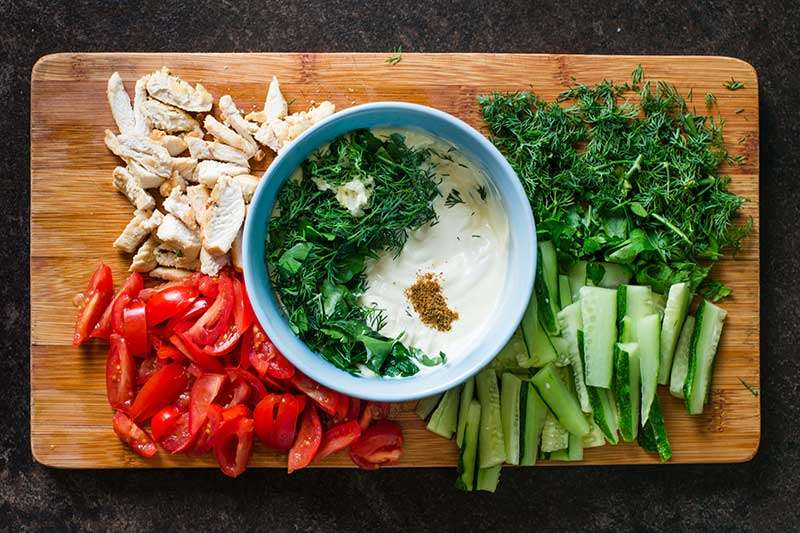
Our food system has become extremely good at producing calories. Advances in agriculture, the green revolution, and market forces can create a surplus of energy-rich food that looks abundant and affordable. The problem is that this same system often produces food that is short of critical nutrients—minerals, trace elements, vitamins, and the phytochemicals that plants naturally contain.
When we eat a diet that is high in energy but low in nutrients, we can end up eating more and more, yet still not feel properly satisfied. The result is not just weight gain, but the slow build-up of chronic disease: obesity, diabetes, heart disease, and strokes. This article explains the “Ying Yang food” idea and the Ying Yang Food system—why it exists, how it works, and how it connects growing methods with ethical distribution.
The core issue is simple: the modern diet can contain an excess of energy (fats, sugars, carbohydrates) while being short of the nutrients that keep the body functioning well. Many people are not getting enough key minerals and vitamins, including calcium, magnesium, zinc, iron, copper, iodine, selenium, omega-3, and vitamins such as B6, B12, D, E, and F.
These deficiencies are not a small detail. They are the foundations of health. Minerals are required for the chemistry of life. Trace elements are often needed in tiny amounts, but they are still essential. Vitamins act like switches and catalysts across thousands of metabolic processes. If the diet consistently falls short, the body reacts.
Research suggests the body has a highly developed signalling system of neurochemicals—chemical messages that sense deficiencies. When the body detects missing nutrients, it can create a kind of internal “hungry beast”. The person feels hungry and craves more food.
The trap is that people often respond by eating more of the same energy-rich food that caused the problem. So the body gets more calories, but still not enough of the missing minerals and vitamins. Over time, this mismatch can contribute to obesity and disease. It is a feedback loop: deficient food drives appetite, appetite drives overeating, and overeating often still fails to correct the deficiency.
A common response is: “No worries—just pop a few pills.” The logic seems practical. If the diet is short on nutrients, supplement them. But this approach can repeat the same mistake that created the problem in the first place: simplifying something that is deeply complex.
Our bodies are not simple machines. They are living systems shaped by evolution, and they respond best to food as a complex package of chemistry, structure, and biology. Trying to prop up dietary deficiencies with a few isolated chemicals can miss the wider synergy that real food provides. The aim is not to replace food with pills, but to fix the quality of the food itself.
Animals and plants have been co-evolving over millions of years. In that time they developed sophisticated relationships based on complex chemistry. In early stages, plants formed synergistic relationships with soil biology, exchanging energy from photosynthesis for nutrients released by microbes and fungi.
Plants also had to defend themselves. They could not run away, so they became masters of chemistry. They developed toxic chemicals to protect themselves from predators, especially insects. Later, plants developed relationships with grazing animals. In these relationships, plants exchanged energy and in return benefited from nutrients and soil disturbance that helped seed propagation.
Later still, specialist plants—what we now call fruits and vegetables—developed relationships with smaller animals and early humans. It might not be obvious why a plant would evolve to be eaten, but in many cases both sides win.
Plants evolved to supply a wide range of beneficial foods. These foods evolved to taste good so we would eat them. In return, humans and animals spread seeds and often provided nutrients.
Vegetables in particular act as natural laxatives. They contain a large bulk of fibrous material. This fibre can absorb toxic wastes from our bodies and help carry them out. Those wastes are then excreted near plants—returning nutrients to the system—and may even contain seeds that can pass through unharmed. Over long timeframes, this kind of loop supports both plant survival and human health.
It is no accident that people who eat a lot of vegetables are often thinner, fitter, and tend to live longer. The body has evolved around the chemistry and structure of plants.
Our bodies have evolved to eat plants that provide a wide range of complex chemicals—phytochemicals (beneficial chemicals produced by plants)—as well as fibre. These phytochemicals play crucial roles in human health.
Their complexity matters. Over a thousand different chemicals have been identified in a single tomato. Every type of vegetable provides a different mix of beneficial phytochemicals, far beyond the capacity of man-made chemistry to reproduce reliably.
This is why the goal is not merely “more food” or even “more supplements”, but better food: fresh plants grown in mineral-rich soils with active soil biology to release minerals and support plant chemistry.
The Ying Yang Food system was developed to make fresh, nutrient-rich food—with the needed phytochemicals—available to anyone concerned about their health.
The Ying Yang team continuously looks for plant varieties that can provide critical phytochemicals. These plants are grown in soil enriched with the needed minerals in a wicking bed. In this system, the wicking bed is essentially a closed container that maintains a steady moisture level, allowing soil biology to thrive. The search for improved plant varieties, mineral sources, and soil biology is ongoing so plants can optimise their output of these critical phytochemicals.
Minerals are brought in from outside, but many mineral sources are insoluble rocks. They are not directly available to plants in that form. The conversion happens through biology: fungi, bacteria, and worms can convert mineral sources into soluble chemicals that plants can take up.
But soil biology needs to be fed. One practical way to do that is recycling food waste. When food waste is returned to the growing system, it feeds microbes and soil organisms, helping build nutrient-rich soil. In that soil, selected edible plants can be grown and, when eaten fresh, provide the minerals and nutrients we need.
The Ying Yang Food system is not only a growing method. It is also designed as an ethical way of distributing healthy food.
To see why, consider the conventional food distribution chain. A farmer grows crops. Those crops may be bought by a supermarket chain or a commodity trader. They may then be sold to a food processor, then to a retail outlet, and finally to the customer.
In this conventional chain, the farmer has little financial incentive to add the required minerals to the soil. At the other end, the customer has no real assurance that the food contains the minerals, vitamins, and phytochemicals needed for health. The system rewards volume and shelf life, not nutrient density and verified quality.
The Ying Yang system addresses these intrinsic weaknesses by bringing grower and customer together through a simple structure: an association of people who believe in the importance of healthy food.
People in this system naturally expect to be paid for their services, but there is no large intermediate company focused mainly on extracting profits. Instead, the system relies on trained and skilled people who can help both growers and customers. These people are called coaches.
Coaches are central because they hold the knowledge of which plants provide which health benefits, and they help ensure growing standards are met so the customer can trust what they are receiving.
A customer contacts a coach. The coach has a list of plant types and their health benefits. If the customer wishes, she (or he) may visit growers, see farms, and discuss which plants might best suit her needs. The customer chooses plants and places an order (typically through the coach) and makes a first payment.
Once the order is placed, the grower is under contract to grow the plants using the methods agreed with the coach and the customer. The coach has responsibility to ensure the grower follows those agreed methods.
The coach also arranges for the soil to be tested at an independent laboratory. Based on the results, the coach supplies the grower with required minerals and nutrients. The customer receives an independent certificate confirming soil nutrient levels, giving real assurance of quality rather than vague claims.
One beauty of the Ying Yang Food system is how plants are delivered. Plants are grown in removable baskets that sit in the soil, not directly in the soil. This means the customer receives living, growing plants in the basket.
This is not like a supermarket where the plant has already been harvested. With living plants, fruit or leaves can be harvested and eaten totally fresh. The recommended approach is the “chop and chew” method: take some leaves from the living plant and consume them. The plant regrows new leaves, giving a continuous supply of fresh food.
The basket system offers another practical advantage: the customer can take delivery at any time during the growing process.
Delivery might be at the end of the growing cycle when plants are ready for eating—virtually no work required. Or delivery could be when plants are seedlings, so the customer grows the plants herself. Or the customer can receive soil and seeds and look after the entire growing process.
This flexibility depends on the customer’s available space, time, and skills, often with advice from the coach. Naturally, the level of service is reflected in the price.
Some customers may find they can get higher quality food at lower cost than supermarket food if they do more of the growing themselves (and it is fun anyway). Others may prefer to leave the growing to professionals and pay a little more. The system is designed to support both approaches.
The table below summarises two linked realities: (1) the elements plants need to grow well, and (2) the minerals, trace elements, and vitamins humans are commonly short of. Some minerals (like iron and zinc) are needed by plants in small quantities, but humans may need higher doses. Others (like selenium and iodine) are not needed by plants but are essential for human health.
Selenium is needed for DNA to reproduce accurately, while iodine is essential for brain function. Over years of continuous farming, these trace elements can become denuded from soils.
Bio-essential trace elements are critical to life. These include iron, cobalt, selenium, copper, zinc, molybdenum, vanadium, and cadmium. These elements are linked into the chemical structure of cells and become natural nutrients for survival. Cobalt is a central atom in the structure of vitamin B12. Zinc is essential for growth. Magnesium guards against heart disease, type 2 diabetes, and prostate cancer.
| Elements needed by plants | Widely reported dietary deficits |
|---|---|
| Elements available from the air or water: carbon, oxygen, hydrogen |
Elements needed by plants but we may need higher doses: Ca, Mg, Zn, Fe, Cu |
| Primary elements from the soil: N, P, K |
Essential extra elements needed for health: Selenium, Iodine, Vanadium, Chromium |
| Secondary elements: Ca, Mg, S |
Vitamins humans are generally short of: Omega 3, B12, B6, E, K |
| Trace elements: Mn, Fe, B, Zn, Cu, Mo, Cl, Co |
Why this matters: Long-term farming can strip trace elements from soils, reducing nutrient density in food. |
The Ying Yang Food idea is built on a practical observation: you can eat plenty of calories and still be nutritionally short-changed. When diets are low in minerals, trace elements, vitamins, omega-3, and phytochemicals, the body can drive cravings that lead to more overeating without real nourishment.
The solution is not to reduce food to a handful of pills, but to restore food to what it evolved to be: fresh plants grown in mineral-rich soils with active soil biology. The Ying Yang Food system combines the growing method (mineral-enriched soil, wicking bed moisture stability, biological conversion of minerals, recycling food waste) with an ethical distribution method that links grower and customer, uses coaches, and provides independent soil testing and certification.
In short: this is a system designed to grow and deliver living food—fresh, verified, and biologically complete—so people can eat in a way that supports long-term health.
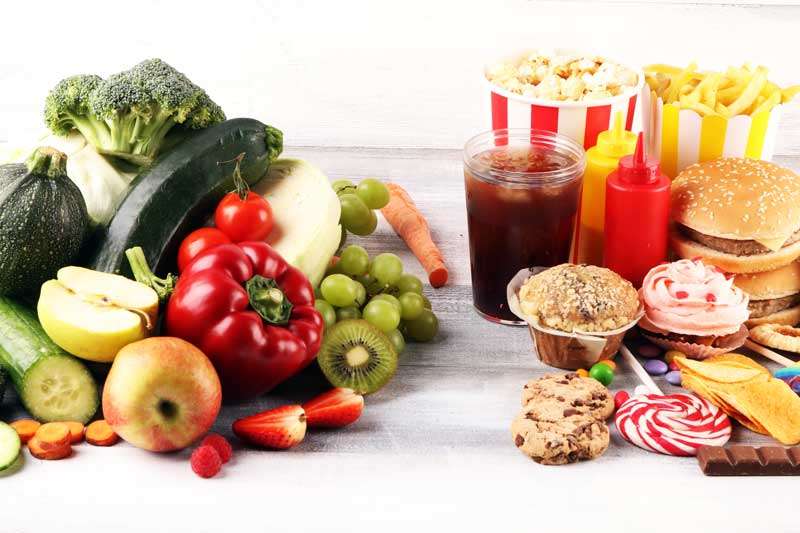
Chronic diseases like diabetes and heart attacks are not just medical problems – they are the end result of how we grow, process, and eat our food.
At first glance, Gbiota beds look like something for keen home gardeners – an extension of Wicking Beds, designed to grow vegetables with more minerals, phytonutrients, and biology. That’s true, but it’s only a small part of the picture. My real aim is to help prevent chronic diseases by changing both our food and our relationship with appetite.
For millions of years, humans lived as hunter gatherers, eating wild plants and animals grown in living, mineral-rich soils. Energy food and refurbishing food were in balance. With the invention of agriculture, then industrial agriculture, we changed that balance. We now produce vast quantities of high-energy food but stripped of minerals, phytonutrients, and gut-supporting biology.
There is a fundamental difference between what we should eat and what our bodies want to eat – and what our bodies want always wins.
Modern food is perfect for meeting energy needs, but poor at refurbishing our bodies and especially our gut biology. That mismatch is feeding an epidemic of chronic disease.
In the past, most people died from infections, accidents, or violence. Infant mortality was horrific. If you survived childhood, you might live to a ripe old age. Modern hygiene, antibiotics, and engineering gave us sewers, clean water, and safe housing – and life expectancy shot up by around thirty years.
Now we are losing ground again. Chronic diseases – heart attacks, strokes, diabetes, dementia – are killing people earlier and causing years of disability. The averages hide a harsh reality: many people are dying younger from chronic disease, while the lucky ones live longer than ever.
I use diabetes as a proxy for all chronic diseases, because it is easy to measure and tightly linked to food. We can track blood sugar, waist size, and weight. Globally, around half a billion people are diagnosed with diabetes, and many more are undiagnosed, pre-diabetic, or on their way there. The true number at risk is over a billion – more than the population of China or India.
No health system can cope with that scale. You cannot line all those people up for full medical assessment and treatment. Prevention has to be something people can do themselves, using food and daily habits, while medical systems focus on those already in serious trouble.
I have great respect for medical research and the search for new drugs, including treatments for insulin resistance. But prevention is better than cure. And prevention, in this case, is about food – not just nutrients on a label, but how that food is grown and how it trains our gut and brain to regulate appetite.
If one very wealthy person came to me asking how to keep his family healthy, the answer would be simple: buy land with good volcanic soil and clean water, grow a wide variety of fruits and vegetables using organic methods, avoid toxic chemicals, eat wild or free-ranging animals and fresh fish, and stay active. That’s a modern version of the hunter-gatherer diet – reliable, diverse, and nutrient-rich.
The problem is scale. For every one hunter gatherer, we now have roughly 10,000 modern humans who want food, transport, phones, and Sunday barbecues. We can’t all live like hunter gatherers. But we can learn from how they ate and what their food did to their guts.
We like to classify food as fats, carbohydrates, and proteins. That’s useful for chemists, but not terribly helpful for understanding health. I find it more helpful to think of food in two groups:
Modern agriculture is very good at producing fuel food – cheap, abundant, and tasty. It is much worse at supplying refurbishing food. Our bodies are not stupid; they can sense when something is missing, but the “instrumentation” is faulty. When one key ingredient is low – say a mineral or specific nutrient – the body doesn’t tell us “eat more onions” or “go and get something fermented.” It simply says “eat.”
Our bodies are intelligent – they know something is missing, but instead of sending a precise message, they just send hunger.
So we keep eating more fuel food when what we really need is refurbishing food. That floods the body with energy, drives insulin up, and eventually pushes us towards insulin resistance and diabetes.
Our appetite is controlled by hormones like leptin, ghrelin, and insulin. In theory, this is our internal fuel gauge. In practice, it’s faulty. We get hunger signals when fuel is low, but also when just one refurbishing component is missing. The system worked reasonably well when traditional diets were low in simple carbohydrates and high in refurbishing foods. It fails badly in a modern food environment where fuel is everywhere and refurbishing food is scarce.
This is the root of the diabetic epidemic. Our biological control system hasn’t caught up with industrial food. Our brains and gut still behave as if we live in a world of scarcity, not one of supermarket aisles and 24-hour snacks.
I’ve experimented with intermittent fasting. At first, it was awful. Hunger felt like a crisis. But after a while, the body adapted. A wave of hunger would come, then fade, and I began to recognise the difference between simple “fuel hunger” and specific cravings.
I don’t treat fasting as a rigid mechanical schedule. I try to use my internal fuel gauge – to eat when I’m truly hungry and stop when I’m genuinely full. I’ve learned, through trial and error, that I can lose weight and trim my waist far more reliably this way than by simply “eating less.”
But there’s a catch: for the fuel gauge to work, refurbishing food must be available. If the body is constantly missing essential elements, it keeps sending hunger signals even when the fuel tank is full. That’s where Gbiota beds come in.
I think of my gut biology as a pet dog that needs training. If I feed it cheese cake and fast carbs, it will demand more of the same. If I learn which foods make me feel satisfied and help curb appetite – bitter fermented cabbage, dark chocolate – I can use them to “train the dog.”
This isn’t mysticism; it’s self-experimentation. Eat certain foods and observe: do you feel hungry and want to eat more, or do you feel satisfied and ready to stop? Over time, you can train your subconscious system to favour foods that keep you healthy instead of foods that drive overeating.
None of this works on a large scale unless we change how food is produced. Conventional agriculture can keep producing fuel food – it’s very good at that. What we need alongside it is a new type of agriculture focused on refurbishing foods: diverse plants grown in biologically active soil, rich in minerals and microbes.
That’s the aim of the Gbiota system: a practical, scaleable way to grow regenerative, gut-supporting food at an economic price. Home gardeners can use Gbiota beds in their backyards, balconies, or small plots. Commercial growers can adopt larger systems, provided they can differentiate their produce and earn a fair return.
I’ve seen what happens when a useful idea spreads without structure. When Wicking Beds went viral, the concept was copied, altered, and in some cases made unnecessarily complex. The core idea was diluted. Commercial growers were turned off by misinformation and overengineering.
Gbiota needs a different path. We need a community – the Gbiota Club – where people test the system, share results, improve the technology, and become advocates if it works for them. My role is to explain the principles and document the methods, but real change happens when many people adopt the system and tell others.
There are two broad ways technology develops. The bottom-up path starts with deep science and gradually builds applications – transistors, thermodynamics, fundamental research. The top-down path starts with a pressing problem and cobbles together a practical solution – the steam engine pumping out mines, early Wicking Beds in dry landscapes, and now, potentially, Gbiota beds for chronic disease prevention.
Top-down systems are messy and imperfect at first. They get refined over time as people use them, test them, challenge them, and improve them. My goal with the Gbiota system is not to present a perfect, final answer, but to offer a practical starting point that people can try for themselves.
My interest is not academic. My wife came from China, started eating Western-style food, and developed diabetes. Her eyesight deteriorated, she fell, broke bones in her foot, and we were looking at the possibility of amputation. Together we worked hard – on food, biology, and lifestyle – and she kept both her sight and her feet.
That experience sent me down the rabbit hole of diabetes, diet, and gut biology. The conventional view says diabetes is a non-reversible chronic disease that must simply be managed. A minority of doctors and researchers disagree, arguing that we are overloading on fast carbs and underfeeding the rest of the system. My own conclusion is simple: we need more refurbishing food grown in biologically active soil.
If I can help prevent even a fraction of the billion people heading towards diabetes by sharing what I’ve learned, that’s reward enough.
I cannot change the global food system alone, and I’m honest enough to admit I’m a DOF – a Doddery Old Fool – in internet terms. But I’ve watched paradigm shifts happen twice before: once with plastic flow simulation, once with Wicking Beds. In both cases, change came when other people tried the ideas, found they worked, and spread them.
The Gbiota Club exists for the same reason. It’s for gardeners, growers, and citizens who want to:
We need people with skills in soil, plants, microbiology, health, logistics, and communication. But above all, we need people who are prepared to try, observe, and be honest about what happens.
If that sounds like you, I invite you to join the Gbiota Club. Email me at colinaustin@bigpond.com and say you’re interested.
This month’s newsletter focuses on wicking baskets, also called the Ying Yang system. While the concept is simple, understanding why and how it works takes much longer. After spending several months in China investigating the rise of diabetes and exploring health-giving plants, I have developed ideas I am eager to share. This system is designed to promote both health and fertility, inspired by the traditional Chinese approach to well-being. It blends ancient knowledge with modern technology, aiming to address some of the most pressing dietary challenges of our time.
When most people think of an epidemic, they imagine contagious viruses or bacterial outbreaks. However, the epidemic we face today is far more subtle and pervasive: it is driven by diet. Modern eating habits, characterized by high sugar, fat, and salt content, have led to a silent but devastating health crisis. Obesity rates are soaring worldwide, but even more concerning is the hidden accumulation of visceral fat around organs such as the liver, pancreas, and heart. Unlike external fat, which is visible, this internal fat disrupts metabolism and increases the risk of diabetes, cardiovascular disease, and chronic inflammation.
The issue is not merely overeating. It is linked to the complex interplay of hormones, gut bacteria, and nutrient deficiencies. Our stomachs release hormones and neurotransmitters such as leptin and ghrelin, which signal hunger and satiety to the brain. When these signals are disrupted—through processed foods, antibiotics, or poor diet—our bodies can experience persistent hunger even when energy needs are met. This leads to overconsumption, weight gain, and the “hungry beast” that drives chronic disease.
Humans evolved to require large quantities of green vegetables and fruits, which provide essential vitamins, minerals, and phytochemicals. Nutrients such as zinc, iron, calcium, selenium, Omega-3 fatty acids, and vitamins B1, B2, D, and E are critical for cellular repair, hormonal balance, and energy production. Unfortunately, modern diets are heavily skewed toward sugar, salt, and processed fats, creating a disconnect between caloric intake and nutrient fulfillment.
Processed foods are engineered to stimulate cravings rather than satisfy hunger. This is particularly true for ultra-processed snacks, soft drinks, and convenience meals. When the body is deficient in key micronutrients, it continues to signal hunger, prompting further consumption of empty calories. This cycle contributes not only to weight gain but also to metabolic syndrome, a cluster of conditions including insulin resistance, high blood pressure, and abnormal cholesterol levels.
The Ying Yang Organisation (YYO) was created to address these dietary shortcomings. At its core, the system connects consumers directly with growers committed to producing nutrient-rich plants. The produce is grown in transportable wicking baskets within a “mother wicking bed” and delivered to the customer’s “daughter wicking bed,” where it continues to grow until harvested. This innovative approach preserves freshness, maximizes nutrient retention, and ensures that plants reach the consumer in optimal condition.
Consumers can pre-order specialty plants, including heritage varieties and ancestral crops, which are naturally higher in essential minerals and phytochemicals. This direct-to-consumer model allows growers to focus on nutrition rather than mass production, ensuring transparency and consistency. Independent soil testing further certifies the nutritional value of the produce, creating a trustworthy system for health-conscious buyers.
Conventional food distribution involves harvesting, refrigeration, and transport, which degrade freshness and reduce nutrient content. In contrast, the Ying Yang system allows plants to continue growing during delivery, ensuring that consumers receive food at its peak of freshness and nutritional density. Studies show that nutrient levels, particularly vitamin C and antioxidants, diminish rapidly after harvest; keeping plants alive during transit preserves these essential compounds.
By connecting growers directly to consumers or central depots, the Ying Yang system simplifies distribution, reduces handling stages, lowers costs, and minimizes food waste. Organic and nutrient-rich produce is particularly prone to spoilage, making conventional supply chains inefficient. Living wicking baskets maintain freshness, reduce loss, and make sustainable, high-quality food accessible year-round.
The Ying Yang system is designed to combat metabolic syndrome and related conditions by providing plants rich in essential nutrients that support hormonal balance and gut health. A diet rich in green vegetables, herbs, and ancestral plants can regulate hunger signals, reduce visceral fat, and improve energy metabolism. Herbs such as sage, rosemary, and basil add flavor while supplying trace minerals and antioxidants, making healthy eating both effective and enjoyable.
The YYO website will serve as more than a marketplace. It will educate consumers about nutrition, metabolic syndrome, and the role of gut bacteria in health. Resources will explain how modern diets disrupt leptin and insulin signaling, contributing to chronic hunger and overeating. Guides on herbs, ancestral plants, and nutrient-dense vegetables will empower consumers to make informed choices and integrate health-promoting foods into their daily routines.
YYO partners with growers committed to sustainable, nutrient-focused agriculture. Farmers are trained in micronutrient application, soil biology, and minimal chemical use. Soil is regularly tested to verify nutrient content, and produce is certified for nutritional quality. This ensures that every plant delivered through the Ying Yang system meets strict standards for health and sustainability.
Online retail allows consumers to bypass traditional supermarket supply chains, which often prioritize cost over nutrition. YYO facilitates direct contracts between consumers and growers, with the organisation earning royalties while maintaining ethical and quality standards. Although prices may be slightly higher, the superior nutrition, freshness, and traceability justify the investment. Consumers receive produce guaranteed to support health, while growers are incentivized to produce nutrient-dense crops rather than high-yield but low-nutrient varieties.
Humans evolved over millions of years consuming fruits, vegetables, and protein-rich foods. Early primates relied on foraging, developing social and cognitive skills to survive. As humans became hunter-gatherers, they incorporated meat and cooked foods, increasing caloric intake and brain development. Fat storage became a survival mechanism, allowing humans to endure periods of scarcity. However, modern diets, abundant in refined sugars and processed fats, exploit these evolutionary drives, leading to overeating and metabolic disorders.
The development of agriculture provided reliable food supplies but reduced dietary diversity. While industrialization and improved medicine decreased mortality rates, intensive farming depleted soil nutrients and shifted focus toward high yields over nutrition. Modern agriculture often produces calorie-dense but nutrient-poor food, exacerbating the hidden fat and metabolic syndrome problem. The Ying Yang system addresses this by growing plants in nutrient-rich soils and delivering them alive to consumers, preserving both flavor and nutritional value.
Excessive sugar consumption, particularly fructose, disrupts hunger regulation and fat metabolism. Processed foods exploit this by creating addictive flavors that drive overeating. Meanwhile, diets lacking essential vitamins, minerals, and phytochemicals leave the body craving nutrients it cannot access. The “hungry beast” persists, fueling chronic health problems, fatigue, and obesity. Incorporating fresh, nutrient-dense plants and herbs, as the Ying Yang system promotes, can recalibrate hunger signals and restore metabolic balance.
Permaculture, organic farming, and home gardening offer partial solutions but face limitations. Organic certification often does not measure nutrient content, and home gardens are restricted by space, seasonal variability, and growing expertise. Farmers markets provide fresh produce, but availability is inconsistent and nutrient density cannot always be guaranteed. The Ying Yang system solves these challenges by providing year-round, certified, nutrient-rich plants directly to consumers.
By combining ancestral plant varieties, certified nutrient-rich soils, and living wicking baskets, the Ying Yang system addresses modern dietary challenges at multiple levels. Growers focus on quality over quantity, consumers receive nutritionally optimized produce, and the direct-to-consumer supply chain maintains freshness and reduces waste. Herbs and vegetables enhance both taste and health, making sustainable and nutrient-dense diets enjoyable and practical.
Modern health crises like diabetes, cardiovascular disease, and obesity are largely driven by diet. Nutrient deficiencies, disrupted hormonal signaling, and overconsumption of processed foods have created a silent epidemic. The Ying Yang system offers a practical, ethical, and scalable solution. By delivering living, nutrient-rich plants in wicking baskets and connecting growers directly with consumers, YYO provides fresh, flavorful, and health-promoting produce. This approach not only combats the “hungry beast” but also fosters sustainable farming, supports ancestral plant varieties, and promotes long-term health. Through education, certification, and innovative logistics, the Ying Yang system is poised to revolutionize the way we eat and think about food, creating a healthier future for everyone.
Download ‘Ying Yang System for Optimal Nutrition’ (full PDF)
High-fructose sweeteners and ultra-processed foods have created a powerful, addictive drive in many people — a “hungry beast” that drives overconsumption and fuels diabetes and related illnesses. While medical advice to eat more vegetables is sound, real-world barriers — taste, food quality, addictive food design, and social factors — make change difficult. This article examines why the problem persists and outlines practical steps toward growing and preparing truly healthy food.
One of the worst modern inventions must be high fructose corn syrup: cheaper and sweeter than refined sugar, it is now ubiquitous in processed foods from packaged soups to fast food. It is addictive in ways comparable to tobacco, alcohol and some drugs — this is the “hungry beast” inside. For a healthy young person, sugars and carbohydrates provide quick energy, but repeated exposure causes the body to produce large amounts of insulin. Over time this leads to insulin resistance, pancreatic strain, and ultimately diabetes. Excess sugar is often converted to fat in the liver, contributing to related illnesses such as heart attacks, strokes and cancer. Although many health professionals say these conditions can be stopped or even reversed by adopting diets rich in fresh green vegetables, the incidence of diabetes and its sister illnesses continues to rise. This article explores the gap between theory and practice, the reasons people struggle to change eating habits, and practical approaches — including growing food with simple systems like wicking baskets — to close that gap.
Carbohydrates and sugars themselves are not inherently evil — our bodies need glucose for energy and many traditional diets include natural sources of carbohydrate balanced with fibre and micronutrients. The problem arises with highly processed sugars, especially high fructose corn syrup (HFCS), which are engineered to be cheap, intensely sweet, and fast-acting in the bloodstream. When these sugars are consumed they are rapidly absorbed, causing a sharp spike in blood glucose. The body’s immediate response is to release large quantities of insulin to remove glucose from the blood. This sudden rise and fall creates a familiar pattern: a high followed by a low, which leaves us hungry again and often craving more sugary foods. That cyclical pattern is what I call the hungry beast.
Repeated spikes and compensatory insulin release can, over time, lead to insulin resistance. The pancreas must work harder and longer, and eventually it may fail to keep up — producing insufficient insulin and precipitating type 2 diabetes. Meanwhile, surplus sugar that the body cannot immediately use is converted by the liver into fat. This process contributes to fatty liver disease and to fat deposits in critical organs. Collectively these changes underlie many of the “sister illnesses” associated with modern diets: cardiovascular disease, stroke, and a raised risk of certain cancers.
Another compounding problem is poor nutritional quality. Highly processed, sugar-heavy diets are often low in vitamins, minerals and fibre. Green vegetables — particularly those grown in mineral-rich, biologically active soil — slow digestion and blunt blood sugar spikes because fibre moderates the rate at which sugars enter the bloodstream. Technically this is straightforward: eat more vegetables. But the real world is not so simple.
This issue is not theoretical for me: it is personal. My wife, Xiulan, is diabetic and recently suffered multiple fractures in her foot that began to show worrying signs of tissue damage — a stark reminder that diabetes is the leading cause of amputation and blindness in many parts of the world. Xiulan is a qualified surgeon and understands the medical science perfectly. She knows what needs to be done; she is motivated by pain and the risk to her health. Yet she still craves high-carbohydrate comfort foods and struggles to eat the vegetables recommended by clinicians.
This disconnect between knowledge and behaviour highlights a crucial point: intellectual understanding is not the same as emotional or habitual response. Knowing the facts about diet does not automatically translate into action. That gap — between what we know and what we do — helps explain why diabetes and related illnesses continue to expand despite clear medical guidance.
Modern media and the internet provide a deluge of dietary advice — from scientific reviews to sensationalist diet trends and outright quackery. This flood can be paralysing. The first major public conflict is the debate between reducing fats versus reducing sugars. For decades people were told dietary fat made you fat; only more recently has the role of sugars — particularly refined sugars — in promoting obesity and organ fat been acknowledged. This has spawned a series of extreme diets such as Atkins and various low-carbohydrate approaches. Some evidence supports benefits for particular individuals, but the overall picture remains mixed.
Alongside legitimate debate, there is a thriving industry of quick-fix solutions: miracle supplements, exotic “superplants,” and high-pressure marketing that promises dramatic results. Often the producers of such content hide the key points in long, suspenseful videos or pitches, and then seek payment for “full access” — a red flag for quackery. Meanwhile, good quality scientific studies present trends and averages, not guarantees; studies may show a 20% improvement for a group, but that does not mean every individual will benefit to the same extent. The net effect for many people is confusion, fatigue and eventual disengagement.
Human beings vary enormously in physiology, genetics, gut bacteria, psychological makeup and social context. What works for one person can be ineffective or harmful for another. Diet studies necessarily rely on statistical analysis across populations and therefore can miss important individual differences. A diet that delivers dramatic results for one person may be unsuitable for someone else. This diversity complicates advice and policy.
It also affects acceptance: people have cultural food taboos, texture preferences and sensory reactions that shape what they will or will not eat. My own family offers vivid examples: my granddaughter treats fish eyes as a delicacy, while I am unable to even contemplate the idea. Xiulan can happily enjoy cooked lobster brains but cannot bring herself to eat raw salad. These are not moral failings — they are innate or learned preferences that must be respected when designing any intervention.
Because diets that rely solely on calorie restriction tend to fail — hunger is a powerful, biologically driven state — successful change often requires self-experimenting to discover which foods trigger cravings and which suppress them. Many cravings are not simply psychological: gut microbes produce neurotransmitters that signal the brain and can amplify urges for specific foods. Altering your diet can change the gut microbiome over several weeks, reducing craving signals and rebalancing appetite. For some people, non-sugary dark chocolate suffices as an appetite suppressant; for others, high-fibre vegetables do the trick.
This process is slow and requires persistence. There is no universal quick fix: for a few weeks you may have to tolerate increased discomfort while your body and microbiome adapt. But the long-term benefit — reduced cravings, better metabolic control, and improved health — is well worth that transient discomfort.
The practical aim is simple: substitute high-glycaemic, fattening foods with satisfying, low-energy-density items that reduce hunger. Vegetables — especially fresh, mineral-rich greens with abundant fibre — are the most reliable choice for most people.
“Patient compliance” is a clinical phrase that can underestimate how deeply food preferences are embedded in personality, emotion and culture. Some people have visceral aversions to raw vegetables, others have emotional associations with carbohydrate-heavy foods that comfort them during stress. For those people, mere information is insufficient. Behavioural change needs approaches that acknowledge emotional drivers and provide realistic alternatives.
During my work in Ethiopia and Central Australia I encountered profound food prejudices. People often refuse to accept new food sources even in the face of dire need. In one project a colleague identified a tree species well suited to local conditions and usable as a reliable food source — but the local communities were reluctant to adopt it. Similarly, when mothers face the unimaginable strain of watching children starve, changing deeply held food habits can still be near-impossible.
The global food industry is the world’s largest industry and is dominated by a handful of multinational corporations and large financial institutions. These organisations operate within a system that rewards scale, shelf life, transportability and profit. The incentives are not aligned with producing foods that maximize micronutrient density or flavour. Varieties are commonly selected for storage and transit resilience rather than taste or mineral content. This produces supermarket vegetables that often lack the minerals and living soil biology that make fresh produce truly nourishing and flavourful.
Governments can set hygiene standards, regulate toxic chemicals and require labelling, but they lack the capacity to fully counterbalance the economic forces that shape global food supply chains. As long as consumers buy inexpensive, highly processed foods, companies will supply them. That reality places part of the responsibility with individuals and communities while also pointing to the need for structural changes in food systems and local access to quality produce.
People are already taking action. Farmers’ markets, organic producers, food cooperatives and community gardens provide alternatives. For those who can afford it, buying fresh, locally grown produce can make a real difference. But these options are often more expensive and less available to many people.
My life’s work has been in practical innovation. Past projects such as Moldflow revolutionised industrial practice, and the wicking bed concept has helped thousands grow food with limited water. Now my focus is the wicking basket — a compact, low-cost system designed to let virtually anyone grow nutrient-dense vegetables at home regardless of space, skill or time. The objective is to remove barriers: make food accessible, tasty and reliably fresh so that people will choose it.
Finally, good food must taste good. Health messages alone are insufficient. That is why the next piece of work will focus on practical cooking and preparation techniques that make vegetables truly enjoyable. When vegetables taste great and are easy to grow at home, the hungry beast has nothing like the same pull.
Modern technology has transformed the world by boosting productivity, lowering costs, and giving us access to more food and products than ever before. But this same progress has also created powerful global systems that influence how food is made, sold, and consumed. Hidden sugars, addictive processed foods, and declining nutrition are feeding a “hungry beast” inside many of us—an internal drive shaped by biology and industry. Understanding this cycle is the first step toward reclaiming our health.
Modern life has become incredibly efficient. Over just a few decades, technology has allowed us to produce far more food, goods, and services at a fraction of the historical cost. In theory, we now create enough food to meet the nutritional needs of the entire global population—if it were fairly and evenly distributed. This achievement is one of the great successes of our era.
But while the abundance of food is good, the systems that produce it also carry hidden risks. Alongside the benefits, technology has enabled the rise of extremely powerful multinational corporations. These organisations often have more influence than national governments and can shape the rules that govern the food industry. When this influence is used to produce inexpensive but unhealthy food, we face serious consequences at the personal, community, and global level.
The global food system is incredibly productive. Large-scale agriculture, advanced manufacturing, logistics networks, and data-driven systems mean that supermarkets all over the world are filled with low-cost products. This level of productivity reduces costs for consumers and, in many cases, improves access to essential goods.
However, the downside is more complicated. When powerful organisations dominate a market, they can shape not only the products available to us but also the laws and standards that govern those products. It is not especially harmful if mobile phones or electronic devices are controlled by a few companies—annoying, perhaps, but not deadly.
But food is different. What we eat goes directly into our bodies. When food production is steered by profit rather than health, the results can be devastating.
One of the clearest examples of this problem is high fructose corn syrup (HFCS). It is one of the most harmful yet widely used modern ingredients, cheaper and sweeter than refined sugar and found almost everywhere in processed foods—from packaged soups to takeaway meals.
HFCS is addictive. Its effects on the brain are similar to tobacco, alcohol, and drugs, triggering reward pathways and encouraging us to consume more than we need. This is the “hungry beast” inside—an internal drive shaped not by natural hunger but by engineered cravings.
For children and teenagers, sugars and carbohydrates can provide rapid bursts of energy. But the human body responds by producing large amounts of insulin. Over time, repeated spikes lead to insulin resistance. The pancreas is then forced to work harder, eventually leading to insulin deficiency. This slow progression is the pathway toward diabetes.
Excess sugar is not only linked to diabetes. When the body cannot use or store the sugar it receives, the liver converts it to fat. Over time, this process contributes to a cluster of serious health issues—heart attacks, strokes, cancer, and metabolic disorders. These illnesses are now so common that they have become the greatest global health challenge of the 21st century.
Medical professionals tell us that these conditions can often be prevented—and sometimes reversed—through diet. Eating more fresh green vegetables helps the body regulate blood sugar, reduce inflammation, and restore metabolic balance. On paper, the solution seems simple.
But in reality, it is not.
There are two major obstacles preventing people from shifting toward healthier diets.
The first is addiction: highly processed foods, especially those containing HFCS, stimulate the brain in ways that make them difficult to give up. They are designed to be irresistible.
The second is taste and quality. Vegetables must be fresh to taste good. But many commercially grown vegetables are raised using intensive production methods that focus on yield, not nutrition. As a result, they often lack essential minerals and vitamins. Food that is nutritionally weak rarely tastes good, making it even harder for people to choose vegetables over processed products.
Real change requires access to fresh, mineral-rich vegetables grown in healthy soil. But many people lack the skills, time, or space to grow their own food.
Innovation has the potential to rebuild our relationship with fresh food. In the 1990s, Colin Austin developed a simple system—now widely known as the wicking bed—to help families in Africa grow nutrient-dense food with minimal water and minimal labour. This system has since become globally recognised as an effective method for growing healthy vegetables in home gardens, farms, and community spaces.
Today, a new variation is being developed: the wicking basket. This upgraded system aims to make healthy food production accessible to everyone, even those who:
The wicking basket is designed to produce high-quality, mineral-rich vegetables using a compact, low-maintenance approach. It removes many of the common barriers that prevent people from growing their own food.
To help people understand and adopt this new system, three articles are being prepared:
This article explains why sugars and refined carbohydrates are addictive and how high fructose corn syrup in particular affects our bodies. Importantly, sugar itself is not inherently bad. The problem is that modern sugars are so highly processed that they enter the bloodstream too quickly, causing dangerous spikes in blood sugar and insulin. When consumed in natural forms and balanced with fibre, minerals, and whole foods, sugar behaves differently in the body.
The second article shows how anyone—regardless of experience—can use the wicking basket to grow fresh vegetables at home. The focus is on practical steps, soil biology, and the importance of minerals for flavour and nutrition.
The third article explains that it is not enough to simply tell people that vegetables are healthy. They must taste good, or people will continue to reach for sugary processed foods. This section explores simple preparation and cooking techniques to make home-grown vegetables genuinely enjoyable.
Readers can explore the full article online, including downloadable PDFs and additional materials. There is also further information available on growing mini vegetables and improving nutritional quality at the Healthy Food Association website.
Anyone who would like copies of the supporting documents can request them by email. They are free to share. There is also an indexed list of all related files available for those who want to explore the topic in more depth.
The “hungry beast” inside us is not a personal failure—it is a biological response shaped by modern food systems. Powerful organisations have created products that are cheap, convenient, and addictive, while fresh food continues to decline in nutritional quality. But there are solutions. By understanding how the system works, recognising the dangers of processed sugars, and learning to grow fresh, mineral-rich vegetables—even in small spaces—we can reclaim control of our health. Wicking technology, especially the wicking basket, offers a simple, accessible path toward better nutrition, better taste, and a healthier future for all.
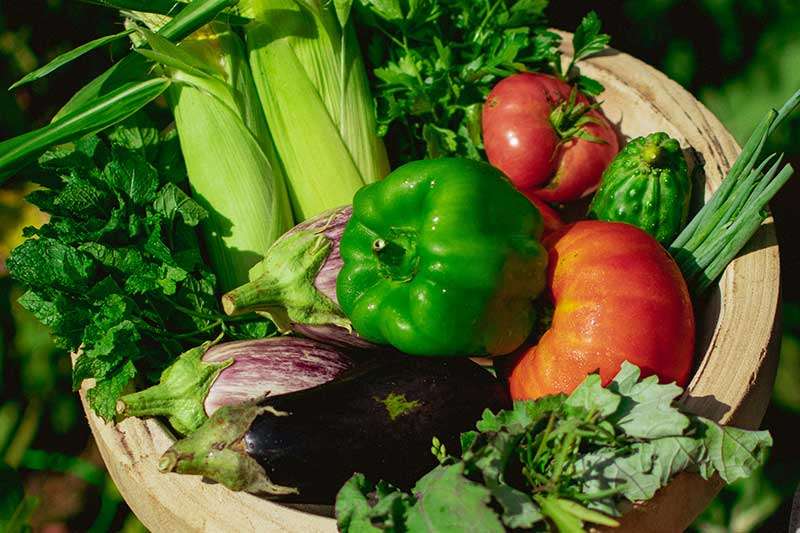
This newsletter reflects on the human cost of modern diets, particularly diabetes, and the importance of growing fresh vegetables in nutrient-rich soil. It connects this health concern with wicking bed technology — a simple, low-cost way to grow vegetables using water-efficient systems. The author calls for community engagement, better public understanding of diet, and wider adoption of home and school gardens to improve health and prevent chronic disease.
I want to open this article with a simple request: I need your feedback. Not about technology — that part I understand well — but about people. The psychology of diet, health, and behaviour is far more complex than plumbing, soil mixes or wicking beds, and that is where I am seeking insight.
Just this Wednesday, I began the long 2,000-kilometre drive from Gin Gin to Melbourne with my wife, Xiulan. We are seeing a specialist about her foot. One of the ankle bones has effectively died, and we now face difficult choices: either a bone transplant from her hip or a metal heel. This is not bad luck — it is a typical outcome of diabetes. Diabetes is now one of the leading causes of amputation and blindness. Watching someone you love go through this is something I would not wish on anyone.
My strong desire is simple: I want to stop other families from experiencing what we are facing now.
The frustrating part is that diabetes can often be prevented — and sometimes even reversed — by eating a diet rich in fresh vegetables. This is not radical or new; it is well-established. The real barrier is that sugar is addictive. The modern food system is built around convenience, sweetness, fat, and salt. These flavours keep people coming back for more.
My own approach to helping has been through technology: developing the wicking system so people can grow food easily, even if they do not have large gardens or deep gardening knowledge. The wicking system is deliberately designed to make fresh vegetables simple, reliable and low-effort.
But let’s be clear — good soil is not created just by tossing in a few minerals. Soil biology is what makes minerals available to plants. Without living, breathing soil, nothing functions properly. When you have the right minerals, porosity, surface chemistry and moisture movement, wicking beds become extremely easy to build. In fact, almost any container that can hold water can be turned into a functional growing system.
I explored these soil fundamentals in www.waterright.com.au/onceuponatime, and then expanded on the broader historical and cultural context in www.waterright.com.au/wildswans. Soil, food and human health are intertwined more deeply than most people realise.
So the question remains: is all this work actually making a difference? From the emails I receive, I know that thousands of people are now building and using wicking beds — and for every email, there are certainly many more people I never hear from. That is the good news.
The not-so-good news is that most people write to me about water saving. Water saving is important, but it is not the main objective. The real goal is to get minerals, vitamins and phytonutrients into people’s diets.
Much of the dietary talk in the world focuses on “calorie restriction.” Honestly, this is misguided. When someone’s body is deprived of phytonutrients — the plant-based compounds essential for health — they will feel hungry. Hunger eventually overrides willpower, and the person ends up bingeing on processed foods that are cheap and convenient, full of sugar and fat.
Long-term calorie restriction simply does not work. You must replace high-sugar, high-fat processed foods with real plant-based foods that satisfy the body’s nutrient needs. Without that, hunger becomes a constant battle.
Another issue is that the people reading my work are usually already keen gardeners — people who tend to eat better than the general population. This is only a small fraction of the public.
Statistics on diabetes and its underlying cause — excess fat stored around vital organs — paint a worrying picture. It is not just the number of expanding waistlines; it is the rate of increase, especially among younger people. If nothing changes, this will become one of the biggest health challenges of our time.
I am just one individual. I cannot influence the entire population alone. But a community can.
Traditional intellectual property is built around monopoly rights. Creative Commons takes a different approach. It allows people to share intellectual work for the benefit of the community while still giving credit to the creator.
I want the technology I have created to be used as widely as possible to improve diet and health. That is why all my publications can be copied — partially or in full — at no cost. In fact, I encourage it.
Anyone can use the wicking system technology for personal use without paying a cent. If someone chooses to use it commercially — for example, selling soil or kits — then they simply need a licence and usually pay a small royalty of around 5%. This is not a barrier; it is a way to encourage businesses to help spread the system to more people.
This especially applies to Wickimix®, the soil formulation I developed. It is tricky for many individuals to make at home, but local soil suppliers or gardening clubs can produce it in bulk and distribute it cheaply. Gardening clubs can also assemble Wicking Baskets® and offer them to members or the public. This builds community capacity and supports healthier diets.
The message we must spread is simple: people need phytonutrients from vegetables grown in nutrient-rich soil. And anyone can grow vegetables using the wicking system, even without experience or a big backyard.
I cannot outspend the processed food industry. They invest billions to promote addictive, unhealthy products. My only tool is community action. So here are some practical ideas, and I genuinely invite your suggestions.
Within my own circle, I can already see many “fat tummies.” I talk openly with friends about diet and show them how the wicking system works. This personal, one-to-one approach may be slow, but it is powerful.
Social media is another opportunity. I am no expert, but countless people in community groups already reach wide audiences. These networks can share information about soil, fresh vegetables, and the dangers of diabetes.
Parents can encourage local schools to teach the next generation about nutrients, minerals, soil biology and how easy it is to grow food. If children learn these skills early, they carry them for life.
Garden clubs thrive on sharing knowledge and building community. They can run open days, teach wicking bed construction, and help more people understand the connection between soil and health.
Councils are usually far more responsive than state or federal governments. Many already support gardening through mulch programs or community gardens. They also operate centres and aged-care facilities where nutrition education could make a real difference.
Higher government levels manage the bulk of health services, but prevention is almost absent from their thinking. Diabetes services are overwhelmed. We waited four months just to see a specialist, then had to travel 2,000 kilometres to Melbourne. The system cannot cope with the growing demand.
Budgets dominate political thinking, but sometimes the public must remind policymakers that health — not submarines to guard against Antarctic penguins — should take priority. Prevention is far cheaper than cure and avoids immense personal suffering.
I am confident in the wicking technology. Its success stories are plentiful. But I suspect I am missing something important about human psychology. Do people truly understand the dangers of modern processed food? Do they agree logically but continue eating poorly because convenience wins? Are the people I reach already “converted,” leaving the rest unaware of how easy it is to grow their own food?
I truly want to know what people think. How do we communicate the importance of diet and health? How do we reach those who are quietly heading for trouble?
Please share your thoughts. Your ideas might help us save lives.
Colin
Colin Austin — © Creative Commons. Reproduction permitted with source acknowledgement; commercial use requires a license.
Click below to see how sprouts, microgreens and baby greens help cure diabetes and keep you slim.
This article explores the practical and biological principles behind wicking worm beds—a sustainable and water-efficient growing system. By creating an underground water reservoir and fostering a healthy soil ecosystem with worms and microorganisms, these beds deliver water and nutrients directly to plant roots. They maximise productivity, reduce water loss, recycle organic waste, and are suitable for a wide range of scales—from backyard gardens to large orchards—supporting resilient and sustainable food production.
Water shortages are increasingly affecting food production worldwide. Wicking worm beds are an innovative solution that conserve water, improve soil health, and recycle organic material into nutrients for plants. The system uses an underground pond or reservoir contained by a waterproof liner, supplying water from the base directly to plant roots. Unlike traditional irrigation, which washes nutrients downwards and may create stagnant, anaerobic water at the base, wicking beds move water continuously upwards through capillary action, delivering nutrients efficiently and keeping roots oxygenated.
The underground reservoir stores water, and water is drawn upward to plant roots by wicking action. Applying water from above can cause nutrient leaching and accumulation of stagnant, nutrient-rich water that becomes anaerobic and toxic. Wicking beds prevent this by delivering water to the base of the reservoir, ensuring continuous upward flow. This “first in, first out” movement keeps the water fresh, maintains oxygen levels, and prevents harmful gasses from accumulating.
Proper water, air, and nutrient balance is crucial. Too much water can suffocate roots, while too little restricts growth. Roots also release gasses such as carbon dioxide and ethylene, which influence plant growth. Wicking beds maintain this balance, providing a reliable water supply while supporting healthy microbial activity, ensuring high productivity even in dry conditions.
The upward movement of water can be enhanced by adding organic material to the soil above the reservoir. Fibrous materials like bagasse, straw, or mulch are particularly effective. These materials help retain water, improve distribution, and support microbial life. Over time, they decompose slowly, releasing nutrients while retaining structural integrity, improving both water movement and fertility in the soil.
Because water is applied from below, the soil surface remains dry, allowing air to infiltrate. Filling the reservoir expels stale air, and as water is used, fresh air is drawn in. This cyclic breathing effect, similar to flood-and-drain irrigation, enhances oxygen availability for roots and microbes. Roots need oxygen to function properly; without it, growth is limited, and plants may experience stress or nutrient deficiencies.
Soil condition is vital for efficient wicking. Heavy clay or compacted soils hinder water movement and root penetration. Initially, organic matter such as bagasse or compost improves porosity and water distribution. Over time, worms help condition the soil by feeding on microbial by-products rather than raw organic material, producing nutrient-rich castings. These castings enhance soil structure, microbial activity, and plant growth, creating a self-sustaining fertile medium.
Worms are essential for nutrient cycling. Use inoculator kits containing worms, castings, microbes, and minerals to introduce them. Worms can be spread on the surface or released from a container to migrate naturally. Continuous feeding with organic material, such as kitchen scraps or fibrous mulch, sustains worm populations. Worms are at the end of a biological chain—they transform microbial output into plant-available nutrients, enriching the soil effectively.
Wicking beds store more water than traditional soil. Internal reservoirs reduce the frequency of irrigation, while external storage containers can extend capacity and manage overflow. Float valves and automated systems can maintain water at optimal levels, though pulsed filling cycles are beneficial for aeration. Adjusting the water level during seed germination or early growth supports fine root development, while later lowering the level prevents root rot and encourages proper tuber or fruit formation.
Wicking worm beds can be adapted for various scales and uses:
Fine feeder roots near the surface extract nutrients effectively but are sensitive to over- or under-watering. Coarser roots in the reservoir are resilient but less efficient. By carefully managing water levels, wicking beds maintain healthy fine roots while deeper roots support plants during stress. Maintaining microbiological activity ensures nutrient availability, with worms and microbes transforming organics into plant-usable forms. Proper feeding, composting, and water cycling sustain growth, even under drought conditions.
Cascading wicking worm beds allow reuse of greywater. Initial beds can irrigate ornamental or fruit trees, with later beds using progressively cleaner water for sensitive crops like vegetables. This maximizes water efficiency, recycles household organic waste, and supports sustainable gardening practices.
Frequent errors include overfilling reservoirs, compacting soil, using heavy clay without amendment, or neglecting worm feeding. Avoid flooding the upper soil layers where fine roots grow, and maintain a moderate reservoir depth (usually 300 mm). Include drainage, monitor water levels, and maintain soil biology through compost and mulch. With careful management, beds can last for years, providing high yields with minimal water.
Wicking worm beds conserve water, reduce evaporation and seepage losses, recycle organic waste, and support soil fertility. They produce higher yields than conventional systems with less water, improve soil structure, and allow reliable food production in challenging climates. From school gardens to commercial orchards, they offer simple, efficient, and sustainable solutions for growing vegetables, fruits, and other crops while supporting environmental stewardship.
Wicking worm beds combine simple engineering with natural biology to provide sustainable, water-efficient gardening. They deliver water and nutrients directly to roots, foster healthy soil life, and support productive plant growth. Adaptable from home gardens to large-scale orchards, these systems reduce water usage, enhance soil fertility, and create resilient, low-maintenance food production systems. Careful management ensures long-term productivity and sustainability.
Colin Austin — © Creative Commons. Reproduction permitted with source acknowledgement; commercial use requires a license.
Download ‘How Wicking Worm Beds Maximise Water Efficiency and Boost Plant Growth’ (full PDF)
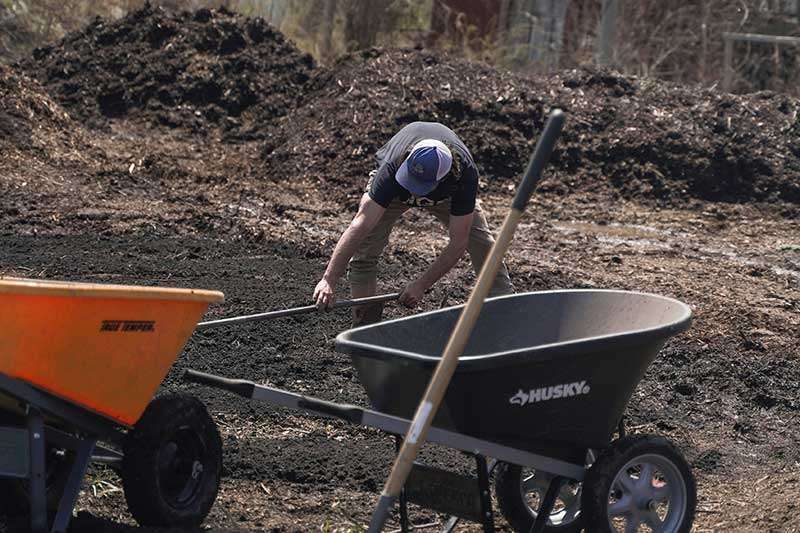
This practical guide walks you through building a wicking bed from groundworks to planting. It explains site choice, excavation, liners, reservoir construction, compost/feeder pipes, soil mixes, and establishing soil biology with compost and worms. Emphasis is on simple, low-cost materials, good drainage, and creating a moist root zone that reduces watering and builds fertility. Clear steps and maintenance tips make it suitable for home gardeners, schools and community projects.
Constructing a wicking bed is straightforward when you understand the basic parts and how they work together. A wicking bed stores water below the root zone and lets it move upwards by capillary action so plants access moisture when they need it. A successful build balances a water reservoir, a porous wicking zone, a fertile topsoil and active soil biology (worms, fungi and microbes). The result is a low-maintenance, water-efficient garden bed that supports strong plant growth.
First choose where the bed will sit. Sunny, level ground with good access is ideal. Decide whether you want an open bed (in contact with surrounding soil) or a closed container bed (lined box or tank). Open beds are cheaper and encourage natural microbial migration from surrounding soil; closed beds retain all water and are useful where native soil is poor or contaminated. Consider proximity to water supply, ease of refilling and access for maintenance.
Mark the bed outline and remove topsoil to the required depth. Typical dimensions for a proficient garden bed are a reservoir depth of about 300 mm and a growing zone of 200–300 mm. For larger or tree planting beds adjust depths accordingly but keep the wicking height effective — very deep reservoirs can leave the topsoil too dry. Excavate to the depth needed for your reservoir and ensure a level base so water distributes evenly.
Line the reservoir with a durable, food-safe liner — heavy-duty polythene is common. Make sure the liner is free of sharp objects and is well sealed at the edges so water cannot leak into surrounding soil unless you want an open bed. Where roots may puncture or where stones exist, add a protective mat or old carpet beneath the liner. The liner should also be anchored or tucked at the bed edges so it won’t shift as you fill the bed.
Fill the reservoir with coarse organic material rather than only grit or stones. Bulky organic material (wood chips, coarse compost, prunings) stores a lot of water, creates voids that act like a sponge and feeds microbes as it slowly decomposes. Avoid the trap of assuming stones are best: organic matter also produces a nutrient-rich “compost tea” that wicks upward and feeds roots. Pack the reservoir but leave pathways for water movement and avoid compacting it solidly.
Install a fill/inlet pipe that reaches the reservoir so you can top up water without disturbing the planting surface. Fit an overflow pipe set at the desired maximum water level so excess water drains away safely during heavy rain. Where the bed is closed, provide an inspection or drain access to remove sediment or flush the reservoir if needed. For open beds consider how water might escape into adjacent ground and plan planting or buffer strips accordingly.
A central compost or feeder tube is highly useful. This is a vertical pipe or sleeve that reaches from the soil surface down into the reservoir. Fill it with compost, green matter or nutrient amendments; these materials leach nutrients into the reservoir and wick into the root zone. The tube makes it easy to refresh organic matter over time and promotes concentrated nutrient delivery to establish plants quickly.
Above the reservoir, build a well-structured soil zone. The topsoil layer should be a blend of loam, compost and some coarse material for structure — roughly a 60:30:10 ratio (topsoil:compost:coarse material) is a good starting point but adjust to local materials. The soil must hold moisture by capillarity yet remain open enough for air. Heavy clay will compact and reduce oxygen; very sandy mixes will not hold water well. Mix thoroughly and avoid sharp layering that blocks capillary flow.
Introduce life — compost, worm castings and a small starter population of compost worms will accelerate biological development. Mycorrhizal inoculants can help young plants access nutrients more efficiently, especially in poor soils. Avoid sterilising the bed: the goal is to encourage a diverse microbial community that cycles nutrients, produces structure and supports plant health. Keep refuge areas and avoid overuse of fungicides or harsh chemicals that will upset the balance.
When planting, place seedlings or transplants so roots can reach the moist zone quickly. For direct sowing, lightly water the surface to encourage germination, but once roots are established rely on the reservoir fill system to supply moisture. Group plants by water needs: heavy feeders nearer the compost tube or inlet, lower-water crops toward edges where wicking may be weaker. For trees or deep-rooted plants design wider or ringed wicking zones to ensure deep root access.
Fill the reservoir slowly and allow the bed to stabilise. Observe how water rises into the soil and check for uneven wetting or dry spots. If necessary, top up slowly to ensure full capillary contact between reservoir and soil. Let the bed sit for a few days, then check for any leaks, settling or blocked overflows before planting widely.
Maintenance is minimal but important. Refill the reservoir as needed through the inlet pipe — frequency depends on climate and plants. Top up the compost tube periodically with green matter or compost to sustain nutrient supply. Each season add a layer of compost or mulch to the surface to feed microbes and conserve moisture. If beds settle over time add soil to maintain planting depth and keep the reservoir at the designed level.
Common problems include: poor wicking because of an impermeable seam or compaction; foul odours indicating anaerobic conditions (often due to overfilling the reservoir or very fine, impermeable base fill); and uneven wetting caused by an unlevel base. Remedy these by loosening compacted zones, adjusting reservoir depth, improving drainage or replacing part of the fill. For persistent odour or stagnation, empty and dry the reservoir for a short period, refresh organic content and reintroduce aeration via worms and coarse material.
Wicking technology scales well. Small balcony boxes use the same principles as community beds and orchard rings. For larger systems, think in modular rows or blocks, and incorporate water capture (swales, small dams) to feed reservoirs. Raised tree rings with dedicated wicking reservoirs or narrow in-row reservoirs beside trees can extend the method to orchards and larger plantings.
Well-built wicking beds reduce water use, feed plants with nutrient-rich leachate, reduce labour for irrigation, and help build long-term soil health. They are forgiving systems that reward slow, steady organic management rather than quick fixes. By creating a moist, biologically active root zone you can grow productive, resilient plants with far less water and lower input costs.
Download ‘Wicking Beds Under Construction: Beginner’s Guide to Reservoir Gardening’ (full PDF)
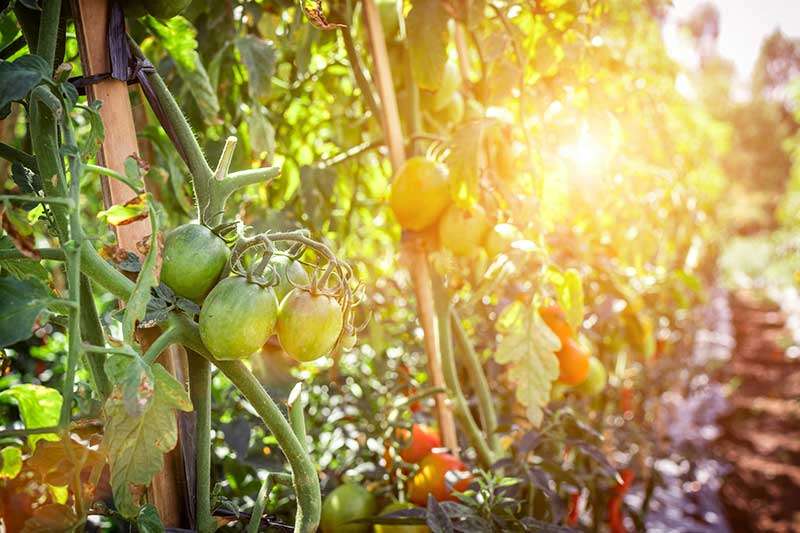
This article draws on practical instructions for building efficient wicking beds — whether open-in-ground or closed container types. It outlines how to design, construct and maintain these beds to ensure steady moisture, support soil biology, and reduce water waste. With the right liner, soil mix, drainage and reservoir setup, gardens can thrive even in dry climates while needing minimal ongoing effort.
Wicking beds are an effective, low-tech gardening solution for those who want to grow plants with minimal watering, conserve soil moisture, and support soil health. This guide summarises key steps and considerations when building a wicking bed — whether you choose an open bed set in the ground, or a closed container style. Understanding the principles behind water wicking, drainage, and soil biology helps make a reliable system suited to your space and climate.
Before building, decide whether you want an open bed (in or on the ground) or a closed bed (in a box or container). Open wicking beds are usually suited to larger gardens — they can run 10–20 m or more, are cheaper to set up and allow the soil to connect with the surrounding ground. This connection helps soil biology develop naturally. However, because water can wick out into adjacent soil, you must carefully schedule watering — over-watering may waste water, though you can also take advantage of that water by planting thirsty trees nearby.
Closed beds are built in containers such as wooden boxes, metal bins or raised planters. They are usually smaller (up to a few metres), and soil and reservoir are isolated from the surrounding ground. This means you must build soil biology from scratch (add compost, worms, microbial inoculants, etc.), but you’ll retain all the water, and maintenance becomes simpler — simply refill the water reservoir when it drops low.
For an open bed, first remove roughly 300 mm of topsoil and check the ground is level. Once level, line the bottom with a waterproof liner and install water inlet and outlet pipes. Fill the reservoir zone with organic waste — wood chips, sugar-cane mulch or similar — rather than inert material. Then replace the topsoil, raising the bed so that the top sits roughly 300 mm above ground level. This raised bed design both improves drainage and makes it structurally sound.
At this stage you have options: you can allow the soil in the bed to connect directly to the surrounding soil, encouraging microbial migration and natural soil biology, or you can build a barrier (for instance using logs or shade-cloth fencing) around the bed to keep it isolated — effectively turning it into a closed bed if you prefer more control.
It’s wise to situate the bed along a contour line if possible, and provide drainage at each end so that heavy rainfall does not cause flooding. With thoughtful construction, this type of open wicking bed can be very large and serve multiple crops or even fruit trees.
For a closed bed, choose a waterproof container (timber box, water-tank, raised bed or even a large bin). Inside, you’ll build the water reservoir at the bottom, then a soil zone above separated by a permeable barrier. Drainage of the soil layer is critical — otherwise water may accumulate and cause root rot.
One recommended approach is to drill several fairly large holes (10 mm or more) around the base or sides of the container. Line the holes with shade-cloth (or similar) to prevent soil from washing out. Alternatively, line the box with shade-cloth before filling; inside this liner, soil is held, while water drains freely outside it.
A successful closed bed requires a well-sealed liner, reliable plumbing, and a well-aerated soil mix. Once built, it behaves like a self-contained, efficient water reservoir — ideal for balconies, patios, urban gardens or places with non-ideal soil.
While some builders assume sand or stone at the bottom will last longer than organic waste, there are drawbacks. Sands or inert materials may indeed store water, but they offer no nutrients; over time they can silt up or compact, reducing effectiveness. Organic material immersed in the reservoir, however, doesn’t decompose as in a traditional compost heap — it forms a “compost tea,” rich in nutrients, that wicks upwards with the water and feeds plant roots. This natural fertilizing effect gives wicking beds an advantage that simple stone reservoirs cannot match.
Wood chips and bulky organics, however, can reduce available nitrogen — so it is advisable to supplement with nitrogen-rich amendments (e.g. blood-and-bone or similar organic fertilizers) to maintain soil fertility. Plants such as legumes or nitrogen-fixing natives are also useful for restoring balance.
When planting, make sure the soil surface is dry. For seeds or seedlings, it’s okay to wet the surface initially. Once roots establish into the moisture zone, watering should be done via the inlet pipe only. Never water from the top after that — otherwise you may saturate the soil, reducing oxygen and harming root growth.
Harvesting gives an opportunity for maintenance: dig your crops carefully down to just above the liner, remove produce, then refill that hole with fresh organic material. Over time, by repeating this process in different spots, you gradually renew organic content in the bed, helping maintain soil fertility and structure.
Proper depth for a wicking bed is important. The reservoir (water + organic/wicking zone) should generally be around 300 mm. If it’s deeper than the soil’s maximum wicking height, water won’t reach the soil layer effectively, and the bottom may turn into a stagnant, anaerobic mess. If you make the reservoir shallower, the bed will work — but you’ll need to refill more often.
The topsoil or growing zone should roughly be 200–300 mm deep for most vegetables. This offers ample room for root growth without making the upper soil too dry. For deeper-rooted plants or trees, beds can be deeper — but careful planning is needed to ensure water wicks effectively to feed roots. If using tall containers, add a base fill under the liner so the actual soil/water depth stays in range.
Closed beds have the advantage of holding water in the reservoir until plants draw it up — there’s little to no loss to surrounding soil, and you only need to refill when water levels drop significantly. Open beds, on the other hand, can lose water sideways into adjacent soil, meaning you must monitor both the bed and surroundings to avoid over-watering.
A good practice is to avoid watering too frequently. After filling the reservoir once, allow the soil to draw down the water until the level drops below a safe line — only then top up. Over-watering leads to saturated soil layers with poor oxygenation, which can harm roots and microbes. Excessive moisture over long periods can lead to root rot, fungal problems, and a “stinking” bed.
Wicking beds depend on a free-draining, porous soil mix — ideally a loamy soil enriched with compost or well-rotted organic matter. Heavy clay soils are not suitable because they hold too much water or compact, restricting airflow and root growth. The goal is a balance: soil must wick water up from the reservoir, but also drain sufficiently so roots get enough oxygen.
Keep the soil’s biology alive by regularly adding compost or organic amendments, especially after harvesting. Healthy microbial life, aided by worms and fungi, improves soil structure, releases nutrients, and buffers plants against stress. This natural fertility reduces — or even eliminates — the need for chemical fertilizers over time.
Wicking beds offer many benefits: they provide consistent moisture directly to roots, minimize water loss from evaporation or deep drainage, and create biologically active soil. Especially in arid or unpredictable climates, they permit reliable vegetable or food production with reduced effort and water use. They reuse organic waste, capture rainfall or greywater, and support long-term soil fertility. For small gardens, school plots, community gardens, or backyard veggie patches, they are ideal.
Some common pitfalls include using sand or inert layers that eventually block wicking, failing to seal the liner properly (leading to leaks or loss of water), building reservoir layers too deep for capillary action, or using heavy clay soils that won’t wick efficiently. Others include over-watering (especially in open beds), neglecting drainage, or failing to add organic matter — which leads to poor soil biology and diminished productivity.
To avoid these issues: seal liners carefully, use a porous soil mix with organic matter, keep reservoir depth moderate (around 300 mm), include good drainage for soil layer, monitor water levels responsibly, refill only when needed, and maintain soil life with compost and mulch. With careful attention, wicking beds can last for many seasons and deliver high yields with minimal water.
Wicking beds represent an elegant blend of simple engineering and natural soil biology. Whether you choose an open bed or a closed container, when built properly — with a water-tight liner, correct reservoir and soil depths, porous soil rich in organic matter — these systems can offer reliable, water-efficient gardening. By delivering moisture directly to roots, reducing waste, and nurturing living soil, wicking beds provide a sustainable, robust method for growing food even in challenging climate conditions.

This article explores the development and functioning of wicking beds, comparing the use of stones and organic materials. Colin Austin explains the evolution from simple water storage systems to sophisticated microbiological beds, highlighting nutrient cycling, soil health, and climate resilience. Wicking beds combine low-tech engineering with natural processes to enhance plant growth, improve water efficiency, and support sustainable gardening in challenging environments.
Wicking beds have evolved significantly since their inception. Originally designed as simple water storage systems for communities with erratic rainfall, they now incorporate biological systems to improve nutrient availability, soil structure, and plant health. This article examines the phases of wicking bed development, contrasts the use of stones versus organic materials, and explores the benefits of integrating microbiology and climate-conscious gardening practices.
The concept of wicking beds emerged in Ethiopia to provide subsistence food during dry periods. The goal was to create a cheap, effective water storage system accessible to people with minimal resources. Early designs involved digging a hole, placing a water container, and covering it with soil. Various containers, such as old tires, bathtubs, drums, or plastic liners, were used to store water.
Wicking relies on soil’s natural ability to hold water by surface tension. When soil exceeds its field capacity, excess water drains away. The soil’s field capacity represents the amount of water retained without drainage, while the wilting point indicates the moisture level below which plants cannot extract water. A water reservoir increases available water, often doubling or tripling it compared to conventional soil, making plants more resilient to dry spells.
While early designs focused on water storage, it became clear that soil fertility was also crucial. Organic materials such as weeds were added to beds to create compost tea that wicks nutrients to plant roots. Weeds provide both effective wicking and increased storage volume. Deliberately grown nutrient-rich plants, including Australian native species like Acacias, can also be pruned and added to wicking beds to supply essential nutrients such as phosphorous.
Beneficial microorganisms further enhance wicking beds. Worms naturally aerate soil and distribute organic material, while mycorrhizal fungi form symbiotic relationships with plants. These fungi extend fine hyphae into the soil, extracting water more efficiently than roots alone and breaking down nutrients locked in soil particles. Mycorrhizal fungi are vital for plant growth, particularly in nutrient-poor soils, and are easily damaged by excessive tillage, highlighting the need for biological soil management.
As awareness of climate change grew, it became clear that wicking beds could play a role in adaptation. Australian weather is characterized by extreme droughts and floods, and wicking beds help stabilize water availability for plants. Additionally, plants can absorb significant amounts of carbon, reducing atmospheric CO₂ levels. Wicking beds maximize plant growth and carbon sequestration, contributing to climate mitigation while ensuring resilient food production.
Many gardeners debate whether to use stones or organic materials in wicking beds. Stones have been traditionally used to create a lower drainage layer, often covered with geotextile fabric. However, soil eventually fills the spaces between stones, forming a solid “concrete-like” layer, which limits storage capacity and increases excavation energy. Organic materials, such as compost, weeds, or pruned plant matter, provide both water storage and nutrients. They also support soil microbiology, which enhances water and nutrient uptake.
Organic material layers at the base of wicking beds decompose slowly, while worms transport surface organic matter deeper into the soil, naturally maintaining bed structure. This combination of organic matter, worms, and fungi creates a dynamic ecosystem, allowing plants to thrive with minimal external inputs. The microbial activity not only improves plant growth but also contributes to long-term soil health and sustainability.
Wicking beds enhance water efficiency by maintaining a consistently moist root zone. Water is drawn upwards through capillary action, reducing evaporation and ensuring that plants have access to moisture during dry periods. Organic materials improve water retention compared to stone layers, and compost tea provides a slow-release nutrient source. Nutrient cycling is supported by worms and fungi, which decompose organic matter and make nutrients available to plants.
Incorporating a variety of organic inputs and carefully managing bed structure reduces the need for chemical fertilizers. Nutrient mining from non-food plants grown in beds or using waste water further supplements soil fertility while maintaining safety. This approach integrates low-tech solutions with biological processes to improve productivity in both home gardens and larger agricultural systems.
Consider local climate conditions when designing beds. In hot, dry environments, deeper beds with more organic material provide a buffer against drought. In cooler or wetter regions, manage surface water to prevent waterlogging. Combining wicking beds with mulching, shading, or rainwater capture can further improve efficiency and plant resilience. These methods collectively create a low-maintenance, productive garden system.
Wicking beds with organic bases improve plant growth, increase water availability, and support soil health. They also contribute to carbon sequestration, making them environmentally valuable. By integrating biological principles, gardeners can create sustainable, resilient food production systems capable of withstanding climate variability. Over time, beds require less external input, reducing costs and supporting long-term ecological sustainability.
Colin Austin’s exploration of stones versus organics highlights the evolution of wicking beds from simple water storage devices to sophisticated biological systems. Prioritizing organic materials, supporting worms and fungi, and managing nutrient cycling allows gardeners to maximize water and nutrient use efficiently. Wicking beds provide a practical, environmentally conscious solution for sustainable gardening, contributing to food security, soil regeneration, and climate adaptation.
Download ‘Stones vs Organic Materials: Optimising Wicking Bed Performance’ (full PDF)
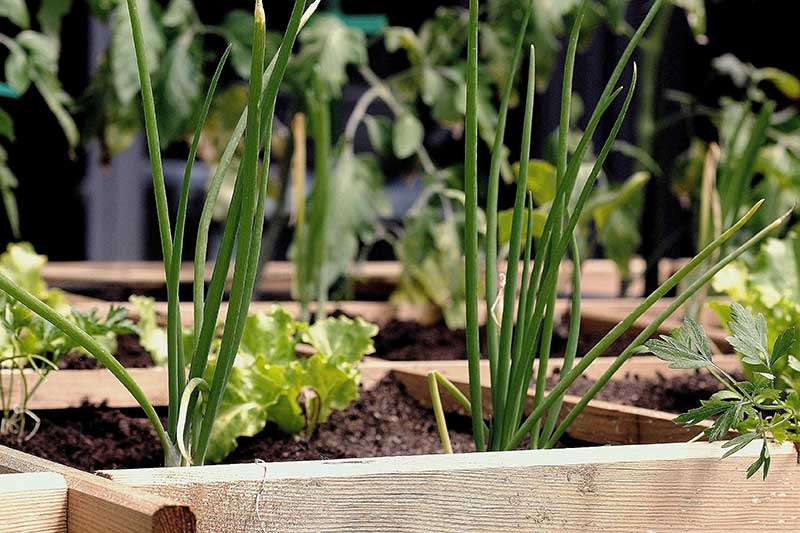
This article explores the latest developments in wicking bed technology, highlighting design innovations, soil improvements, and water management strategies. Modern wicking beds combine sustainable materials, efficient water use, and healthy soil biology to create resilient, productive gardens. From urban balconies to community gardens, these systems allow gardeners to grow food with less water while regenerating soil, reducing maintenance, and improving plant health in challenging climates.
Wicking beds are one of the most effective ways to garden sustainably, particularly in areas facing water scarcity or unpredictable weather. They store water at the base of the bed and allow it to rise gradually through the soil, giving plants constant access to moisture. This prevents drought stress, reduces water waste, and supports healthy plant growth. Over the past decade, innovations in wicking bed technology have made them easier to build, more durable, and better suited to a variety of environments.
Beyond water efficiency, wicking beds encourage living soils. Healthy soil ecosystems improve nutrient cycling, support beneficial microbes and fungi, and strengthen plant resilience against pests and disease. Combining thoughtful design with soil biology allows gardeners to maximize production while reducing chemical inputs.
Modern wicking beds incorporate layered media systems that optimize water distribution. Gravel, sand, and organic matter create a reservoir that ensures water wicks evenly into the root zone. Newer designs include enhanced overflow and drainage systems, which prevent waterlogging, salt buildup, and other issues common in early systems. This improves plant health and reduces maintenance over time.
Modular designs allow beds to be expanded or adapted to changing garden spaces. Stackable units, removable inserts, and adjustable overflow systems make these beds flexible for both small-scale home gardens and larger community projects. Some wicking beds now integrate simple sensors or automated irrigation controls to maintain optimal moisture levels, further improving reliability and reducing water waste.
Material selection significantly affects a wicking bed’s durability and performance. Recycled timber, polyethylene tanks, and geotextile liners are now commonly used. These materials reduce costs, last longer, and are easier to maintain than traditional options. Soil mixes are enriched with compost, biochar, and other organic amendments to increase water retention, fertility, and microbial activity.
Absorbent mats or wicking fabrics are often added between the water reservoir and soil layer. These help distribute moisture more evenly and prevent dry pockets. Mulching the surface not only reduces evaporation but also moderates soil temperature and suppresses weeds. These techniques combine to create a resilient system that promotes thriving plant growth with minimal intervention.
Healthy soil is central to the success of wicking beds. Microbial inoculants or “bio-packs” introduce beneficial bacteria and fungi that support nutrient cycling, disease resistance, and robust root systems. By creating a living soil environment, gardeners can reduce reliance on fertilizers and pesticides.
Layering the bed ensures that the water reservoir remains separate from the main root zone while still allowing capillary action to feed the plants. Mulching and organic matter help maintain consistent soil moisture and protect the microbial community. Over time, these systems regenerate soil, improve fertility, and support a diverse ecosystem both above and below the surface.
Water efficiency is the core advantage of wicking beds. Advanced systems optimize water delivery, preventing overwatering and under-watering. Overflow and drainage mechanisms ensure the bed does not retain excess water, which can harm roots or reduce oxygen availability. By connecting wicking beds to rainwater collection systems or greywater inputs, gardeners can further conserve water and make their systems more sustainable.
Strategic bed depth and soil layering reduce surface evaporation, keeping water where plants need it most. Mulching and plant selection also contribute to water conservation by shading soil and slowing moisture loss. These strategies are particularly valuable in regions with hot, dry summers or irregular rainfall patterns.
Wicking beds are highly versatile. They can be used in small backyard gardens, rooftop gardens, urban balconies, and community food gardens. They are suitable for both domestic and educational projects, allowing schools, universities, and community organizations to create hands-on learning spaces for sustainable agriculture.
Wicking beds also support larger urban farming initiatives. In urban areas, these systems make efficient use of limited space while conserving water. In rural areas, they are valuable for rehabilitating degraded land, as controlled water delivery and nutrient-rich soil amendments restore productivity and soil health. The adaptability of wicking beds allows gardeners to use them in different climates and soil conditions, from arid deserts to temperate regions and tropical areas.
Advances in technology have begun to enhance wicking bed performance. Soil moisture sensors connected to irrigation controllers allow automatic watering based on plant needs, soil conditions, and weather forecasts. Some systems even incorporate remote monitoring and data logging, providing insight into water use, soil health, and plant growth. These innovations make it possible to maintain optimal conditions with minimal effort, even for large-scale or urban projects.
Automation and data collection can also help gardeners experiment with different plant varieties, soil amendments, or irrigation strategies, offering valuable insights for improving productivity and sustainability over time.
Despite their advantages, wicking beds require careful planning and maintenance. Balancing soil depth, water reservoir size, and plant type is essential to avoid waterlogging or drought stress. High-quality organic matter is critical to support soil biology while minimizing disease risk. Overflow and drainage systems should be regularly inspected to prevent blockages or malfunction.
Gardeners must also consider seasonal changes and plant-specific water needs. Different crops may require different bed depths, soil mixes, or irrigation schedules. Understanding these variables ensures consistent growth and avoids stress to plants. With proper setup, wicking beds can provide a low-maintenance, productive system that thrives year after year.
The future of wicking beds is bright, with ongoing research and innovation enhancing their functionality. Integration with renewable energy allows automated irrigation in off-grid locations. New soil amendment techniques accelerate soil regeneration and improve plant productivity. Precision horticulture using sensors and IoT devices offers the potential for highly efficient urban and commercial gardening applications.
As climate conditions become more unpredictable, wicking beds provide a resilient solution for sustainable food production. Their combination of water efficiency, soil health, and adaptability makes them an increasingly important tool for gardeners, educators, and urban farmers around the world.
Modern wicking beds combine traditional gardening principles with innovative designs, materials, and management practices. They conserve water, support living soils, and provide resilient, productive growing systems. By embracing these technologies, gardeners and urban farmers can create sustainable, low-maintenance gardens that produce healthy food while regenerating soil. With ongoing innovation, wicking beds will continue to be a vital solution for sustainable food production in changing climates.
Download ‘New Developments in Wicking Bed Technology’ (full PDF)