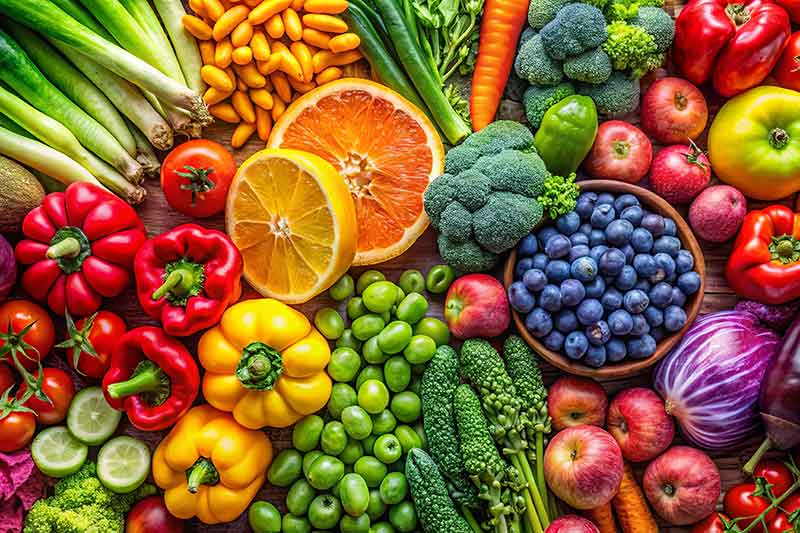
Plants give us energy from sugars and fats, but health depends on more than calories. We also need phytonutrients: complex plant chemicals linked to taste, appetite control, and long-term wellbeing. Phytonutrients rely on a living ecological chain that starts in the soil, where microbes and fungi unlock minerals so plants can build these compounds. When soil biology is damaged, food can become energy-rich but nutrient-poor, driving cravings and chronic disease. This article explains the cycle and the Gbiota growing approach.
The Ecological Cycle
Plants convert sunlight, atmospheric carbon, and water into sugars and fats. These simple chemicals provide energy. But health needs more than energy. Humans (and animals) also need a wide range of complex chemicals made by plants, known as phytonutrients.
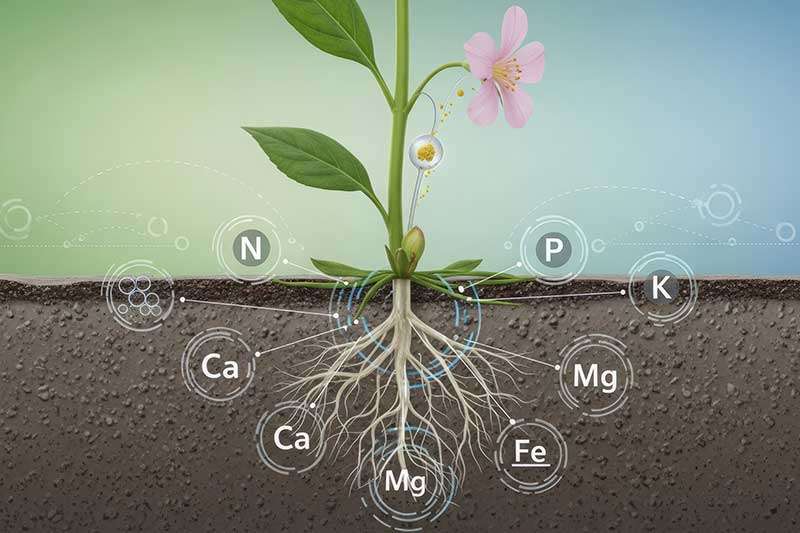
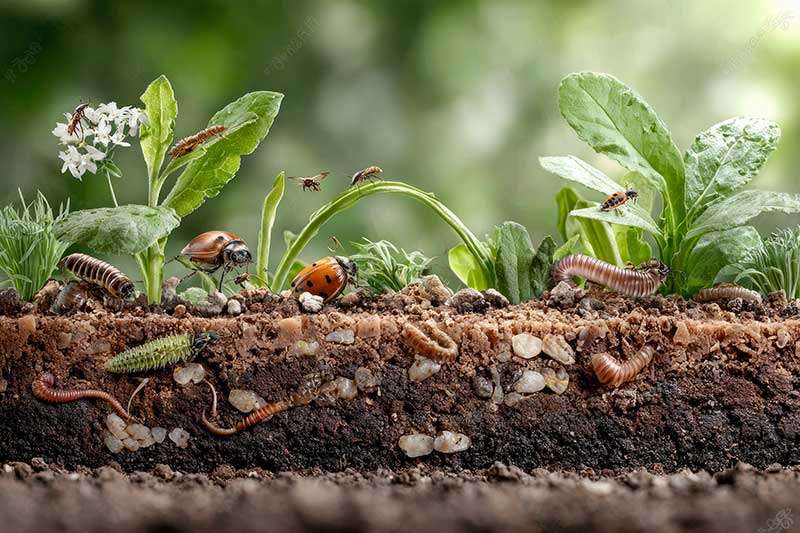
Making phytonutrients depends on a complex ecological chain. It begins with minerals in the soil. Many essential minerals are insoluble, so they cannot be taken up easily by plant roots. They first need to be broken down and made available by soil biology, including bacteria and fungi.
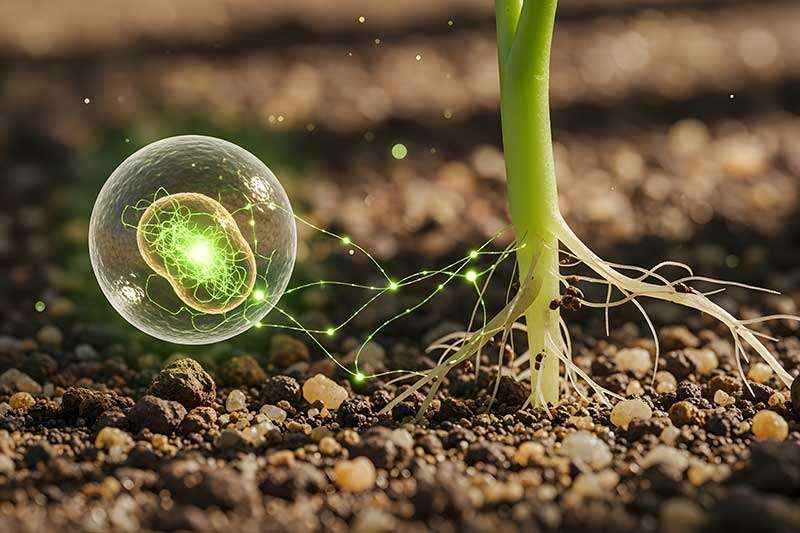
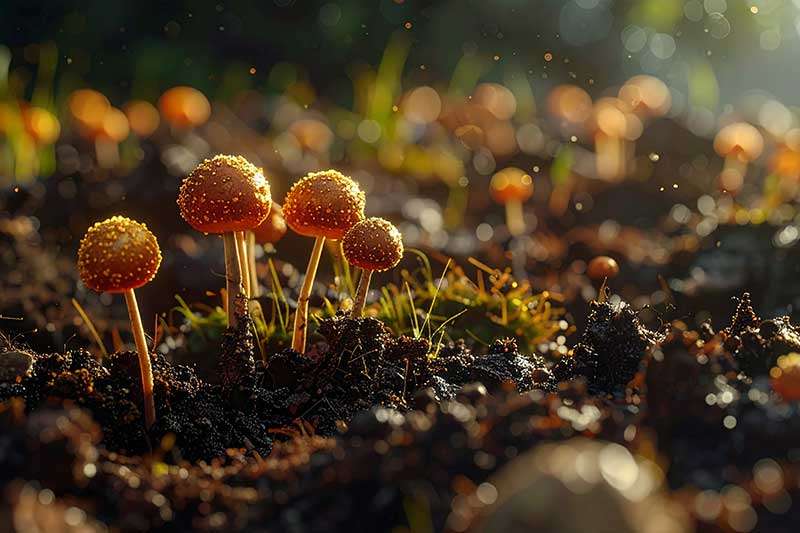
Mycorrhizal fungi are especially important. Their fine hyphae extend through the soil and help break down rock and mineral particles. This releases minerals and brings them directly to plant roots. When this system is strong, plants receive the building blocks needed for deeper nutrition.
Plants are masters of chemistry. Using minerals from the soil, they manufacture phytonutrients that support human health. These compounds also play a major role in flavour. Strong taste and aroma are not accidental. Plants need animals to spread seeds and help recycle nutrients back into the soil, so taste becomes part of the plant’s survival system.
What Goes Wrong in Modern Farming
Modern chemical industrial farming produces energy in abundance, but it often damages the biological life in soils. When soil biology is destroyed or weakened, plants struggle to produce enough of the phytonutrients that depend on mineral uptake and microbial cooperation.
When the diet lacks phytonutrients, the body tends to respond with hunger cravings. Instead of feeling satisfied, people keep searching for “something missing”. In practice, that often means eating excess high-sugar and high-fat foods, which contributes to the modern chronic health epidemic.
The Gbiota Growing System
The Gbiota system is designed to rebuild the ecological chain that produces phytonutrients. The primary inputs are organic wastes and essential minerals. These are composted in bins, creating a biologically active base material.
Water is circulated through the compost bin and through the plant root zone in a flood-and-drain system. This cycle helps aerate the root zone, and it delivers both minerals and biology so plants can produce essential phytonutrients. Because roots are flushed with nutrient-rich solution every few hours, the system is highly productive.
Fresh Food, Less Waste, Fairer Economics
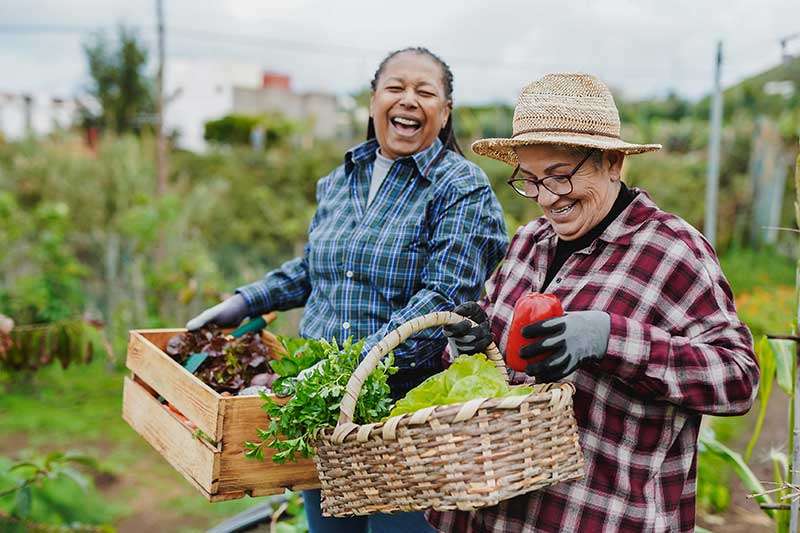
Growers operating this system need approval and then post available produce online for sale. Orders are typically taken before plants are harvested. This means produce can be genuinely fresh, harvested close to pickup or delivery, and there is little to no waste.
With a highly productive system, recycling waste organics, avoiding the high cost of chemical inputs, and selling direct to the customer online, it becomes possible to offer produce rich in phytonutrients at a cost that is competitive with chemical industrial agriculture. The customer receives the health benefit of more nutrient-rich food, and the environment benefits through regenerating soil quality, recycling organic waste, and capturing carbon in the soil.
Modern society is experiencing a rapid rise in chronic disease, despite having more food and medical technology than ever before. Colin Austin argues that the root cause lies in degraded soils, nutrient-poor food, and broken food systems. Drawing on personal experience, traditional cultures, and engineering principles, he explains how gut–brain signalling, soil biology, and true food freshness interact. He then outlines practical solutions through wicking beds, Gbiota growing systems, and a fairer “pick and eat” food model.
Introduction — A Moment of Hope
Colin Austin opens with a moment that restored his faith in humanity. Watching New Zealand’s Prime Minister Jacinda Ardern comfort a grieving child after a tragedy, he saw leadership grounded in empathy rather than performance. It felt real, human, and connected.
That moment mattered because, for a long time, Colin had been deeply discouraged by the state of modern health. Across wealthy nations, rates of obesity, diabetes, heart disease, dementia, and depression continue to rise. Meanwhile, enormous food and pharmaceutical industries profit from managing symptoms rather than preventing disease.
This article is not written in despair. Colin says he now sees a clear path forward — one that starts with food, soil, and biology rather than pills and procedures.
A Personal Crisis That Changed Everything
The motivation behind this work is personal. Colin’s wife, Xiulan, developed diabetes. Over time, she began losing her eyesight. Then she fell down a flight of stairs and shattered bones in her foot.
After surgery, her foot turned black. Doctors began discussing amputation. They explained that diabetes was incurable and progressive. Blindness, limb loss, and early death were described as normal outcomes. The only uncertainty, they said, was how fast it would happen.
Colin rejected this explanation. He states clearly that most people can avoid diabetes if it is caught early, and that many people can reverse it — even after years — by changing what and how they eat.
The Modern Health Epidemic
Colin argues that today’s health crisis is historically new. Fifty years ago, diabetes and extreme obesity were uncommon. In many traditional societies today, they remain rare.
He points out that while traditional societies may face higher risks from accidents or infections, people who survive into older age often remain physically capable. It is not unusual to see people in their eighties or nineties working, walking long distances, or farming.
In contrast, modern societies often see frailty, chronic illness, and dependence decades earlier. According to Colin, the key difference is not genetics or medicine — it is food.
Everything Begins With Soil
Traditional food systems begin with soil rich in organic matter, minerals, and living biology. Compost, animal manures, and plant residues feed microbes and fungi that cycle nutrients naturally.
Modern industrial agriculture, by contrast, often relies on soluble fertilisers and chemical controls. While yields may be high, the soil itself becomes biologically depleted. Trace minerals are removed year after year without being replaced.
Colin cites evidence that some trace elements have declined dramatically over decades of intensive farming. Plants may look healthy, but their nutrient density is reduced. Humans then eat more food but receive fewer essential compounds.
Diversity Has Been Lost
Traditional diets are diverse. People eat many species of leafy greens, herbs, roots, and wild plants. Older generations often recognise dozens of edible species that modern people no longer identify as food.
Modern diets are narrow by comparison. Even when people eat vegetables, they usually consume a small number of commercially favoured crops. This lack of diversity limits the range of minerals, fibres, and phytonutrients entering the body.
Freshness Is Not a Marketing Term
Colin emphasises that traditional societies eat much of their food within hours of harvest. Some foods store well, but many greens are eaten immediately.
Modern food systems involve long supply chains. Produce is often harvested early, transported long distances, stored, and displayed days or weeks later. Labels may say “fresh”, but Colin argues there is a fundamental difference between appearance and biological freshness.
The Gut–Brain Control System
Humans evolved with a sophisticated internal control system that regulates hunger and satiety through the gut–brain axis. When the body receives adequate nutrients, hormones signal satisfaction and eating stops naturally.
Sugars and fats are not inherently harmful, Colin says. In traditional contexts, they were valuable energy sources. The problem arises when food is energy-rich but nutrient-poor.
When essential minerals, fibres, and phytonutrients are missing, the body sends hunger signals without specifying what is lacking. People feel compelled to keep eating, often choosing what is most available — processed, sugary, and fatty foods.
This leads to overeating, insulin resistance, and chronic disease. Supplements may help temporarily, but Colin argues that nutrient-dense food provides balance automatically, without spikes or deficiencies.
Chemical Control vs Biological Balance
Modern agriculture often treats microbes as enemies. Chemical sprays and antibiotics aim to sterilise environments and kill threats.
Colin acknowledges legitimate concerns around food safety, but argues that killing everything creates long-term instability. Microbes adapt, resistance develops, and chemical inputs escalate.
Biological systems work differently. When conditions favour beneficial microbes — through organic matter, minerals, and fibre — they outcompete harmful organisms. This ecological balance has sustained humans and animals for millennia.
The Missing Filter and Rare Breakthroughs
Colin describes himself as lacking the mental filter that stops most people pursuing bad ideas. He jokes that this leads to many failures — but occasionally, a breakthrough.
One such breakthrough was Moldflow, a plastic flow simulation developed in his spare bedroom. It grew into a world-leading technology company and was later sold to a major US firm.
After that success, Colin turned his attention to soil, water, and long-term environmental limits. He became convinced that soil could store vast amounts of carbon while producing healthier food.
Ethiopia and the Birth of Wicking Beds
Invited to Ethiopia to help grow food under drought conditions, Colin developed two connected ideas.
The first was the wicking bed: a growing system built over an underground water reservoir that supplies roots via capillary action.
The second was nutrients. Instead of expensive inputs, he observed that weeds thrive by extracting nutrients from poor soils. By composting weeds inside the system, nutrients could be recycled efficiently.
When Ideas Spread — and Break
Wicking beds spread rapidly online. Colin learned that information travels fast, but accuracy does not always keep up.
Some guides removed organic matter and filled beds with stones to keep them “clean”. This disrupted capillary action and biology, leading to stagnant, smelly systems.
Colin spent years responding to problems caused by these changes, reinforcing that biology, not sterility, makes systems work.
Health Is the Central Goal
Colin repeatedly returns to health outcomes. In Australia alone, he notes that diabetes-related amputations occur roughly every twenty minutes.
His goal is to prevent this suffering by making nutrient-dense food affordable and accessible. Diabetes, he argues, must not become a disease of poverty.
Scaling Beyond the Backyard
While wicking beds work well for home growers, Colin says broader adoption requires solving two problems:
Applying flood-and-drain and wicking principles at scale without stagnation.
Making regenerative growing economically viable for farmers.
The Gbiota Approach
Colin formed the Gbiota club to share practical growing systems designed to support gut health. After years of refinement, he developed a simple, reliable flood-and-drain method using biologically active soil.
The Gbiota manual is shared freely within the club under Creative Commons. Gbiota™ is a registered trademark that growers can use when meeting the specification.
Conclusion
“The Food Revolution” is not nostalgia. It is a practical response to modern disease and ecological decline. By restoring soil biology, plant diversity, and direct food relationships, Colin Austin argues we can rebuild health from the ground up.
The Gbiota philosophy grew from practical experience rather than theory. Faced with severely degraded soil on an old goat farm, Colin Austin set out to regenerate soil faster than conventional thinking allowed. Years of failed experiments revealed that no single additive or method worked reliably. Instead, the breakthrough came from understanding water, soil moisture stability, and microbial life. This chapter explains how soil regeneration depends on managing water to support living soil.
Introduction — The Beginning of the Gbiota Philosophy
In the early 1970s, I was looking for a lifestyle change and bought a small holding that had previously been used as a goat farm. I wanted to grow my own food. I had been brought up growing food, and as I often say, I was born when Hitler declared war — a case of gross exaggeration, but it makes the point.
The reality of the land was confronting. The goats had completely destroyed the topsoil. When wet, the soil became a sticky, gluey mess. When dry, it set as hard as concrete. There was no structure, no life, and no resilience. I was immediately faced with a problem that would shape the rest of my work: how do you regenerate soil that has effectively collapsed?
Soil Regeneration Becomes the Focus
This period coincided with the era of giant dust storms, when millions of tonnes of topsoil were being lost. At the time, farmers were still learning the value of protecting topsoil, and widespread changes in farming practice were yet to come. I did not know then that agriculture would eventually respond, but I could see a looming calamity if the world continued to lose its soil.
Soil regeneration became my serious out-of-work interest. Fortunately, my main business — writing computer simulation software — was becoming successful. Over time it became an international leader in its field and one of Australia’s major exporters of technical software.
That success gave me freedom. I did not need a financial return from my soil research. I could treat it as a long-term research project driven by belief rather than profit. I believed soil regeneration was critical to the future of humanity.
Speculative Research and the Cost of Innovation
The success of my company was based on what I called speculative research. There is a common belief, especially among those who fund research, that science must move cautiously, carefully checking every detail before progressing. That discipline is important, but major breakthroughs often come from experiments that appear ridiculous at first.
The cost of innovation is the willingness to make many mistakes and to feel foolish in front of your peers. This was the same philosophy I brought to my soil regeneration experiments.
When I read the existing literature on soil regeneration, it was deeply discouraging. Regeneration rates were often measured in millimetres per century. I have always been an impatient person, and I wanted a system that could regenerate soil in years, not lifetimes.
Early Experiments and Growing Confusion
I tried everything. Local garden stores must have loved me. I bought every product that claimed to improve soil: clay breakers in bottles, bags, and trailer loads, along with strange plants that were supposed to be ploughed back into the soil as green manure.
I divided the block into small squares in what I believed was a scientific approach. There were control squares, duplicates, and combinations of different treatments. On paper, it looked sound.
In reality, it was a disaster. Some squares showed real regeneration. Others stayed gluey when wet and concrete-hard when dry. Single-variable experiments were a failure. It became clear that regeneration required combinations of processes — green manures, additives, and soil management together.
The results were confusing and inconsistent. I attempted to analyse them using the Taguchi method, a mathematical approach used in Japanese industry to analyse multi-variable systems. Even that failed to make sense of the data.
Why the Experiments Failed
The cruel reality was this: a combination that worked in one area could fail completely in another. After years of effort, the experiments were a shambles. There were no clear rules, no reliable recipes, and no repeatable outcomes.
At this point, my background in computer simulation became relevant. In simulation work, the goal is to write code that behaves like the real world. You create an algorithm, test it, and adjust it using tuning factors until it produces realistic results.
There is a fundamental rule in simulation: if you need endless correction factors and millions of lines of code, the base algorithm is wrong. When that happens, the only sensible option is to start again with a better model.
A Change in Thinking
This was exactly what was happening with my soil experiments. I was trying to create complex formulas involving specific amounts of ingredients, crops, and cultivation methods. The system had become far too complicated to ever be reliable.
I realised I had to stop chasing formulas and start understanding the underlying mechanics. I needed a generic rule — something that could be applied in most situations.
I went back and re-examined my experiments, not looking at what I had controlled, but at what I had ignored.
The Role of Water
The answer was obvious once I saw it: water was playing a critical role. A paddock may look uniform, but nature rarely is. My land certainly was not uniform. It sloped down towards a creek.
I irrigated using the creek, a small dam, and a pump. When I examined soil samples from different squares, it became clear that moisture levels varied far more than I had assumed.
The subsoil contained fissures that created underground flow paths. These were not creeks, but they were enough to channel water preferentially. Some areas dried out badly during hot months, while others became waterlogged in wet periods.
The Key Observation
Only the areas where moisture levels remained moderate and reasonably uniform throughout the year showed real soil regeneration. Areas that were too wet or too dry showed little improvement.
This was a crucial observation, but it was not the full answer. Water alone does not regenerate soil. Water is inert.
The missing piece was biology.
Microbiology and Living Soil
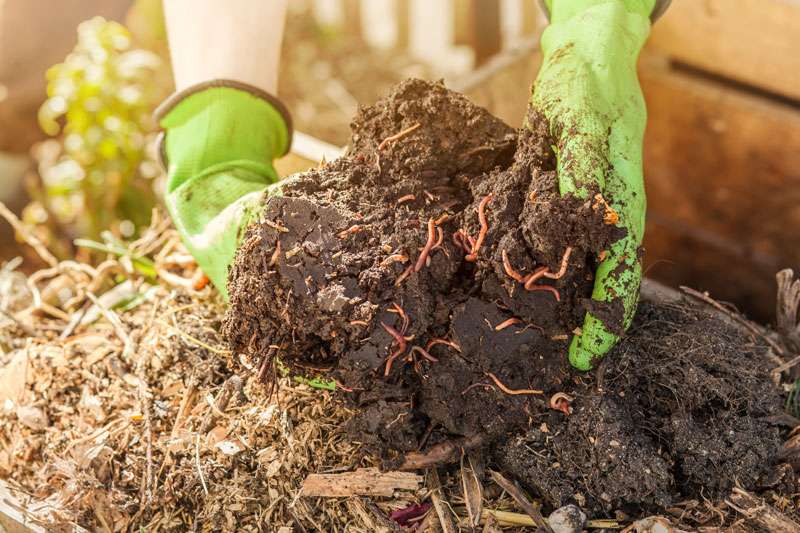
The regenerating areas had something else in common: biological activity. This was obvious from the number of worms present. Worms cannot eat organic matter directly; microbes must process it first.
As I began to explore soil microbiology, I quickly realised how complex the field is. There are countless species, many still unidentified. Scientists seek full understanding, but I am an engineer.
Engineers often build useful systems without fully understanding every underlying detail. History is full of examples where engineering intuition led, and science followed later with explanation.
Conditions, Not Complexity
I did not need to understand every microbe. I only needed to understand the conditions that allow microbial life to flourish. Microbes need food, which is usually available. More critically, they need stable moisture.
This is difficult in Australia, where evaporation exceeds rainfall across most of the continent. In many areas, evaporation is several times higher than rainfall.
At first glance, maintaining soil moisture under such conditions seems impossible. However, soil behaves in a useful way. The surface dries quickly and forms an insulating crust that reduces further evaporation. Beneath this crust, subsoil moisture can remain stable.
Rethinking Water Management
To take advantage of this effect requires a complete rethink of how water is managed. Instead of constantly wetting the surface, the goal becomes protecting subsoil moisture.
This realisation led me into irrigation scheduling, subsurface irrigation, water harvesting, and eventually the wicking worm bed. Of all the methods I explored, the wicking worm bed proved the most successful.
These systems are described in later chapters.
Carbon and the Bigger Picture
At the time of these experiments — now more than thirty years ago — I had no awareness of global warming. With hindsight, it is clear that this work had major implications for carbon capture.
Regenerating soil through biology and moisture stability also rebuilds soil carbon. What began as a personal food-growing problem turned out to be part of a much larger solution.
Looking Ahead
In the next chapter, I will describe my experiments with irrigation scheduling and how they led directly to practical water-efficient growing systems.
Healthy soil is the foundation of food, nutrition, and long-term resilience. Yet much of the world’s soil is being degraded faster than it can regenerate naturally. This article describes a practical soil-making system that accelerates natural soil formation by combining pioneer plants, mycorrhizal fungi, beneficial worms, and controlled moisture using wicking principles. It is not a shortcut or a chemical fix, but a managed biological process that works with nature rather than against it.
We Are All Dependent on Quality Soil
Every person depends on soil for food production, yet globally our soils are being steadily degraded. This degradation reduces both the quantity and quality of food. Quality matters because food must contain sufficient minerals and trace elements to support human health.
There is growing evidence that many so-called modern diseases, including diabetes and other metabolic disorders, are linked to mineral deficiencies in food. These deficiencies are not accidental; they reflect soils that have lost biological activity and mineral balance.
There is no magic powder that can be spread on degraded soil to instantly turn it into fertile loam. Soil is not manufactured; it is created through a process. In nature this process happens continuously, but very slowly. Natural soil formation is often measured in millimetres per century.
The key insight is that while we cannot bypass the natural process, we can manage it. By understanding how soil is created and supporting the organisms involved, we can dramatically accelerate regeneration.
How Soil Is Made Naturally
Soil is created by complex communities of living organisms working together. The process usually begins with pioneering plants invading bare or degraded land. These plants are adapted to harsh conditions. They seed freely, sucker readily, and develop deep, strong root systems capable of extracting nutrients from poor substrates.
Plants do not directly make soil. Instead, they provide energy to soil organisms through photosynthesis. This energy enters the soil food web in the form of sugars, root exudates, and plant residues. Soil itself is created by the organisms that feed on this energy.
Plants form highly synergistic relationships with mycorrhizal fungi. The plant supplies sugars, while the fungi extract water and nutrients that plants cannot access on their own. Fungal hyphae are extremely fine and can exert high pressure at their tips. They also release enzymes that dissolve rock particles, freeing locked-up minerals.
Other organisms play supporting roles. Lichens and mosses can slowly break down rock surfaces. Pioneering plants usually have short lifespans, and their remains contribute organic matter to the developing soil.
Bacteria break down softer plant tissues, while fungi decompose harder materials such as lignin. Worms and other soil creatures consume decaying organic matter and reshape it into stable soil structure.
Worms are particularly important because they excrete a nitrogen-rich slime that binds soil particles into aggregates. These aggregates create pore spaces that hold air and water, which are essential for plant roots and microbes.
Water: The Critical Limiting Factor
All soil organisms require water, but fungi are especially sensitive to moisture conditions. Too much water excludes oxygen and kills fungi. Too little water stops biological activity altogether.
Soil generation requires steady moisture, not cycles of flooding and drying. Regions with excessive rainfall, such as wet tropical zones, often have shallow soils because nutrients are rapidly leached away. Forest belts in mid-latitudes may look fertile but frequently have thin soil layers.
At the other extreme, desert regions are simply too dry to support active soil biology. The most productive soils on Earth tend to occur in savannah regions where rainfall is reliable but not excessive.
The great challenge in soil creation is maintaining soil moisture within a narrow, stable range. It must remain moist enough to support fungi and bacteria, but never saturated.
The Waterright Soil Regeneration System
Over many years of experimentation, we have developed a soil regeneration system with four key elements:
Easter Cassia as a pioneer plant
Pre-inoculation with mycorrhizal fungi
Amyuthus worm eggs to aerate soil and spread fungi
Wicking beds or wicking furrows to maintain steady moisture
Each component plays a specific role. Individually they help, but together they form a self-reinforcing system.
Photosynthesis Provides the Energy
Soil organisms cannot create energy on their own. With rare exceptions, they depend entirely on energy fixed by plants through photosynthesis.
Crops contribute some energy to soil biology, particularly when mycorrhizal fungi are present. However, cropping systems usually result in a net loss of soil carbon due to cultivation, exposure, and fertiliser use.
To build soil, additional plant biomass is required. This biomass can be grown alongside crops or produced elsewhere and imported as organic matter. Either way, extra plants are essential to offset carbon losses and feed the soil food web.
Easter Cassia: The Soil Tree
Our work has focused on Easter Cassia (Senna pendula var. glabrata) as a soil-building plant. It is a true pioneer species that thrives on severely degraded soils.
Easter Cassia is extremely robust. It produces large quantities of soft, succulent foliage that soil organisms can readily consume. As a legume, it fixes atmospheric nitrogen. Its deep root system efficiently mines phosphorus from lower soil layers.
For these reasons, we call Easter Cassia the “soil tree.” However, the tree itself does not make soil. It feeds the soil biology that creates soil.
Fungi dissolve minerals, worms aerate and aggregate the soil, and bacteria process soft organic matter. None of these alone can produce high-quality soil, but together they form a powerful regenerative system.
Using Easter Cassia as a Fungal Host
Easter Cassia is used as a permanent or semi-permanent host for mycorrhizal fungi. Crops are harvested, and when the crop dies, the fungi associated with it often die as well.
By maintaining living Cassia trees, we create a continuous refuge for fungi. From this refuge, fungal networks can extend into nearby crops, re-colonising roots and improving nutrient uptake.
The trees must be regularly trimmed. These trimmings feed soil organisms and prevent excessive shading.
It must be emphasised that Easter Cassia is a vigorous plant. If unmanaged, it can spread aggressively. It should only be used where active management is possible.
Cultivating Mycorrhizal Fungi
Mycorrhizal fungi are among the most important organisms in soil. Their hyphae release enzymes that unlock nutrients trapped in rock particles.
These fungi form delicate symbiotic relationships with plants. Without a host, fungal spores die quickly. Without fungi, plants lose access to many nutrients.
Fungi are easily damaged by sunlight, drought, and soil disturbance. Even no-till cropping can break hyphal networks. In nature, fungi compensate by producing large numbers of durable spores.
Our approach is to inoculate Easter Cassia with mycorrhizal fungi and plant them close to crops. This provides a stable fungal reservoir that can continually re-infect crop roots.
Amyuthus Worms: Let Worms Do the Work
Worms play a critical role in soil regeneration. Amyuthus worms, sometimes called snake worms, can grow up to 300 mm long.
They transport decaying organic material from the surface deep into the soil. Their burrowing creates a highly porous structure that holds both air and water.
Field trials suggest that these worms may help spread mycorrhizal fungi. Plots inoculated with fungi alone showed localised activity. When worm eggs were added, fungal distribution was much wider.
The mechanism is not fully understood, but such relationships are common in soil ecosystems.
Worms cannot digest organic matter directly. Bacteria break it down first. Worms then consume this material and excrete nitrogen-rich mucus that binds soil particles into stable aggregates.
Wicking Beds And Wicking Furrows
Wicking beds were developed over a decade ago and are now well established. They consist of a lower water reservoir filled with organic material, topped by soil.
Water moves upward by capillary action, keeping the root zone moist but never saturated. This creates ideal conditions for fungi and bacteria.
Wicking furrows apply the same principle at scale. Water flows along lined furrows partially filled with organic matter. Moisture wicks sideways into the soil without direct saturation.
Easter Cassia trimmings can be shredded and mixed with grass clippings to form an effective wicking medium.
A System That Works With Nature
This soil-making system does not rely on chemicals or shortcuts. It accelerates natural processes by supplying energy, biology, and water in the right balance.
By combining pioneer plants, fungi, worms, and steady moisture, degraded soils can be regenerated far faster than natural processes alone would allow.
The result is living soil that supports healthy plants, nutrient-dense food, and long-term resilience.
This newsletter explains why some wicking beds fail, why they may smell, and how soil biology, water balance, and nutrients affect plant health. It shares the story behind the development of wicking beds, the mistakes early users made, and the importance of living soil. It also highlights global food quality issues and introduces new plans to make wicking beds easier for everyone, including people in small homes or apartments.
Introduction — A Tough Morning With Wicking Beds
Some days just don’t go well. I started receiving a wave of emails from wicking bed users complaining that their beds were smelly or failing to keep plants well watered. If you have ever asked similar questions, don’t feel bad — your queries have helped highlight a critical issue and pushed me to rethink parts of how these systems work.
Wicking beds are wonderful when they work, but they can also go wrong — and when they go wrong they can seem “putrid” or disappointing. These problems have implications not just for individual gardeners, but for how the wicking bed idea is perceived globally. If the public sees beds fail, they won’t adopt the technology that can make food production more sustainable and nutritious.
The Birth of Wicking Beds
The original goal of developing wicking beds was practical and simple: how could I provide cheap, reliable water to grow sustenance food in drought-prone areas like rural Africa? Many subsistence farmers live on a few dollars a day and cannot afford expensive irrigation or fertilizers. The idea of using a reservoir beneath the soil to supply moisture directly to plant roots seemed ideal — cheap, simple, and adaptable to diverse conditions.
In the early days, I built wicking beds from whatever was available — old bathtubs, wheelbarrows, tyres lined with plastic bags, and other inexpensive containers. These simple systems worked surprisingly well. Once filled with soil and a bit of organic matter, they kept plants alive even when rainfall was minimal.
As the idea spread through the internet, I was taken aback by how many people adopted wicking beds. It was never intended to be a commercial product — I simply shared the concept online so others could benefit. However, rapid adoption led to both good and bad versions of the system floating around, and not all of them worked correctly.
Commercial Suppliers and Technical Support
Many people now buy ready-made wicking beds from commercial suppliers. Often these products come with little to no technical support. The manufacturers may build a bed, sell it, and leave the buyer to figure out how it works. This can be problematic because wicking bed success depends on understanding how water moves through soil, how roots breathe, and how soil biology functions. Without this knowledge, users may experience poor results and wrongly conclude that wicking beds don’t work at all.
There’s a real paradox here. When I first proposed the idea, many technical experts claimed wicking beds wouldn’t work because water stagnant at the base would become putrid. In principle, they were correct: plant roots need oxygen, and if they are submerged too long without air, they effectively “drown” just as humans would in similar conditions. A major part of early development was finding ways to ensure roots had access to both sufficient water and oxygen.
Stinky Beds – What’s Really Going On?
One common problem is that beds can go putrid. This happens when there’s too much stagnant water and not enough oxygen in the soil. Roots emit gases like ethylene, which can inhibit growth if trapped. If the water level in the soil stays high for too long, the environment becomes anaerobic (without oxygen), which creates unpleasant smells and poor growing conditions.
Another issue is the soil mix itself. If the soil is inert — for example, stones, sterile sand, or chemically sterilised potting mix — it won’t support soil biology. Without soil life, organic matter does not decompose properly, and nutrients do not become available for plants. You might avoid smells in a sterile mix, but the produce will likely be low in nutritional quality, similar to many supermarket vegetables.
Just adding a bit of compost to a bed can lead to smells not because compost is bad, but because the soil biology is not well balanced. If there’s not enough oxygen or the proper microbial population, decomposition becomes anaerobic and odorous.
Nutrition and the Global Food Crisis
My focus has shifted from just water to a broader issue: nutrition. My wife Xiulan’s diagnosis of diabetes highlighted the real health consequences of modern diets — diets high in sugar, fats, and calories but low in essential vitamins, minerals, and phytonutrients. Diabetes is not just about sugar; it is a hormonal malfunction that leads to serious diseases and complications, including blindness and amputations.
The modern industrial food system produces large quantities of energy-dense foods that are nutrient-poor. Although pills and supplements are marketed as solutions, they cannot replicate the complex balance of nutrients, vitamins, and phytonutrients that natural, biologically grown food provides. Growing nutrient-dense food locally, in biologically active soil, is a practical way to improve diet quality.
Around the world, people are suffering from chronic diseases linked to poor diet. For example, Australia has millions living with diabetes, the United States has tens of millions, and China’s numbers are rapidly rising. Most people could benefit from growing at least some of their own food to reduce dependence on processed, nutrient-deficient products.
Growing Your Own Food
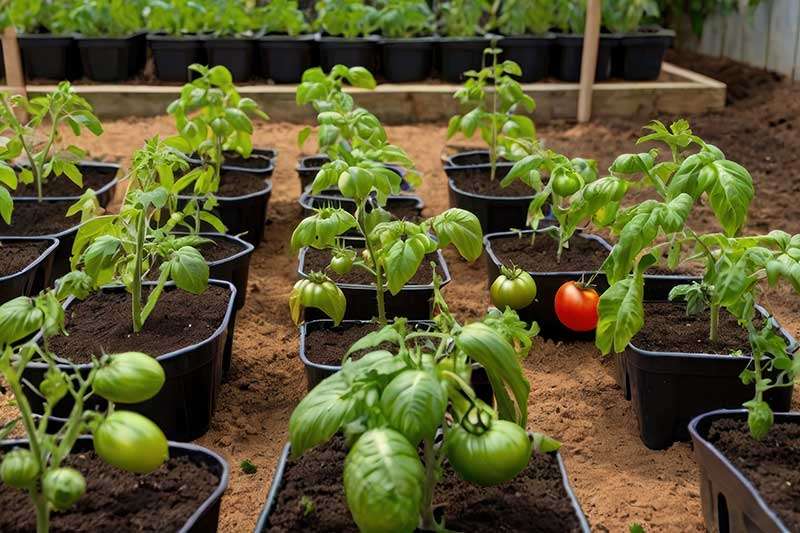
The most practical solution is to grow a portion of your own food in nutrient-rich soil. This doesn’t require joining a complex movement or becoming an expert gardener — even a few tomatoes, spinach, or herbs grown in well-managed soil can improve nutritional intake.
However, many people live in apartments or have limited garden space. To address this, I have been developing an upgraded design — the “wicking bed basket.” This is a compact, soil-rich container system designed to fit in apartments and small yards. It allows anyone, regardless of space, to grow nutritious food using minimal resources.
Learning from Mistakes
There’s an old saying: both fools and wise men make mistakes, but the wise learn from them. I recognise that I made mistakes in how I promoted and supported wicking beds. I shared all my information freely online, but not everyone understood the underlying principles. This led to misapplications of the technology and some failed beds.
These failures can harm the reputation of wicking beds. If the public associates them with bad results or foul smells, adoption will falter. Yet when used correctly and supported with some technical guidance, wicking beds have enormous potential to help people grow healthy food around the world.
Commercial and Community Support
To support wider adoption, simply sharing information is not enough. People need technical support to succeed with their beds. One idea is to create a formal structure — a wicking bed club — where members pay a small fee for access to support, updates, and expert guidance. This model does not rely on patents or heavy legal systems but rather on shared knowledge and collective improvement.
The club concept allows growers to access technology, training, and resources while contributing to a network of gardeners sharing ideas and improvements. Coaches could provide personalised help, and members could benefit from collective expertise on soil mixes, biological supplements (like BioPacks), minerals, trace elements, and plant choices.
Conclusion — Growing Healthy Soil and Food
The challenge is to make wicking beds both effective and widely adopted. Most current users see good results, but some do not because they lack understanding of how water, air, soil biology, and nutrients interact. The goal remains simple: enable as many people as possible to grow nutrient-rich, homegrown food using sustainable, low-cost methods. Ensuring proper technical support and education will help wicking beds reach millions globally, improving diet quality and community resilience.
This article argues that human health and soil health are intimately linked: modern food often lacks essential minerals and phytochemicals because soils are depleted. By growing our own food using biologically active soils — for example in wicking beds — we can restore missing nutrients, support soil ecology, and produce food that helps regenerate our bodies. The approach depends on balanced soil biology, mineral-rich soils and sustainable growing methods rather than artificial fertilizers.
Soil, Food and Body Regeneration
Many commercial foods today are rich in calories, but poor in the minerals and complex plant‑derived chemicals (phytonutrients) that our bodies need to regenerate cells, tissues, and maintain health. Plants are nature’s chemists: they draw minerals from soil, make these compounds, and store them in edible parts. But when soils lose minerals or biological activity, foods become nutrient-poor — and our bodies suffer.
Growing some of our own food — on biologically active soil — gives us control. We can ensure soils contain minerals and promote the microbial life that helps make those minerals plant‑available. Wicking beds are one practical method for doing that.
Why Soil Regeneration Matters
Many soils around the world have been degraded by overuse, erosion, or poor agricultural practices. Topsoil can erode, lose nutrients, or become compacted and biologically dead. Without regenerative practices, these soils produce food low in minerals and phytonutrients — even if yields remain high.
Soil regeneration isn’t just for farms. Anyone with a small plot, garden bed or even a container can help restore soil quality to produce healthier vegetables — for themselves and the community.
Soil Biology: The Invisible Engine
Soil is not inert: it is alive. Fungi, bacteria, protozoa, worms and other soil fauna work together to transform minerals and organic matter into forms accessible to plant roots. Mycorrhizal fungi, for instance, connect with plant roots and help gather nutrients — far more efficiently than roots alone. Soil microbes break down organic matter and free up trace elements that would otherwise remain locked in mineral particles.
If you kill or suppress this soil biology — for example by sterilising soil or over‑using chemicals — you lose the engine that powers nutrient cycling. Plants still grow, but their nutritional value drops.
The Role of Wicking Beds and Water Management
Maintaining appropriate soil moisture is critical. Too dry and microbes struggle, too wet and oxygen levels drop, harming biological activity. Wicking beds offer a reliable way to hold moisture below the soil surface. Water slowly rises by capillary action, keeping soil evenly moist but not waterlogged. This stable moisture zone supports beneficial biology while giving plant roots consistent access to water and nutrients.
This moisture stability is especially useful in arid climates or where rainfall is irregular. It also conserves water — a key benefit for sustainable gardening and soil regeneration.
How to Regenerate Soil — The Basics
To regenerate soil effectively, focus on three core aspects: biology, chemistry (minerals), and physical structure.
– **Feed the biology** — enrich soil with compost, organic residues or carefully prepared organic amendments. This gives microbes and fungi the energy they need to thrive.
– **Supply minerals** — if the soil lacks key trace elements or essential minerals (such as calcium, magnesium, trace element mix), add them. Plants and soil life need these to grow and to produce nutrient‑rich food.
– **Improve structure and porosity** — ensure soil has enough pore space for air, water and root movement. This includes mixing in coarse materials or sand if the native soil is heavy clay, or adding organic matter if soil is too sandy.
When all three conditions are met — living biology, balanced minerals, and good structure — soil can regenerate and support healthier plant growth and better nutrition.
From Theory to Practice
You don’t need a large farm to participate. Even small wicking beds, containers or raised garden beds can be used. Key steps:
1. Start with existing local soil — this helps retain adapted microorganisms.
2. Mix in compost or organic waste to feed biology.
3. Add mineral amendments if needed (especially trace elements).
4. Use a wicking bed or water‑efficient system to maintain stable moisture.
5. Plant a diversity of vegetables — this supports resiliency and nutrient variety.
6. Maintain regularly: top up organic matter, monitor water, avoid chemical sterilizers.
Over time, the soil becomes more alive, minerals become more available, and the produce becomes richer in nutrients and phytonutrients — food that more effectively supports body regeneration.
Why This Matters for Health and Sustainability
Our bodies constantly regenerate — building new cells, healing tissues, and maintaining organ function. To do this properly we need more than calories; we need high‑quality nutrients, minerals and phytochemicals. Food grown in depleted soils struggles to provide these.
By restoring soil health, we restore the nutritional potential of our food. Moreover, soils that support biodiversity and retain carbon help ecological resilience and combat environmental degradation. Wicking beds and regenerative soil practices offer a practical, scalable path for individuals and communities to contribute.
Conclusion — Soil Regeneration for People & Planet
Soil regeneration is not a distant academic exercise — it’s a practical, necessary step for healthy food, healthy bodies, and a healthy planet. By combining living soil biology, balanced minerals, stable moisture and sustainable practices, we can rebuild soils even on degraded land or in urban gardens. Wicking beds and simple soil‑building techniques empower people to grow mineral‑rich, nutrient-dense food. In doing so, we help regenerate not only the earth beneath our feet, but the bodies that rely on it.
If you’d like more information or practical guidance, feel free to reach out: colinaustin@bigpond.com
This newsletter explains why healthy soil is fundamental to healthy food and healthy people. It shows how modern processed food is full of sugar, fat and salt but often lacks the minerals that our bodies — especially our bones, organs and DNA — need. The article describes how soil enriched with minerals and living biology can help grow nutritious vegetables. It also introduces how WickiMix soil layers turn waste and compost into rich growing soil that supports plant growth, nutrients, and human health.
Health Starts in the Soil
Most discussions about diet and health focus on what we eat — carbohydrates, fats, sugars — but it all begins in the soil. If the soil that grows our food lacks important minerals, the vegetables and fruits won’t have them either. Over time, eating food grown in depleted soils can contribute to serious health problems — like obesity, diabetes, heart disease, even damage to DNA. This newsletter looks at the soil first: how to make it healthy so the food it produces nourishes us properly.
The Modern Food System and Its Problems
Walk through a supermarket and you’ll notice many people carrying excess body fat. Thirty years ago, before processed food became widespread, most people were leaner. This change didn’t happen because our genes changed — it happened because the food changed.
Today’s cheap, processed food is packed with sugar, fat and salt. These make the food taste good and trigger cravings, making us eat more than we need. The result is overeating, nutrient‑poor food, and health issues. Even if food tastes good, if it lacks essential minerals, our bodies still suffer.
Why Minerals and Trace Elements Matter
Plants need some basic minerals (like nitrogen, phosphorus and potassium) to grow. But humans need additional minerals — such as zinc, iron, selenium, iodine, chromium — often in greater quantities than plants do. These “trace elements” help build healthy bones, organs, blood, support our DNA, and protect us from disease.
Modern intensive farming tends to strip these minerals from soil over time. Chemical fertilisers may help plants grow, but they don’t necessarily replace all important minerals. That means even healthy-looking vegetables can be lacking in nutrients that are critical for human health.
The Missing Link: Soil Biology + Mineral Recycling
Good soil isn’t just mineral-rich: it’s alive. Soil contains bacteria, fungi, worms, roots and many other tiny organisms that break down minerals, organic waste and help make nutrients available to plants. Without this living community, many minerals stay locked in soil and never reach the plants — and thus, never reach us.
Plants themselves help feed soil biology. Their roots release sugars and other compounds into the soil, which feed microbes. Over time, soil becomes more fertile, better structured, and more capable of supplying minerals to plants steadily.
Roots — How Plants Get Water and Nutrients
Plant roots come in two main types: fibrous surface roots and deep tap‑roots. Fibrous roots spread out near the surface and need air to survive. Deep tap‑roots dive deep into the ground to access water and minerals. When both types grow together, they help build healthy, mineral‑rich soil and strong plants.
If soil is compacted or lacks oxygen, surface roots struggle. But if soil has good structure — filled with air pockets, water, and living biology — roots thrive. That’s when plants can uptake water, minerals, and grow well.
WickiMix — A Soil System to Bring Life Back to Soil
Because of all these needs — minerals, water, biology, structure — I developed a soil‑building method called WickiMix. It uses two layers to give the best chance for healthy plants:
Top layer (WickiMix‑M): Soil mixed with minerals and additives to make it water‑loving (hydrophilic) and good for seed growth. This layer helps seeds germinate and ensures roots have access to water and nutrients.
Lower layer (WickiMix‑R): Compost, root‑mass and waste‑derived material rich in living biology to break down minerals, recycle nutrients, and support a healthy soil ecosystem.
Example: A Simple Wicking‑Bed Setup
One easy way to use WickiMix is with a container or tote box. Here is a basic setup:
Fill the bottom with organic waste or compostable material (food scraps or weeds).
Cover with WickiMix‑R to provide biological soil layer.
On top, add a seed tray or mesh tray and fill with WickiMix‑M, making sure the soil connects through the mesh so roots can reach the lower layer.
Plant seeds or seedlings and water gently to allow wicking (water moving up from the base into the soil).
This setup works well even in small apartments or balcony gardens. It recycles organic waste, builds living soil, and gives you better nutrients from your plants.
Why WickiMix Helps City and Small‑Space Gardeners
Not everyone has a big backyard. Many people live in apartments or small houses, but they still want fresh, healthy food. WickiMix allows urban gardeners to grow nutritious vegetables in small containers, waste less water, recycle kitchen scraps and enjoy the benefits of living soil without needing farmland.
A Real‑World Example — Soil Rich in Selenium and Longevity
In a remote mountain valley in China, people often live into their 90s and even beyond 100. Medical researchers found their longevity may be linked to the high levels of selenium and other trace minerals in local soil and water. Such minerals are vital for DNA repair, immune function and overall health.
When younger generations moved to cities and ate processed food grown on depleted soils, many lost those health benefits. This story shows why having a mineral‑rich, biologically active soil can make a real difference over a lifetime.
WickiMix as a Strategy Against Poor Nutrition
WickiMix isn’t just about gardening — it’s a way to fight the nutritional deficiencies caused by modern food systems. By rebuilding soil and growing food with living soil, we can restore lost minerals and provide real nutrition for ourselves and our families.
How to Make WickiMix — A Simple Soil Recipe
Making WickiMix is possible even on an eco‑village, rural land, or urban backyard. The basic idea is to combine organic waste, compost, and mineral-rich soil, encourage living biology, and structure the soil so roots, water and air can interact. Over time, the soil becomes fertile, water‑retentive, and biologically active, producing healthy plants without chemical fertilisers.
Why This Matters — Soil, Food, and Health Are Connected
The soil that grows our food directly affects what ends up on our plates — and inside our bodies. Poor soil means poor nutrients. Living, mineral‑rich soil means better nutrition, stronger bodies, healthier digestion, and long-term wellbeing. By paying attention to how our food is grown — starting in the soil — we have a chance to change the way we eat for the better.
Call to Action
If you care about your health and the health of your community, start by caring for your soil. Even a small container garden can make a difference. Grow vegetables, recycle food waste, build living soil, share what you learn. Together, we can help make real food more common, not rare.
This article explains why soil biology is the foundation of healthy, fertile soil — not just chemistry or texture. Living soil, alive with microbes, fungi, roots and organic matter, unlocks minerals, retains water, forms proper structure, and supports plants that nourish us. By understanding how soil biology works and how it interacts with soil chemistry and physics, gardeners can build living soils that grow truly nutritious food and sustain ecosystems over time.
Why Soil Biology Matters
Soil is not just dirt. A truly fertile soil combines three interrelated components: chemistry (minerals and nutrients), physics (structure, particle size, water retention), and biology (microbes, fungi, roots, organic matter). Among these, biology is often the most overlooked — yet it is the factor that transforms raw soil into a living medium capable of producing nutritious plants.
“Soil biology is the key” is not a slogan — it reflects the reality that life in the soil drives nutrient cycling, structure formation, water retention, and long-term fertility. Without biology, soil remains inert and has limited capacity to support healthy plants, let alone nutritious food.
Chemistry and Nutrition: Minerals for Plants and People
One component of soil fertility is minerals and nutrients. While conventional horticulture often focuses on the elements plants need (nitrogen, phosphorus, potassium, calcium, magnesium, etc.), for human nutrition the requirements are broader. Humans need certain trace elements — such as selenium, iodine, chromium, and others — which plants may not require or only need in trace amounts.
Modern intensive agriculture, often reliant on chemical fertilisers, can deplete soil of these trace minerals over time. As a result, even if plants grow well, they may lack the mineral diversity needed for optimal human nutrition.
Moreover, in systems like wicking beds — where water is conserved and not frequently flushed — nutrient balance becomes critical. Over‑application of nutrients (especially liquid fertilisers) can lead to high concentrations around roots; due to osmosis, this can pull water out of plants, causing plant death.
Thus, good soil must provide a broad spectrum of minerals, including those important for human health, and do so in ways that are bio‑available. This requires more than just dumping fertiliser; it requires living soil biology.
Physics of Soil: Water Retention, Wicking and Structure
Soil physics — how particles are arranged, the size and shape of soil particles, and how water moves through soil — play an important role in supporting plant roots and soil life.
For water‑efficient systems such as wicking beds, hydrophilicity (water‑loving behaviour) of soil particles is critical. Soils must absorb and draw water upward via capillary action, delivering moisture to the roots.
Particle size matters: very fine particles generate strong capillary forces but may resist flow; coarse particles (stones) hold little water and don’t wick. A compromise particle size (e.g., around 0.2–0.5 mm) can offer reasonable wicking while allowing root growth and air movement. With living biology, soil tends to aggregate naturally — improving void space, drainage, and structure.
Void space — the pores and channels within the soil — is essential for water storage, root growth, and gas exchange. Healthy soils with plenty of interconnected pore space can store substantial water and support robust root and microbial activity.
Roots and Their Role in Living Soil
Roots are not just passive water‑and‑nutrient sponges. Plants often have two types of root systems: fibrous surface roots (which need air and loose soil to breathe and grow), and deep tap roots (which can penetrate dense soil or even low‑air zones to find moisture and nutrients).
In natural ecosystems, there is synergy when deep‑rooted and surface-rooted plants grow together: tap roots draw up deep minerals and moisture, while fibrous roots support soil surface ecology, air exchange, and microbial interactions.
Interestingly, in controlled experiments with wicking beds, roots sometimes penetrate even into water‑filled reservoirs and appear to grow — indicating that if part of the root system retains access to air, other parts can survive in saturated conditions. While not universally guaranteed, this suggests flexible root behaviour depending on soil and water design.
The Role of Soil Biology: Microbes, Fungi, and Organic Matter
Soil biology — including bacteria, fungi, protozoa, worms and other soil fauna — is what turns raw soil and mineral particles into living, fertile earth. These organisms break down organic matter, dissolve mineral particles into bio‑available nutrients, and build soil structure through aggregation and the creation of pore networks.
Biological activity also improves soil physics: organisms help create stable aggregates, improve soil tilth, increase water retention, and support aeration. This transforms poor or compacted soils (such as heavy clay or sterile potting mix) into soil capable of sustaining plant and microbial life.
In the context of water‑efficient gardens or wicking beds, biology becomes critical. A biologically active soil can wick water effectively, circulate nutrients, and support healthy root growth — an outcome that inert, heavily mineralised, or overly chemical soils rarely achieve.
Building Living Soil — Practical Steps
You don’t need pristine “forest soil” to build living soil. Even degraded, compacted, or poor-quality soil can be regenerated with the right treatments:
Add organic matter: Compost, manure, leaf litter, plant residues — these feed microbes, improve structure, and add humus.
Include mineral amendments with trace elements: Use volcanic rock dust, dolomite, gypsum or balanced mineral blends to restore missing micronutrients.
Encourage soil biology: Avoid sterilising chemicals, excessive tilling or heavy synthetic fertilisers; instead foster microbial, fungal and faunal life by maintaining moisture, roots and organic matter.
Support root diversity: Grow plants with varied root systems — deep tap roots, fibrous roots, legumes — to enhance soil aeration, nutrient cycling and structure.
Ensure proper soil structure: Aim for good pore space, aggregate formation, water‑holding capacity, and ease of root penetration.
Maintain ongoing cycling: As plants are harvested and organic matter decomposes, continuously replenish compost, mulch, or plant residues to sustain the living soil.
Understanding Limitations — There’s No Free Lunch
Restoring and maintaining soil biology and fertility is not an instant fix. It requires time, care, and ongoing attention. Organic decomposition can drain nitrogen temporarily; soils may settle and compact; without regular replenishment soil life and fertility can decline.
Furthermore, while soil biology is powerful, it is not invincible: heavy use of chemical fertilisers, pesticides or sterilising agents, repeated deep tillage, or leaving soil bare for long periods can severely disrupt microbial communities, reduce diversity, and degrade soil structure.
Therefore, building living soil is both a commitment and a practice — one that requires respect for natural processes, patience, and consistent care.
The Bigger Picture: Soil, Nutrition and Human Health
Our health is intimately linked to the soil beneath our plants. Soil biology determines the nutrient content, mineral diversity, and overall vitality of the food we grow. Plants grown in living soils are more likely to provide the full spectrum of minerals, trace elements and phytonutrients necessary for human health.
By cultivating living soils, gardeners contribute not just to better plants — but to healthier diets, stronger gut microbiota, and improved long-term wellness. This is especially relevant when modern agriculture and processed foods often prioritise yield and appearance over nutritional depth.
Conclusion — Soil Life Is Our Foundation
“Real soil” is alive, dynamic and deeply interconnected: minerals, water, roots, microbes and organic matter all interact to sustain plants — and through them, human life. Understanding and nurturing soil biology is not simply a gardening choice; it is a foundational step toward food quality, ecological health and human wellbeing. Rebuilding soil is both possible and necessary. With compost, minerals, careful soil structure, and respect for biological life, we can regenerate soils that support thriving plants — and nourish ourselves properly.
This article argues that true human health begins with living soil. It explains how modern processed‑food systems, intensive farming and sterile soils undermine nutrient density and gut biology. Real soil is alive — a complex ecosystem of microbes, fungi, minerals and organic matter. By restoring soil biology and growing our own food in living soil (for example with wicking beds), we can reclaim control over the nutrition we eat and support long‑term health.
Modern Food and the Loss of Soil Life
Our current food system—factory farming and processed foods—tends to prioritise profit, convenience and yield over nutritional quality. Many foods today are high in fat, sugar and salt, yet low in essential vitamins, minerals, fibre and phytonutrients. This imbalance contributes to rising rates of chronic diseases and places heavy burdens on public health systems.
At the same time, advances in biology have revealed just how important microbial life is — not only in our guts, but in the soil that grows our food. Just as gut microbes support digestion, immune function and even mood regulation, soil microbes, fungi and other soil organisms support plant health and nutrient production. Yet these connections are often ignored.
Defining “Real Soil”
“Real soil” is not inert dirt. It is a dynamic ecosystem formed over eons — a living network of biology, minerals, water, organic matter and plant roots. Soil works as a system: plants photosynthesise, sending sugars underground to feed microbes; microbes and fungi transform minerals and organic matter into plant‑available nutrients; decaying roots and organic debris build structure and porosity; water and air circulate through pores; and roots penetrate, access nutrients, and grow.
We don’t need to understand every microbe or chemical reaction. What matters is that we restore and encourage a functional, balanced soil ecosystem — the kind nature has refined over millions of years.
How to Restore Real Soil
Many people assume they must import “special topsoil.” But the easiest, cheapest, and most effective way is to regenerate the soil you already have — with compost, organic matter, and soil biology. Food waste, garden waste, weeds — often treated as rubbish — can become raw material for living soil.
Where soils have been degraded by heavy use, compaction, chemical fertilisers or monoculture farming, we can rebuild by reintroducing microbial life and balancing minerals. This can be done on a small scale (home gardens, wicking beds) or larger plots. The key is biology, not chemical magic.
Growing Your Own Healthy Food — The Role of Wicking Beds
Growing vegetables and fruit in living soil is the simplest path to healthy food. For people with limited space, time, or gardening experience, wicking beds offer an excellent solution. Wicking beds use a water-efficient design to keep soil moist without waterlogging, creating ideal conditions for soil biology to thrive and for plants to uptake nutrients.
However, a wicking bed filled with dead, sterile soil — even if watered properly — will not deliver nutrient‑dense food. To benefit, the soil must be alive, biologically active, and rich in minerals and organic matter.
The Science of Soil as an Ecosystem
Traditional scientific approaches often isolate one factor at a time: a type of bacteria, a mineral, a plant. But real soil — and real health — depends on systems thinking. Soil quality depends on the interactions of many parts: microbes, fungi, root systems, organic debris, minerals, moisture and structure. What matters most is how the system works as a whole.
In a healthy soil ecosystem: organic matter decomposes; microbes release nutrients; roots penetrate and aerate; water and air move through the pore network; minerals dissolve and become available; plants grow strong; and soil structure improves over time. This system reproduces itself — soil regenerates naturally, with minimal external inputs.
Why Growing Soil is a Political and Social Choice
Choosing to use real soil and grow real food is more than a gardening decision — it is a health decision, a social decision, and an ecological decision. It challenges the dominant food paradigm of industrial agriculture and processed meals. It emphasises self-reliance, sustainability and respect for the living systems that feed us.
Not everyone will be convinced. Sterile soils, convenience, and sterile food are deeply embedded in modern society. But for those willing to invest time and care, rebuilding soil offers a path back to healthy food, resilient ecosystems and personal empowerment.
A Call to Action: Grow, Share, Educate
My aim is to provide knowledge, tools and support so more people can grow real food in real soil. There is a wealth of information on my website on diet, soil, plants and health. I hope to encourage a small but dedicated community of people determined to change how we eat — for ourselves, for our families, and for the planet.
If you are curious about living soil, wicking beds or growing your own food, I invite you to explore further. Whether you have a backyard, a balcony, a community garden or just a pot on a windowsill — even a small effort counts. Share the idea, show others, and help rebuild soil, one bed at a time.
This article presents the principles of “WickiMix” soil preparation for wicking beds in a clear and memorable way. It explains how combining minerals, compost, organic matter, and biological activity creates fertile, water-retentive soils that support healthy plant growth. By understanding these steps and how soil biology, mineral availability, and soil structure interact, gardeners can transform poor soils into living, nutrient-rich media for vegetables and herbs. Properly prepared WickiMix soil maximizes water use, supports microbial life, and improves plant nutrition — creating a practical foundation for productive and sustainable gardening.
The Philosophy Behind WickiMix
WickiMix is a soil system designed for wicking beds and intensive gardening. The concept revolves around creating a medium that holds water efficiently, supplies nutrients consistently, and supports a thriving soil biology. Unlike conventional potting mixes or inert garden soils, WickiMix is alive: it combines organic matter, minerals, and microbial life to form a self-sustaining system.
At its core, WickiMix recognizes that plants rely on three essential soil factors:
Minerals: Both major elements (calcium, magnesium) and trace elements (selenium, chromium, molybdenum) are required for optimal plant metabolism and human nutrition.
Organic matter: Compost, decayed plant material, and green waste feed soil organisms and improve structure.
Biology: Microbes, fungi, and worms process minerals, aerate soil, and create channels for water, air, and roots.
Step-by-Step WickiMix Preparation
Preparing WickiMix involves layering and blending materials to create fertile, well-structured, hydrophilic soil:
Mineral Additions: Add volcanic rock dust, dolomite, or gypsum to supply a full spectrum of macro and trace minerals.
Organic Compost: Include green matter, composted plant residues, and humus. This provides food for soil microbes and improves aggregation.
Two-Stage Mixing: Initially mix minerals and compost into the base soil. After the first season, top-dress or incorporate additional organic matter to feed biology.
Ensure Hydrophilicity: Soil should readily absorb and retain water. Avoid hydrophobic materials or soils that repel moisture.
Encourage Soil Biology: Introduce or maintain fungi, bacteria, protozoa, and worms. Avoid chemical sterilizers that kill life in the soil.
Maintain Structure: Ensure sufficient pore space for water, air, and roots. Aggregate formation by microbes and organic matter creates channels for efficient water movement.
Understanding the Role of Each Component
Minerals: These are the building blocks for plants. Without them, soil may hold water but fail to nourish. Minerals must be bioavailable; microbial action is essential to dissolve and mobilize elements for plant uptake.
Organic Matter: Composted material supports the microbial ecosystem. It retains water, prevents compaction, and gradually releases nutrients. Over time, organic matter becomes humus, improving long-term soil fertility.
Soil Biology: Life in the soil drives nutrient cycling, breaks down complex organic compounds, and maintains soil structure. Fungi form networks connecting plant roots, bacteria release plant-available minerals, and worms aerate the soil while creating nutrient-rich castings.
Water Management and Wicking
One of the key advantages of WickiMix soil is its ability to wick water efficiently. Proper structure, particle size, and organic content allow water to move upwards from a reservoir to reach plant roots. Unlike stone-based beds, water is evenly distributed throughout the soil volume. This minimizes evaporation losses and maximizes root access.
Hydrophilicity ensures that water spreads through the soil rather than forming pockets or running off. Combined with interconnected pores, roots have continuous access to moisture and oxygen — essential for healthy growth and strong microbial activity.
Practical Tips for Using WickiMix
Mix thoroughly to distribute minerals and compost evenly.
Use approximately 10–15% mineral amendment relative to total soil volume, adjusting according to soil test results.
Top-dress annually with compost to feed biology and replace nutrients removed by crops.
Choose plants with a variety of root types to improve soil structure naturally.
Maintain moisture without overwatering; wicking beds reduce water loss but require careful monitoring.
Avoid chemical sterilizers or excessive tilling which disrupt microbial networks.
The Benefits of WickiMix Soil
WickiMix soils provide several advantages over conventional or inert growing media:
Water Efficiency: Soil retains and distributes water evenly, reducing waste.
Nutrient Availability: Minerals are dissolved and mobilized by soil biology, supporting healthy plant growth.
Enhanced Microbial Activity: Living soil supports fungi, bacteria, and worms, improving structure and fertility.
Better Plant Health: Nutrient-rich soils produce more vigorous, nutrient-dense crops.
Sustainable: Continuous soil biology and organic matter reduce the need for synthetic fertilisers.
Takeaways
WickiMix is more than a recipe — it is a philosophy of gardening. It recognizes that healthy plants come from healthy soil, and that soil is alive. By combining minerals, compost, organic matter, and biological activity, gardeners can transform even poor soils into fertile, water-retentive, nutrient-rich media. The process encourages sustainability, improves crop health, and produces food that supports human nutrition. Whether in a wicking bed, raised garden, or standard plot, WickiMix principles help gardeners grow resilient, productive, and nutritious plants.
This article explains why truly “living soil” is essential to good health. It describes how trace minerals, soil biology and proper soil structure work together to convert raw earth into nutrient‑rich soil that feeds plants — and ultimately us. By building soils that hold water, minerals, and life, you can grow food which supports gut biology, overall nutrition and long‑term wellness.
Why Trace Minerals Matter
Modern diets often lack a broad spectrum of essential trace minerals. Many of these minerals — such as molybdenum, chromium and selenium — are critical to human metabolic processes including sugar regulation, immune function and cellular health.
The cheapest and most effective way to supply these trace minerals to garden soil is through volcanic rock dust or similar mineral-rich amendments. These often contain a wide array of minerals, including the common ones (calcium, magnesium) as well as trace elements. However, not all products labeled “rock dust” are the same — it is important to check the specification to ensure the full spectrum of minerals is present (including chromium and selenium).
From Minerals to Food: The Role of Soil Biology
Raw mineral particles — from rock dust or parent material — are insufficient by themselves. Plants cannot absorb most minerals directly; those minerals must first become dissolved in water. That is where soil biology comes into play. Fungi, bacteria and other microorganisms use fine hyphae, biochemical processes, and pressure to break down rock particles, dissolve minerals, and make them available in solution so plants can absorb them.
In return for this service, plants supply the soil biology with sugars via root exudates. The result is a living ecosystem underground that continuously transforms inert mineral components into plant‑available nutrients. Plants then use those nutrients (and sunlight) to build carbohydrates, proteins, and a vast array of phytochemicals — some of which are critical to human health.
Thus soil is not just a growth medium — it is an active participant in nutrition. Healthy soil biology helps create nutrient‑dense plants and supports a chain from minerals → soil life → plants → nutritional food → human health.
Building Wicking‑Bed Soil that Works
Many people think that a wicking bed must include stones and cloth at the bottom to store water. In fact, properly prepared soil — with the right balance of texture, biology and structure — can hold more water and wick more efficiently than stones.
The essential steps for preparing good soil for a wicking bed are:
Add mineral amendments (such as volcanic rock dust) to supply a broad spectrum of trace elements.
Ensure a soil texture and particle surface chemistry that is hydrophilic so water can be drawn (wicked) up to plant roots rather than pooling or evaporating.
Introduce or encourage healthy soil biology — fungi, bacteria, worms — which dissolve minerals and build soil structure over time.
Provide organic matter (compost, mulch, plant residues) to feed soil organisms and support the biological cycle.
In soils rich in clay (or otherwise heavy), I often use a “master mix”: equal parts gypsum, dolomite, organic manure, blood‑and‑bone fertiliser, and trace minerals. Initially, I mix about 10% of this master mix into the total soil volume of a new bed, and top up later as needed. This helps supply calcium, magnesium and other vital nutrients, especially in heavy or nutrient‑poor soils.
Why Structure and Biology Need to Work Together
Simply adding minerals or fertilisers is not enough. Soil must have the right structure — good pore space (voids), connected voids for water and air, and hydrophilic surfaces to draw water. Without this, water may not reach roots evenly, nutrients may stay locked up, and soil biology may struggle.
Gum‑tree soils or soils contaminated with waxy leaf‑debris (as from some native trees) may develop hydrophobic (water‑repelling) surfaces, making water infiltration and wicking difficult. In such cases, biological conditioning becomes even more important. Microorganisms and organic matter help change the surface chemistry, breaking down hydrophobic compounds and restoring water‑loving properties to the soil.
The formation of soil is cyclic and continuous: plants grow and draw nutrients, they exude sugars to feed soil life, roots and microbial activity break down minerals and organic matter, roots die or shed, and organic residue decomposes — creating more pore space, more organic matter, and more microbial habitat. Over successive cycles, soil quality improves: structure becomes crumbly, water retention increases, and nutrient availability rises.
Practical Steps: How to Grow Soil in Beds or Gardens
Here is a practical strategy many gardeners use to build living soil suitable for wicking beds or nutrient‑dense gardens:
Start with available soil: Use what you have — clay, sand, or commercial mix. Recognise that few soils are ideal “out of the bag.”
Amend with minerals: Add trace‑mineral supplements (volcanic dust or balanced mineral blends) to address potential deficiencies.
Add organic matter: Use green waste, compost or well-chopped weeds and plant residue — avoid relying solely on chemical fertilisers.
Encourage biological inoculation: Introduce or support soil microbes, fungi, worms — this can be done via compost, leaf mould, manure or even a small amount of soil from a healthy ecosystem.
Use mixed-root crops for soil building: Grow plants with varied root systems — deep tap‑roots, fibrous roots, legumes — then cut them down and incorporate roots and shoots into the soil. This adds complex root structures that improve soil porosity and water movement.
Allow time and repeat cycles: Soil building is not instant. Over several crop cycles, nutrients accumulate, soil biology multiplies, structure improves, and the soil transforms into a living medium.
Maintain with compost or mulch: As plants grow and are harvested, nutrients are removed. Regular addition of compost or mulch helps replenish nutrients and feed soil life. Soils should never be left bare for extended periods.
Why Living Soil Matters for Food and Human Health
The quality of the soil beneath our plants is fundamentally tied to the nutritional quality of our food. Plants grown in biologically active, mineral‑balanced soils are more likely to be rich in minerals, vitamins, and phytochemicals. These nutrients support human physiology, gut microbiota, immunity and long‑term health.
When soil lacks biology or mineral balance, plants may grow — but they will be nutrient-poor. The water content may be adequate, but the minerals and phytonutrients will remain deficient. This may contribute to nutritional deficiencies and chronic diseases linked to poor diet quality.
Producing food in living soil is therefore not just a gardening choice — it is a health choice. By taking control of soil quality, gardeners and small-scale growers can contribute to healthier diets, improved gut biology, and better overall wellness.
Challenges and Ongoing Attention
Transforming soil is not a one‑time task. It requires ongoing attention. Organic matter decomposes, nutrients are exported in harvested crops, soil biology needs continuous nourishment, and soil structure must be maintained. That means regular composting or mulching, crop rotation or cover cropping, and avoiding practices that sterilise or degrade the soil (e.g. heavy chemicals, over tilling, leaving soil bare).
In some soils — especially heavy clays or soils with hydrophobic compounds — restoring hydrophilicity and structure may take several cycles. Gains may be gradual but cumulative. Patience, persistence and correct technique are the keys to success.
Conclusion — Growing Soil is Growing Health
Soil is not inert dirt: it is the foundation of life. By understanding the roles of minerals, biology and structure, we can transform even poor soils into living, nutrient‑rich systems. Wicking beds and gardens built on living soil produce more than just bulk: they yield high‑nutrient, mineral‑rich produce that supports human health.
If you care about long-term health — yours, your family’s, or your community’s — then caring for your soil is one of the most effective first steps. Build the soil first, nurture the life beneath the surface, and the plants you grow will not just survive — they will nourish.
The Gbiota Club helps people grow nutrient-rich food using living soils. Members learn practical gardening and wicking bed techniques, improve soil biology, and support human health. The Club offers guidance, resources, and a community to produce sustainable, nutrient-dense food while highlighting the link between soil, plants, and wellbeing.
Invitation & Purpose
The Gbiota Club brings together individuals who are motivated to change how food is grown, shifting from chemically dependent, low-nutrient systems to soil-based, biologically active methods. Modern agriculture often focuses on quantity over quality, removing nutrients and beneficial microbes from the food supply. The Club’s goal is to restore the connection between soil, plants, and human health by teaching practical methods and monitoring outcomes.
Membership is not merely about gardening; it is about cultivating a living ecosystem that produces food capable of improving metabolic and digestive health. Healthy soil produces plants with complete nutrients and microbial diversity, which are essential for gut microbiota function, immunity, and overall wellness. Through a community-based approach, members learn to grow food in ways that maximize both yield and nutritional content.
The Role of Gut Health
Gut microbes are central to human health. They regulate digestion, produce vitamins, influence hormones, support immune responses, and modulate metabolism. Disruption in gut biology is linked to chronic diseases such as diabetes, obesity, cardiovascular disease, autoimmune conditions, and mental health challenges. Diets based on processed foods lack microbial diversity and essential micronutrients, undermining gut function over time.
Growing food in biologically active soil introduces nutrients and microbes that support a healthy gut. Plants absorb minerals and phytochemicals from the soil, while microbes in the soil can indirectly influence the microbial content of produce. Regular consumption of these foods reinforces gut microbiota diversity, improves digestion, and stabilizes metabolic function.
Club Structure & Benefits
The Gbiota Club has three main components:
Practical gardening: Members implement living soil and wicking bed methods at home or in community spaces, learning to manage soil biology, water efficiency, and plant nutrition.
Citizen research: Members track observations about their produce, growth patterns, and personal health outcomes. Metrics can include digestion, energy levels, weight stability, and overall vitality.
Commercial licensing: Experienced growers can license Gbiota methods to produce nutrient-rich crops for broader distribution. Licensing ensures proper technique and maintains the integrity of the system.
Members receive the Gbiota Manual, which explains soil preparation, composting, plant selection, bed construction, harvesting, and handling. The Manual is designed to be clear, practical, and adaptable to different climates and soil types. Annual membership fees help maintain Club operations, encourage commitment, and provide resources for ongoing development and community support.
Citizen Research — Generating Real-World Data
Formal scientific studies are expensive and slow, often taking years to provide usable data. The Gbiota Club applies a practical, citizen-research model. Members grow food using Gbiota soils, record observations, and report health outcomes. This grassroots approach provides actionable insights into the relationship between biologically active soil, nutrient-dense food, and human health.
Observations include plant growth rates, resilience to pests, nutrient density, and taste quality. Health outcomes focus on digestion, energy levels, weight management, and general well-being. When multiple members report consistent benefits, these data guide further refinements to soil management, crop selection, and cultivation methods. The iterative process ensures methods remain practical and effective for diverse users.
Transitioning from Home Gardens to Commercial Supply
While home gardens provide important experimental environments, commercial production is essential for making nutrient-rich food widely available. Gbiota methods can be licensed to commercial growers, ensuring that the principles of living soil, mineral balance, and microbial diversity are maintained. Licensing prevents degradation of the methodology and helps consumers trust the quality of produce.
Commercial adoption also allows for scaled observation. Growers can monitor crop nutrient content, yield efficiency, and resilience under larger-scale conditions. This integration of practical gardening and commercial production bridges the gap between personal health improvements and public nutritional impact.
Membership and Access
Membership is open to home gardeners, commercial growers, or supporters. Members gain access to:
The Gbiota Manual with detailed soil and bed management instructions.
Technical support and guidance from experienced members.
Access to community observation data and discussions to refine practices.
Opportunities to participate in small-scale trials and pilot projects.
Members are encouraged to contribute observations, suggest improvements, and share results. Collective knowledge grows over time, making the methods more resilient and adaptable to diverse conditions. By participating, members help maintain the quality, reliability, and effectiveness of Gbiota systems.
Why Participate?
Modern diets are deficient in essential nutrients due to industrial agriculture and processed food systems. Chronic diseases such as diabetes, obesity, and cardiovascular disease are increasing globally. By participating in the Gbiota Club, members gain immediate, practical ways to improve their own food supply, strengthen their gut health, and contribute to broader research efforts.
Participation is proactive: instead of waiting for decades of formal studies, members can implement biologically active soil methods today, grow nutrient-rich crops, and track outcomes. This real-world approach empowers individuals and communities to reclaim health through food systems they can control.
Practical Guidance for Members
Key steps for success in the Gbiota Club include:
Assessing soil type and condition, including texture, drainage, and nutrient levels.
Creating biologically active soil through composting, organic matter incorporation, and inoculation with beneficial microbes.
Using wicking beds or other water-efficient systems to provide consistent hydration while maintaining soil aeration and nutrient distribution.
Monitoring plant growth, resilience, and nutrient density.
Tracking personal health indicators to evaluate the impact of nutrient-rich produce.
By following these steps, members can transform poor or conventional soils into living ecosystems that produce nutrient-dense, biologically rich food.
The Broader Impact
The Gbiota Club demonstrates that soil health, plant health, and human health are deeply connected. Each garden or wicking bed cultivated with Gbiota methods contributes to a system of improved nutrition, ecological restoration, and community knowledge. Healthy soil produces plants that support healthy guts, which in turn fosters healthier people. Community participation amplifies the benefits by spreading knowledge, refining methods, and making nutrient-rich food widely available.
Conclusion — Joining the Movement
The Gbiota Club is more than a gardening initiative. It is a movement to reclaim health through biologically active soils and nutrient-dense food. By participating, members gain practical knowledge, contribute to real-world research, and support a system that links soil, plants, and human health. Healthy soil is the foundation for nutritious food, and nutritious food is essential for human well-being. Joining the Gbiota Club allows immediate action, fostering both personal health and broader community resilience.
Interested individuals can join by emailing colinaustin@bigpond.com. Membership grants access to manuals, technical guidance, and the opportunity to contribute to the collective knowledge of the Gbiota community.
This article explains how to turn basic soils — like clay, sand, or potting mix — into fertile, living soils for gardens or wicking beds. By adding organic matter, minerals, and encouraging soil biology, you can create soil that holds water, releases nutrients effectively, and supports healthy plant growth. Understanding how soil works helps gardeners grow nutrient-rich vegetables and improve the quality of their food.
Introduction
Many gardeners start with soils that are not ideal — heavy clay, loose sand, or simple potting mixes. With proper care and biological conditioning, these “parent soils” can be transformed into fertile, water-retaining soils suitable for gardens or wicking beds. Essential qualities include good water retention, adequate pore space for air and water, and a thriving biological community that unlocks nutrients for plants. Healthy soil is built from living organisms, not just chemistry or texture. Understanding these principles enables gardeners to produce nutrient-dense food efficiently and sustainably.
The Role of Soil Biology
Modern food systems often produce calorie-rich but nutrient-poor food. Soil biology is central to reversing this trend. Healthy soil is a living ecosystem, containing bacteria, fungi, protozoa, worms, and other organisms. These organisms cycle nutrients, dissolve minerals, and improve soil structure. Without this biotic framework, minerals remain locked in forms inaccessible to plants, and water retention is limited.
Soil biology directly impacts human nutrition. Just as gut microbes help digest food and regulate metabolism, soil organisms determine the nutrient content of crops. Wicking beds filled with biologically active soil allow gardeners to grow healthy vegetables even with limited space or time. The soil must be alive, not sterile, to achieve this.
Understanding Your Starting Soil
Most home gardens lack ideal “magic loam.” Gardeners typically start with extremes: heavy clay soils that hold water but can compact, or sandy soils with excellent drainage but poor nutrient retention. Clay soils benefit from biological activity to improve drainage, structure, and root access. Sandy soils need organic matter to increase water-holding capacity and nutrient availability.
Commercial potting mixes are widely used but often sterile and biologically depleted. They can support seedlings but rarely provide the long-term microbial activity and nutrient retention required for sustainable food production. Biological conditioning is essential for these soils to support nutrient-dense plants.
Transforming Soils Biologically
Even poor soils can be transformed into fertile, living soils. Microbes, fungi, and soil fauna create aggregates that improve soil structure, form connected voids, and enhance water and nutrient movement. Fungi and bacteria dissolve mineral particles and make nutrients available to plants. Over time, clay, sand, or potting mix evolves into soil that supports vigorous plant growth.
For wicking beds, aim for soil with 40–60% pore space. This allows water to move efficiently and ensures roots can access moisture without the need for additional reservoirs. Adequate pore connectivity supports aeration, microbial activity, and healthy root growth.
Soil Chemistry: Nutrients and Mineral Availability
Well-structured soil alone is insufficient for nutrient-dense crops. Essential minerals must be present. Soil testing helps identify deficiencies and guide supplementation. Composting provides primary nutrients, but amendments may be necessary for elements critical to human health, such as calcium, magnesium, and trace elements.
Calcium, for example, supports fungal health and soil structure. Practical approaches include adding gypsum or dolomite to maintain calcium levels while allowing the soil biology to naturally regulate pH and nutrient availability. This avoids overly selective composting and encourages a balanced, self-sustaining soil ecosystem.
Soil Physics: Structure and Hydrophilicity
Soil used in wicking beds must be hydrophilic, meaning it readily absorbs and holds water. If soil particles repel water (become hydrophobic), water will form droplets instead of penetrating the soil, limiting plant access and wicking efficiency. Proper soil physics require connected void spaces for water, air, and roots to move freely. Compacted or dense soils may hold water but suffocate roots and inhibit microbial life.
Living soil with good structure promotes oxygen flow, nutrient distribution, and active microbial communities. This creates a self-regulating environment where plants can access water and nutrients efficiently, supporting both growth and nutrient density.
Practical Steps for Creating Living Soil
Assess your soil: Determine if it is clay, sand, or potting mix, and evaluate water retention and structure.
Add organic matter: Compost, green material, and decaying plant matter feed microbes and build humus.
Amend minerals: Add calcium, magnesium, or trace elements if deficiencies are detected.
Encourage soil life: Avoid chemical sterilizers, allow fungi, bacteria, and worms to thrive.
Improve structure: Encourage aggregation and connected pores for roots, air, and water movement.
Ensure hydrophilicity: Use water-attracting particles and organic matter; avoid hydrophobic layers.
Following these steps allows even poor soils to evolve into fertile, biologically active soils suitable for wicking beds or intensive gardening. Water is retained, nutrients are accessible, and microbial communities thrive.
Why Soil Health Matters
Wicking beds are popular for water efficiency and urban gardening, but soil quality determines plant nutrient content. Plants cannot concentrate minerals if the soil lacks them or if microbial life is absent. Living, nutrient-rich soil produces plants high in vitamins, minerals, and phytonutrients, supporting human health and well-being.
Transforming soil gives gardeners control over food quality, improving nutrition and reducing dependence on industrial agriculture. Healthy soil directly benefits both plants and people, making soil stewardship an essential practice for sustainable gardening.
Soil Maintenance and Sustainability
Even transformed soils require ongoing care. Regular addition of compost and organic matter replenishes nutrients removed by harvested crops. Periodic monitoring ensures mineral levels remain sufficient for plant and microbial health. Biological diversity must be maintained to prevent nutrient lock-up, disease, and soil degradation.
For wicking beds, the living soil also helps regulate moisture efficiently, reducing the need for additional watering while maintaining nutrient availability. A healthy microbial community stabilizes the soil environment, decomposes organic matter, and supports resilient plant growth.
Conclusion — Soil Transformation is Achievable and Essential
Starting soils — whether clay, sand, or potting mix — do not limit gardening success. Biological transformation, mineral supplementation, and structural improvements create fertile, living soils capable of supporting nutrient-dense plant growth. Wicking beds enhance water use efficiency, but their success depends on the soil within them.
By prioritizing living soil over shortcuts, gardeners provide plants with the environment they need to thrive. The result is productive, nutrient-rich gardens that improve human health. Soil transformation is practical, rewarding, and foundational to sustainable food production.
Soil is the foundation of life, yet often overlooked. Modern agriculture treats it as inert, managed by chemicals rather than understood as a living system. In reality, soil forms through complex interactions of water, minerals, climate and biology. Understanding these processes is essential for sustainable food production and human health.
A Global Perspective on Soil Formation
When one travels from the equator toward the poles, both climate and soil profile shift dramatically. These variations demonstrate the influence of rainfall, temperature, biological activity and underlying geology on the creation of soil. Near the equator, plant growth is exceptionally vigorous due to abundant sunlight and high rainfall. Organic matter is produced rapidly and decomposes almost as quickly, creating a thin but active layer of biological processes. Despite this apparent abundance, equatorial regions often lack deep fertile soils because heavy rainfall repeatedly washes soluble nutrients away faster than they can accumulate.
Monsoonal regions illustrate a different pattern. Long dry periods allow soil to stabilise and harden, only to be disrupted during intense seasonal rains. These floods can remove large quantities of topsoil, especially where vegetation has been cleared. Even so, the alternating cycles of moisture encourage decomposition, mineral weathering and biological activity, gradually contributing to soil formation despite periodic losses.
Deserts provide another contrast. With extremely limited rainfall, biological activity is constrained. Soil in these regions forms slowly, with organic matter often stored for long periods without significant decay. Yet when desert rain does occur, dormant seeds germinate almost instantly, illustrating how even minimal moisture can activate soil processes that usually operate at a subdued pace.
Savannahs, often located between deserts and tropical zones, contain some of the most agriculturally productive soils. These regions typically receive moderate rainfall and support grasslands with extensive root systems. The steady input of organic matter from these grasses, combined with seasonal decomposition, creates deep, stable soils that have sustained human agriculture for thousands of years.
In volcanic regions, soils tend to be particularly rich in minerals. Fresh volcanic rock contains a wide range of essential elements that plants require. However, these minerals must first be broken down by natural weathering and biological processes before plants can use them. As a result, volcanic soils are often both young and highly fertile, especially after biological communities become established.
Tundra landscapes at high latitudes offer yet another example of how climate affects soil. Cold temperatures suppress microbial activity and slow decomposition. As a result, organic material accumulates on the surface in layers of peat rather than forming deep mineral soils. Although these soils are not famously fertile, they demonstrate the persistence of soil-building processes even under extreme environmental constraints.
The Essential Components of Soil
Soil is more than a simple mixture of sand, silt and clay. It is a dynamic, evolving system shaped by the interaction of minerals, water and living organisms. Minerals provide the raw elements for plant nutrition. Water transports these minerals, supports biological activity and enables chemical reactions. Biology — from microscopic bacteria to fungi, insects and plant roots — orchestrates the transformation of raw materials into structured, fertile soil.
Although modern science has extensively documented the mineral requirements of plants, the biological dimension of soil is far more complex. Soil contains an astonishing diversity of organisms, many of which are still unknown or poorly understood. Yet complete knowledge of each species is unnecessary for practical management. What matters most is recognising that healthy soils rely on active biological communities and that these communities flourish when provided with organic matter, moisture and minimal chemical disruption.
Early Stages of Soil Creation
One of the most illustrative examples of soil formation begins on new lava flows. When lava cools, it forms hard, mineral-rich rock that is initially devoid of life. The first colonisers are usually lichens — remarkable composite organisms formed by fungi and algae living symbiotically. Lichens slowly secrete acids that dissolve rock surfaces, initiating the process of weathering. Over time, cracks appear, and small particles break away, creating the first rudimentary form of soil.
Once these initial particles accumulate, they trap dust, moisture and organic fragments, allowing mosses and pioneering plants to establish. These early plants begin photosynthesis, producing carbohydrates that feed emerging soil microorganisms. Microbes then release enzymes that accelerate the breakdown of minerals, making nutrients available for plants. This feedback loop — plants feeding microbes and microbes mobilising minerals — forms the basis of soil creation in all ecosystems.
As more plants colonise the developing soil, their roots increase its porosity. Deep-rooted pioneer species create channels that improve aeration and water penetration. When these plants die, their decaying roots leave organic-rich cavities that help new roots establish. This cyclical pattern of growth, death and decomposition gradually transforms raw rock fragments into structured, fertile soil.
The Role of Soil Biology
The biological dimension of soil formation cannot be overstated. Soil organisms perform an extraordinary range of functions: breaking down organic matter, cycling nutrients, creating soil aggregates, suppressing pathogens and enabling symbiotic relationships with plant roots. Although the detailed workings of soil biology can be incredibly complex, practical application does not require full scientific mastery. Just as a baker follows a recipe without needing to understand every chemical reaction, a soil builder can follow general principles that support beneficial microorganisms and create favourable conditions for soil formation.
These principles include providing organic material, maintaining moisture, protecting soil from erosion and avoiding practices that disrupt biological networks. When these conditions are met, soil biology tends to flourish naturally, driving the formation of stable soil structure and nutrient availability.
Contrasting Natural Soil with Chemical Agriculture
Despite the importance of soil biology, chemical agriculture has often operated under the assumption that soil processes can be replaced by manufactured inputs. Plants grown hydroponically or in heavily fertilised soils may appear vigorous, but such systems often produce food that lacks essential trace minerals and beneficial phytonutrients. Furthermore, continual reliance on synthetic fertilisers, pesticides and intensive tilling degrades soil structure, reduces biological diversity and increases vulnerability to erosion.
This situation is partly due to the fact that soil formation is slow and subtle. Its benefits are long-term and do not always align with short-term productivity goals. As a result, the public and many agricultural systems have underestimated the value of maintaining living soil. However, as concerns about food quality, sustainability and environmental resilience grow, interest in soil regeneration is rapidly increasing.
Learning from Nature: Principles for Soil Regeneration
Nature provides a clear guide for rebuilding soil. The essential strategy is to support biological life and replicate natural soil-forming processes wherever possible. This means incorporating organic matter through compost, mulches and cover crops; encouraging diverse microbial communities; and selecting plants whose roots support soil structure. Minimising the use of synthetic chemicals, reducing soil disturbance and maintaining continuous ground cover further protect and enhance soil.
Effective soil regeneration requires patience and consistency. Over time, biological activity creates aggregates that improve water retention, aeration and nutrient cycling. As the microbial community strengthens, plants grow more vigorously, and the soil becomes increasingly resilient. These improvements support not only higher-quality food production but also long-term ecological stability.
Soil and Human Wellbeing
Healthy soils directly influence human health. Plants grown in biologically active soils often contain higher levels of essential minerals such as magnesium, zinc, iron and calcium, along with beneficial phytonutrients that support immune function and metabolic health. Soil also plays an indirect role in maintaining a balanced human microbiome. Foods grown in living soils often contain natural microbial diversity that contributes to digestive and immune health.
By prioritising soil regeneration, communities support not only sustainable agriculture but also improved nutrition and long-term public health outcomes. Soil is, in this sense, both an ecological resource and a health resource.
Conclusion: Soil as the Foundation of Life
Soil formation is an intricate process shaped by the interplay of climate, geology and biology. From volcanic rock to productive farmland, the creation of soil requires time, water, minerals and living organisms working in harmony. Although conventional agriculture has sometimes treated soil as expendable, a deeper understanding of soil processes reveals its irreplaceable value. Regenerative approaches that support biological activity, protect soil structure and encourage natural cycles offer a sustainable path forward.
Ultimately, soil is not merely a medium for plant growth — it is a living system essential for ecological resilience, agricultural productivity and human wellbeing. By respecting the natural processes that form soil and adopting practices that support life within it, we contribute to a healthier planet and a healthier future.
Growing for Health: A Community Guide to Nutrient-Dense Food Production
This document is a condensed and reorganised version of the “Xiulan” material: a practical, chapter-based account that links diet, soil, plants and health. It explains why modern food systems have undermined nutrient density, how mechanistic understanding (not just statistics) clarifies the problems, and outlines pragmatic steps — centred on living soil and community action — to grow food that genuinely supports health.
Preface
This work grew from a personal and professional concern: how do we restore food that actually nourishes people? The aim is to set out a coherent, practical account for community action — not an abstract treatise. The book addresses three linked domains: the soil that supplies raw materials, the plants that transform those materials into phytonutrients, and the human body whose hormones and gut biology determine how those nutrients are used. Understanding the mechanisms that connect these domains is essential if we are to design systems (practical gardens, wicking beds and soil regimes) that produce genuinely healthy food.
Chapter 1 — Personal Motivation: Xiulan’s Diagnosis
A defining moment was a close family diagnosis of diabetes. A medically trained person, raised on traditional diets, developed metabolic disease soon after moving into a food environment dominated by processed foods. That raised a question: why would a previously healthy diet suddenly fail? Research pointed away from simplistic answers. Rather than looking only at calories, fats or carbohydrates in isolation, the evidence suggested we must consider the biochemical and endocrine mechanisms that shape hunger, energy storage and long-term health — and the role of food quality in those processes.
Chapter 2 — Statistics versus Mechanism
Modern nutrition research generated vast datasets (especially since WWII) but often lacked mechanistic insight. Statistics can show correlations; mechanisms explain causation. Without mechanistic models (hormonal signalling, gut microbiota interactions, nutrient bioavailability), policy and dietary advice risk producing large, well-intentioned errors. The classic example is the narrow low-fat push that encouraged higher carbohydrate intake, worsening metabolic dysfunction for many people. Engineers and applied scientists tend to ask: does it work, and why does it work? We must apply the same pragmatic standard to diet and soil interventions.
Chapter 3 — Gut Biology and Hormonal Control
The gut is not a passive tube: it is an active, semi-autonomous organ system that communicates extensively with the brain via nerves and hormones. Gut microbiota modulate appetite, satiety hormones and metabolic set-points. Refined sugars and processed foods provoke rapid glycaemic swings, insulin surges and subsequent hunger signals; over time these cycles promote fat deposition and insulin resistance. Restoring gut ecology and providing balanced, nutrient-dense foods reduce harmful signalling and support metabolic stability.
Chapter 4 — Why Plants (and Their Soil) Matter
Plants supply micronutrients, fibre and a complex suite of phytochemicals that regulate human physiology. These phytonutrients are not arbitrary: they evolved as ecological signals, defensive compounds and attractants — and, fortuitously, many are essential for human health. However, plants can only synthesise these compounds if the soil supplies the raw materials in bioavailable form. Soil chemistry, particle surfaces and biological activity determine whether trace elements such as iron, zinc, iodine and selenium become incorporated into plant tissues.
Chapter 5 — Soil: Parent Material, Transported Material, and Biology
Soils have diverse origins. Volcanic parent materials provide broad mineral spectra; transported loess and alluvial soils accumulate fertility over long periods. Modern agriculture, heavy on high-yield inputs and minimal recycling, has depleted many soils of trace elements. Adding mineral dust (volcanic rock dust) is useful, but minerals alone are insufficient: soil biology — fungi, bacteria, protozoa and macrofauna — mobilises and solubilises minerals, making them available to roots. Structure matters too: porosity, organic matter and stable aggregates regulate water, air and biological habitats.
Chapter 6 — The Role of Mycorrhizae and Root Exudates
Plants actively recruit soil partners. Root exudates (sugars and signalling molecules) attract mycorrhizal fungi and beneficial microbes that trade mineral nutrients for carbon. Mycorrhizal networks also facilitate plant-to-plant signalling (a kind of underground “internet”) that coordinates defence and resource allocation. Managing soils to favour these symbioses is central to producing nutrient-dense plants.
Chapter 7 — Wicking Beds, WickiMix and Practical Soil Formation
Wicking beds offer a practical platform for small-scale, water-efficient food production. To achieve nutritional goals we must go beyond simple water storage: the medium must be biologically active and mineral-rich. WickiMix concepts combine: two-stage composting to feed soil biology, vermicast to seed microbial activity, minimal but targeted mineral amendments (especially calcium), and careful plant selection to create a synergistic assemblage (deep roots, fibrous roots, legumes and defenders). Avoid plants that inhibit soil formation (for example, species that induce hydrophobicity).
Chapter 8 — Managing Risk: Pathogens, Hygiene and Practical Safety
Biologically active systems carry both beneficial and harmful organisms. Practical protocols reduce risk: two-stage composting, using leaf filters, controlled vermicompost applications, and proper maturation of harvested materials. Where human waste or labile feedstocks are used, staged composting and plant-based filtration mitigate pathogen risk. Commercialisation requires added safeguards and traceable systems to reassure consumers.
Chapter 9 — Information, Intellectual Property and Community Governance
When Wicking Beds “went feral” online, simplified and sometimes incorrect versions spread. Technical corruption highlights the need for clear, accessible documentation and a managed knowledge base. Creative Commons licensing allows sharing while preserving attribution and basic safeguards. For wider adoption, community structures (clubs, technical mailing lists, controlled documentation distribution) can encourage accurate practice, support small producers and enable commercial growers to differentiate products through verified protocols.
Chapter 10 — Scaling: Clubs, Testing and Commercial Pathways
A pragmatic route to scaling is a membership-based club that shares technical know-how confidentially, organises trials, and coordinates modest testing of produce (nutrient assays, observational health data). This approach balances open sharing with quality control. Commercial growers can participate under licensing terms that ensure consistent methods and provide consumers with verified nutritional claims. Financial modesty and ethics should guide any commercial model; the priority is health outcomes, not pure profit.
Conclusion — A Practical Call to Action
Restoring nutrient-dense diets requires a systems approach: soils → plants → gut biology → human health. Simple fixes are tempting but inadequate. Instead, combine mechanistic understanding with practical methods: build biologically active soils, favour mycorrhizal partnerships, use targeted mineral amendments, and deploy water-wise systems such as wicking beds. Community action — local teaching, shared manuals, and verified trials — can drive adoption more effectively than top-down regulation. If you wish to receive technical documentation or discuss community projects, contact: colinaustin@bigpond.com.
This article explores how healthy soils and biologically active plants support human gut health. The GBiota system combines minerals, compost tea, and organic matter in wicking beds to grow nutrient-rich vegetables that enhance beneficial gut microbes. By understanding and managing soil biology, we can improve the nutritional quality of food naturally. A GBiota Club is proposed to share knowledge, support experimentation, and ensure safe, effective adoption.
Risks of Experimentation
Enhancing gut biology through the consumption of vegetables grown in biologically active soils has long been a goal. A hydraulic system has now been developed that circulates water through a compost reservoir, producing a nutrient-rich compost tea that nourishes plant roots in wicking beds. This system combines mineral supplementation with biologically active solutions, both critical for human health.
Water weeds are used as a source of minerals and organic matter, delivering them directly to the root zone. However, experimentation is not without challenges. New soil environments, such as sandy silt over deep clay with low organic matter, highlight the need for sufficient organic content. While soil regeneration is possible, it is a slow process, and careful observation is required to ensure system effectiveness.
Mineral Deficiency
Earlier wicking beds used weeds at the base of water reservoirs to supply essential minerals. Modern high-yield farming has depleted soils of these trace elements, leading to deficiencies that affect human health. Most food plants absorb minerals inefficiently, whereas weeds excel at this task. Using weeds in cultivation is therefore a practical and low-cost method to restore mineral content and improve dietary nutrition.
Importance of Soil Biology
Mineral supplementation alone is insufficient. Soil microorganisms play a key role in converting minerals into forms plants can absorb. This biological activity ensures nutrients enter the food chain effectively. While this process is well understood for plant growth, its potential to enhance human gut biology through plant cultivation is still emerging.
Gut Biology and Hormonal Regulation
Gut microbiota influence human physiology by regulating hormones, nutrient absorption, and metabolism. Thousands of microbial species interact within the gut ecosystem, and the benefits arise from their combined activity rather than individual species. Growing plants that support this complex microbiome is a novel approach to improving health.
Natural Diet Versus Supplements
Current strategies often rely on dietary supplements containing limited microbial species or isolated nutrients. While these can help, a more sustainable approach is consuming naturally grown produce rich in essential minerals and beneficial microbiota. Historically, humans obtained these elements directly from food. Focusing on diet as the first line of defense is both practical and health-promoting.
Dissemination and Technology Integrity
Sharing agricultural innovations carries the risk of misapplication. Past experience with wicking beds shows that simplified adaptations, such as replacing weeds with stones, reduce effectiveness. Maintaining the integrity of biologically active cultivation practices is essential, especially when public health is involved.
The modern digital environment adds complexity. Commercial promotion may misrepresent technologies for profit. It is crucial to ensure that biologically active cultivation practices are accurately represented and implemented safely.
Balancing Beneficial and Harmful Biology
Both beneficial and harmful microbes coexist in agricultural systems. Pathogens such as E. coli demonstrate the risks of improper handling. Chemicals may remove harmful microbes but also reduce beneficial ones. Ecological management seeks to favor beneficial organisms, maintaining balance and supporting human health.
Traditional practices have long managed these risks. Staged composting transforms waste into safe fertilizer, preserving beneficial microbes. In the GBiota system, young compost and wetland plants cultivate gut-supporting biology, with minimal washing before consumption, maintaining safety and nutrient integrity.
Commercialization and Product Differentiation
To extend the benefits to more people, commercial adoption is necessary. Producers require ways to differentiate products to justify the extra effort. GBiota-grown produce could offer significant health advantages, but consumer confidence depends on credible evidence of these benefits.
Direct public dissemination risks misapplication. Structured frameworks are needed to protect technology, ensure safety, and provide incentives for growers to adopt these practices responsibly.
Formation of the GBiota Club
A GBiota Club could provide controlled access to the system, allowing members to experiment, observe outcomes, and share knowledge. While not a formal clinical trial, case-based monitoring could provide valuable insights and accelerate refinement.
Collaboration allows participants to contribute expertise in areas such as companion planting, pest management, and specialty herbs. This ensures the system benefits from diverse knowledge, enhances safety, and encourages broader adoption while protecting the methodology.
Financial Considerations
While the primary goal is health improvement, experimentation requires funding. Club membership fees could offset costs for developers and participants, supporting ongoing research and innovation. This approach balances financial sustainability with the goal of promoting human health through biologically active cultivation.
This article explains how healthy soil supports plants that provide essential nutrients and phytonutrients for human health. By understanding and enhancing natural soil processes, we can grow nutrient-rich plants and create resilient, biologically active ecosystems.
Part 1: Any Road Won’t Do
The goal of this series is to explore how to create soils that support plants producing optimal nutrition for humans. The chain from soil to plants to diet to human physiology is critical and must be approached holistically. Each link in this chain is interdependent, and any weakness can compromise the nutritional outcomes of the entire system.
Expertise is often siloed—soil science, plant biology, and human physiology rarely communicate effectively. Yet integrating knowledge across these domains is essential for improving human health through cultivation and diet. Understanding the mechanistic links between these silos enables us to design systems that optimize plant growth and nutrient content.
Soil, Plants, and Human Physiology
Nutrition science advanced rapidly during World War II, as militaries needed to feed troops in diverse and challenging environments. Large datasets were collected and analyzed using sophisticated statistical techniques, yet understanding of underlying biochemical and physiological mechanisms remained limited. This knowledge gap contributed to widespread misinterpretation of dietary impacts, forming the foundation for current global health crises such as obesity, diabetes, cardiovascular disease, and stroke.
Relying solely on statistical correlations without mechanistic understanding is misleading. For example, observing that a choke setting affects a lawn mower’s start does not explain the underlying mechanical principles. Similarly, correlating dietary intake with outcomes without understanding metabolism and hormonal regulation can result in ineffective or even harmful recommendations.
Mechanistic Understanding Versus Statistical Analysis
Engineers and applied scientists emphasize mechanism-based understanding: does it function, and does it work reliably? In nutrition, this means understanding nutrient metabolism, hormonal regulation, gut signaling, and their effects on energy storage and appetite. Statistical approaches alone may highlight patterns but cannot account for the complex interactions driving health outcomes.
Part 2: Guts and Hormonal Control
The human gastrointestinal system is a complex, semi-autonomous organ network that regulates nutrient absorption, satiety, and metabolic signaling. It communicates with the central nervous system through extensive neural pathways and endocrine networks, controlling hunger, cravings, and energy storage.
Diets rich in refined sugars, processed carbohydrates, and high-fat foods disrupt these mechanisms. Excess sugar triggers insulin overproduction, promoting fat storage and subsequent hunger signals, creating a cyclical pattern that drives overeating and metabolic dysfunction. Nutrient deficiencies further exacerbate these cycles by stimulating increased caloric intake to compensate for missing vitamins and minerals.
Individual Variability
Responses to diet vary significantly among individuals. Some efficiently metabolize excess calories while maintaining lean body composition, whereas others preferentially store energy, predisposing them to obesity. This interindividual variability illustrates the limitations of dietary recommendations based solely on statistical averages. Personalized understanding of gut, hormonal, and metabolic mechanisms is therefore essential for effective dietary guidance.
Role of Fiber and Micronutrients
Dietary fiber slows digestion, stabilizes glycemic response, and promotes satiety. Adequate micronutrients regulate metabolic processes and prevent compensatory overeating. Nutrient balance is critical; excessive supplementation of one mineral can impair the absorption or function of others. Optimal dietary strategies consider the complex interactions of whole-food nutrients, rather than isolated supplementation.
Phytonutrients and Plant Complexity
Plants naturally produce a vast array of phytochemicals and phytonutrients that enhance human health. These compounds influence nutrient bioavailability, hormonal regulation, and antioxidant defenses. Even animal-derived foods reflect the nutritional quality of the plants consumed, demonstrating the importance of soil and ecological cultivation methods. Nutrient-rich soils produce plants with complex phytochemical profiles, which in turn regulate appetite, energy metabolism, and overall health.
Part 3: Plants, Fiber, and Phytonutrients
Understanding plant physiology is essential to appreciating their nutritional value. Plants absorb water and dissolved minerals from the soil through osmosis, where a dilute solution moves across a semipermeable membrane into the plant root. Water’s cohesive properties create continuous chains from roots to leaves, and evaporation at the leaf surface generates tension that draws water upward. This process not only transports water but also carries essential minerals and chemicals required for growth and nutrient synthesis.
Plants cannot physically extract minerals from rocks; they absorb only those elements available in soil solution. To facilitate mineral acquisition, roots exude specific sugars that attract beneficial organisms, such as mycorrhizal fungi, which exchange nutrients for carbohydrates. This symbiotic relationship is crucial for plant health and the nutritional quality of the food we consume.
Photosynthesis converts sunlight into chemical energy, producing carbohydrates from water and carbon dioxide. Essential trace elements act as catalysts in these reactions. Beyond primary metabolism, plants synthesize a remarkable array of phytochemicals, including allelopathic compounds that inhibit competing plants, and insect-repellent chemicals. Some plants even communicate via underground mycorrhizal networks, signaling neighboring plants to produce defensive compounds.
Fruits and leaves contain diverse phytonutrients, including vitamins, minerals, antioxidants, and secondary metabolites, all vital for human health. However, plants require bioavailable minerals in the soil to synthesize these compounds. Soil chemistry, including surface properties that retain essential nutrients, is therefore a critical determinant of food quality and plant productivity.
Part 4: How Soil Works
Soil is the foundation for nutrient-dense plant production and, ultimately, human health. While plants require only trace amounts of certain minerals, humans need higher concentrations of iron, zinc, iodine, selenium, and other elements. These nutrients must be bioavailable in soil to enter the food chain effectively, ensuring human nutritional requirements are met.
Compost and mineral amendments improve soil fertility, but they are insufficient alone. Effective soil formation depends on natural processes evolved over millennia, including nutrient cycling, microbial activity, and development of soil structure and porosity. Parent materials, such as volcanic rock, provide a broad spectrum of minerals, initially broken down by lichens, pioneer plants, and soil organisms. Transported soils, formed by wind or water deposition, accumulate nutrients gradually, layer upon layer, creating fertile topsoil.
Soil compaction is another critical consideration. Conventional advice often emphasizes avoiding heavy pressure, but natural ecosystems, such as the African plains with migratory herbivores, maintain soil structure despite the passage of large animals. Roots, soil fauna, and macrofauna collectively form channels that maintain aeration, water infiltration, and nutrient movement. Birds, insects, and large animals contribute to fertilization and organic matter incorporation through movement, feeding, and excretion.
Natural soil formation is inherently slow, but understanding these mechanisms holistically allows us to accelerate the process for agricultural and horticultural applications. By mimicking and enhancing natural soil development, we can create soils capable of sustaining nutrient-dense plants and resilient ecosystems.
Conclusion
Human health is deeply connected to soil quality. A mechanistic understanding of soil, plant biology, and human physiology allows for cultivation of nutrient-rich foods, promotes healthy gut function, and mitigates chronic disease risk. Integrating ecological, chemical, and biological knowledge is essential for designing soils and cultivation systems that sustain both plant and human health. Prioritizing holistic perspectives over isolated observations ensures long-term success in growing foods that truly nourish.
The food we eat has a dramatic effect on our health. In the modern food system,
mega corporations heavily promote highly processed foods that are loaded with
sugars, fats, and salt yet low in essential vitamins and minerals. This is a
serious issue that contributes to the world’s most widespread health crisis —
a metabolic epidemic resulting in overweight, diabetes, heart attacks, strokes,
cancer, and other chronic diseases.
The influence of mega food corporations is immense. With vast financial power
and significant political reach, it is unrealistic to expect rapid government
intervention or systemic change in the short term. The current food system is
deeply entrenched, and transitioning to healthier, nutrient-dense food sources
requires action at the community level.
This is where Wicking Beds provide a practical and empowering solution.
Wicking Beds make it possible for almost anyone — regardless of gardening
experience, climate challenges, or limited water access — to grow fresh,
nutritious fruits and vegetables at home. By supplying consistent moisture and
creating stable growing conditions, they help people access high-quality food
that supports metabolic health, reduces reliance on processed foods, and lowers
overall household food costs.
A key part of the proposed community initiative is for experienced growers to
share knowledge, demonstrate simple methods, and support beginners. Workshops,
local gardens, online groups, and neighbour-to-neighbour mentoring can help
people regain the skills needed to grow real food and reclaim control over what
they eat.
However, healthy food requires healthy soil. To realise the full benefits of
homegrown produce, plants must be grown in living soil rich in minerals,
biology, and organic matter. This living soil forms the foundation of nutrient
density in fresh food — without it, even homegrown plants may lack essential
micronutrients.
One core component of the community action plan is to grow” soil, not just
use it. This means developing soil biologically through a system inspired by
the natural process of soil formation that occurs after volcanic eruptions.
Volcanic lava breaks down into mineral-rich material which, over time, becomes
living soil through the combined activity of fungi, microbes, plant roots, and
organic matter cycling.
By studying these natural systems, a practical soil-building method has been
developed to help home growers recreate the same processes in gardens and
Wicking Beds. This approach focuses on:
Together, these steps allow communities to create a self-sustaining cycle:
healthier soil → healthier plants → healthier food → healthier people.
I recently publicised my work on creating living soil using fungal composting, which I assumed was a niche interest. I was wrong—many people understand that health starts in the soil and want to improve their soils through recycling. I am now preparing documentation on the system. This document is in two parts. Part 1 analyses how modern food systems compromise our health and outlines my plan for a community project to help people balance their diet with home-grown produce. If you want to contribute your expertise to this project, please read Part 2 to understand the organisational structure. If you only want information on my fungal composting system, email me at colinaustin@bigpond.com and I will send the documentation as it becomes available. It is free, but conditions apply to protect the integrity of the system.Information is provided strictly for private, non-commercial use and must not be shared or publicised. Please encourage friends to contact me directly so they receive correct information and avoid the misinformation problems that occurred with Wicking Beds.
WickiMix is grown based on the practical observation that good soil is formed in the root zone of specific plants. My aim is therefore to select plants which will help form soil. We understand that soil is formed by the synergistic relationship between plants and soils – but it is not a simple question of selecting just one plant. I have selected a range of plants which form an eco system.
I live on an eco-village near Bundaberg in Queensland. The total area is over two hundred hectares, about half of which is natural bush which has never been tilled or worked and is pretty close to a pristine environment.
This is a very dry area – too far north for the winter rains and far enough south to dodge most of the normal summer tropical deluges. But we do have an excellent system of lakes which provide water throughout the year.
In the wet season my block becomes a haven for fungi to sprout into mushrooms. A fairy ring is formed when a mushroom fires off spawn which lands in a circle. The grass inside the ring is clearly much more luxuriant than where there is no fungi. No doubt about it – fungi really work. While I am sure there is an abundance of local mycorrhizal fungi in my block I have inoculated it with commercial fungi to get a broad spectrum.
I grow my WickiMix in either an open wicking bed or a sponge bed. I use an open wicking bed as this allows the natural biology to enter the bed. For growing WickiMix I now generally prefer a sponge bed which is similar to a wicking bed but the water is held by an organic sponge rather than a waterproof layer.
I have developed a two stage composting process. I have set aside an area of my block as a dedicated compost ring. All the waste organic material is simply dumped in the centre of the ring – I don’t bother to sort – in it goes.
I then grow a ring of broad leaved and deep rooted plants like Senna alata, Queensland Arrowroot etc. around the edge. I can then harvest the leaves to provide me with a source of cleaned compost which is free of pathogens, weed seeds and other nasties.
I do not compost these but use them directly in my beds as food for the biology. I know most people prefer hot composting but I am more interested in feeding – and hence growing – the biology than any nutrient value.
I cover the compostable material with vermicast (worm casting) which are really the basis of WickiMix. Fortunately Kookaburra Park Worm Farms are a close neighbour so I have an abundant supply of vermicast or worm casting and not too far away is an old volcanic rim which can supply volcanic rock dust.
I may add some minerals particularly calcium which is essential for the cell structure of fungi but otherwise I minimise any further nutrients. I want the plants to be a bit hungry so they exude the chemicals which encourage and feed the soil biology.
WickiMix-M is designed to add the minerals for later food production.
Now comes the tricky bit of selecting the plants to grow the WickiMix. Some plants seem to have no interest in creating soil.
For example our native Eucalyptus seems intent on destroying soil – the leaves make the soil hydrophobic and the roots just go straight through any heavy clay with no soil improvement.
At first sight this may seem in defiance of any law of ecology but gum trees have their method – their survival mechanism is based on killing off the competition – which they do by fire and destroying the soil.
So no gum trees in my selection. I want to create a synergistic eco system. Obviously I want plants that will create soil so I select some plants with
deep tap roots and others with fibrous roots.
But I also want plants that will form synergistic relations with the biology – such as legumes and others that encourage mycorrhizal fungi. I do not worry about bacteria – they can look after themselves – but fungi are the key to creating soil.
Now I have to protect my system. The conventional wisdom is to rely on chemicals to fight off attack and I have to admit this is the most economic way. However I just look at the health statistics and say this is clearly not working so I go back to creating a functioning ecosystem.
This means growing some plants which are known defenders. Some plants will provide protection against nematodes and others provide protection against insects and pests.
We now know that mycorrhizal fungi acts as a sort of underground internet. Most plants have very little protection against insects but when attacked they send out chemical signals which are picked up by the mycorrhizal internet which ‘emails’ any protective plants – like pyrethrum daisies – which then activate their protective shield for every plant’s benefit.
All these different species of plants end up with a very dense and self-protective environment.
But not totally – there is still the wildlife.
Where I live on an eco village has an expanse of natural bush and many lakes which provide a habitat for an extensive range of creatures which are intent on eating my plants and is also a source of many weeds.
The creatures – particularly the water birds – are beneficial, bringing with them biology – such as fungal spores – from the native bush. However they can be totally destructive when planting new seeds.
I never harvest the whole area – I just cut off the plants to soil level in a small area and harvest the root system to give me WickiMix-R. But this leaves me with a small bare patch which is open to predators – particularly the ducks and water hens which abound. So I reseed and cover until the patch has reached some level of maturity.
Warning
You do need to be aware that WickiMix-R is part of a natural eco system and will inevitably contain some seeds. It needs to be covered with at least 50mm or better 100mm of soil or WickiMix-M to minimise the seeds germinating. In any case the seeds I use are safe for wicking beds or gardens and can easily be pulled out.
You also need to plant out your bed as soon as possible. You grow what plants you want but plants with fine fibrous roots like the herbs such as parsley, sage, basil etc. are both useful and continue the soil improvement.
I use these as part of my seed mix so you may find they appear anyway.
Modern humans are the end result of millions of years of evolution. Our food was generally low in energy, high in fibre and rich in minerals and trace elements. Our bodies are adapted to this diet. A wide range of plants grew together in soil, developing synergistic relations – for example some plants being good at repelling insects, others at extracting minerals from deep in the soil. Soil biology was very active and formed part of this synergistic system.
Modern food is very different – in some ways better, in other ways worse. It is full of energy which is very quickly released into our bodies; it is grown in monocultures without the benefits of these synergistic relations with other plants and made viable by the extensive use of chemicals. Production is very high so soils have become depleted of biology and trace minerals.
Our bodies do not handle these sudden bursts of high energy food – it leads to sugar spikes and getting fat – so we need to balance this by eating food which takes longer to digest by containing more fibre and also contains the essential minerals, vitamins and trace elements.
The WickiMix system aims to help people balance their diet by helping people grow their own fruit and vegetables in a way which resembles the way our food was grown naturally.
Healthy bodies from healthy plants from healthy soil
Sounds great but how do we get healthy soil? There are hundreds of products on the market which you are supposed to sprinkle on the surface and somehow they magically create beautiful soil. I have tested many of these – many make no apparent difference, others actually make a minor improvement but none really transform the soil.
Yet I have found that in the root zone of certain plants the soil is actually transformed. The mechanism for this transformation may not be totally clear but it happens. It is possible to get an understanding of the mechanism by studying how soil is created by natural processes and for those interested I discuss this in later articles in this series.
For now I will keep it simple and say that you have to follow a process. This may require the use of soil additives like gypsum but these only work if they form part of a process.
For example, simply mixing gypsum with clay has very little effect, gypsum by itself does not readily mix with clay. However, the calcium in gypsum is essential for fungi which needs calcium for its cell structure. It is the combination of gypsum and soil biology which improves the soil.
But fungi, like all living organisms, needs food and energy, as fungi cannot create their own energy by photosynthesis. So by adding gypsum together with food such as lignum from dead plants and energy from the exudates from the roots of growing plants, we may dramatically improve soil.
How to create soil
Soil is more than a collection of ingredients – it is a combination of parent material, minerals, water, plants, biology and food for the biology working as a living eco-system. People cannot manufacture soil – all we can do is create the right conditions and add some critical components if needed – and soil will form naturally, as it has done for billions of years.
In nature soil creation can be a very slow process and with the wrong conditions soil will not form at all. However, if we provide the right conditions soil will form much faster than leaving it to the random process of nature.
It is a process – I often talk about the WickiMix process which I write about free of charge for anyone interested. I do sell some products which are not otherwise commercially available and other products can be purchased through established channels.
I say again, it is a process and here are some of the ingredients.
Parent material
First you need the parent material – this could be your natural soil which may be anywhere from clay to sand, or if you don’t have a garden with suitable soil then you may use potting mix as your parent material. Potting mix may be great for seed and seedling but it is not a living soil which will grow the healthy plants you need for your health.
Minerals
If (as is normal) your parent material is missing certain key minerals you will have to add these. I have already mentioned calcium which is often supplied by gypsum or dolomite, but there is a whole range of minerals which plants need and even more that we need – so these must be added to the soil.
Biology
Biology is essential for good soil. It is not simply a particular species like bacteria or mycorrhizal fungi that is needed but a diverse range which acts as a living eco-system.
WickiMix-R is literally grown in the root zone of selected plants and contains both micro and macro biology. It contains the micro organisms such as fungi and bacteria. In reality there is rarely any need to add bacteria to soil – they are totally ubiquitous and breed at a rate which makes rabbits look celibate.
Fungi generally need adding as part of a soil improvement program, as they break down the harder material which bacteria cannot break down (like lignin or woody stuff). They are crucial to the formation of humus, which is the stable form of carbon and a critical component of good soil.
However, the macro biology (such as worms) play a crucial role by making interconnected channels through the soil.
Water
It may seem so obvious that a living system needs water, but how the water is managed has a major effect on soil quality. The immediate reaction may be to supply water to maintain a constant moisture level, however natural soils have evolved with an often erratic rainfall which can be very beneficial to soil formation.
A wet and dry cycle creates a breathing action in the soil, sucking in fresh air as the water dries up and expelling stale air and gases as the water level rises.
It may not be instinctive but there is a major benefit in occasional flooding. This drives the macro biology to the surface which creates numerous channels to the surface. It can also kill off much harmful biology. Good soils are a living ecosystem with a balance between beneficial and harmful organisms.
Food for the biology
The biology needs to be fed. There are two sources of food – dead organic material and exudates from the plants themselves.
Many people prefer to hot compost any dead organic material – which often looks a tidier process than cold composting. However, simply burying dead organic material so it is digested by the biology is much more effective, as it provides food for the soil biology.
Plant exudates are particularly important, as they encourage specific types of organisms. As fanatical as I am about soil I have to admit it is a competitive place, with all sorts of organisms which are just waiting to attack and eat the root system of our plants. Nematodes and certain fungi can wreak havoc on plant roots.
Plants have developed a system of exudates which will feed beneficial biology that will protect the root system from attack.
Why WickiMix-R and -M
WickiMix-R is extracted from the rhizosphere or root zone of selected plants which are used to grow the biology. In practice the beneficial organisms – like mycorrhizal fungi – function best when the nutrient levels are not too high, presumably because the host plant will cut back on its exudates if there is an adequate supply of nutrients.
For this reason no extra nutrients are added to WickiMix-R apart from calcium, which is essential for fungi.
WickiMix-M is much finer than the fibrous WickiMix-R and is much more suitable for the propagation of seeds and seedlings.
Basics of how to use
Details of how to use the system for wicking beds are described in the manual. Here are the basic principles which can be used in most cases – particularly sponge beds.
1. Dig the trench
First a trench is dug, minimum size 300 mm by 300 mm. This is my heavy clay soil, which is a challenge, so I have gone for the minimum size. I wish I was younger.
2. Add food waste
The trench is then filled with food waste. This is where I stop being technical and live in the real world. I wait until the compost bin is just at the point before the bin starts to smell and my wife will get grumpy, then take it down to the sponge bed to empty the bin. I guess the length of the trench so the food layer will be about 100 mm high.
3. Cover with weeds and amendments
I then cover the food with weeds. I have tonnes of weeds at my place and I used to think of them as a total pain. I now look upon them as a highly efficient way of mining nutrients (but weeding is still a pain). If you live in an apartment weeds are not essential, but it is worth adding some dolomite (calcium) and manure (nitrogen).
4. Add WickiMix-R
I then add WickiMix-R on top of the weeds or waste. WickiMix-R is extracted from the root zone of selected plants and is very fibrous, so it is impossible to get a nice smooth layer. There are usually plenty of worm eggs in the WickiMix-R so they will soon reappear and start working your soil.
5. Backfill with parent soil and WickiMix-M
In a large sponge bed I will try and smooth the surface by backfilling with the parent soil. Unfortunately my soil is a heavy clay so it gives a lumpy surface, but I do as best as I can then add the fine WickiMix-M. In a small wicking bed I would simply use WickiMix-M to create the smooth surface for seeding.
6. Seed or plant immediately
I now apply a layer of the fine WickiMix-M to the surface to germinate my seeds. It is most important to either seed or put in seedlings or a mature plant. Soil is created by the synergistic relation between plant roots and soil biology.
Essentially, waste organic material is placed relatively deep in the soil. This is covered with a layer of WickiMix-R where the biology will transform the waste organic material. In a small wicking bed (where cost is not so much of an issue) this will be covered with a layer of WickiMix-M. However, on a larger area it is more economic to cover with a layer of parent soil or potting mix, then cover with a layer of the fine WickiMix-M for seed propagation.
This laminated structure is only the starting point. The macro biology will move from layer to layer so you will end up with a beautifully mixed soil, particularly if you follow the recommended deep cycle irrigation.
About WickiMix-R and WickiMix-M
WickiMix-R is a natural culture from the rhizosphere or root zone of selected plants known to attract beneficial micro-organisms. It will transform organic material such as weeds and food waste into nutrient rich soil.
WickiMix-M contains minerals and trace elements essential for health and provides a fine, seed-friendly layer for germination and early growth.
This story blends fiction, politics, soil science, and water management into a single narrative that challenges how the world values its most critical resource: soil. Through a fast-paced and sometimes confronting storyline, it explores how soil health underpins food, water security, human health, and climate resilience. Beneath the drama lies a serious message about regeneration, power, and the urgent need to rethink how civilisation manages land and water.
00 and the Soil Princess
The battle for control of the world’s most valuable resource
By Colin Austin
This story follows a familiar figure — a “00” agent — drawn into an unexpected conflict. He is tasked with overseeing the capture of a brilliant and elusive strategist, known as Ono, a Euro-Asian woman with a reputation as a master planner. What begins as a routine operation quickly turns into a reversal of power, forcing the agent to confront ideas that challenge everything he believes about control, security, and value.
Although presented as fiction, the technologies, ecological principles, and political dynamics beneath the story are grounded in real-world systems. The exaggeration, drama, and sensuality serve as narrative tools to hold attention while exposing uncomfortable truths about how modern societies exploit resources without understanding long-term consequences.
Soil as the Hidden Resource
The central idea of the story is simple but confronting: soil, not oil or minerals, is the most valuable resource on Earth. All food depends on it. Human health depends on it. Climate stability depends on it. Yet soil is treated as an expendable input rather than a living system.
Modern agriculture focuses on yield and short-term output, often supported by chemical fertilisers. While this produces calories, it strips soils of structure, minerals, biology, and resilience. The story contrasts this with ancient agricultural systems that actively build soil rather than consume it.
Healthy soils contain complex networks of fungi, bacteria, worms, plant roots, and organic matter. Together, these systems dissolve minerals from rock, concentrate trace elements, retain water, and buffer crops against drought and flood. When soil is destroyed, food quality declines, disease increases, and ecosystems unravel.
The Valley Lesson
In the mountainous valleys described in the story, farming is not extractive. It is regenerative. Plants are grown not for direct consumption, but to build soil. Deep-rooted species mine minerals from far below the surface. Mycorrhizal fungi dissolve these minerals and transport them into plant tissue. When plant material decomposes, those nutrients become available to future crops.
Worms play a critical role, creating tunnels that aerate the soil, improve structure, and distribute fungi through the profile. Organic matter acts as both food and sponge, holding moisture without waterlogging. Water is managed carefully — not too much, not too little — ensuring continuous biological activity.
This system produces people who are strong, healthy, and active well into old age. Their diet contains not just energy, but the trace elements required for DNA repair, immune function, and metabolic health. These are invisible to economic metrics but essential to human wellbeing.
Water, Soil, and Climate
The story makes clear that soil and water cannot be separated. Soil biology depends on stable moisture. Too dry, and life shuts down. Too wet, and oxygen is excluded. The challenge is maintaining moisture without saturation — a principle central to wicking systems and contour-based water management.
When soil is healthy, it absorbs rainfall rather than shedding it. Floods are reduced. Drought resilience improves. Carbon is stored underground instead of released into the atmosphere. Regenerative farming therefore becomes one of the most powerful climate tools available.
The narrative argues that farmers, if properly supported, could remove billions of tonnes of carbon dioxide from the air while increasing food security. Yet farmers are trapped between input suppliers, commodity traders, and supermarket chains that capture most of the value.
Power and Exploitation
Between farmers and consumers sit multinational corporations whose primary obligation is short-term profit. These organisations are not necessarily run by malicious individuals, but by systems that reward extraction and punish restraint. Governments, dependent on corporate donations and economic growth, rarely challenge this structure.
The story draws parallels between resource extraction industries — oil, mining, agriculture — and highlights how soil has remained invisible simply because it was once abundant. As soil becomes scarce, its true value emerges, and with it the risk of exploitation.
Unlike minerals, soil cannot be relocated or replaced. Once destroyed, it may take centuries to recover. This makes control of soil knowledge and regeneration techniques a matter of global importance.
The Role of Culture and Belief
A central question posed is how such knowledge can be protected and shared without being captured by powerful interests. The answer explored in the story is cultural rather than technological. A decentralised, non-hierarchical system — symbolised by Buddhist teaching traditions — offers a model that resists consolidation of power.
The idea of a “Roshi” or teacher is not about authority, but responsibility. Knowledge is shared openly, guided by ethics rather than profit. Anyone may teach, anyone may learn, and no single organisation can claim ownership of the system.
This contrasts sharply with corporate models that rely on patents, secrecy, and control. By embedding soil regeneration within culture rather than commerce, the system becomes harder to exploit.
Fiction as a Warning
The provocative elements of the story are deliberate. They force the reader to confront discomfort, power imbalance, and manipulation — not just between characters, but within global systems. The exaggerated control exercised over the protagonist mirrors the lack of agency experienced by farmers worldwide.
The narrative ultimately asks whether humanity will continue to destroy the foundations of its own survival, or whether it can relearn how to cooperate with natural systems. Soil regeneration is presented not as a technical fix, but as a cultural shift.
Underlying Message
The core message is clear: there is no single magic solution. Healthy soil arises from cooperation between plants, microbes, animals, water, and people. Remove one element and the system collapses. Restore them together and regeneration accelerates.
Soil is not dirt. It is a living system that connects food, water, climate, and health. Ignoring this truth has led to many of the crises we face today. Recognising it may offer one of the few viable paths forward.
What appears at first as a fictional thriller ultimately functions as a warning — and an invitation — to rethink what we value, how we farm, and how we measure success.