Gbiota Thinking: The Path to Restore Gut Health

Gbiota Thinking: The Path to Restore Gut Health

Modern nutrition advice keeps changing, yet obesity, diabetes, heart attacks, strokes, and dementia keep rising. That tells us the problem is not just “chemicals in food” or “willpower”. Appetite is controlled by a highly intelligent gut–brain system that worked for hundreds of thousands of years. The working idea here is simple: this control system has been damaged by toxins, missing trace minerals, and addictive food combinations. The solution must be testable, scalable, and based on real measurements.


Why This Document Exists

This document explains the thinking behind the Gbiota system and links to how it works in practice. The goal is not only to grow healthy plants, but to grow health-making plants. A health-making plant needs the right balance of nutrients, phytonutrients, and trace minerals. Biochemistry has mapped many of the chemicals that support human health, and this is important. But it is not enough on its own.

Health must also be viewed biologically. Forty years ago there was little nutrition advice, yet chronic non-infectious disease was relatively minor. Since then, advice has exploded and often conflicts: low fat, high fat, avoid fruit, eat fruit, and so on. Despite all the guidance, more people are overweight and chronic disease has expanded to epidemic levels.

A useful rule applies: repeating the same mistake while expecting a different result is not wisdom. The core mistake has been treating humans like purely mechanical chemical machines. Appetite and eating behaviour are not controlled only by conscious choice. They are regulated by a powerful internal system that worked automatically for most of human history.

The Gut–Brain Control System

The body has a built-in control system that manages what and how much we want to eat. This system is distributed across the gut and the brain. It communicates through hormones and signals and also through the vagus nerve. Science has identified many signals, including hormones that influence hunger and satiety. Some signals can even be triggered by sight and anticipation, which shows how integrated this control system is.

Even when the internal logic is not fully understood, the outcomes are clear: the system normally regulates appetite effectively. A practical example is salt craving. In a hot, dry climate, heavy sweating can lead to a strong craving for “something” that does not go away until salts are replaced. The body can recognise what is missing, even if the conscious mind cannot identify it. That is evidence of a sensing and control mechanism that is extremely precise.

Infectious vs Non-Infectious Disease

For thousands of years, infectious diseases caused major suffering and death. Modern medical science made enormous progress by using reductionist methods: study the cause, then develop targeted solutions such as antibiotics. This strategy worked well for many infections.

Non-infectious diseases—obesity, diabetes, heart attacks, strokes, dementia, depression—always existed, but were once far less common. In the last few decades they have escalated dramatically. Even children, historically largely free from chronic disease, now commonly experience obesity, which is a strong predictor of later illness.

Why “Classic Nutrition Science” Has Struggled

Early approaches to chronic disease leaned heavily on large epidemiological studies, hoping correlations would reveal clear answers. Results were often disappointing and sometimes harmful. A widely cited example is the “fat is bad” era, which contributed to low-fat product trends and increased added sugars, including highly processed sweeteners. That shift helped drive diabetes and related disease.

The backlash produced a counter-trend: very low-carb and ketogenic diets. These can be effective short term, but may carry long-term risks for some people. The deeper issue is that the argument often becomes ideological while the epidemic continues to grow.

If standard expert advice is not stopping the crisis, it is time to step back and rethink the method.

Innovation Works When It Can Be Measured

A common belief is that innovation starts in research labs and is then applied by engineers and entrepreneurs. Sometimes that is true. But many major innovations were built first and explained later. Steam engines were improved before thermodynamic theory matured, and practical flight preceded modern aerodynamic theory.

The common feature is measurement. James Watt developed horsepower as a way to measure improvement. The Wright Brothers used control tests to prove they could fly safely and repeatedly. They also solved a chain of practical problems along the way.

For chronic disease, the same rule applies: a working hypothesis is needed, and the outcome must be measurable. Without measurement, debate never ends.

Reversing Diabetes and the Challenge of Scale

A useful modern model of type 2 diabetes describes a progression: poor diet leads to weight gain and fat accumulation; fat interferes with sugar handling in muscles (insulin resistance); the pancreas compensates by producing more insulin; eventually fat builds in the pancreas and blocks insulin production, tipping the person into serious diabetes with risks like amputation and blindness.

This model supports a practical conclusion: in many cases, diabetes can be reversed by dietary change. But there is a problem: scale. There are enormous numbers of people affected worldwide. Treating a small group in a supervised program is not the same as helping millions or billions.

A universal diet that fits everyone is unlikely to work. People respond differently. Some can eat a terrible diet and remain apparently healthy. Others become diabetic quickly. That leads to a “childlike” but critical question: why do some people avoid diabetes while others do not? The best current answer is that individual biology differs, so the most realistic strategy is to develop diets that are personal and measurable.

Measurement: Continuous Glucose Monitoring

Diabetes has a major advantage compared to many other chronic diseases: outcomes can be measured quickly. Continuous glucose monitoring provides a 24-hour view of blood sugar patterns, including spikes after meals and the speed of recovery. Over days and weeks, the trends reveal what is working for a specific person and what is not.

This changes the game. Instead of arguing about low-fat versus low-carb in theory, the data shows what actually happens in a real individual. For a global diabetes strategy, this is a practical testing method that can guide personalised decisions.

The Two-Part Working Hypothesis

The working hypothesis has two connected parts. Not every link has been proven in full detail, but waiting for perfect proof would be immoral given the scale of harm. What matters is whether the whole approach measurably improves blood sugar and health outcomes.

Part 1: The internal control system is compromised. The gut–brain system that regulates appetite and metabolism has been damaged by toxic chemicals in the food system, by missing trace minerals and phytonutrients, and by food patterns that the body did not evolve to handle.

Many chemicals embedded on foods were designed to kill pests. Even if their direct effects on human cells are debated, there is no question they can harm microbes, and the gut microbiome is made of microbes. At the same time, chemical-industrial agriculture has reduced mineral diversity in soils and food. When key nutrients are missing, cravings rise until something “hits the target” by chance.

Part 2: Modern food is addictive. Added sugars, sugar–fat combinations, and artificial flavours can drive addiction-like eating behaviour. The internal control system is not adapted to these concentrated and engineered foods.

Solutions Step-by-Step

Step 1: Restore the Internal Control System with Better Food

The first step is producing food that supports gut biology and provides missing minerals. The Gbiota bed system was developed to breed biology in containers and flush a compost tea through soil, draining excess. Trace minerals relevant to metabolic health, such as magnesium and chromium, can be added.

The full chain—soil to plant to food to gut—has not yet received the rigorous scientific analysis it deserves, but the measurable question is simpler: does it reduce blood sugar and improve recovery patterns on continuous monitoring? If an individual shows clear improvement when eating food grown this way, then the system works for them, even if every mechanism is not yet mapped.

Step 2: Reduce Food Addiction with Support

Reversing addiction is hard in isolation. A supportive group with a qualified, sympathetic leader can help people reset eating habits until healthy choices become normal and cravings fade. Intermittent fasting is one tool that can improve metabolic health, but it is easier to adopt with community support and clear feedback.

Step 3: Rebuild Natural Fat Cycling

Humans evolved with variable food supply. The body stores fat when food is available and releases it when food is scarce. In modern life, food is available almost constantly, so many people stay locked in storage mode. Intermittent fasting can retrain the body back into a natural in-and-out energy flow.

Step 4: Build a Practical System That Scales

A workable large-scale system should provide:

  • toxin-free, nutrient-rich, biologically active produce
  • food and dietary assistance
  • expertise in glucose monitoring and interpreting results
  • exercise advice (because it strongly affects blood sugar)
  • stress management to avoid cortisone-driven sugar spikes
  • education so people can continue after the initial intensive phase

A full health-resort model for huge numbers of people would be difficult and expensive. The focus therefore shifts toward education and self-help, supported by growers who already want to produce toxin-free food and can adopt the Gbiota method.

Conclusion

The Gbiota approach is built on a different starting point: appetite is controlled by an intelligent gut–brain system, and modern life has damaged it. The priority is to restore that system with biologically active, nutrient-rich food, reduce addictive eating patterns, and retrain natural fat cycling.


Loading

Honest Food for Metabolic Control and Preventing Diabetes

Honest Food for Metabolic Control and Preventing Diabetes

Health advice is full of bold claims, but most of it cannot be tested in a clear way. Diabetes is different. Blood sugar, weight, and waist measurements provide real feedback, fast. That makes it possible to talk about food and health with scientific honesty instead of hype. The core idea is simple: modern food has changed our gut biology and appetite control through toxins and sugar overload. A practical solution combines better food, movement, and stress control, tuned to the individual.


Why Focus on Diabetes?

The broader goal is to learn how to grow food that makes people healthy. That affects everyone. Diabetes matters because it is measurable, and measurement matters if you want honesty.

If you search the internet for health advice you will be buried in miracle cures, exotic supplements, and claims that promise a longer life, rapid weight loss, and perfect health. Many of these claims are simply con jobs aimed at separating people from their money. The problem is that most claims cannot be tested in time to prove whether they work. If someone says a rare jungle plant will make you live longer, there is no clean way to verify that claim in a practical timeframe.

Diabetes is different. Continuous blood sugar monitoring, plus simple tracking of weight and waist girth, provides measurable evidence about how your body handles a particular food pattern. You can see what happens within hours and days, not decades. That means approaches to diet and lifestyle can be promoted with a much higher degree of scientific honesty.

These methods can be used by non-diabetics too, in the belief they will improve health and possibly longevity. That may or may not be true, but it is a personal decision. What matters here is that the diabetic outcomes can be measured and the feedback is clear.

If you are seriously ill in Australia, professional medical help matters. The health system is competent at acute care. The weakness is prevention. The system is overloaded and is not well designed to prevent people getting sick in the first place. By focusing on food that improves health, using blood sugar as a measure, and taking a holistic approach, it is possible to contribute honestly at the prevention stage, before serious illness arrives.

Diabetes Is Treated as Progressive, Yet It Can Improve

A common medical view is that diabetes is progressive and not curable. Yet there is now reliable scientific evidence that diabetes is reversible in many cases. This is not a minor issue. In Australia, every working day, roughly twenty people suffer an amputation because of diabetes, and many more lose sight. Globally, the numbers are vastly higher.

All evidence points to a simple truth: the number of amputations and cases of blindness could be significantly reduced through prevention strategies based on food, lifestyle, and measurable feedback. That is the purpose of this work.

A Personal Reason, and a Practical Obligation

The motivation is not abstract. When diabetes becomes severe, consequences arrive fast: vision can fail, accidents happen, wounds can fail to heal, infections escalate, and doctors begin discussing amputation. When you have lived close to that edge, the obligation becomes simple: if you learn something that can help others, you share it.

The limits also matter. Genetics can make people prone to diabetes. That does not mean diabetes must progress. It means prevention and reversal methods may need to be sustained and tailored, not applied as a short-term fix.

Analysing the Facts: Scale, Speed, and Confusion

When you study diabetes, two facts jump out immediately.

First is the scale and the speed. Go back thirty years and diabetes was a fringe issue. There were overweight people, but a fraction of today’s numbers, and diabetes was far rarer. Now it is extremely common. A large share of people over forty are diabetic, undiagnosed diabetic, pre-diabetic, or carrying excess visceral fat and heading toward diabetes.

Second is the amount of dubious information. Diet and health are crowded with confident opinions that are not grounded in measurable outcomes.

If diabetes has exploded so quickly, something dramatic must have changed. It is illogical to blame this on staple foods like rice, bread, or potatoes alone. Humans have eaten these foods for thousands of years without a modern diabetes epidemic. The question is not “what foods existed?” but “what changed in the system?”

The Most Probable Explanation

Two modern changes best explain the diabetes epidemic.

1) Toxic chemicals in chemical-industrial food production. These chemicals were designed to kill. They have been detected in commercial food. Even if they have been tested for direct damage to human cells, they still travel straight into the gut biome. The gut is microbial by nature. Chemicals designed to harm biology can weaken gut biology, even if the human body appears “fine” in the short term.

2) Sugar overload and high-glycaemic foods. Modern diets are packed with added sugars and fast-acting carbohydrates that rapidly break down into sugar. This environment encourages sugar-loving bacteria to dominate in a gut that is already weakened by chemical exposure.

The gut does not operate in isolation. Gut bacteria communicate with the brain via the vagus nerve and through a complex array of hormones. Together, the gut–brain axis acts as a control system that influences whether food is used, stored, or expelled. This control system also shapes cravings by triggering pleasure chemistry such as dopamine.

When toxic exposure and sugar overload combine, the decision-making control system changes. Appetite becomes distorted. Cravings increase. The result is not only weight gain, but a shift toward metabolic dysfunction.

From Control Failure to Diabetes

As this distorted system continues, the body stores excess fat in ways that damage metabolic control. Fat can build in muscles and contribute to insulin resistance, which is a common early stage of diabetes. Fat can also build in organs, especially the pancreas, which produces insulin to manage blood sugar. When the pancreas is affected, the body’s ability to regulate blood sugar declines further and diabetes progresses.

This is why simple “eat less” advice often fails. The control system that regulates eating is being pushed out of balance. Restoring balance is the real target.

People Are Different, So Solutions Must Be Personal

A further fact must be faced honestly: people vary widely. Half the population may be caught in a diabetes and obesity epidemic, yet the other half can appear to eat toxic, sugar-loaded foods with fewer obvious consequences. Some people gain weight easily; others stay thin and struggle to gain weight.

This means there is unlikely to ever be one generic solution that suits everyone. A practical approach must be tuned to the individual. That is not a weakness. It is reality.

The Gbiota Approach: Three Core Components

A practical approach to reversing diabetes (and possibly improving other chronic diseases) has three components:

  • Food: grow and eat food produced in biologically active, nutrient-rich soil
  • Movement: regular activity that improves blood sugar handling and metabolic control
  • Stress management: mindfulness and routine to reduce stress-driven blood sugar disruption

The key is not merely doing these things. The key is tuning the combination so it fits the person.

Measurement: The Discipline That Keeps It Honest

To tune a routine, you must test and measure. Objective measurements include continuous blood sugar monitoring, body weight, and waist girth. Subjective measurements also matter: hunger levels, cravings, energy, and feelings of satiety.

These measurements prevent self-deception. They also prevent ideology. Instead of arguing about the “best” diet in theory, the body’s response becomes the guide.

Turning the Idea into Reality

The next question is practical: how does this become real in the world, beyond personal experimentation?

The Gbiota club can expand into a wider operation with several levels of involvement.

  • Personal level: people use the approach to improve their own or family health.
  • Hobby level: someone offers a Gbiota-style support service to a few local friends.
  • Retreat level: a couple or family who has moved rural (a sea change or tree change) hosts guests for a couple of weeks to go through a diabetes reversal process with food, routine, and support.
  • Local network level: a lifestyle doctor refers patients to a rural retreat, while a local grower supplies Gbiota-style produce to people who have already completed the initial reset.
  • Commercial level: if the model grows, larger scale growers may supply Gbiota food.

Each grower or family operates as an independent financial entity. At the same time, cooperation makes sense: shared learning, cooperative technology development, and umbrella marketing to build public awareness.

Conclusion

“Honest food” means using measurable feedback to guide decisions, avoiding hype, and focusing on what actually improves health outcomes. Diabetes is the clearest testing ground because changes can be tracked in real time. The most probable drivers of the epidemic are toxic chemical exposure and sugar overload, which disrupt the gut–brain control system and push the body into fat storage and metabolic failure. A practical response combines biologically active nutrient-rich food, movement, and stress control, tuned to the individual and kept honest through measurement. The final step is scale: building local networks of growers, retreats, doctors, and communities so prevention becomes normal, not rare.

Loading

How Sugar Blockers and Baby Greens Improve Gut Health

How Sugar Blockers and Baby Greens Improve Gut Health

Baby greens can help combat modern chronic disease by reducing sugar spikes and improving gut biology. They do not “remove” sugar, but slow digestion so sugar enters the blood more gradually. More importantly, Colin Austin argues that baby greens grown in biologically active, mineral-rich systems can help restore gut biota, which influences hunger-control hormones, mood, and immunity. This article explains sprouts, microgreens, and baby greens, why Gbiota-grown baby greens are different, and how better food targets root causes, not symptoms.


Baby Greens and Health

Baby greens are one of the most effective ways of improving health and combating our modern diet, which leads to chronic disease such as overweight and diabetes. Colin explains that baby greens act in two ways. First, they work as “sugar blockers” by reducing the size of the sugar spike. Second, they can change gut biota, which is less well understood but may be more important, because gut biology affects hunger-control hormones and appetite.

It is important to understand what “sugar blocker” means. Baby greens do not magically eliminate sugar. Instead, they spread the sugar spike over a longer time so the body has more time to burn off excess sugar. This matters, but Colin argues baby greens work in a more complex way as well: by improving gut biota and supporting the release of hormones that help control hunger.

What Are Baby Greens?

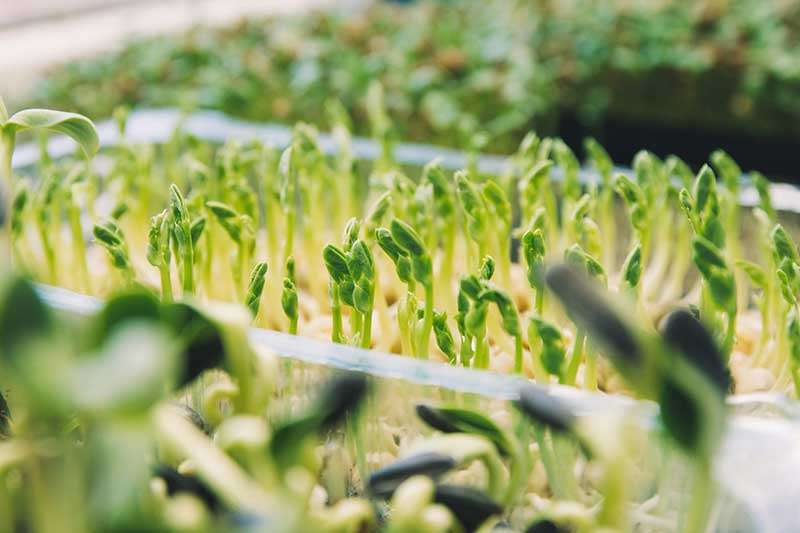
People often mix up sprouts, microgreens, and baby greens, but they are different stages of growth. Sprouts are simply seeds that are sprouted and eaten before there is any root development. Seeds contain nutrients, but those nutrients can be difficult for our bodies to access. Sprouting makes nutrients more available, but there is no new nutrient input from roots because roots have not properly formed. Sprouting usually takes only a few days.

Microgreens take a little longer. The seed develops roots and may take up water, helping the seed convert into a small plant. However, Colin notes that the nutrients still come largely from the seed itself. Microgreens are commonly eaten after about a week or so.

Baby greens are one step further along. They may take up to a month or more before they are eaten. In the Gbiota system, they are grown in biologically active soil and are regularly flushed with compost tea and mineral supplements. They develop a fully working root system, and in the Gbiota growing system they take in both nutrients and biology from the soil. Colin states this is the key benefit of Gbiota baby greens.

Why Baby Greens Are Different in Practice

Colin argues that many highly beneficial plants can be grown as baby greens that would not be suitable if allowed to fully mature. Linseed is his example. It is an excellent source of Omega 3, which is important for health. But as linseed matures, the stems become tough and indigestible, making it less useful as a food.

As a baby green, linseed becomes an excellent food source. The tips are tender, tasty, and full of nutrients. Colin suggests the ideal harvest method is to cut off the tips and eat them, leaving stalks and older leaves intact. This allows the plant to keep producing energy for further growth. The result is a “cut and grow” cycle where a plant can be harvested many times before it becomes too old and tough.

Colin describes this cut-and-grow approach as both economic and practical, but also beneficial for production. Plants can be grown very close together, which reduces weed pressure. Harvesting is often completed before insects seriously discover the crop. This can make it easier to grow without toxic chemicals, and without the high costs associated with organic production of fully mature plants.

Baby Greens as Sugar Blockers

Vegetables contain fibre, and fibre slows the absorption of sugar into the bloodstream. This reduces the size of a sugar spike. Baby greens do not eliminate the effects of sugars and high-glycaemic carbohydrates; they slow the rate of digestion so the body has more time to burn off excess sugar.

Colin says this is beneficial, but he believes there are two other mechanisms that can be even more important when baby greens are grown in a biologically active, nutrient-rich system. Before explaining those, he uses a simple example to show how powerful baby greens can be in real eating: what he calls the banana paradox.

The Banana Paradox

Bananas are generally a healthy food because they contain a broad spectrum of minerals. However, they are also full of sugar, which can cause sugar spikes. Because of this, many dietitians recommend that diabetics or people on a diet avoid bananas and other sweet fruits.

Colin argues that when a banana is eaten with baby greens, the sugar spike is blunted. He also says that baby greens can improve gut biology, which can help control appetite over time. In his view, baby greens are most effective when combined with other foods. Many people do not find baby greens particularly tasty when eaten alone, but when combined with foods like banana, they can create a pleasing taste while making a sugar-rich food healthier.

Our Friendly Gut Biota: An Intelligent Control System

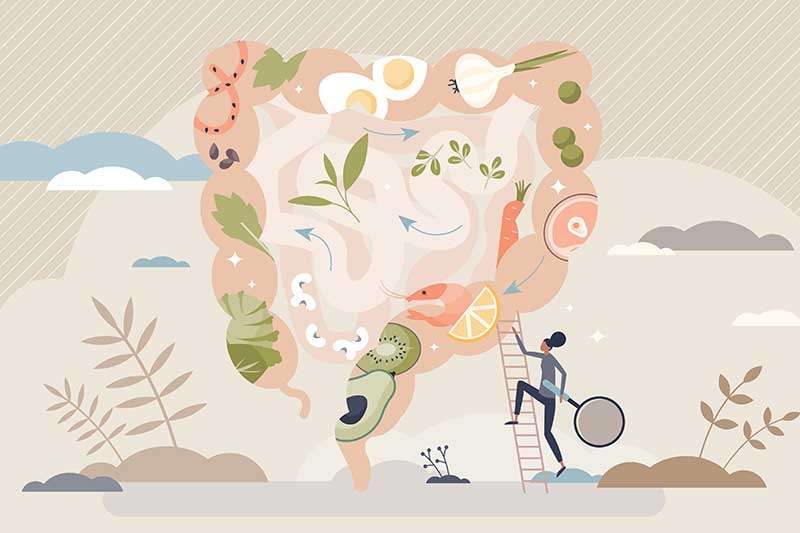
Colin says the greatest benefits of baby greens come from how they can improve gut biota. Gut biota contains trillions of cells across thousands of species. It is incredibly complex. Modern science is still learning how it works, but we already know it is far more than a collection of organisms. It operates like an integrated system.

He compares gut biota to human civilisation. A society contains people with many different skills—plumbers, dentists, farmers, engineers, bricklayers, musicians, and drivers. People do not work alone; they communicate and cooperate. Colin says gut biota works the same way: trillions of different cells communicate with each other and also with the head brain, forming an intelligent control system that helps manage how the body operates.

We may not fully understand the “supercomputer” complexity, but we can observe outcomes through the hormones gut biology releases. These hormones influence appetite (hungry or full), mood (fear, anger, happiness, sadness), and defence systems that protect us against toxins and harmful biology. Colin emphasises that this system works so well that we often do not realise how much we are being protected every day.

Changing Gut Biology and the Principle of Ecological Balance

Gut biota is not fixed. It starts to develop before birth, receives a major boost during birth and breastfeeding, and then continues to shift through life based on the food we eat. Colin warns that it is a big mistake to think we can simply take a few probiotic pills and quickly “change” gut biota.

He compares this to early mistakes in agriculture. When some farmers first realised how important soil biology is, they tried to sterilise soil using highly toxic chemicals such as methyl bromide and then add a few “good” microbes back in. Colin says this approach failed because it ignored how ecosystems really work.

Today, we understand ecological balance. In soils—and in our guts—there are beneficial and harmful organisms. Powerful chemicals can kill organisms, but microbes reproduce rapidly, and natural variability means some will survive and become resistant. Colin argues that toxic control methods tend to breed resistant organisms.

The biological approach is different. Harmful organisms are controlled by competition: creating conditions that strongly favour beneficial organisms, so they outcompete and outbreed harmful ones. Harmful biology still exists in tiny amounts, but it does not cause harm while the system stays balanced.

Colin gives a simple example: most people carry potentially harmful E. coli in their gut, but it is usually present at low levels and the immune system manages it. When gut balance is disrupted, people can become seriously ill. Colin argues that a global rise in chronic disease is linked to modern food disrupting this natural gut balance.

People who understand this, and return to a more traditional diet that our bodies evolved with, can avoid the modern epidemic.

Baby Greens Grown in a Gbiota Bed

Colin argues that baby greens grown in a Gbiota bed are more than sugar blockers. They can be tender and tasty, so they can be eaten with other foods to balance sugar intake. But he says the prime benefit is that they are grown in biologically active soil with a balance of minerals and phytonutrients. This can help restore gut biology, leading to a feeling of satisfaction and better appetite control.

He contrasts this with the modern diet, which is rich in sugars and fats but low in micronutrients. In that situation, people develop cravings, overeat, and end up on what he calls the overweight or diabetes highway.

The Gut–Brain Axis

A healthy gut biota contains trillions of cells that communicate with each other and with our head brain. Colin describes this as a master intelligent control system that evolved over millions of years to protect the body and help us eat the right amount of the right foods.

When this system is working, it happens automatically. We do not have to rely on endless willpower, expensive programs, or constant forced control. We simply feel full and satisfied.

A healthy gut ecosystem also helps protect against harmful microbes by maintaining conditions where beneficial microbes dominate through competition. This natural balance is happening constantly, and it works so well we usually do not notice it.

Colin argues that modern food produced by chemical industrial agriculture severely damages gut biota. When that happens, we lose automatic appetite control and develop cravings.

The Gbiota Growing System: Modernised Traditional Agriculture

Colin describes the Gbiota system as learning from traditional biological growing systems and then using modern technology to make them practical at scale. The basic principle is to create a mix of compost, organic waste, and minerals to form a biologically active tea. This tea floods the root system on a flood-and-drain cycle, delivering biology and nutrients, then drains back out for reuse. As it drains, air is automatically pulled back into the soil.

In this system, plants are biologically active, high in nutrients and fibre, and can help improve gut biology. Because baby greens are tender and tasty, they can be combined with virtually any other food, acting as sugar blockers and supporting gut health.

Insulin: Friend and Foe

When the body senses high blood sugar, it releases insulin. In a healthy body, insulin helps excess sugar enter fat cells, bringing blood sugar under control. The extra sugar may contribute to weight gain, but initially may not cause serious illness beyond the trend toward insulin resistance.

Over time, however, excess fat accumulates in vital organs, particularly the liver and pancreas. When fat in the pancreas reaches a critical level, it blocks further insulin creation. At that point, the body can no longer control blood sugar and diabetes becomes fully developed.

Colin’s point is that in the short term insulin helps control blood sugar, but in the long term, continual high insulin levels are damaging, driving overweight and diabetes.

Health Systems: Treating Symptoms vs Fixing Causes

Colin argues that modern health systems are overwhelmed by the scale of the chronic disease epidemic. As a result, they focus on short-term symptom management, such as lowering blood sugar, rather than addressing root causes tied to modern food production.

The longer-term solution, he argues, is simple in concept: eat food that makes us healthy. The modern diabetes epidemic is new. If we go back fifty years, when diets were more traditional, there was no such widespread diabetes epidemic.

However, he says we cannot simply return to old farming methods. There are too many people, and modern society would not accept the higher costs. Instead, we must study traditional agriculture, learn why it produced healthier food, and then incorporate the essential features into a modernised, automated system that remains economically realistic.

The Real Hurdle: Distribution Costs

Colin argues the major barrier is not just production but the structure of the modern food industry, dominated by profit-oriented mega corporations. A modern grower may receive only 15% to 20% of the retail price. Put another way, over 80% of the retail cost comes from distribution, marketing, and advertising budgets that run into billions of dollars.

So the challenge is to create a system where growers can receive enough income to grow food in biologically active, nutrient-rich soil, while consumers can afford healthy food. Colin’s view is that production costs matter, but the biggest savings are in reducing the 80% distribution and marketing burden. That is where change can be made.

He notes that this is part of a wider discussion in his writing on community food action and “new food”.

Conclusion

Baby greens can reduce sugar spikes through fibre, but Colin argues their deeper value is supporting gut biology and restoring appetite control through gut–brain signalling. Baby greens grown in biologically active, mineral-rich systems such as Gbiota beds are designed to deliver nutrients and biology through active roots, not just seed nutrition. In Colin’s view, this offers a practical path to better health, but the wider system must also change: growers need fair income, and the biggest opportunity lies in cutting the 80% distribution costs that dominate modern food pricing.

Loading

New Food: Why Modern Diets Are Making Us Sick

New Food: Why Modern Diets Are Making Us Sick

Modern chronic disease is not an accident but the outcome of how we grow, process, and distribute food. Colin Austin argues that humans evolved to eat diverse, nutrient-rich foods grown in living soil, not extreme diets dominated by sugar, fat, and chemicals. He outlines why the health crisis is not a technical problem, how Gbiota beds can grow nutrient-dense food efficiently, and why the real solution lies in reconnecting growers and communities through local cooperation.


The Essence

The food we eat determines our health. To understand what food truly makes us healthy, we must use science and epidemiology, but we must also consider evolution. Humans evolved as omnivores, eating a wide range of foods. Extreme diets, whether vegan or carnivore, are not part of our evolutionary history, and there is insufficient long-term evidence to show they are healthy.

For hundreds of thousands of years, most humans prospered on varied diets. Only in rare cases did people eat extreme diets, usually due to environmental constraints. Today, however, our modern food system has pushed us into a new extreme: a diet high in sugar and fat, heavily promoted by multinational corporations that spend billions convincing us these foods are healthy.

Sugars and fats are not inherently bad. They are our primary sources of energy. The problem is imbalance. Modern diets often lack essential trace minerals and complex phytonutrients that are critical for health.

Gut Biology and Plant Nutrition

Another major problem is exposure to toxic chemicals that damage our gut biota. Gut microbes are a critical part of our internal control system, helping regulate appetite and support immune function. When this system is damaged, appetite control breaks down and disease risk increases.

The encouraging news is that we now have the knowledge and technology to grow plants that supply the minerals, phytonutrients, and biological quality our bodies need. These nutrients come largely from plants grown in biologically active soil.

What Are Gbiota Beds?

Gbiota beds are a growing system where mineral-enriched compost tea delivers nutrients directly to plant roots using a flood-and-drain cycle. This system supplies both nutrients and beneficial biology, producing highly nutritious plants.

Baby greens grown in Gbiota beds can be harvested regularly, providing a continuous supply of healthy vegetables at a reasonable production cost. They are not as cheap as chemically produced farm-gate food, but they are vastly superior in nutrient quality.

This highlights a major flaw in the modern food system: growers receive only a small fraction of the retail price. Marketing and distribution costs can exceed 80% of what consumers pay. Direct purchasing from growers allows people to access healthy food while giving growers a fair return.

Balance, Not Another Extreme

Colin is clear that people should not live on vegetables alone. That would be just as extreme as the current high sugar and fat diet. Attempting to live mainly on baby greens would lead to serious digestive problems and malnutrition.

The goal is balance: a diet that includes a wide range of foods, supported by vegetables and greens that genuinely contribute to health rather than simply filling space on a plate.

A Practical Proposal

Colin proposes a volunteer-driven system where people concerned about the health crisis work together to create access to healthy food at a reasonable price. The key is forming local buying groups that act like cooperatives.

These groups commit to buying directly from growers who are willing to adopt regenerative, biological growing systems. This approach breaks a fundamental catch-22: growers will not invest in biological systems without a secure market, and individual buyers lack the influence to persuade growers to change.

The Chronic Health Crisis

We are all aware of the chronic health crisis caused by food high in sugar and fat and low in trace minerals and phytonutrients. This has been discussed endlessly in books, media, and online.

What is rarely discussed is how to fix it. Colin argues that the solution may be simpler than we think. The technology already exists. What is missing is coordinated action.

Not a Technical Problem

This is not a technical problem. Colin and many other researchers have spent years developing systems that grow food capable of supporting human health. He has invested significant time and money experimenting with growing systems and has a long history of successful innovation.

He states without hesitation that the Gbiota bed is the innovation he is most proud of. It works. It produces food rich in nutrients and biology using largely waste inputs such as organic residues and mineral dust. It is productive, water-efficient, and capable of automation.

There are still improvements to make, including harvesting efficiency and testing additional plant species, but the system already works. The real challenge is scale: getting this food to the millions, and eventually billions, of people who need it.

The Reality of Money

Colin acknowledges economic reality. Chemical industrial agriculture is, in the short term, the cheapest way to produce food. He has worked hard to make Gbiota systems competitive, and while they come close, chemical systems remain cheaper at the farm gate.

However, this comparison ignores hidden costs. Chemical agriculture causes widespread illness and long-term soil damage, yet these costs are treated as externalities. If the food industry had to pay for hospital amputations and soil destruction, food economics would look very different.

Globally, every thirty seconds someone loses a limb to diabetes. These are not abstract numbers. This is why action matters.

The Distribution Problem

The real opportunity lies not just in farming, but in distribution. Farmers typically receive only 15–20% of the retail price. The remaining cost is tied up in transport, storage, marketing, and retail.

By shortening the distance between grower and eater, healthy food can become affordable without forcing growers to operate at a loss.

Advertising and Sugar

Large corporations use massive advertising budgets to promote unhealthy food as healthy. Sugar itself is not the enemy; it is fuel. But excess fuel does not improve performance. Eating more sugar does not make the body work better.

Hidden sugars now appear in foods where we would never expect them, from breakfast cereals to bread. The last thing we need is more sugar disguised as health food.

The Internet Changes What Is Possible

While the internet has many problems, it also gives power back to people. Colin believes this power can be used to create alternative food systems that serve health rather than profit.

The challenge is not missing technology, but missing coordination.

What Already Exists

The Gbiota system already works. It grows food in biologically rich soil, is productive and efficient, and is available to anyone who wants to use it. Many home growers already use it successfully.

To make a real impact, small commercial growers must also be involved.

A Global Problem, A Local Solution

Chemical agriculture is global, and its damage is often worst in poorer regions such as India and Africa. Any solution must be global in principle but local in action.

Many growers want to change but cannot risk their livelihoods without guaranteed demand. Likewise, millions of individuals want better food but cannot change the system alone.

Forming Local Groups

The solution is local organisation. People who understand the problem must form local groups committed to buying healthy food. These groups may form through friendships, health networks, gyms, or local food communities.

Once demand is organised, growers can confidently invest in biological systems. Colin provides technical support through his existing resources.

Transport and Food Hubs

The final step is logistics. Ideally, food is collected from farms and delivered the same day. Where that is not possible, food hubs allow centralised pickup.

Why This Matters

Many people are content with supermarket food. Others are not. For those who care about health, the environment, and fairness, an alternative system is necessary.

Colin’s motivation is personal and global. His wife reversed diabetes through dietary change, but millions of others are still at risk. The current system enriches a few while damaging public health and destroying soil.

Conclusion

“New Food” is a call to rebuild health by rebuilding food systems. The technology exists. The knowledge exists. What is required now is community action: people organising locally to support growers and reclaim food that truly supports human health.

Loading

The Food Revolution: Rebuilding Soil, Food, and Health in Society

The Food Revolution: Rebuilding Soil, Food, and Health in Society

Modern society is experiencing a rapid rise in chronic disease, despite having more food and medical technology than ever before. Colin Austin argues that the root cause lies in degraded soils, nutrient-poor food, and broken food systems. Drawing on personal experience, traditional cultures, and engineering principles, he explains how gut–brain signalling, soil biology, and true food freshness interact. He then outlines practical solutions through wicking beds, Gbiota growing systems, and a fairer “pick and eat” food model.


Introduction — A Moment of Hope

Colin Austin opens with a moment that restored his faith in humanity. Watching New Zealand’s Prime Minister Jacinda Ardern comfort a grieving child after a tragedy, he saw leadership grounded in empathy rather than performance. It felt real, human, and connected.

That moment mattered because, for a long time, Colin had been deeply discouraged by the state of modern health. Across wealthy nations, rates of obesity, diabetes, heart disease, dementia, and depression continue to rise. Meanwhile, enormous food and pharmaceutical industries profit from managing symptoms rather than preventing disease.

This article is not written in despair. Colin says he now sees a clear path forward — one that starts with food, soil, and biology rather than pills and procedures.

A Personal Crisis That Changed Everything

The motivation behind this work is personal. Colin’s wife, Xiulan, developed diabetes. Over time, she began losing her eyesight. Then she fell down a flight of stairs and shattered bones in her foot.

After surgery, her foot turned black. Doctors began discussing amputation. They explained that diabetes was incurable and progressive. Blindness, limb loss, and early death were described as normal outcomes. The only uncertainty, they said, was how fast it would happen.

Colin rejected this explanation. He states clearly that most people can avoid diabetes if it is caught early, and that many people can reverse it — even after years — by changing what and how they eat.

The Modern Health Epidemic

Colin argues that today’s health crisis is historically new. Fifty years ago, diabetes and extreme obesity were uncommon. In many traditional societies today, they remain rare.

He points out that while traditional societies may face higher risks from accidents or infections, people who survive into older age often remain physically capable. It is not unusual to see people in their eighties or nineties working, walking long distances, or farming.

In contrast, modern societies often see frailty, chronic illness, and dependence decades earlier. According to Colin, the key difference is not genetics or medicine — it is food.

Everything Begins With Soil

Traditional food systems begin with soil rich in organic matter, minerals, and living biology. Compost, animal manures, and plant residues feed microbes and fungi that cycle nutrients naturally.

Modern industrial agriculture, by contrast, often relies on soluble fertilisers and chemical controls. While yields may be high, the soil itself becomes biologically depleted. Trace minerals are removed year after year without being replaced.

Colin cites evidence that some trace elements have declined dramatically over decades of intensive farming. Plants may look healthy, but their nutrient density is reduced. Humans then eat more food but receive fewer essential compounds.

Diversity Has Been Lost

Traditional diets are diverse. People eat many species of leafy greens, herbs, roots, and wild plants. Older generations often recognise dozens of edible species that modern people no longer identify as food.

Modern diets are narrow by comparison. Even when people eat vegetables, they usually consume a small number of commercially favoured crops. This lack of diversity limits the range of minerals, fibres, and phytonutrients entering the body.

Freshness Is Not a Marketing Term

Colin emphasises that traditional societies eat much of their food within hours of harvest. Some foods store well, but many greens are eaten immediately.

Modern food systems involve long supply chains. Produce is often harvested early, transported long distances, stored, and displayed days or weeks later. Labels may say “fresh”, but Colin argues there is a fundamental difference between appearance and biological freshness.

The Gut–Brain Control System

Humans evolved with a sophisticated internal control system that regulates hunger and satiety through the gut–brain axis. When the body receives adequate nutrients, hormones signal satisfaction and eating stops naturally.

Sugars and fats are not inherently harmful, Colin says. In traditional contexts, they were valuable energy sources. The problem arises when food is energy-rich but nutrient-poor.

When essential minerals, fibres, and phytonutrients are missing, the body sends hunger signals without specifying what is lacking. People feel compelled to keep eating, often choosing what is most available — processed, sugary, and fatty foods.

This leads to overeating, insulin resistance, and chronic disease. Supplements may help temporarily, but Colin argues that nutrient-dense food provides balance automatically, without spikes or deficiencies.

Chemical Control vs Biological Balance

Modern agriculture often treats microbes as enemies. Chemical sprays and antibiotics aim to sterilise environments and kill threats.

Colin acknowledges legitimate concerns around food safety, but argues that killing everything creates long-term instability. Microbes adapt, resistance develops, and chemical inputs escalate.

Biological systems work differently. When conditions favour beneficial microbes — through organic matter, minerals, and fibre — they outcompete harmful organisms. This ecological balance has sustained humans and animals for millennia.

The Missing Filter and Rare Breakthroughs

Colin describes himself as lacking the mental filter that stops most people pursuing bad ideas. He jokes that this leads to many failures — but occasionally, a breakthrough.

One such breakthrough was Moldflow, a plastic flow simulation developed in his spare bedroom. It grew into a world-leading technology company and was later sold to a major US firm.

After that success, Colin turned his attention to soil, water, and long-term environmental limits. He became convinced that soil could store vast amounts of carbon while producing healthier food.

Ethiopia and the Birth of Wicking Beds

Invited to Ethiopia to help grow food under drought conditions, Colin developed two connected ideas.

The first was the wicking bed: a growing system built over an underground water reservoir that supplies roots via capillary action.

The second was nutrients. Instead of expensive inputs, he observed that weeds thrive by extracting nutrients from poor soils. By composting weeds inside the system, nutrients could be recycled efficiently.

When Ideas Spread — and Break

Wicking beds spread rapidly online. Colin learned that information travels fast, but accuracy does not always keep up.

Some guides removed organic matter and filled beds with stones to keep them “clean”. This disrupted capillary action and biology, leading to stagnant, smelly systems.

Colin spent years responding to problems caused by these changes, reinforcing that biology, not sterility, makes systems work.

Health Is the Central Goal

Colin repeatedly returns to health outcomes. In Australia alone, he notes that diabetes-related amputations occur roughly every twenty minutes.

His goal is to prevent this suffering by making nutrient-dense food affordable and accessible. Diabetes, he argues, must not become a disease of poverty.

Scaling Beyond the Backyard

While wicking beds work well for home growers, Colin says broader adoption requires solving two problems:

  1. Applying flood-and-drain and wicking principles at scale without stagnation.
  2. Making regenerative growing economically viable for farmers.

The Gbiota Approach

Colin formed the Gbiota club to share practical growing systems designed to support gut health. After years of refinement, he developed a simple, reliable flood-and-drain method using biologically active soil.

The Gbiota manual is shared freely within the club under Creative Commons. Gbiota™ is a registered trademark that growers can use when meeting the specification.

Conclusion

“The Food Revolution” is not nostalgia. It is a practical response to modern disease and ecological decline. By restoring soil biology, plant diversity, and direct food relationships, Colin Austin argues we can rebuild health from the ground up.

Colin Austin — 11 April 2019. 

Download ‘The Food Revolution’ (full PDF)

Loading

Good men

Good men

There are many problems with our modern food system — mineral deficiencies, poor nutrition, and degraded soil — but nothing is more important than feeding our control system: the gut brain that regulates the entire body.
pizza

Traditional Communities Hold the Clues

In isolated mountain regions of rural China, diabetes is virtually nonexistent. Families have been farming the same land sustainably for thousands of years. Their methods are simple but shockingly effective — and very different from modern industrial agriculture. One major difference is their attitude toward waste. What we politely call “shit,” they call fertiliser. Old women walk fields gathering animal and human manure, placing it carefully around each plant. Every cabbage in a field may have a small radial fan of manure around it — a nutrient-rich micro-ecosystem feeding living soil biology. Now compare that to modern Chinese cities like Shanghai or Shenzhen, where vegetables are grown hydroponically or in sterile soil, transported long distances, and purchased in supermarkets. The vegetables look perfect — but their living microbial content is nearly zero. Genetically, the city people and the mountain villagers are the same. They eat similar vegetables. The difference is the microbial content of the food they grow and eat.
It becomes impossible to ignore the obvious — how we grow our food shapes our health far more than we realise.

lettuce

Modern "Diabetic Plants" vs. Living Soil Plants

There is a long list of plants promoted for helping diabetes — Fenugreek, bitter melon, Emla, Ginseng, Goji berries, and many more. Many people buy these as extracts or pills. But were they grown in living soil? Were they harvested and eaten while the microbes were still alive? A plant grown hydroponically or in dead soil, shipped for days, then processed into a pill does not contain the living microbiome of a plant grown in nutrient-dense soil that is alive with beneficial microbes.
mountain area

Microbes Matter — More Than We Realise

Scientific research shows that gut microbes strongly influence weight and metabolic health. Transplant the microbes from a fat mouse into a skinny mouse and the skinny mouse becomes fat — and vice versa. Growing microbe-rich plants is easy. Even people in apartments can grow plants in living soil, and it costs far less than supermarket vegetables. The only downside? Our current food and pharmaceutical industries earn far more money keeping the system as it is.
 

We Can’t Use Yaks in City Apartments — So We Need New Methods

Rural communities fertilise their fields using Yak dung, but urban environments obviously cannot. That is why Gbiota technology exists — to recreate the ecological function of living soil in a clean, modern, simple system anyone can use. It really is not difficult to fix the problem. The biggest barrier is awareness. As the saying goes (often attributed to Lincoln):
"Bad things happen when good men stand by and do nothing."

  If you know someone with diabetes, please tell them about this work. Encourage them to grow a few microbe-rich plants at home and measure their blood sugar before and after. The results speak for themselves. We may live in the misinformation age, but people still trust people they know. That is how real change begins.

Loading

The Gut Brain Revolution: Growing to Prevent Modern Disease

Growing food to feed your gut brain is about using modern technology for what really matters – extending our healthy years, not just our lifespan.

From James Watt’s steam engine through to artificial intelligence and quantum computing, technology has reshaped how we live. Yet when it comes to food and health, these advances have often been misused. Instead of working for the benefit of communities, they too often enrich a handful of mega-corporations while our health span – the years we live in good health – declines.

At the start of the last century, most people died from infectious disease. Thanks to powerful combinations of technology, medical science and hygiene, we reduced deaths from infection to only a small fraction of total mortality. That is how technology should work – improving lives on a large scale.

But look more closely. Today, many people are not living active, healthy lives into their eighties and nineties. Instead, they face chronic conditions such as heart attacks, strokes, dementia and, fastest-growing of all, diabetes. Every eight seconds, somewhere in the world, a person loses a limb to diabetes – a modern phenomenon directly linked to how we use technology in our food system.

The core problem is simple: our high-tech food system does not properly feed our gut brain – the intelligent control system that keeps us lean, energised and resilient.

Our Intelligent Gut–Brain Control System

We have an intelligent control system formed by the interaction of our gut brain and head brain. Together they regulate our bodies. This system:

  • Controls appetite and where and how we store fat.
  • Coordinates the replacement of cells and tissues as they wear and age.
  • Trains and supports our immune system to defend against disease.

When this gut–brain system is well fed and supported, it keeps us healthy. When it is starved of the right signals from real food and living microbes, we gain fat in the wrong places, feel unwell and become vulnerable to chronic disease.

The reason so many people get fat and sick is that our industrial food system simply does not feed the gut brain. It delivers energy, additives and shelf life – but not the living biology that our internal control system depends on.

Growing Plants as Natural Prebiotics and Probiotics

Right now, we already have the technology to change this. We can grow plants that act as both prebiotics and probiotics by breeding beneficial microbes in the soil and managing conditions so the “good guys” outbreed and control the harmful microbes.

This is what Gbiota technology is about: practical methods anyone can use to grow plants that support gut biology. It can be done at scale and at minimal cost. So why is this not the norm?

The answer is straightforward. Very few people know about it, and it is not in the financial interests of the mega-corporations that dominate our highly centralised food system. They rely on long supply chains and extended shelf life. In contrast, plants grown as pre- and probiotics need to be eaten soon after picking, while their beneficial microbes are still alive – which calls for local, decentralised food systems.

So what can we do about that?

  • Option 1: Accept that limb amputations from diabetes every eight seconds are just a feature of modern life.
  • Option 2: Recognise that we live not in an information age, but in a misinformation age – and actively push back with real facts and real food.

The only serious choice is Option 2. We need to build a community movement that gives people clear, trustworthy information and shows them how to act on it.

We counter the misinformation age not with slogans, but with living plants grown to feed our gut microbes and real-world proof of the health benefits.

Independent Research and Community Action

I have spent years writing about these topics on my website www.gbiota.com. The next step is rigorous, independent research that measures the impact of gut-food plants on real people in real communities.

I am currently fundraising to support a PhD project at the University of Queensland to:

  • Conduct laboratory research on plants specifically grown as prebiotics and probiotics.
  • Run community-based trials where people shift to diets that include these plants.
  • Measure outcomes such as blood sugar levels to see the benefits quickly and objectively.

This work needs to be independent – free from the influence of large commercial interests – so that results are credible and focused on community health rather than profit.

I do not have billions of dollars for a global advertising campaign. What I do have – and what you have – is the ability to share reliable information person-to-person. You can help simply by telling your friends, both in your local community and online, about gut food, gut microbes and Gbiota-style growing.

We may live in the misinformation age, but people still listen to those they trust. When they see neighbours, friends or family members growing and eating microbe-rich plants and enjoying better health, that is more persuasive than any marketing campaign.

The path forward is clear: grow food that feeds your gut brain, prove the benefits in everyday life, and share those stories through trusted community networks.

Loading

Aquaponics by Igor

Aquaponics by Igor

This is a post from one of our users Igor Grossman in Melbourne about his aquaponics systems. Although a different technology the basic aims of high nutrients and active biology are similar to Gbiota beds

[pdf-embedder url="https://www.gbiota.com/wp-content/uploads/2026/04/aquaponic.pdf"]

Loading

GBiota Green Smoothies

GBiota Green Smoothies

Dietary advice can appear to be totally confusing with so many different opinions: low fat, low carb, low meat, low eggs and more. One reason for this lack of clarity is that we are simply all different. Some people will never get fat and sick whatever they eat, while others go to extreme lengths to avoid putting on weight.

What the Blue Zones can teach us

Then, to confuse matters even more, we have the Blue Zones where people have no knowledge or interest in weird diets yet are fit and healthy to a ripe old age. They have no idea of the importance of trace minerals like zinc, chromium, selenium or iodine; neither do they think about their gut biology. They simply have nutritious soil by recycling and composting all their waste and picking and eating their vegetables without delay. This must tell us something. How do we make sense of all this?

Head brain, gut brain and natural self-regulation

We could read Dr. Mosconi's book about brain food or any of the many other books on brain and gut health. It then becomes clear that we have an inbuilt control system in our head and guts which regulates how much and what we eat. It has worked perfectly for millions of years. People in the Blue Zones are fit and healthy into their nineties because they are feeding their guts and brains food which is healthy for guts and brains, so they have no need to think about diet—their brain systems naturally regulate what they eat. Conversely, the reason why we have such a health crisis in so-called advanced countries is because we are eating a diet which is incredibly harmful to our guts and brains. Because our head and gut brains are not being fed healthy food and our diet is lacking essential minerals, our control system goes into panic mode and we develop almost irresistible food cravings—so we go and eat more sugary, fatty foods. We try and fix this by restrictive diets when we should be feeding our gut and head brains the food they need.

The Gbiota green smoothie: a simple first step

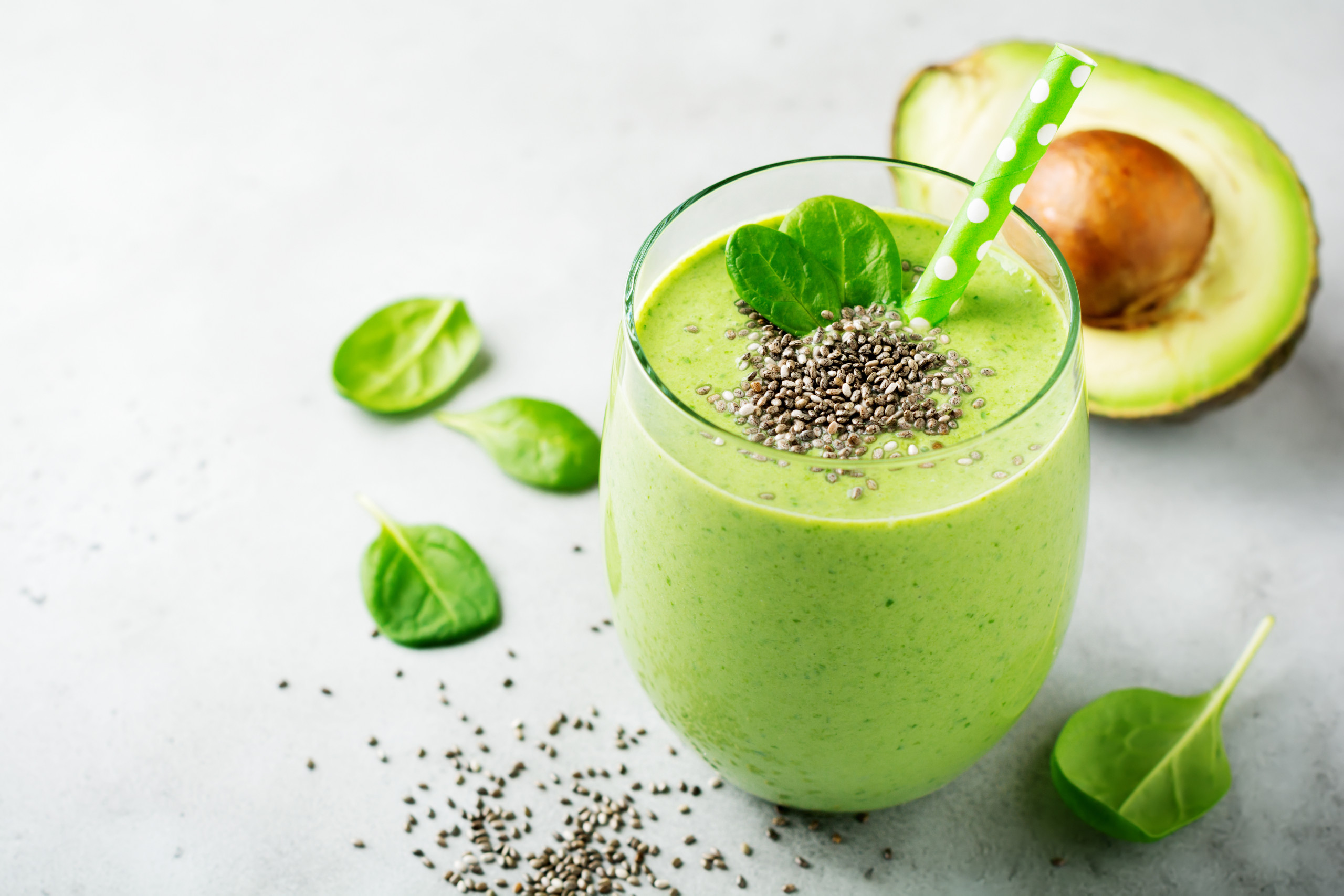
The solution is to focus on eating food that will make our guts and brains healthy and stop worrying about weighing our food to the nearest gram to control calorie intake. The easiest and most convenient food to feed our guts and brains is the Gbiota green smoothie. It is made by simply harvesting fresh greens using the tipping system, making it taste good by adding a little fruit and some herbs and spices, and then seeing if this can restore our gut and brain health so our bodies self-regulate. This does not involve any major change in the foods we have learned to love, even if they are unhealthy. We just drink a smoothie before and while we eat our normal food and simply see if our natural control system cuts in to regulate what and how much we want to eat. Will it work every time? We simply don't know as everyone is different, but it is so simple and easy to do that it should be the first step in improving health by diet. If it does not give the desired results then we have to adopt the more complex systems of changing our diets to restore our gut and brain health.

Why the Gbiota green smoothie is so effective

When we eat the normal modern high-sugar diet our blood sugar levels rise. Our bodies sense the high sugar levels and release insulin, which allows the sugar to enter our cells and reduce the dangerously high sugar levels. This is our intelligent body doing its job. The blood sugar levels drop, as intended, but there is still insulin in the system so we experience what engineers call “overshoot”—the result of the excessively high sugar levels our bodies have not evolved to cope with. As our blood sugar levels now drop below normal, we get sugar cravings and want to eat more sugary food, so we end up in an unstable cycle with our blood sugar levels swinging from too high to too low in a totally unstable way. Eventually we become so used to insulin that it stops being effective and we have insulin resistance, which is the start of the slippery slope to serious diabetes. But the vegetables in a green smoothie act as sugar blockers which slow the rate of sugar entering our bloodstream, so they act as a sort of damper, bringing stability to the system. We are eating sugary food in the first place because our gut biology has adapted to high sugar levels and so the sugar-loving bugs have become dominant in our guts, making us want to eat more sugary food. When we consume veggie smoothies on a regular basis, the veggie-loving bugs in our guts gradually out-compete the sugar-loving bugs so we just stop craving sugary foods. Once we have changed our gut biology we no longer have to adopt strict diets—we just have to listen to what our healthy gut biology is telling us. The biggest mistake the diet industry has made is to think of the human body as just a bunch of dumb biochemistry when in reality it is an intelligent system.
 

Loading

Reversing Diabetes and Gut Biota: A Practical Refuge Model

Reversing Diabetes and Gut Biota: A Practical Refuge Model

Type 2 diabetes is no longer seen as a one-way decline. The core issue is not “burnt out” pancreas cells, but fat and metabolic stress driven by high-glycaemic food and damaged gut biology. Most people can improve, and many can reverse diabetes with diet, exercise, and lower stress—then maintain results with a sustainable routine. This article outlines a refuge-style model that combines nutrient-rich food, supportive carers, and measurable feedback like continuous glucose monitoring.


Paradigm Shift: Diabetes Can Improve and Often Reverse

There has been a major shift in how chronic disease is understood, especially type 2 diabetes. For many years, diabetes was treated as irreversible and progressively worsening, needing stronger medication over time. The fear was clear: ignore medication and the likely outcomes were blindness, amputations, insulin injections, and early death from heart attack.

That story is changing. The newer understanding is that insulin-producing beta cells do not simply “burn out” and disappear. Instead, they can become clogged and impaired by fat, driven by long-term high insulin levels. The drivers include high-glycaemic foods (sugar and processed foods) and compromised gut biology, especially when the body is exposed to toxins.

With that shift comes a practical conclusion: for the majority of people, diabetes can be improved and often reversed through a combination of better diet, consistent exercise, and stress reduction. The aim is not perfection. It is regaining metabolic control and keeping it.

An Invitation: A Diabetes Refuge in Australia

A practical idea is to create a refuge-style model in Australia where people can step out of the standard pattern and focus on reversing diabetes. The model draws inspiration from an eco-village approach, where food, routine, and education are aligned to support recovery.

This can be done using an existing eco-village structure in Gin Gin, Queensland. Housing exists and more may be available if needed. The real question is community interest: are there people willing to help establish an Australian diabetic refuge based on the model described below?

The Yangtou Project: Food, Routine, and Support

A major reference model is an eco-village being developed in Yangtou, Fujian province, China. Diabetes is a massive issue in China (alongside India), with more than 115 million people officially diagnosed and many more undiagnosed or pre-diabetic. Asian populations are often particularly prone because fat may accumulate around vital organs (visceral fat) even when overall body fat does not seem extreme.

The aim of the eco-village is to provide a refuge for reversing diabetes. The food system is designed to grow plants that are free of toxic chemicals, high in nutrients and trace minerals, and biologically active. Food is grown using Gbiota beds to lift nutrient density and biological quality.

A key part of the model is care. The plan includes empathetic carers who are trained in diet, exercise, and stress reduction. The role of carers is not to apply a rigid rulebook. The role is to help select a routine customised to each guest, then build skills so the reversal can continue after leaving the refuge.

A wider library of supporting information exists online, including diet and health material and detail on the Yangtou project and practical approaches to reversing diabetes.

Self-Regulating Routines: Intermittent Fasting in Real Life

A pragmatic approach to health is to use routines that regulate weight and blood sugar without needing constant calculation. Intermittent fasting is one example. A 10:14 routine (ten-hour eating window, fourteen-hour fast) can work well in many cases, such as eating breakfast a little later and having an early dinner.

But real life matters. When life circumstances change—more feasts, more treats, or simply more tempting food—weight may stop dropping as expected. In that case, tightening the routine can help. An 8:16 routine can be more effective, especially when paired with more discipline in food choices. The goal is not extreme dieting; it is steady correction and continuous self-management.

The practical lesson is simple: ignore overconfident “expert” rules that pretend everyone is the same. A useful routine is self-regulating and adjustable. Monitor results and change course when needed.

Continuous Glucose Monitoring: The Missing Standard Tool

Continuous blood sugar monitoring can be a powerful tool. It provides a 24-hour record of blood sugar and reveals patterns that single “prick tests” miss. A one-time reading can be misleading because it captures only a moment. A continuous graph shows what food actually does, when spikes happen, and how quickly the body recovers.

These graphs quickly show that standard diet rulebooks often fail because people respond differently. With continuous monitoring, problem foods and beneficial foods become obvious, and diet can be adjusted based on real feedback rather than guesswork.

A further insight comes from the recovery curve. The speed at which blood sugar drops after a spike provides practical information about insulin effectiveness. The slope of that line can indicate whether insulin response is improving. This matters because it suggests that impaired beta cells may still be functional when fat and metabolic stress are reduced.

Exercise Has a Bigger Impact Than Expected

Exercise can have a dramatic effect on blood sugar. A common claim is that exercise burns relatively few calories and may simply increase hunger, so it does not help much. Real-world monitoring can show the opposite: exercise can significantly reduce blood sugar and improve control, even without dramatic weight change.

A simple daily walk can shift the blood sugar graph in a way that medication alone often does not. For a diabetes refuge model, this is critical: exercise does not need to be complicated, but it needs to be consistent and built into the routine.

Stress, Cortisone, and the “Hungry Spike”

Stress hormones matter. Cortisone (and cortisol) can raise blood sugar, and this can be seen clearly on continuous monitoring. When stress rises, blood sugar can rise even without food.

One surprising pattern is that hunger itself can trigger a stress response. When hunger sets in, blood sugar can rise sharply. A likely explanation is that hunger becomes stress, the body releases stress hormones, and blood sugar rises as part of that response.

This insight changes how fasting is used. Fasting can help many people, but if it triggers stress spikes, the approach must be modified. The practical goal is to design a routine that improves metabolic health without pushing the body into dietary stress.

Medication and the Need for Better-Aligned Doctors

As diet improves and blood sugar patterns change, a new risk appears: blood sugar may drop below the safe line, increasing risk of hypoglycaemia if medication is not adjusted. That means medical supervision is essential, especially when medications need to be reduced.

A major obstacle is that some doctors still believe diabetes cannot be reversed. If a doctor is locked into that view, reducing medication can become a battle. A practical response is to seek a doctor who understands current evidence and is willing to work with diet-led improvement rather than assuming lifelong decline.

Gbiota Beds: Automated Is Not Maintenance-Free

A key strength of Gbiota beds is automation. Flood-and-drain style systems can be highly reliable and efficient. But an important engineering truth applies: automated does not mean maintenance-free. When no one checks the system, small issues can grow into failures.

One practical issue is water quality. If a rainwater tank lacks a first-flush system, roof debris can wash into the tank and clog a float valve (a typical toilet-style valve). A simple filter can prevent clogging and maintain flow into the local reservoir where pumps sit.

Compost Quality, Safety, and a “Living Filter” Approach

Compost systems raise an important question: fresh (labile) compost can contain growth inhibitors and potentially unwanted compounds. When the aim is to regenerate gut biology and food may be eaten straight from the garden, safety matters.

A long-used approach is multi-stage composting, where plant growth helps filter and stabilise materials over time. Weeds and hardy plants can act as toxin filters before the compost is used more directly. A mature compost layer can also act as a stabilising filter within a bin.

A practical experiment is to simplify the system by adding materials directly into the bin while increasing nitrogen inputs to speed decomposition. The goal is to keep the process robust, safe, and productive without becoming overly complicated.

Pumps, Pressure, and the “Simplest Working Design”

As compost piles grow, a small pond pump may not develop enough head pressure to reach the top of the pile. In that case, a dirt-tolerant sump pump with higher pressure and flow can solve the problem.

A design choice then appears: use multiple smaller pumps in sequence, or simplify into one stronger pump. A multi-pump system can be built on the theory that local tanks need time to refill between cycles. But a simpler one-pump design may work better in practice.

A key observation is that a larger pump can drain a small tank quickly, but return water can flush back in. With help from a float valve, the tank may maintain enough water to keep the cycle stable. This reveals a useful concept: when the soil is saturated, flow reduces dramatically and only a small amount continues as wicking into surrounding soil.

The broader lesson is a practical engineering philosophy: build as simple as possible, test, then modify. Complexity is not always smarter. The simplest design that consistently works is often the best design.

Conclusion

Diabetes reversal is not a fantasy and not a one-size-fits-all recipe. It is a practical process built around nutrient-dense food, daily movement, stress control, and measurable feedback. Continuous glucose monitoring reveals what actually works for each person and exposes hidden drivers such as stress and hunger spikes. A refuge-style model can combine biologically active food, empathetic carers, and structured routines so people gain results and learn how to maintain them at home. The pieces exist; the next step is community action to make the model real.

Loading