Chronic diseases like diabetes and heart attacks are not just medical problems – they are the end result of how we grow, process, and eat our food.
Why Gbiota Is About More Than Gardening
At first glance, Gbiota beds look like something for keen home gardeners – an extension of Wicking Beds, designed to grow vegetables with more minerals, phytonutrients, and biology. That’s true, but it’s only a small part of the picture. My real aim is to help prevent chronic diseases by changing both our food and our relationship with appetite.
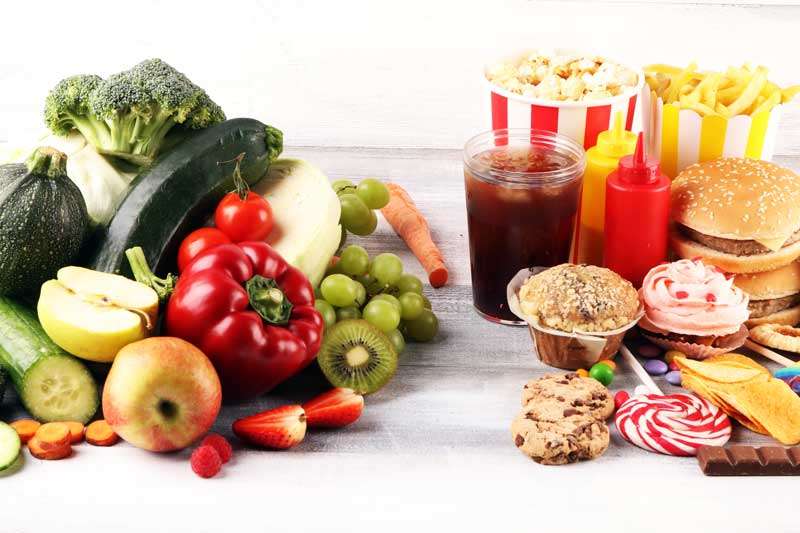
For millions of years, humans lived as hunter gatherers, eating wild plants and animals grown in living, mineral-rich soils. Energy food and refurbishing food were in balance. With the invention of agriculture, then industrial agriculture, we changed that balance. We now produce vast quantities of high-energy food but stripped of minerals, phytonutrients, and gut-supporting biology.
There is a fundamental difference between what we should eat and what our bodies want to eat – and what our bodies want always wins.
Modern food is perfect for meeting energy needs, but poor at refurbishing our bodies and especially our gut biology. That mismatch is feeding an epidemic of chronic disease.
From Infection to Chronic Disease
In the past, most people died from infections, accidents, or violence. Infant mortality was horrific. If you survived childhood, you might live to a ripe old age. Modern hygiene, antibiotics, and engineering gave us sewers, clean water, and safe housing – and life expectancy shot up by around thirty years.
Now we are losing ground again. Chronic diseases – heart attacks, strokes, diabetes, dementia – are killing people earlier and causing years of disability. The averages hide a harsh reality: many people are dying younger from chronic disease, while the lucky ones live longer than ever.
Diabetes as a Warning Light
I use diabetes as a proxy for all chronic diseases, because it is easy to measure and tightly linked to food. We can track blood sugar, waist size, and weight. Globally, around half a billion people are diagnosed with diabetes, and many more are undiagnosed, pre-diabetic, or on their way there. The true number at risk is over a billion – more than the population of China or India.
No health system can cope with that scale. You cannot line all those people up for full medical assessment and treatment. Prevention has to be something people can do themselves, using food and daily habits, while medical systems focus on those already in serious trouble.
Prevention Means Changing Food, Not Just Pills
I have great respect for medical research and the search for new drugs, including treatments for insulin resistance. But prevention is better than cure. And prevention, in this case, is about food – not just nutrients on a label, but how that food is grown and how it trains our gut and brain to regulate appetite.
If one very wealthy person came to me asking how to keep his family healthy, the answer would be simple: buy land with good volcanic soil and clean water, grow a wide variety of fruits and vegetables using organic methods, avoid toxic chemicals, eat wild or free-ranging animals and fresh fish, and stay active. That’s a modern version of the hunter-gatherer diet – reliable, diverse, and nutrient-rich.
The problem is scale. For every one hunter gatherer, we now have roughly 10,000 modern humans who want food, transport, phones, and Sunday barbecues. We can’t all live like hunter gatherers. But we can learn from how they ate and what their food did to their guts.
Fuel Food vs Refurbishing Food
We like to classify food as fats, carbohydrates, and proteins. That’s useful for chemists, but not terribly helpful for understanding health. I find it more helpful to think of food in two groups:
Fuel food – simple, fast energy, mainly from carbohydrates and sugars.
Refurbishing food – everything the body needs to repair and rebuild: minerals, phytonutrients, vitamins, proteins, fats, and the biology that supports our gut.
Modern agriculture is very good at producing fuel food – cheap, abundant, and tasty. It is much worse at supplying refurbishing food. Our bodies are not stupid; they can sense when something is missing, but the “instrumentation” is faulty. When one key ingredient is low – say a mineral or specific nutrient – the body doesn’t tell us “eat more onions” or “go and get something fermented.” It simply says “eat.”
Our bodies are intelligent – they know something is missing, but instead of sending a precise message, they just send hunger.
So we keep eating more fuel food when what we really need is refurbishing food. That floods the body with energy, drives insulin up, and eventually pushes us towards insulin resistance and diabetes.
The Faulty Fuel Gauge
Our appetite is controlled by hormones like leptin, ghrelin, and insulin. In theory, this is our internal fuel gauge. In practice, it’s faulty. We get hunger signals when fuel is low, but also when just one refurbishing component is missing. The system worked reasonably well when traditional diets were low in simple carbohydrates and high in refurbishing foods. It fails badly in a modern food environment where fuel is everywhere and refurbishing food is scarce.
This is the root of the diabetic epidemic. Our biological control system hasn’t caught up with industrial food. Our brains and gut still behave as if we live in a world of scarcity, not one of supermarket aisles and 24-hour snacks.
Intermittent Fasting and Listening to the Body
I’ve experimented with intermittent fasting. At first, it was awful. Hunger felt like a crisis. But after a while, the body adapted. A wave of hunger would come, then fade, and I began to recognise the difference between simple “fuel hunger” and specific cravings.
I don’t treat fasting as a rigid mechanical schedule. I try to use my internal fuel gauge – to eat when I’m truly hungry and stop when I’m genuinely full. I’ve learned, through trial and error, that I can lose weight and trim my waist far more reliably this way than by simply “eating less.”
But there’s a catch: for the fuel gauge to work, refurbishing food must be available. If the body is constantly missing essential elements, it keeps sending hunger signals even when the fuel tank is full. That’s where Gbiota beds come in.
Training the Gut – My “Pet Doggy”
I think of my gut biology as a pet dog that needs training. If I feed it cheese cake and fast carbs, it will demand more of the same. If I learn which foods make me feel satisfied and help curb appetite – bitter fermented cabbage, dark chocolate – I can use them to “train the dog.”
This isn’t mysticism; it’s self-experimentation. Eat certain foods and observe: do you feel hungry and want to eat more, or do you feel satisfied and ready to stop? Over time, you can train your subconscious system to favour foods that keep you healthy instead of foods that drive overeating.
Changing the Food System – Not Just the Individual
None of this works on a large scale unless we change how food is produced. Conventional agriculture can keep producing fuel food – it’s very good at that. What we need alongside it is a new type of agriculture focused on refurbishing foods: diverse plants grown in biologically active soil, rich in minerals and microbes.
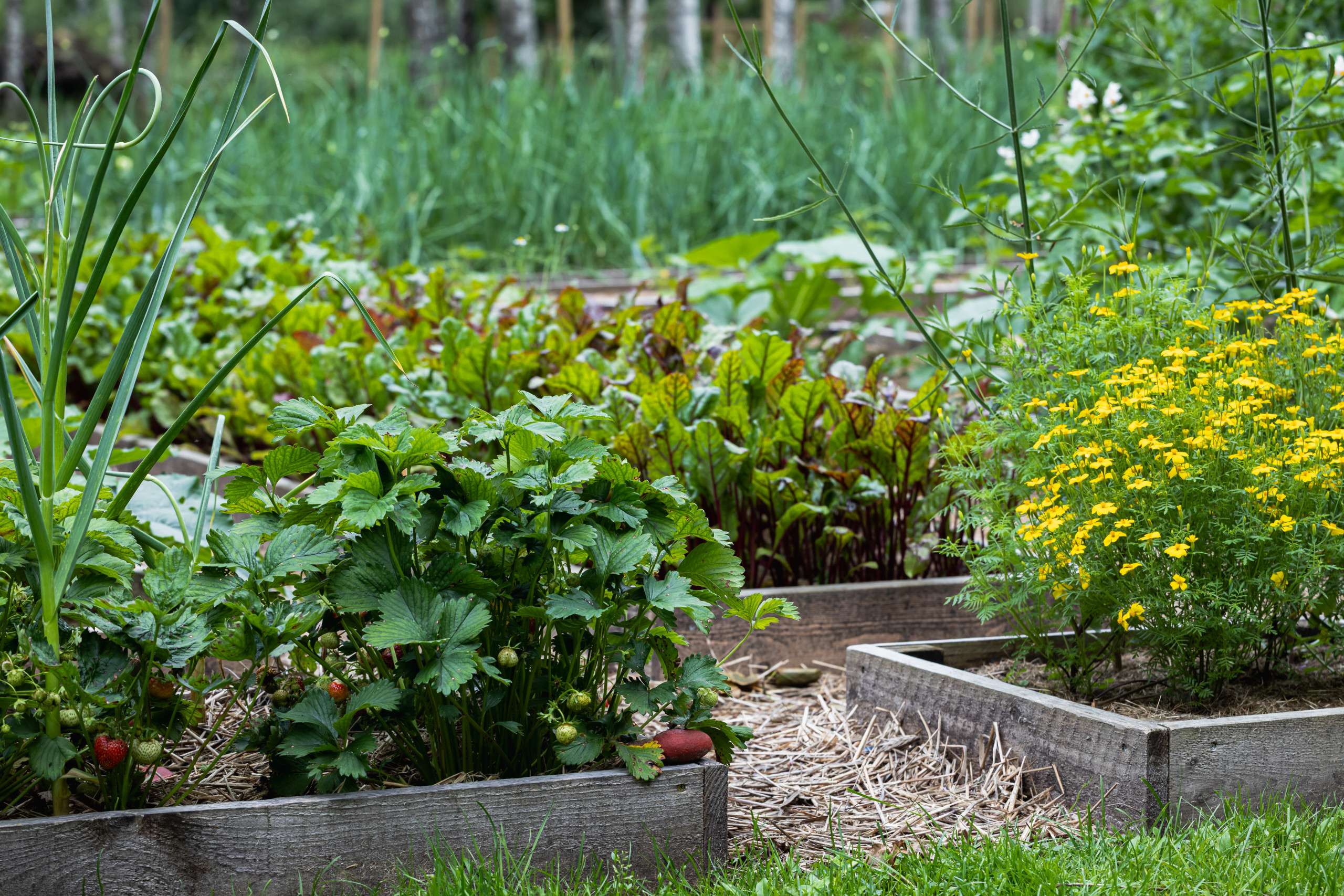
That’s the aim of the Gbiota system: a practical, scaleable way to grow regenerative, gut-supporting food at an economic price. Home gardeners can use Gbiota beds in their backyards, balconies, or small plots. Commercial growers can adopt larger systems, provided they can differentiate their produce and earn a fair return.
Why Gbiota Needs a Movement, Not Just a Method
I’ve seen what happens when a useful idea spreads without structure. When Wicking Beds went viral, the concept was copied, altered, and in some cases made unnecessarily complex. The core idea was diluted. Commercial growers were turned off by misinformation and overengineering.
Gbiota needs a different path. We need a community – the Gbiota Club – where people test the system, share results, improve the technology, and become advocates if it works for them. My role is to explain the principles and document the methods, but real change happens when many people adopt the system and tell others.
Top-Down Innovation: Making It Useful First
There are two broad ways technology develops. The bottom-up path starts with deep science and gradually builds applications – transistors, thermodynamics, fundamental research. The top-down path starts with a pressing problem and cobbles together a practical solution – the steam engine pumping out mines, early Wicking Beds in dry landscapes, and now, potentially, Gbiota beds for chronic disease prevention.
Top-down systems are messy and imperfect at first. They get refined over time as people use them, test them, challenge them, and improve them. My goal with the Gbiota system is not to present a perfect, final answer, but to offer a practical starting point that people can try for themselves.
Why I Care
My interest is not academic. My wife came from China, started eating Western-style food, and developed diabetes. Her eyesight deteriorated, she fell, broke bones in her foot, and we were looking at the possibility of amputation. Together we worked hard – on food, biology, and lifestyle – and she kept both her sight and her feet.
That experience sent me down the rabbit hole of diabetes, diet, and gut biology. The conventional view says diabetes is a non-reversible chronic disease that must simply be managed. A minority of doctors and researchers disagree, arguing that we are overloading on fast carbs and underfeeding the rest of the system. My own conclusion is simple: we need more refurbishing food grown in biologically active soil.
If I can help prevent even a fraction of the billion people heading towards diabetes by sharing what I’ve learned, that’s reward enough.
The Role of the Gbiota Club
I cannot change the global food system alone, and I’m honest enough to admit I’m a DOF – a Doddery Old Fool – in internet terms. But I’ve watched paradigm shifts happen twice before: once with plastic flow simulation, once with Wicking Beds. In both cases, change came when other people tried the ideas, found they worked, and spread them.
The Gbiota Club exists for the same reason. It’s for gardeners, growers, and citizens who want to:
Grow regenerative, biologically active food.
Improve their own gut health and track changes in weight, energy, and metabolic markers.
Share results and refinements with others.
Become advocates if the system works for them.
We need people with skills in soil, plants, microbiology, health, logistics, and communication. But above all, we need people who are prepared to try, observe, and be honest about what happens.
If that sounds like you, I invite you to join the Gbiota Club. Email me at colinaustin@bigpond.com and say you’re interested.
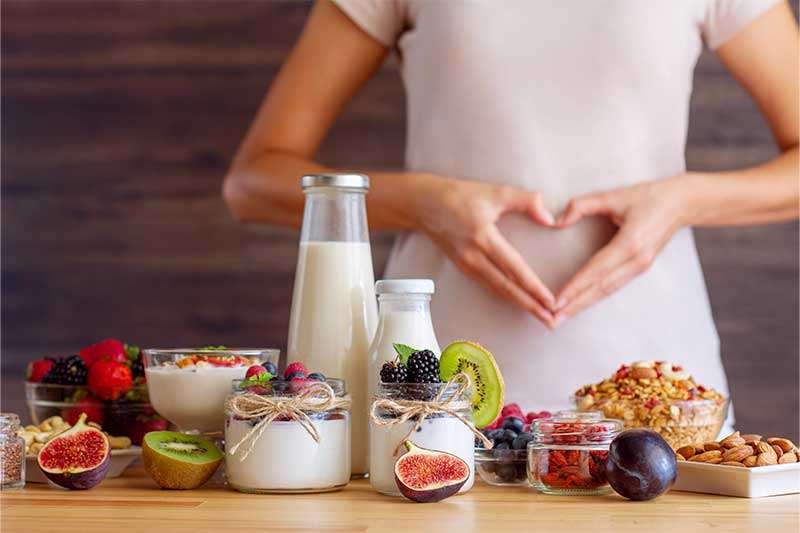
Good gut-bugs create hormones that control appetite naturally – no pills. You can grow the good gut-bugs at home in containers, Gbiota baskets – even if you live in an apartment with no garden and no growing experience. You grow plants which lead to a healthy gut-biome. You change your gut biota by diet – eating plants grown in soil teeming with beneficial microbes and eaten shortly after picking while fresh. We show you how.
Some people appear to be naturally skinny while others appear to be naturally overweight. This is because of the gut bugs which send out hormones which control appetite. You can’t fight the hormones but you can change your gut bugs by eating plants grown in soil where the beneficial microbes breed, but you must eat them fresh as microbes have a short life so you need to eat them shortly after picking.
That is why you need to grow the plants at home – just pick and eat.
Our gut has trillions of cells which communicate with each other to provide intelligence. It works with our head brain to form the intelligent control system which regulates our bodies – this is our gut-brain.
If our gut-brain senses any deficiencies in our diet it will send out hormones to make us hungry. This is in our subconscious and we have no control over this.
We may try and restrict the amount of food we eat but it is very difficult to overcome those hormones for any length of time – that is why it is so hard to avoid becoming overweight and sick.
In our modern diet, we are very unlikely to have a deficiency in energy food which comes from sugars and fats.
The deficiencies that our gut-brain may detect are deficiencies in trace minerals or vitamins, deficiencies in food to feed the gut-brain, but by far the most common and important is deficiencies of species in the gut.
We show people how to feed their gut-brain.
Why our gut-brain matters
This is important because our gut has trillions of microbes of thousands of species which can communicate with each other to create genuine intelligence.
It works with our head brain to form the intelligent control system which regulates our bodies, particularly our appetite – how much and what we want to eat.
We don’t overeat and get fat and sick because we are little piggies, we get fat and sick because our gut-brain senses deficiencies in our diet and creates hormones that make us overeat.
Having a fully functioning gut-brain is the difference between enjoying a long health span and falling prey to the modern epidemic of chronic diseases – obesity, diabetes, heart attacks and dementia.
How it works
Wickimix
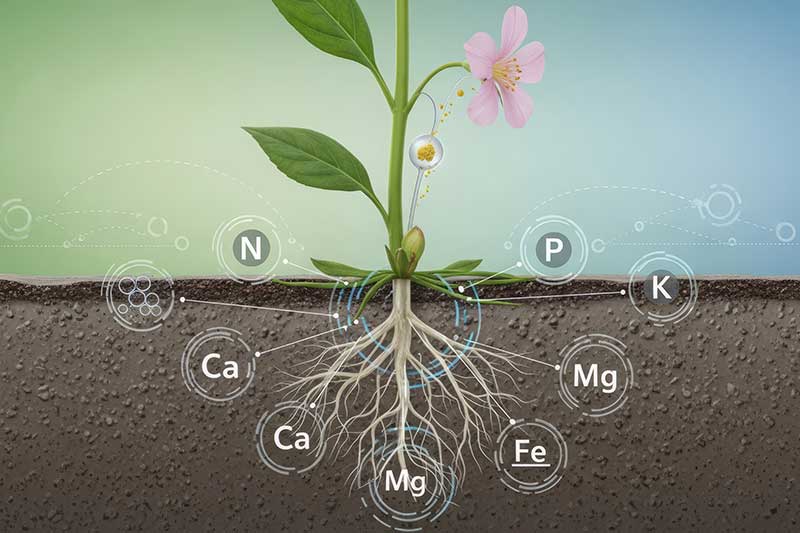
It starts with a special soil we call Wickimix. Like all good soils it has an open structure full of essential nutrients – N, P, K – but also minerals we are generally short of: calcium, magnesium, iron, zinc, copper, selenium, iodine, chromium, vanadium, etc.
What makes Wickimix different is that it is full of the natural creatures of the soil – recyclers such as worms, beetles, larvae, nematodes and fungi – plus a high loading of organic waste for them to feed on.
Wickimix is at the heart of the Gbiota process and requires knowledge and skill. It can be done by an experienced gardener, but for most people it is best left to trained commercial growers.
Soil blood
These creatures of the soil have guts, like us, and they exude a complex array of gut microbes into the soil which helps to form soil blood – the potent combination of water, nutrients and microbes which circulates in the soil to feed the plants.
The plants feed on soil blood so the microbes enter the plants which we eat to enhance our gut biota.
This has been the norm since life first appeared on Earth. It stopped around fifty years ago with the adoption of modern chemical industrial food systems.
Dynamic equilibrium
Microbes breed rapidly but have a short life. To benefit from eating plants loaded with beneficial microbes, they must be eaten fresh.
The most practical way is to grow plants at home so they can be picked and eaten immediately – even in an apartment using the Gbiota box and basket system.
The Gbiota box and basket system
The creatures of the soil that provide beneficial gut microbes need organic waste to feed on.
Organic waste – kitchen scraps, grass clippings, coffee grounds – is collected and placed in the base of the Gbiota box, with the growing basket placed on top.
The basket has holes allowing soil creatures to move freely between waste and growing zones.
Soil blood must be aerated to remain active. This is done through regular flooding and flushing using a swivel tube system that expels stale air and draws in fresh oxygen.
The drained soil blood, rich in nutrients and microbes, is collected and reused.
Growing your own gut microbes is not for everyone, but you are welcome to email me here to discuss whether it is right for you.
Our Intelligent Control System
Our gut-brain comprises trillions of cells which communicate to create swarm intelligence that regulates our bodies. When satisfied, it releases hormones that make us feel full. GLP-1 is the hormone used in drugs like Ozempic, Wegovy and Saxenda. Our bodies naturally produce it when properly fed. Ultra-processed modern diets deprive the gut-brain of what it needs, so natural GLP-1 production is suppressed and overeating continues.
This underlies the modern epidemic of obesity, diabetes, heart disease and dementia. The solution is not drugs, but feeding the gut-brain the way nature intended.
That is what Gbiota gut-brain food is all about.
The food industry is just as big a threat to humanity as climate change.
Greta Thunberg - love her or hate her (as many people do) her impact has been just startling. From a nondescript looking small child with a grotty piece of cardboard she became a world figure and leader of the climate change movement in little more than a year.
Food needs a Greta Foodberg. I start by discussing the Greta phenomena, trying to work out how it happened to see what can be learned for Greta Foodberg.
She did not have a battery of technical arguments but simply said ‘I am a child and you are destroying the world I will grow up in - and that is wrong.’
This is a post from one of our users Igor Grossman in Melbourne about his aquaponics systems. Although a different technology the basic aims of high nutrients and active biology are similar to Gbiota beds
Nutrition is one of the most controversial yet critical issues we face today—our food system is shaping an epidemic of chronic disease while also degrading the soils our future depends on.
The Nutrition War Zone
Nutrition must be one of the most controversial, opinionated yet critical topics on the planet.
Go online and you’ll find an ocean of confusing and contradictory views, fuelled by complex scientific data, dogma, and a tsunami of abuse.
It would be funny if it were not so serious. We are suffering from an epidemic of diabetes and obesity with associated heart attacks and dementia, which still dwarfs the deaths from the coronavirus. Even in the case of viral infections, people eating a healthier diet are far more likely to survive than those eating a poor diet.
At the same time, we are destroying the soils on which our future survival depends. This is serious stuff.
This blog is my attempt to change our food system from one riddled with misinformation driven by profit, to one focused on the health of the community.
It’s Personal for Everyone
If I come over as a bit extreme, it is because this is not some academic interest. My wife, a qualified surgeon and doctor, was well on the way to having her leg amputated as it turned black from diabetes—largely from misinformation from her medical colleagues.
The situation was only reversed by a serious change in diet, and thankfully she still has both her legs.
For anyone facing the consequences of a poor diet, this is personal, not just part of a statistic.
How Food Is Grown Really Matters
One key aspect of our food is how it is grown. There is an immense literature on the benefits of certain vegetables—kale comes immediately to mind—and this can be true when they are grown in nutritious, biologically active soil.
However, no vegetable grown in tired soil lacking in nutrients and sprayed with toxic chemicals can truly be beneficial for our health.
A consistent theme throughout these blogs is that we must focus on the soils in which we grow our food. Health starts in the soil.
Our Gut Brain Is the Master Regulator
The first port of call for our food is our gut. Our guts are not just a dumb collection of trillions of cells. They communicate to form genuine intelligence—the gut brain—which regulates our bodies: how much and what we eat, and much of our immune system that protects us 24/7 from harmful microorganisms.
Eating a diet that leads to a healthy gut biota is the key to our health. Health may start in the soil, but it grows inside our gut brain.
The earliest diets were nutrient-dense and gut-supportive, but low in energy.
Benefiting Us All
The Gbiota system is a powerful technology for improving our food supply, our general health, our immune system, and the management of fats and insulin. But a technology, however good, is not going to benefit anyone if it is not widely available to everyone at a price people can afford.
This widespread availability is not going to be achieved by a massive advertising campaign run on a for-profit basis. There is already excessive promotion and manipulation of the truth in the food industry.
People need to know that the food they are eating is authentic, and the best way to do that is to buy from a grower they trust. Technically this is easy in the age of the internet and online buying, but we still need to create local groups that work together as a social movement.
People power is far more effective than multi-billion-dollar advertising campaigns. Ideas spread virally when people talk to each other or share on social media.
We can even learn from the coronavirus. At first just one person was infected, and in a very short time it had spread across the world.
It is a very simple message to spread: we need beneficial biology in our guts, and we get that from eating food grown in nutrient-rich, biologically active soil. This is not about profits; it is about creating a better world for everyone, where we all have access to clean air, clean water, and healthy food grown in a sustainable way. Do it for your grandkids.
Read more about alternative food here
More information: colinaustin@bigpond.com
Humans are the most successful creature on the face of the earth. There are 7.9 billion of us, because of our intelligence. Our tools and technology are only part of the story, we also work cooperatively together for our mutual benefit. At least most of the time. The internet and our TV screens are the wonder innovation of our time. By providing the public with access to the vast pool of world knowledge they should be creating equality throughout our society. And in the early days of the internet they certainly were. But no longer, they have become the centre of deception with manipulative promotions to sell product that don’t provide any benefits for the bulk of us humans – just benefiting a few already rich people. Nowhere is this more true than in food, despite years of advancement in medical science leading to a steady increase in life span we are now actually dying younger and worse become decrepit and infirm in our old age. Diabetes, dementia and obesity are everywhere and the health epidemic has been described as the black death of the twenty first century.
The web has created a culture of instant gratification – just pop a pill, gobble down an energy bar or get stuck into a pre-made or fast food meal. The modern health epidemic is man made based on the myth of instant gratification.
It is an inconvenient truth but if we want to be healthy we have to eat food that will make us healthy, and that includes food that will feed our gut biota. Health begins in the soil. On this web I explain how to grow food that will feed your gut biota. I explain how to make Gbiota beds which were developed specifically to feed your gut biota.
My article “Truth” talks about how to know what is true or a con.
I explain how you can make Gbiota beds and grow your own food yourself or how to create a food group of biofoodies to persuade a local farmer to grow for you – and it will probably cost you less than the food you are currently buying.
You don’t need to give up delicious food but you do have to feed your gut biota. With a healthy gut you will probably find that you no longer crave food and can forget about sticking to those diets that never work long term.
But there is no instant gratification – whether you grow your own food or form a biofoodie group takes a bit of effort. That’s simply the truth and no clever marketing can disguise the truth.
I have spent my life in technology and innovation and believe it can bring great benefits for humanity but the way it is being misused is creating the sort of world which I, and more importantly my grandchildren, will have to live in.
I was recently selected by the Institute of Engineers as one of the top one hundred innovators in Australia for my pioneering work on computer aided engineering. Now lets be clear – being a successful innovator is not just about having a brilliant mind, in fact I have a mental defect – I have a terrible memory. My spelling is awful, my grammar can best be described as creative.
At school I was terrible at languages but good at science by a simple trick. I learned that if you really understood the basic underlying principles you simply did not have to memorise all that mass of facts – you could just derive them from the underlying principles.
But by really trying to understand the basic principles you sometimes see that they are just not really true – you end up becoming a paradigm buster which is what innovation is really all about.
And nowhere is this more true than in food. What we are told about food, particularly by the mega corporations, is not just not true – it is damaging our health, making us decrepit and infirm in old age and making us die young.
This web site is my attempt to change that. There is a lot of information on this web which is the result of my thinking about food, how we grow it and how it affects our health.
I have been writing articles about food for many years now but I have tried to arrange them in a logical sequence so you can follow my thinking.
I am sorry, I am not a marketing wiz kid coming up with magic three word punch phrases, if you want to follow my thinking and appreciate my findings there is just no alternative to doing a bit of reading and thinking yourself. It is all for free and I have solution which if you are into gardening you can do yourself and if not you can get a local grower to do for you, you will need to pay him – but probably less than what you are paying already for the pseudo food you are already buying.
But I am not your mummy, if you want to go onto the internet and buy magic pills and potions, either with a long chemical name or from some secret herb coming from the remote jungles of the Amazon or the heights of the Himalayas that’s your choice. It’s your money you are wasting – not mine.
The most important article shows how we need to rethink food. It tells the story of our evolution in a simple but hopefully entertaining way – it is called Food for Health 21 Dec 2019 and you can access it here as a .pdf:
Gbiota food was developed to provide the trace minerals and beneficial biology essential to health but missing in our modern food system. It has much in common with the food eaten in the Blue Zones, where people regularly enjoy an active life into their nineties or hundreds simply by eating a largely plant-based diet grown in nutrient-rich, biologically active soils not degraded by modern agriculture. They don’t rely on fancy diets—just the natural intelligence of their gut and head brains, letting their internal control system decide what and how much to eat. Gbiota food is not a replacement for your usual meals, and there is no strict diet. It is typically eaten before each major meal, allowing your natural internal signals to regulate appetite and food choices.
This site explains how food affects health, how to grow food that improves health (regenerative agriculture), and how people can buy healthy food directly from regenerative farmers.
Intelligent control system
Everyone has an intelligent control system that manages how much and what food we want to eat and how much and where we store fat.
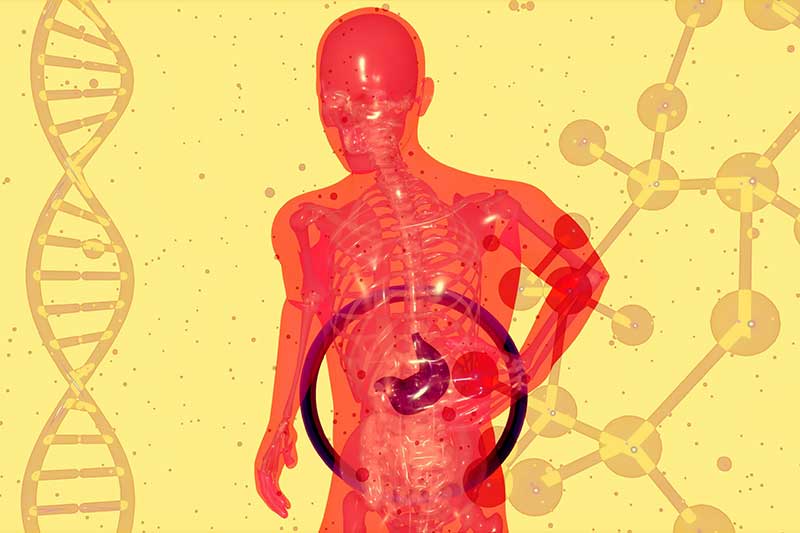
It has three main components: our DNA (which we cannot change), our subconscious head brain, and our gut biology—our “second brain.”
DNA
Babies are typically born chubby so they have a fat reserve. As children, they become skinny as their food intake fuels rapid growth and constant movement.
As young adults, males develop muscle and store fat around the hips to fuel hunting, while females store fat more broadly to support feeding babies. As we age, we tend to accumulate more fat because it becomes harder to obtain food.
This is simply how humans evolved—and we can't change that baseline biology.
Our head brain
Our head brain stores subconscious memories about food and how our body reacts to it. If we had a terrible overripe tomato as a child, that memory remains and influences our preferences.
But we can overwrite these associations by consciously retraining ourselves—like eating fresh, delicious tomatoes to replace earlier bad experiences.
Our gut brain
Our gut brain—or Gbiota—is made up of trillions of microbes that communicate with each other, creating a form of collective intelligence.
Good gut bugs digest food, support immunity, and help regulate appetite and fat storage. They are essential partners in health—we cannot live without them.
But there are also harmful bugs that make us sick. While humans have been effective at killing bad bugs, we have also unintentionally harmed our good bugs through modern food and chemicals.
This disruption has led to an epidemic of “fat in the wrong places”—diabetes, dementia and obesity.
We must look after our microbial partners—feed them healthy food and avoid killing them with toxic chemicals.
Our gut biota forms an intelligent system. They communicate, adapt, and influence our cravings, hunger levels, and fat storage.
We must eat not only for our own body's needs, but also to feed those trillions of microbes that act as our gut brain.
Modern food is energy-dense—fats, sugars, carbohydrates—and low in key minerals, vitamins, and gut-brain food.
Gbiota beds™ were developed specifically to grow gut food. This site includes full instructions so home gardeners can build their own Gbiota bed.
For people without land, time or gardening skills, the focus is on buying gut-healthy food from specialist growers.
I promote the idea that humans have an intelligent control system that regulates appetite and fat storage. Our gut biota is a critical part of this system—but our modern food supply is failing to feed it, leading to cravings and chronic “fat in the wrong places” diseases.
My aim has been to develop a system for growing food to feed the gut biota—hence, Gbiota beds.
Dietary advice can appear to be totally confusing with so many different opinions: low fat, low carb, low meat, low eggs and more. One reason for this lack of clarity is that we are simply all different. Some people will never get fat and sick whatever they eat, while others go to extreme lengths to avoid putting on weight.
What the Blue Zones can teach us
Then, to confuse matters even more, we have the Blue Zones where people have no knowledge or interest in weird diets yet are fit and healthy to a ripe old age.
They have no idea of the importance of trace minerals like zinc, chromium, selenium or iodine; neither do they think about their gut biology. They simply have nutritious soil by recycling and composting all their waste and picking and eating their vegetables without delay.
This must tell us something.
How do we make sense of all this?
Head brain, gut brain and natural self-regulation
We could read Dr. Mosconi's book about brain food or any of the many other books on brain and gut health.
It then becomes clear that we have an inbuilt control system in our head and guts which regulates how much and what we eat. It has worked perfectly for millions of years.
People in the Blue Zones are fit and healthy into their nineties because they are feeding their guts and brains food which is healthy for guts and brains, so they have no need to think about diet—their brain systems naturally regulate what they eat.
Conversely, the reason why we have such a health crisis in so-called advanced countries is because we are eating a diet which is incredibly harmful to our guts and brains.
Because our head and gut brains are not being fed healthy food and our diet is lacking essential minerals, our control system goes into panic mode and we develop almost irresistible food cravings—so we go and eat more sugary, fatty foods.
We try and fix this by restrictive diets when we should be feeding our gut and head brains the food they need.
The Gbiota green smoothie: a simple first step
The solution is to focus on eating food that will make our guts and brains healthy and stop worrying about weighing our food to the nearest gram to control calorie intake.
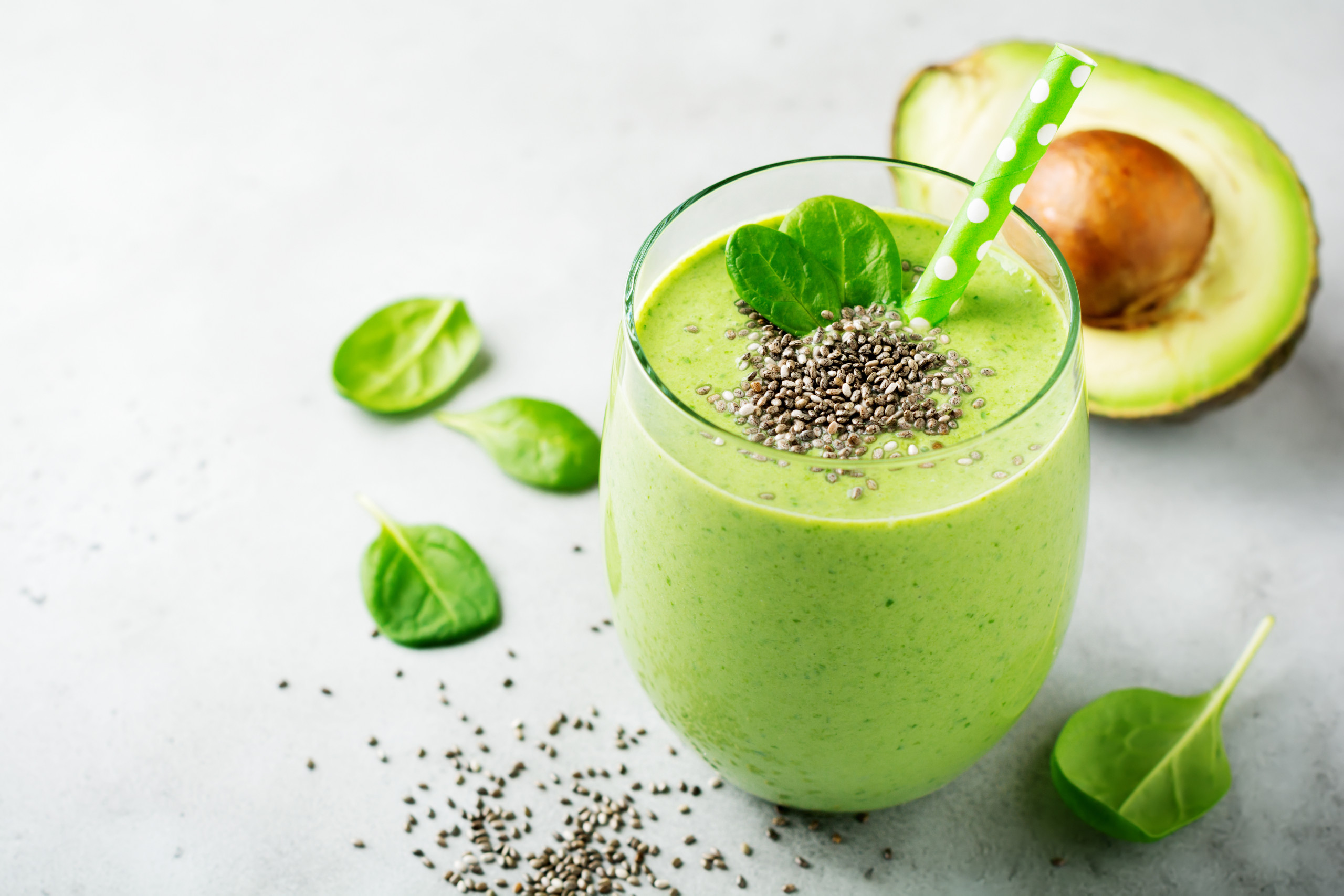
The easiest and most convenient food to feed our guts and brains is the Gbiota green smoothie. It is made by simply harvesting fresh greens using the tipping system, making it taste good by adding a little fruit and some herbs and spices, and then seeing if this can restore our gut and brain health so our bodies self-regulate.
This does not involve any major change in the foods we have learned to love, even if they are unhealthy. We just drink a smoothie before and while we eat our normal food and simply see if our natural control system cuts in to regulate what and how much we want to eat.
Will it work every time? We simply don't know as everyone is different, but it is so simple and easy to do that it should be the first step in improving health by diet.
If it does not give the desired results then we have to adopt the more complex systems of changing our diets to restore our gut and brain health.
Why the Gbiota green smoothie is so effective
When we eat the normal modern high-sugar diet our blood sugar levels rise. Our bodies sense the high sugar levels and release insulin, which allows the sugar to enter our cells and reduce the dangerously high sugar levels. This is our intelligent body doing its job.
The blood sugar levels drop, as intended, but there is still insulin in the system so we experience what engineers call “overshoot”—the result of the excessively high sugar levels our bodies have not evolved to cope with.
As our blood sugar levels now drop below normal, we get sugar cravings and want to eat more sugary food, so we end up in an unstable cycle with our blood sugar levels swinging from too high to too low in a totally unstable way.
Eventually we become so used to insulin that it stops being effective and we have insulin resistance, which is the start of the slippery slope to serious diabetes.
But the vegetables in a green smoothie act as sugar blockers which slow the rate of sugar entering our bloodstream, so they act as a sort of damper, bringing stability to the system.
We are eating sugary food in the first place because our gut biology has adapted to high sugar levels and so the sugar-loving bugs have become dominant in our guts, making us want to eat more sugary food.
When we consume veggie smoothies on a regular basis, the veggie-loving bugs in our guts gradually out-compete the sugar-loving bugs so we just stop craving sugary foods.
Once we have changed our gut biology we no longer have to adopt strict diets—we just have to listen to what our healthy gut biology is telling us.
The biggest mistake the diet industry has made is to think of the human body as just a bunch of dumb biochemistry when in reality it is an intelligent system.
The Gbiota bed growing system was developed as an alternative to modern diets high in fat and sugar yet low in nutrients. These beds create nutrient-rich, biologically active soil with balanced trace minerals that support the growth of genuinely healthy fruit and vegetables.
The goal is to restore healthy gut biology—an essential part of the body’s intelligent control system, which regulates hunger, nutrient absorption and how and where the body stores fat.
Join the Social Movement
Storing fat in the wrong places has led to global epidemics of diabetes, obesity, heart disease and dementia. The most effective and affordable intervention is simple: eat nutritious, biologically rich fruits and vegetables.
However, the food, pharmaceutical and medical industries are multi-billion-dollar systems that benefit financially from treating illness rather than preventing it. There is no commercial incentive for promoting nutrient-dense food as the simplest path to health.
This is why the Gbiota project operates as a social movement. Its success is measured not in profits, but in how many people avoid blindness, amputations, and chronic disease caused by dietary imbalance—conditions that occur globally every twelve seconds.
Guides for creating Gbiota beds are provided free for home growers, while commercial growers are asked to make a small contribution to support public education about nutrient-rich food.
Everyone who benefits from the Gbiota system is encouraged to share the information with friends, family and social networks.
Not Just Any Fruit and Vegetables
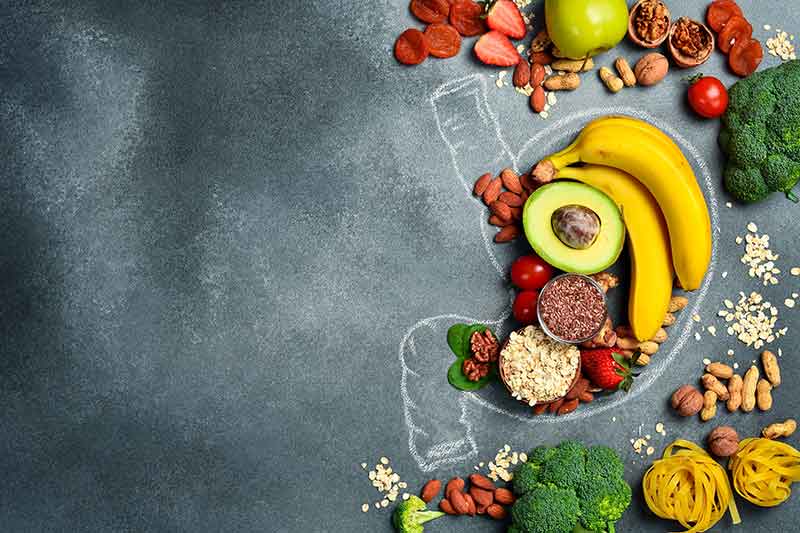
Almost all dietary philosophies—low carb, low fat, paleo, keto—agree that we should eat more fruits and vegetables. But not all vegetables are equal. They must contain essential nutrients and living biology to truly support health.
Humans require a broad range of minerals beyond what plants need to grow. Important examples include iron, zinc, magnesium, selenium, chromium and iodine. Plants can appear large and healthy even when grown without these minerals, especially when synthetic fertilisers are used.
This is why much supermarket produce looks perfect but lacks the essential nutrients required for human health.
Our Intelligent Control System
The human body has a highly sophisticated intelligent control system made up of trillions of cells in our gut and brain that constantly communicate. This system assesses the body’s needs and reacts accordingly.
When it detects nutrient deficiencies, it sends hunger signals. When deficiencies are severe, it can trigger intense food cravings that are incredibly difficult to resist.
Modern diets are high in fat and sugar but low in micronutrients. This leads to overeating—chasing nutrients that are not present—increasing the risk of diabetes, obesity, heart disease and dementia.
Food Cravings
Many people experience this daily: wandering around the house feeling “starving” but unsure what they are craving. Once they find something salty, fatty or slightly nutrient-rich, the cravings stop immediately.
The diet industry tells us to “cut calories,” yet society continues to gain weight. This is because the real problem is not overeating—it’s nutrient deficiency. When people eat nutrient-rich vegetables, the body’s control systems stabilise and cravings disappear naturally.
Gbiota Beds
Gbiota beds exist to supply food that nourishes the gut microbiome, stabilises hunger signals, reduces cravings, and prevents overeating of high-sugar, high-fat foods.
More people are recognizing the importance of diet and gut biology.
The amount of micro-nutrients humans need is tiny—often just a few micrograms. Meanwhile the planet holds trillions of tonnes of volcanic rock rich in these minerals. So why not simply spread rock dust on soil?
We absolutely should, and rock dust is an important part of the Gbiota system. But it is not enough on its own. Rock dust minerals are insoluble, meaning plants cannot access them without help.
For billions of years, plants have used sunlight to make sugars, then exuded those sugars from their roots to feed soil microbes. These microbes break down rock particles into soluble forms the plant can use. The plants then convert these minerals into phytonutrients essential for human health.
This natural partnership has been “field-proven” for over a billion years.
Healthy Soil Needs Healthy Bugs
Growers using the Gbiota protocol add volcanic rock dust to supply essential minerals. But unless the soil contains an active microbial community, the plants cannot unlock those minerals.
Soil biology—bacteria, fungi and other microorganisms—breaks down mineral particles and converts them into soluble compounds. Plants absorb these, turning them into complex nutrients that humans can digest and utilise.
Our Bodies Need Good Bugs Too
Just as plants rely on soil microbes, humans rely on gut microbes to digest food, make nutrients available and support overall health.
These microbes protect us from harmful bacteria, regulate immune function, and help control appetite and cravings. When the gut senses nutrient deficiencies, it triggers hunger, pushing us to eat more in an attempt to obtain missing minerals and phytonutrients.
This is a major driver of the modern health crisis. We consume foods high in sugar and fat but low in essential nutrients, creating cycles of overeating without ever addressing the body’s real needs.
The Great Bug Battle
Everyone agrees that we need to manage harmful microbes—but the question is how.
Modern industrial agriculture relies heavily on toxic chemicals to kill pests and pathogens. It also depends on man-made soluble fertilisers rather than allowing soil biology to unlock minerals naturally.
Although this approach may seem logical, it has coincided with an explosion of chronic diseases such as diabetes, dementia, obesity and cardiovascular illness. One major reason is that chemically grown food lacks the rich nutrient and microbial life found in biologically active soil.
Chemicals may kill bad bugs, but they also destroy beneficial microbes that are essential for plant, soil and human health.
The Ecological Balance Principle
The Gbiota system focuses on achieving ecological balance—allowing beneficial microbes to outcompete harmful ones naturally.
The Growing Cabbage: Nature’s Example
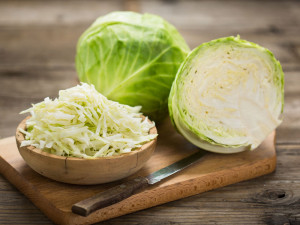
A cabbage growing in healthy soil is constantly exposed to harmful microbes. Yet it thrives, because beneficial microbes dominate around its roots and leaves, preventing bad bugs from taking over.
There will always be some harmful microbes present, but as long as the beneficial population is strong, the plant remains healthy.
The Gbiota bed system mirrors this natural process by regularly flooding the root zone with nutrient-rich, biologically active compost tea. This encourages a thriving microbial community capable of protecting the plant without the need for chemical pesticides.
Unlike conventional agriculture—which attempts to kill all microbes—Gbiota maintains a stable ecological balance. Some harmful organisms remain, but beneficial ones dominate.
Until society accepts the value of ecological balance over chemical extermination, we will continue facing epidemics of diet-related diseases.
The E. coli Lesson
People often fear E. coli, but almost everyone carries E. coli in their gut at all times without any problems. Harmful strains only cause issues when beneficial microbes become weakened.
Our gut constantly encounters harmful microbes through food and air. A thriving community of good microbes manages them effortlessly. Eliminating all microbes—good and bad—is impossible and unhealthy.
The Gbiota approach is to strengthen beneficial microbes so they naturally suppress harmful ones.
The Rotting Cabbage
Once a cabbage is harvested, it is cut off from its nutrient supply. Good microbes weaken, harmful microbes begin to dominate, and the cabbage starts to rot.
The faster we eat fresh produce, and the less we damage its natural microbes through over-cooking, the more beneficial microbial life we consume.
Fresh, biologically active vegetables are more than food—they act as a living probiotic system for our gut health.
There are already many local growers who could supply their neighbourhood with gut-healthy food. There are also many people displaced by modern work changes who could build a small livelihood supplying gut food locally.
Some people have large gardens and already grow food for themselves. Others have large gardens but find them too much work and would gladly allow others to grow food there in exchange for a share of the produce.
Gbiota food works best when grown and shared locally — neighbours feeding neighbours.
Local Micro-Farms
The concept of small micro-farms feeding their immediate community is not just practical — it is hopeful. It offers a way forward that is not based on monopoly control and profit extraction.
This is not a business in the ordinary sense. Profit alone is not the objective. A business should also serve its community.
This is My Legacy Project
At 81, I know I will not be the one to drive this for much longer. I want it to continue after I am gone as a viable, community-driven system.
I propose that each commercial grower contributes a small amount — for example, ten cents per square metre of productive area — to support ongoing research, organisation, and public communication.
Home growers will always have free access to the Gbiota methods for personal use, on the basis that they share knowledge locally and help build awareness of gut biology and food for health.
How Do We Make This Happen?
This will not spread through ordinary online marketing. That space is crowded with distraction and manipulation.
Instead, we need small groups — a dozen people or so — who understand what is at stake and are willing to act as local connectors (or “influencers” in modern language).
The role of any central coordination is not bureaucracy. It is to:
Educate about gut biology and food for health
Support growers with technical knowledge
Ensure that Gbiota produce meets agreed standards
This grows from community — not central control.
For People Who Are “Too Busy”
Many people want the benefits of Gbiota food but do not have time, skill, land, or inclination to grow it themselves. At the moment, they cannot simply buy it — not until there is a stable network of growers and customers.
Regenerative farmers exist. But like anyone, they need reliable customers to support their livelihood. This is where Community Supported Agriculture (CSA) comes in.
Community Supported Agriculture
People interested in buying Gbiota food can form a group. Once the group reaches a certain size, it becomes easy to find local regenerative growers to build Gbiota beds — because the market is already guaranteed.
I can provide technical guidance for establishing the beds. The group can organise payment systems, delivery, and structure — often as a cooperative.
This supports:
local growers
regenerative agriculture
soil carbon storage
a sustainable food future for the next generations
We are not just growing food — we are caring for our future.
Join the Club
The first step is to register with Gbiota. Your information is confidential, and you will soon be able to join local discussion groups.
We are especially seeking people willing to act as group organisers.
Minerals, Vitamins and Biology in Gbiota Smoothies
The main aim of a Gbiota smoothie is to improve gut health, but they also contain the minerals, vitamins and phytonutrients essential for health. The plants in all Gbiota smoothies are selected to provide these essential minerals, vitamins and gut biology. However there are two vitamins which are not readily available from plants.
Vitamin D is best obtained by going for a walk in the sunshine. Vitamin B12 is generated by fungi — not plants — so add malt extract (it also improves taste; the plants act as sugar blockers).
Important Points About Gbiota Smoothies
People eating a typical western diet have a sugar-loving gut biota. Gbiota smoothies contain beneficial biology (pre-biotics) but this is not enough; the beneficial biology must be fed with the right food so it can out-breed the sugar-loving biology.
Gut biology has a short life and is changing continuously. You have to wait about three weeks for the sugar-loving biology to die; one glass will not change your gut biota.
The less sugary food you eat in this transition the better; after that, Gbiota smoothies act as sugar blockers.
Your current gut biology may not handle the high vegetable content at first; start with small glasses and check your body is handling the change.
Some plants used can contain gluten. If you are gluten sensitive, tell your blender so they can avoid high-gluten plants (e.g., barley grass). Start slowly and watch for any issues.
Plant biology deteriorates as soon as the plant is harvested; we avoid carrying stock — it is “pick and eat.” Talk to your blender about pre-ordering.
Plant biology deteriorates immediately after harvest — avoid stockpiling; use a pick-and-eat approach and pre-order with your blender.
Regular Gbiota Smoothie
The regular Gbiota smoothie aims to provide a broad spectrum of minerals and vitamins.
Minerals are no problem — if minerals are added to the soil and there is active biology to make them available to the plants, they will end up in the plants and hence in us.
Vitamins are more of an issue as different plants provide different vitamins; Gbiota smoothies are best made from a variety of plants depending on seasonal availability.
There is no single standard list of plants for vitamins as they are often seasonal, but many different plants supply each vitamin. For example, Vitamin A can be obtained from spinach, carrots, collards, cantaloupe, sweet potato and bell pepper. Many plants supply a range of vitamins, so Gbiota smoothies can be made from a manageable number of plants to cover all vitamins.
How We Grow and Blend
We avoid toxic chemicals which may harm gut bacteria; that is what many chemicals are designed to do — kill bugs.
We use “tipping”: grow multiple plants at high density in nutritious soil, let them pass shoots and baby-green stages until they develop strong roots, then harvest new tips and let them regrow.
Plants grown in Gbiota soil are natural pre and pro biotics.
We blend briefly with some fruit (e.g., bananas) to improve taste and keep fibres intact — minimal blending preserves the fibre that benefits the gut.
This is the basic Gbiota smoothie. The blend can be altered by adding extra plants with specific benefits.
Gbiota Sugar Blocker
Fats and sugars are basic energy sources and needed in the right quantities. The danger is sugar spikes — modern sugars are absorbed quickly. Natural sugars are slower. Plants like barley wheat are effective sugar blockers but contain gluten; talk to your blender.
Gbiota Immunity Smoothie
A combination of zinc and Vitamin C supports a healthy immune system. Plants like lentils increase zinc levels and many plants contain Vitamin C.
It will not stop you getting a virus or help if you are infected. A lack of zinc or Vitamin C lowers immunity and increases vulnerability. If you have a healthy immune system, the odds of dying from the virus are reduced. There is no information that increasing levels above normal healthy levels provides further improvement — we don’t know.
Gbiota Iron Smoothie
Low iron can be supported with plants like watercress.
Common Plants and Their Benefits
Vitamin A
Spinach, Carrot, Collards, Cantaloupe, Sweet Potato, Bell Pepper
Vitamin B Thiamin
Acorn squash, Brown rice, Legumes, Sunflower, Yoghurt
Vitamin B2 Riboflavin
Almonds, Green vegetables, Mushrooms, Oats, Quinoa
Vitamin B3 Niacin
Peanuts, Rice
Vitamin B5 Pantothenic Acid
Broccoli, Peanuts, Sunflower, Soybeans, Yoghurt
Vitamin B6
Banana, Chickpeas, Potatoes
Vitamin B7 Biotin
Spinach, Sweet potato
Vitamin B8 Folate
Avocado, Banana, Peanuts, Peas, Spinach, Wheat
Vitamin B12
Yeast
Vitamin C
Bell pepper, Broccoli, Cauliflower, Guava, Kiwi fruit, Orange, Strawberries, Tomato