
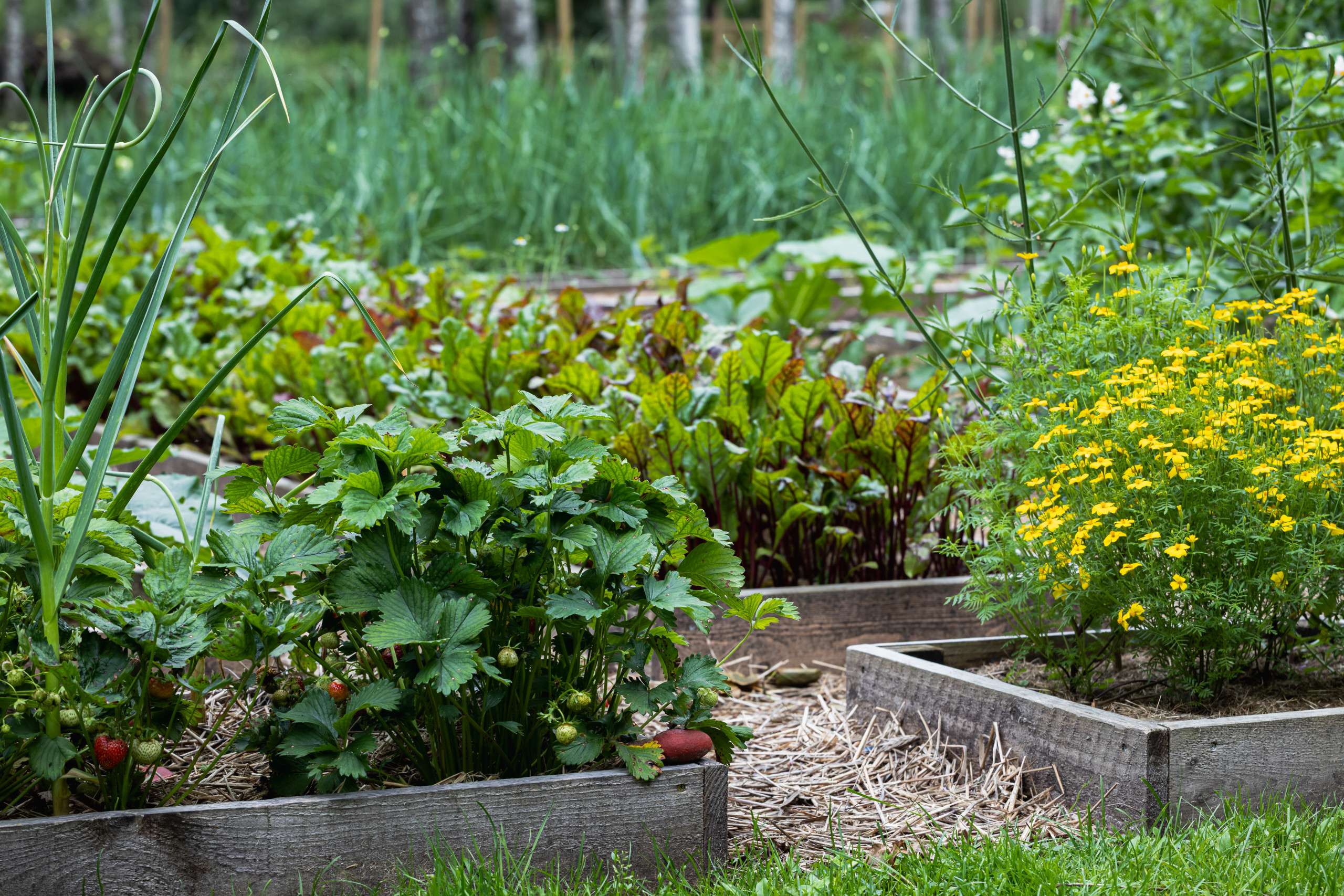
Home Gardeners
There are already many local growers who could supply their neighbourhood with gut-healthy food. There are also many people displaced by modern work changes who could build a small livelihood supplying gut food locally.
Some people have large gardens and already grow food for themselves. Others have large gardens but find them too much work and would gladly allow others to grow food there in exchange for a share of the produce.
Gbiota food works best when grown and shared locally — neighbours feeding neighbours.
Local Micro-Farms
The concept of small micro-farms feeding their immediate community is not just practical — it is hopeful. It offers a way forward that is not based on monopoly control and profit extraction.
This is not a business in the ordinary sense. Profit alone is not the objective. A business should also serve its community.
This is My Legacy Project
At 81, I know I will not be the one to drive this for much longer. I want it to continue after I am gone as a viable, community-driven system.
I propose that each commercial grower contributes a small amount — for example, ten cents per square metre of productive area — to support ongoing research, organisation, and public communication.
Home growers will always have free access to the Gbiota methods for personal use, on the basis that they share knowledge locally and help build awareness of gut biology and food for health.
How Do We Make This Happen?
This will not spread through ordinary online marketing. That space is crowded with distraction and manipulation.
Instead, we need small groups — a dozen people or so — who understand what is at stake and are willing to act as local connectors (or “influencers” in modern language).
The role of any central coordination is not bureaucracy. It is to:
- Educate about gut biology and food for health
- Support growers with technical knowledge
- Ensure that Gbiota produce meets agreed standards
This grows from community — not central control.

For People Who Are “Too Busy”
Many people want the benefits of Gbiota food but do not have time, skill, land, or inclination to grow it themselves. At the moment, they cannot simply buy it — not until there is a stable network of growers and customers.
Regenerative farmers exist. But like anyone, they need reliable customers to support their livelihood. This is where Community Supported Agriculture (CSA) comes in.
Community Supported Agriculture
People interested in buying Gbiota food can form a group. Once the group reaches a certain size, it becomes easy to find local regenerative growers to build Gbiota beds — because the market is already guaranteed.
I can provide technical guidance for establishing the beds. The group can organise payment systems, delivery, and structure — often as a cooperative.
This supports:
- local growers
- regenerative agriculture
- soil carbon storage
- a sustainable food future for the next generations
We are not just growing food — we are caring for our future.
Join the Club
The first step is to register with Gbiota. Your information is confidential, and you will soon be able to join local discussion groups.
We are especially seeking people willing to act as group organisers.
