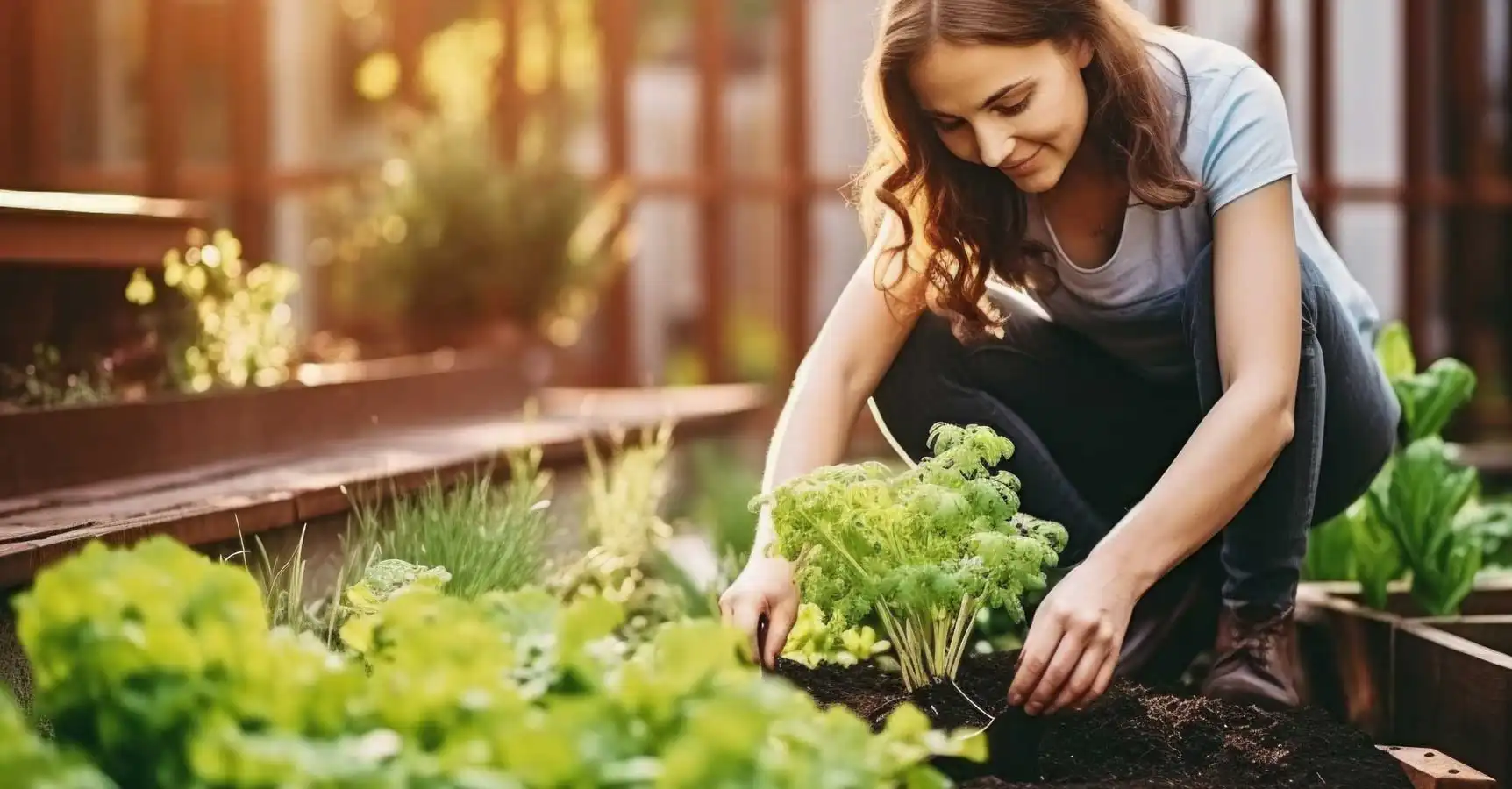

Healthy food starts with healthy soil biology. A Gbiota bed is designed to grow plants in a biologically active, mineral-rich root zone so the food supports better gut function, fewer cravings, and more stable energy. The practical method is simple: protect and mature the rhizosphere, avoid soil disturbance, and regularly flush the root zone with biologically active “compost tea”. This approach learns from traditional and wild ecosystems, then modernises them with efficient water use and low-labour pumping.
Aims and ambitions
The long-term aim is big: shift the food system so healthy food is normal and affordable for everyone. The shorter-term target is more practical: build a growing system where plants grow in biologically active soil and support better health by improving gut biology. If enough people can show they feel better—more energy, fewer cravings, and steadier digestion—then the message can spread through simple personal contact.
Where the core principles come from
There is strong and growing evidence that gut biology is central to health and strongly linked to chronic disease risk. There is also a vast body of knowledge on soil biology, ranging from easy-to-read books and practical teaching through to dense scientific papers. The tricky gap is direct, step-by-step technical proof of how biology moves from soil—especially the rhizosphere (the root zone)—through plants and into the human gut.
Because the full pathway is still not clearly mapped, the approach here is pragmatic: build conditions that clearly support diverse, mature soil life at the root zone, grow plants under those conditions, then observe whether eating those plants improves gut function and wellbeing. Testing gut biology is now possible, but it is also possible to become more sensitive to gut changes through lived experience—especially after events that disrupt the gut, such as antibiotics.
From the soil to the gut
A useful clue comes from traditional fermented vegetables. Even after vigorous washing, scrubbing with salt, and covering vegetables with previously boiled water, fermentation can still happen strongly—often with obvious effects on digestion. This suggests vegetables can carry substantial microbial life, and not only on the surface.
If the microbes were only on the outside, intensive washing and salt treatment should reduce them dramatically. So a reasonable working hypothesis is that a meaningful portion of the biology is within plant tissues, and one likely route is transport from the rhizosphere into the plant along with water and solutes. There are also hints that microbes can enter plants through root damage caused by insects or other attacks. Another possibility is that some biology comes via insects and other “creepy crawlies” whose own gut microbes become part of the rhizosphere system.
This topic deserves deeper, bottom-up scientific research. However, the practical, top-down question remains: if plants are grown with ongoing flushing of biologically rich tea through the rhizosphere, does eating those plants measurably improve gut biology and related outcomes (energy, cravings, digestion, resilience)?
Learning from ancient societies and the wild
Comparative studies of gut biology often show that rural and semi-nomadic groups can have markedly stronger gut diversity and function than people eating modern industrial diets. This is not a romantic call to “go back in time”. Many traditional settings include hardship and risks most people would not accept. But the contrast is still valuable: humans had healthy gut ecosystems for a very long time, and the modern gut crisis has escalated rapidly alongside factory-style farming and food processing.
The practical goal is to study how plants grow in wild ecosystems and in long-running agricultural systems, then extract the mechanisms that support biology, minerals, and plant diversity—without importing the poverty, disease risk, or heavy labour. A Gbiota bed attempts to modernise the useful parts: stable soil ecology, continuous feeding of microbes, gentle handling of soil structure, and consistent mineral supply.
What ancient agriculture teaches about minerals and poverty
Many long-term agricultural regions show nutrient problems, sometimes due to a missing trace element such as iodine, zinc, or another essential mineral. In other cases, the land was originally fertile but has been mined over centuries and is now depleted of nutrients and life. A few fortunate regions still have volcanic soils that remain rich and biologically active.
Modern tools allow identification and correction of mineral deficiencies, which is critical if the goal is not only plant growth but also high-quality nutrition. While modern food crops have been selectively bred for productivity, many herbs and medicinal plants still carry traditional value and may fit well into a system focused on health rather than maximum bulk yield.
Recycling and the ecosystem mindset
Traditional systems are often complete ecosystems: recycling organic matter, integrating animals, and keeping biology active year-round. Chickens are common for a reason: they process waste, contribute manure, and support nutrient cycling. These systems also tend to avoid “resetting” the whole garden bed at once. Instead of clearing everything, people harvest what’s ready and replant into the gaps, leaving much of the soil undisturbed so life can persist and recolonise disturbed patches.
The key point is not just nutrients. The main objective is feeding and protecting the soil microbes. Frequent deep disturbance is highly disruptive—especially to fungal networks (hyphae) that spread through the soil and help transport water and nutrients. If gut health depends on renewing and feeding biology, then the growing system must do the same for soil.
Balancing ecosystems: soil and gut follow similar rules
There is a strong parallel between soil ecology and gut ecology. In the gut, antibiotics can wipe out beneficial organisms, while excess sugars can feed harmful ones. In industrial agriculture, aggressive chemicals can damage soil biology, and in factory-farmed animals, routine antibiotics can also shape microbial outcomes. Whether or not industrial systems are “necessary” at global scale is debated, but one point is clear: a portion of human food should come from a balanced ecosystem that helps replenish and feed gut biology.
A balanced ecosystem does not mean harmful organisms vanish. It means conditions favour beneficial organisms strongly enough that harmful ones are kept at low, manageable levels. This “competition and balance” approach is often more sustainable than trying to sterilise systems and then re-inoculate them—an approach that has repeatedly failed because ecosystems are complex and adapt rapidly.
Water and compost tea: a core operating principle
In many traditional systems, watering does more than hydrate plants: it also moves biology into the root zone. Much of the water used in real-world farming is biologically active, whether people intend it or not. One major practical principle is to flush the root zone with biologically active water—compost tea—so the rhizosphere is fed and reinforced.
In a Gbiota bed, this flushing can be done efficiently and repeatedly using a small reservoir and a pump controlled by a timer. The system circulates compost tea through the root zone and, where needed, through a compost zone to extract beneficial biology and nutrients while avoiding toxic compounds associated with immature decomposition. The pipes and pumps are not the “magic”. The core is sustaining an active, stable rhizosphere.
The rhizosphere: the heart of the system
The rhizosphere is the most important part of a Gbiota bed. A simplified “physics” model of plant growth focuses on soluble nutrients dissolving in soil water, osmosis pulling that solution into fine root hairs, and water movement driven by tension as water evaporates from leaves. This model is accurate as far as it goes, and it fits well with modern farming where soil is tilled to a fine texture and soluble fertilisers are applied.
But this is not how plants operate in the wild. The biological model is different: plants are energy converters. They capture sunlight, pull carbon dioxide from the air, and build sugars and other compounds. A portion of that energy is released as root exudates that feed microbes, especially mycorrhizal fungi. In return, the biology supplies plants with water, nutrients, and sometimes protection from pathogens.
In the rhizosphere, there is constant competition—a “bug-eat-bug” world. In a healthy balance, beneficial organisms keep harmful ones under control mainly by outcompeting them for space and food. Chemical warfare can suppress organisms short-term, but it also selects for resistance and can damage the larger ecology the system depends on. If the aim is gut health rather than maximising bulk yield, then building balance is the smarter target.
Fungi, minerals, and nature’s fertiliser factory
Mycorrhizal fungi are central players because they extend the plant’s reach. Their hyphae push into tiny pores and even into rock surfaces. Using pressure and enzymes, they help dissolve minerals and release nutrients plants can use. This is nature’s slow, distributed fertiliser factory. And it is powered by plant energy: sugar exudates exchanged for minerals and water.
The rhizosphere is not just microbes. It also includes macro-creatures—worms, insects, and many soil dwellers—each carrying their own internal biology. Their gut microbes contribute to the broader soil ecosystem. The diversity is enormous, and that diversity is part of what makes the system stable over time.
Composting: nutrients, toxins, and timing
In the wild, dead plants and animals are processed by decomposers in stages. Nutrients become available only after that processing. Freshly decomposing material can be “labile” and sometimes toxic to plants, because plants manufacture defensive chemicals and those compounds can inhibit growth. Wild systems handle this through timing: plants avoid fresh toxic zones and return later when decomposition has stabilised.
Traditional farmers learned the same lesson without needing modern chemistry. They composted slowly, or used animals to process waste so that manure and bedding became more stable and plant-safe. This is one reason compost tea must be biologically mature and balanced: the goal is to feed the rhizosphere, not shock it with unstable chemistry.
Summary of principles
The purpose of a Gbiota bed is to grow food that supports health by strengthening gut biology. The practical target is a stable, ongoing, mature rhizosphere built through permanent planting plus sequential cultivation (replanting in gaps rather than full reset). Compost tea is supplied to the rhizosphere to feed and reinforce soil biology. This can be done manually, but regular, low-effort application is best achieved with a simple automated pump-and-timer system.
Put simply: protect soil structure, feed the biology, keep minerals in balance, and build a living ecosystem at the roots. If the root zone is alive and stable, the plants grown in it can become a practical bridge between healthy soil and a healthier gut.
