
Stop Fighting Calories.
Start Understanding Your Set Point.
Most diets fail because they fight the wrong problem. Your subconscious brain controls how much fat your body stores — your set point. When you try to diet against it, your body fights back with hunger and cravings. But once you understand how your set point works, you can change it.

Why Diets Almost Always Fail
Millions of people try to lose weight every year. They count calories, follow strict diets, and exercise harder than ever.
Yet most people eventually regain the weight.
This happens because dieting fights your body’s set point, the level of body fat your subconscious brain tries to maintain.
When you drop below that level, your body responds by:
- Increasing hunger
- Slowing metabolism
- Triggering food cravings
- Conserving energy
This is why dieting often leads to exhaustion and frustration.

THE SYSTEM THAT CONTROLS BODY FAT
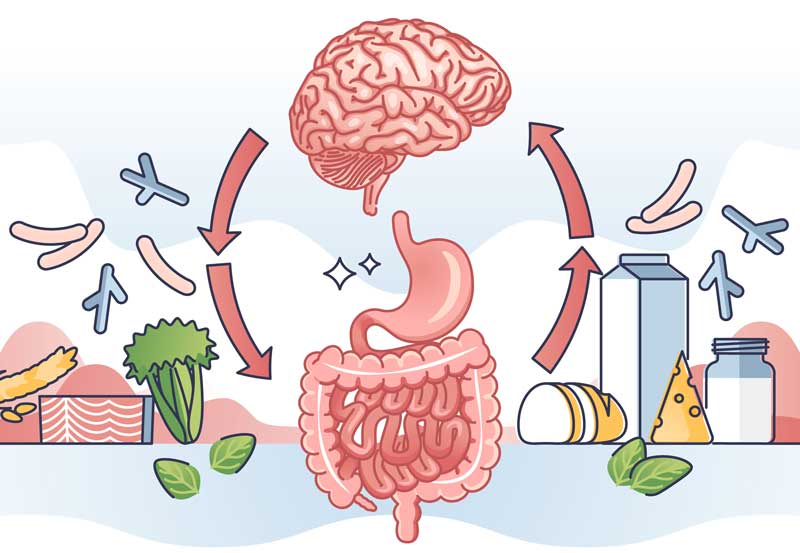
Your body is not simply a machine that counts calories.
Instead, it constantly regulates how much fat it stores through a biological control system known as your set point.
Your subconscious brain monitors the amount of fat stored in your body. If that level drops below what it considers safe, it activates powerful signals designed to bring it back.
These signals are not weak suggestions.
They trigger hormones that increase hunger, intensify cravings, and slow down your metabolism.
This is why dieting often feels like fighting against your own body.
Your conscious brain may decide to eat less.
But your subconscious brain is responsible for keeping you alive — and it will push you to eat until your body returns to its set point.
Understanding this system is the key to understanding why dieting fails and why lasting change requires a different approach.
The Hidden Cause of Modern Chronic Disease

The wrong fat in the wrong place is a major driver of modern chronic disease.
Today, three out of four people die from chronic disease, and many suffer poor health for years before they die.
Understanding how your body regulates fat storage is not just about weight.
It is about long-term health.
Freedom from Calorie Counting
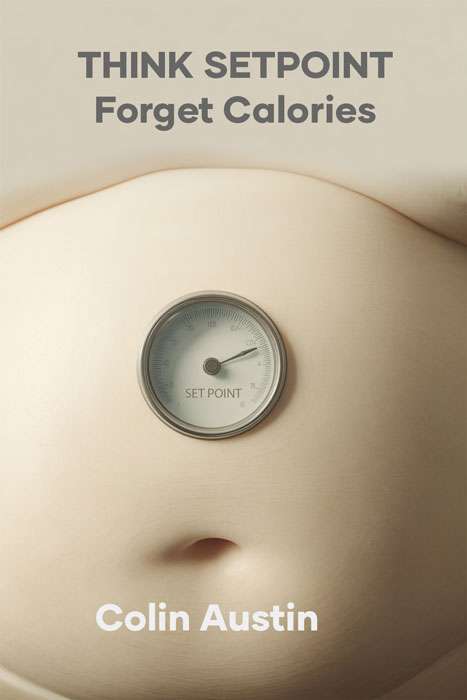
This book explains why calorie counting is often the wrong approach to weight control.
Instead, it explores the biological system that determines how much fat your body stores.
Inside the book you will learn:
- Why traditional dieting fails
- How your subconscious brain regulates body fat
- The role hormones play in hunger and cravings
- Why modern food environments disrupt this system
- How understanding the set point concept can change the way you approach health
This revised edition updates the original work first published in 2015, with additional insights and explanations.
About the Author
Colin Austin is an Australian engineer, inventor, and writer known for developing the wicking bed gardening system and for his work exploring the relationship between soil health, microbes, and human health.
For many years he has written articles explaining the biological systems that influence modern health problems.
This book brings those ideas together in a clear and accessible format.
Ready to Understand Your Set Point?
If you want to understand why dieting often fails — and how the body actually regulates fat storage — this book explains the science in clear, simple terms.
