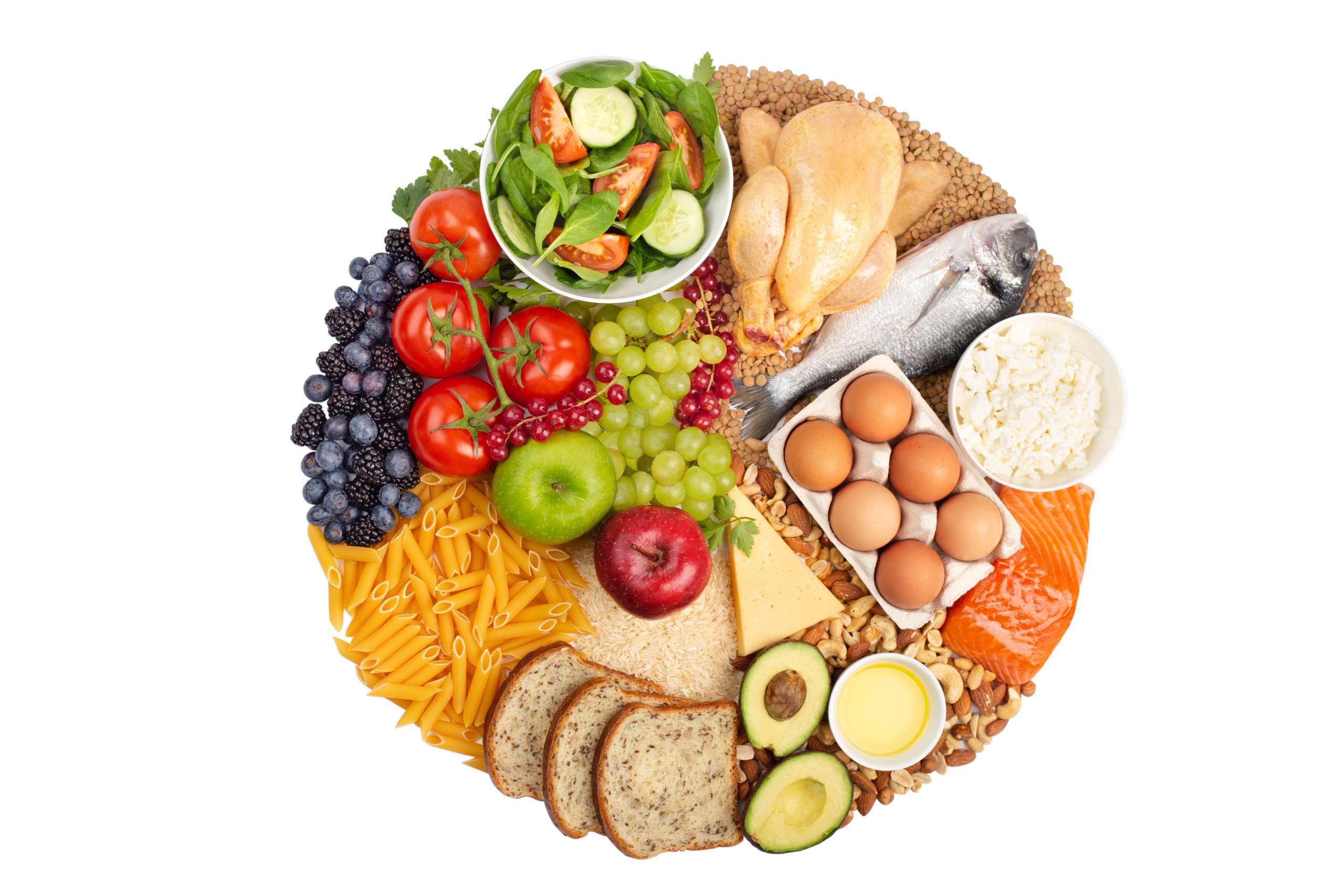
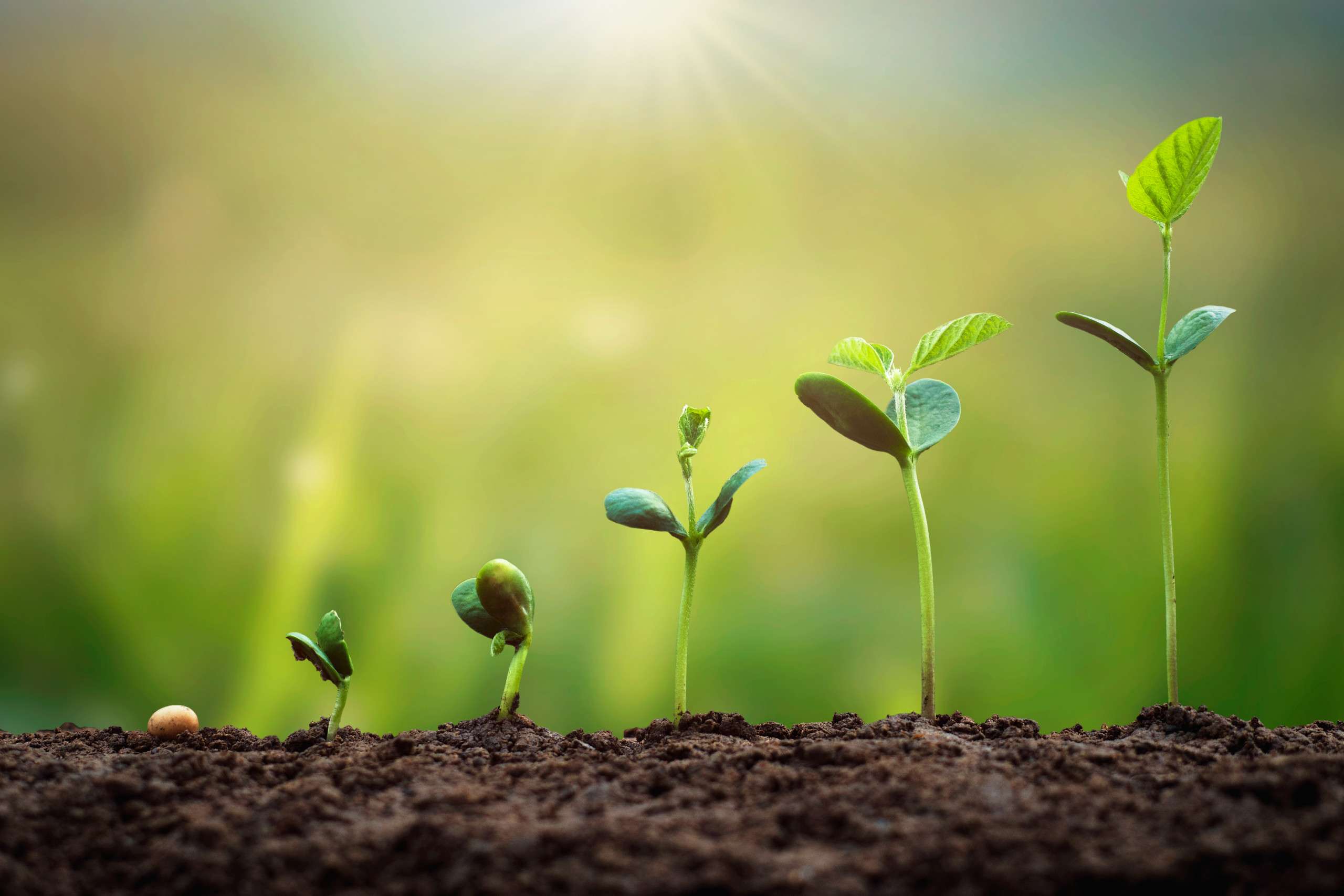
This article explains why our food system needs to change, how diet and soil health are connected, and why our gut biology plays a central role in our wellbeing.
The Nutrition War Zone
Nutrition must be one of the most controversial, opinionated yet critical topics on the planet.
Go on line and an ocean of confusing and contradicting views fuelled by inscrutable scientific data, dogma powered by a tsunami of abuse.
It would be funny if it were not so vital for humanity, we are suffering from an epidemic of diabetes, obesity with it’s associated heart attacks and dementia which still dwarfs the deaths from the Corona virus. But even here people eating a healthy diet are far more likely so survive the virus than those eating a poor diet.
We are also destroying the soils on which our future survival depends – this is serious stuff.
This blog is my attempt to change our food system from being riddled with misinformation in the desire for profits to one focused on the health of the community.
Its Personal for Everyone
If I come over as on the extreme side this is because this is not some academic interest, my wife a qualified surgeon and doctor was well on the way to having her leg amputated as it turned black from diabetes, largely from misinformation from her medical colleagues.
The situation was only reversed by a serious change in diet and thankfully she still has both her legs.
But for everyone facing the consequences of our poor diet this is personal for them, not part of some statistics.
How Food is Grown Really Matters
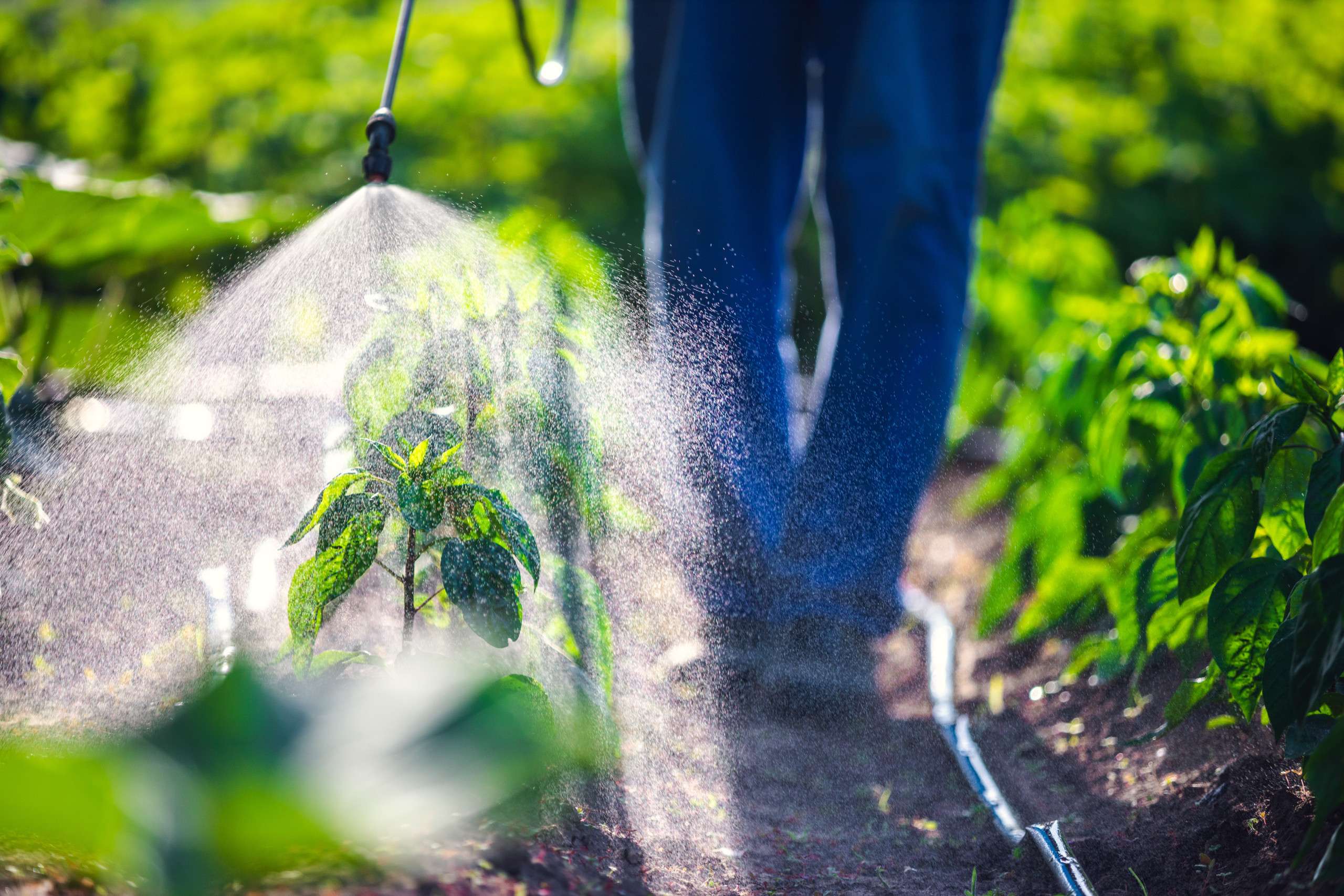
One aspect of our food is how it is grown, there is an immense literature on the benefits of certain vegetable, Kale comes immediately to mind – and true if grown in nutritious, biologically active soil. But often it is not – no vegetable grown in tired soil lacking in nutrients and sprayed with toxic chemicals can be beneficial.
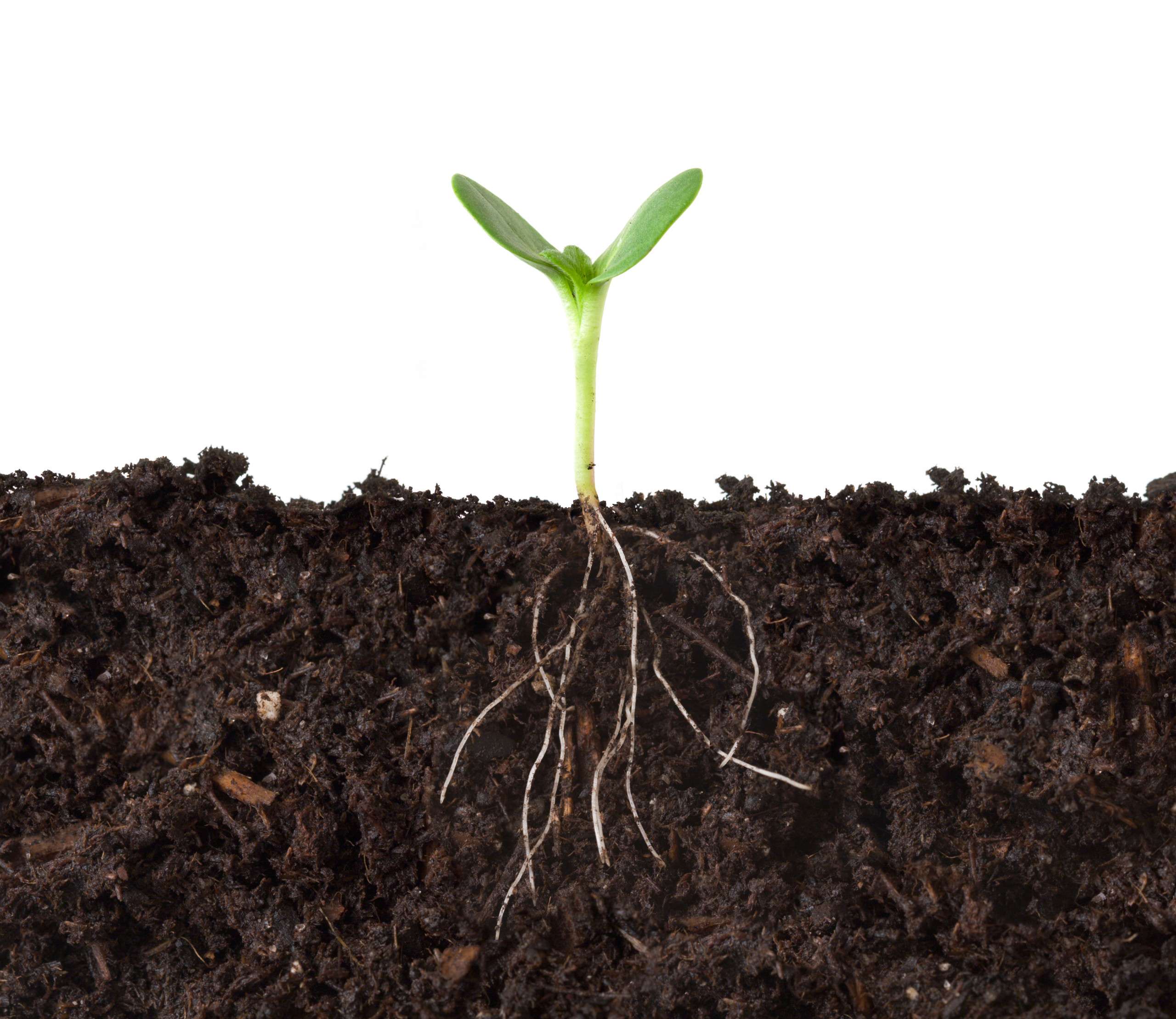
A consistent theme throughout the many blogs is that we need to focus on the soils in which we grow our food. Health starts in the soil.
Our Gut Brain is the Master Regulator
But the first port of call for our food is our guts which are not some dumb collection of trillions of cells – they communicate to form genuine intelligence which regulates our bodies, how much and what we eat is the home of much of our immune system which protects us 24/7 from harmful micro-organism.
Eating a diet which leads to a healthy gut biota is the key to our health. Health may start in the soil but it grows inside out gut brain.
Benefiting Us All
The Gbiota is a powerful technology for improving our food supply, our health in general and our immune system and the management of fats and insulin. But a technology, however good by itself is not going to benefit anyone if it is not widely available to everyone at a price people can afford.
This widespread availability is not going to be achieved by a massive advertising campaign on a for profit basis – there is excessive promotion and manipulation of the truth in the food industry already.
People need to know that the food they are eating is authentic and the way to do that is to buy from a grower you trust.
Technically this is easy in the age of the internet and buying on line but there is a need to create local groups to work together – a social movement.
People power is far more effective than multi billion dollar advertising campaigns. These ideas will go viral from people just talking or using social media to communicate with each other then.
We can learn from the Corona virus, at first just one person was infected and in a very short time it had spread across the world.
It is a very simply message to spread, we need beneficial biology in our guts, we get that from eating food grown in nutrient rich biologically active soil. This is not about profits, it is simply that it is a better world for us all to live in if we all have access to clean air, and water, and healthy food grown in a sustainable way. Do it for your grand kids!
We live in an age of overwhelming and conflicting information — and when it comes to food and health, the difference between truth and misunderstanding can determine whether we thrive or fall ill.
Conditional Truth
My interest is in how food is grown, and it matters a great deal. False information can make us sick and die young, while sound information can keep us healthy into old age.
I was brought up in the world of Newtonian laws — I was taught they were absolute truths. Then along came Einstein with a new set of laws. But they did not replace the Newtonian laws; they showed they were conditional. Newton’s laws work well under certain conditions, but not as absolute truth — yet they remain incredibly useful.
The same is true with food. We may be told bacon and eggs are bad for us, yet we all know someone’s Uncle Joe who ate bacon every day, lived into his late nineties, and stayed active and healthy.
So instead of searching for absolute truths, we should look for what is useful — what keeps us fit and healthy.
I have always had a terrible memory, but I learned early that if I really understood the underlying principles, I didn’t need to remember endless isolated facts. So my interest is in discovering the core principles that actually work.
But before that — we need to talk about how our brains deal with information.
Managing the Information Overload
We are bombarded with information — far more than we can analyse. Evolution has provided us a solution: mental pictures. Call it dogma, belief, habit, culture — I call it a mental picture.
These mental pictures shape how we act. From how we hold our knife and fork, to political beliefs, to religion, to whether we think bacon is good or bad.
They are deeply embedded and very difficult to change. In fact, we become skilled at defending them.
For example, the mental picture that “fat is bad.” If respected experts repeat it often enough, we accept it. Yet we now know certain vitamins are fat-soluble — without the right fats, the body simply cannot access them. Worse, excess salt (sodium) can block access to essential minerals like potassium and magnesium.
This is like Einstein showing us Newton’s laws were conditionally true.
Yes — we need vitamins and minerals. But taking large doses of supplements is not automatically beneficial. We need balance, and we need the right fats so the body can actually use those nutrients.
Nowhere is conditional truth more misunderstood than in the advice:
“Eat Less and Move More”
We know one well-established fact: fat stored in the wrong places is harmful. Pre-diabetes occurs when fat builds up and the body becomes insulin resistant — but many people remain healthy at this stage. The serious damage comes when fat infiltrates the liver and pancreas, leading to diabetes.
The standard advice is to eat less and exercise more. And sometimes, this works. Extreme diets can force the body to burn stored fat.
But this is only conditionally true.
Some people are overweight yet remain healthy. Others follow strict diets only to rebound, becoming even heavier — as though the body “remembers” starvation and stores more fat to guard against it.
It’s not that “eat less and exercise more” is wrong — but it is a conditional truth.
Throughout these pages runs a consistent theme: our bodies are controlled by an intelligent control system, of which our gut microbiome is an integral part.
How do we know this for certain?
We don’t — not yet. We know the hormones involved, but hormones are only messengers. The decision-making logic remains mysterious.
Life is powered by the sun. Plants use sunlight to combine carbon from the air and hydrogen from water to create carbohydrates — stored energy. This is the foundation of the food chain.
Plants also release sugars from their roots to attract soil microbiology. This microbiology gathers water, minerals and complex compounds from the soil and delivers them back to the plant. This is the first great synergy: plants and soil biology work together.
When we eat plants — or animals that eat plants — we absorb this energy, these minerals, and some of the associated microbiology. Inside us, the gut microbiome helps us digest food and replace body cells. This is the second great synergy: creatures depend on internal microbiology to stay alive.
We do not live alone — we live in partnership with soil biology and gut biology. Without them, we cannot digest food, regulate sugar, or repair our bodies.
We need sugars for energy, but only in balanced amounts. Too little and we tire. Too much and tissues begin to fail. This imbalance is central to diabetes — rare historically, common today — because many people no longer feed the gut microbiome that regulates sugar metabolism.
How We Drifted From Our Evolutionary Base
The trillions of gut microbes that help regulate appetite, repair tissues and support immunity have short lifespans. They must be continuously replenished by eating biologically active food. We need only a small amount — but it is essential.
In the past, nutrient-rich, biologically active soil provided this naturally. Meanwhile, energy-rich foods (fats and sugars) were rare, so we evolved to crave them. Today, the situation is reversed: energy foods are cheap, abundant and heavily marketed, while gut-supporting foods are scarce and undervalued.
Our bodies are not craving “more food” — they are craving missing minerals and gut biology. But we respond by overeating the wrong food.
Profit vs Responsibility in the Modern Food System
The modern food industry has done what it was designed to do: increase production and profit by supplying the foods people crave. In the last eighty years, energy food production has risen by 4.5× while population has risen only 3×. This is a technical success.
However, this food is incomplete. It provides fuel but not the biology and trace minerals required for real health. Marketing has convinced consumers that this is “complete food,” which has contributed to chronic disease, obesity and metabolic dysfunction.
When the product is life-critical, “just following profit incentives” is not enough. Food shapes the health of a civilisation.
The Earth will continue circling the sun for billions of years. The question is whether humans will remain healthy enough to thrive here.
Human health depends on gut biology, which depends on soil biology. Industrial farming has damaged soil microbiology at a global scale. The consequences are already visible in chronic disease and increased vulnerability to infectious illness.
This is not a story of doom. It is a call to act intelligently, guided by empathy and responsibility toward future generations.
The Science Underlying Gbiota Beds
Our gut microbiome regulates appetite, tissue repair and immunity.
Gut biology originates from soil biology and continues to adapt based on what we eat.
Different plants cultivate different soil microbes; a varied diet builds a diverse gut microbiome.
Traditional soils contained abundant biology and trace minerals; modern industrial soils do not.
Increasing energy food while decreasing biological food has led to widespread metabolic disease.
The Purpose of Gbiota
Gbiota beds regenerate soil biology rapidly enough to support the current human population. The aim is not simply growing vegetables, but restoring the biological foundation that allows humans to remain healthy.
The practical model is a network of local micro-farms supplying communities directly — balanced, decentralised, resilient.
This site functions like a structured guide: start at the Index, then dive deeper into the practical and scientific sections.
We often classify food by nutrients — carbohydrates, fats, proteins — but it is more useful to understand what food actually does in the body. Food has three core functions:
1. Energy Food
Energy food includes carbohydrates, fats and proteins. If it contains carbon and hydrogen, the body can burn it for fuel, releasing carbon dioxide and water. This is the basic energy supply that keeps us moving, thinking and alive.
2. Food to Rebuild the Body
Our cells are constantly wearing out and being replaced. To rebuild our tissues we need access to a wide range of minerals and complex biological compounds. Some of these can be manufactured by the gut microbiome if the right minerals are present. Others, such as Vitamin B12, must come from diet.
3. Food for the Intelligent Control System (Gut Brain)
The body is not a collection of organs acting independently. It is regulated by an intelligent control system — homeostasis — that constantly senses, interprets and adjusts how the body functions. A large part of this control system is made from the trillions of microbes in the gut.
We don’t get fat simply because we eat too much — our gut-based control system tells us to store fat, and then drives appetite to make that happen.
These gut microbes are short-lived and constantly renewing. They require small but steady amounts of food that feeds them — fibre, trace minerals and plant compounds. This is what we refer to as gut brain food.
Why We Need to Feed the Gut Brain
The gut microbiome contains trillions of cells from thousands of species, communicating both amongst themselves and with the brain. This combined system regulates appetite, energy levels, tissue repair and immune function.
The Gbiota project focuses on growing food in biologically active soil, supplying natural prebiotics and probiotics. People can either grow their own in Gbiota beds or join local groups to buy from regenerative growers.
If you are interested in forming a local buying group, contact me at colinaustin@bigpond.com.
What the Gut Brain Regulates
Appetite and energy balance
The chemical building blocks needed to replace aging tissues
A large part of the immune system
Our gut biology evolved in the soil. Healthy soil leads to healthy gut biology. Healthy gut biology leads to healthy bodies.
Soil Biology
Soil is created by microbes breaking down rock and organic matter. This is a living process involving bacteria, fungi, and worms. Modern chemical agriculture has replaced this process with fertilisers and simplified soils, producing high yields but stripping away beneficial biology.
Many agricultural chemicals may not harm us directly, but they do harm the soil biology we depend on.
Trace Minerals
Early soils contained a broad range of minerals. Plants only require some of these, but humans require many more. Industrial agriculture replaces only nitrogen, phosphorus and potassium, not the trace minerals essential for our hormonal balance, cell function and metabolism.
Modern Industrial Farming
Industrial farming has created a food system that supplies energy food cheaply and reliably, but not gut-supportive nutrients. The gut senses this deficiency and triggers hunger, causing people to overeat in an attempt to obtain missing minerals and biology. This has contributed to global epidemics of obesity, diabetes and related chronic diseases.
How We Evolved to Seek Food
For most of human history, energy-rich foods were scarce, while mineral-rich, biologically active plants were abundant. Our biology therefore evolved to crave energy food. The modern food industry takes advantage of this — supplying energy food cheaply and profitably — while the foods that feed the gut brain are harder to find.
The result is a mismatch between what we crave and what we actually need.
Changing the Food System
To restore balance, we must increase access to food that feeds the gut microbiome. This requires soil with active biology and a full spectrum of trace minerals, which can be achieved by recycling organic waste and rebuilding soil health.
Innovation is often associated with digital technology — phones, electric cars, and automation. But one of the largest shifts has been in how we grow food. Over the past eighty years, industrial agriculture has introduced fertilizers, large-scale irrigation, pesticides, hybrid seeds and mechanization. This has increased food production more than fourfold.
We now produce more than enough calories to feed the global population. Yet, at the same time, rates of diabetes, obesity and chronic inflammation have accelerated. The reason is simple: the food system now produces energy food, but not food that nourishes the gut microbiome, the biological system that regulates appetite, immunity, metabolism and mood.
The Real Cost of Industrial Agriculture
Industrial farming excels at producing carbohydrates but does not support the microbes that live in the gut. These microbes form a genuine regulatory network — often called the gut brain — which influences hunger signals, energy use and immune function.
We are producing more calories than ever, but fewer of the nutrients that maintain gut health and internal regulation.
This lack of microbial support is a major factor in the rise of metabolic disorders. The issue is not simply what we eat, but the biological state of the soil that food is grown in.
Why Innovation Must Change Direction
The traditional approach to innovation is to patent an idea, secure monopoly rights, and use marketing to shape consumer behaviour. This may be profitable, but it does not always serve public wellbeing. When food systems do not support gut health, society pays the cost through disease, lost vitality and increased medical dependence.
Not all innovations should be commercialised purely for profit. Some determine the conditions for long-term health and survival.
The Gbiota approach focuses on restoring biologically active soil so plants naturally develop the fibres, minerals and beneficial microbes that act as prebiotics and probiotics. This is not a supplement, a diet trend, or a health fad — it is a return to how food supported human biology for most of our evolution.
The Anthropocene and the Food System
Human impact has now reached the point where we can change the stability of the planet itself. Soil degradation, aquifer depletion, loss of biodiversity and climate instability are all linked to how we grow food.
We are no longer passive inhabitants of nature. We are shaping the system we depend on.
We are the first species with the power to destroy the systems we rely on — and the last with the power to restore them.
Technology, Convenience and Control
Modern convenience allows food delivery at the tap of a screen — but disconnects us from the source of our nourishment. When we no longer know who grows our food, how it is grown, or what is in the soil that feeds it, we lose agency over our health.
The solution is not to reject innovation, but to use it responsibly — to rebuild living soil, restore gut biology, and support community-based food production systems.
The aim of the Gbiota system is to restore and maintain a healthy gut by growing plants that act as natural pre- and probiotics. If we eat mainly modern processed foods, our gut becomes populated by sugar-loving microbes that drive cravings for more sugary food. The good news is that gut biology can be changed simply by changing what we eat.
In a Gbiota bed, beneficial biology is bred in organic waste under carefully controlled moisture conditions.
How a Gbiota Bed Works
The lower half of the bed is filled with organic waste. The upper layer, where plant roots grow, contains living soil. Water is pumped through a filter mixture of compost, manure, and minerals, forming a nutrient-rich “compost tea.”
A temporary soil dam allows this tea to pool through the bed, feeding the root zone. When the pump switches off, water drains back out of the bed, pulling fresh air into the soil. This cycle accelerates the natural formation of biologically active, nutrient-rich soil.
Healthy soil is not just dirt — it is a living system that feeds the gut biology that in turn regulates our bodies.
Aims of the Gbiota Project
Everyone in an affluent society should have access to affordable, gut-supportive food. The trillions of microbes in our intestines do far more than digest food — they act as an intelligent regulating system for appetite, energy, immune function, and emotional balance.
This “gut brain” helps us eat enough — but not too much. When it is functioning well, it supports stable energy and healthy weight. When it is disrupted, we see the familiar modern pattern of sugar cravings, obesity, diabetes, and inflammation.
We did not create the modern epidemics by accident — we changed how we grow and eat food.
The Shift to Industrial Agriculture
For most of human history, soil naturally contained the microbes and minerals needed to nourish our gut biology. Around eighty years ago, large-scale chemical agriculture began to replace traditional soil-building processes.
Industrial agriculture has been effective at producing “energy food” — the carbohydrates that keep us alive — and global food production now exceeds the needs of the population. But this has come at a cost: the depletion of soil biology and minerals essential to feeding our gut microbiome.
Without living soil, we cannot maintain a healthy gut. Without a healthy gut, our biological regulation breaks down. Without that regulation, we see the diseases of modern abundance.
We may still manage to produce energy food, but as soil degrades, we lose the food that feeds our gut intelligence — and we cannot survive without it.
Restoring Healthy Soil, Quickly
The Gbiota system is a practical way to recycle food and organic waste, add manures and essential minerals, introduce beneficial microbes and worms, and maintain the moisture levels needed for microbial activity.
Instead of waiting decades for healthy soil to form naturally, it can be created in months. Any competent grower — home or commercial — can build and manage a Gbiota bed.
Restoring gut health is not about exotic supplements or miracle diets. It is about restoring the living relationship between soil, plant, and gut.
Gbiota Beds in Practice
Gbiota beds are already in use by home gardeners. The method is documented and continually improving. They offer a reliable way to grow food that directly supports gut biology — real pre- and probiotics grown in living soil.
This is not just gardening. It is rebuilding the foundation of health.
The food crisis is not about empty shelves; it’s about food that’s energy-dense and nutrient-poor. That mismatch makes us heavier, sicker, and shortens our health span. We need practical education—especially for kids—on how to adapt: understand how the body evolved, rebuild soil biology, and feed the gut so it can do its job.
Education is the Key
This goes beyond learning a few garden tricks. It’s about understanding the world we’re in: information overload, aggressive marketing, and an industrial food system that favours shelf life and sweetness over nourishment. School gardens are a good place to start because they show biology and feedback in real time.
Evolution—Slow, but Instructive
Our bodies evolved on diets low in energy and high in diverse plant nutrients. Evolution is slow; it takes generations. Epigenetics is faster. Adaptation is faster still—and it’s the tool we can teach right now. Let kids see it: composts that run hot if you feed them wrong, soils that thrive when the biology is right, plants that change growth with better trace minerals.
Adaptation—The Core Skill
We won’t out-argue a billion-dollar ad budget. We can, however, out-adapt it. That means choosing food that stabilises appetite rather than whips it along a sugar–insulin roller coaster. Modern food is the inverse of our evolution: high sugars and fats, thin on micronutrients. It tastes great. It doesn’t sustain.
Does It Work? (Proof, Not Hype)
Gbiota beds recycle kitchen and green waste, add manures for biology, balance pH with dolomite when needed, and top up with mineralised rock dust (Biomin) so soils carry the trace elements modern diets often miss—chromium, selenium, iodine and more. But numbers in soil tests aren’t enough. Nutrients only matter if they follow the full soil → plant → gut → blood pathway.
“No biology — no soil. No soil — no food. No food — no people.”
The Soil–Plant Partnership
Plants exude sugars to “hire” microbes that unlock minerals from rock. Different exudates recruit different microbes. That’s why some plants concentrate chromium while others pull iron. As a bonus, microbes catch a ride into leaves and roots; when you eat fresh tips and greens, many of those microbes survive the stomach and seed the gut where they’re needed.
Our Intelligent Guts
Your gut has its own “brain”—not poetry, just wiring and chemistry. It regulates appetite, trains the immune system, and runs a chemical factory that turns plant inputs into compounds your body can use. Feed it right and cravings settle; feed it candy and it keeps asking for more.
Simple Energy vs. Regenerating Nutrition
We can burn almost anything for energy. Regeneration is different. Bones need calcium plus vitamin D. Trace minerals often need specific chemical forms. Balance matters (too much sodium suppresses potassium). The “supplement of the month” rarely fixes a system problem. Food grown in living, mineral-complete soil is a better foundation.
Chromium, Diabetes, and a Wake-Up
Trace minerals are not a sideshow. Chromium is tightly linked to glucose handling. When diabetes threatened our household, diet change—not chrome pills—made the difference. The point isn’t a miracle mineral. It’s that trace elements in the right form, delivered through plants and a functioning gut, can support the system that keeps blood sugar stable.
“If you want a different outcome, change the system—soil first, then plants, then the gut.”
Sugar Blockers and Cravings
High-fibre plant smoothies act as so-called “sugar blockers”: they don’t stop sugar entering the blood; they slow it down so insulin can keep up. That’s a short-term aid. The long-term fix is rebuilding gut biology with diverse, fresh plant matter grown in living soil. Expect ~3 weeks to shift the balance from sugar-seeking microbes to plant-eating allies. Start small if you’re not used to fibre. If gluten is an issue, avoid barley grass and similar ingredients.
Teaching Kids (and Ourselves)
Show the loop: Compost → Soil biology → Plant tips → Gut → Energy and repair.
Grow dense and tip: Let “mother leaves” power regrowth; harvest tender tips often.
Prioritise trace elements: Rock dust + biology beats N-P-K alone.
Measure what matters: Cravings down? Energy stable? Fewer mood swings? That’s feedback.
Feasts, Habit and Real Life
We’re social. Cheesecake will happen. That’s fine. Feast days are ancient. The key is recognising cravings: are you hungry because your gut is missing something—or because habit, advertising, or social cues are loud today? Use fibre-rich plants to blunt spikes, then get back to food that feeds the microbiome.
What To Do Next
Start a bed: Compost, manure for biology, pH balance if needed, mineralise with rock dust.
About a billion years ago, microbiology began breaking down rock, releasing mineral sand forming soil. Plants grew, provided energy to microbes, and died back to create nutrient-rich earth. This was the foundation of all future food systems.
Early Pre-Human Diet
Around a million years ago, pre-human creatures ate a wide variety of wild plants. These plants contained minerals, vitamins and what we now call phytonutrients. Their diets were rich in nutrients but low in energy. They spent much of their time chewing, but they developed strong gut biology and strong immune systems.
The earliest diets were nutrient-dense and gut-supportive, but low in energy.
Cooking and Brain Development
A few hundred thousand years ago, early humans learned to manage fire and cook food. Cooking released more nutrition from plants and allowed us to eat animals that ate plants. This provided more energy and supported the development of larger, more capable brains.
Agriculture and Settled Communities
About ten thousand years ago, agriculture emerged. We grew crops and raised animals, gaining reliable access to energy-rich foods.
Soil was still mineral-rich, and gardens provided nutrient diversity. However, living in groups meant infectious disease spread more easily, and our gut biology and immune systems began to weaken.
Industrial Farming and Chemical Inputs
Fifty years ago, soils began losing essential minerals. Chemical fertilisers increased yields but produced high-energy, low-nutrient food. Antibiotics helped control infectious disease, and lifespan rose. But weakened gut biology led to modern chronic diseases such as diabetes, obesity, heart disease and dementia.
High-energy, low-nutrient food weakened the gut biology that regulates appetite and immunity.
Supplements and the Search for Solutions
Twenty years ago, we realised nutrients and trace minerals were critical, so supplement industries grew. But pills did not restore gut biology or immune strength. Some people recognised that simply growing food in nutrient-rich living soil could restore gut function — but many found these foods required more chewing and had stronger flavours.
Recent Shift in Awareness
Recently, global events reminded us how important gut biology and immune resilience are. This led some to take those same nutrient-dense plants, blend them with spices and herbs to make them taste good, and drink them as smoothies.
The Gbiota smoothie is simply nutrient-rich plants from living soil, made enjoyable enough to eat every day.
Obesity and diabetes have become widespread in just the last fifty years. The cause lies in how our food and soils have changed. The gut brain is part of the body’s intelligent control system, and it depends on plants grown in biologically active soil.
When food came from living soil, chronic disease was rare.
Why Food Quality Changed
Food can be understood by what it does:
Energy food – provides fuel
Replacement food – rebuilds body tissue
Gut-brain food – supports the microbes that regulate appetite
Soil microbes break down minerals and make them available to plants. When soil biology is lost, plant nutrients are lost. Modern food has become high in energy but low in complexity.
The Gut and Appetite Control
If we eat large amounts of sugar, we cultivate microbes that signal for more sugar. If we shift to plants grown in living soil, the gut can be restored. This usually takes around three weeks of consistency.
The issue is not willpower; it is which microbes are in charge.
How Industrial Farming Broke the System
Industrial agriculture prioritises yield and storage life. Chemical fertilisers and pesticides reduce soil biology. This weakens the natural nutrient cycle and disrupts the gut microbiome. As the gut weakens, appetite control breaks down, leading to overeating and metabolic disease.
The Social Challenge
The technical solutions already exist. Regenerative agriculture is proven. The difficulty is social and economic — the dominant food system places short-term profit ahead of long-term health and soil regeneration.
To restore health, we must restore soil.
A Practical Alternative
We cannot return to village farming, but communities can support regenerative growers directly. Shared distribution makes nutrient-rich food accessible and affordable. This site connects people with growers rebuilding soil through regenerative methods.
“Do we really want our kids to grow up fat and diabetic? Health starts in the soil—and in the gut.”
Why this site exists
Humans succeed through intelligence and cooperation. Yet modern media and marketing often push instant gratification—pills, bars, and ultra-processed meals—that undermine long-term health. Nowhere is this clearer than in food: despite medical advances, diabetes, dementia, and obesity are rising.
Inconvenient truth: to be healthy, we need food that feeds our gut biota. This site shows how to grow and source it. Health begins in the soil.
What you’ll find here
How to tell truth from hype in food and health.
How to build and use Gbiota™ beds designed to feed your gut biology.
How to form a local biofoodie group and persuade a grower to produce for you.
Principles, not magic bullets
Innovation matters, but slogans don’t fix diets. If you’re willing to read, try, and measure, you can improve health—without giving up good food. With a healthier gut, cravings usually settle, and “forever diets” become unnecessary.
About Colin
I’ve spent my life in technology and innovation and was selected by the Institute of Engineers as one of Australia’s top one hundred innovators for work in computer-aided engineering. My approach: learn the underlying principles so you don’t need to memorise noise—then challenge broken paradigms. Food is one of them.
What’s broken—and how to fix it
Much of what we’re told about food by mega-corporations isn’t just incomplete—it’s harmful. This site organises years of articles into a logical path so you can follow the thinking and act locally.
How to start
Grow it: Build a Gbiota™ bed (free instructions on this site) and grow gut-feeding food.
Group it: Form a biofoodie group and engage a local grower to supply members.
Keep it real: No instant fixes—some effort is required, but costs can be lower than current “pseudo-foods”.
Feed our brains, our head brain and our gut brain and they will look after us.
“Health starts in the soil—and in the gut.”
We share an intelligent control system that manages how much and what sort of food we want to eat, and how much and where we store fat.
It has three main components: our DNA (which changes throughout life), our subconscious head brain, and our gut biology which acts as a second brain.
DNA
Babies are generally born chubby so they have a reserve of fat. As kids they become skinny as food goes into growth and energy for new muscles.
As young adults, males develop muscle and store fat around their bums so they can go out hunting, while women put on fat here, there and everywhere to feed babies.
As we get older we tend to put on more fat as it becomes harder to catch our own food. That’s how we evolved—there is not much we can do about that part.
Our head brain
Our head brain, unconsciously, stores information about the food we eat and how our bodies react to it. We may not remember it, but it sits firmly in the subconscious.
If we ate an overripe tomato as a kid that tasted horrible, that memory is stored and we “just know” we don’t like tomatoes. We can overwrite these memories by choosing fresh, tasty tomatoes and retraining our head brain.
Our gut brain
Our gut brain (gut biota, or Gbiota) is made up of trillions of microbes that communicate to form effective intelligence.
There are good bugs and bad bugs. The good bugs digest food, ward off pathogens, help decide whether we are hungry, and influence how much and where we store fat. We couldn’t live without them.
Bad bugs make us sick and can slowly kill us—just to have time to breed. Humans have been effective at killing bad bugs, but we’ve also neglected our friends, the good bugs.
That neglect has helped drive an epidemic of “fat in the wrong places”—diabetes, dementia and obesity. We need to look after our mates by feeding them food they like and by avoiding toxic chemicals.
Our gut biota consists of trillions of cells communicating as an intelligent system—our gut brain. We must eat to feed our own bodies and also to feed those microbes.
Modern food has excess energy (fats, sugars, carbohydrates) and is becoming deficient in key minerals and vitamins. It is chronically short of food for our gut brain.
Growing gut food
The focus of this site is how to grow food that feeds the gut brain. Gbiota™ beds were developed specifically to grow gut food. They are simple for home gardeners, and this site explains how to set them up.
Many people don’t have land, time or skills for home gardening. For them, we show how to incorporate gut foods by buying directly from specialist “gut food” growers.
Why this matters
I’m promoting the proposition that humans have an intelligent control system that regulates appetite and fat storage, and that our gut biota forms a critical part of it. The modern food system fails to feed our gut biota, leading to cravings and “fat in the wrong places” diseases—diabetes, obesity and dementia.
My aim has been to develop a system for growing food that feeds our gut biota—hence Gbiota beds.
Feed our brains, our head brain and our gut brain and they will look after us.
In parts of the world known as blue zones, people live long and active lives—often into their nineties or hundreds—by eating mostly plant-based foods grown in healthy, mineral-rich soil. Their gardens are alive with beneficial microbes, unlike the depleted soils of modern industrial farming.
They harvest and eat their vegetables straight from the garden, keeping those living bacteria intact and supporting healthy gut biology. They don’t follow diets. Their gut and head brains—the body’s natural control system—decide what and how much to eat. Modern food, by contrast, is high in sugar and fat, low in nutrients, and full of chemicals. This damages gut health and drives constant cravings for more unhealthy food.
What is Gbiota Food?
Gbiota food restores the minerals and beneficial biology missing in modern diets. It mirrors the natural nutrition found in blue zones, where people thrive on food grown in living soil. Gbiota food isn’t a diet plan—it’s eaten before meals to help the body’s natural systems regulate appetite and balance.
Feed your brain
Modern diseases like diabetes, obesity, and dementia stem from fat stored in the wrong places. Calorie counting and restrictive diets fail because they ignore how our two brains—head and gut—work together to manage appetite. These systems evolved to keep us healthy, but only if we feed them properly.
Neuroscientist Dr. Lisa Mosconi showed that people on high-fat, high-sugar diets have shrunken, unhealthy brains, while those on nutrient-rich diets have full, healthy ones. The message is simple: feed your brain.
Colin’s Journey
When Colin Austin’s wife, Dr. Xiulan, faced diabetes and near blindness, he turned his background in innovation toward health. He realised modern food lacks vital nutrients because industrial farming replaces only what plants need—not what humans need. This deficiency triggers constant hunger and disease.
Ask “Why?”
Fifty years ago, obesity and diabetes were rare. What changed? Our food. Today’s diets are high in calories and low in essential nutrients. When we restore nutrients to our diet, cravings and “fat in the wrong places” begin to fade.
Forget Calorie Counting
Counting calories ignores how our bodies evolved. Feed your gut and brain real food, not processed calories, and they will regulate energy naturally.
It’s in the Soil
Colin travelled through Africa, Asia, and the Americas to learn from traditional farmers and combined their wisdom with modern innovation. The result was the Gbiota bed—a system that grows nutrient-rich, biologically alive food in a sustainable way
Vegetables like kale or celery are healthy only if grown in living soil. Chemically grown produce may look good but lack nutrients or even contain toxins. Real food comes from honest soil.
Healthy soil biology mirrors the human gut. In Gbiota’s system, plants are delivered while still growing, full of living microbes that strengthen gut health and restore the body’s natural balance.
Test for Yourself
Track your weight, waist, or blood sugar levels—or simply notice how you feel. Health isn’t about numbers alone; it’s about how your body responds.
Many people leave traditional lifestyles for convenience and entertainment, but modern living often leads to poor health. We don’t need to choose between progress and wellbeing—we can unite both through a movement for real, living food grown in living soil.
Learn how living soil supports human health. Discover how beneficial microbes, nutrient-dense food, and simple growing methods can help you improve your gut microbiome and overall wellbeing. Explore the Gbiota resources, videos, and community.