Principles of a Gbiota Bed: Building Living Soil for Gut Health

Principles of a Gbiota Bed: Building Living Soil for Gut Health

Healthy food starts with healthy soil biology. A Gbiota bed is designed to grow plants in a biologically active, mineral-rich root zone so the food supports better gut function, fewer cravings, and more stable energy. The practical method is simple: protect and mature the rhizosphere, avoid soil disturbance, and regularly flush the root zone with biologically active “compost tea”. This approach learns from traditional and wild ecosystems, then modernises them with efficient water use and low-labour pumping.


Aims and ambitions

The long-term aim is big: shift the food system so healthy food is normal and affordable for everyone. The shorter-term target is more practical: build a growing system where plants grow in biologically active soil and support better health by improving gut biology. If enough people can show they feel better—more energy, fewer cravings, and steadier digestion—then the message can spread through simple personal contact.

Where the core principles come from

There is strong and growing evidence that gut biology is central to health and strongly linked to chronic disease risk. There is also a vast body of knowledge on soil biology, ranging from easy-to-read books and practical teaching through to dense scientific papers. The tricky gap is direct, step-by-step technical proof of how biology moves from soil—especially the rhizosphere (the root zone)—through plants and into the human gut.

Because the full pathway is still not clearly mapped, the approach here is pragmatic: build conditions that clearly support diverse, mature soil life at the root zone, grow plants under those conditions, then observe whether eating those plants improves gut function and wellbeing. Testing gut biology is now possible, but it is also possible to become more sensitive to gut changes through lived experience—especially after events that disrupt the gut, such as antibiotics.

From the soil to the gut

A useful clue comes from traditional fermented vegetables. Even after vigorous washing, scrubbing with salt, and covering vegetables with previously boiled water, fermentation can still happen strongly—often with obvious effects on digestion. This suggests vegetables can carry substantial microbial life, and not only on the surface.

If the microbes were only on the outside, intensive washing and salt treatment should reduce them dramatically. So a reasonable working hypothesis is that a meaningful portion of the biology is within plant tissues, and one likely route is transport from the rhizosphere into the plant along with water and solutes. There are also hints that microbes can enter plants through root damage caused by insects or other attacks. Another possibility is that some biology comes via insects and other “creepy crawlies” whose own gut microbes become part of the rhizosphere system.

This topic deserves deeper, bottom-up scientific research. However, the practical, top-down question remains: if plants are grown with ongoing flushing of biologically rich tea through the rhizosphere, does eating those plants measurably improve gut biology and related outcomes (energy, cravings, digestion, resilience)?

Learning from ancient societies and the wild

Comparative studies of gut biology often show that rural and semi-nomadic groups can have markedly stronger gut diversity and function than people eating modern industrial diets. This is not a romantic call to “go back in time”. Many traditional settings include hardship and risks most people would not accept. But the contrast is still valuable: humans had healthy gut ecosystems for a very long time, and the modern gut crisis has escalated rapidly alongside factory-style farming and food processing.

The practical goal is to study how plants grow in wild ecosystems and in long-running agricultural systems, then extract the mechanisms that support biology, minerals, and plant diversity—without importing the poverty, disease risk, or heavy labour. A Gbiota bed attempts to modernise the useful parts: stable soil ecology, continuous feeding of microbes, gentle handling of soil structure, and consistent mineral supply.

What ancient agriculture teaches about minerals and poverty

Many long-term agricultural regions show nutrient problems, sometimes due to a missing trace element such as iodine, zinc, or another essential mineral. In other cases, the land was originally fertile but has been mined over centuries and is now depleted of nutrients and life. A few fortunate regions still have volcanic soils that remain rich and biologically active.

Modern tools allow identification and correction of mineral deficiencies, which is critical if the goal is not only plant growth but also high-quality nutrition. While modern food crops have been selectively bred for productivity, many herbs and medicinal plants still carry traditional value and may fit well into a system focused on health rather than maximum bulk yield.

Recycling and the ecosystem mindset

Traditional systems are often complete ecosystems: recycling organic matter, integrating animals, and keeping biology active year-round. Chickens are common for a reason: they process waste, contribute manure, and support nutrient cycling. These systems also tend to avoid “resetting” the whole garden bed at once. Instead of clearing everything, people harvest what’s ready and replant into the gaps, leaving much of the soil undisturbed so life can persist and recolonise disturbed patches.

The key point is not just nutrients. The main objective is feeding and protecting the soil microbes. Frequent deep disturbance is highly disruptive—especially to fungal networks (hyphae) that spread through the soil and help transport water and nutrients. If gut health depends on renewing and feeding biology, then the growing system must do the same for soil.

Balancing ecosystems: soil and gut follow similar rules

There is a strong parallel between soil ecology and gut ecology. In the gut, antibiotics can wipe out beneficial organisms, while excess sugars can feed harmful ones. In industrial agriculture, aggressive chemicals can damage soil biology, and in factory-farmed animals, routine antibiotics can also shape microbial outcomes. Whether or not industrial systems are “necessary” at global scale is debated, but one point is clear: a portion of human food should come from a balanced ecosystem that helps replenish and feed gut biology.

A balanced ecosystem does not mean harmful organisms vanish. It means conditions favour beneficial organisms strongly enough that harmful ones are kept at low, manageable levels. This “competition and balance” approach is often more sustainable than trying to sterilise systems and then re-inoculate them—an approach that has repeatedly failed because ecosystems are complex and adapt rapidly.

Water and compost tea: a core operating principle

In many traditional systems, watering does more than hydrate plants: it also moves biology into the root zone. Much of the water used in real-world farming is biologically active, whether people intend it or not. One major practical principle is to flush the root zone with biologically active water—compost tea—so the rhizosphere is fed and reinforced.

In a Gbiota bed, this flushing can be done efficiently and repeatedly using a small reservoir and a pump controlled by a timer. The system circulates compost tea through the root zone and, where needed, through a compost zone to extract beneficial biology and nutrients while avoiding toxic compounds associated with immature decomposition. The pipes and pumps are not the “magic”. The core is sustaining an active, stable rhizosphere.

The rhizosphere: the heart of the system

The rhizosphere is the most important part of a Gbiota bed. A simplified “physics” model of plant growth focuses on soluble nutrients dissolving in soil water, osmosis pulling that solution into fine root hairs, and water movement driven by tension as water evaporates from leaves. This model is accurate as far as it goes, and it fits well with modern farming where soil is tilled to a fine texture and soluble fertilisers are applied.

But this is not how plants operate in the wild. The biological model is different: plants are energy converters. They capture sunlight, pull carbon dioxide from the air, and build sugars and other compounds. A portion of that energy is released as root exudates that feed microbes, especially mycorrhizal fungi. In return, the biology supplies plants with water, nutrients, and sometimes protection from pathogens.

In the rhizosphere, there is constant competition—a “bug-eat-bug” world. In a healthy balance, beneficial organisms keep harmful ones under control mainly by outcompeting them for space and food. Chemical warfare can suppress organisms short-term, but it also selects for resistance and can damage the larger ecology the system depends on. If the aim is gut health rather than maximising bulk yield, then building balance is the smarter target.

Fungi, minerals, and nature’s fertiliser factory

Mycorrhizal fungi are central players because they extend the plant’s reach. Their hyphae push into tiny pores and even into rock surfaces. Using pressure and enzymes, they help dissolve minerals and release nutrients plants can use. This is nature’s slow, distributed fertiliser factory. And it is powered by plant energy: sugar exudates exchanged for minerals and water.

The rhizosphere is not just microbes. It also includes macro-creatures—worms, insects, and many soil dwellers—each carrying their own internal biology. Their gut microbes contribute to the broader soil ecosystem. The diversity is enormous, and that diversity is part of what makes the system stable over time.

Composting: nutrients, toxins, and timing

In the wild, dead plants and animals are processed by decomposers in stages. Nutrients become available only after that processing. Freshly decomposing material can be “labile” and sometimes toxic to plants, because plants manufacture defensive chemicals and those compounds can inhibit growth. Wild systems handle this through timing: plants avoid fresh toxic zones and return later when decomposition has stabilised.

Traditional farmers learned the same lesson without needing modern chemistry. They composted slowly, or used animals to process waste so that manure and bedding became more stable and plant-safe. This is one reason compost tea must be biologically mature and balanced: the goal is to feed the rhizosphere, not shock it with unstable chemistry.

Summary of principles

The purpose of a Gbiota bed is to grow food that supports health by strengthening gut biology. The practical target is a stable, ongoing, mature rhizosphere built through permanent planting plus sequential cultivation (replanting in gaps rather than full reset). Compost tea is supplied to the rhizosphere to feed and reinforce soil biology. This can be done manually, but regular, low-effort application is best achieved with a simple automated pump-and-timer system.

Put simply: protect soil structure, feed the biology, keep minerals in balance, and build a living ecosystem at the roots. If the root zone is alive and stable, the plants grown in it can become a practical bridge between healthy soil and a healthier gut.


Loading

Honest Food for Metabolic Control and Preventing Diabetes

Honest Food for Metabolic Control and Preventing Diabetes

Health advice is full of bold claims, but most of it cannot be tested in a clear way. Diabetes is different. Blood sugar, weight, and waist measurements provide real feedback, fast. That makes it possible to talk about food and health with scientific honesty instead of hype. The core idea is simple: modern food has changed our gut biology and appetite control through toxins and sugar overload. A practical solution combines better food, movement, and stress control, tuned to the individual.


Why Focus on Diabetes?

The broader goal is to learn how to grow food that makes people healthy. That affects everyone. Diabetes matters because it is measurable, and measurement matters if you want honesty.

If you search the internet for health advice you will be buried in miracle cures, exotic supplements, and claims that promise a longer life, rapid weight loss, and perfect health. Many of these claims are simply con jobs aimed at separating people from their money. The problem is that most claims cannot be tested in time to prove whether they work. If someone says a rare jungle plant will make you live longer, there is no clean way to verify that claim in a practical timeframe.

Diabetes is different. Continuous blood sugar monitoring, plus simple tracking of weight and waist girth, provides measurable evidence about how your body handles a particular food pattern. You can see what happens within hours and days, not decades. That means approaches to diet and lifestyle can be promoted with a much higher degree of scientific honesty.

These methods can be used by non-diabetics too, in the belief they will improve health and possibly longevity. That may or may not be true, but it is a personal decision. What matters here is that the diabetic outcomes can be measured and the feedback is clear.

If you are seriously ill in Australia, professional medical help matters. The health system is competent at acute care. The weakness is prevention. The system is overloaded and is not well designed to prevent people getting sick in the first place. By focusing on food that improves health, using blood sugar as a measure, and taking a holistic approach, it is possible to contribute honestly at the prevention stage, before serious illness arrives.

Diabetes Is Treated as Progressive, Yet It Can Improve

A common medical view is that diabetes is progressive and not curable. Yet there is now reliable scientific evidence that diabetes is reversible in many cases. This is not a minor issue. In Australia, every working day, roughly twenty people suffer an amputation because of diabetes, and many more lose sight. Globally, the numbers are vastly higher.

All evidence points to a simple truth: the number of amputations and cases of blindness could be significantly reduced through prevention strategies based on food, lifestyle, and measurable feedback. That is the purpose of this work.

A Personal Reason, and a Practical Obligation

The motivation is not abstract. When diabetes becomes severe, consequences arrive fast: vision can fail, accidents happen, wounds can fail to heal, infections escalate, and doctors begin discussing amputation. When you have lived close to that edge, the obligation becomes simple: if you learn something that can help others, you share it.

The limits also matter. Genetics can make people prone to diabetes. That does not mean diabetes must progress. It means prevention and reversal methods may need to be sustained and tailored, not applied as a short-term fix.

Analysing the Facts: Scale, Speed, and Confusion

When you study diabetes, two facts jump out immediately.

First is the scale and the speed. Go back thirty years and diabetes was a fringe issue. There were overweight people, but a fraction of today’s numbers, and diabetes was far rarer. Now it is extremely common. A large share of people over forty are diabetic, undiagnosed diabetic, pre-diabetic, or carrying excess visceral fat and heading toward diabetes.

Second is the amount of dubious information. Diet and health are crowded with confident opinions that are not grounded in measurable outcomes.

If diabetes has exploded so quickly, something dramatic must have changed. It is illogical to blame this on staple foods like rice, bread, or potatoes alone. Humans have eaten these foods for thousands of years without a modern diabetes epidemic. The question is not “what foods existed?” but “what changed in the system?”

The Most Probable Explanation

Two modern changes best explain the diabetes epidemic.

1) Toxic chemicals in chemical-industrial food production. These chemicals were designed to kill. They have been detected in commercial food. Even if they have been tested for direct damage to human cells, they still travel straight into the gut biome. The gut is microbial by nature. Chemicals designed to harm biology can weaken gut biology, even if the human body appears “fine” in the short term.

2) Sugar overload and high-glycaemic foods. Modern diets are packed with added sugars and fast-acting carbohydrates that rapidly break down into sugar. This environment encourages sugar-loving bacteria to dominate in a gut that is already weakened by chemical exposure.

The gut does not operate in isolation. Gut bacteria communicate with the brain via the vagus nerve and through a complex array of hormones. Together, the gut–brain axis acts as a control system that influences whether food is used, stored, or expelled. This control system also shapes cravings by triggering pleasure chemistry such as dopamine.

When toxic exposure and sugar overload combine, the decision-making control system changes. Appetite becomes distorted. Cravings increase. The result is not only weight gain, but a shift toward metabolic dysfunction.

From Control Failure to Diabetes

As this distorted system continues, the body stores excess fat in ways that damage metabolic control. Fat can build in muscles and contribute to insulin resistance, which is a common early stage of diabetes. Fat can also build in organs, especially the pancreas, which produces insulin to manage blood sugar. When the pancreas is affected, the body’s ability to regulate blood sugar declines further and diabetes progresses.

This is why simple “eat less” advice often fails. The control system that regulates eating is being pushed out of balance. Restoring balance is the real target.

People Are Different, So Solutions Must Be Personal

A further fact must be faced honestly: people vary widely. Half the population may be caught in a diabetes and obesity epidemic, yet the other half can appear to eat toxic, sugar-loaded foods with fewer obvious consequences. Some people gain weight easily; others stay thin and struggle to gain weight.

This means there is unlikely to ever be one generic solution that suits everyone. A practical approach must be tuned to the individual. That is not a weakness. It is reality.

The Gbiota Approach: Three Core Components

A practical approach to reversing diabetes (and possibly improving other chronic diseases) has three components:

  • Food: grow and eat food produced in biologically active, nutrient-rich soil
  • Movement: regular activity that improves blood sugar handling and metabolic control
  • Stress management: mindfulness and routine to reduce stress-driven blood sugar disruption

The key is not merely doing these things. The key is tuning the combination so it fits the person.

Measurement: The Discipline That Keeps It Honest

To tune a routine, you must test and measure. Objective measurements include continuous blood sugar monitoring, body weight, and waist girth. Subjective measurements also matter: hunger levels, cravings, energy, and feelings of satiety.

These measurements prevent self-deception. They also prevent ideology. Instead of arguing about the “best” diet in theory, the body’s response becomes the guide.

Turning the Idea into Reality

The next question is practical: how does this become real in the world, beyond personal experimentation?

The Gbiota club can expand into a wider operation with several levels of involvement.

  • Personal level: people use the approach to improve their own or family health.
  • Hobby level: someone offers a Gbiota-style support service to a few local friends.
  • Retreat level: a couple or family who has moved rural (a sea change or tree change) hosts guests for a couple of weeks to go through a diabetes reversal process with food, routine, and support.
  • Local network level: a lifestyle doctor refers patients to a rural retreat, while a local grower supplies Gbiota-style produce to people who have already completed the initial reset.
  • Commercial level: if the model grows, larger scale growers may supply Gbiota food.

Each grower or family operates as an independent financial entity. At the same time, cooperation makes sense: shared learning, cooperative technology development, and umbrella marketing to build public awareness.

Conclusion

“Honest food” means using measurable feedback to guide decisions, avoiding hype, and focusing on what actually improves health outcomes. Diabetes is the clearest testing ground because changes can be tracked in real time. The most probable drivers of the epidemic are toxic chemical exposure and sugar overload, which disrupt the gut–brain control system and push the body into fat storage and metabolic failure. A practical response combines biologically active nutrient-rich food, movement, and stress control, tuned to the individual and kept honest through measurement. The final step is scale: building local networks of growers, retreats, doctors, and communities so prevention becomes normal, not rare.

Loading

From Wicking Beds to Gbiota Beds: The Food Strategy

From Wicking Beds to Gbiota Beds: The Food Strategy

For many years, simple wicking beds helped people grow food during drought and hardship. Since then, the world has changed. We now face a global health crisis driven by poor food, damaged soils, and disrupted gut biology. This article explains how wicking beds evolved into Gbiota beds, why soil biology matters for human health, and how a more careful, community-based approach can help restore both soil and gut ecosystems.


Origins of Wicking Beds

Wicking beds were originally developed to provide basic food security in drought-prone and famine-affected regions. They were designed to be simple, low-cost, and easy for local people to build and maintain themselves. By storing water below the soil surface and allowing moisture to move upward, these beds reduced water use and made food production possible in harsh conditions.

The idea spread rapidly. Over time, many new versions appeared, some far more complex and expensive than the original design. While these systems succeeded in producing food, they were not designed to address long-term health outcomes or the biological quality of that food.

A New Global Problem

Today, the world faces a very different challenge. Chronic diseases such as obesity, diabetes, heart disease, and stroke are rising at unprecedented rates. This is not due to a lack of food, but rather the quality of food being eaten.

Diet is a major driver of this health crisis, but the deeper issue lies in why people eat the way they do. Appetite, food cravings, and metabolism are strongly influenced by gut biology. When gut ecosystems are damaged by toxic chemicals, highly processed foods, and a lack of essential minerals and micronutrients, natural appetite control breaks down.

The Role of Gut Biology

The gut is not just a digestive tube. It is a complex living ecosystem that acts as a control system for appetite, immune function, and metabolism. Beneficial and harmful micro-organisms coexist in balance when conditions are right. Modern food systems disrupt this balance. Foods grown in depleted soils and treated with chemicals lack the mineral diversity and biological signals that human bodies evolved to expect. At the same time, toxins and antibiotics reduce beneficial gut organisms, allowing harmful ones to dominate.

Long-term health cannot be restored by killing microbes. The only sustainable solution is to rebuild a balanced ecosystem, both in the soil and in the gut.

Limitations of Conventional Wicking Beds

Traditional wicking beds are effective water-saving tools, but they do not actively support soil biology. Nutrients are often static, and there is limited opportunity to introduce beneficial microbes in a controlled way.

This raised an important question: how could wicking beds be improved to restore gut biology by producing food rich in minerals, micronutrients, and living biology?

Answering this question required a deeper focus on soil ecology and nutrient cycling.

Flood-and-Drain Compost Tea Systems

The first major improvement was modifying wicking beds to include an external reservoir. This reservoir could still store water, but it also allowed a compost tea to be flooded through the soil and then drained away.

This flood-and-drain process delivered nutrients and beneficial biology directly to plant roots while also drawing air back into the soil. Technically, this design remains one of the most effective systems for small-scale growing.

However, it was still limited in automation and scale.

The Development of Gbiota Beds

To support larger and more robust systems, the Gbiota bed was developed. In this design, a compost tea and nutrient mix are actively pumped through the soil.

This creates a dynamic root environment where plants receive minerals, micronutrients, and living biology on a regular cycle. The goal is not just plant growth, but the production of food that supports healthy gut ecosystems.

The central aim remains restoring gut biology by restoring soil biology.

Why Balance Matters

Both soil and gut systems function as balanced ecosystems. Harmful organisms are always present, but they are kept under control when beneficial organisms dominate.

Attempts to sterilise systems, whether through soil fumigants or antibiotics, fail in the long term. They remove both good and bad organisms, allowing resistant and harmful species to return stronger than before.

True resilience comes from diversity, balance, and favourable conditions for beneficial life.

The Need for Controlled Development

The rapid spread of wicking beds showed how easily good ideas can be misapplied when shared without guidance. Complex systems, if poorly implemented, can cause confusion, failure, or unintended harm.

For this reason, it was decided that the Gbiota system should be developed within a structured community where testing, refinement, and shared learning could occur under controlled conditions.

The Role of the Gbiota Club

The Gbiota Club was formed to provide this structure. Members can experiment with the system, share results, refine techniques, and circulate accurate information.

This approach helps prevent misuse while accelerating learning. It also builds a community focused on health, soil regeneration, and responsible food production.

Anyone interested in the technology is welcome to participate and contribute to its ongoing development.

Looking Forward

Gbiota beds represent a shift from simply growing food to growing health. By combining traditional agricultural principles with modern automation and biological understanding, they offer a path toward restoring both human and environmental wellbeing.

This strategy is not about replacing all food systems, but about providing a practical, scalable alternative that addresses the root causes of modern chronic disease.

Loading

Fixing Diabetes: Food, Rights, and a Practical Community Plan

Fixing Diabetes: Food, Rights, and a Practical Community Plan

Diabetes is driving a serious health crisis: unnecessary amputations, blindness, and early heart attacks. The scandal is not only medical—it is also about rights. People deserve honest information about food-based options and the freedom to choose how they are treated. Diabetes is largely driven by modern food that is high in sugar and fat but low in micronutrients and fibre, which fuels cravings and overeating. A practical solution is education through health professionals, group support, and direct access to nutrient-rich food from local growers.


The Essence

A major scandal exists in the health system when people are denied access to critical information and choice in how they are treated. The case of Garry Fettke—a surgeon trying to protect patients from unnecessary amputation—shows how badly things can go when professionals are restricted from discussing diet in a meaningful way. People are losing legs and going blind unnecessarily because they are not being told the facts about food and diabetes.

This is not just unfortunate. It is immoral. In a democratic society, people have the right to be told the truth about their health and the right to choose how they are treated. This article is an invitation to protect those rights and to make diabetes reform a serious public issue.

Diabetes is not strictly a medical problem. It is a societal problem driven by changed food. The solution is not technically difficult, and it could save thousands of people from amputations, blindness, and early death. It does, however, require confronting vested interests and challenging comfortable assumptions. The most practical pathway is to work through health professionals to educate patients about food-based strategies, form local self-support groups, and connect those groups with growers who can supply nutrient-rich, biologically active food.

From Infectious to Chronic Disease

Fifty years ago, many people died young from infectious disease. Medical progress has helped people live longer, but what matters is not only lifespan—it is healthspan: how well we live during those extra years. Chronic disease can make life miserable. In Australia, someone has a limb amputated because of diabetes roughly every twenty minutes of the working day. Diabetes is also a leading cause of blindness and contributes to early death from heart attacks.

Diabetes is one of the most common chronic diseases and one of the most damaging to quality of life. It is also measurable: blood sugar levels provide a clear way to test whether a treatment approach is working.

Many doctors state there is no cure for diabetes. In a narrow medical sense, that is often true—there is no single pill that “cures” it. But a cure can be societal: change the environment that causes the disease in the first place. A clear example is cholera.

The Cholera Lesson: A Societal Solution

Cholera in early London was not solved with a magic pill. It was solved by recognising it was a societal problem and fixing the cause: sewage contaminating drinking water. Doctors were overwhelmed and the strictly medical approach was failing. John Snow identified the source and society responded by building sewage systems and educating the public on hygiene.

That solution cost billions, but it happened because of public pressure. People demanded change: they did not want sewage in their drinking water. There was no radically new technology involved—sewers existed long before, including in Roman times. What changed was public insistence and government action.

The same principle applies to diabetes. Diabetes is a societal problem driven by modern food. Public pressure can force the system to change. The message is simple: a society should not accept a system where people become blind, crippled diabetics waiting to die from early heart attacks. Fix it.

What Causes the Diabetes Epidemic?

Sugar and fat are not intrinsically bad. They are primary energy sources. The real problem is that modern food is often energy-rich but micronutrient-poor. When food lacks essential trace minerals, phytonutrients, and fibre, the body experiences cravings. People overeat, not because they are weak, but because the body is searching for “something missing” and keeps sending hunger signals.

Overeating energy-dense food drives repeated high blood sugar. The body responds by releasing insulin, which pushes sugar out of the bloodstream and into storage. In the short term, this protects the body from high blood sugar. In the long term, constant high insulin drives fat storage and gradually loads fat into vital organs, especially the liver and pancreas.

When the pancreas becomes saturated with fat, insulin production and control breaks down. Blood sugar becomes unstable and diabetes becomes severe. At that point, the risks of amputation, blindness, kidney damage, infections, and heart attacks rise sharply.

Food-Based Reversal Is Real

No revolutionary new technology is required. Food is the core driver. Fifty years ago, there was no diabetes epidemic at today’s scale. Blue zone regions still exist where people live to extreme old age and remain active, working in fields into their eighties and nineties, with little or no diabetes. The common pattern is food grown in nutrient-rich, biologically active soils and eaten as part of a traditional lifestyle.

Diabetes can be reversed to a significant degree, even in long-term diabetics, and almost completely in many recently diagnosed cases, using diet-based approaches supported by careful medical supervision. This has been demonstrated through modern research methods, including imaging used to measure fat in the liver and pancreas, and through real-world clinical programs used at scale.

Reversal typically has two stages. Stage one is “rugged”: a restrictive diet that forces the body to burn excess fat, particularly in the pancreas. This stage requires support and careful monitoring, especially if medications are being reduced to prevent dangerous hypo- or hyperglycaemia. Stage two is maintenance: a long-term diet that prevents cravings by supplying the micronutrients and fibre that modern diets often lack. Without stage two, people slip back into the same craving cycle that created the disease.

Prevention is even better. The right approach can stop diabetes developing in the first place. That is cheaper, safer, and far less traumatic than treating advanced disease.

Sugar Blockers and Why Meals Matter

Modern foods can deliver sugar at densities the body is not well adapted to handle, creating rapid sugar spikes and insulin surges. This can lead to instability: blood sugar rises sharply, then falls too far, triggering more hunger and another search for quick energy. In control engineering terms, the system needs damping.

Food provides that damping. Fibre-rich greens act as “sugar blockers” by slowing digestion and spreading sugar absorption over time. What matters is not only the glycaemic index of a single food but the glycaemic load of the total meal. Adding greens to a meal can blunt the sugar spike and reduce the insulin surge.

A practical example is using fruit for taste and greens for balance. A banana alone can cause a strong sugar spike. Blended with greens, the drink can still taste good while the greens reduce the spike and provide fibre and micronutrients. This is a simple, low-cost strategy compared with long-term dependency on drugs that raise insulin.

Insulin: Friend in the Short Term, Foe in the Long Term

Insulin is essential. It keeps blood sugar under control by moving sugar into storage. Initially, that storage happens in organs and muscles that can hold more sugar than the blood. Over time, storage expands into fat cells, which can hold very large amounts of energy.

The problem arises when insulin is chronically high because the diet constantly triggers sugar spikes. Chronic insulin encourages ongoing fat storage, including in the liver and pancreas. As pancreatic fat rises, the pancreas loses capacity to regulate sugar properly. At that point, treating high blood sugar by pushing insulin even higher can reduce blood sugar today while worsening the underlying fat-storage problem tomorrow.

The Scandal: Information and Choice Are Being Blocked

If diet can reverse or significantly improve diabetes, why is this not happening widely? The simplest explanation is information. People are often not told what is possible, or they are told it is impossible. The case of Garry Fettke makes this brutally clear.

A surgeon saw too many diabetic amputations and advised patients to reduce sugar. Instead of being supported for trying to prevent harm, he was told he was not a dietitian and should not provide dietary advice. This is a demarcation dispute with real victims. It blocks common-sense prevention and condemns people to unnecessary amputations and blindness.

The absurdity becomes obvious: almost anyone else can tell someone “eat less sugar,” including a stranger at the pub, but a surgeon trying to prevent amputation can be punished for it. The system ends up policing wording instead of protecting lives. That is not acceptable.

Patient Education and Group Support

Patient education is essential. Health practitioners should have a basic working knowledge of how diet affects diabetes and should be able to run group education sessions. Group sessions scale better than one-on-one consultations, and they allow people to learn, share practical strategies, and support each other through difficult stages of dietary change.

Groups also create economic power. A group can negotiate with local market gardeners to grow food rich in micronutrients and fibre and bulk-buy at a reasonable price. This matters because healthy food is often blocked by distribution costs and supermarket systems, not by what is possible to grow.

There are not enough doctors to manage diabetes through individual appointments alone. Community education and group-based support reduce load on an overstretched system and improve outcomes.

The Silo Effect and System Failure

A Senate inquiry has recognised the “silo effect,” where departments operate in isolation without seeing the consequences in other areas. In engineering terms, it is “over the wall” thinking: one team throws a problem to the next team and walks away.

Health systems often do the same. Doctors may feel they lack authority, time, or training to address food properly, so the issue is handed to dietitians. Dietitians may have limited training in medical risks, and often little knowledge of how food is grown or processed. Food production becomes another silo. The result is fragmented responsibility and preventable harm.

The Gbiota Plan

A practical plan can be implemented through government and health systems:

  1. All health practitioners treating chronic disease, especially diabetes, should be familiar with modern diet-based treatment approaches, including evidence from clinical programs and lessons from societies without a diabetes epidemic. This includes a basic understanding of how food affects health from production to consumption.
  2. Patients should be educated on diet-based approaches, including benefits and negatives, so decisions are informed rather than default.
  3. Given proper information, diabetic patients should have the option to choose a diet-based approach (often challenging but potentially restorative) or a conventional drug-based approach (often symptom-focused and long-term). This must be a patient decision, not a unilateral decision imposed by the system.
  4. Community education should be expanded, including school curriculum content on food and health, so knowledge becomes normal and shared within families.
  5. Systems should be created to form local support groups that work with growers to supply appropriate food (rich in micronutrients and fibre) to help reverse diabetes and prevent new cases.

A Call to Action

Government is the only body with the power to drive these systemic changes. A functional democracy gives citizens a tool: public pressure. Make diabetes reform a serious issue. Demand an end to blocked information. Demand patient choice. Demand a health system that fixes causes, not only symptoms.

Contact election candidates. Ask them directly whether they will fix the silo effect that blocks information and leads to preventable amputations and blindness. Ask them whether they will support education, group-based programs, and direct access to healthy food through local growers. Then ask friends and social contacts to do the same. Public pressure changes policy when it becomes too loud to ignore.

Download ‘Fixing Diabetes: Food, Rights, and a Practical Community Plan’ (full PDF)

Loading

Health From Food Using Modernised Traditional Agriculture

Health From Food Using Modernised Traditional Agriculture

For thousands of years, people stayed healthy by eating food grown in living soil using traditional farming methods. While life was harder and infectious disease was common, those who survived often remained fit and active into old age. Modern agriculture produces more food than ever, yet chronic disease is now widespread. This article explains what was lost, how soil and food quality affect health, and how modernised traditional agriculture can restore health using today’s technology.


Four Thousand Years of Proven Agriculture

For over 4,000 years, farmers grew food using traditional methods based on recycling organic matter, maintaining soil fertility, and working with natural systems. Many people died young from infections or accidents, but those who survived often lived long, physically active lives. Elderly farmers regularly worked in the fields into their eighties and nineties.

This pattern is well documented in the classic book Farmers of Forty Centuries, written in 1910. Even today, it is still possible to visit remote areas of China and observe agriculture practiced much as it was centuries ago. These systems supported large populations without modern chronic disease epidemics.

The Post-War Agricultural Shift

After World War II, agriculture was transformed in the name of efficiency. Chemical fertilisers, pesticides, and herbicides dramatically increased yields. On the surface, this appeared to be a success. We now produce more food than at any point in history.

However, this increase in quantity has come with serious costs. Modern societies now experience unprecedented levels of chronic disease, including obesity, diabetes, heart disease, strokes, dementia, and other long-term illnesses. This widespread health crisis is new and did not exist on this scale in traditional food systems.

A system that worked for thousands of years must have had something fundamentally right. The question is not only what went wrong, but how it can be fixed.

A Personal Turning Point

The urgency of this question became clear when diabetes entered the household. Loss of eyesight followed, then a serious fall and broken bones. After surgery, circulation failed and the foot began to turn black. Doctors discussed amputation as the likely next step.

The prospect of blindness, disability, and early death from heart disease is powerful motivation to act. This experience made it impossible to ignore the deeper causes of modern disease.

Applying Technology to Health, Not Profit

A background in advanced computer simulation and software engineering shaped the approach to the problem. Decades were spent building complex systems with one clear goal: solving real-world problems efficiently.

Billions of dollars have been invested in agricultural research, largely by multinational corporations. The primary goal has been profitability, not human health. The outcome has been food that is high in sugars and fats, low in essential micronutrients, and often contaminated with toxic chemicals. At the same time, these chemicals damage the soil that future food production depends on.

A society that harms people and destroys soil so a small number of individuals can accumulate more wealth is not a smart society.

Why Modern Food Drives Cravings

The human gut is an intelligent system. It senses nutrient availability and helps regulate appetite. When food lacks essential trace minerals and phytonutrients, the gut signals that something is missing. The result is cravings.

People respond by eating more food, often rich in sugar and fat, because those foods are readily available and heavily promoted. This leads to weight gain, insulin resistance, and eventually diabetes.

The problem is made worse by toxic chemicals that directly damage gut biology. When this control system is disrupted, appetite regulation breaks down entirely.

Rethinking Food Production

The obvious question is what happens if the same level of technology used in advanced engineering is applied to food production, with the single goal of restoring health rather than maximising profit.

The result is a growing system that focuses on soil biology, mineral balance, and plant diversity. Essential trace minerals are incorporated into compost tea and circulated through the root zone of plants. This delivers nutrients and beneficial biology directly where plants can use them.

By growing mixed plant species, as occurs in nature, toxic chemicals can be avoided. Composting waste organics regenerates soil rather than depleting it. This approach supports both human health and long-term soil health.

Modernised Traditional Agriculture

This system takes the principles of traditional agriculture and combines them with modern automation and control. The aim is not to return to the past, but to modernise what worked while avoiding what failed.

Soil remains biologically active. Nutrients are recycled rather than mined and discarded. Water use is efficient. Plants grow in conditions that allow them to produce the complex compounds needed for human health.

A society that can regenerate its soils while feeding its population has a future. One that continues to mine soil fertility and human health does not.

Health Is Possible

With dietary change and access to better food, health can improve dramatically. Recovery is possible when the body receives what it actually needs. This raises a much bigger question: how can this technology reach the billions of people already suffering from chronic disease, and the many more who want to avoid becoming medical statistics?

The Distribution Problem

The technology exists, but access is blocked by a food system tightly controlled by large corporations with enormous financial power. Farmers receive only a small fraction of the retail price of food. Most of the cost is tied up in marketing, distribution, and corporate profit.

This structure makes it difficult for growers to adopt regenerative systems, even when they want to, and makes healthy food unnecessarily expensive for consumers.

Reconnecting Growers and People

A practical solution is to reconnect growers and consumers directly, much like traditional farmers markets. Modern internet platforms make this possible at scale.

People can commission growers to produce specific plants and herbs that have been valued for health benefits for centuries. Growers gain secure demand and fair prices. Consumers gain access to food grown specifically to support health.

Why Change Matters

No one wants to live with blindness, disability, or the constant fear of early death from preventable disease. The alternative is not complex. It begins with eating real food grown in living soil.

Modernised traditional agriculture offers a path forward: using today’s technology to restore what thousands of years of farming already proved works. Healthy people, healthy soil, and a food system designed to serve society rather than exploit it.

Loading

Phytonutrients: Why Living Soil Makes Food Taste Better

Phytonutrients: Why Living Soil Makes Food Taste Better

Plants give us energy from sugars and fats, but health depends on more than calories. We also need phytonutrients: complex plant chemicals linked to taste, appetite control, and long-term wellbeing. Phytonutrients rely on a living ecological chain that starts in the soil, where microbes and fungi unlock minerals so plants can build these compounds. When soil biology is damaged, food can become energy-rich but nutrient-poor, driving cravings and chronic disease. This article explains the cycle and the Gbiota growing approach.


The Ecological Cycle

Plants convert sunlight, atmospheric carbon, and water into sugars and fats. These simple chemicals provide energy. But health needs more than energy. Humans (and animals) also need a wide range of complex chemicals made by plants, known as phytonutrients.

Making phytonutrients depends on a complex ecological chain. It begins with minerals in the soil. Many essential minerals are insoluble, so they cannot be taken up easily by plant roots. They first need to be broken down and made available by soil biology, including bacteria and fungi.

Mycorrhizal fungi are especially important. Their fine hyphae extend through the soil and help break down rock and mineral particles. This releases minerals and brings them directly to plant roots. When this system is strong, plants receive the building blocks needed for deeper nutrition.

Plants are masters of chemistry. Using minerals from the soil, they manufacture phytonutrients that support human health. These compounds also play a major role in flavour. Strong taste and aroma are not accidental. Plants need animals to spread seeds and help recycle nutrients back into the soil, so taste becomes part of the plant’s survival system.

What Goes Wrong in Modern Farming

Modern chemical industrial farming produces energy in abundance, but it often damages the biological life in soils. When soil biology is destroyed or weakened, plants struggle to produce enough of the phytonutrients that depend on mineral uptake and microbial cooperation.

When the diet lacks phytonutrients, the body tends to respond with hunger cravings. Instead of feeling satisfied, people keep searching for “something missing”. In practice, that often means eating excess high-sugar and high-fat foods, which contributes to the modern chronic health epidemic.

The Gbiota Growing System

The Gbiota system is designed to rebuild the ecological chain that produces phytonutrients. The primary inputs are organic wastes and essential minerals. These are composted in bins, creating a biologically active base material.

Water is circulated through the compost bin and through the plant root zone in a flood-and-drain system. This cycle helps aerate the root zone, and it delivers both minerals and biology so plants can produce essential phytonutrients. Because roots are flushed with nutrient-rich solution every few hours, the system is highly productive.

Fresh Food, Less Waste, Fairer Economics

Growers operating this system need approval and then post available produce online for sale. Orders are typically taken before plants are harvested. This means produce can be genuinely fresh, harvested close to pickup or delivery, and there is little to no waste.

With a highly productive system, recycling waste organics, avoiding the high cost of chemical inputs, and selling direct to the customer online, it becomes possible to offer produce rich in phytonutrients at a cost that is competitive with chemical industrial agriculture. The customer receives the health benefit of more nutrient-rich food, and the environment benefits through regenerating soil quality, recycling organic waste, and capturing carbon in the soil.

Loading

Joining the Gbiota Club: Purpose, Rules, and How It Works

Joining the Gbiota Club: Purpose, Rules, and How It Works

The Gbiota club exists to improve health through nutritious food, with a focus on chronic disease such as diabetes and support for expectant and nursing mothers. Membership is open to anyone, but it relies on clear processes for sharing information responsibly.


Purpose of the Gbiota Club

The purpose of the Gbiota club is to help improve peoples health by nutritious food. This focus specifically applies to chronic diseases such as diabetes and also applies to expectant and nursing mothers.

Who Can Join

Anyone can join the Gbiota club, but various operating processes need to be followed. Membership may be revoked if these processes are not followed.

Sharing Information

Wide participation is important and the club is designed as a global operation. Members are encouraged to recruit new members by sharing information on the underlying principles of the technology.

Generally, information on the website is available under the Creative Commons system. Information can be shared freely, with the understanding that the source is acknowledged.

At the same time, experience shows that information on the web is prone to corruption and can be used for unethical commercial exploitation. For that reason, some information needs to be classified as club confidential and not shared outside the club.

When a specific technology has been tested by members and there is general agreement that it is solid, it may be reclassified and made widely available under Creative Commons.

A secure region of the website has been created for club members only. This area is password protected. Sharing practical ideas and experiences is encouraged, and members can email material for inclusion in the secure area, preferably as a Word document. The content can then be reviewed and, if needed, clarified before being posted for other members to access.

Files in the secure area are treated as living documents. They can change as new ideas emerge, or as failures and errors are identified. Failures are a normal part of experimentation, so members need a secure environment to discuss, correct, and if necessary retract information without it being misused or permanently misrepresented elsewhere.

Costs

Under the updated system, membership of the club is now free. However, produce sold on a commercial basis should be traded on the pickandeat.shop website, where a nominal commission applies. This commission covers the use of the pickandeat.shop platform, use of the Gbiota™ trade mark, and a license to use Gbiota technology know-how.

Many members already have strong expertise in growing plants and constructing systems such as wicking beds and Gbiota beds. However, in the area of soil and gut biology, and their interaction, there are still many unanswered questions. Proper investigation will require access to professional research laboratories, and testing will almost inevitably involve costs.

Trading of Gbiota Produce

Home growers using Gbiota beds for their own use can use the technology free of charge. However, the technology is confidential intellectual property and information should not be shared outside club membership.

Produce grown in Gbiota beds can be marketed as grown in Gbiota beds and the trade mark Gbiota™ can be used. Toxic chemicals suspected of damaging gut bacteria, specifically glyphosate, should not be used on Gbiota beds.

How to Join the Club

To join, send an email requesting membership and a password for the secure area will be provided by return email.

Questions or comments can be sent to: colinaustin@bigpond.com

Donations

If you wish to donate to support the cause, donations are welcome. Donations can be made via the PayPal icon on the website or by direct transfer to:

Westpac
BSB: 733387
Account: 530222

Loading

How Sugar Blockers and Baby Greens Improve Gut Health

How Sugar Blockers and Baby Greens Improve Gut Health

Baby greens can help combat modern chronic disease by reducing sugar spikes and improving gut biology. They do not “remove” sugar, but slow digestion so sugar enters the blood more gradually. More importantly, Colin Austin argues that baby greens grown in biologically active, mineral-rich systems can help restore gut biota, which influences hunger-control hormones, mood, and immunity. This article explains sprouts, microgreens, and baby greens, why Gbiota-grown baby greens are different, and how better food targets root causes, not symptoms.


Baby Greens and Health

Baby greens are one of the most effective ways of improving health and combating our modern diet, which leads to chronic disease such as overweight and diabetes. Colin explains that baby greens act in two ways. First, they work as “sugar blockers” by reducing the size of the sugar spike. Second, they can change gut biota, which is less well understood but may be more important, because gut biology affects hunger-control hormones and appetite.

It is important to understand what “sugar blocker” means. Baby greens do not magically eliminate sugar. Instead, they spread the sugar spike over a longer time so the body has more time to burn off excess sugar. This matters, but Colin argues baby greens work in a more complex way as well: by improving gut biota and supporting the release of hormones that help control hunger.

What Are Baby Greens?

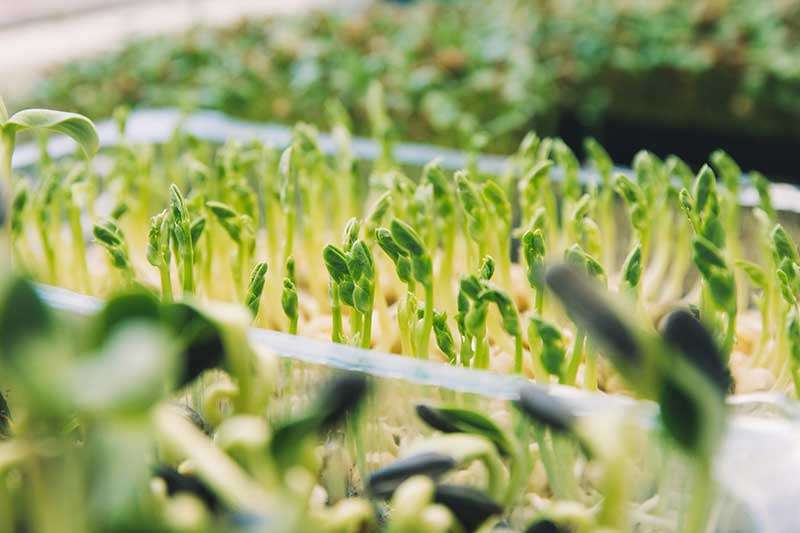
People often mix up sprouts, microgreens, and baby greens, but they are different stages of growth. Sprouts are simply seeds that are sprouted and eaten before there is any root development. Seeds contain nutrients, but those nutrients can be difficult for our bodies to access. Sprouting makes nutrients more available, but there is no new nutrient input from roots because roots have not properly formed. Sprouting usually takes only a few days.

Microgreens take a little longer. The seed develops roots and may take up water, helping the seed convert into a small plant. However, Colin notes that the nutrients still come largely from the seed itself. Microgreens are commonly eaten after about a week or so.

Baby greens are one step further along. They may take up to a month or more before they are eaten. In the Gbiota system, they are grown in biologically active soil and are regularly flushed with compost tea and mineral supplements. They develop a fully working root system, and in the Gbiota growing system they take in both nutrients and biology from the soil. Colin states this is the key benefit of Gbiota baby greens.

Why Baby Greens Are Different in Practice

Colin argues that many highly beneficial plants can be grown as baby greens that would not be suitable if allowed to fully mature. Linseed is his example. It is an excellent source of Omega 3, which is important for health. But as linseed matures, the stems become tough and indigestible, making it less useful as a food.

As a baby green, linseed becomes an excellent food source. The tips are tender, tasty, and full of nutrients. Colin suggests the ideal harvest method is to cut off the tips and eat them, leaving stalks and older leaves intact. This allows the plant to keep producing energy for further growth. The result is a “cut and grow” cycle where a plant can be harvested many times before it becomes too old and tough.

Colin describes this cut-and-grow approach as both economic and practical, but also beneficial for production. Plants can be grown very close together, which reduces weed pressure. Harvesting is often completed before insects seriously discover the crop. This can make it easier to grow without toxic chemicals, and without the high costs associated with organic production of fully mature plants.

Baby Greens as Sugar Blockers

Vegetables contain fibre, and fibre slows the absorption of sugar into the bloodstream. This reduces the size of a sugar spike. Baby greens do not eliminate the effects of sugars and high-glycaemic carbohydrates; they slow the rate of digestion so the body has more time to burn off excess sugar.

Colin says this is beneficial, but he believes there are two other mechanisms that can be even more important when baby greens are grown in a biologically active, nutrient-rich system. Before explaining those, he uses a simple example to show how powerful baby greens can be in real eating: what he calls the banana paradox.

The Banana Paradox

Bananas are generally a healthy food because they contain a broad spectrum of minerals. However, they are also full of sugar, which can cause sugar spikes. Because of this, many dietitians recommend that diabetics or people on a diet avoid bananas and other sweet fruits.

Colin argues that when a banana is eaten with baby greens, the sugar spike is blunted. He also says that baby greens can improve gut biology, which can help control appetite over time. In his view, baby greens are most effective when combined with other foods. Many people do not find baby greens particularly tasty when eaten alone, but when combined with foods like banana, they can create a pleasing taste while making a sugar-rich food healthier.

Our Friendly Gut Biota: An Intelligent Control System

Colin says the greatest benefits of baby greens come from how they can improve gut biota. Gut biota contains trillions of cells across thousands of species. It is incredibly complex. Modern science is still learning how it works, but we already know it is far more than a collection of organisms. It operates like an integrated system.

He compares gut biota to human civilisation. A society contains people with many different skills—plumbers, dentists, farmers, engineers, bricklayers, musicians, and drivers. People do not work alone; they communicate and cooperate. Colin says gut biota works the same way: trillions of different cells communicate with each other and also with the head brain, forming an intelligent control system that helps manage how the body operates.

We may not fully understand the “supercomputer” complexity, but we can observe outcomes through the hormones gut biology releases. These hormones influence appetite (hungry or full), mood (fear, anger, happiness, sadness), and defence systems that protect us against toxins and harmful biology. Colin emphasises that this system works so well that we often do not realise how much we are being protected every day.

Changing Gut Biology and the Principle of Ecological Balance

Gut biota is not fixed. It starts to develop before birth, receives a major boost during birth and breastfeeding, and then continues to shift through life based on the food we eat. Colin warns that it is a big mistake to think we can simply take a few probiotic pills and quickly “change” gut biota.

He compares this to early mistakes in agriculture. When some farmers first realised how important soil biology is, they tried to sterilise soil using highly toxic chemicals such as methyl bromide and then add a few “good” microbes back in. Colin says this approach failed because it ignored how ecosystems really work.

Today, we understand ecological balance. In soils—and in our guts—there are beneficial and harmful organisms. Powerful chemicals can kill organisms, but microbes reproduce rapidly, and natural variability means some will survive and become resistant. Colin argues that toxic control methods tend to breed resistant organisms.

The biological approach is different. Harmful organisms are controlled by competition: creating conditions that strongly favour beneficial organisms, so they outcompete and outbreed harmful ones. Harmful biology still exists in tiny amounts, but it does not cause harm while the system stays balanced.

Colin gives a simple example: most people carry potentially harmful E. coli in their gut, but it is usually present at low levels and the immune system manages it. When gut balance is disrupted, people can become seriously ill. Colin argues that a global rise in chronic disease is linked to modern food disrupting this natural gut balance.

People who understand this, and return to a more traditional diet that our bodies evolved with, can avoid the modern epidemic.

Baby Greens Grown in a Gbiota Bed

Colin argues that baby greens grown in a Gbiota bed are more than sugar blockers. They can be tender and tasty, so they can be eaten with other foods to balance sugar intake. But he says the prime benefit is that they are grown in biologically active soil with a balance of minerals and phytonutrients. This can help restore gut biology, leading to a feeling of satisfaction and better appetite control.

He contrasts this with the modern diet, which is rich in sugars and fats but low in micronutrients. In that situation, people develop cravings, overeat, and end up on what he calls the overweight or diabetes highway.

The Gut–Brain Axis

A healthy gut biota contains trillions of cells that communicate with each other and with our head brain. Colin describes this as a master intelligent control system that evolved over millions of years to protect the body and help us eat the right amount of the right foods.

When this system is working, it happens automatically. We do not have to rely on endless willpower, expensive programs, or constant forced control. We simply feel full and satisfied.

A healthy gut ecosystem also helps protect against harmful microbes by maintaining conditions where beneficial microbes dominate through competition. This natural balance is happening constantly, and it works so well we usually do not notice it.

Colin argues that modern food produced by chemical industrial agriculture severely damages gut biota. When that happens, we lose automatic appetite control and develop cravings.

The Gbiota Growing System: Modernised Traditional Agriculture

Colin describes the Gbiota system as learning from traditional biological growing systems and then using modern technology to make them practical at scale. The basic principle is to create a mix of compost, organic waste, and minerals to form a biologically active tea. This tea floods the root system on a flood-and-drain cycle, delivering biology and nutrients, then drains back out for reuse. As it drains, air is automatically pulled back into the soil.

In this system, plants are biologically active, high in nutrients and fibre, and can help improve gut biology. Because baby greens are tender and tasty, they can be combined with virtually any other food, acting as sugar blockers and supporting gut health.

Insulin: Friend and Foe

When the body senses high blood sugar, it releases insulin. In a healthy body, insulin helps excess sugar enter fat cells, bringing blood sugar under control. The extra sugar may contribute to weight gain, but initially may not cause serious illness beyond the trend toward insulin resistance.

Over time, however, excess fat accumulates in vital organs, particularly the liver and pancreas. When fat in the pancreas reaches a critical level, it blocks further insulin creation. At that point, the body can no longer control blood sugar and diabetes becomes fully developed.

Colin’s point is that in the short term insulin helps control blood sugar, but in the long term, continual high insulin levels are damaging, driving overweight and diabetes.

Health Systems: Treating Symptoms vs Fixing Causes

Colin argues that modern health systems are overwhelmed by the scale of the chronic disease epidemic. As a result, they focus on short-term symptom management, such as lowering blood sugar, rather than addressing root causes tied to modern food production.

The longer-term solution, he argues, is simple in concept: eat food that makes us healthy. The modern diabetes epidemic is new. If we go back fifty years, when diets were more traditional, there was no such widespread diabetes epidemic.

However, he says we cannot simply return to old farming methods. There are too many people, and modern society would not accept the higher costs. Instead, we must study traditional agriculture, learn why it produced healthier food, and then incorporate the essential features into a modernised, automated system that remains economically realistic.

The Real Hurdle: Distribution Costs

Colin argues the major barrier is not just production but the structure of the modern food industry, dominated by profit-oriented mega corporations. A modern grower may receive only 15% to 20% of the retail price. Put another way, over 80% of the retail cost comes from distribution, marketing, and advertising budgets that run into billions of dollars.

So the challenge is to create a system where growers can receive enough income to grow food in biologically active, nutrient-rich soil, while consumers can afford healthy food. Colin’s view is that production costs matter, but the biggest savings are in reducing the 80% distribution and marketing burden. That is where change can be made.

He notes that this is part of a wider discussion in his writing on community food action and “new food”.

Conclusion

Baby greens can reduce sugar spikes through fibre, but Colin argues their deeper value is supporting gut biology and restoring appetite control through gut–brain signalling. Baby greens grown in biologically active, mineral-rich systems such as Gbiota beds are designed to deliver nutrients and biology through active roots, not just seed nutrition. In Colin’s view, this offers a practical path to better health, but the wider system must also change: growers need fair income, and the biggest opportunity lies in cutting the 80% distribution costs that dominate modern food pricing.

Loading

New Food: Why Modern Diets Are Making Us Sick

New Food: Why Modern Diets Are Making Us Sick

Modern chronic disease is not an accident but the outcome of how we grow, process, and distribute food. Colin Austin argues that humans evolved to eat diverse, nutrient-rich foods grown in living soil, not extreme diets dominated by sugar, fat, and chemicals. He outlines why the health crisis is not a technical problem, how Gbiota beds can grow nutrient-dense food efficiently, and why the real solution lies in reconnecting growers and communities through local cooperation.


The Essence

The food we eat determines our health. To understand what food truly makes us healthy, we must use science and epidemiology, but we must also consider evolution. Humans evolved as omnivores, eating a wide range of foods. Extreme diets, whether vegan or carnivore, are not part of our evolutionary history, and there is insufficient long-term evidence to show they are healthy.

For hundreds of thousands of years, most humans prospered on varied diets. Only in rare cases did people eat extreme diets, usually due to environmental constraints. Today, however, our modern food system has pushed us into a new extreme: a diet high in sugar and fat, heavily promoted by multinational corporations that spend billions convincing us these foods are healthy.

Sugars and fats are not inherently bad. They are our primary sources of energy. The problem is imbalance. Modern diets often lack essential trace minerals and complex phytonutrients that are critical for health.

Gut Biology and Plant Nutrition

Another major problem is exposure to toxic chemicals that damage our gut biota. Gut microbes are a critical part of our internal control system, helping regulate appetite and support immune function. When this system is damaged, appetite control breaks down and disease risk increases.

The encouraging news is that we now have the knowledge and technology to grow plants that supply the minerals, phytonutrients, and biological quality our bodies need. These nutrients come largely from plants grown in biologically active soil.

What Are Gbiota Beds?

Gbiota beds are a growing system where mineral-enriched compost tea delivers nutrients directly to plant roots using a flood-and-drain cycle. This system supplies both nutrients and beneficial biology, producing highly nutritious plants.

Baby greens grown in Gbiota beds can be harvested regularly, providing a continuous supply of healthy vegetables at a reasonable production cost. They are not as cheap as chemically produced farm-gate food, but they are vastly superior in nutrient quality.

This highlights a major flaw in the modern food system: growers receive only a small fraction of the retail price. Marketing and distribution costs can exceed 80% of what consumers pay. Direct purchasing from growers allows people to access healthy food while giving growers a fair return.

Balance, Not Another Extreme

Colin is clear that people should not live on vegetables alone. That would be just as extreme as the current high sugar and fat diet. Attempting to live mainly on baby greens would lead to serious digestive problems and malnutrition.

The goal is balance: a diet that includes a wide range of foods, supported by vegetables and greens that genuinely contribute to health rather than simply filling space on a plate.

A Practical Proposal

Colin proposes a volunteer-driven system where people concerned about the health crisis work together to create access to healthy food at a reasonable price. The key is forming local buying groups that act like cooperatives.

These groups commit to buying directly from growers who are willing to adopt regenerative, biological growing systems. This approach breaks a fundamental catch-22: growers will not invest in biological systems without a secure market, and individual buyers lack the influence to persuade growers to change.

The Chronic Health Crisis

We are all aware of the chronic health crisis caused by food high in sugar and fat and low in trace minerals and phytonutrients. This has been discussed endlessly in books, media, and online.

What is rarely discussed is how to fix it. Colin argues that the solution may be simpler than we think. The technology already exists. What is missing is coordinated action.

Not a Technical Problem

This is not a technical problem. Colin and many other researchers have spent years developing systems that grow food capable of supporting human health. He has invested significant time and money experimenting with growing systems and has a long history of successful innovation.

He states without hesitation that the Gbiota bed is the innovation he is most proud of. It works. It produces food rich in nutrients and biology using largely waste inputs such as organic residues and mineral dust. It is productive, water-efficient, and capable of automation.

There are still improvements to make, including harvesting efficiency and testing additional plant species, but the system already works. The real challenge is scale: getting this food to the millions, and eventually billions, of people who need it.

The Reality of Money

Colin acknowledges economic reality. Chemical industrial agriculture is, in the short term, the cheapest way to produce food. He has worked hard to make Gbiota systems competitive, and while they come close, chemical systems remain cheaper at the farm gate.

However, this comparison ignores hidden costs. Chemical agriculture causes widespread illness and long-term soil damage, yet these costs are treated as externalities. If the food industry had to pay for hospital amputations and soil destruction, food economics would look very different.

Globally, every thirty seconds someone loses a limb to diabetes. These are not abstract numbers. This is why action matters.

The Distribution Problem

The real opportunity lies not just in farming, but in distribution. Farmers typically receive only 15–20% of the retail price. The remaining cost is tied up in transport, storage, marketing, and retail.

By shortening the distance between grower and eater, healthy food can become affordable without forcing growers to operate at a loss.

Advertising and Sugar

Large corporations use massive advertising budgets to promote unhealthy food as healthy. Sugar itself is not the enemy; it is fuel. But excess fuel does not improve performance. Eating more sugar does not make the body work better.

Hidden sugars now appear in foods where we would never expect them, from breakfast cereals to bread. The last thing we need is more sugar disguised as health food.

The Internet Changes What Is Possible

While the internet has many problems, it also gives power back to people. Colin believes this power can be used to create alternative food systems that serve health rather than profit.

The challenge is not missing technology, but missing coordination.

What Already Exists

The Gbiota system already works. It grows food in biologically rich soil, is productive and efficient, and is available to anyone who wants to use it. Many home growers already use it successfully.

To make a real impact, small commercial growers must also be involved.

A Global Problem, A Local Solution

Chemical agriculture is global, and its damage is often worst in poorer regions such as India and Africa. Any solution must be global in principle but local in action.

Many growers want to change but cannot risk their livelihoods without guaranteed demand. Likewise, millions of individuals want better food but cannot change the system alone.

Forming Local Groups

The solution is local organisation. People who understand the problem must form local groups committed to buying healthy food. These groups may form through friendships, health networks, gyms, or local food communities.

Once demand is organised, growers can confidently invest in biological systems. Colin provides technical support through his existing resources.

Transport and Food Hubs

The final step is logistics. Ideally, food is collected from farms and delivered the same day. Where that is not possible, food hubs allow centralised pickup.

Why This Matters

Many people are content with supermarket food. Others are not. For those who care about health, the environment, and fairness, an alternative system is necessary.

Colin’s motivation is personal and global. His wife reversed diabetes through dietary change, but millions of others are still at risk. The current system enriches a few while damaging public health and destroying soil.

Conclusion

“New Food” is a call to rebuild health by rebuilding food systems. The technology exists. The knowledge exists. What is required now is community action: people organising locally to support growers and reclaim food that truly supports human health.

Loading

The Food Revolution: Rebuilding Soil, Food, and Health in Society

The Food Revolution: Rebuilding Soil, Food, and Health in Society

Modern society is experiencing a rapid rise in chronic disease, despite having more food and medical technology than ever before. Colin Austin argues that the root cause lies in degraded soils, nutrient-poor food, and broken food systems. Drawing on personal experience, traditional cultures, and engineering principles, he explains how gut–brain signalling, soil biology, and true food freshness interact. He then outlines practical solutions through wicking beds, Gbiota growing systems, and a fairer “pick and eat” food model.


Introduction — A Moment of Hope

Colin Austin opens with a moment that restored his faith in humanity. Watching New Zealand’s Prime Minister Jacinda Ardern comfort a grieving child after a tragedy, he saw leadership grounded in empathy rather than performance. It felt real, human, and connected.

That moment mattered because, for a long time, Colin had been deeply discouraged by the state of modern health. Across wealthy nations, rates of obesity, diabetes, heart disease, dementia, and depression continue to rise. Meanwhile, enormous food and pharmaceutical industries profit from managing symptoms rather than preventing disease.

This article is not written in despair. Colin says he now sees a clear path forward — one that starts with food, soil, and biology rather than pills and procedures.

A Personal Crisis That Changed Everything

The motivation behind this work is personal. Colin’s wife, Xiulan, developed diabetes. Over time, she began losing her eyesight. Then she fell down a flight of stairs and shattered bones in her foot.

After surgery, her foot turned black. Doctors began discussing amputation. They explained that diabetes was incurable and progressive. Blindness, limb loss, and early death were described as normal outcomes. The only uncertainty, they said, was how fast it would happen.

Colin rejected this explanation. He states clearly that most people can avoid diabetes if it is caught early, and that many people can reverse it — even after years — by changing what and how they eat.

The Modern Health Epidemic

Colin argues that today’s health crisis is historically new. Fifty years ago, diabetes and extreme obesity were uncommon. In many traditional societies today, they remain rare.

He points out that while traditional societies may face higher risks from accidents or infections, people who survive into older age often remain physically capable. It is not unusual to see people in their eighties or nineties working, walking long distances, or farming.

In contrast, modern societies often see frailty, chronic illness, and dependence decades earlier. According to Colin, the key difference is not genetics or medicine — it is food.

Everything Begins With Soil

Traditional food systems begin with soil rich in organic matter, minerals, and living biology. Compost, animal manures, and plant residues feed microbes and fungi that cycle nutrients naturally.

Modern industrial agriculture, by contrast, often relies on soluble fertilisers and chemical controls. While yields may be high, the soil itself becomes biologically depleted. Trace minerals are removed year after year without being replaced.

Colin cites evidence that some trace elements have declined dramatically over decades of intensive farming. Plants may look healthy, but their nutrient density is reduced. Humans then eat more food but receive fewer essential compounds.

Diversity Has Been Lost

Traditional diets are diverse. People eat many species of leafy greens, herbs, roots, and wild plants. Older generations often recognise dozens of edible species that modern people no longer identify as food.

Modern diets are narrow by comparison. Even when people eat vegetables, they usually consume a small number of commercially favoured crops. This lack of diversity limits the range of minerals, fibres, and phytonutrients entering the body.

Freshness Is Not a Marketing Term

Colin emphasises that traditional societies eat much of their food within hours of harvest. Some foods store well, but many greens are eaten immediately.

Modern food systems involve long supply chains. Produce is often harvested early, transported long distances, stored, and displayed days or weeks later. Labels may say “fresh”, but Colin argues there is a fundamental difference between appearance and biological freshness.

The Gut–Brain Control System

Humans evolved with a sophisticated internal control system that regulates hunger and satiety through the gut–brain axis. When the body receives adequate nutrients, hormones signal satisfaction and eating stops naturally.

Sugars and fats are not inherently harmful, Colin says. In traditional contexts, they were valuable energy sources. The problem arises when food is energy-rich but nutrient-poor.

When essential minerals, fibres, and phytonutrients are missing, the body sends hunger signals without specifying what is lacking. People feel compelled to keep eating, often choosing what is most available — processed, sugary, and fatty foods.

This leads to overeating, insulin resistance, and chronic disease. Supplements may help temporarily, but Colin argues that nutrient-dense food provides balance automatically, without spikes or deficiencies.

Chemical Control vs Biological Balance

Modern agriculture often treats microbes as enemies. Chemical sprays and antibiotics aim to sterilise environments and kill threats.

Colin acknowledges legitimate concerns around food safety, but argues that killing everything creates long-term instability. Microbes adapt, resistance develops, and chemical inputs escalate.

Biological systems work differently. When conditions favour beneficial microbes — through organic matter, minerals, and fibre — they outcompete harmful organisms. This ecological balance has sustained humans and animals for millennia.

The Missing Filter and Rare Breakthroughs

Colin describes himself as lacking the mental filter that stops most people pursuing bad ideas. He jokes that this leads to many failures — but occasionally, a breakthrough.

One such breakthrough was Moldflow, a plastic flow simulation developed in his spare bedroom. It grew into a world-leading technology company and was later sold to a major US firm.

After that success, Colin turned his attention to soil, water, and long-term environmental limits. He became convinced that soil could store vast amounts of carbon while producing healthier food.

Ethiopia and the Birth of Wicking Beds

Invited to Ethiopia to help grow food under drought conditions, Colin developed two connected ideas.

The first was the wicking bed: a growing system built over an underground water reservoir that supplies roots via capillary action.

The second was nutrients. Instead of expensive inputs, he observed that weeds thrive by extracting nutrients from poor soils. By composting weeds inside the system, nutrients could be recycled efficiently.

When Ideas Spread — and Break

Wicking beds spread rapidly online. Colin learned that information travels fast, but accuracy does not always keep up.

Some guides removed organic matter and filled beds with stones to keep them “clean”. This disrupted capillary action and biology, leading to stagnant, smelly systems.

Colin spent years responding to problems caused by these changes, reinforcing that biology, not sterility, makes systems work.

Health Is the Central Goal

Colin repeatedly returns to health outcomes. In Australia alone, he notes that diabetes-related amputations occur roughly every twenty minutes.

His goal is to prevent this suffering by making nutrient-dense food affordable and accessible. Diabetes, he argues, must not become a disease of poverty.

Scaling Beyond the Backyard

While wicking beds work well for home growers, Colin says broader adoption requires solving two problems:

  1. Applying flood-and-drain and wicking principles at scale without stagnation.
  2. Making regenerative growing economically viable for farmers.

The Gbiota Approach

Colin formed the Gbiota club to share practical growing systems designed to support gut health. After years of refinement, he developed a simple, reliable flood-and-drain method using biologically active soil.

The Gbiota manual is shared freely within the club under Creative Commons. Gbiota™ is a registered trademark that growers can use when meeting the specification.

Conclusion

“The Food Revolution” is not nostalgia. It is a practical response to modern disease and ecological decline. By restoring soil biology, plant diversity, and direct food relationships, Colin Austin argues we can rebuild health from the ground up.

Colin Austin — 11 April 2019. 

Download ‘The Food Revolution’ (full PDF)

Loading