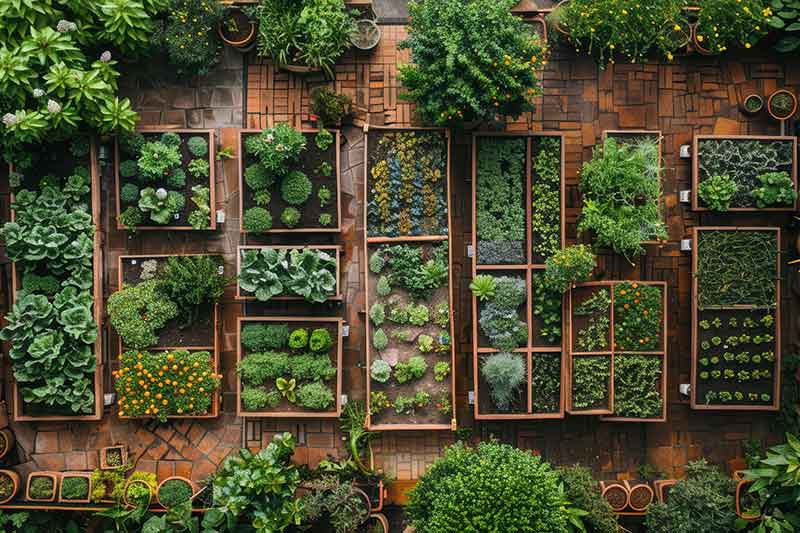
The Biology Revolution: How Living Soils Transform Food Production

The Biology Revolution: How Living Soils Transform Food Production

‘The Biology Revolution’ explains how working with living soils can transform food production. Healthy, biologically active soil improves nutrient availability, water retention, and plant resilience. The article offers practical guidance for gardens and wicking beds, helping people grow nutrient-rich, sustainable food. By focusing on soil ecosystems instead of chemicals, gardeners can produce healthier crops, reduce waste, and support community wellbeing. This approach also contributes to wider regenerative agriculture practices, promoting long-term soil health and food security globally.


Understanding Soil as a Living System

Healthy soil is more than dirt. It is a living ecosystem composed of bacteria, fungi, worms, and other microfauna. These organisms break down organic matter, release nutrients, and create a porous structure that holds water and air. By understanding soil as a dynamic living system, gardeners can manage it to grow stronger, more nutritious plants without relying heavily on chemical fertilizers or artificial interventions.

The Role of Microbes and Fungi

Microbes and fungi are the engines of soil health. Bacteria decompose organic matter, while fungi extend the root network and transport nutrients to plants. Mycorrhizal fungi, in particular, form a symbiotic relationship with plant roots, increasing nutrient uptake and improving drought resilience. Encouraging microbial life through compost, mulch, and minimal soil disturbance is a key step toward productive and resilient gardens.

Benefits of Living Soil

Working with biologically active soil offers multiple advantages. First, nutrient cycling becomes more efficient: minerals and trace elements are made available to plants naturally. Second, water is retained better due to improved soil structure, reducing irrigation needs. Third, plants become more resilient to pests and diseases because a healthy soil ecosystem creates natural checks and balances. Ultimately, gardeners gain higher yields and better-tasting, nutrient-rich produce.

Applying the Principles in Wicking Beds

Wicking beds are an ideal system for leveraging soil biology. By keeping water in a reservoir below the root zone, these beds provide consistent moisture while encouraging roots to explore biologically active soil. Incorporating organic matter, minerals, and microbial inoculants into the soil mix ensures that plants receive both nutrients and water efficiently. Flood-and-drain cycles further improve aeration, supporting root and microbial health.

Soil Structure and Porosity

Creating the right soil structure is critical. A well-structured soil has fine pores that allow water to move via capillary action, supporting roots and soil life. Organic matter such as compost, vermicast, and shredded leaves increases porosity and provides food for microbes. Avoiding compacted layers and barriers like cloth or stones ensures that water and nutrients flow evenly, reducing stagnant zones and preventing plant stress.

Nutrient Management

Chemical fertilizers provide nutrients quickly but often fail to improve soil health long-term. Instead, using mineral amendments like rock dust and seaweed encourages soil organisms to release nutrients naturally. Nitrogen, phosphorus, and potassium are essential, but trace elements like zinc, selenium, and iodine are just as important for human nutrition. Living soils make these trace elements bioavailable, directly benefiting the food produced.

Composting and Organic Amendments

Compost is the foundation of soil biology. By adding well-decomposed organic matter, gardeners feed microbes and maintain soil structure. Compost teas can further enhance microbial populations, providing a concentrated dose of nutrients and beneficial organisms. Two-stage composting is recommended: an initial phase to break down raw materials and a secondary stage to stabilize nutrients and reduce pathogens, ensuring safe and productive soil.

Root Health and Aeration

Roots require air as much as water. Poorly aerated soils lead to anaerobic conditions, producing foul smells and limiting nutrient uptake. Flood-and-drain systems, periodic drying, and loose, biologically active soils allow roots to breathe while maintaining sufficient moisture. Encouraging deep and fibrous root systems improves plant stability and supports a larger microbial network, further enhancing soil fertility.

Practical Garden Design

Gardens should be designed to maximize biological activity. Plant diversity, including legumes, deep-rooting species, and nutrient accumulators, supports microbial populations and improves nutrient cycling. Crop rotation and interplanting reduce pest and disease pressure while maintaining soil fertility. Raised beds and wicking beds can be strategically located for sunlight and water access, ensuring optimal growth and energy efficiency.

Monitoring and Maintenance

Maintaining soil biology requires ongoing attention. Regularly adding organic matter, monitoring moisture, and adjusting mineral supplements helps sustain a healthy ecosystem. Observing plant growth provides clues about soil health — pale leaves may indicate nutrient deficiencies, while slow growth could signal poor microbial activity. Simple, consistent maintenance ensures that gardens continue to produce nutrient-dense crops over time.

Community and Knowledge Sharing

Sharing techniques and lessons learned strengthens community resilience. Creative Commons licensing allows gardeners to share designs and methods freely, promoting wider adoption of sustainable practices. Demonstration gardens, workshops, and social media posts spread practical knowledge quickly. Communities that prioritize soil biology and living systems can produce better food collectively, improving health and food security locally.

The Global Perspective

The biology revolution extends beyond individual gardens. Globally, soils are degrading due to chemical-intensive agriculture and monoculture practices. By embracing soil biology, communities can regenerate degraded lands, increase local food production, and reduce environmental impact. This approach aligns with regenerative agriculture principles, helping to address climate change, biodiversity loss, and declining nutrient density in our food.

Final Thoughts

The Biology Revolution highlights a shift in how we view agriculture: from a focus on chemical inputs to an understanding of living ecosystems. By managing soil biology thoughtfully, gardeners can grow nutrient-rich, resilient plants while conserving water and reducing reliance on synthetic fertilizers. Wicking beds, composting, and proper aeration are practical ways to apply these principles, benefiting both individual gardeners and the wider community.

If you would like further technical guidance or to discuss community projects, contact: colinaustin@bigpond.com.

Colin Austin — © Creative Commons. Reproduction permitted with source acknowledgement; commercial use requires authorisation.


Download ‘The Biology Revolution’ (full PDF)

Loading

How Soil, Food Quality, and Lifestyle Shape Modern Health

How Soil, Food Quality, and Lifestyle Shape Modern Health

This newsletter explains why some wicking beds fail, why they may smell, and how soil biology, water balance, and nutrients affect plant health. It shares the story behind the development of wicking beds, the mistakes early users made, and the importance of living soil. It also highlights global food quality issues and introduces new plans to make wicking beds easier for everyone, including people in small homes or apartments.


Introduction — A Tough Morning With Wicking Beds

Some days just don’t go well. I started receiving a wave of emails from wicking bed users complaining that their beds were smelly or failing to keep plants well watered. If you have ever asked similar questions, don’t feel bad — your queries have helped highlight a critical issue and pushed me to rethink parts of how these systems work.

Wicking beds are wonderful when they work, but they can also go wrong — and when they go wrong they can seem “putrid” or disappointing. These problems have implications not just for individual gardeners, but for how the wicking bed idea is perceived globally. If the public sees beds fail, they won’t adopt the technology that can make food production more sustainable and nutritious.

The Birth of Wicking Beds

The original goal of developing wicking beds was practical and simple: how could I provide cheap, reliable water to grow sustenance food in drought-prone areas like rural Africa? Many subsistence farmers live on a few dollars a day and cannot afford expensive irrigation or fertilizers. The idea of using a reservoir beneath the soil to supply moisture directly to plant roots seemed ideal — cheap, simple, and adaptable to diverse conditions.

In the early days, I built wicking beds from whatever was available — old bathtubs, wheelbarrows, tyres lined with plastic bags, and other inexpensive containers. These simple systems worked surprisingly well. Once filled with soil and a bit of organic matter, they kept plants alive even when rainfall was minimal.

As the idea spread through the internet, I was taken aback by how many people adopted wicking beds. It was never intended to be a commercial product — I simply shared the concept online so others could benefit. However, rapid adoption led to both good and bad versions of the system floating around, and not all of them worked correctly.

Commercial Suppliers and Technical Support

Many people now buy ready-made wicking beds from commercial suppliers. Often these products come with little to no technical support. The manufacturers may build a bed, sell it, and leave the buyer to figure out how it works. This can be problematic because wicking bed success depends on understanding how water moves through soil, how roots breathe, and how soil biology functions. Without this knowledge, users may experience poor results and wrongly conclude that wicking beds don’t work at all.

There’s a real paradox here. When I first proposed the idea, many technical experts claimed wicking beds wouldn’t work because water stagnant at the base would become putrid. In principle, they were correct: plant roots need oxygen, and if they are submerged too long without air, they effectively “drown” just as humans would in similar conditions. A major part of early development was finding ways to ensure roots had access to both sufficient water and oxygen.

Stinky Beds – What’s Really Going On?

One common problem is that beds can go putrid. This happens when there’s too much stagnant water and not enough oxygen in the soil. Roots emit gases like ethylene, which can inhibit growth if trapped. If the water level in the soil stays high for too long, the environment becomes anaerobic (without oxygen), which creates unpleasant smells and poor growing conditions.

Another issue is the soil mix itself. If the soil is inert — for example, stones, sterile sand, or chemically sterilised potting mix — it won’t support soil biology. Without soil life, organic matter does not decompose properly, and nutrients do not become available for plants. You might avoid smells in a sterile mix, but the produce will likely be low in nutritional quality, similar to many supermarket vegetables.

Just adding a bit of compost to a bed can lead to smells not because compost is bad, but because the soil biology is not well balanced. If there’s not enough oxygen or the proper microbial population, decomposition becomes anaerobic and odorous.

Nutrition and the Global Food Crisis

My focus has shifted from just water to a broader issue: nutrition. My wife Xiulan’s diagnosis of diabetes highlighted the real health consequences of modern diets — diets high in sugar, fats, and calories but low in essential vitamins, minerals, and phytonutrients. Diabetes is not just about sugar; it is a hormonal malfunction that leads to serious diseases and complications, including blindness and amputations.

The modern industrial food system produces large quantities of energy-dense foods that are nutrient-poor. Although pills and supplements are marketed as solutions, they cannot replicate the complex balance of nutrients, vitamins, and phytonutrients that natural, biologically grown food provides. Growing nutrient-dense food locally, in biologically active soil, is a practical way to improve diet quality.

Around the world, people are suffering from chronic diseases linked to poor diet. For example, Australia has millions living with diabetes, the United States has tens of millions, and China’s numbers are rapidly rising. Most people could benefit from growing at least some of their own food to reduce dependence on processed, nutrient-deficient products.

Growing Your Own Food

The most practical solution is to grow a portion of your own food in nutrient-rich soil. This doesn’t require joining a complex movement or becoming an expert gardener — even a few tomatoes, spinach, or herbs grown in well-managed soil can improve nutritional intake.

However, many people live in apartments or have limited garden space. To address this, I have been developing an upgraded design — the “wicking bed basket.” This is a compact, soil-rich container system designed to fit in apartments and small yards. It allows anyone, regardless of space, to grow nutritious food using minimal resources.

Learning from Mistakes

There’s an old saying: both fools and wise men make mistakes, but the wise learn from them. I recognise that I made mistakes in how I promoted and supported wicking beds. I shared all my information freely online, but not everyone understood the underlying principles. This led to misapplications of the technology and some failed beds.

These failures can harm the reputation of wicking beds. If the public associates them with bad results or foul smells, adoption will falter. Yet when used correctly and supported with some technical guidance, wicking beds have enormous potential to help people grow healthy food around the world.

Commercial and Community Support

To support wider adoption, simply sharing information is not enough. People need technical support to succeed with their beds. One idea is to create a formal structure — a wicking bed club — where members pay a small fee for access to support, updates, and expert guidance. This model does not rely on patents or heavy legal systems but rather on shared knowledge and collective improvement.

The club concept allows growers to access technology, training, and resources while contributing to a network of gardeners sharing ideas and improvements. Coaches could provide personalised help, and members could benefit from collective expertise on soil mixes, biological supplements (like BioPacks), minerals, trace elements, and plant choices.

Conclusion — Growing Healthy Soil and Food

The challenge is to make wicking beds both effective and widely adopted. Most current users see good results, but some do not because they lack understanding of how water, air, soil biology, and nutrients interact. The goal remains simple: enable as many people as possible to grow nutrient-rich, homegrown food using sustainable, low-cost methods. Ensuring proper technical support and education will help wicking beds reach millions globally, improving diet quality and community resilience.

Loading

Why Aeration Matters in Wicking Beds (and How to Improve It)

Why Aeration Matters in Wicking Beds (and How to Improve It)

Healthy plant roots need both water and air. In wicking beds, water rises from a reservoir into the soil, but if the soil becomes too wet, roots can suffocate and the bed can become smelly or unhealthy. This article explains why good aeration — the movement of air through the soil — is essential for plant health, how wicking beds can be managed to avoid saturation, and practical techniques such as drainage, deep cycling, soil biology, compost burial and plant selection to improve airflow and keep soil healthy.


Introduction — Why Aeration Matters

Plants cannot grow well in soil that is completely saturated with water because their roots need oxygen to function. Roots absorb nutrients and water from the soil, but they also release gases like ethylene, which needs to escape into the surrounding air. If the soil stays too wet, the space that should be filled with air becomes filled with water, choking roots and slowing growth. This is one of the main reasons some wicking beds fail — the soil becomes too wet and the roots cannot breathe.

Problem: Too Much Moisture in Wicking Beds

Many people report wicking beds that turn “putrid” or develop unpleasant odours. Often this happens because the soil near the base stays saturated for long periods. In some designs, water is applied from the top, and old water stays trapped below. This can create anaerobic (oxygen-free) conditions that harm plants.

To avoid this, it helps to understand how water and air move through soil. Water that enters from the top can push air out of place, and if the soil stays wet for too long, beneficial soil organisms like fungi and worms cannot thrive.

Technique 1 — Controlled Drainage

One simple method to improve aeration is to include a drain hole. This allows water that is no longer needed to escape freely, rather than remaining trapped. By supplying fresh water from below through pipes and allowing old water to exit through a drain, you can create a “first in, first out” water exchange system. This ensures that water in the reservoir does not stagnate and that roots have access to oxygenated soil rather than old, stale water.

Technique 2 — Deep Cycle Moisture Refill

Another useful approach is what the author calls a “deep cycle” refill. When the water reservoir is filled, it pushes out old air and water. As plants use that water, they naturally draw in fresh air around the root zones. This creates a cycle in which moisture is replaced and air is drawn back into the soil as water levels fall — mimicking a more natural wet-dry cycle that encourages plant health and prevents waterlogging.

Technique 3 — Soil Biology Creates Air Channels

Soil organisms such as worms and fungi play a major role in creating pathways for air and water. Worms burrow through the soil, leaving tunnels that allow air to penetrate deeply. Fungi produce filaments that help bind soil particles into stable clumps, improving structure and aeration. Encouraging soil biology through compost, organic matter and minimal disturbance creates a living soil with many microscopic and macroscopic pores that benefit both roots and microbes.

Technique 4 — Bury Compost for Local Aeration

Burying compost directly in the bed can help. Some gardeners use a compost bin with holes buried in the soil, or simply dig fresh compost into specific areas. These pockets of decomposing organic matter attract soil life and create local air pathways without disturbing the rest of the soil. This approach improves aeration while preserving the existing soil biology, which can be easily harmed by extensive digging.

Technique 5 — Avoid Barriers That Restrict Roots

Barriers like cloth or liners that restrict where roots can grow can also restrict airflow. Roots that spread throughout the soil help reduce stagnant water because they draw moisture and facilitate gas exchange. For shallow-rooted plants, combining them with deeper-rooted species — such as Senna alata — can help “draw down” excess water and improve aeration by creating more root channels throughout the soil profile.

Technique 6 — Emergency Aeration with a Garden Fork

If a soil becomes compacted or waterlogged, a simple intervention is to insert a garden fork into the soil and tilt it slightly to fracture the soil. This creates new air channels and temporarily improves oxygen flow to roots. This method is useful when beds become too dense or when roots struggle to access fresh air.

Balancing Water and Air

The key balance in wicking beds is water and air. Too much water without avenues for air exchange will limit root respiration and plant growth. By adopting techniques that allow both air and water to move freely through the soil, gardeners can maintain healthy, well-aerated soils. A combination of proper drainage, deep cycling, strong soil biology, and plant selection helps maintain this balance, resulting in healthier, more productive plants.

Summary

Healthy wicking beds are not just about water supply; they must also provide enough air for roots and soil organisms. Saturated soil blocks oxygen, slows growth, and can lead to unpleasant conditions. Practical techniques — such as providing drains, managing water cycles, encouraging worms and fungi, burying compost, avoiding barriers, and creating air channels — all improve aeration. Taken together, these practices ensure that wicking beds function effectively by supplying both moisture and oxygen to plant roots, leading to stronger, more resilient plants.

Loading

Understanding the Core Principles of Wicking Beds

Understanding the Core Principles of Wicking Beds

Wicking beds work by keeping soil at a consistently moist level through capillary action, using an underground water reservoir instead of frequent surface watering. This improves the water-holding capacity of the soil, supports soil biology (especially fungi), and can help regenerate degraded soils. By widening the volume of soil accessible to plant roots and maintaining moisture between soil field capacity and plant wilt point, wicking beds allow plants to grow with less frequent irrigation. Understanding these basic principles helps gardeners optimise soil and water use for sustainable, productive food growing.


Introduction

Wicking beds are a well-established gardening technique that uses water stored below the root zone to keep the soil moist from below. The simplest example is a flower pot standing in a saucer of water: water is drawn upward into the soil by capillary action. There are many variations on this theme, but the core idea is always the same — to increase the effective water available to a plant’s roots by using the soil’s natural ability to hold moisture rather than frequent surface watering.

Single Chamber vs Two Chamber Systems

Many modern wicking bed designs use two separate containers — one for water and one for soil — with a connection between them. Sometimes this connection is simply soil; in other cases, a cotton or fabric wick is used. However, the wicking beds pioneered here use only one chamber. In this design, the water reservoir is under the soil itself, and the entire bed acts as both the water source and growing medium.

This single chamber system increases the water­holding capacity of the soil directly. Some gardeners have tried to return to two-chamber designs, placing rocks or scoria below the soil layer and separating them with a membrane. In practice, this often complicates the system without real benefit.

Soil Degradation and the Need for Soil Regeneration

Soils around the world are degrading due to tillage, inappropriate chemical use, erosion and other harmful practices. Although fertilisers and irrigation have partly offset this degradation, the long-term sustainability of food production is threatened as soils continue to lose biological and physical health — particularly in the face of growing populations and increased demand for food.

Experiments conducted by the author in the 1970s showed that keeping soil moist is critical to regenerating degraded soils. Both overly dry and overly wet soils impede biological activity. Capillary-fed moisture from wicking beds maintains soil moisture in the ideal range — moist, but not saturated — creating conditions that support soil organisms that build and restore soil structure.

Basic Wicking Bed Principles

To understand why wicking beds work, it helps to know about two key soil water levels:

  • Field capacity: the amount of water soil can hold against gravity after excess water has drained. Small soil pores hold this water by surface tension.
  •  Wilt point: the lowest moisture level at which a plant can no longer extract water from the soil.

The difference between field capacity and wilt point is the water holding capacity available for plants. For example, if soil field capacity is 20% and wilt point is 10%, only 10% of the soil volume holds plant-accessible water. For plants with a 300 mm root zone, this may not be enough without frequent watering.

Wicking beds increase both the water holding capacity and the volume of soil available to roots. A waterproof liner placed beneath the soil becomes a reservoir. When soil around that reservoir is saturated, the available water can increase — for example, from 10% to 20%. This means plants can access moisture for longer periods between surface watering.

Soil Biology and Moisture Management

Maintaining the correct moisture level is not just about physical water availability — it’s also about supporting soil biology. Most soil organisms, especially fungi, cannot photosynthesise and need a reliable moist environment. Capillary moisture provided by wicking beds creates conditions favourable to fungi and other beneficial microbes, which in turn improve soil structure and nutrient cycling.

Soil biology depends on a supply of energy, which comes from plants. This can be direct — from living plant roots — or indirect — from organic material added to the soil. Some gardeners avoid burying plastic underground for environmental reasons. Others experiment with low-plastic or biological sealing methods, such as using waxy leaves from certain plants (e.g., species adapted to dry environments) to help create a natural waterproof layer.

Increasing Water Holding Capacity

There are additional ways to increase the water holding capacity of soil beyond simply adding a reservoir. For example, laminating involves placing a fine-pored layer of material above a coarser layer so that water cannot easily move downward through gravity. This technique is used with sand to create a hanging water table because surface tension holds water in the fine layer. However, soil is a living system that depends on many organisms to build structure, so mechanical techniques alone are not sufficient.

Role of Fungi and Mycorrhizal Networks

Mycorrhizal fungi and other soil organisms play a key role in water and nutrient dynamics. Fungi can be more efficient than plant roots in extracting moisture and nutrients, effectively lowering the soil’s wilt point and making more water available to plants. Fungal hyphae also help transfer water and nutrients between plants, creating a connected soil ecosystem.

In practical gardening, some people grow soil plants — species chosen specifically to enhance soil structure and biology — either within or around wicking beds. These plants, combined with composting and microbial inoculation, help build a more resilient, fertile soil.

Minerals and Human Nutrition

While plants may not require large quantities of trace minerals, humans do. Soil organisms, particularly fungi, are adept at releasing minerals that might otherwise remain inaccessible. They exude enzymes that dissolve rock particles and mineral deposits, making trace elements available to plants and — ultimately — to us. This underscores the broader importance of soil quality not just for plant growth, but for human health.

Challenges of Evidence-Based Policy

The original article also reflects on broader issues in science and decision-making. While soil regeneration and its effects on human health are supported by probability and emerging research, they are not always easily demonstrated by strict scientific proof. Policy systems often struggle to act on probabilistic evidence, which can delay adoption of beneficial practices like soil regeneration and climate-adaptive agriculture.

Conclusion

Wicking beds are more than a water-saving gardening method — they are a tool for improving soil health, increasing plant-available water, and supporting the biological systems that make soils fertile. By maintaining consistent moisture levels, expanding the volume of soil available to roots, and encouraging beneficial soil organisms, wicking beds help regenerate degraded soils and support sustainable food production.

Loading

Why Fine Soil Outperforms Stones in Wicking Beds

Why Fine Soil Outperforms Stones in Wicking Beds

Using stones or coarse materials in wicking beds is often counterproductive. This guide explains why fine, organic-rich soils perform better, how proper soil structure and biology improve water distribution, nutrient availability, and root health, and how gardeners can optimise their beds for consistent moisture, fertility, and vigorous plant growth. Understanding the limits of stone-based designs helps avoid stagnant water, poor nutrient release, and restricted root systems, ensuring your wicking bed functions efficiently and sustainably.


Introduction

Many gardeners place stones, gravel, or coarse sand at the base of wicking beds, thinking these materials improve water retention. While this is a common approach, it often creates more problems than it solves. Stones have large pores that prevent effective capillary rise, meaning water does not reliably move upward into the soil. Over time, these layers may compact or interfere with root growth. Additionally, stones contribute no nutrients, and there is little biological activity to release essential minerals. As a result, plants may struggle even with regular watering.

The Issues with Stone Layers

When stones are used in wicking beds, several problems often appear. Water may remain trapped at the bottom, leading to stagnant reservoirs that smell and support anaerobic bacteria. Roots may struggle to reach water efficiently, reducing overall growth and yield. Nutrient availability is limited because stones do not support microbial communities that break down organic matter. In some cases, soil can infiltrate the stone layer and become compacted, forming dense zones that restrict root expansion and prevent optimal water movement. These factors combined can create a bed that appears functional but underperforms compared to well-prepared soil systems.

Optimising Soil for Wicking Beds

A better approach is to use a fine-textured, organic-rich soil or purpose-made sponge soil. This type of soil has smaller pores that retain water and allow it to move upward through capillary action. High porosity ensures that roots have access to moisture while also allowing air to circulate and microbes to thrive. Adding compost, vermicast, or other organic matter supports soil biology, feeding fungi, bacteria, worms, and other microfauna. These organisms break down organic material and mineral amendments, releasing nutrients that are immediately available to plants.

In very dry climates, a separate water reservoir or buried container can be used to supply moisture, but it should remain separate from the main soil layer. This ensures that roots can freely access the soil and nutrients, rather than being restricted to the reservoir. Avoid barriers like cloth or geotextile layers that block water movement, as these prevent proper wicking and can isolate water from the soil layer.

Benefits of Soil-Based Wicking Beds

Fine, biologically active soils offer multiple advantages over stone-based designs. Water is distributed evenly through the soil matrix, supplying roots consistently without oversaturation. Soil organisms release nutrients through natural decomposition processes, supporting plant health and improving crop quality. Roots can penetrate freely, reducing compaction and encouraging a strong and extensive root system. Overall, these beds are simpler to maintain: replenishing organic matter and minerals over time sustains fertility without the need for heavy stone layers or complex construction.

Practical Recommendations

For optimal performance, use a well-structured soil mix with good porosity and high organic content. Feed soil biology with compost or worm castings, and include mineral amendments if the local soil is deficient in calcium or trace elements. Avoid placing barriers between soil and water reservoirs that can interrupt capillary flow. In dry areas, supplementary reservoirs can help, but they should be designed to complement, not replace, a living soil layer. Monitoring soil moisture and replenishing organic inputs over time ensures that beds remain productive and nutrient-rich for years.

Conclusion

While stones may appear to offer water retention benefits, they often hinder the function of wicking beds. Fine-textured, organic-rich soils with active microbial communities perform far better, providing consistent moisture, nutrient availability, and healthy root growth. By focusing on soil biology, structure, and careful water management, gardeners can create sustainable, high-performing wicking beds that produce nutrient-dense vegetables and maintain soil resilience over the long term. Optimising your soil is a simple yet powerful step toward efficient, productive, and sustainable gardening.

Loading

Changing the Diabetes Paradigm

Changing the Diabetes Paradigm

Colin argues that diabetes is not caused by genetics or fate, but by a modern food system that overwhelms our intelligent control system — our “head brain”, our “gut brain”, and the trillions of microbes that run our internal fuel management.


The Real Problem Behind the Diabetes Explosion

Fifty years ago, type 2 diabetes was rare. Today it affects hundreds of millions of people and continues to rise at around 4% per year. Something drastic has changed — and it isn’t human biology. Our bodies are the result of millions of years of evolution. They haven’t suddenly failed.

What has changed is our food. Modern industrial-chemical farming produces food high in energy (sugar, fats, refined carbs) and low in minerals, vitamins, phytonutrients and microbes. Our control system senses this lack of micronutrients and interprets it as hunger, even when we are full — creating overeating, fat storage, and ultimately diabetes.

People aren’t getting diabetic because they ate too much — they’re getting diabetic because their control system has been screwed up by modern food.

The tragedy is that medicine often treats the symptom — high blood sugar — instead of the root cause. Drugs that increase insulin may lower sugar in the short term, but they also lock people into lifelong diabetes. Yet we now know diabetes can be reversed with food.

The Old Paradigm vs the New Paradigm

Colin describes the failed old paradigm like this:

  • Old paradigm: “You’re diabetic because you eat too much. Eat less. Take insulin.”
  • Result: People store more fat, become more insulin resistant, and diabetes gets worse.

The new paradigm looks at the body’s intelligent control system:

  • Your brain + gut + microbiome are constantly managing fuel flow.
  • If they sense “food insecurity”, they lock fat away and refuse to release it.
  • This is why people often regain weight after diets — the system simply resists.

Diabetes is not a calorie problem — it is a control-system problem.

Why Modern Food Breaks Our Control System

Modern food stresses our internal system in three ways:

  • Too much fast energy — sugar, refined carbs, seed oils.
  • Too few micronutrients — minerals, vitamins, phytonutrients.
  • Disrupted gut biology — pesticides, antibiotics and sterile soil reduce microbial diversity.

Our bodies cannot identify which nutrient is missing — they just send a powerful “eat” signal. In a world full of cheap, fast-acting food, that signal becomes destructive. We store more fat, then the “ferocious guard dog” (Colin’s metaphor for the defensive side of the system) refuses to let that fat back out.

Why Some People Become Diabetic and Others Don’t

Colin explains that genetics alone cannot explain the rise. Instead, it’s a combination of:

  • Fat-storage capacity — some people can store huge amounts of fat before becoming insulin resistant.
  • Epigenetics — environment can affect how genes express across generations.
  • Gut microbiome differences — some people have biology that protects them, others don’t.

But the key point is this: the sudden global surge of diabetes is man-made. It is not an evolutionary flaw.

The Puppy and the Guard Dog

Colin uses one of his most memorable metaphors to explain why diabetes is so hard to reverse:

  • Your internal control system starts as a smart little puppy.
  • When you experience food stress (real or imagined), the puppy grows into a ferocious guard dog.
  • The guard dog refuses to release stored fat — even when you’re dieting.

This is why dieting alone rarely works. The system must be retrained, not starved.

Reversing Diabetes: The Practical Path

Diabetes reversal requires burning off the excess fuel stored in cells so they can become insulin sensitive again. Thousands of people worldwide have done this through different dietary approaches: low-carb, low-fat, plant-based, intermittent fasting and more.

What they all have in common is not the specific diet, but the fact that they reduce stored fuel and retrain the control system.

The long-term solution, however, goes deeper — rebuilding gut biology and eating nutrient-rich food grown in living soil.

Why the Gbiota Project Matters

Colin founded the Gbiota project because reversing diabetes for one person at a time is not enough. We need to change the way food is produced. This means:

  • Growing food in biologically rich soil.
  • Restoring gut microbes through living plants.
  • Providing micronutrients that industrial farming has stripped away.
  • Supporting community growers and home gardeners.

Gbiota beds allow people to grow refurbishment food — food that feeds the microbiome and restores the body’s intelligent control system.

Making the Paradigm Shift

Change won’t come from governments, pharma or the food industry. It will come from citizens who see the need for change, reverse their diabetes, and share what worked.

The Gbiota club exists to help people support each other, grow meaningful food, run personal trials and build a community-led revolution in health.

To find out more, check out the rest of this document.

Download ‘Changing the Diabetes Paradigm’ (full PDF)

Loading

Wicking Bed Technology Explained: Grow Nutrient-Dense Vegetables with Less Water

Wicking Bed Technology Explained: Grow Nutrient-Dense Vegetables with Less Water

Wicking bed technology is a sustainable gardening method that saves water, improves soil fertility, and promotes healthy plant growth. Using an underground reservoir, water moves up to plant roots through capillary action, reducing waste and enhancing nutrient uptake. Wicking beds support soil biology, beneficial microbes, and fungi, allowing gardeners to grow nutrient-rich vegetables with less effort, while maintaining resilient soils even in dry or variable climates.


Introduction

Wicking beds are a smart solution for gardeners looking to conserve water and grow healthy plants with minimal effort. The design combines a water reservoir beneath the soil with capillary action, which allows water to move upward into the root zone as needed. Unlike traditional irrigation, which can be inefficient due to evaporation or drainage loss, wicking beds ensure roots receive a steady supply of moisture. They also maintain nutrient-rich, biologically active soils, making them a sustainable option for household gardens, community plots, and larger horticultural operations.

Section 1 — What is a Wicking Bed?

A wicking bed is essentially a planting bed constructed over a water reservoir, typically lined with plastic or another impermeable material. Water stored in the reservoir moves upward into the soil through natural capillary action, ensuring that roots remain consistently moist. This approach minimizes water waste, supports plant health, and reduces the need for frequent watering. By delivering water directly to roots, wicking beds improve nutrient uptake, prevent soil compaction, and encourage vigorous plant growth. They are also particularly useful in areas with inconsistent rainfall or limited water supply.

Section 2 — Principles of Water Movement

Water moves upward through soil due to surface tension and capillarity. The soil’s pore structure plays a critical role: large pores drain quickly, while smaller pores hold water more tightly. In a wicking bed, water rises from the reservoir to fill these smaller pores, making moisture readily available to plant roots. Maintaining a balance between pore sizes ensures roots can access water efficiently without creating waterlogged conditions. This capillary action is most effective in soils with mixed particle sizes and high organic content, which also support soil microbes and beneficial fungi.

Section 3 — Soil Moisture Dynamics

To maximize a wicking bed’s effectiveness, it is important to understand soil moisture dynamics. When water enters the soil, large pores fill first and excess water drains downward. Water retained in small pores is known as field capacity and is available for plant use. As plants take up water, a drying front forms, and moisture is drawn from the reservoir to maintain the field capacity. The soil moisture level should ideally remain between field capacity and the permanent wilting point, ensuring that plants never experience water stress while minimizing waste. Properly structured soil allows roots to penetrate deeply and access consistent moisture.

Section 4 — Improving Irrigation Efficiency

Traditional irrigation methods often fail to efficiently deliver water to plant roots. Shallow watering evaporates quickly, while deep irrigation can carry nutrients below the root zone. Wicking beds address this by storing water underground and allowing it to move upward as required. This keeps roots moist, reduces nutrient leaching, and improves plant growth. Because the reservoir releases water gradually, plants benefit from a stable supply of moisture over extended periods, reducing the frequency of manual watering and improving overall garden productivity. This efficiency also helps in areas with restricted water access.

Section 5 — Open vs. Closed Wicking Beds

Wicking beds can be constructed as open or closed systems depending on the scale and purpose. Open systems are suitable for larger gardens, community plots, or agricultural use, allowing natural water exchange and easy access for maintenance. Closed systems are ideal for small gardens, rooftop setups, or places where precise water and nutrient control is important. Both systems save water, support plant growth, and maintain soil health. Choosing the right system involves considering available space, climate, and desired outcomes, as well as the level of maintenance required.

Section 6 — Soil Structure and Pore Management

Soil structure is central to the success of wicking beds. High porosity ensures that water moves freely through the soil while maintaining adequate air spaces for roots and soil organisms. A well-structured soil allows water to wick evenly and supports microbial life. Organic amendments such as compost or vermicast improve soil texture, water retention, and fertility. Avoid compacted layers or hydrophobic soil, which can prevent effective water movement and reduce plant growth. Ensuring a balanced mix of sand, silt, clay, and organic matter creates an optimal environment for capillary water movement and root development.

Section 7 — The Role of Soil Biology

Soil biology drives nutrient availability and plant health in wicking beds. Microbes, fungi, and soil fauna decompose organic matter, release nutrients, and aggregate soil particles to improve structure. Mycorrhizal fungi extend root networks, increase water uptake, and participate in plant signaling and defense. Wicking beds enhance biological activity by providing stable moisture, organic matter, and minimal soil disturbance. Over time, a biologically active soil supports nutrient cycling, increases mineral availability, and boosts plant resilience against pests, drought, and other stressors.

Section 8 — Nutrient Management

Maintaining nutrient balance is essential for plant growth. Wicking beds prevent nutrient leaching by keeping water in the root zone. Essential minerals such as calcium, magnesium, and trace elements can be added to correct soil deficiencies. Organic amendments, including compost and vermicast, provide additional nutrients and feed beneficial microbes. Regular monitoring ensures that plants receive adequate nutrition. Well-managed nutrient delivery produces healthier plants, increases yields, and supports long-term soil fertility, enabling sustainable gardening and high-quality, nutrient-dense produce.

Section 9 — Water Conservation and Climate Adaptation

Wicking beds are particularly valuable in areas with irregular rainfall or drought. The underground reservoir captures water, reduces evaporation loss, and ensures roots receive a steady supply of moisture. Even light rainfall and dew are absorbed efficiently, improving water use and crop resilience. By conserving water, wicking beds help gardeners and growers adapt to variable climates, reduce environmental impacts, and maintain productivity. This makes them a practical, sustainable choice for both small-scale and commercial horticulture.

Section 10 — Plant Selection and Ecosystem Design

The success of a wicking bed also depends on plant diversity. Including deep-rooted species, fibrous-rooted plants, legumes, and nutrient accumulators helps mine soil nutrients and fix nitrogen. Companion plants can protect against pests and promote soil health. Designing the bed as a small ecosystem ensures ongoing biological activity, supports soil microbes, and maximizes nutrient cycling. Rotation and interplanting maintain soil fertility, prevent disease buildup, and encourage consistent yields of healthy, nutrient-rich crops.

Section 11 — Practical Construction Considerations

Building a functional wicking bed requires careful planning:

  1. Choose a site with adequate sunlight and access to water.
  2. Create a lined water reservoir or pit beneath the planting bed.
  3. Mix soil with varying particle sizes and organic matter to ensure porosity.
  4. Include coarse material at the base to distribute water evenly.
  5. Top with fertile soil enriched with organic matter and mineral amendments.
  6. Plant diverse species including deep-rooted and nutrient-accumulating plants.
  7. Maintain the system by adding compost, monitoring water levels, and replacing depleted organic matter as needed.

This approach emphasizes feeding soil biology rather than sterilizing it, allowing the system to improve over time and become increasingly productive.

Section 12 — Benefits and Applications

Wicking beds provide numerous benefits:

  • Reduce water use by up to 50% compared to traditional irrigation.
  • Maintain consistent moisture and reduce plant stress.
  • Enhance nutrient availability and soil biology.
  • Promote healthy root systems and plant growth.
  • Conserve water during droughts or low rainfall.
  • Support sustainable, low-maintenance gardening for homes, community gardens, and commercial projects.
  • Encourage carbon capture and improve soil structure over time.

These advantages make wicking beds a versatile, environmentally friendly, and highly effective method for growing nutrient-dense crops sustainably.

Conclusion

Wicking beds are a practical, cost-effective solution for sustainable gardening. By combining a water reservoir, proper soil structure, nutrient management, and biological activity, these systems provide consistent moisture, improve nutrient availability, and support robust plant growth. They reduce labor, conserve water, and promote resilient soil ecosystems. Suitable for households, community gardens, and commercial growers, wicking beds allow gardeners to adapt to changing climates, produce high-quality crops, and maintain long-term soil fertility, making them a cornerstone of sustainable horticulture practices.

Download ‘Wicking Bed Technology Explained’ (full PDF)

Loading

Soil Regeneration for Healthy and Sustainable Wicking Beds

Soil Regeneration for Healthy and Sustainable Wicking Beds

This article argues that human health and soil health are intimately linked: modern food often lacks essential minerals and phytochemicals because soils are depleted. By growing our own food using biologically active soils — for example in wicking beds — we can restore missing nutrients, support soil ecology, and produce food that helps regenerate our bodies. The approach depends on balanced soil biology, mineral-rich soils and sustainable growing methods rather than artificial fertilizers.


Soil, Food and Body Regeneration

Many commercial foods today are rich in calories, but poor in the minerals and complex plant‑derived chemicals (phytonutrients) that our bodies need to regenerate cells, tissues, and maintain health. Plants are nature’s chemists: they draw minerals from soil, make these compounds, and store them in edible parts. But when soils lose minerals or biological activity, foods become nutrient-poor — and our bodies suffer.

Growing some of our own food — on biologically active soil — gives us control. We can ensure soils contain minerals and promote the microbial life that helps make those minerals plant‑available. Wicking beds are one practical method for doing that.

Why Soil Regeneration Matters

Many soils around the world have been degraded by overuse, erosion, or poor agricultural practices. Topsoil can erode, lose nutrients, or become compacted and biologically dead. Without regenerative practices, these soils produce food low in minerals and phytonutrients — even if yields remain high.

Soil regeneration isn’t just for farms. Anyone with a small plot, garden bed or even a container can help restore soil quality to produce healthier vegetables — for themselves and the community.

Soil Biology: The Invisible Engine

Soil is not inert: it is alive. Fungi, bacteria, protozoa, worms and other soil fauna work together to transform minerals and organic matter into forms accessible to plant roots. Mycorrhizal fungi, for instance, connect with plant roots and help gather nutrients — far more efficiently than roots alone. Soil microbes break down organic matter and free up trace elements that would otherwise remain locked in mineral particles.

If you kill or suppress this soil biology — for example by sterilising soil or over‑using chemicals — you lose the engine that powers nutrient cycling. Plants still grow, but their nutritional value drops.

The Role of Wicking Beds and Water Management

Maintaining appropriate soil moisture is critical. Too dry and microbes struggle, too wet and oxygen levels drop, harming biological activity. Wicking beds offer a reliable way to hold moisture below the soil surface. Water slowly rises by capillary action, keeping soil evenly moist but not waterlogged. This stable moisture zone supports beneficial biology while giving plant roots consistent access to water and nutrients.

This moisture stability is especially useful in arid climates or where rainfall is irregular. It also conserves water — a key benefit for sustainable gardening and soil regeneration.

How to Regenerate Soil — The Basics

To regenerate soil effectively, focus on three core aspects: biology, chemistry (minerals), and physical structure.

– **Feed the biology** — enrich soil with compost, organic residues or carefully prepared organic amendments. This gives microbes and fungi the energy they need to thrive.
– **Supply minerals** — if the soil lacks key trace elements or essential minerals (such as calcium, magnesium, trace element mix), add them. Plants and soil life need these to grow and to produce nutrient‑rich food.
– **Improve structure and porosity** — ensure soil has enough pore space for air, water and root movement. This includes mixing in coarse materials or sand if the native soil is heavy clay, or adding organic matter if soil is too sandy.

When all three conditions are met — living biology, balanced minerals, and good structure — soil can regenerate and support healthier plant growth and better nutrition.

From Theory to Practice

You don’t need a large farm to participate. Even small wicking beds, containers or raised garden beds can be used. Key steps:

1. Start with existing local soil — this helps retain adapted microorganisms.
2. Mix in compost or organic waste to feed biology.
3. Add mineral amendments if needed (especially trace elements).
4. Use a wicking bed or water‑efficient system to maintain stable moisture.
5. Plant a diversity of vegetables — this supports resiliency and nutrient variety.
6. Maintain regularly: top up organic matter, monitor water, avoid chemical sterilizers.

Over time, the soil becomes more alive, minerals become more available, and the produce becomes richer in nutrients and phytonutrients — food that more effectively supports body regeneration.

Why This Matters for Health and Sustainability

Our bodies constantly regenerate — building new cells, healing tissues, and maintaining organ function. To do this properly we need more than calories; we need high‑quality nutrients, minerals and phytochemicals. Food grown in depleted soils struggles to provide these.

By restoring soil health, we restore the nutritional potential of our food. Moreover, soils that support biodiversity and retain carbon help ecological resilience and combat environmental degradation. Wicking beds and regenerative soil practices offer a practical, scalable path for individuals and communities to contribute.

Conclusion — Soil Regeneration for People & Planet

Soil regeneration is not a distant academic exercise — it’s a practical, necessary step for healthy food, healthy bodies, and a healthy planet. By combining living soil biology, balanced minerals, stable moisture and sustainable practices, we can rebuild soils even on degraded land or in urban gardens. Wicking beds and simple soil‑building techniques empower people to grow mineral‑rich, nutrient-dense food. In doing so, we help regenerate not only the earth beneath our feet, but the bodies that rely on it.

If you’d like more information or practical guidance, feel free to reach out: colinaustin@bigpond.com

Loading

How to Build Water‑Retaining Soil with Sponge and Wicking Beds

How to Build Water‑Retaining Soil with Sponge and Wicking Beds

This article explores the principles of regenerating soil for vegetable growing using wicking bed baskets. It highlights how soil biology, water management, and mineral balance are crucial for producing nutrient-dense food. Drawing from global observations, from equatorial forests to desert and savannah soils, it explains how to work with natural processes to restore degraded land. The focus is on practical insights for community gardeners, emphasizing low-cost, biology-focused methods to create fertile, water-retaining soils that support sustainable food production.


Introduction

Soil regeneration is essential for producing nutritious food. This article explains how to use wicking bed and sponge-bed methods to create fertile, biologically active soils. The approach focuses on simple, low-cost strategies that help communities restore degraded land, retain water efficiently, and increase nutrient availability for crops.

Lessons from Experience

Over decades of observation and experimentation, I have learned that soil is much more than dirt. It is a living ecosystem where microbes, fungi, worms, and other organisms interact with minerals and plant roots to produce fertile soil. Observing dust storms in Australia, where topsoil was stripped from the land, highlighted how easily soil can degrade and the urgent need for restoration.

Early Technology Insights

Years of working in real-time computing and fluid simulation taught me the value of experimentation and observation. These lessons applied directly to soil regeneration, especially in understanding water movement and how plant roots interact with soil particles. Technology provided a framework for experimenting with water flow in wicking beds and assessing soil structure scientifically.

Global Soil Observations

Studying soils worldwide provides valuable lessons for gardeners:

  • Equatorial forests: Soils are often poor because heavy rain leaches nutrients, but dense vegetation recycles nutrients quickly.
  • Monsoon regions: Seasonal rainfall brings nutrients but can also erode topsoil if vegetation cover is lost.
  • Desert zones: Minimal rainfall limits soil formation, but when it rains, plants respond quickly. Capturing water efficiently is critical.
  • Savannahs: Rich volcanic soils often support productive agriculture if biological activity is maintained.
  • Tundra: Cold, wet conditions produce peat rather than fertile topsoil, limiting plant growth.

Understanding these patterns helps gardeners design systems that work with natural processes rather than against them.

Soil Formation Principles

Soil forms through the interaction of water, minerals, and living organisms. Plant roots provide sugars and organic matter to microbes, which in turn solubilize minerals and create aggregates that improve water retention and aeration. Without living organisms, even nutrient-rich materials may not become fertile soil.

Soil Biology and Plant Health

Healthy soil contains a complex web of bacteria, fungi, and invertebrates. Mycorrhizal fungi form symbiotic relationships with plants, extending root systems and helping with mineral uptake. Worms and microfauna create channels that improve drainage and aeration. Supporting these communities ensures crops grow vigorously and contain more vitamins and minerals.

Wicking Beds and Water Efficiency

Wicking beds supply water from below, letting it rise through capillary action. This approach reduces evaporation, keeps roots consistently moist, and prevents nutrient loss through leaching. Key factors include soil porosity, organic content, and a balanced mixture of coarse and fine particles to allow water distribution throughout the bed.

Key Principles for Regeneration

  • Feed the biology: Compost, vermicast, and organic residues maintain microbial activity and soil fertility.
  • Balance minerals: Essential elements such as calcium, magnesium, and trace minerals are added because plants and microbes cannot synthesize them.
  • Maintain structure: Soils must be loose and hydrophilic, allowing roots, microbes, and water to move freely.
  • Recycle resources: Use local organic waste like kitchen scraps, pond plants, and weeds to reduce costs and close nutrient cycles.
  • Manage hygiene: Two-stage composting and plant filters reduce pathogen risk when using labile materials.

Practical Steps to Build Beds

1. Choose a sunny site with access to water.
2. Prepare a shallow basin or raised bed; line it if needed to retain moisture.
3. Layer recycled organic matter with coarse material to maintain structure and drainage.
4. Compost in two stages: initial breakdown reduces pathogens, second stage stabilizes nutrients and inoculates soil with beneficial organisms.
5. Add mineral amendments and mix well to provide essential elements.
6. Finish with a biologically active topsoil layer and plant a mix of deep-rooted, fibrous, nitrogen-fixing, and pest-deterring species.

Plant Selection and Diversity

Select a variety of plants to maintain soil health: legumes fix nitrogen, deep-rooted species bring minerals from lower layers, accumulator plants extract residual nutrients, and herbs or flowers repel pests. Diversity prevents soil depletion and encourages a self-sustaining ecosystem.

Maintenance and Harvesting

Regular care is essential because harvesting removes nutrients. Add compost, green manure, and trace minerals periodically. Rotate planting zones and allow rest periods to restore biological activity. Properly maintained beds provide consistent, nutrient-rich produce over time.

Observations on Soil Behavior

Over time, wicking and sponge beds reveal patterns in soil and plant behavior. Well-prepared soils retain water more effectively than systems with stones or artificial layers. Roots explore soil thoroughly, microorganisms thrive, and plants access nutrients efficiently. Observing these interactions informs adjustments in bed design, composting, and plant selection.

Building Resilient Communities

By using low-cost, biology-focused soil systems, communities can improve food security and nutrition. Sharing knowledge and techniques through community gardens, workshops, and clubs ensures consistent practices and spreads benefits. Collaboration helps avoid common mistakes, like over-sanitizing soil or using ineffective layers.

Conclusion

Restoring degraded soil requires understanding water management, mineral balance, and soil biology. Wicking and sponge beds offer practical, low-cost methods to grow nutrient-rich food while regenerating land. With careful planning, diverse plantings, and ongoing maintenance, these systems provide long-term resilience and healthy crops for households and communities. By working with natural processes, we can create fertile, water-retaining soils that support plants, microbes, and humans alike.

If you would like more guidance or wish to discuss community projects, contact: colinaustin@bigpond.com.

Loading

Personal Motives

Personal Motives

This project is not an abstract health theory for me – it began with watching my wife battle diabetes, face possible amputation, and being told there was no hope of reversing it.


Why Diabetes Became Personal

We are all aware of the damage caused by non-infectious diseases such as diabetes, heart attacks and strokes. They destroy lives, families, and swallow health budgets. For me, this is not just a statistic – it is my wife’s story.

My wife developed diabetes. Her eyesight began to fail. She fell down a flight of stairs and broke multiple bones in her foot. After surgery, her foot started to turn black and we genuinely feared amputation.

The diabetes specialist gave us the standard message: diabetes is a chronic disease, it is not curable, it will get worse over time. We were told she would need stronger and stronger medication, move on to insulin injections, and probably die young. We were sceptical. So we began our own long search to understand what was really going on.

Questioning the Standard Approach

We discovered there are many qualified doctors who strongly disagree with the “progressively worse, nothing you can do” view. One of the most vocal is Dr Jason Fung (search him on YouTube), who argues that treating diabetes with ever more insulin may help in the short term, but actually makes insulin resistance worse in the long term.

We also learned that diabetes is dominated by diet – but not in the simplistic “eat less, exercise more” way. That approach has failed millions of people over decades, yet it is still handed out as the default prescription along with a stronger pill.

We don’t get fat just because we overeat – our hormones make our bodies store fat, which then makes us hungry and drives us to overeat.

This process is automatic. Willpower has very little to do with it. If we want to change the way our bodies handle insulin and fat, we have to change the hormones running the show.

Hormones, Gut Biology and Appetite

That led us to the next layer: hormones are largely controlled by our gut biology. The microbes in our intestines act as a kind of gut brain. They influence which hormones are released, how hungry we feel, what we crave, and how we store or burn energy.

So the chain looks like this:

  • Change your gut biology → you change your hormones.
  • Change your hormones → you change how your body handles insulin and fat.
  • Change that system → you change your risk of diabetes and other chronic diseases.

If you want to change your hormones, you have to change your gut biology – and the most powerful way to do that is through the food you grow and eat.

Fortunately, in our case, we were able to turn things around. My wife’s health improved, and she has been able to cut back on her diabetes medication instead of endlessly increasing it. That experience convinced us that other people should have the chance to benefit from what we learned.

Why I Started Developing the Gbiota System

We were lucky. My wife, Xiulan, is a qualified doctor and respected surgeon. I am an engineer who spent much of my life as a technical entrepreneur, building Moldflow – at one time Australia’s leading exporter of technical software. Between us we had the skills and stubbornness to question the standard story and dig deeper.

It became clear that simply telling people to “eat healthy” was not enough. Our desire for food is controlled by the gut biome. If we want to help people stay healthy, we have to focus on improving gut biology, not lecturing them about willpower.

So I began developing a growing system aimed specifically at improving gut biology: Gbiota beds. These beds are designed to grow plants in a highly biologically active environment, with the right microbes, minerals and phytonutrients to support a healthier gut.

The Role of the Gbiota Club

The first practical step was to form the Gbiota Club. This is a citizen science project where people – completely independent of me – can set up their own growing beds, eat the food, and monitor the effects on their health.

This independent experience is essential. It is not enough for me to say “it works for us.” We need many people, in different places and circumstances, to try the system and report what happens. Only then will the idea earn real credibility.

The long-term goal is for commercial growers to offer plants grown with the Gbiota system. Home gardeners and small growers can start the movement, but to reach the huge number of people suffering from diabetes and other chronic diseases we need commercial-scale production. That means making it practical and profitable for growers to supply biologically active “gut-friendly” food.

Why I Am Sharing This

My motive is simple. I have seen what happens when the standard story about diabetes is accepted without question. I have also seen what can happen when we change diet, improve gut biology, and challenge the idea that decline is inevitable.

I cannot promise miracles, and I do not offer medical treatment. What I can offer is a system for growing better food, a community of people testing it, and a different way of thinking about diabetes and chronic disease – from the gut up.

If this resonates with you, I invite you to learn more about the Gbiota system and consider joining the Gbiota Club.

Loading