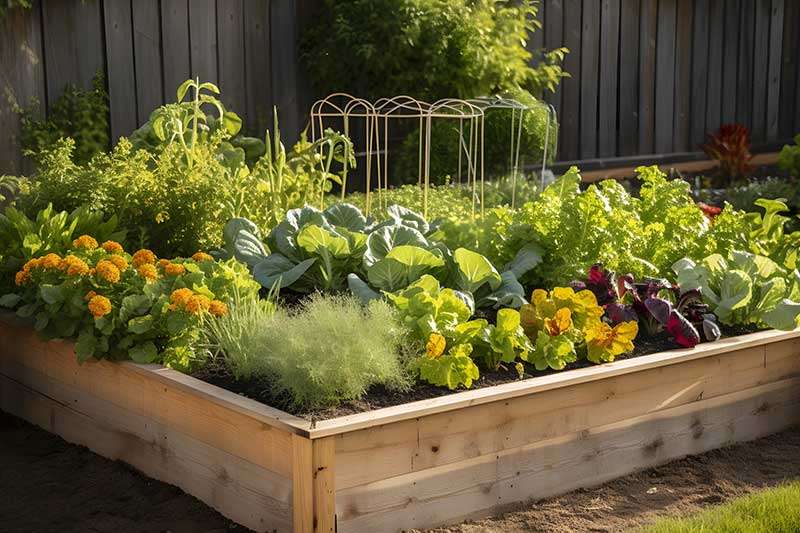
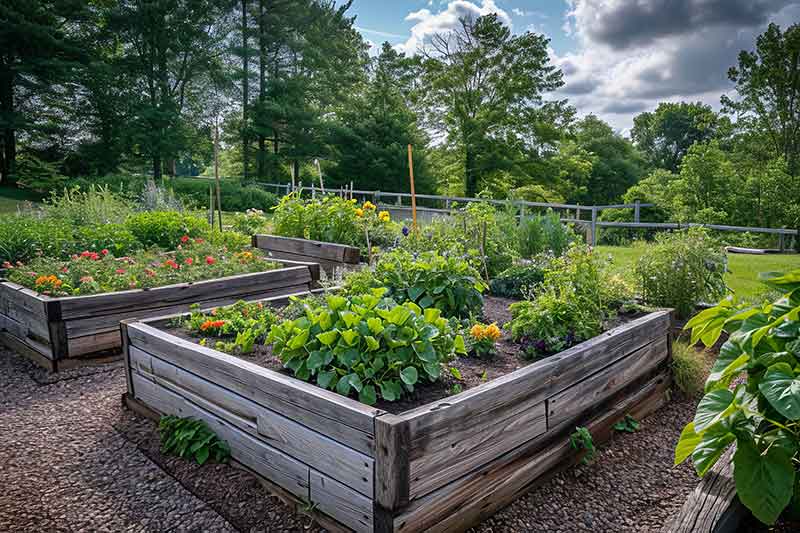
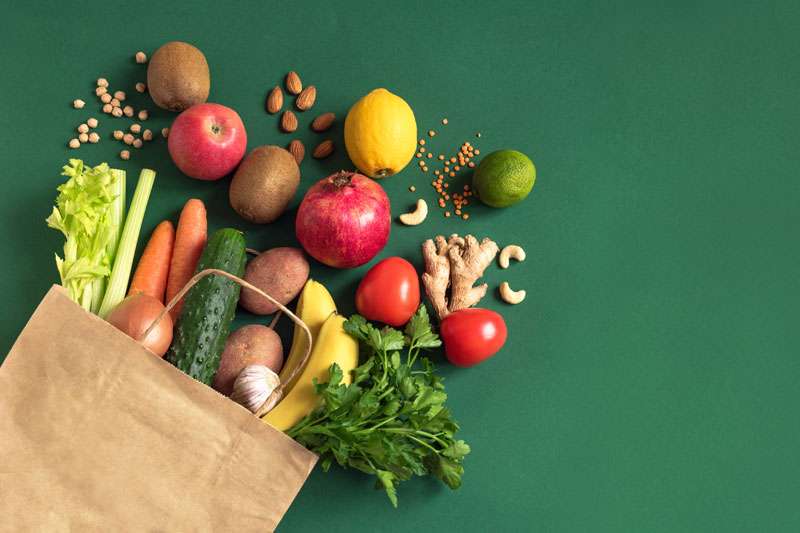
The Gbiota bed is designed with a single purpose: to grow food in biologically rich soil so we can restore our gut biology and improve our health.
Aims and Ambitions
The long-term goal of the Gbiota project is ambitious—to help shift our food system so everyone can access genuinely healthy food. In the shorter term, the aim is more focused: to develop a practical growing system where plants raised in biologically active soil can improve gut biology, reduce cravings, and help people feel healthier and more energetic.
If enough members of the Gbiota Club report better energy, fewer cravings, and improved gut function, the idea will spread naturally. Personal experience is the most powerful educator.
Where the Principles Come From
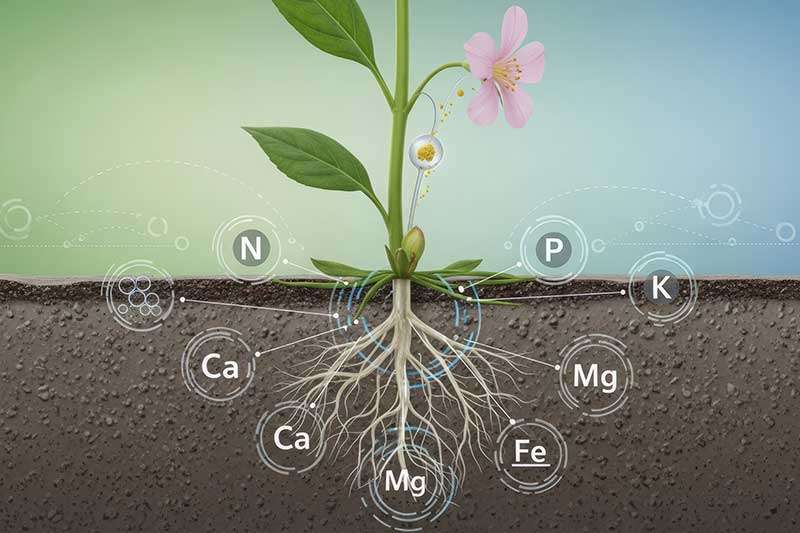
We already know gut biology is central to health and directly affects chronic disease. There is no shortage of scientific research on soil biology or gut biology. Yet surprisingly little explains how biology moves from the rhizosphere—the root zone—into the plants and finally into our guts.
This missing link is exactly what the Gbiota system aims to explore from a practical, top-down perspective: grow food in biologically rich soil, eat it, and observe the impact on gut function and wellbeing.
From Soil to Gut
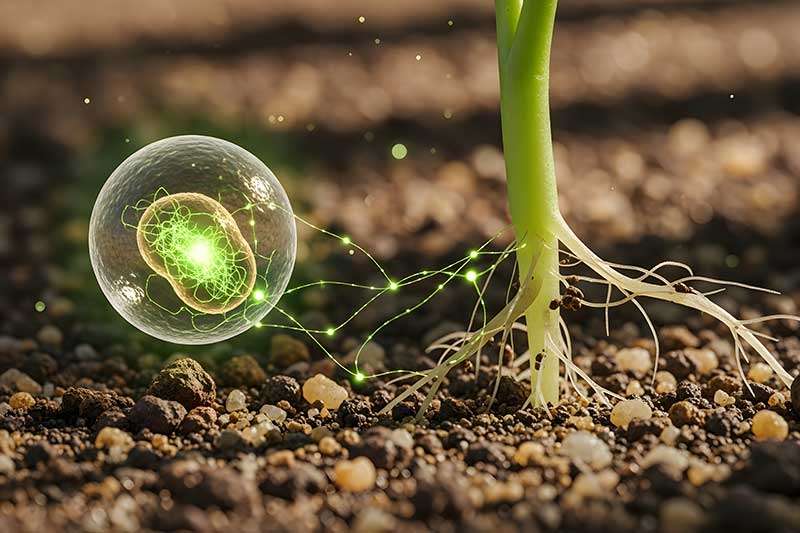
A key question drives the design of a Gbiota bed: how does biology get from the soil into us? Observing traditional fermentation practices in rural cultures offers clues. Even after vigorous washing and salting, vegetables still ferment powerfully—suggesting the biology is inside the plant, not just on the surface.
Evidence indicates that microbes travel with water and solutes from the rhizosphere into the plant itself. Damage caused by insects may also allow microbes or even viruses to enter roots. The full mechanism still needs deep scientific study, but we can work top-down: grow biologically rich food and measure the effects.
The critical issue is not simply nutrients, but feeding the soil microbes—which is the whole point of a Gbiota bed.
Modern gut testing is now accessible, but even without it, most people can feel the changes in gut activity when biology is restored, especially after antibiotics or a period of poor diet.
Learning From Ancient Societies and the Wild
Traditional rural and semi-nomadic societies consistently outperform modern populations in gut health. They didn’t follow wellness trends or take probiotic pills—they simply grew or gathered food in living ecosystems. Their soils remained biologically active, and their diets contained natural diversity.
The goal is not to imitate ancient cultures, but to identify what worked biologically and adapt those principles into a modern growing system. Gbiota beds combine lessons from wild ecology, historic agriculture, and modern understanding of soil biology.
Recycling and the Living Eco-System
Ancient agricultural systems functioned as self-contained ecosystems. Plants were continuously replaced without disturbing the entire bed. Soil life remained intact and undisturbed, allowing the biology to flourish between plantings.
Most importantly, these cultures fed their soil. Composting, animals, and constant recycling kept soils alive and nutrient-rich. The purpose was not just fertilisation—it was sustaining the biological community that plants rely on.
The Problem With Disturbing Soil
Modern gardening habits—turning, tilling, breaking soil into a fine texture—destroy fungal networks and disrupt the microbial life that supports plant health. Gbiota beds aim to preserve the rhizosphere, allowing biology to mature rather than starting from scratch each season.
Balancing the Eco-System
Our guts and farm soils share a similar problem: aggressive chemicals and antibiotics kill beneficial biology, allowing harmful species to dominate. Some argue industrial farming is necessary to feed the world, but even if true, we still need part of our diet to come from balanced ecosystems rich in beneficial biology.
Gbiota beds provide that component—food grown not for maximum yield but for biological richness and health.
Water in Ancient Agriculture
Traditional watering methods often flushed biology down into the root zone. This principle is critical. In Gbiota beds, biologically active water—compost tea—is circulated through the root zone using a simple pump and timer or manually if preferred.
The engineering is straightforward. What matters is creating an active, sustainable rhizosphere where plant roots and soil biology continually interact.
The Rhizosphere: The Heart of a Gbiota Bed
Many agricultural models see nutrients as dissolved chemicals that move into root hairs by osmosis. While this explains some aspects of plant growth, it is only part of the story. In biologically rich soils, energy from plant root exudates feeds fungi and microbes, which in turn feed the plants.
Mycorrhizal fungi act as nutrient miners, using enzymes and enormous pressure to unlock minerals from rocks. Bacteria, fungi, micro-organisms, and the guts of macro-creatures like worms and insects form a complex war zone where beneficial biology suppresses harmful biology through competition.
Nature’s fertiliser factory is the rhizosphere—a balanced eco-system where biology feeds plants, and plants feed biology.
A Gbiota bed is designed to maintain this balance continuously rather than destroying it each growing cycle.
Composting in Nature and in Agriculture
In the wild, dead plants and animals are broken down in stages—first by insects and animals, then by fungi and microbes. Early decomposition can be toxic to living plants, which is why natural systems keep distance between fresh waste and new growth.
Ancient farmers understood this instinctively. They let waste decompose or let animals process it through their guts, converting toxins into usable nutrients.
Summary of Principles
The purpose of a Gbiota bed is to grow food that improves gut biology and promotes health. This is achieved by:
Maintaining a stable, living rhizosphere.
Using permanent planting with sequential replacements rather than full soil disturbance.
Feeding and reinforcing soil biology with compost tea.
Allowing the soil ecosystem to mature rather than resetting it each season.
When we grow food in this way, we restore the biology our guts evolved with. This is not high-tech—it is simply working with natural systems rather than against them.
This newsletter explains the principles and practical use of Mk 11 wicking beds, a system designed to save water, recycle nutrients, and grow healthy vegetables efficiently. It covers water management, soil preparation, plant selection, and common misconceptions about stagnant water and reservoir designs. By understanding wicking bed function and biology, gardeners can produce nutrient-rich food while reducing waste and environmental impact.
Introduction
Wicking beds are a method for growing vegetables efficiently by supplying water directly to plant roots. The Mk 11 wicking bed focuses on saving water and keeping nutrients in the system, rather than losing them through drainage. This newsletter shares insights into wicking bed design, water management, and practical tips for healthy, productive gardens.
Background and Motivation
I started working with sub-surface water systems to provide food during droughts. Traditional irrigation often loses water and nutrients, which harms both crops and the environment. By placing a plastic sheet below the root zone, water stays available to plants. Despite warnings that this would cause stagnation or putrid water, the system worked well and became the foundation for further innovation.
Global Food and Health Context
Although mass starvation has decreased in politically stable countries, metabolic diseases like obesity, diabetes, heart attacks, and strokes are rising globally. This is largely due to diets high in refined sugars, fats, and salt but low in essential nutrients. Wicking beds aim to help people grow nutrient-rich food that supports gut health and proper metabolism.
Wicking Beds: Water and Nutrient Management
Wicking beds save water and prevent nutrient loss. Water moving past roots carries valuable nutrients away, causing river pollution, algae blooms, and reef damage. Around 60% of applied fertilizer can be lost. Additionally, up to 40% of food is wasted between farm and table. Wicking beds help recycle nutrients, reduce waste, and ensure plants get the minerals they need.
Challenges and Innovations
Early designs faced issues like vinegar flies and poor germination in recycled food systems. Testing and refinement led to solutions that maintain healthy microbial activity and plant growth. This newsletter also highlights debates about stones vs. organic layers in reservoirs, showing why simple soil-based systems often outperform complex designs.
Common Misconceptions
Experts once claimed water in wicking beds would become putrid. In reality, moving water beneath roots, taken up by plants, keeps water fresh. Only stagnant water with excess nitrogen can go bad, which is easily avoided by proper design. Deep-rooted plants like tomatoes or parsley can maintain water circulation and prevent stagnation.
How to Build a Wicking Bed
1. Choose a sunlit site with water access.
2. Select a watertight container about 300mm deep.
3. Fill with suitable soil (details in soil-focused guides).
4. Insert a bottom-fill system using a hose or pipe.
5. Prevent complete flooding using a side hole or sight glass to monitor water.
6. Plant directly into soil once roots can access water.
This simple setup provides effective water management without complicated reservoirs or stone layers. It also supports nutrient availability and healthy root growth.
Stones vs. Organic Layers
Some designs use stones and cloth to create a separate reservoir. Problems with this method include:
– Nitrogen migration into the reservoir, making the cloth unnecessary.
– Roots penetrate cloth easily, which is beneficial for water and nutrient access.
Soil-based wicking beds without stone layers generally provide better water distribution and support a living microbial ecosystem.
Soil and Plant Interaction
Healthy soil in wicking beds should support biological activity. Organic matter, compost, and mineral amendments feed microbes and fungi, creating a stable structure. Plants’ roots and exudates attract beneficial organisms, improving nutrient uptake. Rotating crops and adding compost ensures the soil remains fertile and productive over time.
Practical Tips for Success
– Avoid overfilling with water at seeding; roots must develop first.
– Use a mixture of deep-rooted and fibrous-rooted plants to maintain water movement.
– Monitor water level using a simple sight glass.
– Replenish organic matter and nutrients regularly to sustain plant health.
Community and Education
Information about wicking beds has spread widely online. Sharing accurate designs prevents misuse and maintains the system’s efficiency. Community education and practical demonstrations help gardeners understand soil biology, water management, and nutrient recycling, ensuring widespread adoption of effective methods.
Environmental Benefits
By keeping water and nutrients within the system, wicking beds reduce environmental impacts like fertilizer runoff, water pollution, and soil degradation. They also minimize water usage, making them ideal for drought-prone areas. Proper design and plant selection maximize these benefits.
Conclusion
Mk 11 wicking beds provide a simple, effective way to grow nutrient-rich vegetables while conserving water and recycling nutrients. By understanding water movement, soil biology, and plant interactions, gardeners can produce food that supports health and reduces waste. The focus on simplicity, practicality, and biological principles ensures a sustainable approach suitable for home gardens and community projects.
The Gbiota project is about one simple idea: growing food in biologically active soil to improve our gut biology, restore essential nutrients, and help prevent the chronic diseases now dominating global health.
The aim of the Gbiota Club is to share practical knowledge about how to grow food that actually makes us healthier. Anyone can take part—home gardeners who want better vegetables, or commercial growers who want to supply refurbishment food at scale.
The Gbiota system is built around growing in living, biologically rich soil. Healthy soil produces plants rich in minerals, phytonutrients, and the gut biology we desperately lack in modern diets. This approach has been pioneered by Colin Austin, also known for creating the Wicking Bed system.
In a very short period of human history, our patterns of disease have completely shifted. Infectious diseases once dominated. Now chronic diseases—diabetes, heart attacks, strokes, dementia—account for around 88% of deaths. Worse, although people used to live longer and healthier lives, today both lifespan and health span are declining.
Why Are We Becoming Less Healthy?
Modern food is high in energy but low in nutrients. It is engineered to taste good but often stripped of the biology and trace elements that support a diverse gut biome. Our gut biology evolved to help regulate appetite, mood, weight, and metabolism, yet modern diets disrupt those signals.
Our gut biome has evolved a highly sophisticated system to control appetite—it’s virtually impossible to override the hormones coming from our gut.
This means cravings are not a moral failure or a lack of willpower. The gut simply never evolved a mechanism to tell us which specific nutrients we’re missing. It just sends the message to “eat more,” which drives overconsumption of high-energy, low-nutrient foods.
Citizen Research and Citizen Action
The Gbiota project is not just research—it is practical action. Many people question whether citizen science can contribute anything meaningful, but the goal is not to replace professional research. Instead, it is to complement it by looking at the whole system from soil to gut, something highly specialised fields often overlook.
The internet now gives ordinary citizens access to world-class research. By combining that knowledge with hands-on experimentation, we can build a top-down understanding that drives real-world solutions.
We must start with the real problem: chronic diseases have skyrocketed while average age at death and late-life health have declined. Infectious diseases have dropped from 53% of deaths to around 3%, replaced by chronic illness.
The Three Causes of Declining Health
1. Reduction in Nutrients
Modern agriculture produces large quantities of food that is often low in minerals, phytonutrients, and enzymatic activity. Many studies confirm that nutrient density has fallen across vegetables, fruits, and grains.
2. Disruption of the Gut Biome
Modern diets feed the wrong biology. A diverse gut biome supports immunity, mood, metabolism, and appetite control. The success of faecal transplants in reversing obesity shows how powerful gut biology really is.
3. Appetite Signals No Longer Match Modern Food
Our gut biology evolved during periods of scarcity where food was low in energy but high in nutritional diversity. There was never a need to evolve a mechanism to signal which nutrients we were deficient in—just a general signal to “eat.”
Whether we like it or not, we end up overeating high-energy, low-nutrient modern foods because our gut biology can only send one message: eat more.
Food, Not Pills
Commercial probiotics and prebiotics often deliver underwhelming results and are expensive. But eating the right food can change gut biology dramatically—this has been proven in numerous global studies. Traditional diets rich in diverse plants and living soil biology produce healthier gut biomes than modern Western diets.
The number one aim of the Gbiota system is to improve gut biology through food. By growing in biologically active soil, we reintroduce the microbes, minerals, and phytonutrients missing from industrial food.
Supplementary Biological Food
We do not need our entire diet to come from Gbiota beds. Even adding a proportion of biologically active food can shift the gut toward beneficial species that regulate appetite and metabolism. Traditional diets were naturally balanced—low in energy, high in refurbishment. Today the balance is reversed.
Industrial agriculture excels at producing high-energy foods like wheat, rice, corn, and oats—essential for feeding billions of people. But the lack of refurbishment food has created a global metabolic crisis. Obesity, diabetes, and heart disease follow directly from this imbalance. Restoring gut biology is essential because it controls appetite. Mechanical dieting fails; biology succeeds.
Gbiota for Home Gardeners and Commercial Growers
Gbiota beds allow home gardeners to grow highly nutritious food with relative ease. But the system must also support commercial growers who can supply refurbishment food to the wider population. Many growers want to produce healthier food but find it difficult to compete with industrial farming and supermarket pricing.
For Gbiota to make a real difference, growers must be able to differentiate their produce and be rewarded for growing biologically active food. The Gbiota system offers that pathway.
The Three Stages of the Gbiota Project
Stage 1: Develop and Refine the System
A group of gardeners form the Gbiota Club, build their own beds, compare results, refine the methods, and monitor changes in their health and gut biology.
Stage 2: Spread the Word
Members share the benefits with friends and family, encouraging more people to grow biologically active food or purchase it from growers.
Stage 3: Commercial Adoption
Commercial growers adopt the system once demand is established and there is a clear way to brand and differentiate Gbiota-grown produce.
Bottom-Up vs Top-Down Technology
Despite all our technical sophistication, we have ended up with food that shortens our lives and undermines our health. This is because modern science is highly specialised and tends to miss the big picture.
Bottom-up technology looks at individual components—soil biology, gut bacteria, plant nutrients—but rarely integrates them. Top-down technology starts with the real-world outcome we want: healthier people. The Gbiota project is firmly top-down.
There are countless scientific articles on soil biology and even more on gut biology. But almost none explore the pathway from soil to gut to health. That is the Gbiota niche.
A highly recommended resource is a talk by David R. Montgomery exploring how individuals can improve health by changing soil biology: https://www.youtube.com/watch?v=JHy9Cf9IDGA
Why the Gbiota Club Exists
I am not ready to publish the full Gbiota system publicly. The club exists so members can test the system, refine it, and build confidence that it works for real people—not just in theory.
When the group as a whole is confident in the results, the system can be promoted more widely and help the public access genuinely healthy food grown in nutrient-rich living soil.
Anyone can join the club. Members simply agree to keep the technical details confidential during development, and to share their own learning experiences within the group. If you want to join—or if you have not yet received your copy of “Making a Gbiota Bed”—email me at colinaustin@bigpond.com.
Help us fight diabetes and the chronic diseases caused by modern diets. Spread the word, support growers, and share the benefits of food grown in living soil.
Chronic diseases like diabetes and heart attacks are not just medical problems – they are the end result of how we grow, process, and eat our food.
Why Gbiota Is About More Than Gardening
At first glance, Gbiota beds look like something for keen home gardeners – an extension of Wicking Beds, designed to grow vegetables with more minerals, phytonutrients, and biology. That’s true, but it’s only a small part of the picture. My real aim is to help prevent chronic diseases by changing both our food and our relationship with appetite.
For millions of years, humans lived as hunter gatherers, eating wild plants and animals grown in living, mineral-rich soils. Energy food and refurbishing food were in balance. With the invention of agriculture, then industrial agriculture, we changed that balance. We now produce vast quantities of high-energy food but stripped of minerals, phytonutrients, and gut-supporting biology.
There is a fundamental difference between what we should eat and what our bodies want to eat – and what our bodies want always wins.
Modern food is perfect for meeting energy needs, but poor at refurbishing our bodies and especially our gut biology. That mismatch is feeding an epidemic of chronic disease.
From Infection to Chronic Disease
In the past, most people died from infections, accidents, or violence. Infant mortality was horrific. If you survived childhood, you might live to a ripe old age. Modern hygiene, antibiotics, and engineering gave us sewers, clean water, and safe housing – and life expectancy shot up by around thirty years.
Now we are losing ground again. Chronic diseases – heart attacks, strokes, diabetes, dementia – are killing people earlier and causing years of disability. The averages hide a harsh reality: many people are dying younger from chronic disease, while the lucky ones live longer than ever.
Diabetes as a Warning Light
I use diabetes as a proxy for all chronic diseases, because it is easy to measure and tightly linked to food. We can track blood sugar, waist size, and weight. Globally, around half a billion people are diagnosed with diabetes, and many more are undiagnosed, pre-diabetic, or on their way there. The true number at risk is over a billion – more than the population of China or India.
No health system can cope with that scale. You cannot line all those people up for full medical assessment and treatment. Prevention has to be something people can do themselves, using food and daily habits, while medical systems focus on those already in serious trouble.
Prevention Means Changing Food, Not Just Pills
I have great respect for medical research and the search for new drugs, including treatments for insulin resistance. But prevention is better than cure. And prevention, in this case, is about food – not just nutrients on a label, but how that food is grown and how it trains our gut and brain to regulate appetite.
If one very wealthy person came to me asking how to keep his family healthy, the answer would be simple: buy land with good volcanic soil and clean water, grow a wide variety of fruits and vegetables using organic methods, avoid toxic chemicals, eat wild or free-ranging animals and fresh fish, and stay active. That’s a modern version of the hunter-gatherer diet – reliable, diverse, and nutrient-rich.
The problem is scale. For every one hunter gatherer, we now have roughly 10,000 modern humans who want food, transport, phones, and Sunday barbecues. We can’t all live like hunter gatherers. But we can learn from how they ate and what their food did to their guts.
Fuel Food vs Refurbishing Food
We like to classify food as fats, carbohydrates, and proteins. That’s useful for chemists, but not terribly helpful for understanding health. I find it more helpful to think of food in two groups:
Fuel food – simple, fast energy, mainly from carbohydrates and sugars.
Refurbishing food – everything the body needs to repair and rebuild: minerals, phytonutrients, vitamins, proteins, fats, and the biology that supports our gut.
Modern agriculture is very good at producing fuel food – cheap, abundant, and tasty. It is much worse at supplying refurbishing food. Our bodies are not stupid; they can sense when something is missing, but the “instrumentation” is faulty. When one key ingredient is low – say a mineral or specific nutrient – the body doesn’t tell us “eat more onions” or “go and get something fermented.” It simply says “eat.”
Our bodies are intelligent – they know something is missing, but instead of sending a precise message, they just send hunger.
So we keep eating more fuel food when what we really need is refurbishing food. That floods the body with energy, drives insulin up, and eventually pushes us towards insulin resistance and diabetes.
The Faulty Fuel Gauge
Our appetite is controlled by hormones like leptin, ghrelin, and insulin. In theory, this is our internal fuel gauge. In practice, it’s faulty. We get hunger signals when fuel is low, but also when just one refurbishing component is missing. The system worked reasonably well when traditional diets were low in simple carbohydrates and high in refurbishing foods. It fails badly in a modern food environment where fuel is everywhere and refurbishing food is scarce.
This is the root of the diabetic epidemic. Our biological control system hasn’t caught up with industrial food. Our brains and gut still behave as if we live in a world of scarcity, not one of supermarket aisles and 24-hour snacks.
Intermittent Fasting and Listening to the Body
I’ve experimented with intermittent fasting. At first, it was awful. Hunger felt like a crisis. But after a while, the body adapted. A wave of hunger would come, then fade, and I began to recognise the difference between simple “fuel hunger” and specific cravings.
I don’t treat fasting as a rigid mechanical schedule. I try to use my internal fuel gauge – to eat when I’m truly hungry and stop when I’m genuinely full. I’ve learned, through trial and error, that I can lose weight and trim my waist far more reliably this way than by simply “eating less.”
But there’s a catch: for the fuel gauge to work, refurbishing food must be available. If the body is constantly missing essential elements, it keeps sending hunger signals even when the fuel tank is full. That’s where Gbiota beds come in.
Training the Gut – My “Pet Doggy”
I think of my gut biology as a pet dog that needs training. If I feed it cheese cake and fast carbs, it will demand more of the same. If I learn which foods make me feel satisfied and help curb appetite – bitter fermented cabbage, dark chocolate – I can use them to “train the dog.”
This isn’t mysticism; it’s self-experimentation. Eat certain foods and observe: do you feel hungry and want to eat more, or do you feel satisfied and ready to stop? Over time, you can train your subconscious system to favour foods that keep you healthy instead of foods that drive overeating.
Changing the Food System – Not Just the Individual
None of this works on a large scale unless we change how food is produced. Conventional agriculture can keep producing fuel food – it’s very good at that. What we need alongside it is a new type of agriculture focused on refurbishing foods: diverse plants grown in biologically active soil, rich in minerals and microbes.
That’s the aim of the Gbiota system: a practical, scaleable way to grow regenerative, gut-supporting food at an economic price. Home gardeners can use Gbiota beds in their backyards, balconies, or small plots. Commercial growers can adopt larger systems, provided they can differentiate their produce and earn a fair return.
Why Gbiota Needs a Movement, Not Just a Method
I’ve seen what happens when a useful idea spreads without structure. When Wicking Beds went viral, the concept was copied, altered, and in some cases made unnecessarily complex. The core idea was diluted. Commercial growers were turned off by misinformation and overengineering.
Gbiota needs a different path. We need a community – the Gbiota Club – where people test the system, share results, improve the technology, and become advocates if it works for them. My role is to explain the principles and document the methods, but real change happens when many people adopt the system and tell others.
Top-Down Innovation: Making It Useful First
There are two broad ways technology develops. The bottom-up path starts with deep science and gradually builds applications – transistors, thermodynamics, fundamental research. The top-down path starts with a pressing problem and cobbles together a practical solution – the steam engine pumping out mines, early Wicking Beds in dry landscapes, and now, potentially, Gbiota beds for chronic disease prevention.
Top-down systems are messy and imperfect at first. They get refined over time as people use them, test them, challenge them, and improve them. My goal with the Gbiota system is not to present a perfect, final answer, but to offer a practical starting point that people can try for themselves.
Why I Care
My interest is not academic. My wife came from China, started eating Western-style food, and developed diabetes. Her eyesight deteriorated, she fell, broke bones in her foot, and we were looking at the possibility of amputation. Together we worked hard – on food, biology, and lifestyle – and she kept both her sight and her feet.
That experience sent me down the rabbit hole of diabetes, diet, and gut biology. The conventional view says diabetes is a non-reversible chronic disease that must simply be managed. A minority of doctors and researchers disagree, arguing that we are overloading on fast carbs and underfeeding the rest of the system. My own conclusion is simple: we need more refurbishing food grown in biologically active soil.
If I can help prevent even a fraction of the billion people heading towards diabetes by sharing what I’ve learned, that’s reward enough.
The Role of the Gbiota Club
I cannot change the global food system alone, and I’m honest enough to admit I’m a DOF – a Doddery Old Fool – in internet terms. But I’ve watched paradigm shifts happen twice before: once with plastic flow simulation, once with Wicking Beds. In both cases, change came when other people tried the ideas, found they worked, and spread them.
The Gbiota Club exists for the same reason. It’s for gardeners, growers, and citizens who want to:
Grow regenerative, biologically active food.
Improve their own gut health and track changes in weight, energy, and metabolic markers.
Share results and refinements with others.
Become advocates if the system works for them.
We need people with skills in soil, plants, microbiology, health, logistics, and communication. But above all, we need people who are prepared to try, observe, and be honest about what happens.
If that sounds like you, I invite you to join the Gbiota Club. Email me at colinaustin@bigpond.com and say you’re interested.
To read the full document, you can download the complete PDF below.
Wicking beds Mk 11 provide a practical, low-cost solution for growing nutrient-rich vegetables at home. By carefully separating air and water layers, supporting healthy roots, and adding essential minerals, these beds enable small-scale urban gardening that improves diet quality, supports soil biology, and encourages sustainable food production.
Introduction
Wicking beds have become a popular method for home gardening because they use water efficiently and produce nutrient-dense vegetables. The Mk 11 version is the latest design, created to be affordable, simple, and highly effective. By carefully managing soil structure, water movement, and biological activity, Mk 11 beds give plants the best possible environment for growth. They also help gardeners grow food with better nutritional quality compared to standard supermarket vegetables.
The Modern Food Challenge
Many people today consume diets high in sugar, salt, and refined fats but low in essential vitamins and minerals. These dietary patterns contribute to widespread health problems, including obesity, Type 2 diabetes, and heart disease. The quality of soil, water, and plants directly affects human nutrition. Growing your own vegetables using Mk 11 beds allows families to access fresh, mineral-rich produce and reduces reliance on processed foods, improving health outcomes over time.
Why Grow Your Own Food
Commercially grown vegetables often lack important minerals because modern farming soils are depleted. Mk 11 wicking beds empower households to grow their own high-quality produce, even in small spaces such as balconies or urban yards. The system is low-cost, uses easily sourced containers and organic materials, and focuses on efficiency and nutrient availability. By growing food at home, gardeners can ensure that their vegetables are both fresh and rich in the nutrients that support gut health and hormonal balance.
Understanding Root Systems
Healthy roots are essential for plant growth. Fibrous roots spread widely near the surface, absorbing oxygen, water, and nutrients. Taproots penetrate deeper, accessing water and minerals that are unavailable near the surface. Mk 11 beds support both root types. This separation ensures that fibrous roots have aerated soil while taproots reach the moist, nutrient-rich lower layer. Strong root systems improve plant resilience, nutrient uptake, and overall vegetable quality.
Physical Design of Mk 11
Mk 11 beds separate soil into two layers. The top layer is airy and supports seedlings and fibrous roots. The bottom layer is moist, nutrient-rich, and feeds deeper roots and soil microbes. This layered design maximizes water efficiency and prevents nutrient loss. Containers can be inexpensive and readily available, making Mk 11 accessible to gardeners with limited budgets. Maintaining independent top and bottom layers allows gardeners to control soil conditions precisely, improving overall plant health.
Soil Health
Healthy soil is the foundation for nutritious vegetables. Urban gardeners have the advantage of controlling soil quality directly. By adding compost, organic matter, and mineral amendments, the soil becomes biologically active. This encourages microbial and fungal activity, which enhances nutrient availability and supports root development. Maintaining soil biology ensures a sustainable environment that continues producing nutrient-rich vegetables over time.
Essential Minerals
Minerals such as selenium, iodine, zinc, iron, and chromium are vital for human health. Modern agricultural soils are often depleted in these trace elements. Mk 11 beds allow gardeners to supplement soil with essential minerals, ensuring that vegetables grown at home are nutrient-dense. Calcium and magnesium are particularly important for fungal activity and soil structure. With proper mineral supplementation, vegetables produced in Mk 11 beds provide higher nutritional quality than store-bought alternatives.
Addressing Nutrient Deficiencies
Plants cannot make minerals; they depend on the soil. Without adequate trace elements, even healthy-looking vegetables may be nutritionally deficient. Adding broad-spectrum mineral amendments, volcanic rock dust, or trace element mixes ensures that plants receive the nutrients they need. These minerals then become available to humans when the vegetables are consumed. Regular replenishment maintains soil fertility and helps prevent dietary deficiencies common in modern societies.
Water and Air Management
Mk 11 beds create a moisture gradient. The top layer remains slightly dry, allowing oxygen to reach fibrous roots. The bottom layer remains moist, feeding deeper roots and soil microbes. This mimics natural soil conditions, where air and water are balanced to support both biological activity and root function. Proper water management reduces evaporation, prevents waterlogging, and improves overall plant growth.
Soil Biology
Soil organisms such as fungi, bacteria, worms, and microfauna play a critical role in plant health. They break down organic matter, release minerals, and create stable soil structure. Introducing vermicast or compost seeds beneficial microbes in Mk 11 beds. A biologically active soil ensures that trace minerals become available to roots, improves water retention, and supports nutrient cycling, resulting in healthier, nutrient-dense vegetables.
Building Mk 11 Beds
Steps to construct Mk 11 wicking beds:
Choose a sunny site with easy access to water.
Use two containers to separate the air and water layers.
Prepare the topsoil layer to be light and airy.
Prepare the bottom layer with moist, nutrient-rich soil.
Add compost, organic matter, and essential mineral amendments.
Plant vegetables, combining fibrous-rooted and deep-rooted species for optimal nutrient use.
Monitor moisture levels and top up organic matter and minerals regularly.
Plant Selection
Diversity is key. Include legumes to fix nitrogen, deep-rooted vegetables to bring up subsoil minerals, and accumulator plants to extract remaining nutrients. Herbs and companion plants can deter pests naturally. By maintaining a diverse ecosystem, gardeners promote soil biology, reduce disease risk, and improve overall plant health.
Maintenance and Harvesting
Harvesting removes nutrients, so regular replenishment is essential. Compost, green manure, and mineral top-dressings maintain fertility. Rotating planting areas and allowing soil rest helps rebuild biological activity. Well-maintained Mk 11 beds provide consistent, nutrient-rich produce with minimal external inputs, supporting sustainable urban gardening practices.
Advantages for Urban Gardening
Mk 11 beds are low-cost, water-efficient, and suitable for small spaces. They improve vegetable nutrient density, reduce reliance on processed foods, and enable communities to grow fresh, healthy produce. The design is scalable, adaptable, and encourages environmentally responsible gardening while promoting local food resilience.
Conclusion — Healthy Soil, Healthy Food
The Mk 11 wicking bed system combines practical design, soil biology, and mineral supplementation to support urban and household gardening. It addresses nutrient deficiencies, promotes sustainability, and provides a low-cost solution for growing nutrient-rich vegetables. By implementing Mk 11 beds, families and communities can produce healthier food locally, contributing to improved health outcomes and resilient urban food systems.
Why changing how we grow food may be the key to changing our gut biology — and our health.
This is an invitation to join the Gbiota Club. Why form a club at all? Because if we want to improve our health by improving our gut biology, we need a practical system — a top-down way of growing food in biologically active soil and seeing what actually works in the real world.
Why Gut Biology Matters
We’ve known for a long time that gut biology helps us digest food, but modern research shows it is far more than a fermentation tank. Our gut is an intelligent control centre made of trillions of cells communicating like a biological computer. It supports immunity, produces vitamins, regulates appetite, controls weight, influences mood, and affects chronic diseases such as diabetes, heart disease, strokes, and depression.
We don’t simply “get fat because we eat too much.” Our gut sends hormonal signals — leptin, ghrelin, insulin — telling our body whether to store fat, burn fat, or keep eating. Why different people store fat differently remains one of the gut brain’s mysteries. But one thing is clear: if we want long-term health, we must manage our gut biology, not just our calories.
Why Science Isn’t There Yet
Modern medicine can give me a titanium knee that works beautifully, but when it comes to gut biology, we are still scratching the surface. We can identify thousands of microbial species, but we still don’t fully understand how they work together as a computer system controlling our health.
Thousands of scientists are working on it, but real breakthroughs may take decades — and I don’t have decades to wait. Like many older people, I am less philosophical and more impatient. So I turned to self-experimentation.
Self-Experimentation: What Happened
I read everything I could about gut biology, then bought commercial probiotics. What changed? Absolutely nothing. Bottle after bottle. No noticeable improvement in health or energy.
But when I switched to a diet of plants grown in biologically active soil — what I call a “wild ecosystem diet” — something finally happened. My gut behaved like an internal brewery. Noisy, active, alive. Fermented foods and garden-fresh plants triggered dramatic changes that I could feel, not just theorise.
Subjectively I felt better. Objectively, well, my pulse still increased when a pretty girl walked by, which was at least scientific confirmation that I was alive.
Why Modern Food Isn’t Enough
The explosion of chronic disease is recent. Something has changed. Yes, processed foods, sugars, refined carbs, and inactivity are part of the problem — but so is the way we grow our food. Our soils have been stripped of minerals, phytonutrients, and biology. Produce is cleaner, stored longer, and biologically emptier. Tribes living traditional lifestyles don’t suffer these chronic diseases. They eat wild food harvested from functioning ecosystems and have far richer gut biology than we do.
The conclusion is simple: we can improve our gut biology by changing our diet, but only if that diet contains both probiotics (the bugs) and prebiotics (the food the bugs eat). The best source is food grown in biologically rich soil — not sterile mass-produced supermarket vegetables.
Gbiota Beds: Phase 1
The first step is gathering people willing to grow biologically active food — Gbiota beds — and actually eat it to see what happens. This is citizen research. Not double-blind statistical trials, but practical case histories. If enough people notice improved health, we’ll know we’re onto something valuable.
Some eating habits may need to change: less sugar, fewer high-glycaemic carbs, maybe some intermittent fasting. And yes, red wine and chocolate remain exempt — life needs pleasure.
We can measure outcomes simply: energy levels, waist circumference, weight, blood sugar readings for diabetics. Enough real-world data can show whether this approach works.
Gbiota Beds: Phase 2
I made a mistake with Wicking Beds: I released everything freely, they went viral, but the technology was altered, misinterpreted, and complicated unnecessarily. Commercial growers lost interest because the system seemed too complex and expensive.
If Gbiota beds can genuinely help fight chronic diseases — especially diabetes — we must protect the system from corruption. That means protecting the name “Gbiota” and licensing the technology so growers can produce genuine Gbiota food and earn a fair return.
Commercial growers need a brand the public recognises for its health benefits. They also need confidence that the technology is robust, scaleable, and scientifically grounded.
The Gbiota Manual
The system will be documented in the confidential Gbiota Manual — a living document available to club members. Every member agrees not to share it publicly, helping preserve the integrity of the technology.
Members can contribute their own findings, and I will incorporate them into the manual. No one person can know everything about soil, water, microbiology, hydraulics, horticulture, and the vast array of plants with potential health benefits. But together, a group can.
Membership
There are two membership types:
Home growers — $20 per year, for private non-commercial use.
Commercial growers — $100 per year, licensed to sell food under the Gbiota name.
Citizen Research: Why Top-Down Matters
Scientific progress often starts with practical discovery, not theory. Agriculture came before genetics. Steam engines came before thermodynamics. Computing evolved from codebreaking before it became the science we know today.
Top-down technology shows a method is useful. Bottom-up science later explains why. We don’t need perfect scientific understanding before taking action. We only need evidence that something works well enough to pursue it — and refine it.
If improving gut biology can reduce chronic disease, we cannot wait decades for perfect science. We must learn pragmatically, like the Hadza, Pima, and Yanomami, whose gut biology adapts seasonally and thrives without laboratories.
Why Form a Club?
Because the stakes are enormous. Diabetes alone affects over a billion people. If Gbiota beds or “wild food” diets can help restore gut biology, the benefits are global. But the only way to know for sure is collective experimentation.
And on a personal note — forming this club is a way to pass on what I know before I reach my “final Wicking Bed grave,” where the worms may appreciate me more than the living world does.
If you feel the same urgency — the same “grandfather’s disease” of wanting your grandchildren to live healthy lives — then consider joining the Gbiota Club.
Sponge beds are a low-cost method for building biologically active, mineral-rich soil from poor parent material. They use recycled organic waste, staged composting, targeted mineral additions (especially calcium and trace elements), and plant selection to create porous, water-retaining soils that support mycorrhizae and diverse soil life. Sponge beds are designed to produce nutrient-dense food for community and household use while managing risk through simple hygiene and composting protocols.
Part 1 — Why sponge beds
Sponge beds are intended to convert inert or degraded earth (heavy clay, bare sand, or exhausted topsoil) into living soil capable of producing nutritious food. The method emphasises biology: fostering microbes, fungi and invertebrates that break down organic matter, mobilise minerals and create a stable pore network. Because most modern diets lack key trace elements and phytonutrients, generating soil that makes these elements plant-available is a priority. Sponge beds are cheap, require mostly recycled inputs, and are accessible to inexperienced growers.
Part 2 — The health context
Worldwide, metabolic disease (the “metabolic syndrome”) is rising: obesity, Type 2 diabetes, heart disease and strokes are all linked to diets high in refined carbohydrates, fats and salt but low in micronutrients. Sponge beds aim to help remediate this by enabling people to grow vegetables rich in minerals, vitamins and phytonutrients — components that influence gut biology and hormonal regulation of appetite and metabolism. The approach is preventative and community-friendly.
Part 3 — Key principles
Biology first: create conditions for fungi, bacteria, worms and microfauna to thrive; they mobilise nutrients and build soil structure.
Minerals where needed: add missing minerals (calcium, magnesium, trace elements) because biology cannot manufacture elements from nothing.
Porosity and hydrophilicity: make soils with high void content (pores) and surfaces that attract water so the whole soil volume is usable by roots.
Recycling and low cost: use local organic wastes (weeds, kitchen scraps, pond plants) to supply bulk nutrients and organic matter.
Simple safety: stage composting and use plant filtration to reduce pathogen risk when using labile materials.
Part 4 — Minerals and nutrition
Modern agricultural soils are often depleted in trace elements vital for human health: selenium, iodine, zinc, iron, chromium and others. Plants need some elements in trace amounts, but humans may require much larger quantities. If soils lack these elements, plants cannot supply them and the downstream diet remains deficient. Practical sponge-bed practice therefore includes adding a broad-spectrum mineral amendment (volcanic rock dust, trace element mixes) and ensuring abundant calcium (gypsum or dolomite) to support fungi and improve soil physical behaviour.
Part 5 — Soil physics and structure
Healthy sponge-bed soil has a network of pores (voids) that provide water-holding capacity and air exchange. Good structure allows roots to penetrate, microbes to move, and water to wick effectively. Rather than relying on stone reservoirs, a well-prepared soil matrix can both store and release water through capillary action, making the entire soil volume productive. Avoid hydrophobic layers or compacted zones that prevent water penetration.
Part 6 — The biological engine
Plants secrete root exudates that recruit beneficial fungi and bacteria. Mycorrhizal fungi extend the plant’s nutrient reach and participate in a subterranean signalling network. Worms and soil fauna create channels and aggregate particles. The sponge-bed method aims to seed and feed this community by using vermicast, two-stage composting and inoculation where appropriate. A living soil will solubilise mineral dusts and incorporate trace elements into plant tissues.
Part 7 — Practical construction
Basic sponge-bed construction steps (simplified):
Choose a site with reasonable sun and access to water.
Prepare a shallow basin or raised bed; line if necessary to retain moisture.
Create a layered fill using recycled organic matter (weeds, pond plants, kitchen scraps) mixed with coarse material for structure.
Use a two-stage composting sequence: initial decomposition to reduce pathogens, then a secondary stage where leafy filters and vermicast are used to stabilise and inoculate the mass.
Add mineral amendments (calcium source plus a trace element blend) and mix thoroughly.
Finish with a biologically active topsoil layer and plant with a mix that includes deep-rooted species, fibrous-rooted herbs, legumes and protective ‘defender’ plants.
These steps emphasise feeding biology and creating structure rather than sterilising or over-sanitising the medium. Regular monitoring and top-up of organic matter maintain fertility over time.
Part 8 — Plant selection and ecosystem design
Design the bed as a small ecosystem: include legumes to fix nitrogen, deep-rooting plants to bring up subsoil minerals, fast-growing ‘accumulator’ species (many common weeds) to mine residual nutrients, and herbs or flowers that deter pests. A mixture of functional plants sustains the soil biology and offers protection against pests and nematodes. Maintain diversity rather than monoculture.
Part 9 — Hygiene and safety
Using labile materials (humanure, food waste, pond weeds) requires risk management. Two-stage composting and using intermediate leaf/plant filters reduces pathogen danger. Avoid spreading immature compost directly on food crops; instead, allow secondary processing and vermicast to condition materials. Simple, pragmatic precautions keep the system safe while preserving beneficial biological complexity.
Part 10 — Maintenance and harvesting
Sponge beds are not once-and-for-all: harvesting removes nutrients and organic matter, so regular replenishment is needed. Add compost, green manures and targeted mineral top-dressings. Rotate planting pockets and allow rest periods to rebuild biology. When maintained, sponge beds provide an efficient, low-input source of nutrient-dense vegetables.
Conclusion — Practical, local food resilience
Sponge beds translate ecological soil-building into a simple, low-cost method that communities and households can use to regenerate soil and produce healthier food. Their strength lies in recycling organic wastes, building biological activity, and ensuring mineral availability through modest amendments. When combined with sensible hygiene and diverse planting, sponge beds offer a practical route toward improved local nutrition and resilience.
If you would like further technical guidance or to discuss community projects, contact: colinaustin@bigpond.com.
Why our modern diet is failing us—and how real health begins in the soil.
A Personal Story: Why Diet Matters
When Xiulan first came to Australia, she was fit, slim, and healthy. Three years later she was diagnosed with diabetes. What followed was a mess of conflicting dietary advice, hunger swings, failing eyesight, and eventually a fall that shattered the bones in her foot. After surgery, her foot began turning black. Amputation was on the table.
It was obvious to me the problem was food. Not how much she ate, but what the modern food system had done to the quality of that food. So I started reading. Not just diet books—everything from soil biology and thermodynamics to the politics of the global food industry. It became clear our health crisis starts long before food reaches our plate. It starts in the soil.
Overfed yet undernourished—that’s the real story of modern food.
Two Types of Food: Energy & Regeneration
Our bodies need food for two very different reasons: 1. To supply energy, and 2. To regenerate our tissues, hormones, and cells.
Energy food is simple. Plants turn sunlight into carbohydrates. There’s plenty of it, and modern farming produces more than enough. Often too much.
But regeneration food is different. It comes from plants grown in nutrient-rich soil, containing minerals, trace elements, vitamins, and phytonutrients—those complex plant chemicals that our bodies use to rebuild themselves. Modern farming has stripped much of this away. Chemical fertilisers grow big plants, not necessarily nutritious ones.
This leaves us in a strange position: full stomachs, empty nutrition.
Why Modern Diets Don’t Work
When Xiulan went to the diabetes clinic, she received the standardised “sausage-factory” diet plan—low fat, high carbohydrate, no allowance for culture, taste, or individual physiology.
She was constantly hungry. The diet relied heavily on carbohydrates, which caused sugar spikes, wild mood swings, and eventually binge eating. The more she followed the advice, the worse she became.
We don’t fail diets—diets fail to understand how our bodies actually work.
Different people react differently to food. Hormones, gut microbes, past trauma, personal history—all shape appetite and metabolism. A single “perfect diet” for everyone simply doesn’t exist.
The Real Issue: Soil, Nutrients, and Health
After months of research, one truth became unavoidable: You can’t fix diet without fixing the nutrients in the food, and you can’t fix the food without fixing the soil.
Healthy soil contains a broad spectrum of minerals and trace elements—selenium, magnesium, chromium, zinc, iodine, and more. These are absorbed by plants and turned into phytonutrients that our bodies depend on for repair and hormonal balance.
But industrial farming doesn’t care about human nutrition—only yield. So those minerals are long gone. Modern vegetables often look perfect but lack the complex chemistry that keeps us healthy.
Why We Need Regeneration Food
Our cells are constantly being replaced. Bones, organs, hormones, immune cells—everything depends on the raw materials plants provide. Without those minerals and phytonutrients:
Blood sugar regulation collapses.
Appetite becomes distorted.
Fat storage increases.
Inflammation rises.
Chronic diseases follow.
This isn’t theory. I saw it firsthand watching Xiulan’s health unravel and then recover.
So What’s the Solution?
The answer isn’t another restrictive diet. It’s not counting calories or avoiding pleasure. It’s much simpler:
Eat plants grown in mineral-rich, biologically active soil.
That means either growing some of your own food or buying from growers who understand soil biology—not just NPK fertiliser, but the full mineral profile and the microbial life that unlocks it.
If it isn’t in the soil, it won’t be in the plant—and it definitely won’t be in you.
A Healthier Food System Starts at Home
Not everyone can grow everything, but everyone can grow something. Even a few pots of herbs or greens grown in nutrient-rich soil can supply missing minerals and phytonutrients.
This isn’t about becoming self-sufficient—it’s about becoming soil-sufficient.
Later chapters explore:
How soil minerals shape human health.
Why gut microbes control appetite.
How to grow nutrient-dense plants at home.
How communities can create a regenerative food supply.
To read the full document, you can download the complete PDF below.
This newsletter explains why healthy soil is fundamental to healthy food and healthy people. It shows how modern processed food is full of sugar, fat and salt but often lacks the minerals that our bodies — especially our bones, organs and DNA — need. The article describes how soil enriched with minerals and living biology can help grow nutritious vegetables. It also introduces how WickiMix soil layers turn waste and compost into rich growing soil that supports plant growth, nutrients, and human health.
Health Starts in the Soil
Most discussions about diet and health focus on what we eat — carbohydrates, fats, sugars — but it all begins in the soil. If the soil that grows our food lacks important minerals, the vegetables and fruits won’t have them either. Over time, eating food grown in depleted soils can contribute to serious health problems — like obesity, diabetes, heart disease, even damage to DNA. This newsletter looks at the soil first: how to make it healthy so the food it produces nourishes us properly.
The Modern Food System and Its Problems
Walk through a supermarket and you’ll notice many people carrying excess body fat. Thirty years ago, before processed food became widespread, most people were leaner. This change didn’t happen because our genes changed — it happened because the food changed.
Today’s cheap, processed food is packed with sugar, fat and salt. These make the food taste good and trigger cravings, making us eat more than we need. The result is overeating, nutrient‑poor food, and health issues. Even if food tastes good, if it lacks essential minerals, our bodies still suffer.
Why Minerals and Trace Elements Matter
Plants need some basic minerals (like nitrogen, phosphorus and potassium) to grow. But humans need additional minerals — such as zinc, iron, selenium, iodine, chromium — often in greater quantities than plants do. These “trace elements” help build healthy bones, organs, blood, support our DNA, and protect us from disease.
Modern intensive farming tends to strip these minerals from soil over time. Chemical fertilisers may help plants grow, but they don’t necessarily replace all important minerals. That means even healthy-looking vegetables can be lacking in nutrients that are critical for human health.
The Missing Link: Soil Biology + Mineral Recycling
Good soil isn’t just mineral-rich: it’s alive. Soil contains bacteria, fungi, worms, roots and many other tiny organisms that break down minerals, organic waste and help make nutrients available to plants. Without this living community, many minerals stay locked in soil and never reach the plants — and thus, never reach us.
Plants themselves help feed soil biology. Their roots release sugars and other compounds into the soil, which feed microbes. Over time, soil becomes more fertile, better structured, and more capable of supplying minerals to plants steadily.
Roots — How Plants Get Water and Nutrients
Plant roots come in two main types: fibrous surface roots and deep tap‑roots. Fibrous roots spread out near the surface and need air to survive. Deep tap‑roots dive deep into the ground to access water and minerals. When both types grow together, they help build healthy, mineral‑rich soil and strong plants.
If soil is compacted or lacks oxygen, surface roots struggle. But if soil has good structure — filled with air pockets, water, and living biology — roots thrive. That’s when plants can uptake water, minerals, and grow well.
WickiMix — A Soil System to Bring Life Back to Soil
Because of all these needs — minerals, water, biology, structure — I developed a soil‑building method called WickiMix. It uses two layers to give the best chance for healthy plants:
Top layer (WickiMix‑M): Soil mixed with minerals and additives to make it water‑loving (hydrophilic) and good for seed growth. This layer helps seeds germinate and ensures roots have access to water and nutrients.
Lower layer (WickiMix‑R): Compost, root‑mass and waste‑derived material rich in living biology to break down minerals, recycle nutrients, and support a healthy soil ecosystem.
Example: A Simple Wicking‑Bed Setup
One easy way to use WickiMix is with a container or tote box. Here is a basic setup:
Fill the bottom with organic waste or compostable material (food scraps or weeds).
Cover with WickiMix‑R to provide biological soil layer.
On top, add a seed tray or mesh tray and fill with WickiMix‑M, making sure the soil connects through the mesh so roots can reach the lower layer.
Plant seeds or seedlings and water gently to allow wicking (water moving up from the base into the soil).
This setup works well even in small apartments or balcony gardens. It recycles organic waste, builds living soil, and gives you better nutrients from your plants.
Why WickiMix Helps City and Small‑Space Gardeners
Not everyone has a big backyard. Many people live in apartments or small houses, but they still want fresh, healthy food. WickiMix allows urban gardeners to grow nutritious vegetables in small containers, waste less water, recycle kitchen scraps and enjoy the benefits of living soil without needing farmland.
A Real‑World Example — Soil Rich in Selenium and Longevity
In a remote mountain valley in China, people often live into their 90s and even beyond 100. Medical researchers found their longevity may be linked to the high levels of selenium and other trace minerals in local soil and water. Such minerals are vital for DNA repair, immune function and overall health.
When younger generations moved to cities and ate processed food grown on depleted soils, many lost those health benefits. This story shows why having a mineral‑rich, biologically active soil can make a real difference over a lifetime.
WickiMix as a Strategy Against Poor Nutrition
WickiMix isn’t just about gardening — it’s a way to fight the nutritional deficiencies caused by modern food systems. By rebuilding soil and growing food with living soil, we can restore lost minerals and provide real nutrition for ourselves and our families.
How to Make WickiMix — A Simple Soil Recipe
Making WickiMix is possible even on an eco‑village, rural land, or urban backyard. The basic idea is to combine organic waste, compost, and mineral-rich soil, encourage living biology, and structure the soil so roots, water and air can interact. Over time, the soil becomes fertile, water‑retentive, and biologically active, producing healthy plants without chemical fertilisers.
Why This Matters — Soil, Food, and Health Are Connected
The soil that grows our food directly affects what ends up on our plates — and inside our bodies. Poor soil means poor nutrients. Living, mineral‑rich soil means better nutrition, stronger bodies, healthier digestion, and long-term wellbeing. By paying attention to how our food is grown — starting in the soil — we have a chance to change the way we eat for the better.
Call to Action
If you care about your health and the health of your community, start by caring for your soil. Even a small container garden can make a difference. Grow vegetables, recycle food waste, build living soil, share what you learn. Together, we can help make real food more common, not rare.
This article explains why soil biology is the foundation of healthy, fertile soil — not just chemistry or texture. Living soil, alive with microbes, fungi, roots and organic matter, unlocks minerals, retains water, forms proper structure, and supports plants that nourish us. By understanding how soil biology works and how it interacts with soil chemistry and physics, gardeners can build living soils that grow truly nutritious food and sustain ecosystems over time.
Why Soil Biology Matters
Soil is not just dirt. A truly fertile soil combines three interrelated components: chemistry (minerals and nutrients), physics (structure, particle size, water retention), and biology (microbes, fungi, roots, organic matter). Among these, biology is often the most overlooked — yet it is the factor that transforms raw soil into a living medium capable of producing nutritious plants.
“Soil biology is the key” is not a slogan — it reflects the reality that life in the soil drives nutrient cycling, structure formation, water retention, and long-term fertility. Without biology, soil remains inert and has limited capacity to support healthy plants, let alone nutritious food.
Chemistry and Nutrition: Minerals for Plants and People
One component of soil fertility is minerals and nutrients. While conventional horticulture often focuses on the elements plants need (nitrogen, phosphorus, potassium, calcium, magnesium, etc.), for human nutrition the requirements are broader. Humans need certain trace elements — such as selenium, iodine, chromium, and others — which plants may not require or only need in trace amounts.
Modern intensive agriculture, often reliant on chemical fertilisers, can deplete soil of these trace minerals over time. As a result, even if plants grow well, they may lack the mineral diversity needed for optimal human nutrition.
Moreover, in systems like wicking beds — where water is conserved and not frequently flushed — nutrient balance becomes critical. Over‑application of nutrients (especially liquid fertilisers) can lead to high concentrations around roots; due to osmosis, this can pull water out of plants, causing plant death.
Thus, good soil must provide a broad spectrum of minerals, including those important for human health, and do so in ways that are bio‑available. This requires more than just dumping fertiliser; it requires living soil biology.
Physics of Soil: Water Retention, Wicking and Structure
Soil physics — how particles are arranged, the size and shape of soil particles, and how water moves through soil — play an important role in supporting plant roots and soil life.
For water‑efficient systems such as wicking beds, hydrophilicity (water‑loving behaviour) of soil particles is critical. Soils must absorb and draw water upward via capillary action, delivering moisture to the roots.
Particle size matters: very fine particles generate strong capillary forces but may resist flow; coarse particles (stones) hold little water and don’t wick. A compromise particle size (e.g., around 0.2–0.5 mm) can offer reasonable wicking while allowing root growth and air movement. With living biology, soil tends to aggregate naturally — improving void space, drainage, and structure.
Void space — the pores and channels within the soil — is essential for water storage, root growth, and gas exchange. Healthy soils with plenty of interconnected pore space can store substantial water and support robust root and microbial activity.
Roots and Their Role in Living Soil
Roots are not just passive water‑and‑nutrient sponges. Plants often have two types of root systems: fibrous surface roots (which need air and loose soil to breathe and grow), and deep tap roots (which can penetrate dense soil or even low‑air zones to find moisture and nutrients).
In natural ecosystems, there is synergy when deep‑rooted and surface-rooted plants grow together: tap roots draw up deep minerals and moisture, while fibrous roots support soil surface ecology, air exchange, and microbial interactions.
Interestingly, in controlled experiments with wicking beds, roots sometimes penetrate even into water‑filled reservoirs and appear to grow — indicating that if part of the root system retains access to air, other parts can survive in saturated conditions. While not universally guaranteed, this suggests flexible root behaviour depending on soil and water design.
The Role of Soil Biology: Microbes, Fungi, and Organic Matter
Soil biology — including bacteria, fungi, protozoa, worms and other soil fauna — is what turns raw soil and mineral particles into living, fertile earth. These organisms break down organic matter, dissolve mineral particles into bio‑available nutrients, and build soil structure through aggregation and the creation of pore networks.
Biological activity also improves soil physics: organisms help create stable aggregates, improve soil tilth, increase water retention, and support aeration. This transforms poor or compacted soils (such as heavy clay or sterile potting mix) into soil capable of sustaining plant and microbial life.
In the context of water‑efficient gardens or wicking beds, biology becomes critical. A biologically active soil can wick water effectively, circulate nutrients, and support healthy root growth — an outcome that inert, heavily mineralised, or overly chemical soils rarely achieve.
Building Living Soil — Practical Steps
You don’t need pristine “forest soil” to build living soil. Even degraded, compacted, or poor-quality soil can be regenerated with the right treatments:
Add organic matter: Compost, manure, leaf litter, plant residues — these feed microbes, improve structure, and add humus.
Include mineral amendments with trace elements: Use volcanic rock dust, dolomite, gypsum or balanced mineral blends to restore missing micronutrients.
Encourage soil biology: Avoid sterilising chemicals, excessive tilling or heavy synthetic fertilisers; instead foster microbial, fungal and faunal life by maintaining moisture, roots and organic matter.
Support root diversity: Grow plants with varied root systems — deep tap roots, fibrous roots, legumes — to enhance soil aeration, nutrient cycling and structure.
Ensure proper soil structure: Aim for good pore space, aggregate formation, water‑holding capacity, and ease of root penetration.
Maintain ongoing cycling: As plants are harvested and organic matter decomposes, continuously replenish compost, mulch, or plant residues to sustain the living soil.
Understanding Limitations — There’s No Free Lunch
Restoring and maintaining soil biology and fertility is not an instant fix. It requires time, care, and ongoing attention. Organic decomposition can drain nitrogen temporarily; soils may settle and compact; without regular replenishment soil life and fertility can decline.
Furthermore, while soil biology is powerful, it is not invincible: heavy use of chemical fertilisers, pesticides or sterilising agents, repeated deep tillage, or leaving soil bare for long periods can severely disrupt microbial communities, reduce diversity, and degrade soil structure.
Therefore, building living soil is both a commitment and a practice — one that requires respect for natural processes, patience, and consistent care.
The Bigger Picture: Soil, Nutrition and Human Health
Our health is intimately linked to the soil beneath our plants. Soil biology determines the nutrient content, mineral diversity, and overall vitality of the food we grow. Plants grown in living soils are more likely to provide the full spectrum of minerals, trace elements and phytonutrients necessary for human health.
By cultivating living soils, gardeners contribute not just to better plants — but to healthier diets, stronger gut microbiota, and improved long-term wellness. This is especially relevant when modern agriculture and processed foods often prioritise yield and appearance over nutritional depth.
Conclusion — Soil Life Is Our Foundation
“Real soil” is alive, dynamic and deeply interconnected: minerals, water, roots, microbes and organic matter all interact to sustain plants — and through them, human life. Understanding and nurturing soil biology is not simply a gardening choice; it is a foundational step toward food quality, ecological health and human wellbeing. Rebuilding soil is both possible and necessary. With compost, minerals, careful soil structure, and respect for biological life, we can regenerate soils that support thriving plants — and nourish ourselves properly.
Learn how living soil supports human health. Discover how beneficial microbes, nutrient-dense food, and simple growing methods can help you improve your gut microbiome and overall wellbeing. Explore the Gbiota resources, videos, and community.