
This article introduces the Soil BioPack, a living ecosystem of plants, fungi, bacteria, worms, and minerals designed to regenerate soil and improve the health of food crops. By combining synergistic plants with beneficial soil organisms, BioPacks create fertile, biologically active soil. This guide explains how BioPacks are prepared, the roles of plants, fungi, and worms, and how to use and maintain them effectively for long-term soil health.
Introduction
The Soil BioPack is a living ecosystem containing plants, soil biology, worms, fungi, bacteria, and minerals. It is designed to inoculate soil and create a fertile, biologically active environment that enhances the nutritional value and health of food crops. Unlike traditional fertilizers that focus on rapid growth, BioPacks support complex phytochemicals and vitamins by providing minerals and a living soil ecosystem.
Preparation of Soil BioPacks
BioPacks are grown in wicking beds with soil rich in natural biological systems. Beneficial fungi (especially mycorrhizal fungi), bacteria such as Rhizobia, worms, and minerals are added to reinforce the soil ecosystem. Plants form a synergistic relationship with the soil biology. Each BioPack is carefully cut from the bed, placed in a biodegradable box, and buried in the host ground to spread the living microorganisms.
The Role of Macro Soil Organisms
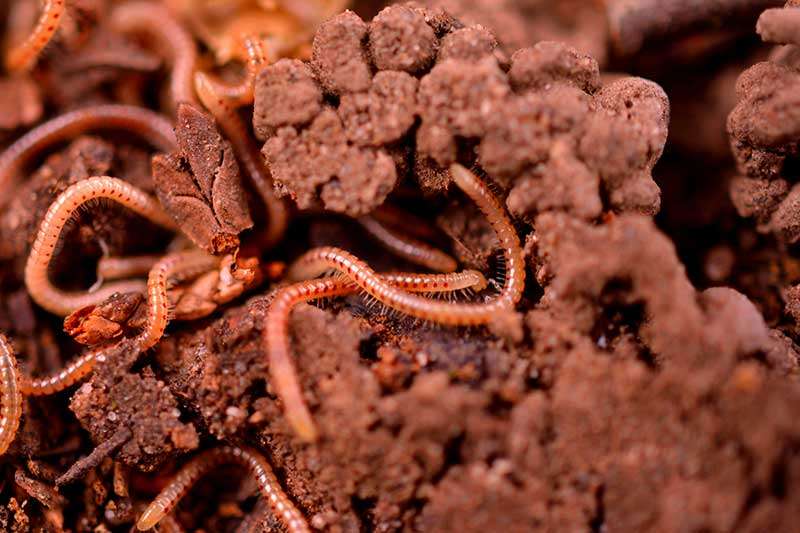
Worms and other macro-organisms are essential for spreading beneficial microbes throughout the soil. Worms create channels, aerate the soil, and release slime that stabilizes soil structure. Compost, green matter, and minerals feed these organisms, supporting the ongoing development of a living soil ecosystem that expands over time.
Plants in BioPacks
- Senna Alata: A nitrogen-fixing legume with deep roots that extract nutrients like phosphorus from deep soil layers. Provides green material when pruned.
- Gota Kola: A creeping herb with a taproot that provides ground cover without competing with crops.
- Sub clover: Fixes nitrogen and adds bulk to the soil.
- Herb mixtures: Provide fibrous roots complementing tap-rooted species for soil stability.
Other plants may be used to suit specific climates or soil conditions.
Mycorrhizal Fungi and Rhizobium Bacteria
Fungi, particularly mycorrhizal types, play a key role in regenerating soil. Their hyphae release enzymes that dissolve rock and lignin, freeing nutrients and structuring the soil. Inoculating plants with these fungi and Rhizobium bacteria ensures beneficial microorganisms are established in the soil ecosystem.
Compost, Mulches, and Minerals
Compost and green matter feed the soil biology, supporting ongoing expansion of the living ecosystem. Minerals and trace elements are incorporated to provide plants with essential nutrients. Fungi release these minerals to the plants, which ultimately improves the mineral content and phytochemical richness of harvested food.
Packing and Planting BioPacks
BioPacks are supplied in biodegradable 152mm cube boxes weighing 3kg. Plants are pruned to just above the soil line and protected with vermiculite during shipping. Boxes are opened and buried in the soil, where they continue to grow and expand. Soil should be handled carefully to avoid damaging fungi, and refuge areas should be maintained for ecosystem stability.
Ordering and Costs
Orders are placed via email, specifying the number of BioPacks and delivery address. BioPacks contain living organisms and are posted on Mondays or Tuesdays to avoid weekend delays. Lids must be removed, and packs buried and watered immediately. Each BioPack costs $28, with $15 postage for the first box and $3 for each additional box.
Conclusion
Soil BioPacks are a practical, low-maintenance solution to create fertile, biologically active soil for healthier food crops. By integrating plants, fungi, bacteria, worms, and minerals, BioPacks restore soil health, enhance crop nutrition, and support sustainable gardening practices. They provide a hands-on approach to maintaining soil ecosystems, making it easier for gardeners and farmers to grow nutrient-rich food while promoting long-term soil vitality.
