
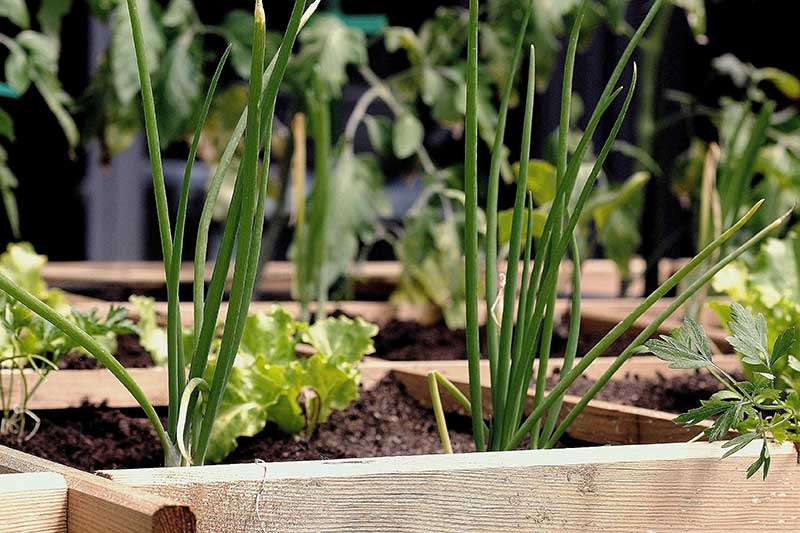
This article explores the latest developments in wicking bed technology, highlighting design innovations, soil improvements, and water management strategies. Modern wicking beds combine sustainable materials, efficient water use, and healthy soil biology to create resilient, productive gardens. From urban balconies to community gardens, these systems allow gardeners to grow food with less water while regenerating soil, reducing maintenance, and improving plant health in challenging climates.
Introduction
Wicking beds are one of the most effective ways to garden sustainably, particularly in areas facing water scarcity or unpredictable weather. They store water at the base of the bed and allow it to rise gradually through the soil, giving plants constant access to moisture. This prevents drought stress, reduces water waste, and supports healthy plant growth. Over the past decade, innovations in wicking bed technology have made them easier to build, more durable, and better suited to a variety of environments.
Beyond water efficiency, wicking beds encourage living soils. Healthy soil ecosystems improve nutrient cycling, support beneficial microbes and fungi, and strengthen plant resilience against pests and disease. Combining thoughtful design with soil biology allows gardeners to maximize production while reducing chemical inputs.
Design Improvements
Modern wicking beds incorporate layered media systems that optimize water distribution. Gravel, sand, and organic matter create a reservoir that ensures water wicks evenly into the root zone. Newer designs include enhanced overflow and drainage systems, which prevent waterlogging, salt buildup, and other issues common in early systems. This improves plant health and reduces maintenance over time.
Modular designs allow beds to be expanded or adapted to changing garden spaces. Stackable units, removable inserts, and adjustable overflow systems make these beds flexible for both small-scale home gardens and larger community projects. Some wicking beds now integrate simple sensors or automated irrigation controls to maintain optimal moisture levels, further improving reliability and reducing water waste.
Materials and Soil Enhancements
Material selection significantly affects a wicking bed’s durability and performance. Recycled timber, polyethylene tanks, and geotextile liners are now commonly used. These materials reduce costs, last longer, and are easier to maintain than traditional options. Soil mixes are enriched with compost, biochar, and other organic amendments to increase water retention, fertility, and microbial activity.
Absorbent mats or wicking fabrics are often added between the water reservoir and soil layer. These help distribute moisture more evenly and prevent dry pockets. Mulching the surface not only reduces evaporation but also moderates soil temperature and suppresses weeds. These techniques combine to create a resilient system that promotes thriving plant growth with minimal intervention.
Supporting Soil and Plant Health
Healthy soil is central to the success of wicking beds. Microbial inoculants or “bio-packs” introduce beneficial bacteria and fungi that support nutrient cycling, disease resistance, and robust root systems. By creating a living soil environment, gardeners can reduce reliance on fertilizers and pesticides.
Layering the bed ensures that the water reservoir remains separate from the main root zone while still allowing capillary action to feed the plants. Mulching and organic matter help maintain consistent soil moisture and protect the microbial community. Over time, these systems regenerate soil, improve fertility, and support a diverse ecosystem both above and below the surface.
Water Management
Water efficiency is the core advantage of wicking beds. Advanced systems optimize water delivery, preventing overwatering and under-watering. Overflow and drainage mechanisms ensure the bed does not retain excess water, which can harm roots or reduce oxygen availability. By connecting wicking beds to rainwater collection systems or greywater inputs, gardeners can further conserve water and make their systems more sustainable.
Strategic bed depth and soil layering reduce surface evaporation, keeping water where plants need it most. Mulching and plant selection also contribute to water conservation by shading soil and slowing moisture loss. These strategies are particularly valuable in regions with hot, dry summers or irregular rainfall patterns.
Applications and Flexibility
Wicking beds are highly versatile. They can be used in small backyard gardens, rooftop gardens, urban balconies, and community food gardens. They are suitable for both domestic and educational projects, allowing schools, universities, and community organizations to create hands-on learning spaces for sustainable agriculture.
Wicking beds also support larger urban farming initiatives. In urban areas, these systems make efficient use of limited space while conserving water. In rural areas, they are valuable for rehabilitating degraded land, as controlled water delivery and nutrient-rich soil amendments restore productivity and soil health. The adaptability of wicking beds allows gardeners to use them in different climates and soil conditions, from arid deserts to temperate regions and tropical areas.
Technology and Automation
Advances in technology have begun to enhance wicking bed performance. Soil moisture sensors connected to irrigation controllers allow automatic watering based on plant needs, soil conditions, and weather forecasts. Some systems even incorporate remote monitoring and data logging, providing insight into water use, soil health, and plant growth. These innovations make it possible to maintain optimal conditions with minimal effort, even for large-scale or urban projects.
Automation and data collection can also help gardeners experiment with different plant varieties, soil amendments, or irrigation strategies, offering valuable insights for improving productivity and sustainability over time.
Challenges and Considerations
Despite their advantages, wicking beds require careful planning and maintenance. Balancing soil depth, water reservoir size, and plant type is essential to avoid waterlogging or drought stress. High-quality organic matter is critical to support soil biology while minimizing disease risk. Overflow and drainage systems should be regularly inspected to prevent blockages or malfunction.
Gardeners must also consider seasonal changes and plant-specific water needs. Different crops may require different bed depths, soil mixes, or irrigation schedules. Understanding these variables ensures consistent growth and avoids stress to plants. With proper setup, wicking beds can provide a low-maintenance, productive system that thrives year after year.
Future Directions
The future of wicking beds is bright, with ongoing research and innovation enhancing their functionality. Integration with renewable energy allows automated irrigation in off-grid locations. New soil amendment techniques accelerate soil regeneration and improve plant productivity. Precision horticulture using sensors and IoT devices offers the potential for highly efficient urban and commercial gardening applications.
As climate conditions become more unpredictable, wicking beds provide a resilient solution for sustainable food production. Their combination of water efficiency, soil health, and adaptability makes them an increasingly important tool for gardeners, educators, and urban farmers around the world.
Conclusion
Modern wicking beds combine traditional gardening principles with innovative designs, materials, and management practices. They conserve water, support living soils, and provide resilient, productive growing systems. By embracing these technologies, gardeners and urban farmers can create sustainable, low-maintenance gardens that produce healthy food while regenerating soil. With ongoing innovation, wicking beds will continue to be a vital solution for sustainable food production in changing climates.
Download ‘New Developments in Wicking Bed Technology’ (full PDF)
