Cooperation and technology
Some million or so years ago, humanoid creatures survived by throwing stones at attacking lions. Throwing stones may not sound like advanced technology, but we’re the only animal that can do it effectively. (Chimps can throw, but not with the accuracy to hit a lion on the nose.)
One person throwing stones would be useless—it takes a coordinated group to create a barrage that makes lions back off.
How did we coordinate? Not top-down instructions or financial incentives, but a shared question each person asked: “What kind of society do I want to live in—one where I get eaten by lions or one where I don’t?”
Enough people chose the “no lions” option, worked together, and we survived. That cooperative nature hasn’t changed.
What has changed—dramatically—is technology. The pace is faster than ever, and society is struggling to adapt. Our advances don’t always serve the common good as they should.

From engineering to food
My day job was technical innovation. I was selected by the Institute of Engineers as one of the top one hundred technical innovators for my work in computer-aided engineering. Innovators lucky enough to have the DNA for invention have a responsibility to ensure our work improves society.
I like to think my engineering work helped create better products. Today, I focus on food—specifically how growing methods affect our health. Health starts in the soil.
Manipulation of the truth
Modern food marketing often manipulates truth—just as the tobacco industry once did. Selective facts, man
ufactured doubt, andpaid “experts” cloud public understanding. We’ve seen similar tactics used to discredit climate science and in election disinformation.
Food misinformation is costing lives on an unprecedented scale. After decades of medical progress, chronic diseases are pushing lifespans down and suffering up. The “fat in the wrong place” conditions—diabetes, obesity, and dementia—aren’t just fatal; they erode quality of life for millions.
Every twelve seconds someone loses a limb to diabetes; it’s also the leading cause of blindness. Dementia is crueller still: a slow loss of self and relationships that nobody would choose as a final chapter.
These epidemics are largely man-made—driven by addictive ultra-processed foods and misinformation.

A better way: Gbiota beds
Complaining isn’t enough—we need solutions. As usual, that means technology and social change working together.
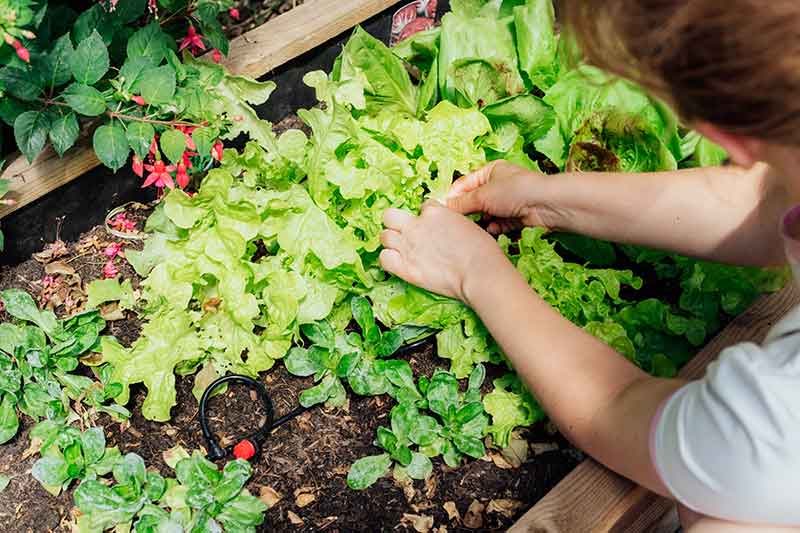
On the technology side, thousands of reputable studies show how diet improves health. My contribution is the Gbiota bed system: flood-and-drain cycles that periodically bathe roots in nutrient-rich compost tea—full of essential minerals and beneficial biology and free from toxic chemicals. It’s productive, simple, and designed to support healthy gut biology—the key to addressing modern chronic disease.
But technology alone isn’t enough. We need a social movement that changes how communities choose, grow, and prepare food.
How to create social change
Rallies and placards have their place, but they’re unlikely to out-muscle multinational corporations with refined persuasion machinery. The change that works is the power of the wallet—local groups deciding to eat real, living food and committing time to understand how food shapes health. It starts with accepting that health starts in the soil.
Three practical options
- Grow it: If you have space, set up your own Gbiota bed.
- Cook it: If you have kitchen skills, buy direct from commercial growers using Gbiota beds.
- Order it: Support local cafés and restaurants that source from Gbiota growers and can make the food taste—and look—great.
Join the Biofoodies
After exploring these ideas, take the next step: join our community of “Biofoodies”—people who seek food grown in nutrient-rich, biologically active soil using Gbiota beds.
