
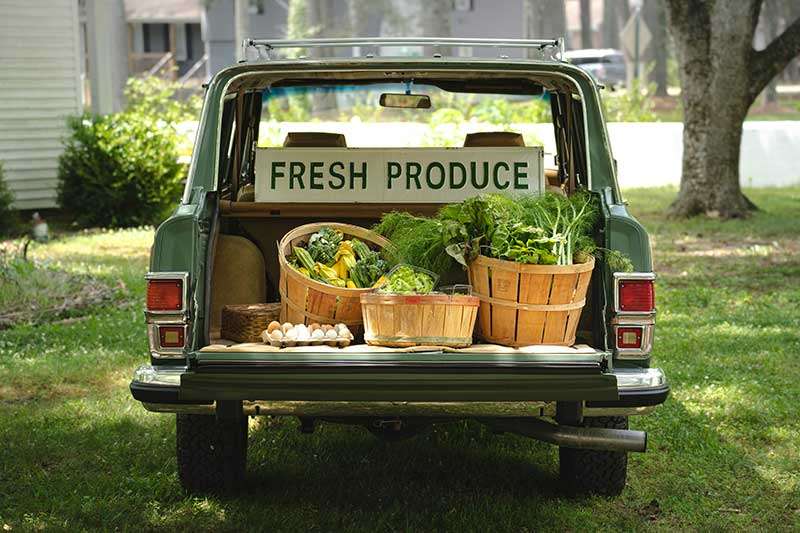
The Healthy Food Association is transforming access to nutrient-rich, home-grown food through the innovative wicking basket system. By simplifying cultivation and delivery, even those without gardening experience or space can enjoy fresh vegetables with maximum nutritional value. This social business model empowers growers, supports communities, and promotes healthier diets while challenging the dominance of processed foods and supermarkets. It provides a practical, scalable, and sustainable alternative to improve global health and well-being.
Preamble
The Healthy Food Association is actively developing the wicking basket system as an alternative food delivery model to supermarkets. This system is designed to provide fresh, nutrient-dense produce directly to consumers while minimizing the need for extensive gardening skills or space. Building on the success of the farmers’ market movement, we are piloting the system in the Bundaberg region to gain practical experience before expanding to other areas, particularly around major cities where most of the population resides.
Local support, including committed growers, assists with logistics, transport, and market stalls, helping to accelerate implementation. By creating a network of growers and consumers, the association aims to ensure healthy food reaches people consistently, even in areas where access is limited. Our priority is to establish a scalable, efficient system that demonstrates the benefits of this approach and can be replicated nationally.
Aims
We believe everyone has the right to healthy food. Modern, factory-produced foods are contributing to a global health crisis due to high fat and sugar content combined with low levels of essential vitamins and minerals. While fruit and vegetables are recommended to prevent diseases such as diabetes, heart disease, stroke, and cancer, commercially grown produce often lacks nutrients due to fertiliser-heavy, industrialised farming methods.
Growing food at home would ideally solve this problem, but most people lack the time, space, or expertise to maintain a consistent supply. Even skilled gardeners experience the feast-or-famine cycle, making reliable access to fresh vegetables difficult. The Healthy Food Association’s goal is to bridge this gap, enabling consumers to access high-quality, home-grown food regardless of their personal circumstances.
The Technology
The system is based on the wicking basket principle. A basket containing nutrient-rich soil sits above a water container with a wick, allowing water to move upward and nourish the plants as needed. This setup ensures minimal maintenance, consistent moisture, and optimal nutrient absorption. Experienced growers germinate or mature plants within these baskets before transferring them to customers.
Consumers can then adopt a “chop and chew” approach, eating vegetables directly from the basket with only occasional watering required. This method guarantees fresh, nutrient-rich produce, simplifies food preparation, and reduces dependency on processed or supermarket foods. Wicking baskets are flexible, allowing for a wide variety of vegetables, herbs, and specialty plants to be grown, including medicinal and nutrient-dense species.
Organisation
The Healthy Food Association functions as a cooperative social business, prioritising both health outcomes and economic sustainability. While promoting healthier diets is socially desirable, participants must also earn a fair return for their efforts. The association coordinates a network of amateur and professional growers, transport providers, and consumers, all committed to improving access to healthy food.
Our website, www.healthyfoodassociation.com, acts as the central hub, allowing growers to list available produce, describe growing methods, and coordinate delivery. By connecting growers directly with consumers, the system bypasses traditional supermarket distribution, reduces overhead costs, and fosters community engagement.
Growers
Every member can create a homepage to explain their growing practices and highlight available produce. Transparency is key: growers are encouraged to maintain nutrient-rich soil and healthy growing conditions. Organic certification can be featured, but even non-certified growers are expected to minimise the use of toxic chemicals. By sharing their practices, growers build trust and educate consumers about the benefits of nutrient-dense, home-grown food.
The association also provides guidance and resources for growers, including tips for improving soil biology, enhancing mineral content, and maximising crop yield. Collaboration among growers allows for shared knowledge and community support, strengthening the overall network.
The Catalogue
The online catalogue allows consumers to browse available produce by location, species, variety, and plant stage (seedling or mature). Pre-ordering is possible, enabling consumers to request rare or specialised plants, such as medicinal herbs or heirloom varieties, that may not be commercially available.
Growers can advertise their willingness to cultivate specific plants, reducing the risk of speculative planting. Consumers can also choose to receive young seedlings to nurture themselves, fostering engagement and ownership. This system encourages experimentation and the growth of nutrient-dense, specialised plants that enhance dietary diversity and health.
Transport
Efficient transport is vital to delivering fresh produce. Members can offer delivery services, collecting baskets from growers and transporting them to markets or consumers’ homes. Costs and arrangements are agreed directly between growers and transporters.
Prepayment simplifies transactions, ensuring smooth coordination and reducing risk for both growers and transporters. The transport system allows the association to serve wider geographic areas, including urban regions with limited access to fresh produce. By streamlining logistics, the system maintains freshness, preserves nutrients, and improves overall customer satisfaction.
Additional Services
The website also supports ancillary services, such as selling gardening equipment or offering horticultural expertise, including constructing shade houses or providing gardening assistance. A key focus is on improving the appeal of vegetables by providing guidance on selection, preparation, and cooking.
Spices and specialist plants can transform simple meals into flavorful, nutrient-dense dishes. By sharing knowledge and techniques, growers and consumers alike can enhance their diets, fostering wider adoption of healthy eating practices. This approach helps overcome the common perception that nutritious food is bland or inconvenient.
Money and Payment
All transactions occur between growers and consumers. The Healthy Food Association facilitates online commerce but is not a legal party in these contracts. Growers set prices considering labour, transport, and the wicking basket system.
Prepayment ensures smooth delivery, particularly when using third-party transport. The wicking baskets currently cost $35, with a $30 return credit when customers return baskets in good condition. This reduces upfront financial barriers for growers and encourages recycling of baskets, contributing to sustainability.
Customers
Consumers can search produce by location, species, variety, and stage (seedling or mature). Growers’ pages provide detailed descriptions, videos, and information about nutrient content. Specialty items like heirloom tomatoes or medicinal herbs can be pre-ordered, allowing access to rare, highly nutritious plants.
Keywords highlighting health benefits (e.g., “iron,” “calcium,” “diabetes,” “memory”) improve searchability, connecting consumers to the most relevant products. This system enhances informed choice and promotes engagement with nutrient-rich, home-grown food.
Competition and the Big Players
The global food industry is massive and profit-driven, often prioritising market dominance over consumer health. Processed foods are typically high in sugar and low in nutrients, contributing to widespread health problems. However, their impersonal approach and the known health risks create an opportunity for the Healthy Food Association.
By providing high-quality, nutrient-rich produce and maintaining transparent, human-focused communication, the association can attract consumers seeking genuine alternatives. Social media and online engagement amplify this advantage, allowing small-scale growers to compete with larger corporations effectively. Patents and trademarks protect the system and ensure long-term innovation.
Health Benefits and Social Impact
The system promotes improved nutrition, particularly for populations with limited access to fresh vegetables. By increasing the availability of nutrient-dense produce, the association helps reduce rates of diabetes, obesity, heart disease, and other diet-related illnesses.
The cooperative model empowers local communities, supports small-scale growers, and encourages sustainable agricultural practices. By reducing reliance on processed foods and supermarkets, the association contributes to environmental sustainability, improved soil health, and stronger local food networks.
Conclusion
The Healthy Food Association combines innovative technology, community engagement, and online infrastructure to provide fresh, nutrient-rich produce to consumers efficiently. Wicking baskets ensure minimal maintenance, while the cooperative network of growers, transporters, and consumers guarantees reliability and scalability. Transparent growing practices, focus on nutrient content, and social business principles make this system a practical, economically viable, and sustainable alternative to conventional food supply chains.
This approach empowers communities, improves health, and challenges the dominance of processed foods, demonstrating that access to healthy, home-grown food can be universal, enjoyable, and impactful.
Download ‘Grow Fresh Vegetables with Wicking Baskets and Beat Processed Foods’ (full PDF)
