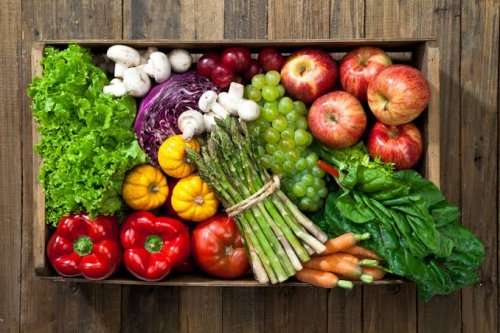
Modern technology can influence how we think and eat, but every individual can still choose real food grown in living soil.
Living in an Age of Digital Power
We live in a time of extraordinary technological sophistication. Massive data systems now give political and commercial interests the ability to influence public behaviour in ways that were unimaginable only a few years ago. At the same time, industrial food production has drifted away from soil and biology. Instead of nutrient cycling and living ecosystems, modern systems depend heavily on chemistry to produce food that is convenient, attractive, and low-cost.
A Small Virus, a Global Disruption
Despite our advanced technology, a tiny virus from an unidentified animal was able to disrupt the entire world. This reminded us that biology—not technology—is still the foundation of human life and survival. We cannot control digital systems or global events, but we can control how we grow and eat our food.
Two Approaches to Food
Many people accept industrial chemical farming without question. The power of marketing shapes public perception and drives consumption of food that is fast to produce but often low in essential nutrients. However, a growing number of people prefer food grown in living soil—food that aligns with the biological systems humans evolved with over millions of years. These people recognise that soil biology directly affects human gut biology and long-term health.
Why Soil Biology Matters
This post explains why choosing soil-based, biologically active growing methods makes sense and how these methods fit into our technologically advanced world. On a practical level, it also covers how to prepare soil for both Wicking Beds and Gbiota Beds. But the goal is not just to give instructions—it is to explain the deeper “why” behind these approaches.
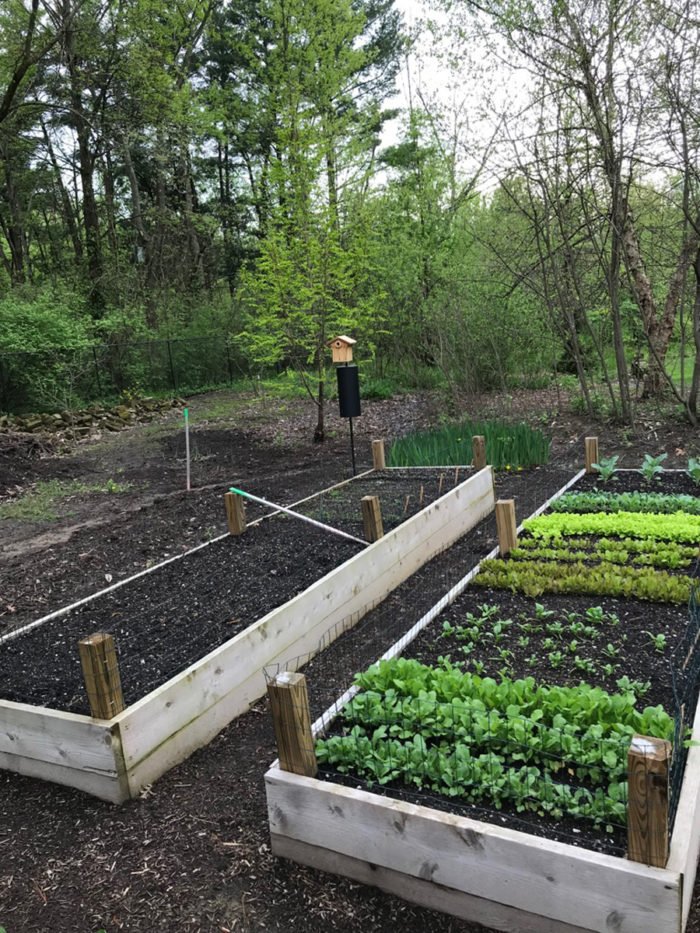
Gbiota beds combine the best of wicking systems and living compost tea to grow nutrient-dense food that supports gut biology and immune health.
Germination, Wicking and Gbiota Beds
I explained that one of the best ways we can defend ourselves is by strengthening the immune system. Gbiota beds were developed to enhance gut biology. Throughout 2020 I simplified the design so anyone can install a Gbiota bed in their backyard. This article answers common questions about germination, wicking beds, and why Gbiota beds are different.
Early Wicking Beds: Simple and Water-Efficient
Around twenty years ago I pioneered wicking beds using a very simple concept: - A lined hole in the ground to form a watertight bed - A pipe at the base to distribute water - A reservoir under the root zone, with water wicking up into the soil These beds were highly productive and extremely water efficient because the soil surface stayed dry, minimising evaporation and deep seepage. Almost all the water applied was used by the plants. However, wicking beds had two key problems: 1. Poor germination on a dry surface 2. Reservoir water turning stagnant and putrid
Germination Problems and a Simple Fix
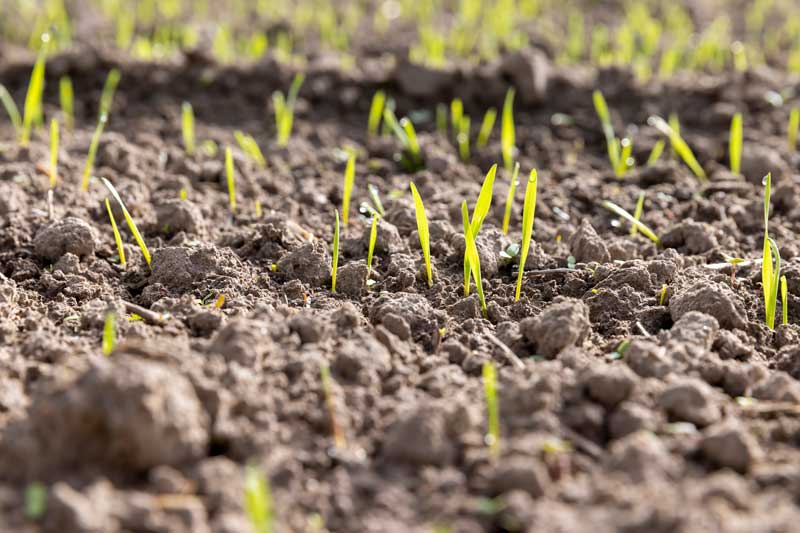
Because the surface of a wicking bed is dry, germination is usually poor unless you add water at the surface until roots reach the reservoir. With COVID, people wanted fast crops—baby greens and continuous planting—so reliable germination became critical. A simple solution is a surface “leaky pipe”: - Take standard polypipe and cut slots with an angle grinder. - Lay or bury it just under the surface so it sits firmly in the soil. - Block the end of the pipe by folding and tying it. When water flows through, it spreads across the bed, giving even moisture and strong germination. In a pumped Gbiota bed, switching between bottom irrigation and surface irrigation takes seconds. This gives two operating modes: - **Bottom watering (flood and drain)** for maximum water efficiency - **Surface watering** for germination, accepting some evaporation loss
Nutrients and Putrid Reservoirs
My original work on wicking beds began during droughts in Africa, where people were short of both water and nutrients. The solution was simple: - Collect weeds that grow vigorously even in poor soil. - Place them in a lined hole and backfill with soil. - As weeds decompose, they release nutrients as a basic compost system. Water was so scarce that plants drew the reservoir dry. Roots grew directly into the nutrient-rich water and there was no chance for the lower zone to turn stagnant. It was simple, cheap, and effective.
How Wicking Beds Got Over-Complicated
Over time, designs became more complex. Clean stones were added to the reservoir and a cloth barrier placed above to stop roots getting into the water. Stones do not wick, so the system then relies on evaporation and condensation inside the closed space. Moisture condenses on the surface and is absorbed by the soil above. This can work—as long as the reservoir holds clean water, not compost tea. Once nutrient-rich compost tea is added and left sitting still, the reservoir is likely to turn stagnant and putrid. That’s not suitable if your aim is to grow food that supports gut health.
Gut Biology and Compost Tea
My current focus is gut biology because it is central to defending against modern processed foods and infections like the Corona virus. In https://www.gbiota.com/2020/03/29/quick-gbiota-beds/ I explain that: - A healthy gut microbiome needs living biology and nutrient-rich compost tea. - Good gut bugs “love” compost tea in the same way many of us love cheesecake. However, any system that allows compost tea to sit stagnant in a reservoir will quickly go bad. Wicking beds with sealed stone-filled reservoirs and no circulation are not compatible with continuously active compost tea. This is where Gbiota beds differ.
What Makes a Gbiota Bed Different?
Gbiota beds are built on one critical rule: Never let compost tea become stagnant — keep it moving. Technically, this is simple: - Use a small pump to circulate compost tea automatically, or - Move water manually if you have the time or willing helpers. Continuous movement keeps compost tea oxygenated and biologically alive instead of putrid.
The Practical Snag: Drainage
Every good idea has a snag. For Gbiota beds, the snag is drainage. Compost tea needs somewhere to drain before it is circulated again: - For in-ground beds, you simply dig a small sump to collect the outflow. - For boxes sitting on soil, you can still dig a sump next to or beneath the bed. - For beds on hard surfaces (concrete, pavers, decks), the bed must be raised so there is enough fall for the compost tea to drain and recirculate. In my quick Gbiota bed article, I focus on in-ground beds because they are the fastest way to grow large volumes of food. They are also the simplest way to manage drainage.
Choosing Between Wicking Beds and Gbiota Beds
If your goal is simply to grow vegetables and you are not concerned about compost tea or gut biology, a traditional wicking bed may be enough. You can place it almost anywhere and enjoy efficient watering. If your goal is to grow vegetables rich in beneficial microbiology to support gut health and immunity, then Gbiota beds are the better option. Use this checklist: - Can you grow in-ground? - Yes → a Gbiota bed with a simple sump is straightforward. - Are you growing in a box on soil? - Yes → you can still dig a sump. - Are you growing in a box on a hard surface? - Yes → you must raise the bed to create drainage height, unless you use steps or a split-level design.
Gbiota Beds and Fighting the Corona Virus
The aim is to get as many people as possible growing fresh vegetables at home. A population with strong immune systems is far better equipped to handle viruses. Growing Gbiota food: - Builds soil biology - Supports gut health - Strengthens the immune system The more people build Gbiota beds and eat biologically active vegetables, the stronger the community’s overall resilience.
Spread the Word
If you found this explanation useful, please: - Tell your friends and online contacts about Gbiota beds - Encourage them to register on the site - Help them build a Gbiota bed in their backyard Stay healthy, Colin Austin
Colin Austin, recognised as one of Australia's top innovators, is using the internet to fight the diabesity epidemic through Gbiota food.
The trillions of cells in our gut (Gbiota™) communicate with one another as part of our body's intelligent control system, regulating what we want to eat, how much we eat, and where we store fat.
But for our gut brain to function properly, we must feed it gut food—Gbiota food—containing a full spectrum of minerals, phytonutrients, and living, beneficial biology.
Colin formed the Gbiota Club so people can buy directly from growers who regenerate their soil, making it biologically active and nutrient rich.
Health Starts in the Soil
The earliest diets were nutrient-dense and gut-supportive, but low in energy.
There are good bugs and bad bugs—this is part of life—but beneficial bugs can control harmful ones. While we are alive, our bodies do not rot because we are protected by our immune system and beneficial biology.
Plants operate in the same way. While they are growing, beneficial soil biology protects them. Once harvested, the beneficial bugs begin to die off, harmful bugs take over, and the plant starts to go rotten.
A healthy gut thrives when we add to our diet plants grown in nutrient-rich, biologically active soil—and eaten while the beneficial biology is still living.
In the Gbiota Club, members can purchase plants from multiple regenerative growers while the plants are still growing in the soil.
The Boxer System
A club member known as a boxer collects each order from the various growers and delivers the boxes directly to members’ homes or to a local food hub.
By collecting from many growers for many buyers, this becomes a highly cost-effective system. Gbiota food can even be cheaper than food purchased through the conventional industrial system.
Making Healthy Food Taste Good
Many people are addicted to modern high-fat, high-sugar diets, making fruit- and vegetable-rich meals taste bland at first.
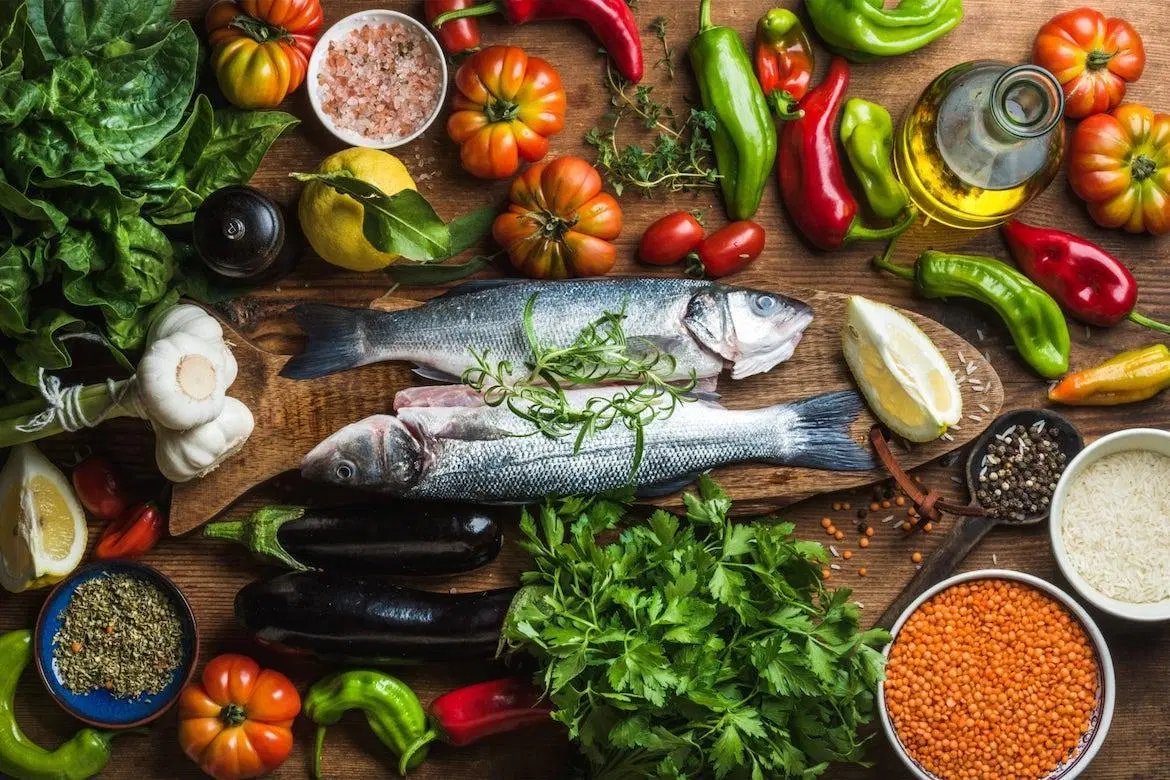
A skilled chef can use herbs and spices to make meals that are both delicious and healthy. Variety is key to both health and flavour. Blending vegetables with meats or fish can create meals that are deeply satisfying.
Restaurants and cafés in the Gbiota Club bring these skills to members, creating a communal, supportive environment—especially important when transitioning away from sugar and fat-dominant diets.
A Social Movement
Because members trade food and services directly with one another, the system can be cheaper and more convenient than the modern food economy. But Gbiota is not about profit.
It is a social movement so that anyone—regardless of wealth—can access a healthy, nutrient-rich, biologically active diet.
The club is open to anyone who places health above profit. You can become a member here.
Read the next article on Community and Gut Health.
I want my grandchildren to live in a society where everyone—regardless of income—has access to food that keeps them healthy. A society where a small number of people hold enormous wealth while others cannot afford proper food is not a good society.
But the issue is not only money. I write many articles on nutrient deficiency in modern diets, such as the importance of zinc for immunity and sexual function. What do affluent people do? They rush out to buy zinc supplements—completely missing the point. In blue zones, where people live active, healthy lives well into their nineties, no one takes expensive pills. They eat real, nutrient-rich food.
We have two central aims:
To enable people to buy genuinely healthy, gut-supportive food at a reasonable price.
To help individuals and organisations build viable, ethical businesses supplying genuinely healthy food within an alternative food system.
Why We Need an Alternative Food System
Over the last fifty years, global food systems have changed dramatically. Food is now cheap and available everywhere, but this has come at the cost of a major health epidemic: diabetes, obesity, dementia, and related chronic diseases.
Gut health is central to this problem. It acts as an intelligent control system regulating appetite, fat storage, and immune function, as documented by many respected scientists, including Dr Lisa Mosconi in her book Brain Food.
Not Just Technology
I once believed the problem was purely technical. I developed the Gbiota bed to grow food rich in biology and minerals to enhance gut health.
Result: minimal impact.
Not Just Communications
Many people already understand the importance of gut health and want better food. Many regenerative farmers are actively improving soil biology and growing nutrient-dense food.
Health begins in the soil, but it ends in the gut.
We Need a Completely New System
I analysed why both approaches failed. What we need is a new economic model—an alternative food system—where growers, transporters, cooks, and consumers can earn an honest income and operate ethically while providing genuinely healthy food.
Business Ethics
Another book I recommend is Feeding You Lies by Vani Hari, which exposes how food corporations manipulate people with sugary, fatty products that lead to diabetes, blindness, obesity, dementia, and early death.
Then and Now
The modern economic mindset comes from the Chicago School of Economics: the idea that a company’s sole responsibility is to maximise profit for shareholders. In reality, this leads to neo-monopolies that buy cheap, sell dear, and promote unhealthy products for maximum profit.
In traditional societies—including the blue zones—responsibility was shared between profits, workers, and the community. People cooperated naturally: farmers, consumers, cafés, shops, and local services all supported each other.
This cooperative model is the foundation of the Gbiota system.
The Gbiota Food System
The Gbiota food system works like a modernised traditional village—using the internet to connect people over large distances while preserving cooperation and transparency.
1. Biofoodies
In traditional villages, people talked face-to-face. Growers knew exactly what their neighbours wanted. No one had to choose between chemical farming and biologically rich soil—there were no chemicals. Soil biology and compost naturally produced gut-supportive food.
Today, consumers cannot tell whether a cabbage is nutrient-rich just by looking at it. One may be grown in depleted soil with chemicals; the other may be grown in mineral-rich, biologically active soil. They may look identical, but only one supports human health.
The earliest diets were nutrient-dense and gut-supportive, but low in energy.
Biofoodies want to buy biologically active, nutrient-rich food from growers they trust. They can visit grower pages to see exactly how each crop was grown, including soil tests and biological data.
2. Growers
Regenerative farmers understand that the future depends on improving soil biology and mineral content. They register as growers and create a page showing how they grow their food. Other members may leave reviews.
Growers list what they currently have and what will soon be available.
Plants begin to deteriorate as soon as they are harvested. Green vegetables—our main source of beneficial biology—have no protective skin, so biological decline begins immediately. In the Gbiota system, biofoodies order plants while they are still alive in the soil and receive them within hours of harvest.
3. Boxers
Boxers are the transport and distribution system. Healthy food must be affordable for everyone. Boxers collect produce from growers, pack it into biofoodie boxes, and deliver to homes or hubs.
This reduces waste. In conventional systems, crops are harvested speculatively and often discarded. In the Gbiota system, crops are harvested only after being purchased.
4. Multiple Categories
Members can belong to more than one category. For example, a boxer may organise produce for several small growers who don’t want their own page. They can run an online green grocery store.
Boxers can also organise seasonal or regional events, such as bulk cherry pickups during harvest season.
5. Food Hubs
Food hubs include cafés, restaurants, health stores, green grocers, markets, and even progressive independent supermarkets.
Biofoodies order online and collect from the hub. Cafés are especially important—transitioning from sugary diets to vegetable-rich diets is challenging. Herbs and spices can make nutrient-dense meals delicious without sugar.
Some cafés also act as boxers and hubs.
Support
Switching from high-sugar, high-fat diets to nutrient-rich Gbiota food can be difficult. Support from friends, health clinics, diabetes educators, and community groups makes the transition easier.
I serve as a support member, offering guidance on building and managing Gbiota beds and sharing information through my articles.
Registration
When registering, new members choose which of the five categories they belong to. Other members can then geolocate them on the map and browse products accordingly.
For help registering, contact: colinaustin@bigpond.com
Not Just a Mates Club
The Gbiota club is more than a place to chat about healthy food. It’s a business model that helps people build viable enterprises based on honest food, not a franchise with fees.
Members set their own prices. Buyers pay by credit card; payments are automatically distributed to each vendor. Some members also form cooperative buying arrangements to access wholesale pricing.
The admin receives a 5% commission to cover credit card fees, technical support, and operational costs.
Healthy soil is the foundation of human health. When soil biology collapses, food quality drops and chronic disease rises.
Soil Destruction
Modern agriculture has increased global food production through chemical fertilisers, pesticides, and heavy mechanisation. While this technology boosts yield, it also damages the biological processes that create healthy soil. Soil is built by microbes, fungi, and organic matter — not chemicals. Continuous chemical use breaks down this living system, reducing nutrient density and long-term productivity.
Why Soil Health Matters
Healthy soil supports nutrient-rich crops. When soil biology declines, food may still look good but contains fewer minerals essential for human health. Regenerative farming restores soil microbes, increases organic matter, and improves long-term productivity. A growing number of farmers recognise this and are shifting to regenerative farming. However, regenerative methods require time and resources, placing financial pressure on growers during the transition phase.
The Link Between Soil and Chronic Disease
Diabetes and obesity have reached epidemic levels. The real danger lies in the consequences: blindness, amputations, heart attacks, strokes, and dementia. The underlying root cause is biological. Our gut microbiome — trillions of microbial cells that communicate with the brain — regulates appetite, fat storage, immunity, and metabolic health. People do not become overweight simply by overeating. When the gut microbiome lacks essential nutrients or is exposed to toxic chemicals, it sends incorrect signals, causing the body to store excess fat and drive hunger. Healthy soil → nutrient-dense food → balanced gut microbiome → healthy metabolism.
Human health depends on beneficial microbes in the soil and in our gut. Without them, our food system and our biology fail.
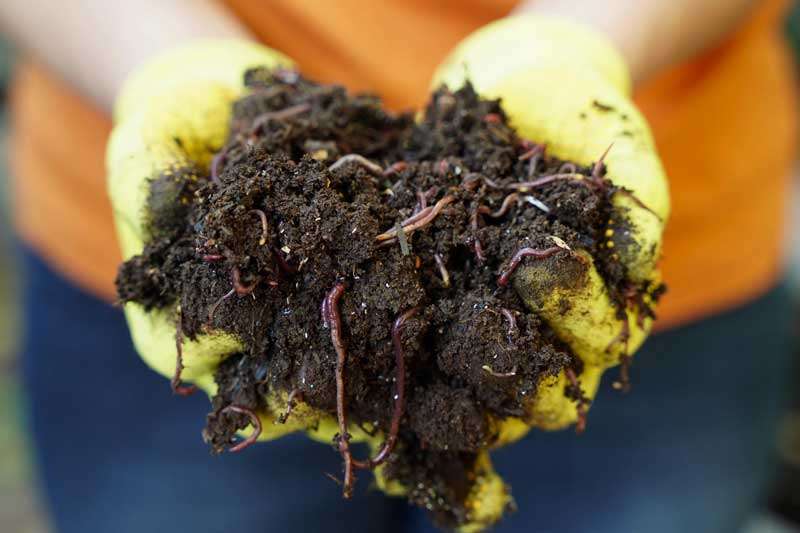
Healthy soil contains microbes that release minerals plants need. When we eat food grown in biologically active soil, those living microbes support our gut microbiome, improve digestion, regulate appetite, and protect us from harmful organisms. Modern industrial farming and processed foods have broken this relationship.
Why We Need Good Bugs
Beneficial soil microbes unlock essential trace minerals such as magnesium, selenium, and iodine. These minerals do not matter to the plant’s appearance but are essential for human health. Plants grown in living soil deliver these minerals and support a balanced gut microbiome.
Harmful microbes thrive when the gut microbiome is damaged by high-sugar, highly processed diets.
The earliest diets were nutrient-dense and gut-supportive, but low in energy.
Human Behaviour and Food Manipulation
Technology, data collection, and targeted advertising have allowed a small number of companies to influence how people eat. Ordinary people everywhere want safe, healthy food, yet modern food systems promote addictive, nutrient-poor products because they generate profit—not health.
The Body’s Natural Appetite Control System
The gut and head brain work together to regulate hunger and fat storage. Modern foods override this natural control system. High-sugar and high-fat diets change the gut microbiome and drive cravings.
Fresh vegetables grown in nutrient-rich soil help restore gut biology and reduce cravings within weeks.
Food Industry Deception
Packaged foods are marketed as “healthy” or “energy-rich,” but they are typically depleted of essential nutrients. Occasional treats are harmless, but regular consumption restructures gut biology toward addiction. This benefits manufacturers but harms long-term health.
Globalisation, Technology and Chronic Disease
Although global food production has increased, nutrient density has dropped. Modern diets contribute to diabetes, obesity, and dementia—conditions linked to excess fat stored in the wrong places. These issues arise when gut biology is compromised.
How Farming Affects Human Health
Industrial farming focuses on plant yield and visual appeal, not nutrient density. Regenerative farming restores soil biology and produces nutrient-dense vegetables that support gut health.
Kale, celery, or lettuce grown in living soil are nutritionally superior to the same crops grown in chemically dependent soils.
Technology as an Enabler
Online tools allow consumers to buy directly from regenerative farmers, increasing transparency and reducing reliance on supermarkets. Fresh produce can be ordered while still in the ground and harvested to order.
Barriers to Dietary Change
1. Gut Biology Overrides Willpower
A person with sugar-dominated gut microbes will crave sugar regardless of knowledge or discipline. Early childhood food experiences also shape lifelong preferences.
2. No Universal Diet
People respond differently to fats, sugars, and restrictive diets. Highly restrictive diets often trigger fat storage as the body enters “survival mode.”
3. Convenience Culture
Time pressure makes packaged foods attractive, despite healthier options often being equally fast.
4. Commercial Incentives
Chemical farming and supplement industries profit from poor diet quality. Few companies promote dietary solutions that reduce long-term dependence on their products.
5. Medical System Limitations
Doctors follow strict guidelines. Diabetes drugs increase insulin and fat storage but do not reverse the condition. Although many patients would benefit from dietary strategies, practitioners risk losing their licence if they deviate from protocol.
How to Overcome These Barriers
Education is essential. Writers like Michael Mosley and numerous scientific sources confirm the importance of nutrient-dense food and a healthy gut microbiome.
Farmers are increasingly adopting regenerative practices but need evidence of consumer demand before committing to biologically intensive farming methods. Consumers can demonstrate this demand through online groups, buyer cooperatives, and community-supported agriculture programs.
Testing Gbiota Beds at Home
Gbiota beds allow home gardeners to grow nutrient-dense food in living soil using compost and volcanic rock dust. Because gut microbes have short life cycles, improvements in cravings, digestion, and overall health can be observed within weeks of eating biologically active vegetables.
Colin provides free technical support and asks gardeners to share their results to help drive broader social change.
Group Action for Local Food Systems
Sustainable change requires groups—not individuals. Buying cooperatives and local food communities can guarantee growers a market for nutrient-dense crops.
To start a local group or micro farm initiative, contact:
colinaustin@bigpond.com
Micro Farms and Fresh, Local Nutrition
Gbiota beds produce high yields in small areas, making micro farms viable.
Gbiota provides the technology and growing system. The community decides whether it wants a food supply built on living soil, regenerative farming, and real nutrition.
Learn how living soil supports human health. Discover how beneficial microbes, nutrient-dense food, and simple growing methods can help you improve your gut microbiome and overall wellbeing. Explore the Gbiota resources, videos, and community.