Gbiota easy

Gbiota easy

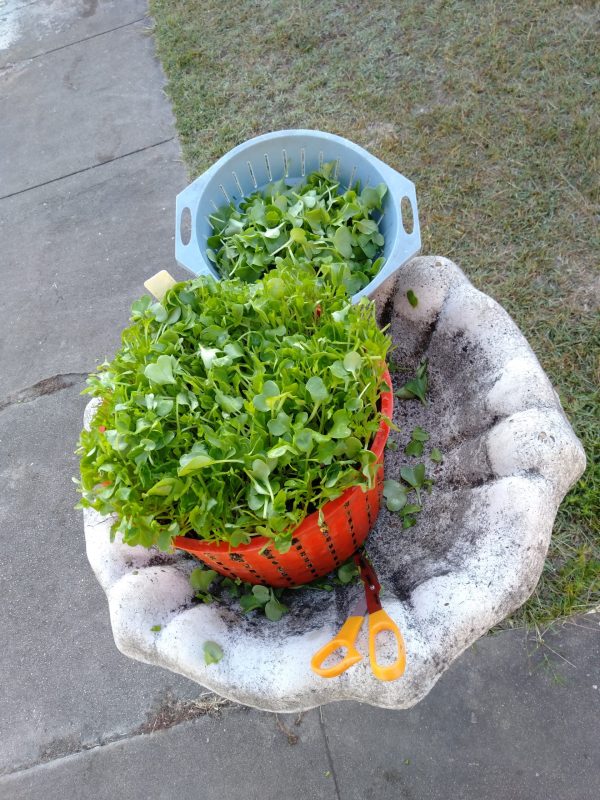
This is the simplest way to grow Gbiota food at home. It works extremely well, even though it does not include the automated flood-and-drain features of a full Gbiota bed. It is the best starting point for new growers.

What Gbiota Food Is About

Gbiota food focuses on beneficial soil biology and the nutrients needed to support a healthy gut microbiome. The goal is to breed good soil microbes, grow plants that act as both prebiotics and probiotics, and strengthen human gut biology. To breed beneficial microbes, you must feed them the organic material they thrive on. They break down this material for energy and outcompete harmful organisms. This microbial cycling has sustained life on earth for millions of years.

How to Make a Simple Gbiota Bed

This method uses basic materials and works in nearly any backyard.

1. Choose a Box or Crate

Use any crate, wooden box, polystyrene box, or tote. Ensure there are holes in the base for drainage.

2. Collect Labile Organic Waste

Gather young, partially decomposed organic waste or equivalent material. This provides food for beneficial soil microbes.

3. Measure the Compost Volume

Fill the crate once with labile compost to measure the quantity needed, then tip it out onto the ground. Alternatively, dig a hole the size of the crate and fill it with labile compost. This is especially effective when using food scraps, as it reduces odour and insect issues.

4. Add a Compost Slurry

Create a slurry using mature compost or a mix of compost and soil (at least 50% compost). Worm castings or mushroom compost work very well. Fill the box with this slurry.

5. Sow Seeds

Spread seeds densely across the surface of the wet slurry. Dense planting works well for baby greens and fast-growing crops.

6. Apply Gbiota Mix

Apply approximately 3 litres of Gbiota Mix per square metre. Gbiota Mix contains:
  • A full spectrum of minerals, including trace elements essential for human health
  • Specific microbial organisms that break down minerals and feed plants
Lightly water if needed to ensure contact between mix and seeds.

Why Worms Matter

Healthy soil biology and healthy gut biology are linked. Soil contains beneficial organisms that help break down organic matter. Worms play a major role: they rely on microbes to release nutrients, just as humans rely on gut microbes to digest food. In a well-fed Gbiota bed, worms often appear naturally. If not, they can be added manually. Keep feeding them with organic waste by lifting the box and adding more material to the compost layer beneath. This creates a closed system without attracting excessive flies.

Harvesting by Tipping

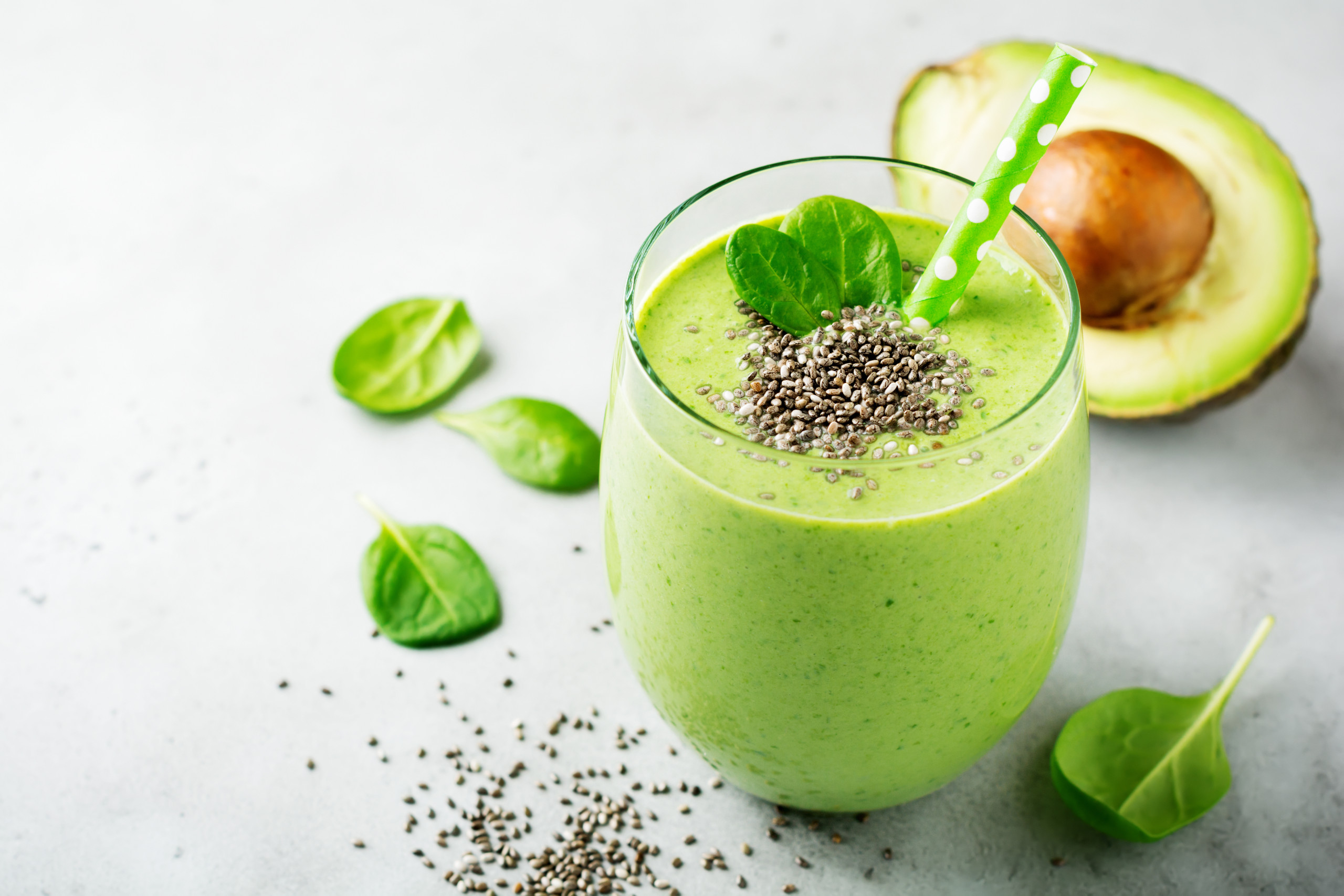
Baby greens are ideal for this system. When shoots reach around 50 mm, cut the growing tips. Cutting early encourages multiple regrowth cycles. Leave the lower leaves (“mother leaves”) intact—these power the plant’s regrowth. If you cut too low, the plant may not recover. Tipped greens can be used in salads, wraps, or blended into smoothies with fruits, extra virgin olive oil, milk, water, and spices such as turmeric, cinnamon, and black pepper.

Plant Life Cycle and Timing

Growth is slow during germination because the plant is using nutrients stored in the seed. As roots and leaves develop, the plant begins drawing nutrients from the soil and growth accelerates. Start tipping before the plant reaches maturity. Mature plants do not regrow well. Ensure mother leaves remain to continue photosynthesis and energy production.

The Floating Water Table Principle

This simple Gbiota system uses the floating water table effect. Water naturally moves toward finer particles, helping the bed retain moisture without flooding the coarse compost beneath. This allows worms to move freely while keeping the top layer consistently moist.

Loading

Choosing a Gbiota smoothie

Choosing a Gbiota smoothie

Minerals, Vitamins and Biology in Gbiota Smoothies

The main aim of a Gbiota smoothie is to improve gut health, but they also contain essential minerals, vitamins, and phytonutrients. The plants used in Gbiota smoothies are selected to provide these essential nutrients and beneficial gut biology. However, two vitamins are not readily obtained from plants: Vitamin D: best obtained from sunlight. Vitamin B12: produced by fungi, not plants. The easiest way to add B12 to a smoothie is with malt extract, which also improves flavour. There is no need to worry about the sweetness, as the plants act as sugar blockers. Read about sugar blockers here.

Important Points About Gbiota Smoothies

People eating a typical Western diet usually have sugar-loving gut biology. While Gbiota smoothies include beneficial biology (prebiotics), this alone is not enough. These beneficial microbes must be fed the right foods so they can outgrow and outcompete sugar-loving bacteria. Gut biology has a short life cycle and constantly renews. It takes around three weeks for sugar-loving microbes to die off, so one glass of Gbiota smoothie will not transform gut biology immediately — it takes time. The fewer sugary foods you eat during this transition, the better. After this period, Gbiota smoothies act as sugar blockers. Your current gut biology may struggle to process the high vegetable content at first, so start slowly with small servings and monitor your body’s response. Some plants used in Gbiota smoothies contain gluten. If you are gluten-sensitive, inform your blender so they can avoid high-gluten plants like barley grass (an excellent sugar blocker). Start slowly and monitor for any issues. Plant biology deteriorates immediately after harvest. To preserve the beneficial microbes, stock is not carried — it is strictly “pick and eat”. Speak to your blender about pre-ordering.

Regular Gbiota Smoothie

The regular Gbiota smoothie aims to provide a broad spectrum of minerals and vitamins. Minerals are not a problem. If minerals are added to the soil and active biology is present to make them available to the plants, they will be absorbed into the plants — and then into us. Vitamins are more challenging. Different plants provide different vitamins, so a variety of plants is used depending on seasonal availability. There is no single fixed list of plants for vitamins. “Eat Your Vitamins” provides a list of all vitamins and the plants they can be obtained from. Many plants provide multiple vitamins, so smoothies can be made from a manageable number of plants without compromising nutritional diversity. This is part of the Gbiota growing system:
  • Avoid toxic chemicals, which can damage gut bacteria.
  • Use “tipping”, a system of growing multiple plants at high density in nutrient-rich soil.
  • Grow plants past the baby stage until roots develop enough to extract minerals and biology.
  • Plants grown in Gbiota soil are natural prebiotics and probiotics.
  • Only the new tips are harvested; the mother leaves remain to power regrowth.
The harvested tips are blended with small amounts of fruit (such as banana) for flavour and lightly blended to protect plant fibres. If you prefer a smoother drink, talk to your blender.

Gbiota Sugar Blocker Smoothie

Fats and sugars are not “evil”. They are essential sources of energy — but must be consumed in the right quantities. The danger lies in sugar spikes. Modern processed sugars are absorbed rapidly, creating short-term spikes in blood sugar. Natural sugars take longer to enter the bloodstream. Some plants, such as barley wheat, are excellent sugar blockers but contain gluten. Speak with your blender if you have sensitivities.

Gbiota Immunity Smoothie

A combination of zinc and Vitamin C is important for immune health. Plants such as lentils increase zinc levels, and many plants contain Vitamin C. Adding plants rich in zinc and Vitamin C can support a healthy immune system, but:

Gbiota Iron Smoothie

Some women suffer from low iron levels. Plants like watercress can help increase iron levels naturally.

Common Plants and Their Benefits

Vitamin A Spinach, Carrot, Collards, Cantaloupe, Sweet Potato, Bell Pepper
Vitamin B1 (Thiamin) Acorn squash, Brown Rice, Legumes, Sunflower, Yoghurt
Vitamin B2 (Riboflavin) Almonds, Green vegetables, Mushrooms, Oats, Quinoa
Vitamin B3 (Niacin) Peanuts, Rice
Vitamin B5 (Pantothenic Acid) Broccoli, Peanuts, Sunflower, Soybeans, Yoghurt
Vitamin B6 Banana, Chickpeas, Potatoes
Vitamin B7 (Biotin) Spinach, Sweet potato
Vitamin B9 (Folate) Avocado, Banana, Peanuts, Peas, Spinach, Wheat
Vitamin B12 Yeast
Vitamin C Bell pepper, Broccoli, Cauliflower, Guava, Kiwi fruit, Orange, Strawberries, Tomato
Vitamin D Sunshine, Mushrooms
Vitamin E Almonds, Avocado, Broccoli, Hazelnuts, Kiwi, Oats, Sunflower, Wheat
Vitamin K Brussels sprouts, Collards, Kale, Mustard greens, Spinach, Pine nuts, Turnip greens
Calcium Broccoli, Chia, Chinese cabbage, Collard greens, Kale, Okra, Spinach, Soy, Turnip, Yoghurt
Chloride Celery, Olives, Salt, Seaweed, Tomatoes
Choline Broccoli, Brussels sprouts, Cauliflower, Mushrooms, Potato, Kidney beans, Quinoa
Chromium Banana, Basil, Black pepper, Broccoli, Garlic, Green beans, Potato, Wheat
Cobalt Cabbage, Figs, Nuts, Green Vegetables, Sea vegetables
Copper Almonds, Mushrooms, Peanuts, Soybeans, Sunflower
Fluoride Black tea, Carrots, Strawberries
Iodine Lima beans, Prunes, Sea vegetables, Spinach, Yoghurt
Iron Broccoli, Dark Chocolate, White beans, Pistachio, Pumpkin, Tofu, Quinoa, Cashew, Chickpeas
Magnesium Almonds, Brown rice, Oats, Pecans, Pineapple, Pumpkin, Spinach, Sweet Potato, Tofu, Wheat
Manganese Almonds, Oats, Pecan, Pineapple, Pumpkin, Spinach, Sweet potato, Tofu, Wheat
Molybdenum Kidney beans, Lentils, Lima beans, Mung beans, Oats, Peanuts, Peas, Tomatoes, Walnuts
Phosphorus Vegetables, Almonds, Lentils, Pumpkin, Wheat
Potassium Asparagus, Avocado, Apricots, Almonds, Banana, Brown rice, Beet greens, Lentils, Peaches, Pumpkin, Spinach, Yam
Selenium Brazil nuts, Brown rice, Cheese, Oats, Spinach
Sodium Salt (often in excess)
Sulphur Cruciferous vegetables, Nuts, Whole grains
Zinc Cashews, Cheese, Dark chocolate, Kidney beans, Lentils, Oats, Pumpkin
Amino Acids Beans, Cheese, Lentils
Antioxidants Berries, Apricots, Grapes, Pomegranates, Olives, Plums, Prunes, Herbs, Turmeric
MCT & LCT Butter, Coconut oil, Lard, Palm oil, Yoghurt
Polyphenols Artichoke, Broccoli, Curry, Green tea, Onions, Prunes, Strawberries
Omega 3 Edamame, Flaxseed, Hempseed, Soy, Walnuts
Omega 6 Apricots, Almonds, Blueberries, Celery, Corn oil, Hazelnuts, Olives, Pecans, Pomegranates, Rosemary, Sage, Soybean, Sunflower, Thyme, Walnuts
Prebiotics Apples, Artichoke, Asparagus, Banana, Cocoa, Chicory, Flaxseed, Garlic, Leeks, Oats, Onion, Seaweed, Soybeans, Wheat
Probiotics Vegetables grown in living soil, Apple cider, Buttermilk, Cheese, Dill pickles, Kefir, Olives, Natto, Tempeh
Resistant Starch & Fibre Green bananas, Beans, Chickpeas, Peas, Lentils, Nuts, Oats, Potato starch, Red kidney beans

Loading

Creating an Alternative Food System

Creating an Alternative Food System

This article explains why our food system needs to change, how diet and soil health are connected, and why our gut biology plays a central role in our wellbeing.


The Nutrition War Zone

Nutrition must be one of the most controversial, opinionated yet critical topics on the planet.

Go on line and an ocean of confusing and contradicting views fuelled by inscrutable scientific data, dogma powered by a tsunami of abuse.

It would be funny if it were not so vital for humanity, we are suffering from an epidemic of diabetes, obesity with it’s associated heart attacks and dementia which still dwarfs the deaths from the Corona virus. But even here people eating a healthy diet are far more likely so survive the virus than those eating a poor diet.

We are also destroying the soils on which our future survival depends – this is serious stuff.

This blog is my attempt to change our food system from being riddled with misinformation in the desire for profits to one focused on the health of the community.

Its Personal for Everyone

If I come over as on the extreme side this is because this is not some academic interest, my wife a qualified surgeon and doctor was well on the way to having her leg amputated as it turned black from diabetes, largely from misinformation from her medical colleagues.

The situation was only reversed by a serious change in diet and thankfully she still has both her legs.

But for everyone facing the consequences of our poor diet this is personal for them, not part of some statistics.

How Food is Grown Really Matters

One aspect of our food is how it is grown, there is an immense literature on the benefits of certain vegetable, Kale comes immediately to mind – and true if grown in nutritious, biologically active soil. But often it is not – no vegetable grown in tired soil lacking in nutrients and sprayed with toxic chemicals can be beneficial.

A consistent theme throughout the many blogs is that we need to focus on the soils in which we grow our food. Health starts in the soil.

Our Gut Brain is the Master Regulator

But the first port of call for our food is our guts which are not some dumb collection of trillions of cells – they communicate to form genuine intelligence which regulates our bodies, how much and what we eat is the home of much of our immune system which protects us 24/7 from harmful micro-organism.

Eating a diet which leads to a healthy gut biota is the key to our health. Health may start in the soil but it grows inside out gut brain.

Benefiting Us All

The Gbiota is a powerful technology for improving our food supply, our health in general and our immune system and the management of fats and insulin. But a technology, however good by itself is not going to benefit anyone if it is not widely available to everyone at a price people can afford.

This widespread availability is not going to be achieved by a massive advertising campaign on a for profit basis – there is excessive promotion and manipulation of the truth in the food industry already.

People need to know that the food they are eating is authentic and the way to do that is to buy from a grower you trust.

Technically this is easy in the age of the internet and buying on line but there is a need to create local groups to work together – a social movement.

People power is far more effective than multi billion dollar advertising campaigns. These ideas will go viral from people just talking or using social media to communicate with each other then.

We can learn from the Corona virus, at first just one person was infected and in a very short time it had spread across the world.

It is a very simply message to spread, we need beneficial biology in our guts, we get that from eating food grown in nutrient rich biologically active soil. This is not about profits, it is simply that it is a better world for us all to live in if we all have access to clean air, and water, and healthy food grown in a sustainable way. Do it for your grand kids!


Loading

Alernative food

Alernative food

Nutrition is one of the most controversial yet critical issues we face today—our food system is shaping an epidemic of chronic disease while also degrading the soils our future depends on.

The Nutrition War Zone

Nutrition must be one of the most controversial, opinionated yet critical topics on the planet. Go online and you’ll find an ocean of confusing and contradictory views, fuelled by complex scientific data, dogma, and a tsunami of abuse. It would be funny if it were not so serious. We are suffering from an epidemic of diabetes and obesity with associated heart attacks and dementia, which still dwarfs the deaths from the coronavirus. Even in the case of viral infections, people eating a healthier diet are far more likely to survive than those eating a poor diet. At the same time, we are destroying the soils on which our future survival depends. This is serious stuff. This blog is my attempt to change our food system from one riddled with misinformation driven by profit, to one focused on the health of the community.

It’s Personal for Everyone

If I come over as a bit extreme, it is because this is not some academic interest. My wife, a qualified surgeon and doctor, was well on the way to having her leg amputated as it turned black from diabetes—largely from misinformation from her medical colleagues. The situation was only reversed by a serious change in diet, and thankfully she still has both her legs. For anyone facing the consequences of a poor diet, this is personal, not just part of a statistic.

How Food Is Grown Really Matters

One key aspect of our food is how it is grown. There is an immense literature on the benefits of certain vegetables—kale comes immediately to mind—and this can be true when they are grown in nutritious, biologically active soil. However, no vegetable grown in tired soil lacking in nutrients and sprayed with toxic chemicals can truly be beneficial for our health. A consistent theme throughout these blogs is that we must focus on the soils in which we grow our food. Health starts in the soil.

Our Gut Brain Is the Master Regulator

The first port of call for our food is our gut. Our guts are not just a dumb collection of trillions of cells. They communicate to form genuine intelligence—the gut brain—which regulates our bodies: how much and what we eat, and much of our immune system that protects us 24/7 from harmful microorganisms. Eating a diet that leads to a healthy gut biota is the key to our health. Health may start in the soil, but it grows inside our gut brain.
The earliest diets were nutrient-dense and gut-supportive, but low in energy.

Benefiting Us All

The Gbiota system is a powerful technology for improving our food supply, our general health, our immune system, and the management of fats and insulin. But a technology, however good, is not going to benefit anyone if it is not widely available to everyone at a price people can afford. This widespread availability is not going to be achieved by a massive advertising campaign run on a for-profit basis. There is already excessive promotion and manipulation of the truth in the food industry. People need to know that the food they are eating is authentic, and the best way to do that is to buy from a grower they trust. Technically this is easy in the age of the internet and online buying, but we still need to create local groups that work together as a social movement. People power is far more effective than multi-billion-dollar advertising campaigns. Ideas spread virally when people talk to each other or share on social media. We can even learn from the coronavirus. At first just one person was infected, and in a very short time it had spread across the world. It is a very simple message to spread: we need beneficial biology in our guts, and we get that from eating food grown in nutrient-rich, biologically active soil. This is not about profits; it is about creating a better world for everyone, where we all have access to clean air, clean water, and healthy food grown in a sustainable way. Do it for your grandkids. Read more about alternative food here More information: colinaustin@bigpond.com

Loading

Creating an Alternative Food System

Creating an Alternative Food System

This is my blog site on how to grow plants to improve gut biology. Gut biology is part of our intelligent control system and has a major role in our health. I only publish when I have something meaningful to say, so I suggest you click “Notify me of new posts by email” at the bottom of each post. Constructive comments welcome.

Our intelligent control system

Modern food production is incredibly efficient. It delivers energy-dense food that tastes good and is convenient. But while energy food keeps us going, it is not enough. We also need food to replace our body parts as they age and—most importantly—food to feed both our head brain and our gut brain. Our gut brain is made from trillions of beneficial cells that together form our intelligent control system, which manages our entire body.

Micro biology

We depend entirely on beneficial microbiology. These organisms were here long before us—breaking down barren rocks to create soil, enabling plants to grow, and eventually supporting human evolution. This beneficial microbiology forms part of our guts. These trillions of cells communicate with each other like a neural network, creating intelligence similar to a computer or our head brain. Our gut is a genuine brain which communicates with our head brain to form an intelligent control system. This system manages our heart rate, breathing, immune system, hunger, appetite, and more.

Why we feel hungry and overeat

Our intelligent control system evolved to tell us when to eat (hunger) and when to stop (feeling full). But the system is smart—it looks at all our nutritional needs, not just energy. If even one essential nutrient is lacking, it sends hunger signals even if we’ve already consumed enough energy. In the past, food was low in energy but high in nutrients and gut food, so overeating rarely occurred. Modern food is the opposite—high in energy, low in micronutrients. The result is overeating, because modern food does not satisfy our intelligent control system.

Our bodies are complex

You can read books like Eat Your Vitamins by Mascha Davis to learn about the many vitamins and minerals we need—iron, chromium, selenium, iodine, magnesium, manganese, molybdenum, and more. But what these books don’t explain is how we absorb them. We can’t eat scrap metal to get trace elements—biology must convert minerals into forms we can absorb. An excellent book on gut health is Guts by Giulia Enders, but again, the critical link between soil health and gut health is barely mentioned. Dr. Lisa Mosconi’s book Brain Food explores diet and brain function, but even she only lightly touches on how soil impacts brain health through food. If you want science on the soil–gut connection, read: https://pubmed.ncbi.nlm.nih.gov/31450753/ The facts are clear: **gut health starts in the soil.**

Where do the good bugs come from?

The short answer: the soil. There are more species of microorganisms in soil than inside us. These good microbes enter plants, then enter us when we eat those plants. They also come from our mothers, from contact with other humans, through our skin, and even from touching soil. Pro-biotics are the organisms entering our gut. Pre-biotics are the food these organisms need to survive. Plants grown in biologically rich soil are the most effective pre- and pro-biotics — far more beneficial than any pill.

The three key lessons

From traditional agriculture and natural ecosystems, three fundamental rules emerge:
  • Soils must contain abundant decaying organic matter to feed microbiology.
  • Microbiology (especially fungi) must break down rocks to release essential minerals.
  • Soils must remain aerobic, creating conditions where beneficial organisms dominate over harmful ones.
To these we add one modern rule: avoid toxic agricultural chemicals that damage gut biology. This is the foundation of the Gbiota system.

Technology for human benefit

Our technology is extraordinary — facial recognition can scan thousands of faces in seconds. Yet a microscopic virus brought global systems to a halt. Technology must be used wisely and in harmony with biology. Modern food systems have contributed to falling life expectancy and rising chronic disease: diabetes, obesity, heart disease, and dementia. We need to redesign technology to work with nature, not against it.

Benefiting us all

The Gbiota system is a powerful technology for improving food quality, health, immune strength, and metabolic control. But technology alone is not enough — it must be widely available and affordable. Mass advertising will not solve the food crisis. People need authenticity, trust, and a community-based model linking growers and consumers. The message spreads naturally: **we need beneficial biology in our guts, and we get it by eating food grown in nutrient-rich, biologically active soil.** Read about how evolution changed our food here More information: colinaustin@bigpond.com

Loading

Nundah cafe

Nundah cafe

Your meal should feed more than your taste buds—it should also nourish the trillions of cells in your gut that quietly look after your health.

Why Your Gut Needs Its Own Food

We hope you feel satisfied from eating the food prepared to feed you, but what about those trillions of cells in your gut that look after you? These cells communicate with each other to provide real intelligence—your gut brain. This gut brain helps control your appetite, monitors whether you are lacking key nutrients, tells you when you need to eat or when you are satisfied, and hosts around 80% of your immune system that protects you from infection. The biology in our gut is critical for our health and comes predominantly from the plants we eat.
The earliest diets were nutrient-dense and gut-supportive, but low in energy.

What Is Gbiota Food?

Our gut biota need to be fed too, and that means plants—but not just any plants. Plants are far more complex than simply being a source of energy. Each variety has its own DNA which encourages a particular spectrum of biology in the soil. When we eat those plants, that biological strain is transferred into our gut. Our microbiology needs to be fed with gut food—plants with beneficial microbiology. A spectrum of such plants is what we call Gbiota food.

How We Grow Gbiota Baby Greens

We are now offering our regular customers Gbiota food to supplement their usual meals. This is how we do it. We collect all our waste food and send it to our regenerative grower partner. He composts this material and mixes it with volcanic rock dust, which contains a full spectrum of essential trace minerals such as zinc, magnesium, selenium, iodine, and more, together with a brew of beneficial biology to create nutrient-rich, biologically active soil. In this living soil he grows a spectrum of baby greens selected for their microbiology. The more diverse the species, the healthier and more resilient our guts will be. Well-known species include alfalfa, fenugreek, linseed, spinach, celery, sorrel, and others.

How You Can Enjoy Gbiota Food

You can choose to have these baby greens as a green smoothie or as a side dish to your main meal. You can read more about Gbiota food at www.gbiota.com. Start with the overview, then read the post titled “Nundah corner cafe”.

Loading

Gbiota club home

Gbiota club home

The Gbiota club is a social movement that makes Gbiota food—real food grown in nutrient-rich, biologically active soil—widely available at an affordable price, while fairly rewarding everyone involved.

What Is the Gbiota Club?

The aim of the Gbiota club is to make Gbiota food readily and widely available at an affordable price. Gbiota food is essential to feed our gut biology, which forms part of our intelligent control system. The Gbiota club is a social action initiative to provide communities with food that will make them healthy, based on a system of fair rewards for growers, coordinators, and supporters. Support our activities by joining the Gbiota club.

The Gbiota club is based on two key concepts.

1. Our Intelligent Control System

We know our guts contain trillions of cells from thousands of different species. But our guts do much more than help digest food. These cells communicate with each other, just like circuits in a computer, to create intelligence: the gut brain. Our gut brain then communicates with our head brain which, together with our DNA, forms a master intelligent control system for our bodies. This system is like the cockpit of our body, regulating many activities and determining our physical and mental health. We do not get fat simply because we eat too much; our intelligent control system decides we need to store more fat, so we are driven to eat more food. Likewise, if our control system detects we are under attack from a virus, it responds via our powerful immune system. If it fails to react, or overreacts, we can become seriously ill or die. Our gut brain, as part of this all-powerful intelligent control system, needs to be fed gut food. We must deliberately include in our diet food grown and eaten specifically to feed our gut biology. This is Gbiota food—food to feed our gut biota.
The earliest diets were nutrient-dense and gut-supportive, but low in energy.

2. Our Need to Form Part of a Cooperative Group

One reason we are the dominant species on Earth is that we naturally form cooperative groups which work for the benefit of the whole. Long ago, humans learned that a single individual was easy prey for a ferocious beast. But by forming a group and throwing stones together, the beast would leave and people would survive. The group benefits—and individuals benefit by belonging to that group. We have tended to forget this lesson in our modern era of individual greed and profit. To grow the food our guts need, we cannot rely solely on the profit motive. We need cooperative groups to grow, deliver, and make Gbiota food available at a reasonable price.

Latest Post: Protection from the Coronavirus (Must Read)

https://www.gbiota.com/protection-from-the-corona-virus/

Join the Gbiota Club

You can join the Gbiota club at several levels.

Look, Learn and Chat

At first you may simply want to observe and learn. If you are interested in joining a club to talk about food, health, and sustainable food production, you are welcome. You can subscribe by entering your name and email at the bottom of any post on the website. If you later decide it is not for you, you can unsubscribe at any time.

Home Grower

You may wish to grow some of your own Gbiota food. The website contains many posts on how to grow Gbiota food. All this information is shared under Creative Commons, so you can use it free of charge for your own personal growing.

Buyer or “Biofoodie”

You may not have the time or space to grow your own Gbiota food, or you may want to grow some and buy the rest to increase variety. In that case, you can become a buyer—what we call a “biofoodie.”

Group Leader

The local group leader is the key person who makes the group work. Leaders need to study the website, understand how to grow Gbiota food, support and grow both biofoodie and grower membership, and organise delivery systems. Being a leader involves work, but the Gbiota movement is not a charity relying only on unpaid volunteers. We believe in fair rewards. Leaders can build their own businesses and be paid through commissions on sales and organising delivery services. We are keen to recruit local leaders. They should contact Colin directly at: colinaustin@bigpond.com This website has three main types of posts:
  • Gbiota – about the club and what is happening.
  • Food – about food for health.
  • Growing – about the technology of growing Gbiota food.

Fair Trading

Food is the single most important factor in our health, yet our food industry is dominated by mega companies focused on profit, spending billions of dollars trying to convince us their products are healthy. The Gbiota club is a social action movement to provide communities with food that genuinely supports health, based on fair rewards for everyone in the system. Support our activities by joining the Gbiota club.

Loading

About the Gbiota Club

About the Gbiota Club

Join the Gbiota Club

The Gbiota club is a social movement and practical system designed to help people access real food grown in nutrient-rich, biologically active soil, while supporting regenerative farmers and building healthier communities.

Why Join the Gbiota Club?

When you join the Gbiota club you support your gut, immune, and hormonal systems by eating real food grown in living soil. Our guts do much more than help digest our food. There are trillions of cells in our guts made up of thousands of species. Each cell communicates with its neighbours, creating what is in effect a super computer inside us—our gut brain. This gut brain talks to our head brain to form an intelligent system which works 24/7 to control many bodily functions.
The earliest diets were nutrient-dense and gut-supportive, but low in energy.

Energy System

This intelligent control system regulates our energy. It decides whether we feel full or empty, sending signals such as “you are hungry, eat more” or “you are full, eat less.” It also decides where and how much fat we store. Some people are naturally fat, others skinny—this is the direct result of decisions taken by this control system. Poor control of our energy system leads to diseases like diabetes, obesity and dementia—conditions that cause premature death for millions of people.

Immune System

Our guts are a central part of the intelligent system that controls our immune function. For some people, the coronavirus is little more than a sniffle; others die—sometimes because the immune system gets out of control and attacks the body itself.

Hormones

Our gut, as part of this intelligent system, helps control our hormone balance, influencing whether we feel happy or depressed. If our hormones did not make us feel good after sex, our species would have died out long ago.

Look After Your Guts

You have to admit it—those trillions of cells in our guts are pretty important. They do not live very long, days or at most a few weeks. If we feed them the right food, beneficial bugs breed up and we stay healthy. If we feed them the wrong food, harmful bugs that damage our health thrive. The food that makes our beneficial bugs grow is called prebiotics. We may also need to replace good bugs by eating food that contains them. These are probiotics. Plants, particularly green vegetables and fruit, are natural pre- and probiotics. We have been successfully eating them for millions of years and they remain the best source of pre- and probiotics. But the biology and minerals that support a healthy gut come from the soil. Plants need to be grown in nutrient-rich, biologically active soil. Accessing this food does not happen by chance—we must make an effort to grow or buy these plants. That is what the Gbiota club is all about.

How the Gbiota Club Works

The Gbiota club works on the principle of Community Supported Agriculture (CSA). A local Gbiota coordinator gathers a group of consumers together to provide purchasing power. They then approach growers to:
  • Add essential trace minerals and microbial starters to the soil.
  • Feed beneficial biology with organic waste.
  • Avoid toxic chemicals.
This creates a truly sustainable food system. Consumers buy directly online at reasonable prices, with produce delivered to their home or to a central hub. Gbiota is actively seeking local area coordinators. They are rewarded by knowing they are providing a valuable community service and also receive a commission on sales so they can build a viable business.

What Is the Gbiota Club?

The Gbiota club is people coming together as a cooperative group, concerned about their health and the future of the planet, working together:
  • To buy fresh produce loaded with essential minerals and beneficial biology and free from toxic chemicals.
  • From growers willing to adopt regenerative farming practices that continuously improve soil quality by recycling organic waste and creating a sustainable farming system.

Manifesto

We, the people, tell our farmers we want real food and are willing to pay a fair price. Real food is grown in nutrient-rich soil with all the trace minerals essential for health, with living soil full of beneficial biology—as shown by an abundance of earthworms—and free from toxic chemicals. We want our food to give us a healthy gut that not only digests food, but also provides a strong immune system to protect us from infection and supplies the hormones and chemicals essential for long-term health. We want this now, for our grandkids and their grandkids. It must be sustainable, recycling all food and organic waste and storing carbon in the soil so we live on a sustainable earth. The measure of success is our health—now and for future generations—not the profits of multinational corporations. We understand that no single person, no corporation, and no government can deliver this alone. We need to band together in cooperative groups, as a social movement, to protect ourselves, future generations, and the earth on which we all depend. The Gbiota club is such a social movement.

Objectives

The immediate objective is to establish local groups with enough buying power to purchase food from cooperating local growers—food grown in nutrient-rich, biologically active soil and free from toxic chemicals—with assurance that it meets agreed quality standards at a fair price. To achieve this, the Gbiota club needs local area coordinators who will grow their groups, negotiate supply with local growers and organise transport. Local area coordinators gain the satisfaction of contributing to members’ health and receive an equitable commission on all sales.

Who Started the Gbiota Club?

I am Colin Austin, and I am inviting you to become a member of the Gbiota club—or better still, a local coordinator. Our food provides far more than energy. This is discussed in the food section of the Gbiota website, particularly here: https://www.gbiota.com/2020/02/27/understanding-food/ We also need food to repair and replace body parts and to feed our gut biology, where most of our immune system lives. Our gut provides intelligent control for many body functions (including where and how much fat we store) and produces a wide range of essential hormones and chemicals. We don’t call this the Gbiota (Gut biota) project for nothing—our guts are a critical part of our health system.

Modern Food Is Deficient in Three Ways

1. Mineral Deficiency

Modern food is deficient in key trace elements essential for human health. Plants need only a limited range of minerals, while humans require a much wider range. There is no economic incentive for farmers to add these extra trace minerals to the soil, as plants will still grow without them. Key minerals commonly lacking include chromium, copper, fluoride, iodine, iron, manganese, molybdenum, selenium and zinc. As a result, our soils and hence our food are deficient in essential minerals.

2. Healthy Guts

Our guts are one of the most essential organs in our bodies. The diversity of biology in our gut comes from the food we eat, particularly plants that act as both pre- and probiotics. We need food grown in nutrient-rich, biologically active soil.

3. Toxic Chemicals

Toxic chemicals used in industrial agriculture may not be directly toxic to us in small doses, but they can be highly damaging to our gut biology and are a major threat to our long-term health.

First Aim of the Gbiota Club

The first aim of the Gbiota club was to develop technology for growing food that provides key trace minerals and microbiology for the gut—without using toxic chemicals that damage gut biology.

Key Message

The simple message is: we should be eating food grown in nutrient-rich, biologically active soil. The most cost-effective way of doing this is with Gbiota beds, where a nutrient-rich compost tea floods and drains through the root zone, supplying abundant nutrients and air—both essential for plant health.

Second Aim of the Gbiota Club

The second aim is to make this technology widely available. Information is provided free of charge for anyone with the skills, land, resources, and time to grow Gbiota food for their own use. The technical details of growing food using Gbiota methods are in the “Growing” section of the website, starting here: https://www.gbiota.com/2020/04/21/making-soil-work/

Third Aim of the Gbiota Club

The third aim is to make Gbiota food readily available at a reasonable price for people who do not want to set up Gbiota beds and simply want to buy food from accredited growers. This presents logistical challenges. It costs more on farm to add essential trace minerals, support beneficial microbiology, and avoid toxic chemicals than it does to farm using industrial chemical methods.

Authenticity

The major problem is ensuring authenticity. It is impossible to tell just by looking whether a plant contains the critical trace minerals and biology or is free from toxic chemicals. Buyers need a system to ensure that the food they buy is authentic Gbiota food at a reasonable price, and growers need assurance that if they go to the extra effort and cost, they will receive a fair return.

Measuring Mineral Content

Technology for measuring mineral content in soils and plants is well established and available to growers. Consumers need access to test results and reference guidelines to check whether food complies with agreed standards.

Worms – The Canary in the Coal Mine

Our understanding of the links between soil, biology, and the pathway from soil to our guts is still developing, and formal specifications will take time. However, there is a simple, practical indicator: worms. Worms are great recyclers and soil builders. As microbiology breaks down organic matter, it passes through worms and is transformed into vermicast, a powerful soil conditioner that creates the crumb structure of healthy soil. Worms both help create and signal biologically active soil. Abundant worms are a simple indicator of healthy biology.

How the Gbiota Club Operates in Practice

The Gbiota club is based on CSA principles. At its heart is a local Gbiota coordinator who forms a group of members genuinely wanting food grown under Gbiota principles—essentially a buying cooperative. With purchasing power, coordinators can approach local growers to produce food using Gbiota principles and organise pickup and delivery to members’ homes or central points. Because customers buy online directly from growers and share transport costs across many growers, the final price can be lower than under traditional systems, even if on-farm costs are higher. More details are available in the Gbiota section of the website, starting here: https://www.gbiota.com/2020/04/24/join-the-gbiota-club/

Why Join the Gbiota Club Now?

Instead of listening to marketing claims, consider the message from leading medical experts: diet is the key to a healthy gut and immune system, and we need major changes to what we eat. One cardiologist interviewed on the BBC about coronavirus explained that people with a healthy gut and immune system from eating a healthy diet are roughly ten times less likely to die from the virus than those with poor diets. Imagine how different the world would be if death rates from coronavirus were cut to one tenth, and most people experienced little more than mild symptoms. Coronavirus is a wake-up call that we must change our diets. That is what the Gbiota club is about.

What Should We Eat?

There is no shortage of well-researched information linking diet and health. For example: https://www.ck12.org/biology/digestive-system-bacteria/lesson/Bacteria-in-the-Digestive-System-MS-LS/ https://youtu.be/4lJPjsuftmQ Much of the literature is technical and detailed, but the central message is clear—we know what to eat to be healthy. Michael Pollan summed it up: “Eat food, not too much, mostly plants.” I use a few more words: “Eat real food, grown in nutrient-rich, biologically active soil, free of toxic chemicals.” The challenge is not knowing what to eat—it is accessing that food.

How Do We Access Healthy Food?

That is what the Gbiota club is all about—making healthy food widely available at a reasonable price. If you don’t believe there is a problem, try asking your local supermarket for vegetables rich in chromium, copper, fluoride, iodine, iron, manganese, molybdenum, selenium, zinc, Acidobacteria, Chloroflexi, Verrucomicrobia and Planctomycetes. The likely response: “Sorry—next please.” It’s not the checkout operator’s fault. It’s the system. So we need to change the system.

Changing the System

Many people understand the importance of diet for health and want to eat better food. Many growers want to grow healthy food and regenerate their soil so it not only remains sustainable but continuously improves, with higher nutrient content, better structure, and increased carbon storage. The Gbiota club brings these people together so they can cooperate in creating an alternative to the profit-dominated food system. This change will not come from giant corporations or governments. It will come from individuals cooperating together—that is our strength as a species.

Cooperative Society or Profits – Which Do We Choose?

For the last twenty years I have been promoting a social philosophy. Humans are now the dominant species on earth, with the power to decide what sort of society we want and how we treat the planet. This philosophy is based on two ideas:
  • We succeed because we cooperate.
  • We can communicate, learn, and pass knowledge to the next generation.
I often tell the story of how we came down from the trees and learned that if we collectively threw stones at dangerous beasts, they would leave us alone. Cooperation is our core strength.

How to Join the Gbiota Club

You can read more about how the club works, about food and health, and about growing methods using the Gbiota menus: I hope this introduction to the Gbiota project persuades you of its importance for your own health and for the kind of society we want to live in. If so, all you need to do to join the Gbiota club is email me at colinaustin@bigpond.com, indicating whether you want to be a consumer, grower, or local area coordinator, and your approximate location (nearest city). If you want to read more about why to join the Gbiota club, see: Read more about why to join the Gbiota club

Loading