
The microbes in our gut are critical for our health but in an effort to feed the ever increasing population and avoid infectious diseases we have adopted a food system which no longer breeds the beneficial microbes we need. But we can modify the traditional way we bred microbes by carefully controlling the conditions so the beneficial microbes out compete the harmful microbes. This is a powerful tool in combating the current epidemic of chronic diseases.
Our intelligent control system
The microbes in our gut do much more than digest our food; they communicate with each other and our head-brain to provide the intelligent control system which regulates our bodies and determines our overall health.
Initially, the microbes may first come from mum at birth and then from her milk, but after that, it is from our food.
Historic food production
Historically, our food was grown under natural conditions in soil teeming with life from the creatures of the soil, like the worms, larvae, beetles, fungi, right down to the microbes themselves.
This certainly provided a broad spectrum of microbes, including the beneficial microbes we need to keep ourselves healthy, but often also contained harmful microbes which made us sick or even killed us.
Change for the worse

To increase production to feed the ever-growing population and to avoid the harmful microbes, we changed to chemical farming, which meant we lacked the critical beneficial microbes.
We have tried to overcome this by the use of probiotics, the breeding of known beneficial microbes under tightly controlled laboratory conditions.
We need a full spectrum of microbes
However, this has limitations, only a small number of the naturally occurring microbial species are incorporated, they often fail to reach the gut, and even if they do, they do not reproduce because of a lack of fibre in the diet.
This has led to the idea of studying the natural process of breeding microbes in the soil, so it can be mimicked, but without the danger of breeding the harmful microbes. This is intrinsically a very simple and effective process: breed the microbes in the soil under controlled conditions, grow plants in the soil so the microbes enter the plants, then eat the plants while fresh before the microbes die.
This leads to a broad spectrum of microbes, which is highly beneficial, while any harmful microbes are simply outbred by the beneficial microbes.
The Food Trap
The shops are full of food, often from the other side of the world, so always in season. It tastes good and is hygienically processed and wrapped.
So what could possibly be wrong?
To help us understand what is rather a sneaky situation, we can compare the food our bodies need with an aeroplane.
Fuel or Energy Food
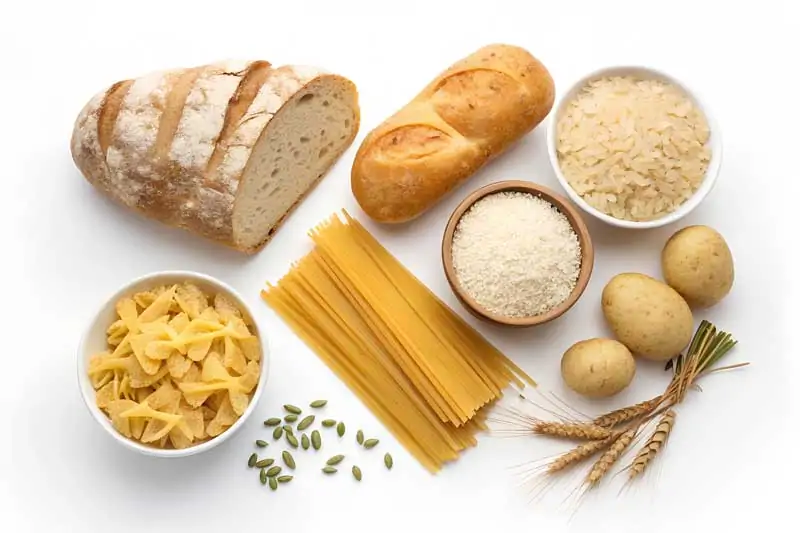
They both need fuel, and in large quantities. For us, it is mainly carbohydrates, sugars and fats—simple chemicals, largely consisting of carbon and hydrogen, which we burn off to release energy.
80% of the food we eat is simply burned off for energy. We have been amazingly successful in producing energy-dense food. The human population may have rapidly expanded, doubling every fifty years or so, but our production of energy food has expanded even faster.
There is no shortage of energy food. If some people do not have enough, it is not because of a shortage of energy food but a political problem of inequality.
Body Building and Replacement Food
Both an aeroplane and our bodies are complex machines which need a lot of input to build and replace all the parts. The picture here is not quite so rosy.
The total amount of nutrients in our food has not expanded as fast as the population, and there are some deficiencies in our diet. Most people are a little short of magnesium, women lack iron, and men lack zinc. There are a few trace elements and vitamins where we are falling behind.
There is still plenty of magnesium, iron, zinc and the other trace minerals available. The problem is more one of awareness and education rather than a physical shortage.
The Pilot and our Intelligent Controls System
An aeroplane needs a pilot—even a drone has a remote pilot—who is in charge of reaching the destination safely.
The pilot has instruments for fuel level, weather conditions, the presence of other planes or obstructions, and tools to control the plane. This is a highly skilled operation requiring extensive training and practice.
Our bodies have a similar control system made up of both our brains. Yes, we have two brains. Our head brain starts learning from birth, storing information and developing logic and learned, instinctive actions (the subconscious).
We also have a second brain in our gut. The microbes in our gut communicate with each other to provide real intelligence, which plays a different role than our head brain.
Together they form an integrated system, learning how the foods we eat work for us and how they provide the energy or nutrients we currently need. Sensors throughout the body detect deficiencies and help create the hormone mix that makes us crave particular foods.
This is a highly sophisticated and much under-appreciated wonder of the human body.
The Trap
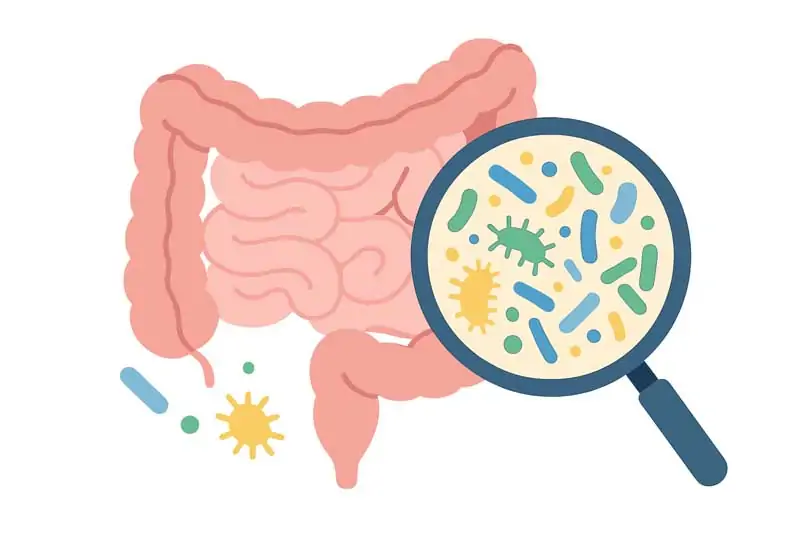
However, there is a trap. The microbes in our gut are an integral part of this intelligent control system, and if we don’t have the right sort of microbes in our gut, it does not work properly.
This is the underlying cause of the modern epidemic of chronic disease.
We have been so intent on avoiding the harmful microbes by ensuring a high level of hygiene that we lack the beneficial microbes.
This leaves us with the challenge of creating a system which has the beneficial microbes we need without the harmful microbes.
This is made even more challenging as the microbes have a very short life, living in what we call dynamic equilibrium, with microbes continuously breeding and dying.
Control the conditions
This may sound very difficult, but it is actually very simple to solve. All we need to do is create the conditions that benefit the beneficial microbes so that they will outcompete the harmful microbes.
The beneficial microbes need a certain combination of nutrients, air and water. Provide those conditions, and the beneficial microbes will prevail.
This is the essence of the Gbiota technology—simple, inexpensive, and usable by virtually anyone.
Blue Zones

People in the Blue Zones enjoy long, healthy lives—and the common pattern is well known.
Much of their food is fresh and plant-based, grown in living soil fertilised naturally so it teems with life.
Microbes breed in the soil, enter the plants we eat, and help build our gut biome. These microbes work with our brain and body sensors to regulate health—shaping whether we stay well or develop chronic disease.
So why aren’t we all eating that way? It often costs less and can be more convenient and healthier than buying highly processed “always fresh, always there” food.
This matters because healthcare is now a major social cost, with many chronic diseases linked to the wrong fats in the wrong places—often driven by the wrong diet.
It’s a fascinating question that echoes how some technologies—from steam engines to AI—spread quickly, while others with clear benefits lag behind.
Steam engines existed before Watt, but efficiency gains made them truly practical. Only then did theory (thermodynamics) catch up and push further improvements. Similar patterns appear with bicycles, aeroplanes, computers, mobiles, and modern AI: practice proves value, then investment and theory accelerate progress. The sums now poured into AI are staggering—sometimes they pay off, sometimes not.
Food and health feel different. We already understand a lot about how food shapes health through soil, plants, microbes, and the gut biome. Yet sustainable, health-building food systems haven’t hit the “critical mass” that draws serious resources and matures the tech.
So how will that be solved?
Like other major innovations: people with a real need adopt it, prove it works, and create the momentum for widespread uptake.
That’s the aim of Gbiota—building the critical mass so a healthy, microbe-rich diet becomes normal and available to all.
