
For the first few billion years the earth was just a barren rock. Then microbes appeared, they broke down the rocks and made soil which led to plants flourishing.
Next came animals that ate the plants which were full of microbes so some microbes ended up in the guts of these animals. These microbes digested the animal’s food, manufacturing the spectrum of complex chemicals the animals needed and, most significantly, regulating appetite—sending out specific hormones to make the animals hungry for a particular food when they were low in it, and yet other hormones so they would stop eating when full.
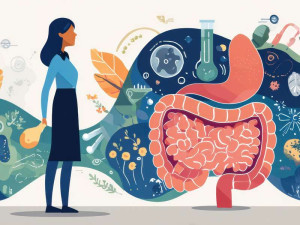
Microbes didn’t just make soil—they became the hidden regulators of life itself, controlling appetite, energy, and survival.
Microbes Make Life Possible
We need the microbes to power the intelligent control system which regulates our bodies. Without these microbes we don’t live a long and healthy life—we overeat and get fat and sick.
Our modern food system is a highly sophisticated industrialised chemical process relying on synthetic fertilisers and toxic sprays which have eliminated the microbes. This has led to the modern epidemic of chronic diseases which is causing so much personal suffering for the population and so much cost to the Governments in charge of our health system.
- Obesity affects much of the population.
- Diabetes is the fastest growing of all diseases, with over eight million people a year having a limb amputated.
- Heart attacks are the most common cause of death.
- Dementia must be one of the most heartbreaking conditions.
All these stem from not having the beneficial microbes in our gut that regulate our appetite.
Solution – Breed Microbes at Home
But we can solve this problem.
Microbes breed in organic waste, which makes breeding microbes easy, and they naturally move into plants. But they also die very quickly, which means they must be grown and eaten shortly after picking. In practice—since most people now live in apartments or have little garden—this means using special breeding containers at home.
The solution is not in more chemicals—it is in restoring our partnership with microbes, right in our homes.
This is cheaper than buying aged plants from a supermarket, but it does mean a change in behaviour, like having a breeding container on your balcony if you live in an apartment.
Microbes have a short life.
We already have the technology of breeding beneficial microbes. Gbiota basket-boxes breed beneficial microbes in organic waste under controlled conditions to grow the plants which contain the beneficial microbes.
This is straightforward, but we need to create a social change where people grow that critical part of their diet—gut-brain food—at home rather than relying on the centralised industrial chemical food system.
For that, we need a food social movement. The community has to be educated about the importance of our gut microbes and shown that they can grow these microbes at home, even if they have no garden or growing skills.
Local Gut-Brain Food Industry
We need to create a new industry where people can buy everything they need—the soil, boxes, seeds, etc.—from a local supplier and, if needed, get the critical support from a suitably qualified dietitian who understands how the gut microbes act as the control system for our appetite.
What we need is not just a product, but a movement—a cultural shift toward food that nurtures microbes, and in turn, nurtures us.
How do we create this societal change? We need to create a team of people with a range of skills who understand the benefits to the community of the gut microbes in regulating our bodies.
