
Type 2 diabetes is no longer seen as a one-way decline. The core issue is not “burnt out” pancreas cells, but fat and metabolic stress driven by high-glycaemic food and damaged gut biology. Most people can improve, and many can reverse diabetes with diet, exercise, and lower stress—then maintain results with a sustainable routine. This article outlines a refuge-style model that combines nutrient-rich food, supportive carers, and measurable feedback like continuous glucose monitoring.
Paradigm Shift: Diabetes Can Improve and Often Reverse
There has been a major shift in how chronic disease is understood, especially type 2 diabetes. For many years, diabetes was treated as irreversible and progressively worsening, needing stronger medication over time. The fear was clear: ignore medication and the likely outcomes were blindness, amputations, insulin injections, and early death from heart attack.
That story is changing. The newer understanding is that insulin-producing beta cells do not simply “burn out” and disappear. Instead, they can become clogged and impaired by fat, driven by long-term high insulin levels. The drivers include high-glycaemic foods (sugar and processed foods) and compromised gut biology, especially when the body is exposed to toxins.
With that shift comes a practical conclusion: for the majority of people, diabetes can be improved and often reversed through a combination of better diet, consistent exercise, and stress reduction. The aim is not perfection. It is regaining metabolic control and keeping it.
An Invitation: A Diabetes Refuge in Australia
A practical idea is to create a refuge-style model in Australia where people can step out of the standard pattern and focus on reversing diabetes. The model draws inspiration from an eco-village approach, where food, routine, and education are aligned to support recovery.
This can be done using an existing eco-village structure in Gin Gin, Queensland. Housing exists and more may be available if needed. The real question is community interest: are there people willing to help establish an Australian diabetic refuge based on the model described below?
The Yangtou Project: Food, Routine, and Support
A major reference model is an eco-village being developed in Yangtou, Fujian province, China. Diabetes is a massive issue in China (alongside India), with more than 115 million people officially diagnosed and many more undiagnosed or pre-diabetic. Asian populations are often particularly prone because fat may accumulate around vital organs (visceral fat) even when overall body fat does not seem extreme.
The aim of the eco-village is to provide a refuge for reversing diabetes. The food system is designed to grow plants that are free of toxic chemicals, high in nutrients and trace minerals, and biologically active. Food is grown using Gbiota beds to lift nutrient density and biological quality.
A key part of the model is care. The plan includes empathetic carers who are trained in diet, exercise, and stress reduction. The role of carers is not to apply a rigid rulebook. The role is to help select a routine customised to each guest, then build skills so the reversal can continue after leaving the refuge.
A wider library of supporting information exists online, including diet and health material and detail on the Yangtou project and practical approaches to reversing diabetes.
Self-Regulating Routines: Intermittent Fasting in Real Life
A pragmatic approach to health is to use routines that regulate weight and blood sugar without needing constant calculation. Intermittent fasting is one example. A 10:14 routine (ten-hour eating window, fourteen-hour fast) can work well in many cases, such as eating breakfast a little later and having an early dinner.
But real life matters. When life circumstances change—more feasts, more treats, or simply more tempting food—weight may stop dropping as expected. In that case, tightening the routine can help. An 8:16 routine can be more effective, especially when paired with more discipline in food choices. The goal is not extreme dieting; it is steady correction and continuous self-management.
The practical lesson is simple: ignore overconfident “expert” rules that pretend everyone is the same. A useful routine is self-regulating and adjustable. Monitor results and change course when needed.
Continuous Glucose Monitoring: The Missing Standard Tool
Continuous blood sugar monitoring can be a powerful tool. It provides a 24-hour record of blood sugar and reveals patterns that single “prick tests” miss. A one-time reading can be misleading because it captures only a moment. A continuous graph shows what food actually does, when spikes happen, and how quickly the body recovers.
These graphs quickly show that standard diet rulebooks often fail because people respond differently. With continuous monitoring, problem foods and beneficial foods become obvious, and diet can be adjusted based on real feedback rather than guesswork.
A further insight comes from the recovery curve. The speed at which blood sugar drops after a spike provides practical information about insulin effectiveness. The slope of that line can indicate whether insulin response is improving. This matters because it suggests that impaired beta cells may still be functional when fat and metabolic stress are reduced.
Exercise Has a Bigger Impact Than Expected
Exercise can have a dramatic effect on blood sugar. A common claim is that exercise burns relatively few calories and may simply increase hunger, so it does not help much. Real-world monitoring can show the opposite: exercise can significantly reduce blood sugar and improve control, even without dramatic weight change.
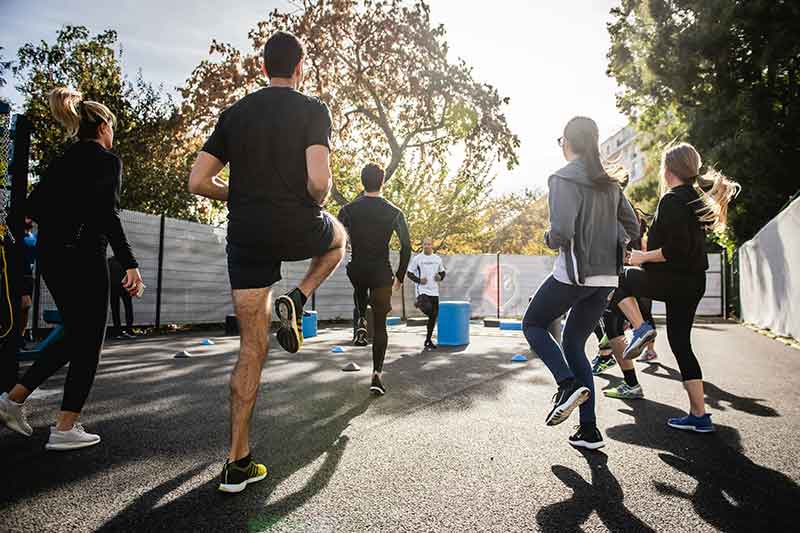
A simple daily walk can shift the blood sugar graph in a way that medication alone often does not. For a diabetes refuge model, this is critical: exercise does not need to be complicated, but it needs to be consistent and built into the routine.
Stress, Cortisone, and the “Hungry Spike”
Stress hormones matter. Cortisone (and cortisol) can raise blood sugar, and this can be seen clearly on continuous monitoring. When stress rises, blood sugar can rise even without food.
One surprising pattern is that hunger itself can trigger a stress response. When hunger sets in, blood sugar can rise sharply. A likely explanation is that hunger becomes stress, the body releases stress hormones, and blood sugar rises as part of that response.
This insight changes how fasting is used. Fasting can help many people, but if it triggers stress spikes, the approach must be modified. The practical goal is to design a routine that improves metabolic health without pushing the body into dietary stress.
Medication and the Need for Better-Aligned Doctors
As diet improves and blood sugar patterns change, a new risk appears: blood sugar may drop below the safe line, increasing risk of hypoglycaemia if medication is not adjusted. That means medical supervision is essential, especially when medications need to be reduced.
A major obstacle is that some doctors still believe diabetes cannot be reversed. If a doctor is locked into that view, reducing medication can become a battle. A practical response is to seek a doctor who understands current evidence and is willing to work with diet-led improvement rather than assuming lifelong decline.
Gbiota Beds: Automated Is Not Maintenance-Free
A key strength of Gbiota beds is automation. Flood-and-drain style systems can be highly reliable and efficient. But an important engineering truth applies: automated does not mean maintenance-free. When no one checks the system, small issues can grow into failures.
One practical issue is water quality. If a rainwater tank lacks a first-flush system, roof debris can wash into the tank and clog a float valve (a typical toilet-style valve). A simple filter can prevent clogging and maintain flow into the local reservoir where pumps sit.
Compost Quality, Safety, and a “Living Filter” Approach
Compost systems raise an important question: fresh (labile) compost can contain growth inhibitors and potentially unwanted compounds. When the aim is to regenerate gut biology and food may be eaten straight from the garden, safety matters.
A long-used approach is multi-stage composting, where plant growth helps filter and stabilise materials over time. Weeds and hardy plants can act as toxin filters before the compost is used more directly. A mature compost layer can also act as a stabilising filter within a bin.
A practical experiment is to simplify the system by adding materials directly into the bin while increasing nitrogen inputs to speed decomposition. The goal is to keep the process robust, safe, and productive without becoming overly complicated.
Pumps, Pressure, and the “Simplest Working Design”
As compost piles grow, a small pond pump may not develop enough head pressure to reach the top of the pile. In that case, a dirt-tolerant sump pump with higher pressure and flow can solve the problem.
A design choice then appears: use multiple smaller pumps in sequence, or simplify into one stronger pump. A multi-pump system can be built on the theory that local tanks need time to refill between cycles. But a simpler one-pump design may work better in practice.
A key observation is that a larger pump can drain a small tank quickly, but return water can flush back in. With help from a float valve, the tank may maintain enough water to keep the cycle stable. This reveals a useful concept: when the soil is saturated, flow reduces dramatically and only a small amount continues as wicking into surrounding soil.
The broader lesson is a practical engineering philosophy: build as simple as possible, test, then modify. Complexity is not always smarter. The simplest design that consistently works is often the best design.
Conclusion
Diabetes reversal is not a fantasy and not a one-size-fits-all recipe. It is a practical process built around nutrient-dense food, daily movement, stress control, and measurable feedback. Continuous glucose monitoring reveals what actually works for each person and exposes hidden drivers such as stress and hunger spikes. A refuge-style model can combine biologically active food, empathetic carers, and structured routines so people gain results and learn how to maintain them at home. The pieces exist; the next step is community action to make the model real.
