
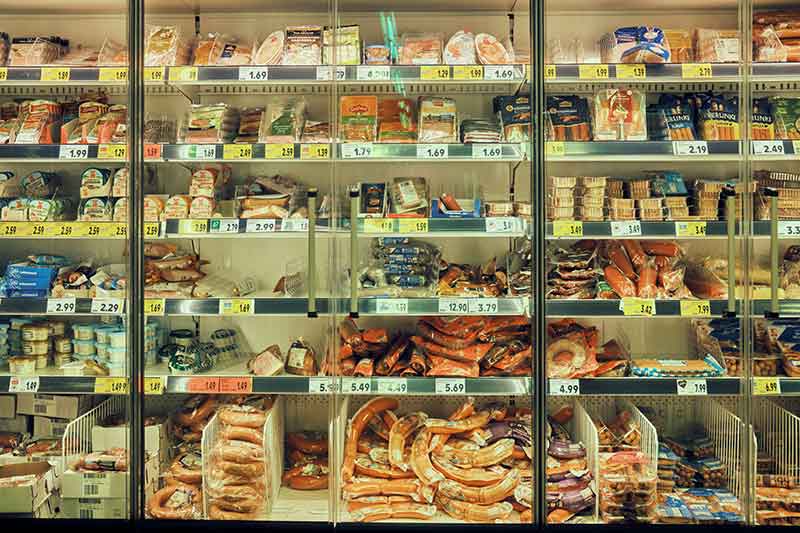
Modern technology has transformed the world by boosting productivity, lowering costs, and giving us access to more food and products than ever before. But this same progress has also created powerful global systems that influence how food is made, sold, and consumed. Hidden sugars, addictive processed foods, and declining nutrition are feeding a “hungry beast” inside many of us—an internal drive shaped by biology and industry. Understanding this cycle is the first step toward reclaiming our health.
Introduction
Modern life has become incredibly efficient. Over just a few decades, technology has allowed us to produce far more food, goods, and services at a fraction of the historical cost. In theory, we now create enough food to meet the nutritional needs of the entire global population—if it were fairly and evenly distributed. This achievement is one of the great successes of our era.
But while the abundance of food is good, the systems that produce it also carry hidden risks. Alongside the benefits, technology has enabled the rise of extremely powerful multinational corporations. These organisations often have more influence than national governments and can shape the rules that govern the food industry. When this influence is used to produce inexpensive but unhealthy food, we face serious consequences at the personal, community, and global level.
The Good and the Bad
The global food system is incredibly productive. Large-scale agriculture, advanced manufacturing, logistics networks, and data-driven systems mean that supermarkets all over the world are filled with low-cost products. This level of productivity reduces costs for consumers and, in many cases, improves access to essential goods.
However, the downside is more complicated. When powerful organisations dominate a market, they can shape not only the products available to us but also the laws and standards that govern those products. It is not especially harmful if mobile phones or electronic devices are controlled by a few companies—annoying, perhaps, but not deadly.
But food is different. What we eat goes directly into our bodies. When food production is steered by profit rather than health, the results can be devastating.
The Hungry Beast Inside
One of the clearest examples of this problem is high fructose corn syrup (HFCS). It is one of the most harmful yet widely used modern ingredients, cheaper and sweeter than refined sugar and found almost everywhere in processed foods—from packaged soups to takeaway meals.
HFCS is addictive. Its effects on the brain are similar to tobacco, alcohol, and drugs, triggering reward pathways and encouraging us to consume more than we need. This is the “hungry beast” inside—an internal drive shaped not by natural hunger but by engineered cravings.
For children and teenagers, sugars and carbohydrates can provide rapid bursts of energy. But the human body responds by producing large amounts of insulin. Over time, repeated spikes lead to insulin resistance. The pancreas is then forced to work harder, eventually leading to insulin deficiency. This slow progression is the pathway toward diabetes.
The Sister Illnesses
Excess sugar is not only linked to diabetes. When the body cannot use or store the sugar it receives, the liver converts it to fat. Over time, this process contributes to a cluster of serious health issues—heart attacks, strokes, cancer, and metabolic disorders. These illnesses are now so common that they have become the greatest global health challenge of the 21st century.
Medical professionals tell us that these conditions can often be prevented—and sometimes reversed—through diet. Eating more fresh green vegetables helps the body regulate blood sugar, reduce inflammation, and restore metabolic balance. On paper, the solution seems simple.
But in reality, it is not.
Why Diet Change Is Hard
There are two major obstacles preventing people from shifting toward healthier diets.
The first is addiction: highly processed foods, especially those containing HFCS, stimulate the brain in ways that make them difficult to give up. They are designed to be irresistible.
The second is taste and quality. Vegetables must be fresh to taste good. But many commercially grown vegetables are raised using intensive production methods that focus on yield, not nutrition. As a result, they often lack essential minerals and vitamins. Food that is nutritionally weak rarely tastes good, making it even harder for people to choose vegetables over processed products.
Real change requires access to fresh, mineral-rich vegetables grown in healthy soil. But many people lack the skills, time, or space to grow their own food.
A Practical Solution: Wicking Technology
Innovation has the potential to rebuild our relationship with fresh food. In the 1990s, Colin Austin developed a simple system—now widely known as the wicking bed—to help families in Africa grow nutrient-dense food with minimal water and minimal labour. This system has since become globally recognised as an effective method for growing healthy vegetables in home gardens, farms, and community spaces.
Today, a new variation is being developed: the wicking basket. This upgraded system aims to make healthy food production accessible to everyone, even those who:
- have no gardening experience
- live in small apartments
- have limited time
- lack outdoor space
The wicking basket is designed to produce high-quality, mineral-rich vegetables using a compact, low-maintenance approach. It removes many of the common barriers that prevent people from growing their own food.
Three Articles on the Wicking Basket
To help people understand and adopt this new system, three articles are being prepared:
1. The Hungry Beast Inside — Why We Crave Sugar
This article explains why sugars and refined carbohydrates are addictive and how high fructose corn syrup in particular affects our bodies. Importantly, sugar itself is not inherently bad. The problem is that modern sugars are so highly processed that they enter the bloodstream too quickly, causing dangerous spikes in blood sugar and insulin. When consumed in natural forms and balanced with fibre, minerals, and whole foods, sugar behaves differently in the body.
2. Growing Healthy Food in a Wicking Basket
The second article shows how anyone—regardless of experience—can use the wicking basket to grow fresh vegetables at home. The focus is on practical steps, soil biology, and the importance of minerals for flavour and nutrition.
3. Cooking Vegetables So They Actually Taste Good
The third article explains that it is not enough to simply tell people that vegetables are healthy. They must taste good, or people will continue to reach for sugary processed foods. This section explores simple preparation and cooking techniques to make home-grown vegetables genuinely enjoyable.
Additional Resources
Readers can explore the full article online, including downloadable PDFs and additional materials. There is also further information available on growing mini vegetables and improving nutritional quality at the Healthy Food Association website.
Anyone who would like copies of the supporting documents can request them by email. They are free to share. There is also an indexed list of all related files available for those who want to explore the topic in more depth.
Conclusion
The “hungry beast” inside us is not a personal failure—it is a biological response shaped by modern food systems. Powerful organisations have created products that are cheap, convenient, and addictive, while fresh food continues to decline in nutritional quality. But there are solutions. By understanding how the system works, recognising the dangers of processed sugars, and learning to grow fresh, mineral-rich vegetables—even in small spaces—we can reclaim control of our health. Wicking technology, especially the wicking basket, offers a simple, accessible path toward better nutrition, better taste, and a healthier future for all.
