
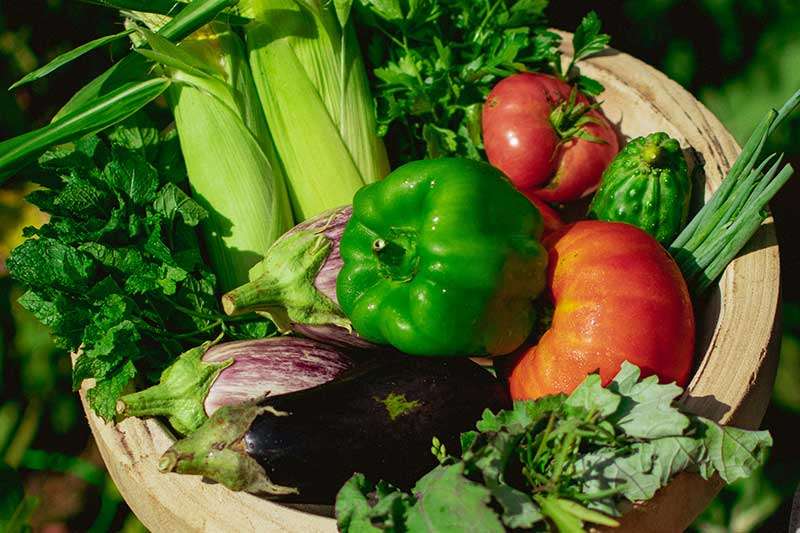
This newsletter reflects on the human cost of modern diets, particularly diabetes, and the importance of growing fresh vegetables in nutrient-rich soil. It connects this health concern with wicking bed technology — a simple, low-cost way to grow vegetables using water-efficient systems. The author calls for community engagement, better public understanding of diet, and wider adoption of home and school gardens to improve health and prevent chronic disease.
The Human Cost of a Bad Diet
I want to open this article with a simple request: I need your feedback. Not about technology — that part I understand well — but about people. The psychology of diet, health, and behaviour is far more complex than plumbing, soil mixes or wicking beds, and that is where I am seeking insight.
Just this Wednesday, I began the long 2,000-kilometre drive from Gin Gin to Melbourne with my wife, Xiulan. We are seeing a specialist about her foot. One of the ankle bones has effectively died, and we now face difficult choices: either a bone transplant from her hip or a metal heel. This is not bad luck — it is a typical outcome of diabetes. Diabetes is now one of the leading causes of amputation and blindness. Watching someone you love go through this is something I would not wish on anyone.
My strong desire is simple: I want to stop other families from experiencing what we are facing now.
Fresh Food as Prevention
The frustrating part is that diabetes can often be prevented — and sometimes even reversed — by eating a diet rich in fresh vegetables. This is not radical or new; it is well-established. The real barrier is that sugar is addictive. The modern food system is built around convenience, sweetness, fat, and salt. These flavours keep people coming back for more.
My own approach to helping has been through technology: developing the wicking system so people can grow food easily, even if they do not have large gardens or deep gardening knowledge. The wicking system is deliberately designed to make fresh vegetables simple, reliable and low-effort.
But let’s be clear — good soil is not created just by tossing in a few minerals. Soil biology is what makes minerals available to plants. Without living, breathing soil, nothing functions properly. When you have the right minerals, porosity, surface chemistry and moisture movement, wicking beds become extremely easy to build. In fact, almost any container that can hold water can be turned into a functional growing system.
I explored these soil fundamentals in www.waterright.com.au/onceuponatime, and then expanded on the broader historical and cultural context in www.waterright.com.au/wildswans. Soil, food and human health are intertwined more deeply than most people realise.
Are We Winning the Diet War?
So the question remains: is all this work actually making a difference? From the emails I receive, I know that thousands of people are now building and using wicking beds — and for every email, there are certainly many more people I never hear from. That is the good news.
The not-so-good news is that most people write to me about water saving. Water saving is important, but it is not the main objective. The real goal is to get minerals, vitamins and phytonutrients into people’s diets.
Much of the dietary talk in the world focuses on “calorie restriction.” Honestly, this is misguided. When someone’s body is deprived of phytonutrients — the plant-based compounds essential for health — they will feel hungry. Hunger eventually overrides willpower, and the person ends up bingeing on processed foods that are cheap and convenient, full of sugar and fat.
Long-term calorie restriction simply does not work. You must replace high-sugar, high-fat processed foods with real plant-based foods that satisfy the body’s nutrient needs. Without that, hunger becomes a constant battle.
Another issue is that the people reading my work are usually already keen gardeners — people who tend to eat better than the general population. This is only a small fraction of the public.
Statistics on diabetes and its underlying cause — excess fat stored around vital organs — paint a worrying picture. It is not just the number of expanding waistlines; it is the rate of increase, especially among younger people. If nothing changes, this will become one of the biggest health challenges of our time.
I am just one individual. I cannot influence the entire population alone. But a community can.
Why I Use Creative Commons
Traditional intellectual property is built around monopoly rights. Creative Commons takes a different approach. It allows people to share intellectual work for the benefit of the community while still giving credit to the creator.
I want the technology I have created to be used as widely as possible to improve diet and health. That is why all my publications can be copied — partially or in full — at no cost. In fact, I encourage it.
Anyone can use the wicking system technology for personal use without paying a cent. If someone chooses to use it commercially — for example, selling soil or kits — then they simply need a licence and usually pay a small royalty of around 5%. This is not a barrier; it is a way to encourage businesses to help spread the system to more people.
This especially applies to Wickimix®, the soil formulation I developed. It is tricky for many individuals to make at home, but local soil suppliers or gardening clubs can produce it in bulk and distribute it cheaply. Gardening clubs can also assemble Wicking Baskets® and offer them to members or the public. This builds community capacity and supports healthier diets.
Getting the Message Out
The message we must spread is simple: people need phytonutrients from vegetables grown in nutrient-rich soil. And anyone can grow vegetables using the wicking system, even without experience or a big backyard.
I cannot outspend the processed food industry. They invest billions to promote addictive, unhealthy products. My only tool is community action. So here are some practical ideas, and I genuinely invite your suggestions.
Friends and Social Circles
Within my own circle, I can already see many “fat tummies.” I talk openly with friends about diet and show them how the wicking system works. This personal, one-to-one approach may be slow, but it is powerful.
Social media is another opportunity. I am no expert, but countless people in community groups already reach wide audiences. These networks can share information about soil, fresh vegetables, and the dangers of diabetes.
Schools
Parents can encourage local schools to teach the next generation about nutrients, minerals, soil biology and how easy it is to grow food. If children learn these skills early, they carry them for life.
Gardening Clubs
Garden clubs thrive on sharing knowledge and building community. They can run open days, teach wicking bed construction, and help more people understand the connection between soil and health.
Local Governments
Councils are usually far more responsive than state or federal governments. Many already support gardening through mulch programs or community gardens. They also operate centres and aged-care facilities where nutrition education could make a real difference.
State and Federal Governments
Higher government levels manage the bulk of health services, but prevention is almost absent from their thinking. Diabetes services are overwhelmed. We waited four months just to see a specialist, then had to travel 2,000 kilometres to Melbourne. The system cannot cope with the growing demand.
Budgets dominate political thinking, but sometimes the public must remind policymakers that health — not submarines to guard against Antarctic penguins — should take priority. Prevention is far cheaper than cure and avoids immense personal suffering.
What Do People Really Think?
I am confident in the wicking technology. Its success stories are plentiful. But I suspect I am missing something important about human psychology. Do people truly understand the dangers of modern processed food? Do they agree logically but continue eating poorly because convenience wins? Are the people I reach already “converted,” leaving the rest unaware of how easy it is to grow their own food?
I truly want to know what people think. How do we communicate the importance of diet and health? How do we reach those who are quietly heading for trouble?
Please share your thoughts. Your ideas might help us save lives.
Colin
Colin Austin — © Creative Commons. Reproduction permitted with source acknowledgement; commercial use requires a license.
Click below to see how sprouts, microgreens and baby greens help cure diabetes and keep you slim.
