Why you Should Join the Gbiota Movement

Why you Should Join the Gbiota Movement

Our bodies naturally self-regulate (homeostasis): we don’t need to think about breathing or heart rate. A healthy gut biology supports that self-regulation so we don’t need “fancy diets” — our bodies tell us when and how much to eat. But we do need food that feeds our gut biology. That is what Gbiota food does.


Grow it yourself or join the club

People who grow their own food can grow the right sorts of plants and pick and eat them straight from their gardens. My websites have a lot of information on growing gut food — Gbiota — all for free.

If you can’t grow your own food, join the Gbiota Club and connect with a community that can help you access Gbiota food.

Our food has changed

Fifty years ago the major health issue was infectious disease; now it is chronic disease — the “fat in the wrong places” conditions of diabetes, obesity and dementia.

True, infections like coronavirus are harmful, but the number of people suffering from chronic disease is many thousands of times higher.

The root cause points to our gut and head brains acting as an intelligent control system that regulates how much and what we eat — and where and how much fat we store.

Gbiota gut food

Our gut is made up of trillions of cells that communicate to form an intelligent system — our gut brain. If this system is unhealthy, regulation fails and chronic disease follows.

These cells originate in the soil — health starts in the soil. They reach us via plants, the animals that eat those plants, and direct contact with other creatures, particularly our mums.

Soil biology, minerals and chemicals

  • Biology: We know how to manage soil to cultivate beneficial biology.
  • Minerals: As crops grow, they remove essential minerals. Farmers replace plant nutrients with fertilisers, but there is no incentive to add the broader range of trace minerals humans need. Our brains sense the lack and trigger hunger, so we eat more than we need.
  • Chemicals: Farmers use toxic chemicals to fight weeds and pests. While generally screened for human toxicity, they can damage gut biology — which is exactly what many are designed to do.

Once our gut biology is damaged, it fails to regulate appetite and metabolism — and we overeat.

Why we need an alternative food system

If we know how to fix this, why isn’t it done? The simple answers are money and the established system. Producing food rich in living biology and human-essential nutrients costs more, which challenges the profits of large organisations.

A practical path: buy from regenerative farmers

Regenerative farmers invest in healthy soil. Farmers typically receive only ~20% of the retail price. If people buy directly from regenerative farmers, growers can receive most of the retail price and consumers may pay less for healthier food — a fairer deal.

The real-world hurdles

How do I know the food is genuine?

Buyers need confidence that growers use healthy soil and avoid harmful chemicals. Gbiota food growers are expected to publish a page describing their methods and to allow reasonable customer reviews.

We need a range of plants

People want variety; farmers often specialise. Buyers may need to source from multiple growers to build a complete diet.

Timing is crucial

After harvest, beneficial biology declines and harmful biology can take over (food rots). To benefit, we should eat plants shortly after harvesting.

A solution: buyers order while the crop is still in the ground, then harvest and deliver without delay.

Replace sugar with flavourful herbs

Much processed food uses sugar for flavour, which encourages harmful gut biology and cravings. We can make food tasty with herbs — this just takes some culinary knowledge and practice.

People naturally cooperate

Market forces alone won’t solve these logistics. We need social organisation — people cooperating to build a better food system. That is what the Gbiota Club is about.

Loading

Gbiota food for gut health

Gbiota food for gut health

Gbiota Beds – Health From Diet

The Gbiota bed growing system was developed as an alternative to modern diets high in fat and sugar yet low in nutrients. These beds create nutrient-rich, biologically active soil with balanced trace minerals that support the growth of genuinely healthy fruit and vegetables. The goal is to restore healthy gut biology—an essential part of the body’s intelligent control system, which regulates hunger, nutrient absorption and how and where the body stores fat.

Join the Social Movement

Storing fat in the wrong places has led to global epidemics of diabetes, obesity, heart disease and dementia. The most effective and affordable intervention is simple: eat nutritious, biologically rich fruits and vegetables. However, the food, pharmaceutical and medical industries are multi-billion-dollar systems that benefit financially from treating illness rather than preventing it. There is no commercial incentive for promoting nutrient-dense food as the simplest path to health. This is why the Gbiota project operates as a social movement. Its success is measured not in profits, but in how many people avoid blindness, amputations, and chronic disease caused by dietary imbalance—conditions that occur globally every twelve seconds. Guides for creating Gbiota beds are provided free for home growers, while commercial growers are asked to make a small contribution to support public education about nutrient-rich food. Everyone who benefits from the Gbiota system is encouraged to share the information with friends, family and social networks.

Not Just Any Fruit and Vegetables

Almost all dietary philosophies—low carb, low fat, paleo, keto—agree that we should eat more fruits and vegetables. But not all vegetables are equal. They must contain essential nutrients and living biology to truly support health. Humans require a broad range of minerals beyond what plants need to grow. Important examples include iron, zinc, magnesium, selenium, chromium and iodine. Plants can appear large and healthy even when grown without these minerals, especially when synthetic fertilisers are used. This is why much supermarket produce looks perfect but lacks the essential nutrients required for human health.

Our Intelligent Control System

The human body has a highly sophisticated intelligent control system made up of trillions of cells in our gut and brain that constantly communicate. This system assesses the body’s needs and reacts accordingly. When it detects nutrient deficiencies, it sends hunger signals. When deficiencies are severe, it can trigger intense food cravings that are incredibly difficult to resist. Modern diets are high in fat and sugar but low in micronutrients. This leads to overeating—chasing nutrients that are not present—increasing the risk of diabetes, obesity, heart disease and dementia.

Food Cravings

Many people experience this daily: wandering around the house feeling “starving” but unsure what they are craving. Once they find something salty, fatty or slightly nutrient-rich, the cravings stop immediately. The diet industry tells us to “cut calories,” yet society continues to gain weight. This is because the real problem is not overeating—it’s nutrient deficiency. When people eat nutrient-rich vegetables, the body’s control systems stabilise and cravings disappear naturally.

Gbiota Beds

Gbiota beds exist to supply food that nourishes the gut microbiome, stabilises hunger signals, reduces cravings, and prevents overeating of high-sugar, high-fat foods. More people are recognizing the importance of diet and gut biology.

Loading

Rock Dust & Why Soil Biology Matters

Rock Dust & Why Soil Biology Matters

Why Not Just Add Rock Dust?

The amount of micro-nutrients humans need is tiny—often just a few micrograms. Meanwhile the planet holds trillions of tonnes of volcanic rock rich in these minerals. So why not simply spread rock dust on soil? We absolutely should, and rock dust is an important part of the Gbiota system. But it is not enough on its own. Rock dust minerals are insoluble, meaning plants cannot access them without help. For billions of years, plants have used sunlight to make sugars, then exuded those sugars from their roots to feed soil microbes. These microbes break down rock particles into soluble forms the plant can use. The plants then convert these minerals into phytonutrients essential for human health. This natural partnership has been “field-proven” for over a billion years.

Healthy Soil Needs Healthy Bugs

Growers using the Gbiota protocol add volcanic rock dust to supply essential minerals. But unless the soil contains an active microbial community, the plants cannot unlock those minerals. Soil biology—bacteria, fungi and other microorganisms—breaks down mineral particles and converts them into soluble compounds. Plants absorb these, turning them into complex nutrients that humans can digest and utilise.

Our Bodies Need Good Bugs Too

Just as plants rely on soil microbes, humans rely on gut microbes to digest food, make nutrients available and support overall health. These microbes protect us from harmful bacteria, regulate immune function, and help control appetite and cravings. When the gut senses nutrient deficiencies, it triggers hunger, pushing us to eat more in an attempt to obtain missing minerals and phytonutrients. This is a major driver of the modern health crisis. We consume foods high in sugar and fat but low in essential nutrients, creating cycles of overeating without ever addressing the body’s real needs.

The Great Bug Battle

Everyone agrees that we need to manage harmful microbes—but the question is how. Modern industrial agriculture relies heavily on toxic chemicals to kill pests and pathogens. It also depends on man-made soluble fertilisers rather than allowing soil biology to unlock minerals naturally. Although this approach may seem logical, it has coincided with an explosion of chronic diseases such as diabetes, dementia, obesity and cardiovascular illness. One major reason is that chemically grown food lacks the rich nutrient and microbial life found in biologically active soil. Chemicals may kill bad bugs, but they also destroy beneficial microbes that are essential for plant, soil and human health.

The Ecological Balance Principle

The Gbiota system focuses on achieving ecological balance—allowing beneficial microbes to outcompete harmful ones naturally.

The Growing Cabbage: Nature’s Example

cabbage-colin-austin-gbiota
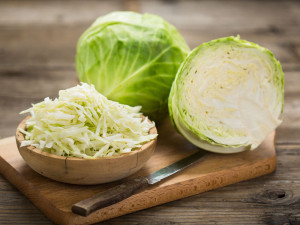
A cabbage growing in healthy soil is constantly exposed to harmful microbes. Yet it thrives, because beneficial microbes dominate around its roots and leaves, preventing bad bugs from taking over. There will always be some harmful microbes present, but as long as the beneficial population is strong, the plant remains healthy. The Gbiota bed system mirrors this natural process by regularly flooding the root zone with nutrient-rich, biologically active compost tea. This encourages a thriving microbial community capable of protecting the plant without the need for chemical pesticides. Unlike conventional agriculture—which attempts to kill all microbes—Gbiota maintains a stable ecological balance. Some harmful organisms remain, but beneficial ones dominate. Until society accepts the value of ecological balance over chemical extermination, we will continue facing epidemics of diet-related diseases.

The E. coli Lesson

People often fear E. coli, but almost everyone carries E. coli in their gut at all times without any problems. Harmful strains only cause issues when beneficial microbes become weakened. Our gut constantly encounters harmful microbes through food and air. A thriving community of good microbes manages them effortlessly. Eliminating all microbes—good and bad—is impossible and unhealthy. The Gbiota approach is to strengthen beneficial microbes so they naturally suppress harmful ones.

The Rotting Cabbage

Once a cabbage is harvested, it is cut off from its nutrient supply. Good microbes weaken, harmful microbes begin to dominate, and the cabbage starts to rot. The faster we eat fresh produce, and the less we damage its natural microbes through over-cooking, the more beneficial microbial life we consume. Fresh, biologically active vegetables are more than food—they act as a living probiotic system for our gut health.

Loading

Gbiota – Technology for the Benefit of Society

Gbiota – Technology for the Benefit of Society

Humans are by far the most successful animal on earth for a simple reason: we have tools (technology) and we form cooperative societies.
Some million or so years ago, humanoid creatures survived by throwing stones at attacking lions. Throwing stones may not sound like advanced technology, but we are the only animal that can do it accurately and effectively. (Our cousins the chimps can throw stones, but not with the accuracy to hit a lion on the nose.) One person throwing stones would be useless — it takes a group of people creating a coordinated barrage of flying stones to make the lions give up and leave. How did we manage to coordinate together? Was it instructions from a leader, or a financial incentive like a tax break? Unlikely. It comes from one of the most important characteristics of humans: each person asks themselves, “What sort of society do I want to live in — one where I get eaten by lions, or one where I don’t?” Enough people decided that a society where people don’t get eaten by lions was better, so they worked together and we survived. That may have been a million years ago, but the cooperative nature of humans has not changed.

Technology, Change and Health

Technology has changed dramatically, and the rate of change is faster than ever. Society is struggling to adapt to this rapid shift, and our technological advances are not always working for the benefit of society as they should. My day job was technical innovation. I was selected by the Institute of Engineers as one of the top one hundred technical innovators for my work in computer-aided engineering. I believe that those who are fortunate enough to have the DNA of successful innovators also have a responsibility to ensure their work benefits society. I like to think my work in computer-aided engineering helped create better products that improved people’s lives. But now I focus on food — specifically, how the way we grow our food affects our health. Health starts in the soil. And I have to say, the modern food industry is not benefiting society.

Manipulation of Truth and the Food Industry

Manipulation of the truth is not unique to the food industry. The tobacco industry refined it into an art form — carefully selecting information that may be true in isolation while masking or discrediting evidence (or the scientists) that showed the health hazards of tobacco. They used false experts and created confusion in the public debate. The fossil fuel industry has used similar tactics to discredit climate science. Flooding the internet with misinformation during elections is another example of truth being manipulated to the detriment of society. But manipulation of the truth about food is killing people on a scale we have never seen before. After decades of medical advances that extended life expectancy, we are now dying younger from chronic diseases. The “fat in the wrong place” diseases — diabetes, obesity, dementia and related conditions — do not just shorten lives; they make life miserable for millions. Every twelve seconds, someone loses a limb due to diabetes. It is also the leading cause of blindness. Being a blind cripple is not a lifestyle improvement. Dementia is even worse. Sitting in a wheelchair, dribbling onto a blanket, losing control of bodily functions and having no idea who you or your loved ones are — this is not how most people imagine the end of their life. These epidemics are man-made — the result of addictive food and misinformation.

From Problem to Solution

Complaining about the negatives is not enough; we need positive solutions. As usual, the solutions require a combination of technology and social change. The technology is the easy part. There are thousands of studies from respected research institutions worldwide showing how diet impacts health. I have contributed to the technology side by developing the Gbiota bed system, designed to change gut biology — a key factor in many health problems. Gbiota beds use a flood-and-drain cycle where plant roots are periodically flooded with nutrient-rich compost tea, full of essential minerals and nutrients and free from toxic chemicals. But technology alone is not enough. We also need social change. The question is: how do we create this essential social change?

The Power of the Wallet

The obvious response might be to hold rallies outside parliament with slogans on cardboard placards. While this does little harm, it is unlikely to have much effect against powerful multinational corporations with vested interests in the current system and highly refined manipulation strategies. The solution that can work is the power of the wallet. wallet-gbiota We need a social movement where local groups decide they want to eat healthy food and are willing to spend time learning the basics of how food affects their health — and to understand that health starts in the soil. Once people understand this, they have three options:
  • If they have land, they can set up their own Gbiota bed.
  • If they have cooking skills, they can buy directly from commercial growers who use Gbiota beds.
  • They can eat at local cafés or restaurants that buy directly from Gbiota growers and have the culinary skills to make the food taste and look good.
After reading the information on these web pages, the next step in creating this social change is to join Gbiota and Become a Biofoodie. A Biofoodie is someone who wants to eat food grown in nutrient-rich, biologically active soil in a Gbiota bed.

Loading

Letter From China: Fermented Food, Gut Health, and Why We Age So Differently

Letter From China: Fermented Food, Gut Health, and Why We Age So Differently

I came to China to look for better ways to make fermented foods that support gut biology, because gut biology is a key part of the fight against diabetes and similar chronic illness. At first, I thought the trip would be a failure. Then I noticed something I could not ignore: in rural areas there were many people in their eighties and nineties who were still fit, active, and cheerful. This article is a simple story of what I saw, what surprised me, and what it might mean.


Preface: Why I Came to China

I am writing this from China, moving between places and learning as I go. It is not a perfectly planned report. It is a rolling account, written “on the fly”, and I will probably sort it out later. At the time of writing I have been in Shanghai, I am now in Shenzhen, and next I plan to head to Hunan to see what I can learn in more rural areas.

The reason for this trip is practical. I want to improve gut biology, and I am looking for fermented foods that can help. Diabetes has exploded in recent decades, and I am not satisfied with a system that mostly manages symptoms with pills while the root causes keep growing in the background. Food quality, soil biology, and gut biology are part of a deeper answer.

My First Big Mistake

My first goal was to find good “starters” for fermentation. Starters matter because they influence what microbes dominate. I expected to find a wide range of starter cultures used in farm fermentation.

Instead, I found something different. In this part of China, fermented vegetables are extremely common, but many farms do not use starters at all. They use large amounts of salt. It is closer to pickling than what many people in the West call fermentation.

I tasted it and thought: this is terrible. It was bitter, harsh, and not something most Western people would willingly eat. I started thinking the trip might be a dead end.

Then I remembered a lesson I keep learning: the Chinese have been eating many of these foods for centuries. When I ridicule what they do, I often later learn they were right and I was wrong.

The Key Insight: Chinese Food Is About Contrasting Flavours

The message arrived later, after I had already started writing. Chinese food is not designed around a single flavour. It is designed around contrasts. They rarely serve one dish alone. They serve four or five dishes, and sometimes far more at a feast. Each dish has a role in the overall taste experience.

I read an article about strawberries. Most people assume strawberries are sweet because they contain a lot of sugar. Analysis suggests the sugar level is not especially high, but strawberries also contain bitter compounds. The contrast between bitter and sweet can fool the brain into perceiving the taste as sweeter than the sugar content alone would suggest.

This matters. In older times, China did not have easy access to sugar. Honey existed, but it was rare and expensive. Yet people still enjoyed “sweet” tastes. Mixing a small amount of bitter fermented vegetables with other foods can create a sweet impression without large amounts of sugar.

That struck me as important. The health challenge is not only knowing what people should eat. The real challenge is getting people to eat a healthy diet and continue to eat it. The Chinese are masters of making food taste good. This “bitter plus sweet” trick might be one useful tool in reducing sugar while keeping food enjoyable.

Old but Fit and Healthy: How Come?

Now to the other observation that grabbed me. In rural areas I saw many old people, in their eighties and nineties, who were seriously fit. They were doing group exercise and dancing early in the morning, and then working in farms or gardens during the day.

I have been saying “next year I will start to get old” for about fifteen years, but the point stands. I am not frightened of dying. Life is finite. But while I am alive, I want to be fit and healthy so I can enjoy life.

So the question became simple: how can people be so old, yet so healthy?

This is not a formal scientific paper. What I am describing is observational. It is more a chatty story, with a few jokes, and some serious bits. I also have a “thing” about the misuse of statistics, so I am not going to pretend this is proof. It is evidence, and it is worth paying attention to.

Shanghai: A City, and a State

I flew into Shanghai for a basic reason: I needed to renew my Chinese residence permit. Shanghai may not be the best place for fermentation research. Szechuan might be better for spices, and I may go there later. But Shanghai was the entry point.

We often think of China as one country with one character. In reality it is a collection of very different “states”, bound together into one system. Shanghai alone has a population larger than all of Australia. The city is dense, but it also has a wider region that produces food for the urban centre.

That wider ring is where we travelled.

Farmers of Forty Centuries: The Recycling Culture

For roughly four thousand years, Chinese farming has been based on near-total recycling. There is a book titled “Farmers of Forty Centuries” that explains how this worked. Traditional farming systems were built on returning nutrients back to the land, not exporting fertility and replacing it with chemicals.

Modern farming is now entering China fast. Small farms collapse, large corporations take over land, and less sustainable systems appear. Feedlots dump waste into rivers. Young people move to cities. Older people remain behind, sometimes converting houses into guest houses.

On this trip we stayed in a farmer’s house run by an older couple, with their father who was 81. His granddaughter was herself a grandmother, which says something about long working lives and long family timelines.

We ate meals that came from local produce: vegetables grown on the farm, fish from local rivers, and simple cooking. These meals may not have changed much in hundreds of years. Nutritionists rave about the Mediterranean diet, but this traditional rural Chinese diet could be just as valuable.

Yellow Rice Wine and the “Clumsy Enzyme”

I already knew Chinese white rice wine. Honestly, I find it close to drinking nail polish remover. You almost need to pour it straight down your throat without touching the sides, or your lips will vanish.

But our local farmer produced yellow rice wine. It was completely different. Much more mellow, pleasant, and not strong. It came straight from the keg where it was made. Apparently, farmers across China brew versions of this harmless drink.

I did notice one strange side effect. We had barely dented the keg when I spilled my glass all down my front. The obvious scientific explanation is that it contains a “clumsy enzyme”. I may need to do further research in multiple regions to confirm if all yellow rice wine contains this enzyme.

Hard Lives, Healthy Bodies

Living with older rural people also forced me to remember their history. Many were born in the 1930s, through political collapse, invasion, civil war, famine, and the chaos of the early Mao era. During that horrible period, estimates suggest tens of millions died.

I have personal proof of how rough those years were. My wife Xiulan was taken from her home as a teenager and sent by train for days to a cold region. Many from that time have bent fingers from frostbite because they slept two to a bed and the outside hand froze.

Then came Deng Xiaoping, who put pragmatism first and triggered extraordinary modernisation.

So how can people who endured that history still be so active in old age? A nit-picking pseudo-statistician might say the weak were removed and only the strong survived. That ignores what I saw: there are many old and fit Chinese people.

Diet, Gut Biology, and the Problem of Modern Food

Certain facts are hard to avoid. Diseases like diabetes, heart attacks, and strokes have exploded in recent decades. Obesity, which is a visible indicator of metabolic problems, has become normal. The major change is diet: from fresh local foods to highly processed products loaded with sugars, fats, and minimal fibre.

This engineered food tastes good partly because it is designed to create cravings. In plain terms, it is addictive. That is not moral judgement. It is product design.

Gut biology does many things. It helps digest food. It helps create vitamins. It helps release minerals. It also acts like a second brain that influences what we crave and what we seek.

I am not saying that fixing gut biology solves everything. But if gut biology is damaged, resisting cravings becomes brutally hard. People can be told “eat less, exercise more” a thousand times, and still fail, because their internal signals are pushing them toward high-reward food.

That is why I am chasing fermentation. So far I have not hit a jackpot. But China is large, and there are many regions and traditions still to explore.

Variety as a Hidden Strength

One thing that stands out in China is food variety, especially in traditional diets. Markets are full of ingredients I have never seen in Australia. Mushrooms alone come in countless varieties. Fish and vegetables appear in many forms. Meals are built around small amounts of many things, not large amounts of one thing.

It may be that no single ingredient is magic. It may be that variety itself is part of the solution.

Parks and Daily Movement

While waiting on paperwork, I spent time in Shanghai parks. Parks are essential to Chinese city life and make high-rise living workable. They are used in waves: morning for exercise and dance and tai chi, mid-morning for mums and kids, afternoon for older people talking, evening for music and more dancing.

This pattern matters. It is social, regular, and built into daily life. It is not “fitness culture”. It is community movement.

A Silly Space Traveller Story (With a Serious Point)

Sitting in the park, I imagined two space travellers watching Earth. They see factories producing plastic-box food and fizzy drinks, and they wonder if humans are slowly killing themselves on purpose. They debate using “blood clotting rays” or “erectile dysfunction spray”, then conclude humans already have a slow-kill plan: load the planet with cheap sugar and addictive processed food, and wait a hundred years.

It is silly, but there is truth in it. Food processing is the biggest industry in the world. When an industry profits from cravings, the population’s health becomes collateral damage.

China’s Contradictions: Technology, Healthcare, and Leapfrogging

China is full of contradictions. In a farmhouse, meals are cooked on a wood stove, but WiFi is immediate. Dialects change by region. In cities, bikes are shared via phone apps. Electric cars are rented by the hour. Charging points are built into new apartments before electric cars are widespread.

This links to an idea I observed decades ago in engineering software: leapfrogging. Countries without established traditions sometimes adopt new systems faster, because they do not have old habits to protect.

China’s hospital system also surprised me. You can go to a hospital, be assessed, run tests (blood tests, scans), and see a specialist in the same morning. It involves queues, but it is fast. Benefits like speed and access rarely appear properly in economic comparisons, but they are real.

Renewables, Pollution, and Why Governments Act

Shanghai has a pollution problem you can see from the seventeenth floor. Governments do not want 1.4 billion angry people. Massive investment in wind, solar, and batteries may be linked to climate belief, but it is also driven by the immediate need to reduce pollution. China is betting that renewable energy will become cheaper, and that storage will catch up.

This is part of a wider difference in how systems work. Western economic thinking often treats free markets as a kind of religion. China’s system is more controlled, especially in finance, and it can plan on longer time scales.

So What Can I Do?

I cannot fix global politics. I cannot reform the food monolith by shouting at it. What I can do is keep experimenting with growing systems and food systems that improve health, especially gut biology.

If I find a good fermentation method that helps people improve gut biology, the next challenge is distribution. Patents create monopolies, and I do not want to stop people using useful technology. I also do not want large organisations taking it and using marketing power to create a monopoly anyway.

One idea is a global club. Members would pay a modest fee and receive know-how and support on growing systems and gut-biology food methods. Information would be shared on a confidential basis. Members could earn revenue by producing and selling biologically active plants, fermentation “mother stock”, inoculants, and fresh or fermented produce. The goal would be practical adoption, fair benefit, and continuity beyond any one person.

Conclusion

This trip did not deliver the simple “starter mix jackpot” I first hoped for. But it delivered something else: strong observational evidence that traditional diets, variety, daily movement, and social routines can support health and fitness deep into old age.

I am continuing the search. I will keep exploring fermented foods, flavour contrasts that reduce sugar without reducing enjoyment, and systems that make healthy choices easier rather than harder. If you have thoughts on how to promote and share this work in a fair way, I would value your comments.

Colin Austin — © Creative Commons. Reproduction allowed with source acknowledgment; commercial use requires a license.

Download ‘Letter From China: Fermented Food, Gut Health, and Why We Age So Differently’ (full PDF)

Loading

Letter From China: Fermented Food, Gut Health, and Why We Age So Differently

What an Ordinary Chinese Town Reveals About Diet, Gut Health, and Aging Well

This article describes careful observation — “gawking” — in Jiangkou, an unremarkable town in inland China, and what it reveals about health, aging, and diet. By watching everyday life rather than chasing theories, patterns emerge around gut biology, fermented foods, daily movement, social structure, and food culture. The lesson is not a single diet rule, but how ordinary systems support long-term health without obsession, restriction, or confusion.

Why Gawking Matters

People often expect health insights to arrive as sudden breakthroughs, but they rarely do. Understanding complex systems like diet and aging is more like assembling a jigsaw puzzle than switching on a light. You place many pieces without knowing exactly how they fit, until eventually the picture becomes clearer. This article is built the same way — through observation, reflection, and comparison, rather than through strict theory.

Modern diet advice is confusing because it tries to force complex biology into simple rules. Fat is bad, then sugar is bad, then eating often is bad, then fasting is bad. Qualified professionals disagree, and commercial interests amplify the confusion. If you are not confused, you probably have not looked closely enough. Gawking — observing without judgement — becomes essential.

One Rare Point of Agreement: The Gut

Across most serious health discussions, one area of agreement stands out: gut biology matters. The gut is not just a digestive tube, but a control system that affects appetite, immunity, metabolism, and even mood. Yet once you ask how to improve gut health, agreement vanishes.

Commercial probiotics promise miracles, but conference-level research shows how difficult it is for introduced bacteria to survive digestion, let alone colonise the gut. Many bacteria sold in supplements already exist in abundance in healthy people. Adding more often changes nothing. The gut is complex, resilient, and context-dependent. A useful tip when researching is to look for conference papers rather than marketing summaries. They tend to show how uncertain and nuanced the science really is.

Books That Are Worth Reading

Two books stand out as serious attempts to explain metabolic health. The Clever Gut Diet by Michael Mosley explains how the body self-regulates using gut biology rather than conscious willpower. The Obesity Code by Jason Fung presents strong evidence that insulin regulation and eating patterns matter more than calories alone. These authors do not oversimplify, and their work aligns well with what was observed in Jiangkou. My role here is not to repeat their science, but to add observation. Theory is valuable, but real-world behaviour often exposes gaps that theory misses.

Why Jiangkou?

Jiangkou is not famous. It sits in the middle of China’s interior, far from coastal wealth and tourist routes. It is neither especially poor nor especially modern. That is exactly why it matters. Extraordinary claims often collapse under ordinary conditions, but ordinary places reveal what actually works.

China contains almost every extreme — deserts, mega-cities, industrial zones, wealth, and poverty. Jiangkou sits quietly in between. I went there not to find secrets, but to look carefully at how everyday life works.

The Value of Unspectacular Places

Breakthrough ideas often come from observing what others overlook. Bill Gates did not invent the graphical interface; he noticed it. Steve Jobs did not invent touchscreens; he recognised their potential. Wicking beds came from watching water behave in deserts, not from reading textbooks.

Gawking is difficult because it requires resisting confirmation bias. It is easy to see what you expect to see. It is harder to notice what contradicts your beliefs.

The Danger of Correlation

Modern data analysis can “prove” almost anything. Search engines will happily supply studies supporting red wine, chocolate, sugar, fat, or their total avoidance. Correlation without context is misleading.

In traditional Chinese farming, manure is widely used, so many vegetables are cooked or fermented. Medical services for today’s elderly were once limited. A simplistic correlation might suggest poor hygiene and limited healthcare cause longevity. Obviously that is nonsense, but it shows how easy it is to misinterpret data without observation.

Fermentation as Everyday Practice

Before visiting China, I expected fermentation to be a refined craft, similar to European cheese-making. Instead, it was casual and widespread. People ferment vegetables because that is what they have always done. There are no strict recipes, no specialists, and no obsession. It simply works.

Fermented food is not treated as medicine or a superfood. It is normal food. That normalisation may matter more than the fermentation itself.

Arrival and First Impressions

Getting to Jiangkou involved China’s high-speed rail, passing industrial centres before giving way to quiet farmland. Outside the window, I saw an old man emerging from a ramshackle house carrying baskets of night soil to fertilise his vegetables. On the same roof sat solar panels charging an electric car. China comfortably holds contradictions.

I arrived through family connections after marrying Xiulan. Fireworks greeted us, followed immediately by food. In China, hospitality begins with eating, regardless of hunger.

Being the One Who Gets Gawked At

In Jiangkou, I was the novelty. People sat on stools outside their houses watching life pass. When a foreigner appeared, curiosity was intense. Personal space is flexible, and large noses are a topic of fascination.

Human connection helped. Visiting the local school and speaking with English teachers broke the ice. Students told parents that the “alien” spoke English, which made me less frightening. Smiles and patience bridged language gaps.

The Coffin Maker and Attitudes to Death

One early conversation was with the local coffin maker. Chinese coffins are massive, built to last. When I asked about age of death, he answered simply: there is no age; you just have to be dead. In some families, coffins are prepared before death and kept nearby. Death is integrated into life rather than hidden.

Exploring the Villages

Driving through surrounding villages revealed tight-knit family compounds, terraced rice paddies, and heavy reliance on human muscle. Daily movement is unavoidable. People lift, carry, walk, squat, and climb as part of life, not exercise.

The small electric car I borrowed was routinely overloaded with people and supplies. When it became stuck on a goat track, five adults simply picked it up and moved it. Strength is functional, not gym-trained.

Food Without Diet Rules

Meals in Jiangkou are abundant. Plates are piled high. Leaving food uneaten is polite; finishing everything implies the cook did not prepare enough. Leftovers are reused. Waste feeds animals. Nothing is framed as restriction.

They eat pork, chicken, fish, vegetables, wild plants, fungi, and large amounts of white rice. Diet theories struggle here. If fat is the villain, this fails. If carbohydrates are the villain, this also fails.

Snacks, Celebrations, and Reality

People snack constantly, though they do not call it snacking. Small shops sell buns and rice treats throughout the day. Celebrations occur often and involve special foods. Discipline is not obvious. Enjoyment is.

Not Everyone Is Thin, But Many Are Capable

Not all residents are slim. Some women are clearly overweight. Yet their energy levels are remarkable. They move quickly, climb stairs easily, and work hard into old age. Elderly people often carry heavy loads using shoulder poles. Watching a ninety-year-old woman haul two large water containers upstairs challenges many assumptions about aging.

The Market as a Window Into Life

The market reveals everything. Vendors squat comfortably, selling frogs, herbs, vegetables, and meat laid out on sacks. Regulation appears minimal. Children race scooters. Noise replaces caution. Nearby, a modern supermarket sells processed food. Traditional clinics display acupuncture charts. Old and new coexist uneasily.

Community and Support Structures

Asking locals why people live long produced an unexpected answer. They spoke less about food and more about support. Jobs like street sweeping provide income for older people. When illness strikes, families contribute money through informal networks. Children grow up in groups, learning cooperation early. Group exercise, dancing, and rituals continue into old age. Death is communal. Belonging is constant.

What Jiangkou Really Shows

Jiangkou is not a health utopia. Young people leave for factory work. Processed food is arriving. Change is inevitable. But the town preserves patterns worth noticing: daily movement, fermented food, shared meals, social support, and lack of obsession with diet rules.

Health here is not engineered. It emerges.

Conclusion: From Gawking to Pragmatism

Jiangkou does not provide a diet plan. It provides a reminder. Health comes from systems, not hacks. Gut biology, food quality, movement, and community interact in ways no single rule can capture.

The lesson is not to copy Jiangkou, but to understand why it works. From that understanding, we can build modern systems that restore health without confusion, fear, or endless contradiction.

Colin Austin © Creative Commons. This document may be reproduced with acknowledgement. Commercial use requires a licence.

Download ‘What an Ordinary Chinese Town Reveals About Diet, Gut Health, and Aging Well’ (full PDF)

Loading

Letter From China: Fermented Food, Gut Health, and Why We Age So Differently

Diabetes and the Eco-Village: Wicking Beds, Minerals, and Practical Recovery

Type 2 diabetes is when insulin struggles to move sugar out of the bloodstream and into the muscles and organs. This article links diabetes to practical causes and solutions: trace minerals (especially chromium and vanadium), gut biology, food quality, and the habits that drive appetite. It also explains why an eco-village can help people change routine through better food, gentle fasting, movement, and social support. The goal is not extreme dieting, but a flexible system that works in real life.


Colin Austin — 1 August 2016 — © Creative Commons. Reproduction allowed with source acknowledgment; commercial use requires a license.

Moving North

What has diabetes got to do with an eco-village, and wicking and sponge beds? A lot. Type 2 diabetes is when insulin fails to properly transfer sugar out of the blood stream and into the muscles and organs.

Minerals — particularly chromium and vanadium — are important for this transfer, and so is gut biology. Wicking beds, and especially sponge beds, are a practical way of improving minerals and supporting gut biology through better food.

For the last fourteen years I have lived in an eco-village experimenting with growing systems aimed at improving health by improving diet.

Why I Chose Bundaberg

Before this I lived in Melbourne near the Yarra Valley. Beautiful place, but the climate can be harsh. Cold wet winters seem to go on forever, then summer arrives suddenly and brutally.

After travelling around Australia I chose to settle near Bundaberg, which I consider one of the best climates in the country. It is far enough north to avoid most winter storms that run up the coast and often fade out around Gympie, about 200 km south. It is also far enough south that tropical cyclones often weaken before reaching us; many come down toward Rockhampton and then turn into tropical lows, bringing good rain without the destructive winds.

Winters are simply beautiful. It can be a bit cold in the morning, but that is solved by staying in bed until the sun warms things up. Summer is hot, but often a dry heat, not the sticky humidity you can get further north.

I live on my veranda. I cook and eat outside and go indoors mostly to sleep and write. I look out over bush and lakes. It is a good life.

Bundaberg is rural, but also a major horticultural region with abundant fresh fruit and vegetables. I often buy locally, including growers using organic principles. It is nice to know who is growing my food.

Grow the “Core,” Buy the Variety

The park is over 200 hectares but I live on one hectare (about three acres). I could grow all my own food. I tried self-sufficiency when I was younger, but now I think it is wiser to focus on growing the crops that provide minerals and gut support, and then eat a wider variety than I could grow alone.

I have two houses on my land. The second has been for family and friends, but I also want to float an idea. Would people, especially those with diabetes or those sick of freezing or frying climates, be interested in a “live-in” diet change experience in sunny Queensland? If so, email me and I will share details later.

Diabetes Has Exploded

Diabetes has exploded worldwide. Many people are diabetic or pre-diabetic without knowing. Type 2 diabetes used to be called “adult onset,” but now children as young as twelve and thirteen are being diagnosed. This never used to happen.

What has gone wrong? The simple answer is “the food we eat,” but that alone is too simple. The real issue includes how the body controls blood sugar, how appetite is regulated, and how modern food can damage the systems that keep everything balanced.

Sugar, Fat, and the Goldilocks Principle

At one time fat was blamed. Now sugar is blamed. Neither label captures the full truth. Every muscle in the body is powered by sugar. Without sugar to power the heart and brain we would drop dead. Sugar must circulate in the blood.

The trick is control. Blood sugar must be “just right” — the Goldilocks principle. The body can convert sugar into fat for storage in muscles and organs such as the liver and pancreas, and it can convert fat back into sugar when energy is needed. That ability to switch is why extreme low-fat or extreme low-carb diets can be questionable. What matters is whether the internal control mechanism is working.

Two Brains: Head Brain and Gut Brain

Blood sugar is controlled by hormones and chemical signals that come from the head brain and from the second brain in the gut. Part of this gut brain is not even human. It is the microbes — the gut biome — that we co-evolved with. They have become essential to how we function.

Every diabetic knows insulin: the hormone that tells cells to open up and take in sugar. Insulin resistance is when cells stop responding properly. It is often described as a “key” that no longer opens the “lock,” but the detailed mechanism is still debated.

I sometimes joke we are Mk 9 humans with a design flaw. Unlike phones, humans are not updated every six months, so we need to learn how to operate Mk 9 properly.

I have read about diabetes for over eight years since my wife Xiulan was diagnosed. The simplest explanation still looks like fat blocking the pathways in muscles and organs, especially the liver and pancreas.

Treating Symptoms Instead of Causes

Standard treatment for Type 2 diabetes is pills that increase insulin in the blood. If the door is locked, push harder. These pills can control blood sugar, and that can be essential in the short term.

The catch is that insulin makes us feel hungry. It can reduce the “full” signal, so we tend to eat more, gain fat, and become more insulin resistant. That creates a vicious loop. Over time the pancreas may fail, and then insulin injections can become permanent.

The mainstream medical view is often blunt: diabetes cannot be cured, only managed, and it steadily worsens. This ends in stronger medication, then injections, then complications like amputations, blindness, heart attacks, and early death.

The Alternative View: Remove the Blocking Fat

There is also an alternative medical view held by qualified practitioners. They argue that boosting insulin is a stop-gap. It can keep blood sugar down but can worsen the underlying insulin resistance. They say the long-term solution is to remove fat in the liver and pancreas that blocks the system.

In this view, diabetes can be reversed and people can reduce or stop insulin-boosting drugs. The problem is that these two views are in direct opposition, leaving ordinary people unsure which road to follow.

Why I Became My Own Guinea Pig

I decided to experiment on myself. I love food, tend to gain weight, and was diagnosed pre-diabetic. That made it safer for me to test ideas than it would be for a full diabetic.

It is not easy to remove fat from vital organs. We have heard “eat less, exercise more” for decades, and it is now recognised that for many people it does not work long term.

I tried classic dieting but it did not work for me, especially because I spend time in China where food is delicious and social life revolves around shared meals. I wanted a tool that could work inside real life rather than against it.

Intermittent Fasting: Flexible, Not a Religion

I became interested in intermittent fasting. I tried the 5:2 approach (two days fasting per week, five days normal). I found it hard to stick to, so I moved to a daily routine: eating within an eight-hour window and fasting for fourteen hours.

Like many people, I lost weight quickly at the start, then had concerns. I felt low energy and hungry. Friends said I looked gaunt. I was not interested in becoming miserable or obsessed.

I have always liked the joke that giving up wine, women, and song does not make you live longer; it just makes it seem longer. I decided a life where I could not celebrate birthdays and feasts was not the goal.

The advantage of the fasting window is flexibility. If I pig out one night, I can tighten the window for a couple of days — for example, shift toward 16:8 — and my weight returns to a comfortable balance. Not too fat, not too thin, just right.

Basic Theory: Sugar First, Fat Second

The logic is simple. While there is sugar available in your bloodstream, the body uses that as the easiest energy source. It burns sugar before it burns stored fat. Once the sugar supply is depleted, the body starts converting fat back into sugar for energy. This is the idea behind ketosis.

People often say it takes around twelve hours for the body to use up the easy sugar supply (less with exercise), which is why a fourteen-hour fast can be useful.

What It Feels Like (And Why Support Helps)

At first, fasting felt difficult. I ate breakfast and a midday meal, then a light, mostly vegetable snack around 5 pm. In the evening I would feel hungry and restless, wanting to eat something. Then the feeling would pass.

My interpretation is that the hunger comes during the transition between burning sugar and burning fat. Once the body switches, the hunger pains fade.

After two or three weeks, that evening hunger phase mostly disappeared. My body adjusted. But I can see why people without support could struggle during that early transition.

Diet and Exercise: The Big Boosters

I found fasting alone was only moderately effective. When I combined it with diet and exercise it became far more effective. Working in the garden before breakfast made a noticeable difference to my waist.

The key is that the method is controllable. If I want to keep a little fat, I can. If I want to reduce it, I tighten the schedule. If I loosen the schedule for social reasons, I can bring it back later. That makes it sustainable.

Is Diabetes Reversible?

My conclusion is direct. The idea that Type 2 diabetes is always irreversible, and that the only path is stronger medication and then injections, is depressing — and often wrong.

There are enough cases reported by qualified doctors of diabetes being reversed through diet and lifestyle changes that it is worth serious effort. It may not work for every person, and not every case will respond the same way, but it is strong enough to justify trying.

What I Think Are the Practical Keys

First, reduce the massive amounts of high carbohydrates and fats that dominate modern diets. I do not believe in cutting them out entirely. We need some carbs and sugar, just not too much.

Second, trace minerals matter. The body needs them to build hormones and complex chemistry. I am not keen on relying on mineral supplements because absorption can be poor and imbalances can occur. My preference is to eat fruit and vegetables grown in mineral-rich soil with active soil biology that releases minerals naturally. This is what sponge beds aim to support.

Third, hunger pains need managing. For me, a high vegetable diet helps and even chewing a celery stick can ease the transition. Fruit and vegetables are not just “healthy in theory”; they make the routine workable in practice.

Fourth, social support matters. The early phase is easier when you are not doing it alone.

Why an Eco-Village Fits the Problem

Diabetes is not like pneumonia or a broken bone where one specialist fixes one fault. It is a system problem. Genetics can matter. Diet matters. Exercise matters. Gut biology matters. Stress matters. Often it is the combination that determines outcomes.

I have seen stress drive Xiulan’s blood sugar up sharply. I have seen routine, good food, and movement bring it down. This is one reason the environment matters. An eco-village can provide calm, fresh food, and a supportive rhythm.

A Health Stay Concept

I watch the news and feel for people caught in crises, including refugees. I have no expertise there. But I do have expertise in growing plants and exploring how food can help reverse diabetes. Diabetes is a massive global problem, affecting hundreds of millions.

That is why I think about practical use of my two houses. People could come to the eco-village, relax, and eat healthy food grown without chemical sprays, using balanced ecosystem principles. This is very different to antiseptic modern food production. It involves composting, minerals, soil biology, and living systems.

I estimate that a week of eating fruit and vegetables grown in biologically active soil can begin shifting gut biology, so I see a one-week stay as a sensible minimum. A simple cost model could be around $200 per person per week and would include fruit and vegetables grown on site.

There are excellent local farmers markets and suppliers for extra foods. I have a chef friend who can demonstrate cooking, but the approach is essentially self-catering. This is not a boot camp. Relaxation is part of the method.

For me, it took about a month to adjust, so a month would be ideal. A month in Queensland near beaches and markets does not sound like a terrible way to reset health. If the idea grew, I would be interested in a live-in manager to help coordinate.

Conclusion

This is still an idea, but the logic is practical. Diabetes can often be improved, and sometimes reversed, with an integrated approach: better food quality (minerals and soil biology), sensible reduction of high-carb and high-fat excess, flexible fasting windows, regular movement, lower stress, and supportive community.

If you want to react to the idea or ask questions, email me: colinaustin@bigpond.com. For more diabetes articles, see diabeteslinks.html.

Colin Austin — © Creative Commons. Reproduction allowed with source acknowledgment; commercial use requires a license.
 

Loading

Letter From China: Fermented Food, Gut Health, and Why We Age So Differently

Reversing Type 2 Diabetes the Yangtou Way

Many people are told Type 2 diabetes is permanent and will only worsen, but that message is often wrong. This article explains the Yangtou approach: first restore insulin sensitivity by reducing stored excess fuel, then build a lifestyle that prevents relapse. Using continuous glucose monitoring, intermittent fasting, food timing, movement, stress control, and gut-supporting food systems, the goal is practical reversal followed by long-term stability rather than short-term control.


The Yangtou Mission

After a routine blood test, many people are told they have Type 2 diabetes and that it is incurable, progressive, and will inevitably require stronger medication or insulin. Diabetes is no longer rare; when pre-diabetes and insulin resistance are included, close to half the adult population is affected. This is serious, but telling people there is no way back is misleading. In most cases, Type 2 diabetes can be reversed. The mission of Yangtou is to help people understand how reversal works and to provide a practical environment where it can begin safely and measurably.

Diabetes Is a Systems Problem

Diabetes is not an infectious disease with a single cause and cure. It develops from the interaction of many systems over time: diet, movement, stress, sleep, environment, and genetics. Modern medicine is excellent at analysing parts in isolation but often struggles to integrate systems. Diabetes is a systems failure, not a single broken part. Because of this, reversal is not about one magic food, drug, or supplement. It is about restoring balance across several systems at once.

Genetics matter, but genetics are not destiny. If you are genetically prone, you remain prone even after reversal, which is why long-term stability matters. The goal is not a temporary “cure” but a way of living that keeps blood sugar normal without medication for life.

A Necessary Shift in Thinking

Many doctors still repeat the outdated view that Type 2 diabetes is inevitably progressive. Yet experienced clinicians around the world have shown that reversal is common when diet, fasting, movement, and stress are addressed properly. Medication can help manage symptoms, and drugs like metformin can be useful tools, but they do not remove the underlying cause. Yangtou exists because better options now exist, and people deserve access to them.

A central principle at Yangtou is individualisation. There is no single diet or routine that works for everyone. People differ in gut biology, insulin response, stress sensitivity, and lifestyle constraints. The aim is to tune a solution to the individual, not force people into a rigid template.

Understanding Diabetes as a Fuel Problem

A simple way to understand diabetes is through the idea of fuel balance. Food is fuel. When fuel intake exceeds fuel use, the excess must be stored. In the short term, the liver stores fuel. Over time, surplus fuel is stored as fat. Insulin allows glucose to enter cells, so early in diabetes the pancreas produces more insulin to keep blood sugar “normal.” Eventually, excess fat interferes with insulin signalling and pancreatic function. Blood sugar rises not because insulin is absent, but because the system is overloaded.

The pancreas is not permanently “burned out” in most people. It is more like it has become clogged with excess fuel. When stored fat is reduced, insulin sensitivity often returns and normal blood sugar control resumes.

The Two Stages of Reversal

Reversal has two stages. Stage one is restoring insulin sensitivity. This requires reducing stored fuel, especially fat affecting insulin response. In theory, fasting alone can do this. In practice, full fasting is difficult and not suitable for everyone. Intermittent fasting, calorie restriction, or medically supervised fasting can all work. The method matters less than the principle: fuel intake must be lower than fuel use long enough to clear excess storage.

Stage two is preventing relapse. This is harder. Once blood sugar normalises, the challenge becomes maintaining balance without sliding back into surplus intake. This requires a sustainable routine that fits the individual’s life. There is no universal diet, but reducing sugar and fast-acting carbohydrates is almost always essential. Long-term success depends on habits you can live with, not heroic willpower.

Why Appetite Control Breaks Down

Humans evolved powerful appetite regulation systems that worked well for thousands of years. Hunger and fullness were reliable signals. In modern life, that control often breaks down. Yangtou views this through the interaction of two systems: the gut brain and the head brain. Most hunger and satiety hormones are produced in the gut, not the brain. These signals form a complex network, not a simple on-off switch.

Modern agriculture uses chemicals designed to kill insects, yet our gut is full of microbes. Evidence suggests these chemicals disrupt gut biology and weaken normal appetite signalling. At the same time, modern processed foods combine sugar and fat in unnatural ways that strongly stimulate reward pathways in the brain. The result is a system that encourages overeating even when energy stores are full.

The Practical Approach at Yangtou

Yangtou does not wait for perfect proof of every biochemical pathway. We focus on what consistently works. Most people improve when sugar and ultra-processed foods are removed, fasting periods are introduced, stress is reduced, and movement increases. Gut biology improves when people eat real food grown in living soil rather than chemically supported crops.

Before You Arrive

Many guests arrive on medication. Because fasting and diet change can lower blood sugar quickly, there is a risk of hypoglycaemia if insulin-stimulating drugs are continued. We recommend discussing medication with your doctor before arrival. Metformin is generally safer, but decisions remain between you and your doctor. We encourage gentle preparation rather than sudden shocks to the system.

Arrival and Measurement

On arrival, guests are fitted with a continuous glucose monitor. This allows real-time feedback on food, fasting, movement, and stress. Guesswork is removed. Guests are encouraged to bring a partner or pair with a buddy, because social support matters. Education is central: many people cannot stay long enough for full reversal, so learning how to continue at home is essential.

Stage One at the Village

The first phase focuses on reducing stored fuel. We recommend intermittent fasting, usually an eight-hour eating window and sixteen-hour fast (8:16). Some choose longer fasts, but consistency matters more than intensity. Food is simple, largely plant-based with adequate protein, minerals, and hydration. Green tea is available because it can assist glucose control.

Hunger is expected, but extreme hunger is not the goal. Hunger marks the switch from burning carbohydrates to burning fat. Continuous monitoring helps identify when stress responses push blood sugar up, signalling that changes are too aggressive.

Learning Through Data

Meals are buffet style to allow choice. Guests record what they eat, often by photographing plates. These records are compared with glucose graphs to identify patterns. The speed at which blood sugar returns to baseline after eating is as important as the peak itself. Fast recovery indicates improving insulin sensitivity. Slow recovery suggests more stored fuel remains.

Food Choices

Sugars and highly processed foods are removed entirely. Vegetables are central. Minimally processed carbohydrates are limited. Some guests choose a ketogenic approach during stage one; this can be effective for fat loss, but may not suit everyone long term. Across history, many cultures thrived on very different diets, suggesting the deeper issue is regulation, not one specific food.

Movement, Timing, and Daily Rhythm

Exercise lowers blood sugar; stress raises it. Yangtou structures the day to use this. Evening meals are early, followed by music, movement, or dancing to use energy while fed. Morning exercise occurs before eating, encouraging fat burning. Walking, group activity, and shared routines make fasting periods easier and more sustainable.

Gut Biology and Food Quality

Yangtou grows food using Gbiota beds designed to support soil biology and deliver trace minerals. The aim is to rebuild what modern food systems have stripped away. Guests learn that food quality matters, not just calorie counts.

Gardening, Wild Food, and Skills

Gardening provides movement, education, and connection to food. Guests learn to grow herbs, greens, and sprouts even in small spaces. Wild food walks introduce plants with traditional uses and reinforce the link between environment and health. Cooking skills are taught because diets fail when food is boring or impractical.

Stress and Recovery

Stress can raise blood sugar more than food. Meditation, yoga, and tai chi are offered because some people respond strongly to stress reduction. Continuous monitoring shows who benefits most, allowing personal tailoring.

Leaving the Village

Most guests will not fully reverse diabetes during a short stay, but they leave with tools, understanding, and confidence. By departure, the aim is that you know how to use fasting, food choice, movement, and stress control, and how to read your own data. Support does not end when you leave; you can return, stay in touch, or access clean food systems as part of ongoing management.

Colin Austin — 3 Aug 2018 — © Creative Commons. Reproduction allowed with source acknowledgment; commercial use requires a license.

Download ‘Reversing Type 2 Diabetes the Yangtou Way’ (full PDF)

Loading

Letter From China: Fermented Food, Gut Health, and Why We Age So Differently

Stay at Our Gbiota Village: Practical Support for Diabetes Recovery

Spend a few weeks at our Gbiota village and improve your chances of reversing Type 2 diabetes. You will be supported by qualified doctors, a nutritionist, and health trainers, while eating scheduled meals free of artificial toxins. You will be coached in intermittent fasting and exercise, and you will learn practical skills in the gardens and kitchens so you can continue the process at home. The recommended stay is four weeks, with a minimum of two.


Introduction

Spend a few weeks at our Gbiota village and increase your chances of reversing your diabetes. Diabetes used to be rare, but now it is very common. Modern research is now explaining why.

Why Diabetes Is More Common Now

For a long time, people believed our gut biota did little more than help digest food. We now understand something much bigger: the trillions of cells living in our gut communicate with each other and act like a kind of supercomputer. This system influences many of the automatic operations in our body.

A major concern is that chemicals, widely used in agriculture and once considered harmless, are now known to disrupt our gut biome. When gut biology is disrupted, food can be diverted toward fat cells, which contributes to insulin resistance. Insulin resistance is a core driver of Type 2 diabetes.

Why Managing Blood Sugar Is Not the Same as Reversing Diabetes

Many diabetic medicines for Type 2 diabetes can be effective at controlling blood sugar. However, the key point is that controlling blood sugar does not necessarily reverse the root cause. The root cause is often insulin resistance. If insulin resistance remains, the underlying problem remains.

What Gbiota Beds Are Designed to Do

Gbiota beds were developed to mimic the natural growing process by flushing a biologically active and mineral-rich solute through the root zone of food plants. This supports the production of food that helps restore natural gut biology and increases the chances of reversing diabetes.

Realistic Expectations

Of course, diabetes reversal is not always possible. If the beta cells in your pancreas have been destroyed, or if your genetics leave you particularly sensitive to diabetes, reversal may not be achievable. But many people can completely reverse diabetes, or at least partially reverse it and meaningfully reduce risk and symptoms.

What Happens When You Stay in Our Village

When you stay in our village you will be looked after by qualified doctors, a nutritionist, and health trainers. The program is designed to give you a complete and supportive environment where the day-to-day decisions are aligned with recovery.  You will eat scheduled meals free of artificial toxins. You will also be coached in intermittent fasting and in exercise, so your gut biome is given every opportunity to recover and the fats that contribute to insulin resistance can be dispersed.

Learning to Grow Your Own Healthy Food

A key part of the village experience is education. You will experience an educational program that teaches you how to grow plants in a Wicking Bed. Wicking Beds are a practical way to enjoy fresh and toxic-free fruit and vegetables, even for people who live in an apartment.

You will learn about a range of health-giving plants that are particularly beneficial for diabetes, and you will learn how to prepare them for maximum health. You will also learn exercise routines designed to keep you healthy long term.

Hands-On, Not Theoretical

This is not a theoretical process. You will actually work in the gardens and kitchens to develop the practical skills necessary to continue after you leave our village. The recommended stay is four weeks and the minimum is two weeks. This is not long enough for a complete reversal, but the skills you acquire while with us will enable you to continue your reversal process after we wave goodbye for now.

Conclusion

The purpose of the Gbiota village stay is simple: to give your gut biology the best possible conditions to recover, while helping you build real-world skills in food, fasting, movement, and growing toxic-free vegetables. The aim is not a short-term “program” that ends when you leave, but a set of practical habits and capabilities you can carry into normal life.

Colin Austin — © Creative Commons. Reproduction allowed with source acknowledgment; commercial use requires a license.
Download ‘Stay at Our Gbiota Village: Practical Support for Diabetes Recovery’ (full PDF)

Loading

Letter From China: Fermented Food, Gut Health, and Why We Age So Differently

The Coach Scheme for Wicking Bed Technology

This article explains the Coach Scheme for wicking bed technology: why it exists, how it works, and what coaches do. It traces the development of wicking beds from early soil and irrigation experiments through drought-driven adoption, commercial misuse, and the shift toward food and health outcomes. The scheme keeps the technology open for private use, protects it from exploitation, and builds a practical network of people helping others grow healthy food.


Introduction

This article sets out to explain the coach scheme in plain terms. It explains why the scheme is needed, how it operates, what is expected of coaches, and how people can become involved. The intention is not to create a complex organisation, but a simple and effective system that helps spread practical knowledge about growing healthy food using wicking beds.

Anyone interested in becoming a coach, or in understanding how the scheme works, is invited to make contact. The coach scheme is about people helping people, using proven technology in a way that remains open, fair, and widely accessible.

The Pattern of Innovation

There is an old observation about innovation. At first, new ideas are dismissed and ridiculed. Then a small number of people try them and discover that they work. Next, the ideas are explained, refined, and shared. Finally, others claim the idea as their own and attempt to commercialise it.

This pattern fits the history of wicking beds almost perfectly. Understanding this pattern is important, because it explains both the success of the technology and the risks that come with that success.

The Origins of Wicking Beds

Around thirty-five years ago, Australia experienced severe dust storms that stripped millions of tonnes of topsoil from the land. These events raised a serious question: if soil can be lost so quickly, how do we create and protect it?

This led to a series of experiments focused on soil formation. What became clear was that soil creation depends on two essential conditions. First, something must be growing. Second, the soil must remain moist. Without moisture, biological processes stop, and soil structure collapses.

At the time, much less was known about soil biology. Today we understand that fungi, microbes, and other soil organisms are central to soil formation and nutrient cycling. Keeping soil moist is not just about watering plants; it is about sustaining life in the soil.

Irrigation and the Drought Problem

This focus on moisture naturally led to irrigation. I was invited to Ethiopia to look at ways of growing food during drought. What became clear was that hunger was not always caused by a total lack of rain. Often, rain fell at the wrong time.

Crops failed because there was no moisture when seed heads needed to fill. Any solution had to be simple, cheap, and reliable. It also had to work without pumps, electricity, or complex infrastructure.

The solution was straightforward. Dig a hole, line it with plastic to form an underground reservoir, and rely on capillary action to move water upward into the root zone. This simple idea became the foundation of the wicking bed.

A Technology Built on Need, Not Profit

This work was never about making money. It was driven by direct exposure to extreme hunger. When mothers have no milk and children are dying, commercial thinking disappears very quickly.

From the beginning, there was a clear line: wicking bed technology would never be used to profit from people suffering food shortages. This principle remains unchanged.

Wicking Beds Spread in Australia

Years later, Australia entered a prolonged drought. Articles were published, websites appeared, and people began building wicking beds in backyards, schools, and community gardens. Some systems failed. Water levels were incorrect. Some people tried to grow plants directly in the water reservoir. Others built reservoirs that were too deep, causing stagnant water that never reached plant roots. Despite these failures, many systems worked extremely well. Independent users repeatedly demonstrated large water savings. The idea spread rapidly. This was the acceptance phase of innovation.

Commercialisation and Its Risks

As interest grew, commercial systems appeared. Some were well designed. Others showed little understanding of the science behind wicking beds.

The concern was not that people were charging money. The concern was that poorly designed systems damaged the reputation of the technology. When a bad system fails, people blame the idea rather than the design.

Although patents existed, there was no intention to pursue litigation. Legal action is expensive, time-consuming, and distracts from the real goal. The purpose of patents and trademarks was protection, not control.

These early systems focused mainly on water saving. This can be seen as generation one of wicking beds. The next stage goes much further.

The Shift to Food and Health

A personal experience changed the direction of the work. After serious injury and surgery, I married a doctor who later developed severe diabetes after adopting a typical modern diet.

This led to deep study of nutrition and health. The evidence is clear: diet, particularly access to fresh vegetables, plays a major role in preventing chronic disease.

Diabetes, heart disease, cancer, and obesity are now widespread. These are not marginal issues. They affect millions of people and place enormous strain on health systems.

Wicking beds offer a simple and practical way for people to grow fresh food at home, even with limited space, limited water, or little gardening experience. This changes wicking beds from a gardening convenience into a technology with broad health implications.

A World of Unequal Power

We often like to believe society is fair, but it never has been. Globalisation and modern technology have shifted power toward large multinational corporations, particularly in food production.

The mixed family farm has largely disappeared. Food now travels long distances through complex supply chains. Competing directly with these systems is unrealistic.

The alternative is not confrontation, but independence. Giving people the ability to grow some of their own food changes the balance of power in small but meaningful ways.

The Role of the Coach Scheme

The coach scheme is based on the power of social networks. While corporations are large, networks of people sharing knowledge can be just as powerful. The scheme is designed to spread understanding, protect the integrity of the technology, and keep access open.

Open Source in Practice

Wicking bed technology is open for private use. Anyone can build and use a wicking bed. Patents and trademarks are maintained not to restrict use, but to prevent exploitation. They stop organisations from locking up the technology or using it in ways that harm the community.

Registered Coaches

Registered coaches have permission to use the patents and trademarks. This protects them from legal interference and ensures consistency. Registration also creates a shared identity and a basis for cooperation between coaches.

Independent and Decentralised

There is no central company. Coaches operate as independent individuals or businesses. Many will begin part-time, alongside other work. This decentralised structure keeps the system flexible and resilient.

Networking and Communication

Coaches are encouraged to use personal networks, websites, social media, and local media to share knowledge. Wicking beds are designed so even non-gardeners can succeed, which greatly expands their potential reach.

Services Coaches May Provide

Coaches choose which services they offer. These may include training, construction assistance, supply of beds or boxes, bio-packs, plants, or produce, and public education. Coaches charge customers directly. There are no royalties. Fee guidelines may be suggested, but participation remains voluntary.

Responsibilities of Coaches

Coaches are expected to demonstrate competence, acknowledge the wicking beds trademark, link to official information, share knowledge with other coaches, and supply bio-packs where required.

Support for Coaches

Support includes recognition, access to updates, umbrella promotion, shared contacts, and supply of bio-packs.

Conclusion

The coach scheme exists to protect and extend the benefits of wicking bed technology. It keeps the system open, prevents misuse, and builds a network of people helping others grow healthy food. Coaches remain independent, the technology remains accessible, and knowledge spreads through cooperation rather than control. Anyone interested in becoming a coach or learning more about the scheme is encouraged to make contact.

Download ‘The Coach Scheme for Wicking Bed Technology’ (full PDF)


Loading