
Dis-enabling

Website under rework, please come back later

The earliest diets were nutrient-dense and gut-supportive, but low in energy.
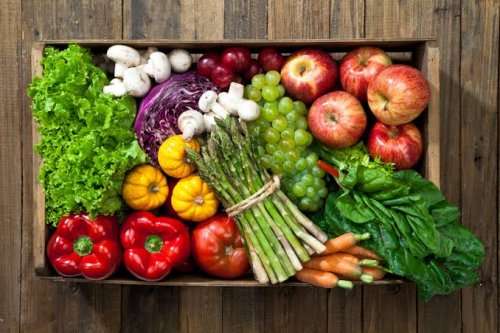



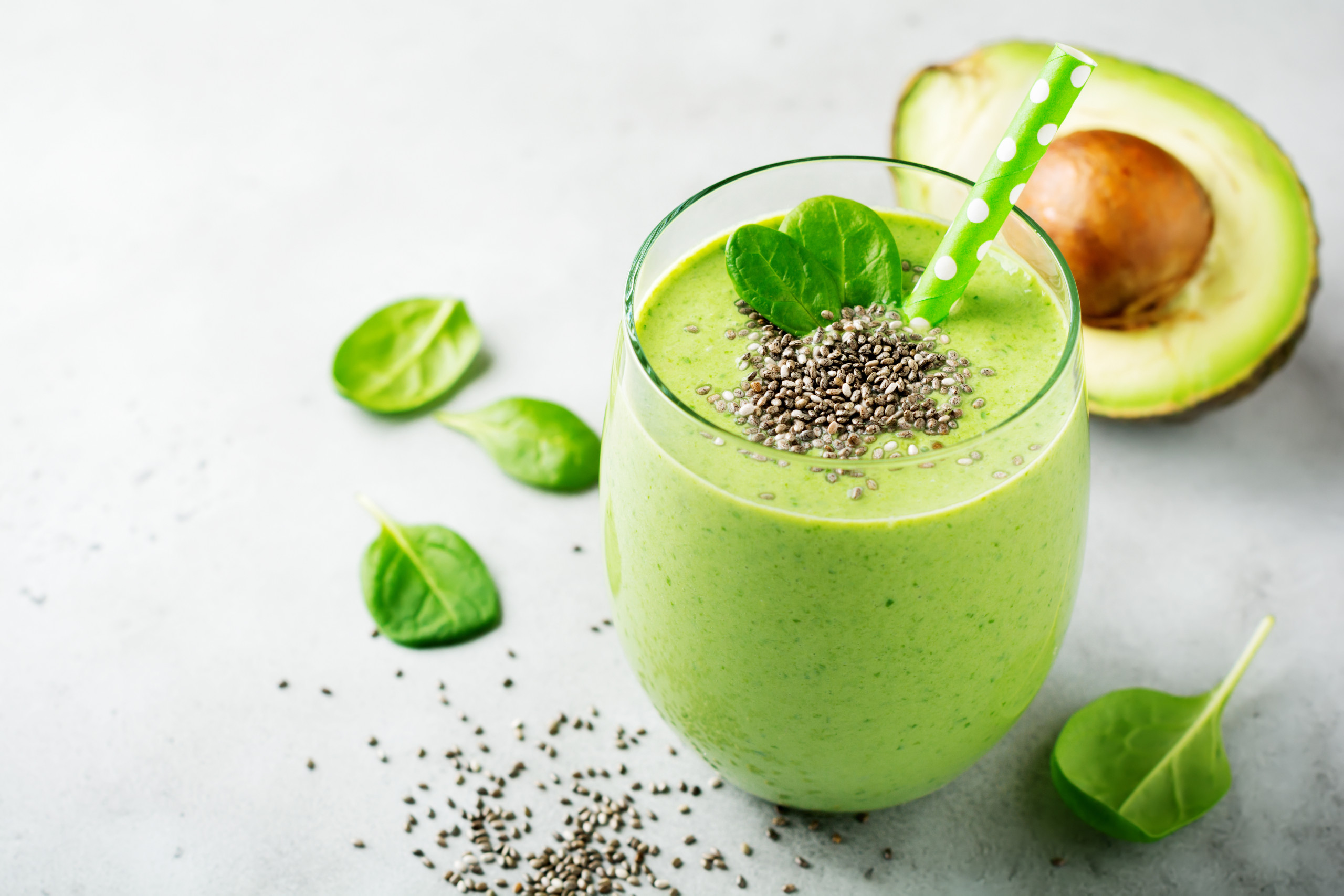
I came to China to look for better ways to make fermented foods that support gut biology, because gut biology is a key part of the fight against diabetes and similar chronic illness. At first, I thought the trip would be a failure. Then I noticed something I could not ignore: in rural areas there were many people in their eighties and nineties who were still fit, active, and cheerful. This article is a simple story of what I saw, what surprised me, and what it might mean.
I am writing this from China, moving between places and learning as I go. It is not a perfectly planned report. It is a rolling account, written “on the fly”, and I will probably sort it out later. At the time of writing I have been in Shanghai, I am now in Shenzhen, and next I plan to head to Hunan to see what I can learn in more rural areas.
The reason for this trip is practical. I want to improve gut biology, and I am looking for fermented foods that can help. Diabetes has exploded in recent decades, and I am not satisfied with a system that mostly manages symptoms with pills while the root causes keep growing in the background. Food quality, soil biology, and gut biology are part of a deeper answer.
My first goal was to find good “starters” for fermentation. Starters matter because they influence what microbes dominate. I expected to find a wide range of starter cultures used in farm fermentation.
Instead, I found something different. In this part of China, fermented vegetables are extremely common, but many farms do not use starters at all. They use large amounts of salt. It is closer to pickling than what many people in the West call fermentation.
I tasted it and thought: this is terrible. It was bitter, harsh, and not something most Western people would willingly eat. I started thinking the trip might be a dead end.
Then I remembered a lesson I keep learning: the Chinese have been eating many of these foods for centuries. When I ridicule what they do, I often later learn they were right and I was wrong.
The message arrived later, after I had already started writing. Chinese food is not designed around a single flavour. It is designed around contrasts. They rarely serve one dish alone. They serve four or five dishes, and sometimes far more at a feast. Each dish has a role in the overall taste experience.
I read an article about strawberries. Most people assume strawberries are sweet because they contain a lot of sugar. Analysis suggests the sugar level is not especially high, but strawberries also contain bitter compounds. The contrast between bitter and sweet can fool the brain into perceiving the taste as sweeter than the sugar content alone would suggest.
This matters. In older times, China did not have easy access to sugar. Honey existed, but it was rare and expensive. Yet people still enjoyed “sweet” tastes. Mixing a small amount of bitter fermented vegetables with other foods can create a sweet impression without large amounts of sugar.
That struck me as important. The health challenge is not only knowing what people should eat. The real challenge is getting people to eat a healthy diet and continue to eat it. The Chinese are masters of making food taste good. This “bitter plus sweet” trick might be one useful tool in reducing sugar while keeping food enjoyable.
Now to the other observation that grabbed me. In rural areas I saw many old people, in their eighties and nineties, who were seriously fit. They were doing group exercise and dancing early in the morning, and then working in farms or gardens during the day.
I have been saying “next year I will start to get old” for about fifteen years, but the point stands. I am not frightened of dying. Life is finite. But while I am alive, I want to be fit and healthy so I can enjoy life.
So the question became simple: how can people be so old, yet so healthy?
This is not a formal scientific paper. What I am describing is observational. It is more a chatty story, with a few jokes, and some serious bits. I also have a “thing” about the misuse of statistics, so I am not going to pretend this is proof. It is evidence, and it is worth paying attention to.
I flew into Shanghai for a basic reason: I needed to renew my Chinese residence permit. Shanghai may not be the best place for fermentation research. Szechuan might be better for spices, and I may go there later. But Shanghai was the entry point.
We often think of China as one country with one character. In reality it is a collection of very different “states”, bound together into one system. Shanghai alone has a population larger than all of Australia. The city is dense, but it also has a wider region that produces food for the urban centre.
That wider ring is where we travelled.
For roughly four thousand years, Chinese farming has been based on near-total recycling. There is a book titled “Farmers of Forty Centuries” that explains how this worked. Traditional farming systems were built on returning nutrients back to the land, not exporting fertility and replacing it with chemicals.
Modern farming is now entering China fast. Small farms collapse, large corporations take over land, and less sustainable systems appear. Feedlots dump waste into rivers. Young people move to cities. Older people remain behind, sometimes converting houses into guest houses.
On this trip we stayed in a farmer’s house run by an older couple, with their father who was 81. His granddaughter was herself a grandmother, which says something about long working lives and long family timelines.
We ate meals that came from local produce: vegetables grown on the farm, fish from local rivers, and simple cooking. These meals may not have changed much in hundreds of years. Nutritionists rave about the Mediterranean diet, but this traditional rural Chinese diet could be just as valuable.
I already knew Chinese white rice wine. Honestly, I find it close to drinking nail polish remover. You almost need to pour it straight down your throat without touching the sides, or your lips will vanish.
But our local farmer produced yellow rice wine. It was completely different. Much more mellow, pleasant, and not strong. It came straight from the keg where it was made. Apparently, farmers across China brew versions of this harmless drink.
I did notice one strange side effect. We had barely dented the keg when I spilled my glass all down my front. The obvious scientific explanation is that it contains a “clumsy enzyme”. I may need to do further research in multiple regions to confirm if all yellow rice wine contains this enzyme.
Living with older rural people also forced me to remember their history. Many were born in the 1930s, through political collapse, invasion, civil war, famine, and the chaos of the early Mao era. During that horrible period, estimates suggest tens of millions died.
I have personal proof of how rough those years were. My wife Xiulan was taken from her home as a teenager and sent by train for days to a cold region. Many from that time have bent fingers from frostbite because they slept two to a bed and the outside hand froze.
Then came Deng Xiaoping, who put pragmatism first and triggered extraordinary modernisation.
So how can people who endured that history still be so active in old age? A nit-picking pseudo-statistician might say the weak were removed and only the strong survived. That ignores what I saw: there are many old and fit Chinese people.
Certain facts are hard to avoid. Diseases like diabetes, heart attacks, and strokes have exploded in recent decades. Obesity, which is a visible indicator of metabolic problems, has become normal. The major change is diet: from fresh local foods to highly processed products loaded with sugars, fats, and minimal fibre.
This engineered food tastes good partly because it is designed to create cravings. In plain terms, it is addictive. That is not moral judgement. It is product design.
Gut biology does many things. It helps digest food. It helps create vitamins. It helps release minerals. It also acts like a second brain that influences what we crave and what we seek.
I am not saying that fixing gut biology solves everything. But if gut biology is damaged, resisting cravings becomes brutally hard. People can be told “eat less, exercise more” a thousand times, and still fail, because their internal signals are pushing them toward high-reward food.
That is why I am chasing fermentation. So far I have not hit a jackpot. But China is large, and there are many regions and traditions still to explore.
One thing that stands out in China is food variety, especially in traditional diets. Markets are full of ingredients I have never seen in Australia. Mushrooms alone come in countless varieties. Fish and vegetables appear in many forms. Meals are built around small amounts of many things, not large amounts of one thing.
It may be that no single ingredient is magic. It may be that variety itself is part of the solution.
While waiting on paperwork, I spent time in Shanghai parks. Parks are essential to Chinese city life and make high-rise living workable. They are used in waves: morning for exercise and dance and tai chi, mid-morning for mums and kids, afternoon for older people talking, evening for music and more dancing.
This pattern matters. It is social, regular, and built into daily life. It is not “fitness culture”. It is community movement.
Sitting in the park, I imagined two space travellers watching Earth. They see factories producing plastic-box food and fizzy drinks, and they wonder if humans are slowly killing themselves on purpose. They debate using “blood clotting rays” or “erectile dysfunction spray”, then conclude humans already have a slow-kill plan: load the planet with cheap sugar and addictive processed food, and wait a hundred years.
It is silly, but there is truth in it. Food processing is the biggest industry in the world. When an industry profits from cravings, the population’s health becomes collateral damage.
China is full of contradictions. In a farmhouse, meals are cooked on a wood stove, but WiFi is immediate. Dialects change by region. In cities, bikes are shared via phone apps. Electric cars are rented by the hour. Charging points are built into new apartments before electric cars are widespread.
This links to an idea I observed decades ago in engineering software: leapfrogging. Countries without established traditions sometimes adopt new systems faster, because they do not have old habits to protect.
China’s hospital system also surprised me. You can go to a hospital, be assessed, run tests (blood tests, scans), and see a specialist in the same morning. It involves queues, but it is fast. Benefits like speed and access rarely appear properly in economic comparisons, but they are real.
Shanghai has a pollution problem you can see from the seventeenth floor. Governments do not want 1.4 billion angry people. Massive investment in wind, solar, and batteries may be linked to climate belief, but it is also driven by the immediate need to reduce pollution. China is betting that renewable energy will become cheaper, and that storage will catch up.
This is part of a wider difference in how systems work. Western economic thinking often treats free markets as a kind of religion. China’s system is more controlled, especially in finance, and it can plan on longer time scales.
I cannot fix global politics. I cannot reform the food monolith by shouting at it. What I can do is keep experimenting with growing systems and food systems that improve health, especially gut biology.
If I find a good fermentation method that helps people improve gut biology, the next challenge is distribution. Patents create monopolies, and I do not want to stop people using useful technology. I also do not want large organisations taking it and using marketing power to create a monopoly anyway.
One idea is a global club. Members would pay a modest fee and receive know-how and support on growing systems and gut-biology food methods. Information would be shared on a confidential basis. Members could earn revenue by producing and selling biologically active plants, fermentation “mother stock”, inoculants, and fresh or fermented produce. The goal would be practical adoption, fair benefit, and continuity beyond any one person.
This trip did not deliver the simple “starter mix jackpot” I first hoped for. But it delivered something else: strong observational evidence that traditional diets, variety, daily movement, and social routines can support health and fitness deep into old age.
I am continuing the search. I will keep exploring fermented foods, flavour contrasts that reduce sugar without reducing enjoyment, and systems that make healthy choices easier rather than harder. If you have thoughts on how to promote and share this work in a fair way, I would value your comments.
Colin Austin — © Creative Commons. Reproduction allowed with source acknowledgment; commercial use requires a license.
Download ‘Letter From China: Fermented Food, Gut Health, and Why We Age So Differently’ (full PDF)
People often expect health insights to arrive as sudden breakthroughs, but they rarely do. Understanding complex systems like diet and aging is more like assembling a jigsaw puzzle than switching on a light. You place many pieces without knowing exactly how they fit, until eventually the picture becomes clearer. This article is built the same way — through observation, reflection, and comparison, rather than through strict theory.
Modern diet advice is confusing because it tries to force complex biology into simple rules. Fat is bad, then sugar is bad, then eating often is bad, then fasting is bad. Qualified professionals disagree, and commercial interests amplify the confusion. If you are not confused, you probably have not looked closely enough. Gawking — observing without judgement — becomes essential.
Across most serious health discussions, one area of agreement stands out: gut biology matters. The gut is not just a digestive tube, but a control system that affects appetite, immunity, metabolism, and even mood. Yet once you ask how to improve gut health, agreement vanishes.
Commercial probiotics promise miracles, but conference-level research shows how difficult it is for introduced bacteria to survive digestion, let alone colonise the gut. Many bacteria sold in supplements already exist in abundance in healthy people. Adding more often changes nothing. The gut is complex, resilient, and context-dependent. A useful tip when researching is to look for conference papers rather than marketing summaries. They tend to show how uncertain and nuanced the science really is.
Two books stand out as serious attempts to explain metabolic health. The Clever Gut Diet by Michael Mosley explains how the body self-regulates using gut biology rather than conscious willpower. The Obesity Code by Jason Fung presents strong evidence that insulin regulation and eating patterns matter more than calories alone. These authors do not oversimplify, and their work aligns well with what was observed in Jiangkou. My role here is not to repeat their science, but to add observation. Theory is valuable, but real-world behaviour often exposes gaps that theory misses.
Jiangkou is not famous. It sits in the middle of China’s interior, far from coastal wealth and tourist routes. It is neither especially poor nor especially modern. That is exactly why it matters. Extraordinary claims often collapse under ordinary conditions, but ordinary places reveal what actually works.
China contains almost every extreme — deserts, mega-cities, industrial zones, wealth, and poverty. Jiangkou sits quietly in between. I went there not to find secrets, but to look carefully at how everyday life works.
Breakthrough ideas often come from observing what others overlook. Bill Gates did not invent the graphical interface; he noticed it. Steve Jobs did not invent touchscreens; he recognised their potential. Wicking beds came from watching water behave in deserts, not from reading textbooks.
Gawking is difficult because it requires resisting confirmation bias. It is easy to see what you expect to see. It is harder to notice what contradicts your beliefs.
Modern data analysis can “prove” almost anything. Search engines will happily supply studies supporting red wine, chocolate, sugar, fat, or their total avoidance. Correlation without context is misleading.
In traditional Chinese farming, manure is widely used, so many vegetables are cooked or fermented. Medical services for today’s elderly were once limited. A simplistic correlation might suggest poor hygiene and limited healthcare cause longevity. Obviously that is nonsense, but it shows how easy it is to misinterpret data without observation.
Before visiting China, I expected fermentation to be a refined craft, similar to European cheese-making. Instead, it was casual and widespread. People ferment vegetables because that is what they have always done. There are no strict recipes, no specialists, and no obsession. It simply works.
Fermented food is not treated as medicine or a superfood. It is normal food. That normalisation may matter more than the fermentation itself.
Getting to Jiangkou involved China’s high-speed rail, passing industrial centres before giving way to quiet farmland. Outside the window, I saw an old man emerging from a ramshackle house carrying baskets of night soil to fertilise his vegetables. On the same roof sat solar panels charging an electric car. China comfortably holds contradictions.
I arrived through family connections after marrying Xiulan. Fireworks greeted us, followed immediately by food. In China, hospitality begins with eating, regardless of hunger.
In Jiangkou, I was the novelty. People sat on stools outside their houses watching life pass. When a foreigner appeared, curiosity was intense. Personal space is flexible, and large noses are a topic of fascination.
Human connection helped. Visiting the local school and speaking with English teachers broke the ice. Students told parents that the “alien” spoke English, which made me less frightening. Smiles and patience bridged language gaps.
One early conversation was with the local coffin maker. Chinese coffins are massive, built to last. When I asked about age of death, he answered simply: there is no age; you just have to be dead. In some families, coffins are prepared before death and kept nearby. Death is integrated into life rather than hidden.
Driving through surrounding villages revealed tight-knit family compounds, terraced rice paddies, and heavy reliance on human muscle. Daily movement is unavoidable. People lift, carry, walk, squat, and climb as part of life, not exercise.
The small electric car I borrowed was routinely overloaded with people and supplies. When it became stuck on a goat track, five adults simply picked it up and moved it. Strength is functional, not gym-trained.
Meals in Jiangkou are abundant. Plates are piled high. Leaving food uneaten is polite; finishing everything implies the cook did not prepare enough. Leftovers are reused. Waste feeds animals. Nothing is framed as restriction.
They eat pork, chicken, fish, vegetables, wild plants, fungi, and large amounts of white rice. Diet theories struggle here. If fat is the villain, this fails. If carbohydrates are the villain, this also fails.
People snack constantly, though they do not call it snacking. Small shops sell buns and rice treats throughout the day. Celebrations occur often and involve special foods. Discipline is not obvious. Enjoyment is.
Not all residents are slim. Some women are clearly overweight. Yet their energy levels are remarkable. They move quickly, climb stairs easily, and work hard into old age. Elderly people often carry heavy loads using shoulder poles. Watching a ninety-year-old woman haul two large water containers upstairs challenges many assumptions about aging.
The market reveals everything. Vendors squat comfortably, selling frogs, herbs, vegetables, and meat laid out on sacks. Regulation appears minimal. Children race scooters. Noise replaces caution. Nearby, a modern supermarket sells processed food. Traditional clinics display acupuncture charts. Old and new coexist uneasily.
Asking locals why people live long produced an unexpected answer. They spoke less about food and more about support. Jobs like street sweeping provide income for older people. When illness strikes, families contribute money through informal networks. Children grow up in groups, learning cooperation early. Group exercise, dancing, and rituals continue into old age. Death is communal. Belonging is constant.
Jiangkou is not a health utopia. Young people leave for factory work. Processed food is arriving. Change is inevitable. But the town preserves patterns worth noticing: daily movement, fermented food, shared meals, social support, and lack of obsession with diet rules.
Health here is not engineered. It emerges.
Jiangkou does not provide a diet plan. It provides a reminder. Health comes from systems, not hacks. Gut biology, food quality, movement, and community interact in ways no single rule can capture.
The lesson is not to copy Jiangkou, but to understand why it works. From that understanding, we can build modern systems that restore health without confusion, fear, or endless contradiction.
Colin Austin © Creative Commons. This document may be reproduced with acknowledgement. Commercial use requires a licence.
Download ‘What an Ordinary Chinese Town Reveals About Diet, Gut Health, and Aging Well’ (full PDF)
Type 2 diabetes is when insulin struggles to move sugar out of the bloodstream and into the muscles and organs. This article links diabetes to practical causes and solutions: trace minerals (especially chromium and vanadium), gut biology, food quality, and the habits that drive appetite. It also explains why an eco-village can help people change routine through better food, gentle fasting, movement, and social support. The goal is not extreme dieting, but a flexible system that works in real life.
Colin Austin — 1 August 2016 — © Creative Commons. Reproduction allowed with source acknowledgment; commercial use requires a license.
What has diabetes got to do with an eco-village, and wicking and sponge beds? A lot. Type 2 diabetes is when insulin fails to properly transfer sugar out of the blood stream and into the muscles and organs.
Minerals — particularly chromium and vanadium — are important for this transfer, and so is gut biology. Wicking beds, and especially sponge beds, are a practical way of improving minerals and supporting gut biology through better food.
For the last fourteen years I have lived in an eco-village experimenting with growing systems aimed at improving health by improving diet.
Before this I lived in Melbourne near the Yarra Valley. Beautiful place, but the climate can be harsh. Cold wet winters seem to go on forever, then summer arrives suddenly and brutally.
After travelling around Australia I chose to settle near Bundaberg, which I consider one of the best climates in the country. It is far enough north to avoid most winter storms that run up the coast and often fade out around Gympie, about 200 km south. It is also far enough south that tropical cyclones often weaken before reaching us; many come down toward Rockhampton and then turn into tropical lows, bringing good rain without the destructive winds.
Winters are simply beautiful. It can be a bit cold in the morning, but that is solved by staying in bed until the sun warms things up. Summer is hot, but often a dry heat, not the sticky humidity you can get further north.
I live on my veranda. I cook and eat outside and go indoors mostly to sleep and write. I look out over bush and lakes. It is a good life.
Bundaberg is rural, but also a major horticultural region with abundant fresh fruit and vegetables. I often buy locally, including growers using organic principles. It is nice to know who is growing my food.
The park is over 200 hectares but I live on one hectare (about three acres). I could grow all my own food. I tried self-sufficiency when I was younger, but now I think it is wiser to focus on growing the crops that provide minerals and gut support, and then eat a wider variety than I could grow alone.
I have two houses on my land. The second has been for family and friends, but I also want to float an idea. Would people, especially those with diabetes or those sick of freezing or frying climates, be interested in a “live-in” diet change experience in sunny Queensland? If so, email me and I will share details later.
Diabetes has exploded worldwide. Many people are diabetic or pre-diabetic without knowing. Type 2 diabetes used to be called “adult onset,” but now children as young as twelve and thirteen are being diagnosed. This never used to happen.
What has gone wrong? The simple answer is “the food we eat,” but that alone is too simple. The real issue includes how the body controls blood sugar, how appetite is regulated, and how modern food can damage the systems that keep everything balanced.
At one time fat was blamed. Now sugar is blamed. Neither label captures the full truth. Every muscle in the body is powered by sugar. Without sugar to power the heart and brain we would drop dead. Sugar must circulate in the blood.
The trick is control. Blood sugar must be “just right” — the Goldilocks principle. The body can convert sugar into fat for storage in muscles and organs such as the liver and pancreas, and it can convert fat back into sugar when energy is needed. That ability to switch is why extreme low-fat or extreme low-carb diets can be questionable. What matters is whether the internal control mechanism is working.
Blood sugar is controlled by hormones and chemical signals that come from the head brain and from the second brain in the gut. Part of this gut brain is not even human. It is the microbes — the gut biome — that we co-evolved with. They have become essential to how we function.
Every diabetic knows insulin: the hormone that tells cells to open up and take in sugar. Insulin resistance is when cells stop responding properly. It is often described as a “key” that no longer opens the “lock,” but the detailed mechanism is still debated.
I sometimes joke we are Mk 9 humans with a design flaw. Unlike phones, humans are not updated every six months, so we need to learn how to operate Mk 9 properly.
I have read about diabetes for over eight years since my wife Xiulan was diagnosed. The simplest explanation still looks like fat blocking the pathways in muscles and organs, especially the liver and pancreas.
Standard treatment for Type 2 diabetes is pills that increase insulin in the blood. If the door is locked, push harder. These pills can control blood sugar, and that can be essential in the short term.
The catch is that insulin makes us feel hungry. It can reduce the “full” signal, so we tend to eat more, gain fat, and become more insulin resistant. That creates a vicious loop. Over time the pancreas may fail, and then insulin injections can become permanent.
The mainstream medical view is often blunt: diabetes cannot be cured, only managed, and it steadily worsens. This ends in stronger medication, then injections, then complications like amputations, blindness, heart attacks, and early death.
There is also an alternative medical view held by qualified practitioners. They argue that boosting insulin is a stop-gap. It can keep blood sugar down but can worsen the underlying insulin resistance. They say the long-term solution is to remove fat in the liver and pancreas that blocks the system.
In this view, diabetes can be reversed and people can reduce or stop insulin-boosting drugs. The problem is that these two views are in direct opposition, leaving ordinary people unsure which road to follow.
I decided to experiment on myself. I love food, tend to gain weight, and was diagnosed pre-diabetic. That made it safer for me to test ideas than it would be for a full diabetic.
It is not easy to remove fat from vital organs. We have heard “eat less, exercise more” for decades, and it is now recognised that for many people it does not work long term.
I tried classic dieting but it did not work for me, especially because I spend time in China where food is delicious and social life revolves around shared meals. I wanted a tool that could work inside real life rather than against it.
I became interested in intermittent fasting. I tried the 5:2 approach (two days fasting per week, five days normal). I found it hard to stick to, so I moved to a daily routine: eating within an eight-hour window and fasting for fourteen hours.
Like many people, I lost weight quickly at the start, then had concerns. I felt low energy and hungry. Friends said I looked gaunt. I was not interested in becoming miserable or obsessed.
I have always liked the joke that giving up wine, women, and song does not make you live longer; it just makes it seem longer. I decided a life where I could not celebrate birthdays and feasts was not the goal.
The advantage of the fasting window is flexibility. If I pig out one night, I can tighten the window for a couple of days — for example, shift toward 16:8 — and my weight returns to a comfortable balance. Not too fat, not too thin, just right.
The logic is simple. While there is sugar available in your bloodstream, the body uses that as the easiest energy source. It burns sugar before it burns stored fat. Once the sugar supply is depleted, the body starts converting fat back into sugar for energy. This is the idea behind ketosis.
People often say it takes around twelve hours for the body to use up the easy sugar supply (less with exercise), which is why a fourteen-hour fast can be useful.
At first, fasting felt difficult. I ate breakfast and a midday meal, then a light, mostly vegetable snack around 5 pm. In the evening I would feel hungry and restless, wanting to eat something. Then the feeling would pass.
My interpretation is that the hunger comes during the transition between burning sugar and burning fat. Once the body switches, the hunger pains fade.
After two or three weeks, that evening hunger phase mostly disappeared. My body adjusted. But I can see why people without support could struggle during that early transition.
I found fasting alone was only moderately effective. When I combined it with diet and exercise it became far more effective. Working in the garden before breakfast made a noticeable difference to my waist.
The key is that the method is controllable. If I want to keep a little fat, I can. If I want to reduce it, I tighten the schedule. If I loosen the schedule for social reasons, I can bring it back later. That makes it sustainable.
My conclusion is direct. The idea that Type 2 diabetes is always irreversible, and that the only path is stronger medication and then injections, is depressing — and often wrong.
There are enough cases reported by qualified doctors of diabetes being reversed through diet and lifestyle changes that it is worth serious effort. It may not work for every person, and not every case will respond the same way, but it is strong enough to justify trying.
First, reduce the massive amounts of high carbohydrates and fats that dominate modern diets. I do not believe in cutting them out entirely. We need some carbs and sugar, just not too much.
Second, trace minerals matter. The body needs them to build hormones and complex chemistry. I am not keen on relying on mineral supplements because absorption can be poor and imbalances can occur. My preference is to eat fruit and vegetables grown in mineral-rich soil with active soil biology that releases minerals naturally. This is what sponge beds aim to support.
Third, hunger pains need managing. For me, a high vegetable diet helps and even chewing a celery stick can ease the transition. Fruit and vegetables are not just “healthy in theory”; they make the routine workable in practice.
Fourth, social support matters. The early phase is easier when you are not doing it alone.
Diabetes is not like pneumonia or a broken bone where one specialist fixes one fault. It is a system problem. Genetics can matter. Diet matters. Exercise matters. Gut biology matters. Stress matters. Often it is the combination that determines outcomes.
I have seen stress drive Xiulan’s blood sugar up sharply. I have seen routine, good food, and movement bring it down. This is one reason the environment matters. An eco-village can provide calm, fresh food, and a supportive rhythm.
I watch the news and feel for people caught in crises, including refugees. I have no expertise there. But I do have expertise in growing plants and exploring how food can help reverse diabetes. Diabetes is a massive global problem, affecting hundreds of millions.
That is why I think about practical use of my two houses. People could come to the eco-village, relax, and eat healthy food grown without chemical sprays, using balanced ecosystem principles. This is very different to antiseptic modern food production. It involves composting, minerals, soil biology, and living systems.
I estimate that a week of eating fruit and vegetables grown in biologically active soil can begin shifting gut biology, so I see a one-week stay as a sensible minimum. A simple cost model could be around $200 per person per week and would include fruit and vegetables grown on site.
There are excellent local farmers markets and suppliers for extra foods. I have a chef friend who can demonstrate cooking, but the approach is essentially self-catering. This is not a boot camp. Relaxation is part of the method.
For me, it took about a month to adjust, so a month would be ideal. A month in Queensland near beaches and markets does not sound like a terrible way to reset health. If the idea grew, I would be interested in a live-in manager to help coordinate.
This is still an idea, but the logic is practical. Diabetes can often be improved, and sometimes reversed, with an integrated approach: better food quality (minerals and soil biology), sensible reduction of high-carb and high-fat excess, flexible fasting windows, regular movement, lower stress, and supportive community.
If you want to react to the idea or ask questions, email me: colinaustin@bigpond.com. For more diabetes articles, see diabeteslinks.html.
Colin Austin — © Creative Commons. Reproduction allowed with source acknowledgment; commercial use requires a license.
Many people are told Type 2 diabetes is permanent and will only worsen, but that message is often wrong. This article explains the Yangtou approach: first restore insulin sensitivity by reducing stored excess fuel, then build a lifestyle that prevents relapse. Using continuous glucose monitoring, intermittent fasting, food timing, movement, stress control, and gut-supporting food systems, the goal is practical reversal followed by long-term stability rather than short-term control.
After a routine blood test, many people are told they have Type 2 diabetes and that it is incurable, progressive, and will inevitably require stronger medication or insulin. Diabetes is no longer rare; when pre-diabetes and insulin resistance are included, close to half the adult population is affected. This is serious, but telling people there is no way back is misleading. In most cases, Type 2 diabetes can be reversed. The mission of Yangtou is to help people understand how reversal works and to provide a practical environment where it can begin safely and measurably.
Diabetes is not an infectious disease with a single cause and cure. It develops from the interaction of many systems over time: diet, movement, stress, sleep, environment, and genetics. Modern medicine is excellent at analysing parts in isolation but often struggles to integrate systems. Diabetes is a systems failure, not a single broken part. Because of this, reversal is not about one magic food, drug, or supplement. It is about restoring balance across several systems at once.
Genetics matter, but genetics are not destiny. If you are genetically prone, you remain prone even after reversal, which is why long-term stability matters. The goal is not a temporary “cure” but a way of living that keeps blood sugar normal without medication for life.
Many doctors still repeat the outdated view that Type 2 diabetes is inevitably progressive. Yet experienced clinicians around the world have shown that reversal is common when diet, fasting, movement, and stress are addressed properly. Medication can help manage symptoms, and drugs like metformin can be useful tools, but they do not remove the underlying cause. Yangtou exists because better options now exist, and people deserve access to them.
A central principle at Yangtou is individualisation. There is no single diet or routine that works for everyone. People differ in gut biology, insulin response, stress sensitivity, and lifestyle constraints. The aim is to tune a solution to the individual, not force people into a rigid template.
A simple way to understand diabetes is through the idea of fuel balance. Food is fuel. When fuel intake exceeds fuel use, the excess must be stored. In the short term, the liver stores fuel. Over time, surplus fuel is stored as fat. Insulin allows glucose to enter cells, so early in diabetes the pancreas produces more insulin to keep blood sugar “normal.” Eventually, excess fat interferes with insulin signalling and pancreatic function. Blood sugar rises not because insulin is absent, but because the system is overloaded.
The pancreas is not permanently “burned out” in most people. It is more like it has become clogged with excess fuel. When stored fat is reduced, insulin sensitivity often returns and normal blood sugar control resumes.
Reversal has two stages. Stage one is restoring insulin sensitivity. This requires reducing stored fuel, especially fat affecting insulin response. In theory, fasting alone can do this. In practice, full fasting is difficult and not suitable for everyone. Intermittent fasting, calorie restriction, or medically supervised fasting can all work. The method matters less than the principle: fuel intake must be lower than fuel use long enough to clear excess storage.
Stage two is preventing relapse. This is harder. Once blood sugar normalises, the challenge becomes maintaining balance without sliding back into surplus intake. This requires a sustainable routine that fits the individual’s life. There is no universal diet, but reducing sugar and fast-acting carbohydrates is almost always essential. Long-term success depends on habits you can live with, not heroic willpower.
Humans evolved powerful appetite regulation systems that worked well for thousands of years. Hunger and fullness were reliable signals. In modern life, that control often breaks down. Yangtou views this through the interaction of two systems: the gut brain and the head brain. Most hunger and satiety hormones are produced in the gut, not the brain. These signals form a complex network, not a simple on-off switch.
Modern agriculture uses chemicals designed to kill insects, yet our gut is full of microbes. Evidence suggests these chemicals disrupt gut biology and weaken normal appetite signalling. At the same time, modern processed foods combine sugar and fat in unnatural ways that strongly stimulate reward pathways in the brain. The result is a system that encourages overeating even when energy stores are full.
Yangtou does not wait for perfect proof of every biochemical pathway. We focus on what consistently works. Most people improve when sugar and ultra-processed foods are removed, fasting periods are introduced, stress is reduced, and movement increases. Gut biology improves when people eat real food grown in living soil rather than chemically supported crops.
Many guests arrive on medication. Because fasting and diet change can lower blood sugar quickly, there is a risk of hypoglycaemia if insulin-stimulating drugs are continued. We recommend discussing medication with your doctor before arrival. Metformin is generally safer, but decisions remain between you and your doctor. We encourage gentle preparation rather than sudden shocks to the system.
On arrival, guests are fitted with a continuous glucose monitor. This allows real-time feedback on food, fasting, movement, and stress. Guesswork is removed. Guests are encouraged to bring a partner or pair with a buddy, because social support matters. Education is central: many people cannot stay long enough for full reversal, so learning how to continue at home is essential.
The first phase focuses on reducing stored fuel. We recommend intermittent fasting, usually an eight-hour eating window and sixteen-hour fast (8:16). Some choose longer fasts, but consistency matters more than intensity. Food is simple, largely plant-based with adequate protein, minerals, and hydration. Green tea is available because it can assist glucose control.
Hunger is expected, but extreme hunger is not the goal. Hunger marks the switch from burning carbohydrates to burning fat. Continuous monitoring helps identify when stress responses push blood sugar up, signalling that changes are too aggressive.
Meals are buffet style to allow choice. Guests record what they eat, often by photographing plates. These records are compared with glucose graphs to identify patterns. The speed at which blood sugar returns to baseline after eating is as important as the peak itself. Fast recovery indicates improving insulin sensitivity. Slow recovery suggests more stored fuel remains.
Sugars and highly processed foods are removed entirely. Vegetables are central. Minimally processed carbohydrates are limited. Some guests choose a ketogenic approach during stage one; this can be effective for fat loss, but may not suit everyone long term. Across history, many cultures thrived on very different diets, suggesting the deeper issue is regulation, not one specific food.
Exercise lowers blood sugar; stress raises it. Yangtou structures the day to use this. Evening meals are early, followed by music, movement, or dancing to use energy while fed. Morning exercise occurs before eating, encouraging fat burning. Walking, group activity, and shared routines make fasting periods easier and more sustainable.
Yangtou grows food using Gbiota beds designed to support soil biology and deliver trace minerals. The aim is to rebuild what modern food systems have stripped away. Guests learn that food quality matters, not just calorie counts.
Gardening provides movement, education, and connection to food. Guests learn to grow herbs, greens, and sprouts even in small spaces. Wild food walks introduce plants with traditional uses and reinforce the link between environment and health. Cooking skills are taught because diets fail when food is boring or impractical.
Stress can raise blood sugar more than food. Meditation, yoga, and tai chi are offered because some people respond strongly to stress reduction. Continuous monitoring shows who benefits most, allowing personal tailoring.
Most guests will not fully reverse diabetes during a short stay, but they leave with tools, understanding, and confidence. By departure, the aim is that you know how to use fasting, food choice, movement, and stress control, and how to read your own data. Support does not end when you leave; you can return, stay in touch, or access clean food systems as part of ongoing management.
Colin Austin — 3 Aug 2018 — © Creative Commons. Reproduction allowed with source acknowledgment; commercial use requires a license.
Download ‘Reversing Type 2 Diabetes the Yangtou Way’ (full PDF)
Spend a few weeks at our Gbiota village and improve your chances of reversing Type 2 diabetes. You will be supported by qualified doctors, a nutritionist, and health trainers, while eating scheduled meals free of artificial toxins. You will be coached in intermittent fasting and exercise, and you will learn practical skills in the gardens and kitchens so you can continue the process at home. The recommended stay is four weeks, with a minimum of two.
Spend a few weeks at our Gbiota village and increase your chances of reversing your diabetes. Diabetes used to be rare, but now it is very common. Modern research is now explaining why.
For a long time, people believed our gut biota did little more than help digest food. We now understand something much bigger: the trillions of cells living in our gut communicate with each other and act like a kind of supercomputer. This system influences many of the automatic operations in our body.
A major concern is that chemicals, widely used in agriculture and once considered harmless, are now known to disrupt our gut biome. When gut biology is disrupted, food can be diverted toward fat cells, which contributes to insulin resistance. Insulin resistance is a core driver of Type 2 diabetes.
Many diabetic medicines for Type 2 diabetes can be effective at controlling blood sugar. However, the key point is that controlling blood sugar does not necessarily reverse the root cause. The root cause is often insulin resistance. If insulin resistance remains, the underlying problem remains.
Gbiota beds were developed to mimic the natural growing process by flushing a biologically active and mineral-rich solute through the root zone of food plants. This supports the production of food that helps restore natural gut biology and increases the chances of reversing diabetes.
Of course, diabetes reversal is not always possible. If the beta cells in your pancreas have been destroyed, or if your genetics leave you particularly sensitive to diabetes, reversal may not be achievable. But many people can completely reverse diabetes, or at least partially reverse it and meaningfully reduce risk and symptoms.
When you stay in our village you will be looked after by qualified doctors, a nutritionist, and health trainers. The program is designed to give you a complete and supportive environment where the day-to-day decisions are aligned with recovery. You will eat scheduled meals free of artificial toxins. You will also be coached in intermittent fasting and in exercise, so your gut biome is given every opportunity to recover and the fats that contribute to insulin resistance can be dispersed.
A key part of the village experience is education. You will experience an educational program that teaches you how to grow plants in a Wicking Bed. Wicking Beds are a practical way to enjoy fresh and toxic-free fruit and vegetables, even for people who live in an apartment.
You will learn about a range of health-giving plants that are particularly beneficial for diabetes, and you will learn how to prepare them for maximum health. You will also learn exercise routines designed to keep you healthy long term.
This is not a theoretical process. You will actually work in the gardens and kitchens to develop the practical skills necessary to continue after you leave our village. The recommended stay is four weeks and the minimum is two weeks. This is not long enough for a complete reversal, but the skills you acquire while with us will enable you to continue your reversal process after we wave goodbye for now.
The purpose of the Gbiota village stay is simple: to give your gut biology the best possible conditions to recover, while helping you build real-world skills in food, fasting, movement, and growing toxic-free vegetables. The aim is not a short-term “program” that ends when you leave, but a set of practical habits and capabilities you can carry into normal life.
Colin Austin — © Creative Commons. Reproduction allowed with source acknowledgment; commercial use requires a license.
Download ‘Stay at Our Gbiota Village: Practical Support for Diabetes Recovery’ (full PDF)
This article is based on a talk Colin Austin — inventor of the wicking bed — gave during a China tour in September 2009. Climate change, shifting rainfall, and rising evaporation are reshaping how we grow food. It highlights practical, low-tech, and biological solutions: wicking beds, soil regeneration, micro-hydrology, and local water harvesting. Combining resilient soil biology with targeted water capture and efficient irrigation helps communities protect food production, restore land, and make agriculture more reliable in a hotter, drier climate.
My aim is to share practical approaches that respond to the twin pressures of climate change and water shortages. China and Australia share many challenges: large land areas, regions of low rainfall and dependence on river systems that originate in distant mountains. Recent droughts in both countries show how fragile food systems can be when water becomes scarce.
I will describe a horticultural system that has performed well in dry, variable climates: the wicking bed. I will also examine the broader issues that threaten future food production — climate shift, competition for water, degraded soils and pathogens — and show how micro-biology and micro-hydrology can form the core of a resilient response. Finally, I’ll outline practical steps we can take at farm and community scales to safeguard food supply.
Wicking beds are a horticultural system that combines micro-hydrology and micro-biology to produce exceptional plant growth while using minimal water, nutrients and labour. The basic design includes an underground reservoir that holds water and acts as a decomposition zone. Capillary action wicks moisture up into the root zone where soil stays moist without becoming saturated. There is no loss of water beyond the root zone and very little evaporation from the surface.
For maximum benefit the root zone soil must be nutrient rich and well structured. Special worm breeds and active microbial communities convert organic residues into readily available nutrients and, at the same time, create a porous, aggregated soil structure. The result: a layer in the soil with the ideal balance of air and water for continuous plant growth.
Wicking beds can be small boxes for research and household gardening, semi-raised beds for heavier soils, or larger in-ground installations for production. They can be fed by existing irrigation or by local water harvesting systems. The system concentrates scarce water into small, highly productive areas — a key strategy when water is limited.
Climate change shifts traditional climate zones. Areas that once received reliable winter rain may find the rainfall pattern has moved. In southern Australia, for example, winter rains that once fell inland are now more likely to fall further south, often over the ocean. Rivers that depend on mountain snowmelt are threatened by reduced snowfall and earlier melt, removing a natural seasonal water store that farmers have relied on.
Population growth and urban expansion increase demand for high quality water, often redirecting supplies away from irrigation. Agriculture competes with cities and industry for the same limited resource. At the same time, runoff of agricultural chemicals creates conflicts between urban and rural water uses. These pressures make efficient on-farm water use more urgent.
Global food production has increased in many regions, thanks to better genetics and farming methods. But these gains often depend on higher inputs of water and fertiliser. Where water supply limits these inputs, productivity cannot expand. In many places the problem is not absolute crop production but distribution and access: poverty, politics and infrastructure failures often cause hunger even when global supplies are adequate. Still, climate change threatens to limit the effectiveness of current high-input systems unless we build resilience.
Modern intensive farming often treats soil as merely a physical support for crops, with nutrients supplied externally. While this can be productive short term, it externalises ecological functions and weakens soil microbial life. Long-term resilience requires soils that host active microbial and fungal communities capable of cycling nutrients and supporting plant health.
Highly sanitized, input-heavy systems can invite new disease problems. Removing biological complexity often allows opportunistic pathogens to dominate; many microorganisms rapidly evolve resistance to chemical controls. Restoring soil biology helps keep pathogens in balance and reduces reliance on chemical inputs.
Microbial communities behave much like plant communities: pioneer organisms colonise disturbed environments rapidly and are later outcompeted by slower-growing, beneficial microbes. Managing soil to favour beneficial communities is therefore essential for long-term health.
Increasing soil carbon and fostering a living microbiome can dramatically improve soil function. While short-term gains from chemical fertilisers can seem economically attractive, the sustainable path is to rebuild biological fertility so soils retain water, resist erosion and support nutrient-dense crops.
Australia’s southern agricultural belt has seen shifting rainfall and reduced snowmelt in upstream catchments. This forces a rethink of where and how we grow crops. Some areas may need to be retired from intensive agriculture, while others could be developed with appropriate, climate-adapted methods.
Because large river systems are fully allocated, local water harvesting becomes important. Small dams, recharge pits and ephemeral creek capture can soak water into the ground to recharge local water tables. These stored subsurface waters can be pumped later, often yielding more usable water than would appear from surface capacity alone.
Key priorities are protecting traditional production areas, opening new regions as climate belts shift, and accepting that some marginal lands must be retired. Combining local harvesting, efficient irrigation and soil regeneration can protect food supplies even as climates change.
Past decades of erosion and intensive tillage have shown how easily topsoil can be lost. Rehabilitation requires restoring soil structure, organic matter and microbial life. Early experiments showed that simple, single-variable fixes rarely work; regeneration depends on combinations of practices tailored to local conditions.
My experiments showed that areas with moderate, uniform moisture and active microbiology regenerated fastest. Moisture is necessary but not sufficient — microbes and worms must be supported with food (organic matter) and appropriate moisture regimes so decomposition and nutrient cycling proceed efficiently.
Soil regeneration is complex. Successful restoration typically combines compost, green manures, crop rotation, reduced tillage and targeted water management. Mathematical optimisation rarely replaces hands-on adaptation to local variabilities.
Even apparently uniform paddocks have complex underground flow paths. Where moisture is moderately and consistently maintained, microbial activity and plant growth recover. Where soils dry excessively or remain waterlogged, regeneration lags. Managing subsoil moisture is therefore central.
Worms and microbes are the primary agents of regeneration. Worms cannot process raw plant matter without microbial pre-processing; microbes must be supplied with energy (organic matter) and maintained at suitable moisture and temperature ranges. Creating those conditions accelerates soil formation and carbon sequestration.
Deserts show how local hydrology can determine vegetation. The Sturt Desert has hard flat soils that shed rain and favour evaporation; it supports little vegetation. The Simpson Desert, with dunes and clay pans, can capture and route water into underground sinks, producing brief but intense greening after storms and supporting deeper-rooted plants.
The lesson is that local landform and subsurface structure amplify water into concentrated zones where plants can access and store it. For agriculture we can imitate these processes: create percolation holes, capture water in underground stores and amplify scarce rainfall into productive beds.
When deep roots die, they leave channels that allow deeper infiltration — natural percolation holes. In managed systems we can create or preserve such channels and design landscapes to move water underground where it is less prone to evaporation.
Concentrating water into smaller, well-managed areas produces far greater growth than attempting to wet large areas poorly. Desert plants and human systems alike benefit when water is amplified into productive zones.
Where large rivers are exhausted, rain harvesting and groundwater recharge become critical. In landscapes with high evaporation, shallow dams that allow percolation into the soil — rather than sealed reservoirs — can replenish local water tables and store water in subsurface reservoirs. Planting trees and maintaining vegetative cover recycles moisture locally, increasing humidity and the probability of rain. Sewage and organic waste can also be treated and used as a nutrient-rich water source if managed safely.
The wicking bed concept began as a cheap, easy way to store water for critical crop stages in erratic rainfall zones. A subsurface reservoir supplies nutrient-rich water to the root zone via capillary action. The topsoil remains dry at the surface, reducing evaporation, while a moist layer at rooting depth supplies conditions ideal for microbes and roots.
Wicking beds are not simply an irrigation trick: they form the basis of a horticultural system where some land is devoted to highly productive wicking beds while other land is used to harvest water and deeper nutrients. Deep-rooting plants grown on non-irrigated land extract nutrients and return them via biomass into the wicking system, creating a cyclical nutrient flow.
Wicking beds are flexible. Small boxes are useful for research and household food production. Semi-raised beds work well in heavy clays and high summer rainfall zones. Above-ground beds suit community groups without earth-moving equipment. Wicking beds can be adapted for trees using raised or ringed reservoirs and for row crops using narrow subsurface reservoirs that move laterally to serve multiple plants.
Plants extract carbon from the atmosphere but return much of it quickly through decay. If organic material decomposes in dark, humid, subsurface conditions it is processed by fungi and worms into forms that remain in the soil for many years. Wicking beds can accelerate this process: biodegradable material is incorporated and decomposed underwater in a controlled manner, then wicks up as nutrient-rich solution to feed plants while locking carbon in soil aggregates.
Sustainable soils with high organic matter also store significant carbon. Paying farmers for verified soil carbon sequestration — ideally through practical, process-based monitoring — would create economic incentives to adopt regenerative practices. This would support farmers financially, improve soil fertility and help offset greenhouse gas emissions.
Practical actions include: protect and restore soil organic matter; adopt subsurface and water-efficient irrigation such as wicking beds; create local water harvesting infrastructure that recharges groundwater; plant deep-rooted trees on non-irrigated land to mine and recycle nutrients; encourage community composting and safe reuse of organic wastes; and explore carbon incentive schemes tied to regenerative practices.
No single technology is a silver bullet. The future of agriculture will be found by combining genetic advances with careful water management, living soils and community cooperation. If we focus on the fundamentals — water and biology — we can adapt food systems to a hotter, drier world and support resilient, nutrient-rich production for generations to come.
Colin Austin — © Creative Commons. Reproduction for private use permitted with source acknowledgement; commercial use requires a license.
This article introduces the Healthy Food Association, a non-profit community focused on improving health through nutrient-rich, biologically active soil and home-grown food. It explains how members can share experiences, gain support, and learn about sustainable growing techniques like wicking beds. The Association emphasizes education, collaboration, and voluntary participation, providing guidance on food production without commercial influence, while encouraging healthy, informed choices in gardening and nutrition.
The Healthy Food Association is a community of people who share the belief that growing and eating food from nutrient-rich, biologically active soil can improve health. The association provides information and education on producing healthy food, with particular emphasis on methods such as wicking beds, which allow plants to access water efficiently and support soil biology.
The Association is non-commercial and non-profit. Its main goal is to facilitate knowledge exchange among people interested in healthy food production. Members can share experiences, submit articles, and ask questions, which are then published online or in newsletters. Participation is voluntary, and all contributions are intended to support learning and collaboration rather than profit.
A dedicated website, currently under development, will act as a central hub for articles, discussion, and information exchange. Members can submit content via email to be reviewed and potentially shared with the wider community. There is no fixed publication schedule, allowing flexibility in sharing timely advice and practical insights.
Colin Austin currently coordinates the Association on a voluntary basis, maintaining operations and website management. Additional principals assist in running activities, responding to questions, and providing guidance to members. All efforts are unpaid, emphasizing the community-driven nature of the Association.
Anyone interested can join the mailing list by contacting the Association via email. Members can receive newsletters, submit questions, and contribute articles. There is also a separate mailing list of volunteer coaches who help members set up and maintain wicking beds, providing practical, hands-on guidance.
Coaches operate independently of the Association and may charge for services or products, but any financial arrangement is between the coach and the client, not the Association. The Association simply facilitates communication and information sharing, ensuring members can access guidance without any commercial obligation.
The Association currently has four principals who provide expertise and oversight. They are contactable through the main email address, and questions from members may be circulated to appropriate coaches for responses. All advice is offered in good faith based on current knowledge but without legal or financial responsibility.
The Healthy Food Association is not a legal or trading entity. It has no bank account or financial status. It functions purely as a community of like-minded individuals aiming to improve health through better food growing practices. Members are encouraged to participate voluntarily, share knowledge openly, and support each other in creating nutrient-rich food systems.
The Healthy Food Association exemplifies a collaborative, non-commercial approach to improving health through sustainable food practices. By sharing experiences, supporting soil biology, and promoting home-grown produce, the Association helps members make informed, practical choices. This focus on education, cooperation, and voluntary engagement fosters a community where healthy food production and learning go hand-in-hand.
Colin Austin — © Creative Commons. Reproduction for private use permitted with source acknowledgement; commercial use requires a license.

This article is a summary of Colin Austin’s 2014 Shanghai–Wuhan talk on wicking beds and why “more food” is not the same as “better food.” Modern agriculture can supply abundant calories, yet many diets remain short of minerals, vitamins, and plant compounds that support long-term health. The result is “hidden hunger” and the rise of obesity, diabetes, heart disease, and stroke. The practical response is simple: grow a small but steady stream of mineral- and biology-rich plants at home, even in high-density cities, using wicking-bed style systems adapted for balconies and rooftops.
This was presented as a talk about wicking beds, but the deeper point is diet and health. Many people think wicking beds are just a convenience: less watering, fewer failures, better growth. That is true, but it is not the main story here. The main story is that our food system now produces a surplus of energy (calories), yet is often short of essential micronutrients: minerals, trace elements, vitamins, and plant-produced chemicals (phytochemicals). This imbalance can drive the “diseases of affluence” such as obesity, type 2 diabetes, heart disease, strokes, and related chronic problems.
The talk also recognises a modern constraint: more people live in cities, often in apartments, with limited space to grow food. The practical question becomes: how can urban families create a reliable stream of nutrient-dense, biologically active plants without needing a farm, a large garden, or specialist tools?
The talk begins with a light warm-up, then a simple framework: there are people who think everything is heading to disaster (the “Armageddonists”), people who believe we have never had it so good (the naïve optimists), and a third group who says both are partly right. The threats are real, but humans can be clever enough to respond—if we focus on practical solutions rather than despair or denial.
This practical mindset runs through the whole talk: avoid magical thinking, avoid expensive “silver bullets”, and look for systems people can actually adopt.
Colin explains he once believed water was the most critical resource, especially irrigation water for food production. That work led to wicking beds: a way to reduce water loss and prevent nutrients washing below the root zone. But he later concluded that water, while often mismanaged, is still a renewable resource. The technology to use water better exists. The deeper problem is not just whether we can grow plants—it is whether the plants we grow (and the foods we buy) contain what humans need for health.
The key claim is blunt: we do not have a global shortage of food energy. Modern agriculture can produce enormous quantities of calories. The crisis is quality. Diets can be “ample in calories but insufficient in nutrients and micronutrients”. This is what is meant by “hidden hunger”. It is closely linked to the modern rise in chronic diseases.
The talk points out that China, like many countries undergoing rapid lifestyle change, has experienced a sharp rise in diabetes. Colin describes visiting China decades earlier and remembering widespread bicycle use and slim, fit people. Later visits showed more motor transport, more convenience foods, and more metabolic disease. The pattern is familiar: prosperity increases calories, but often reduces food diversity and micronutrient density.
One of the most frustrating things about nutrition is the noise: experts disagree, diets conflict, and marketing fills the gaps with claims, pills, and “miracles”. The talk describes using ongoing reading (including daily updates) and trying to find mechanisms, not just statistics. People are not identical machines. A diet that helps one person may fail another. So broad averages can mislead individuals who want clear, personal outcomes.
The most important shift in this section is the rejection of the “dumb machine” model. The body is not a simple engine where you pour in fuel and get energy out. The body produces neurochemicals and signals that shape appetite and cravings. In other words, humans are controlled by an internal system that tries to protect us, and it reacts strongly when it senses deficiency.
Agriculture transformed human life, and the green revolution transformed agriculture again. Our staple food supply now comes from a limited range of highly productive crops—especially grains—and modern systems can produce huge quantities of energy food. The talk notes that hunger still exists, but much of it is driven by politics, conflict, and distribution problems rather than a pure inability to produce calories.
Modern production is also tied to fertilisers and irrigation. We have become very good at supplying the nutrients plants need in bulk: primary nutrients (like nitrogen, phosphorus, potassium) and secondary elements (like calcium, magnesium, sulphur). This raises yields. But humans need more than “healthy plants”. We need a wider range of micronutrients—some of which plants do not require in large amounts.
The talk presents a simple but powerful point: farmers have strong incentives to add what improves yield, not necessarily what improves human health. A plant can look healthy even when certain trace elements in the soil are low. But humans may still be short of those elements. Examples mentioned include selenium and iodine, and other trace minerals that matter for human biology.
There is also a warning about simplistic supplement thinking. Nutrition is interactive. “Bioavailability” matters: absorption depends on context, combinations, and overall diet diversity. You cannot always fix a complex deficiency by adding a single pill. Variety supports internal complexity. This is why the talk keeps coming back to “real food” grown in mineral- and biology-rich conditions.
The core behavioural mechanism described is this: the body senses deficiency and sends strong signals—eat more, eat more, eat more. But modern food often provides more of the same (more calories) without supplying the missing micronutrients. So appetite can remain high, cravings persist, and “willpower” loses over time. This is presented as a major reason why many diets work briefly, then collapse.
In this framing, the goal is not simply to reduce calories. The goal is to satisfy the body’s true requirements with mineral- and nutrient-dense foods so the internal signals calm down. When that happens, overeating becomes less compulsive because the body is no longer “chasing” what it cannot find.
The talk is sceptical of miracle cures. It describes encountering plants and pills promoted as magic answers. Some claims work by “fooling” the body’s signalling system—creating a sense of fullness without actually fixing the deficiency problem. The critique is direct: treating symptoms without addressing mineral and nutrient balance is not a true solution.
In contrast, there are many real plants that act as “converters”: they take up minerals and participate in producing beneficial plant compounds. But there is no shortcut. Minerals must exist in the soil. Soil biology (fungi, bacteria, worms) must help make those minerals available to plants. Then plants feed us. It is a chain: minerals feed biology, biology feeds plants, plants feed humans.
Several common responses are assessed. Supplements are widely used but can be expensive, can be poorly balanced, and may not replicate the complex interactions of nutrients in food. Organic produce can reduce certain chemical exposures, but “organic” does not automatically mean mineral-rich. Unless the grower manages minerals and soil biology, the nutrient density may still be limited.
Permaculture and self-sufficiency are admirable, but the talk argues they are difficult to scale to the majority of people. Most people want variety and year-round access, and modern food supply chains dominate. Rather than trying to overthrow the entire system, the talk proposes a “work with the system” strategy: keep the convenience of modern calories, but supplement with a steady stream of high-quality, nutrient-dense plants grown locally.
The practical recipe is described in plain steps. First, ensure a supply of required minerals (in small quantities). Second, ensure soil biology capable of making those minerals available (mycorrhizal fungi, worms, and other soil life). Third, grow a range of vegetables and herbs that can contribute to dietary diversity and plant compounds. None of this requires fantasy. It requires a simple growing system that is reliable and low-effort in small spaces.
This is where wicking beds come in. In Australia, wicking beds helped many people grow food, partly because they reduce watering demands. In cities, communal gardens can also support this, but the talk recognises that China’s population density changes the design constraints. Many people live in apartments, but still have balconies (Yangtai), rooftops, or access to small shared areas.
The wicking bed principle is simple: a waterproof base stores water, a distribution pipe helps spread moisture, and a soil layer supports plant roots. Water moves upward by capillary action (wicking), keeping the root zone consistently moist. The talk compares it to a flood-and-drain breathing effect: when water levels cycle down, air is drawn back into the soil. Drainage holes are critical to prevent saturation and keep the system healthy.
Wicking beds can be very simple (even made from basic containers). Larger beds can be built in-ground by trenching, lining, adding distribution, filling with organic material, and backfilling with soil—while ensuring final soil level supports drainage.
Soil is treated as a core technology, not an afterthought. The talk emphasises a soil that is porous, moisture-holding (hydroscopic), and contains a broad range of nutrients including trace elements. Worms are described as integral because they help release nutrients and create channels that improve structure and water storage. Soil biology, including fungi, is part of the mechanism that makes minerals available to plants.
A specific warning is included: some designs use stones or sand separated by porous film, but if you use the right soil you can store plenty of water and allow roots to occupy the full volume of the bed. In that view, soil choice can outperform “clever” structural tricks.
To adapt the concept for apartment life, the talk proposes a very simple container-based system: essentially a large bucket paired with a simple household sieve or internal bucket concept (as an experiment to separate water and nutrient zones for added storage). The key operational warning is repeated: drainage holes are essential. The system starts simple, with the intention of later adding the minerals, worms, and biology as the design matures.
The talk does not pretend this is only technical. It raises a practical marketing problem: if you reduce spraying and focus on soil health, your vegetables may look less “perfect” than heavily protected produce. How do you convince people that less photogenic food can be healthier? A comparison is made with wine: appearance alone does not explain value, yet people will pay more when they believe quality is higher.
Compost is also raised as a social barrier. Soil biology needs feeding, and compost is a natural input, but some households may resist composting due to smell, mess, or space. The talk includes an anecdote: attempts to assemble a system on a family balcony were rejected and moved to the roof. This is treated as a real design constraint: successful adoption must fit the culture and the home.
A key challenge in apartment growing is production volume. The talk proposes growing methods that maximise output in limited area. One idea is “chop and chew”: harvest outer leaves and allow plants to regrow, keeping plants productive for longer and maintaining a “young plant” character in the regrowth. Another idea is a distribution model: instead of every family raising plants from seed, professional growers can mature baskets or containers of ready-to-harvest plants, then deliver them to apartments or local stalls.
The customer swaps the used basket for a fresh one (a “swap and go” cycle). This increases productivity and reduces complexity for households. It may also reduce the compost barrier if growing media and inputs are managed upstream by the grower. The talk notes that many consumers strongly prefer vegetables that are extremely fresh, sometimes sold with roots attached, which fits well with a live-plant distribution model.
The talk ends with a practical list of what would be required to support adoption at scale. The system is not just containers and soil. It would likely require an organisation (or network) that can: provide education on diet and micronutrients; teach people how to build and manage a simple wicking-style system; locate and distribute specialist minerals in small quantities; propagate and distribute key soil biology (including fungi and appropriate worms); and coordinate growers who can raise “ready baskets” for distribution through retail outlets or direct delivery.
The overall position is pragmatic: chronic disease is rising, and waiting for perfect understanding or perfect institutions is not a plan. Urban agriculture, done intelligently, can be a practical supplement to modern diets by restoring some of what has been lost: mineral density, plant diversity, and the living biology that supports both soil function and human health.
Download “How Urban Agriculture Can Combat Hidden Hunger” (full PDF)

This article introduces what I believe is the next major revolution shaping human health and survival: gut biology. While technology has transformed manufacturing, transport, and communication, it has also created deep social and environmental stress. At the same time, modern food systems have stripped food of minerals, phytonutrients, and living biology. By reconnecting soil, food, and gut health—especially in urban settings—we may unlock a practical path toward better health, resilience, and long-term sustainability.
When I say “join the revolution,” you might wonder which one I mean. We are surrounded by revolutions: mobile phones that almost work without help from a teenager, self-driving electric cars, solar panels and batteries powering homes, and global communication at the tap of a screen. But the revolution I am talking about comes later in the story. It is the gut biology revolution.
Political events such as Brexit or the election of Donald Trump may look like revolutions, but they are really symptoms. The real revolution is much larger and much deeper. It is driven by technology, economics, and biology colliding faster than our social and political systems can adapt.
I am an engineer by training and started my first job fifty-seven years ago. Factories back then were little more than large garden sheds, filled with hand-operated machines and skilled tradespeople. Productivity was limited by human labour.
Computerised manufacturing changed everything. It did not just make factories more productive; it reshaped global economics. In the past, setting up a factory in an underdeveloped country would have been almost impossible because of the lack of skilled operators.
Computers removed that barrier. Today, manufacturers can install computer-controlled machinery almost anywhere in the world and train people rapidly. Many developing countries have invested heavily in education, producing large numbers of qualified graduates who may lack experience but can quickly adapt.
Lower transport costs, jumbo jets, container shipping, and the internet allow people, goods, and technology to move around the globe with ease. The technical and economic systems are coping remarkably well. The political and environmental systems are not.
The political unrest we see today is driven by deep economic inequality. A tiny fraction of the population owns as much wealth as the vast majority combined. Large sections of the working population have been left behind, creating anger and instability.
Environmental stress is even more serious. When I began working, perhaps one billion people lived affluent lifestyles, while several billion lived as peasants. Today we are approaching five billion affluent consumers, and within a short time that number could reach nine billion. The environmental load of that transition will dwarf political stress. I see little evidence that this challenge is being addressed at the scale required. I am not a politician. I am simply a worried observer.
Where I have always been active is food—specifically food that supports health. Modern agriculture is extremely good at producing bulk carbohydrates such as wheat, rice, corn, and oats. It is far less effective at delivering trace minerals, phytonutrients, and living biology.
People often romanticise the “good old days,” but having lived through them, I can say we do not want to go back. Our future depends on technology—just the right technology, managed wisely.
I am a naïve optimist. Technology helped create many of our problems, but the right technology can help solve them. The challenge is identifying what comes next.
Looking at past revolutions is not always helpful. No one living in the age of steam trains could have predicted airplanes. Similarly, predicting the future by extending today’s internet and smartphone trends may miss the point.
The biological revolution may be where the transistor was generations ago. It is emerging quietly, but its impact could be enormous.
This realisation was sharpened by a personal change. For most of my life I lived on acreage or had a large garden where composting and growing food was easy. For the last fifteen years I lived in an eco-village with over two hundred hectares of land.
With age came a practical decision: we bought a townhouse to prepare for a time when I might not be able to dig holes or manage heavy garden work. This move was a shock. I am a compost enthusiast, and putting grapefruit skins into a council bin felt wrong.
Only a few days of city living made it clear how unsustainable modern urban life is. My short-term solution was to cart organic waste back to the eco-village, where nothing organic is wasted. But that was not a long-term answer.
I needed to focus my remaining intellectual energy on developing a system that could work on a city block—growing food rich in minerals, phytonutrients, and biology, while recycling as much organic waste as possible.
My wife, Xiulan, spent her working life as a surgeon and is understandably focused on cleanliness. Despite many years of marriage, I have not converted her to composting.
Living in Bundaberg, one of Australia’s prime horticultural regions, fresh produce is cheap and abundant. Why grow food when it can be bought so cheaply? Economics and environmental arguments did not win the debate.
The first serious argument was minerals. Modern food, even organic food, is often deficient in trace minerals. Plants can survive with minimal minerals; humans cannot.
In my research into diabetes—Xiulan is diabetic—I found that minerals such as chromium and vanadium are essential for managing blood sugar. Supplements are expensive, often poorly absorbed, and rarely balanced. Growing plants in mineral-rich, biologically active soil offers a more complete and natural solution, even if that argument did not immediately win favour.
The final argument was gut biology. This is an immature field, often messy and poorly understood. The only guaranteed method currently used in medicine is faecal transplant, which is effective but hardly appealing. Surprisingly, gut biology was the argument that succeeded. That created a double challenge: turning organic waste into high-quality soil without smells or flies, and improving gut bacteria through food grown in that soil.
Testing gut biology is difficult. Many microbes die outside the gut, and DNA testing is expensive. This leaves empirical self-testing as a practical approach. This method has precedent. Australian researchers Barry Marshall and Robin Warren used self-experimentation to discover the role of Helicobacter pylori in ulcers, work that earned them a Nobel Prize.
I have lived through multiple diet fads. When my wife was diagnosed with diabetes, the low-fat craze was dominant. Today we recognise that some fats are healthy. It is disturbing that a single flawed theory can shape global dietary advice for decades. A degree of careful self-testing is not anti-science; it is common sense.
I am developing and testing several hypotheses. The first is that beneficial soil biology can be transferred to the gut by eating freshly harvested plants.
The second is that soil biology needs continuous feeding. This involves experimenting with labile, or fresh, compost supported by inoculants and minerals. Labile compost is biologically rich but can temporarily lock up nutrients.
If that fails, partially matured compost may provide a compromise—still biologically active, but more stable.
The third hypothesis involves flood-and-drain systems to oxygenate soil. My current test setup uses classic wicking beds combined with controlled flooding and draining to support both soil biology and plant health.
These experiments are ongoing. The goal is simple but ambitious: to develop practical systems that reconnect soil biology, food quality, and gut health, even in urban environments. If we are serious about health, sustainability, and the future of our species, this is a revolution worth joining.

In this follow-up, I respond to the many replies to my article on gut bacteria and reversing diabetes. A clear theme emerged: people understand gut biology matters, but most prefer a reliable product rather than fermenting at home. I compare “pill thinking” with “food thinking”, explain why many commercial probiotics disappoint in practice, and describe why fermented vegetables can create obvious changes in gut activity. I also outline a broader system—gut biology, minerals, phytonutrients, fasting, and exercise—and the real-world problem of distributing living fermented food.
Colin Austin – 31 March 2017.
I received some really eye-opening replies to my last article on gut bacteria and reversing diabetes. Thank you for taking the time to respond. I read all the emails, and I appreciate both the encouragement and the hard questions. It is probably more effective to write one reply that addresses the common issues, rather than send out dozens of separate responses.
What struck me was how many people are genuinely interested in gut biology and how important it is for health. Ten years ago, this topic mostly lived in specialist research. Now it has moved into wider public understanding. I have been a gut enthusiast for some time, and I assumed I was in the “pseudo-freak” category. Apparently not—there are plenty of us out there.
The good news is that gut biology is now on people’s radar. The bad news (for my plans) is that very few people showed any interest in fermenting themselves. Most would prefer to buy a product—as long as quality is assured.
There also seemed to be a strong preference for probiotic pills from the local chemist. That reflects the ongoing difference between me and my wife, Xiulan. I am an engineer, so my first question is: “Does it work in practice?” I want results I can measure, even if it is only on myself. Xiulan is a doctor, so she leans toward pills that have been tested in large statistical trials.
We have both trialled commercially available probiotics (drinks and pills) and could see no tangible evidence of improvement. For us, they just did not seem to work.
There are at least three possible reasons. First, if we already have the “right” biology, adding more may do nothing. Second, most commercial probiotics contain one strain, or at best a few strains, grown in a controlled way. That is not how our guts function; they are an ecosystem with a broad spectrum of organisms that interact. Third, the upper regions of the digestive tract are highly acidic, which can kill introduced organisms before they reach the lower regions where we most need them.
So from both theoretical and practical angles, commercially available probiotics can be underwhelming. That does not mean they are useless for everyone, but it does mean I cannot assume that “a pill solves it” is a reliable pathway for most people.
Now compare that to eating fermented vegetables. The results, at least for me, were dramatic. Let’s not be too squeamish: I looked for direct physical signs that gut activity had changed. The frequency of bowel motions increased and the volume increased dramatically.
Then there was the gas. Anyone who has fermented vegetables knows the continuous bubbles and the pressure build-up. I saw the same thing in my ferment containers: the lid domes and collapses when pressure is released. Judging by what happened in my own body, it felt like that same “pressure and activity” was happening internally. Let me be euphemistic and say there was solid (and gaseous) evidence of highly active gut biology.
But producing bigger outputs is not the goal. The goal is to be healthier. At first, the results looked very good: I felt more energetic and started getting around to the jobs I had been putting off. Then things became more complicated, because I went too extreme and ate little more than fermented and leafy vegetables. That experiment taught me something important about balance and real-world eating.
After going too “pure” on fermented and leafy vegetables, I found myself paying more attention to my granddaughters’ sweetie jar than normal. I did an unplanned experiment: a bit of candy bar did not satisfy hunger, it made it worse. A carb trial with cake made me even hungrier. For me, carbs seemed to drive hunger. I am not claiming a universal law here—just reporting how my body responded.
I have also been puzzled by exercise and hunger. I can feel hungry at the computer, then go for a walk and the hunger disappears. I cannot fully explain why; it just happens.
At one point I tested how I felt on a more carbohydrate-heavy approach, and it left me tired and less energetic. I switched course and ate something with more fat (in my case, fish). The surprise was how quickly I stopped feeling hungry and felt energetic again. It was not a moral victory for “fat” or “carb”; it was simply a reminder that my body needs solid food and some fat to feel full and energetic.
Although I am focusing on fermented vegetables as a practical way to improve gut biology, I do not want to lose sight of the broader system. My overall aim is a practical approach to reversing diabetes with minimal reliance on drugs. The key points are: changing gut bacteria, adding minerals and trace elements (chromium, magnesium, vanadium and others), consuming phytonutrients (plant chemicals), intermittent fasting (to allow pancreatic beta cells to recover), and moderate exercise.
Changing gut biology is probably the most important part of the system. It may not reverse diabetes on its own, but unless you sort out the gut biology, it is unlikely diabetes can be reversed. That is the logic behind using fermented vegetables steadily, because they can act as both a pro-biotic and a pre-biotic.
In my system there are two stages in producing fermented vegetables. The first is producing biologically active vegetables as the raw material. For that I use a flood-and-drain wicking bed approach—an extension of standard wicking beds that I have been playing with for over twenty years.
The flood-and-drain concept (in the version I am working on) uses three containers. One is a water container with a float valve and a small pump. The pump periodically partially floods a growing bed and also a third chamber filled with composting material plus mineral supplements. At the end of the pump cycle, the water drains out of both the growing and composting beds, bringing nutrients and biology with it, ready for the next cycle.
This is mature technology. It suits amateur gardeners and it can be scaled up for commercial production. The replies I received suggest there are people willing to grow the biologically active vegetables—either at home or commercially—so I consider that part of the project largely solvable.
The real problems arise in the fermentation stage, where there are technical and logistical issues. Fermentation is essential a craft-based process. It works very well when someone experienced is watching over it, but it does not naturally lend itself to large-scale automated production and distribution. Small variations in vegetables, temperature, and starters can subtly change the outcome.
There are large processors that ferment vegetables, but to control the process they typically pasteurise the product to kill the bacteria. There are good reasons for this: if fermentation continues uncontrolled, pressure can build in bottles until they explode. Exploding bottles are not something supermarkets tolerate.
This creates a simple problem for my objective. People can buy fermented vegetables from the supermarket, but they are essentially “dead” and provide no probiotic benefit. That is not what I am after.
I was hoping there would be people willing to run small fermentation operations as an income stream, but the feedback suggests very few are interested—especially if it involves commercial sale. The technical challenge is how to create a system where people can buy living fermented vegetables. I do not have the full answer yet, but I do know my next step.
My wife Xiulan went to China because her blood sugar levels were getting too high, and on a more traditional Chinese diet her levels were dropping. That is another piece of evidence (not proof, but evidence) that diet matters a great deal, and that diabetes may be reversible.
So I planned a trip to rural China to study traditional fermentation. They have been fermenting vegetables for thousands of years, and diabetes was virtually unknown until Western foods appeared. I may not find what I expect, but the logic is simple: if you never go, you never know.
When we get back to Australia, my plan is to set up a small-scale fermenting operation—basically a pilot plant. If that works, it may provide a model for local fermentation plants. At this stage, my thinking is leaning toward small local production rather than large plants with the added complexity of distributing a living product.
I cannot run a major statistical trial with thousands of people. I do not have the resources or the time, and even if I did, individual variation makes “one-size-fits-all” answers unreliable. What I can do is test ideas on myself and share what I learn. For me, fermented vegetables produced strong signs of improved gut activity, and I believe that matters.
So it comes down to risks and rewards. On the positive side, if a practical system works, it may help reduce the fear of the classic complications of diabetes and help you live longer and better. On the negative side, it means paying attention to diet and habits. If you are on insulin-producing drugs, you need to be sensible and avoid hypos if your blood sugar drops; that is not drama, it is just caution and good monitoring.
My working position is straightforward. We already know the medical system has many tools for controlling high blood sugar (the symptom). What is controversial is reversing type 2 diabetes by improving insulin resistance and reducing reliance on medication. I am not offering magic numbers or perfect certainty. I am working toward a practical, testable system that ordinary people can apply, adapt, and judge by results.
I know there are important emails I have not replied to individually. I appreciate your patience. I am rethinking my strategy based on the feedback, and the next stage is learning more about how traditional fermentation produces robust, living food that people will actually eat. When I have clearer answers, I will write again and share the practical outcomes—what worked, what failed, and what seems worth adopting.

This article explains why standard dietary advice has failed to stop the diabetes epidemic and why universal diet rules do not work. Using an engineering mindset, lived experience, and observation, it argues for a pragmatic, individual approach based on restoring gut biology, reducing insulin overload, and measuring personal responses. Instead of chasing perfect theories, it focuses on what actually works for real people, offering a practical way forward for reversing or stabilising type 2 diabetes.
Over many years of observing people, studying diabetes, and experimenting on myself, I have become convinced that our current approach to diet and diabetes is fundamentally broken. Not because doctors or researchers are careless, but because the problem we are trying to solve is far more complex than the tools we are using. We are trying to force a messy biological system into tidy theoretical boxes, and the result is confusion, contradiction, and poor outcomes.
In engineering, when theory fails to predict reality, the response is not denial. The response is pragmatism. You test, observe, adjust, and repeat. That mindset is largely missing from diet science, where strong opinions often replace solid understanding. Diabetes has become a battleground of competing beliefs rather than a practical problem to be solved.
Type 2 diabetes has exploded globally within a few decades. This alone should tell us that genetics cannot be the primary cause. Human biology does not change that quickly. What has changed is our food system, our activity levels, our exposure to chemicals, and our gut biology.
Yet the dominant medical response treats diabetes as a progressive, irreversible disease. Patients are told they will need medication for life, with doses steadily increasing until complications appear. This system manages symptoms effectively in the short term but does little to address root causes. Worse, it often reinforces the very mechanisms that drive the disease.
This is not a failure of individual doctors. It is a failure of the framework within which they operate. When a system is designed to manage disease rather than reverse it, that is exactly what it will do.
Anyone trying to understand diet quickly encounters a wall of contradiction. One expert says fat is the problem. Another says carbohydrates are the enemy. A third insists fasting is essential. Each camp presents studies, statistics, and credentials, yet they cannot all be right in a universal sense.
The problem lies in how dietary science is conducted. Large population studies look for small correlations between food intake and disease outcomes. These correlations are then interpreted as causal relationships. In engineering terms, this would be like designing a bridge based on a 12 percent confidence level. No engineer would accept that, yet it is common practice in nutrition.
When results are weak, researchers often adjust assumptions, reframe conclusions, or copy earlier work that supports their beliefs. Over time, repetition creates the illusion of certainty. What we end up with is a map full of roads that do not exist on the ground.
The most important fact about diet is also the most inconvenient: people respond differently to the same food. This is not speculation. It is easily observed. My wife, who is diabetic, reacts strongly to small amounts of sugar. I do not. Fatty foods affect me far more than they affect her. These responses are consistent and measurable.
These differences arise largely from variations in gut biology, hormone sensitivity, liver function, muscle metabolism, and lifestyle history. Expecting a single diet to suit everyone ignores this biological diversity. Until we accept this, diet advice will continue to fail.
In engineering, we often deal with systems that are too complex to model fully. The solution is not to give up, but to manage ignorance intelligently. We build simplified models, test them in the real world, and refine them based on feedback.
Applied to diabetes, this means shifting focus from abstract theories to measurable outcomes. Instead of asking whether a diet is “right,” we ask whether it reduces blood sugar, improves insulin sensitivity, lowers fat stores, and increases wellbeing for a specific individual. If it does, it is useful. If it does not, it is abandoned.
This approach does not require complete understanding of gut biology or metabolism. It requires careful observation and honest measurement.
Intermittent fasting is one of the most effective tools I have found for reducing insulin overload. By limiting the time window in which food is consumed, insulin levels drop for extended periods, allowing the body to access stored fat. For many people, this improves insulin sensitivity over time.
What matters is flexibility. Fasting should not be treated as a rigid doctrine. An eight-hour eating window works for me. Others may need ten hours, or occasional longer fasts. The goal is not deprivation, but creating metabolic breathing space.
Fasting alone is not enough. It works best when combined with sensible food choices, gentle exercise, and stress reduction. Treated as one tool among many, it is powerful. Treated as a religion, it fails.
A growing number of researchers argue that chronic insulin exposure drives insulin resistance. The body responds to excess insulin by reducing sensitivity, forcing even higher insulin levels to achieve the same effect. This feedback loop explains why diabetes often worsens over time under conventional treatment.
Breaking this cycle requires reducing insulin demand. That means lowering the frequency and intensity of sugar spikes, improving fat metabolism, and restoring hormonal balance. Pills can help manage symptoms, but they cannot fix the underlying problem.
The gut is not just a digestive tube. It is a complex control system that influences appetite, metabolism, immunity, and mood. Trillions of microbes interact with our nervous and hormonal systems in ways we are only beginning to understand.
Gut biology responds quickly to changes in diet. Fibre-rich vegetables, fermented foods, and mineral-rich plants can shift microbial populations within days. This, in turn, affects hunger signals, insulin sensitivity, and inflammation.
Ignoring the gut while focusing solely on calories or macronutrients is a fundamental mistake. Restoring gut health is not optional; it is central to reversing metabolic disease.
Blaming individual foods such as rice, fruit, or fat misses the point. Traditional diets around the world included these foods without diabetes epidemics. The problem is not the food in isolation, but the context in which it is consumed.
Highly processed foods, stripped of fibre and combined with sugars and fats in unnatural proportions, overwhelm our regulatory systems. Add reduced physical activity, chronic stress, and damaged gut biology, and diabetes becomes almost inevitable.
Statistics are useful for identifying broad trends, but they are poor tools for individual decision-making. Telling someone they have a slightly reduced risk of disease over twenty years offers little guidance when they are facing daily blood sugar spikes.
What matters to individuals is feedback. How does this meal affect me? How does this routine change my energy, hunger, and glucose levels? These questions can only be answered through personal measurement.
Modern tools make it possible to map personal sensitivities with remarkable accuracy. Weight, waist size, blood sugar, activity, sleep, stress, and diet can all be tracked. Small changes are introduced, and responses are observed.
Over time, patterns emerge. One person may find carbohydrates are their main trigger. Another may discover stress is the dominant factor. This information is far more valuable than generic advice.
When many individuals map their sensitivities, meaningful patterns can emerge without erasing individual differences. This bottom-up approach respects biological diversity while still allowing learning at scale.
It also reduces harm. Instead of forcing everyone into the same protocol, people adapt based on feedback. Failure becomes information, not shame.
A workable approach to reversing diabetes already exists. Restore gut biology with real food grown in healthy soil. Reduce insulin overload through timing and moderation. Move regularly in ways that suit the individual. Measure responses honestly and adjust.
This does not reject medicine. It complements it. Medication can be reduced gradually as metabolic health improves, under medical supervision.
Diabetes is one of the greatest health challenges of our time. The human and economic costs are staggering. Many people are suffering unnecessarily because systems are slow to change and afraid to admit uncertainty.
Empowering individuals to understand and manage their own metabolism offers hope where none currently exists. It replaces fear with agency and confusion with clarity.
There is no perfect diet and no universal rulebook. What there is, however, is a practical way of thinking. Pragging means working with reality as it is, not as we wish it to be. It means observing, measuring, and adapting.
By applying this mindset to diabetes, many people can reverse or stabilise their condition. It may not be elegant. It may not satisfy academic purity. But it works, and that is what matters.

Diabesity is an umbrella term for the chronic diseases linked to diet, including diabetes, obesity, heart attacks, strokes, dementia, and a range of gut problems. This article explains why the epidemic keeps growing even with massive medical spending. It reviews the main diet “camps” (low fat, low carb, and vegetarian/slow carb), then looks for a more useful way to think about food and energy. It finishes with practical options and an action-focused conclusion: change outcomes, not arguments.
“Diabesity” is a useful word because it bundles together the diseases that commonly travel as a pack. It includes diabetes and obesity, but also heart attacks, strokes, dementia, and a range of gut-related conditions such as irritable and leaky gut, Crohn’s, lupus, and coeliac disease. It is a miserable collection, and it has reached epidemic levels, causing personal suffering and costing trillions globally.
The scale is bad enough, but what is worse is the trend: despite huge research effort, the epidemic keeps expanding. A typical scenario is now routine. In Australia, every couple of minutes someone goes to the doctor for what they think is a normal check-up and is told they have Type 2 diabetes. They are warned about high blood sugar, complications like blindness and amputations, and an increased risk of early death. Then the patient is reassured: “Don’t worry, pills will control blood sugar.” And finally comes the familiar add-on: “Watch your diet and cut down on calories.”
The article challenges the idea that Type 2 diabetes must always be a one-way road. Many qualified doctors argue that diabetes can often be reversed. The practical problem is that most people are offered symptom control first, while the discussion about cause and reversal is either missing or too confusing to act on.
Diet debates usually fall into three broad camps. The oldest and most widely accepted is “fat is bad.” The opposite camp argues “carbs are bad” and often leads to keto-style eating. Sitting in the middle are various versions of vegetarian or plant-heavy diets, sometimes framed as “slow carb” eating.
The low-fat view argues that high blood sugar is a symptom. The deeper cause is insulin resistance: fat in muscles and organs blocks insulin so sugar cannot enter cells properly. This raises blood sugar and creates damage over time. It is widely accepted that excess insulin plays a major role in obesity. Some doctors (such as Jason Fung) argue that high insulin can drive increasing insulin resistance, becoming a compounding problem.
The low-carb camp argues the “fat is bad” story is built on weak science. They claim people do not get fat simply because they eat too much fat. Instead, something inside the body decides to store energy as fat. When that happens, food is stored rather than made available as energy, leaving people hungry, so they eat more. In this view, people do not get fat because they eat too much; they eat too much because they are getting fat. This logic has helped drive adoption of keto diets, which minimise sugars and most carbs. Both camps generally agree that carbs quickly become sugars in the body, and sugars can become fat.
Critics of strict low-carb diets often accept that keto can work in the short term: weight drops and blood sugars improve. Their warning is that a high-fat diet may increase fat in muscles and organs, increasing insulin resistance “under the surface.” While carbs stay very low, blood sugar looks better. But when people eventually return to eating carbs (as many do), the increased insulin resistance becomes obvious: weight and blood sugar rise again. In short, they argue the benefits can be temporary and hard to sustain.
Plant-based advocates make two key points. First, fruit and vegetables contain minerals and phytonutrients essential for health. Many people accept this, but the article notes research suggesting modern produce can be less nutrient dense than it once was, and not enough people pay attention to how food is grown. Second, some in the plant-based camp argue the damaging factor is the blood sugar spike after meals. They suggest that certain plant components can block or slow sugar absorption. That can reduce the sugar spike and also reduce the insulin spike, which may matter even more. Fibres, both soluble and insoluble, are presented as key “sugar blockers.”
A common problem across all three diet philosophies is that they usually require giving up a major food group or living with strict rules. Even if a diet “works,” it can feel miserable. The author makes this personal: he is part of a Chinese family and community, visits China often, and describes Chinese food culture as superb. The question becomes real and practical: should he sit in the corner and watch others enjoy feasts, or join in? If people have been feasting for centuries without obvious harm, it may be more sensible to ask what made that possible rather than accept that a joyless diet is the only path.
The “street reality” is that many doctors default to pill-based management. Diet-based reversal is supported by some qualified doctors, but those doctors do not agree on a single best diet. That disagreement discourages many people from acting. Even when people want to try diet, the diets presented can seem boring compared with real food cultures that appear to thrive. The article frames this section as review, not conclusion, and moves on to search for a more reliable way to decide what to do.
The internet makes it dangerously easy to “prove” almost anything. If you like chocolate and red wine, you can search and find papers supporting benefits. If you like pork crackling and pomegranate, you can do the same. This is not real truth-finding; it is preference-finding. A better approach is closer to a court method: search for both benefits and hazards, read what the papers actually say, and then form an informed opinion.
The article offers a simple common-sense filter: if a food has been eaten for centuries (like rice in China or cheese in France), it is unlikely to be the core cause of a modern epidemic that surged rapidly. Unless something major changed in the 1980s (unlikely), blaming those traditional foods is probably missing the real driver. The author also adds a “being old” advantage: he remembers life before the epidemic, when infectious diseases were common, but diabetes was rarely discussed. That memory supports the view that diabesity is modern and linked to modern changes.
Overweight people have existed for centuries. The article uses colourful examples like King Henry VIII, Friar Tuck, and Buddha statues. But today’s scale is different: one in three globally, and even one in two in some regions. The author dismisses simplistic folk explanations and asks what truly changed.
The “over-eating and under-exercising” theory is tested as a plausible idea. People are less physically active, but society has been car-based for more than fifty years, which predates much of the current spike. The author also points out the common sense that “you cannot walk off a bad diet.” The question becomes: are we simply eating more? His observations from cultures with feasting traditions suggest total intake alone is not the key. Eating patterns may have shifted, but the real revolution is in how we grow and prepare food, including herbicides, insecticides, and antibiotics used in agriculture and animal production.
The article then turns sharply against what it sees as sloppy “calorie balance” thinking. We do not eat calories floating in space; we eat food (matter) that contains chemical energy. Energy has quantity (calories or joules), but also quality (how usable it is). In engineering terms, energy quality links to entropy. A small amount of energy at high quality can do work; the same amount spread thinly at low quality is far less useful.
This matters because different foods with the same “calorie count” can behave very differently in the body. The article uses a blunt comparison: cabbage versus cheesecake. A cabbage releases energy slowly and steadily, which suits the way humans evolved to handle food. Cheesecake is “high octane” and hits hard and fast, and the body may not know what to do with the surge, so it stores it. The point is not that cheesecake is evil. The point is that treating all calories as equal is too simplistic to be useful.
The article proposes a practical test to challenge simplistic calorie ideas. After a normal week, look at what happens after a massive feast. The next day, you may notice a lot more “output.” That output contains energy; manure can be used as fuel in some communities. The body can decide it does not need the extra matter and simply gets rid of it. This is used to argue that the story “you gain fat just because you ate extra calories” is incomplete and can lead to faulty conclusions.
The conclusion of this section is presented as a working hypothesis: diabesity is driven by changes in the type of food we eat, and those changes are strongly linked to how food is grown and processed. The author notes that it is easy to blame “evil barons,” but reality is more complex. Modern food systems have achieved astounding productivity, but also waste around 30% of food to landfill, and the health impact is not being managed.
The author states clearly: he is not anti-progress. His career was built on innovation, including computer-aided engineering and building a successful technology company. He supports innovation because it can create wealth and improve life. The warning is that innovation has a dark side. The benefits of an innovation are not always spread evenly.
History provides many examples. The plough increased productivity but changed land ownership and social structure. Military innovations gave some groups devastating advantage. The steam engine increased output but also amplified class divides. In modern times, productivity has exploded, but wealth distribution has become extreme, and multinational corporations can be beyond the control of individual governments. The author says he cannot fix the entire political-economic system, but he can focus on a narrower target: how the food system contributes to diabesity.
The article includes a moral line: “evil flourishes when good people stand idly by.” Applied here, the argument is that modern food production increased volume but often reduced fibre, key minerals, phytonutrients, and biological life that sustains health. Small farmers were squeezed, large farms became tied to multinational supply chains, and the incentives shifted away from long-term health.
The article criticises “TV science” explanations of insulin as too tidy. They may illustrate a mechanism, but they do not answer the most important question: why can about two-thirds of people eat what looks like a terrible diet and remain healthy, while one-third develop diabesity? This “two-thirds still OK” question is described as the key puzzle we need to solve if we want real progress.
Genetics may play a role for some, and epigenetics may influence how genes are turned on or off. But the author’s working hypothesis is that gut biology dominates susceptibility. If one-third are affected, two-thirds are resistant. How? The article “puts money” on gut biology as the control system that decides whether food becomes energy, fat storage, or waste.
The article presents three broad options. Option 1 is to rely on pharmaceuticals. Pills can control blood sugar, which makes life tolerable, but they do not reverse diabetes on their own. Many people still fail to manage the system well, leading to blindness, amputations, and early death. Governments try to provide support, but the scale makes it difficult. This is described as not the preferred option.
Option 2 is to change diet. Low fat, low carb, and vegetarian approaches all have evidence that they can reverse diabesity for some people. The problem is that none appears to be a universal solution, because people are different. A “self-selection” effect occurs: people tend to gravitate to the clinic or diet that suits their body, then success is reported, but that does not mean the method fits everyone. The article suggests a practical mindset: we may not fully understand the body, but we can still “manage our ignorance” and search for what works.
Option 3 is to change gut bacteria. Unhealthy food is widespread and hard to avoid, especially when travelling. Yet two-thirds of people stay healthy, implying some internal control system is protecting them. The article points to gut biology again. A striking fact is used: faecal transplants can reliably turn a fat person thin, even though we do not fully understand the mechanism. This supports the gut-control hypothesis. The author jokes that there will not be a bulk “commodity market” for poo, but stresses the practical point: diet can change gut bacteria and therefore change decisions made inside the body.
The article contrasts engineering standards with diet statistics. In manufacturing, engineers aim for processes “in control,” where error rates are tiny. In diet research, small trends like 15% are sometimes treated as meaningful, but from an engineering lens that suggests the process is out of control and an unknown factor is dominating outcomes. The argument is not anti-medicine; the author notes that in surgery, high success rates are expected and reassuring. The problem is that diet outcomes vary widely, meaning individual differences (especially gut biology) may be a huge missing factor.
The article returns to a practical conclusion: people handle foods differently. Genes vary and epigenetics may matter, but the largest variation may be gut biology, which is good news because gut biology can be influenced. The implication is simple: rather than endless arguing over a single “best” diet, people may need tailored diets, or better still, better guts.
The author uses a personal metaphor. When he was young, he drove old cars and understood them because he had to rebuild them. Modern cars are full of microcomputers and he does not understand them, but he can still drive easily because the systems assist and correct. He then applies that to the gut: we may not understand the “computer” inside us yet, but we can still let it do its job if we restore the conditions that allow it to function well.
The point of the Gbiota project is not just to grow food in a novel way. The goal is to show that eating plants grown in mineral-rich, biologically active soil improves health and becomes a practical tool against diabesity. The author argues that waiting for perfect science may be backwards: often an engineering breakthrough proves something matters first, then science explains it and improves it. This is how innovation has worked for centuries. The task now is to demonstrate that how food is grown matters for health, and to use that evidence to drive broader change.
Download ‘Dodging Diabesity: Practical Steps to Reverse Diet-Driven Disease’ (full PDF)

Eco-villages can help reverse the epidemic of chronic diseases by doing what normal life often cannot: removing toxins, restoring gut biology, and supporting people to break addictive food patterns. The approach is practical. First rebuild the gut with a largely plant-based diet grown in biologically active, nutrient-rich soil and free of toxins. Then use continuous blood sugar monitoring to find the diet, exercise, and routine that works for each individual. Guests learn skills they can take home, and the village gains a valuable and ethical income stream.
Colin Austin — 17 June 2018.
Eco-villages can play a crucial role in reversing the current epidemic of chronic diseases. The epidemic is driven by two forces working together: toxic chemicals and antibiotics compromising the gut biome control system, and addictive foods distorting our eating patterns. A practical solution is to first fix the gut using a largely plant-based diet, with plants grown in biologically active, nutrient-rich soil and free of toxins, then use continuous sugar monitoring to find the diet and exercise pattern that best suits each individual.
Eco-villages can grow this food using the Gbiota system, restore intelligent gut biology, and provide structured support to break food addictions through health farm stays. People are different and need routines tailored to them. Guests are fitted with continuous blood sugar monitors and learn how to grow and cook food so they can manage health after they leave. This is a desirable social service and can also generate significant revenue for the village.
We are now in the midst of an epidemic of chronic (non-infectious) diseases. The list includes diabetes, heart attacks, strokes, dementia, Alzheimer’s, cancer, and more. Aggression, depression, and mood swings are also thought to be related. These conditions are often grouped under “metabolic syndrome” or, in everyday language, “diabesity.”
The scale is confronting. A few decades ago, fewer than 1% of people were diabetic. Overweight was less common, and overweight people did not routinely progress into diabetes. Today, about one in three people suffer some form of diabesity. This is an average: young people are relatively free, but as we age the proportion rises rapidly. By about forty, there can be an even chance of suffering diabesity, and the risk increases with age. Many people can now expect to die younger than normal from a chronic disease.
The personal costs are severe. Diabetes is a major cause of amputations and the single most common cause of blindness. The economic costs are staggering, with global health expenditure running into trillions of dollars. Put bluntly, there is not enough money or enough doctors to handle the scale of the epidemic, especially with the rate of increase and the trend toward younger sufferers.
Modern science has made excellent progress in managing the symptoms of diabetes. We now have a range of progressively stronger pills that can manage high blood sugar, which is the symptom of diabetes. Without these medicines, many diabetics would suffer rapid decline, with amputations, blindness, and early death.
What is less encouraging is that science has made relatively little improvement in addressing the basic causes. At first sight the cause seems simple: excess fat in muscles and liver blocks the entry of sugar, so insulin can no longer transport sugar into muscle effectively. It sounds like the solution should also be simple: “get rid of the fat.” But the human body is not simple. Slogans like “eat less, exercise more” have largely failed because our internal control systems are complex and powerful.
The gut biome is an intelligent system (the enteric nervous system) that automatically controls many functions. If this system is compromised, dietary control cannot be reliably achieved by willpower alone. The source of the problem has to be fixed first.
To clarify the problem, it helps to view the body through a different model: the body as a heat engine. This is not meant to reduce a human being to a machine, but the basic laws of thermodynamics still apply. The body can take in food from seal meat in the Arctic to coconuts in the tropics and convert it into a fundamental energy source: sugar (glucose). It can also convert food into the materials needed to repair and rebuild the body.
We do not eat “calories” as physical things; calories are a measure of energy. We eat matter: bread, cheese, meat, vegetables, and so on. Food contains carbon and hydrogen that can be chemically processed to release energy. Energy also has a second property: how useful it is. Engineers describe this with concepts such as entropy. The principle is simple: useful energy can do work. In the body, some energy becomes mechanical work (movement, activity), and the rest becomes less useful energy, including heat. That is why we get warm when we move.
Turning these principles into daily reality is more complicated. The efficiency of extracting energy from food varies. Gut biology matters. Some microbes are very effective at extracting energy from food, while a different gut mix can mean more food passes through and is excreted. This helps explain why two people can eat the same meal and get different outcomes. It also hints at why “one diet for everyone” struggles in real life.
More important than fuel itself is the control system that manages fuel. It helps to compare this to a modern car engine. A car needs different amounts of fuel at idle, acceleration, or cruising. A small computer reads sensors and adjusts fuel injection and timing automatically.
The human control system is far more complex. Even before we wake, it senses patterns and light level and may release cortisol to tell organs to release sugar into the bloodstream, preparing energy for the day. It makes us hungry at meal times and satisfied when we have eaten enough. It can even push cravings for particular types of food depending on what it “believes” the body needs at that moment.
For thousands of generations, this system kept people in balance. It made people eat enough to survive and function, but not so much that they became dangerously fat, because being too fat could be lethal in a world where running from danger mattered. This faithful system has served humans well, but in modern life it is being damaged and manipulated, and the result is diabesity.
The epidemic has triggered major research. Scientists are faced with facts that are difficult to argue with. Forty years ago, most people did not worry about weight. Only about 1 in 100 suffered diabesity. Now about a third have diabesity, another third are overweight, and another third appear healthy even if they eat junk food. Genetics cannot change so fast, so the question becomes: what changed?
The document points to two major changes. First, toxic chemicals (herbicides, insecticides), chemical fertilisers, and imprudent use of antibiotics are compromising gut biology. Second, foods combining fat, sugar, and salt are addictive. Large chemical and food processing industries have strong incentives to protect sales, which can create confusion and controversy, leaving the public overwhelmed.
There is strong evidence that gut biology influences weight and metabolic health. Faecal implants provide non-debatable evidence that gut biology can drive major changes. Early experiments on mice suggested that changing gut biology could shift obesity outcomes. Similar principles have been applied in humans, reinforcing that the gut is not a passive digestive tube; it is an active control system.
Gut biology is complex. Thousands of families, species, and sub-species have been identified. They influence automatic body functions, particularly appetite, and they influence how food is managed: stored as fat, used as energy, or excreted. The gut behaves like a second brain. Trillions of cells communicate and influence decisions through hormones and nervous signals.
The gut brain communicates with the head brain through the vagus nerve. It sends signals that influence appetite, fullness, mood, immune function, and more. There are many hormones involved. Ghrelin can drive hunger. Leptin and other messengers help signal fullness. The point is not to memorise names but to recognise the sophistication of the system.
This control system is delicate. It needs the right conditions to function and breed. Many microbes can be harmed by aggressive chemicals used in agriculture. Even if chemicals are argued to be “safe” for human tissue in some contexts, they can still be devastating for gut microbes at very low concentrations. Because the gut is an ecosystem, killing some species can open the door for harmful species to flourish.
The gut brain is the body’s control centre. Damage the fuel control system in a car and performance collapses. Damage the body’s control system and health collapses. We may not fully understand all mechanisms yet, but we do know something practical: before widespread chemical use in agriculture, diabetes was rare. Restoring gut biology becomes the first step in reversing diabetes.
A damaged control system makes people more vulnerable to addiction. Dopamine is a reward hormone. Foods that combine sugar, fat, and salt—ice cream, sweet biscuits, pizza, cheesecake—can create cravings that feel irresistible. The sight or smell of these foods can trigger eating, whether hungry or not.
This leads to fat gain. Fat gain alone is not always catastrophic; people can be fat and still relatively healthy. The disaster begins when fat blocks sugar from entering muscles and liver, creating insulin resistance. That is the pathway into Type 2 diabetes, blindness, and amputations.
It is unrealistic to blame people and tell them to “just stop.” Food companies spend billions promoting high-sugar products, often with misleading health messages. In the real world, addiction is powerful. Directly fighting addiction with willpower often fails. A better approach is to build an environment where the dopamine triggers are removed and healthier routines can take over.
Repeating “eat less and exercise more” has not worked. If it worked, shopping centres would not be full of increasingly overweight people. We are bombarded with diet propaganda through media, books, and blogs, but the trend continues. People are also overwhelmed by contradictions: fat vs carbs, fruit is good vs fruit is bad, fasting is great vs fasting is stressful. For every view there is an equal and opposite view, often from qualified professionals.
This confusion tells us something useful. Many people do not need another theory. They want to know what works for them, as individuals, in real life.
Science aims to develop general laws and general solutions, and when a technology matures this works well. But chronic disease is not yet a mature science with agreed fundamentals. Different experts disagree because people are different. Diet and exercise must be tailored to individuals. So the pragmatic path is:
First fix the gut with a largely plant-based diet, with plants grown in biologically active, nutrient-rich soil and free of toxins. Then use continuous sugar monitoring to find the diet and exercise routine that best suits the individual.
Continuous glucose monitoring makes individual solutions practical. A small patch on the arm produces a graph of blood sugar. Results are quick. You can see which foods cause spikes within hours, and you can see whether a routine is reducing insulin resistance within days.
People vary greatly. Some handle treat foods without large spikes; others are highly sensitive. Monitoring reveals this. It also reveals useful combinations. A food that spikes alone may be moderated by fibre or “sugar blocking” foods. Exercise effects can be surprisingly powerful: even a walk can drop blood sugar sharply.
The aim is not simply to avoid spikes. The deeper aim is to reduce insulin resistance by reducing the fat that blocks insulin. The trace can show this. A large spike with long recovery suggests poor insulin sensitivity. Over time, improved sensitivity means smaller spikes and faster recovery. The specific protocol may vary from person to person, which is exactly why monitoring is valuable.
There is no magic here. With some training, carers can learn to interpret graphs and coach guests. One important proviso remains: carers are not doctors and cannot change prescriptions. As insulin sensitivity improves, medication may need reduction, and that requires professional medical advice as part of the eco-village support system.
This is where eco-villages have a major role. Researchers running large statistical studies cannot give concentrated attention to individuals. In a village setting, carers can provide focused support to small groups, helping each guest find the diet and exercise pattern that works for them.
Most people can reverse diabetes so they no longer need medication and become sensitive to insulin again. In reality, many will remain prone and must watch diet and exercise, but that is far better than a life of pills that only suppress symptoms.
Eco-villages can become an important part of the response to diabesity, but credibility is critical. The system must produce clear positive results. This matters for guests and also for the medical profession, who will be the primary referral pathway and therefore a key source of village revenue.
The number of sufferers is vast: millions in Australia and well over a hundred million in China. It is impossible to give everyone one-to-one treatment by doctors alone. But an eco-village can bring a team approach, supported by medical practitioners when needed.
Reversing diabetes is described as a two-stage operation: first restore gut biology, then break addictive cravings and build a new routine. A village can distribute these roles across residents.
Growers can produce food that restores the gut biome by growing plants without toxins in biologically active, nutrient-rich soil. This is why Gbiota beds were developed. Guests eat this food to give gut biology a chance to recover.
Cooks can make healthy food attractive. Many people accept vegetables are good, but for someone addicted to junk food, plain vegetables can feel boring. Culinary skill matters. Flavour balancing (sweet and sour) and use of herbs and spices can improve appeal. Many herbs also support metabolic health and can reduce glycaemic load.
Carers provide day-to-day coaching and emotional support. Overworked doctor consultations often alienate patients. Support works better in groups, with carers who understand the process and can guide people through the difficult first weeks. A supportive environment is vital because stress hormones such as cortisol can raise blood sugar and worsen the situation. The good news is that cravings can reduce significantly within a couple of weeks if the environment is supportive and consistent.
Diabetes is driven by insulin resistance caused by excess fat blocking insulin’s job. Pills can manage blood sugar, but no pill reliably cures insulin resistance. The body can remove the blocking fat, but it generally requires experiencing a little regular hunger. This is uncomfortable but real.
One role of a carer is to help guests become sensitive again to the body’s signals of hunger and fullness. These signals evolved in times when shortage was more common than excess, so “stop eating” signals can be weaker than “eat now” signals. Monitoring can help confirm when blood sugar has dropped to a level where fat removal is more likely to occur.
A farm stay is not a once-off miracle. The focus must be education. Guests need the skills to keep going at home: how to grow some food (even in an apartment using a wicking bed), what plants support health, how to cook so food is appealing, and how not to destroy useful biology in preparation. They also need basic understanding of ecosystems: harmful organisms are not eliminated forever with toxins; balance is created when beneficial organisms outcompete harmful ones.
Eco-villages have the opportunity to become ambassadors to the broader community by demonstrating that a community can be both sustainable and prosperous. The aim is that everyone leaving the village knows the diet best suited to their metabolism, how to obtain the food (by growing or careful buying), how to prepare it so it tastes good, and how to listen to their gut signals for when to eat and when to stop.
Life is far better now than in the era of world wars, the Great Depression, and mass starvation. Yet we live in an age where factory farming and the excess power of multinationals are damaging health. This is not easy to change, but demonstrating that healthy food and an active lifestyle work is a practical step. The rise in physical ailments is obvious. There is also subjective evidence of increased aggression, depression, and higher suicide rates, which may be associated with declining diet and health.
Eco-villages can become ambassadors for food that makes people healthy, and for a practical approach to reversing diabetes that replaces fear with measurable progress.
More information: email me.
Download ‘Reversing Diabetes by Health Farm Stays: The Future of Eco-Villages’ (full PDF)

Many people are told Type 2 diabetes is for life and will only get worse, but that is only part of the truth. For most people, diabetes can be reversed, although not by a simple pill. This article explains why diabetes exploded so quickly, what research (including Roy Taylor’s work) reveals about fat in the liver and pancreas, and why gut biology and modern food chemistry matter. It finishes with a practical path forward: real food, low toxins, and personalised glucose monitoring.
Every day people go to their doctor after a routine blood test and are told they have diabetes. They are often told it is for life, not reversible, and will get progressively worse. The message usually continues: pills can manage blood sugar for a while, then stronger pills will be needed, eventually insulin injections, and likely an early death—often from a heart attack. People are also warned about blindness and limb amputations if they do not take the pills.
Most people hearing that news feel frightened, but they also feel trapped. A common reaction is to decide to “enjoy life while it lasts” and keep eating and drinking what they like, because the story makes the outcome feel inevitable. But while there is some truth in the doctor’s warning, it is only part of the truth. For the vast majority of people, diabetes can be reversed or even cured, but not by a simple pill. People deserve the facts so they can make their choice.
Diabetes is not new. There are references going back to ancient times, but historically it affected very few people—typically those who were highly sensitive—less than 1% of the population. What changed is that diabetes is now part of a wider explosion of chronic, non-communicable diseases. Heart attacks were among the first to receive major study after the 1950s, but heart attacks are a “zero–one” event, so science had to rely heavily on population correlations rather than clean experiments.
Ancel Keyes observed that people who died prematurely from heart attacks often carried a lot of body fat and concluded that fat caused heart attacks. This view became widely promoted and helped drive a low-fat craze. The food industry loved low-fat messaging because it enabled foods to be built around low-cost carbohydrates and sugar—ironically becoming a major contributor to the diabetes epidemic.
Later, writers such as Nina Teicholz and Gary Taubes challenged the “fat is bad” paradigm, contributing to the rise of keto and other low-carb approaches and fuelling the “low fat vs low carb” war. But this battle has become dated because it often oversimplifies how the human body works. Eating fat does not automatically mean that fat enters the bloodstream as fat, and the body can convert carbs into sugar and then sugar into fat. Oversimplification is dangerous because it makes people fight over slogans instead of mechanisms.
Professor Roy Taylor of Newcastle University is recognised for moving our understanding forward and showing something that should have triggered a true paradigm shift: Type 2 diabetes is not necessarily a “forever” disease. Yet many practitioners still tell patients it is not reversible, which the document describes as a social tragedy, because it leaves people feeling doomed when they may have a strong chance of recovery.
Taylor’s explanation is simple and practical. We eat food that contains fat or is converted into fat. The body stores this fuel first in the liver, which acts like an energy tank—storing when fuel is available and releasing when fuel is needed. This is normal and healthy. Problems begin when that fuel tank overflows. Excess fat begins to spill into places it should not be, including muscles, where it blocks sugar (in plain language) from entering muscles properly. This is an early stage of diabetes: there is still plenty of insulin, but it does not work well. The important point is that this stage is readily reversible.
Stage two is more serious: the pancreas stops making sufficient insulin. Older descriptions called this “beta cells burning out,” but Taylor’s team used MRI techniques to show a different picture. Fat overflows from the liver into the pancreas and floods it with fat, stopping beta cells from working. The breakthrough was showing that a restricted diet can clean the pancreas of excess fat and allow insulin production to restart—“bye bye diabetes.” Michael Mosley has suggested it may not be necessary to restrict diet as harshly as Taylor’s experimental protocol and that a lighter Mediterranean style approach may be adequate for some people.
Proving diabetes is reversible and describing the mechanism is a major step, but it opens up deeper questions: why do some people suffer diabetes while others seem immune, and why did diabetes increase exponentially in such a short time? A simple answer is genes, but genes do not change that fast. Epigenetics is sometimes suggested, but it still does not neatly explain the speed and scale of change. So we must look for another explanation.
The document points to Giulia Enders and her book about the gut as a major influence. If you are already immersed in gut biology you may know it, but the point here is not just that the gut contains many organisms, but that it behaves like a complex decision-making system. We can describe what gut microbes do in mechanical terms (species, roles, digestion), and science is progressing quickly there using DNA testing. But there is a deeper question: how does the gut “decide” what to do with food—use it for energy now, store it for later, or send it out?
We know some key facts that matter for diabetes. There are at least a thousand different species in the gut, and if subspecies are included, over six thousand. Each person’s gut biome can be very different, which fits with why people respond differently to the same foods. These organisms breed rapidly, so they can adapt quickly. They also have something called horizontal gene transfer, where living microbes can exchange genes in real time. It is an astonishing capability, and it suggests that the gut ecosystem can change quickly under new pressures, for better or worse.
Insulin is at the heart of diabetes. Most people know the term “insulin resistance,” even if the inner detail is unclear. The document also calls insulin the “fat hormone” because higher insulin encourages fat storage. Here is the trap: fat storage increases insulin resistance, so the pancreas produces more insulin to force sugar into muscles, which increases fat storage further. This creates a slippery slope that accelerates over time.
At first glance the solution seems simple: eat less so there is no surplus to store. But it is not that simple because hunger and satiety signals can be disrupted. Leptin is described as a hormone that tells us we are full and should stop eating. Some people remain slim easily because their “stop” signals work well. But just as we can become insulin resistant, we can become leptin resistant. This is a double hit: we store fat more easily and we also feel hungry even when we are already overloaded with stored fuel.
The document argues we need another Roy Taylor-level breakthrough to fully explain gut decision-making, but that is an incredibly complex problem and people need practical options now. So we look back: only a few decades ago, gut systems appeared to be working far better for most people. Since then, we have seen excessive use of chemicals in food production—chemicals designed to kill bugs. If our gut health depends on microbes, then chemicals that kill bugs in the field may also harm the “bugs” in our bodies when we eat the crops.
Diet has also changed dramatically. Many common foods are loaded with sugar. Even fruit and vegetables can be described as a double problem: chemical residues and low levels of essential trace minerals. People may believe they can wash chemicals off the surface, but the document warns that some newer approaches build toxins into seeds so the entire plant carries them, making removal impossible. A small bright spot is suggested: because some of these chemicals also harm bees, governments may eventually be forced to ban them.
So where is the bright light? The document proposes combining the core mechanism from Roy Taylor (reducing fat overload so insulin function returns) with a better food strategy. Instead of meal-replacement shakes, the idea is to feed people real food—largely but not exclusively plant food—grown in biologically active soils. The aim is to restore gut biology to a healthier state, reducing both insulin and leptin resistance over time.
The second practical step is to stop chasing a single general solution that applies to everyone. For now, the better approach is to accept that people (or at least their guts) are different. That means fitting people with continuous blood sugar monitoring so we can see the direct effects of specific foods and routines, and then tailor a diet to the individual. Personalisation is not a marketing slogan here; it is a practical response to real human variability.
The original document includes a series of video links to support the ideas discussed above. For convenience, they are listed here as plain links:
The document closes with a practical invitation. Members of the Gbiota club may be willing to participate in citizen research, but the Yangtou village farm stay project offers the possibility of a more controlled project. The goal is simple: remove toxins where possible, rebuild food quality through biologically active soils, use the best current science to reverse diabetes for most people, and use continuous monitoring to tailor the solution to the individual.
Colin Austin — 9 July 2018.