Spreading the Benefits of Gbiota Beds

Spreading the Benefits of Gbiota Beds

Home Gardeners

There are already many local growers who could supply their neighbourhood with gut-healthy food. There are also many people displaced by modern work changes who could build a small livelihood supplying gut food locally.

Some people have large gardens and already grow food for themselves. Others have large gardens but find them too much work and would gladly allow others to grow food there in exchange for a share of the produce.

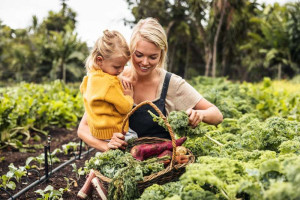
Gbiota food works best when grown and shared locally — neighbours feeding neighbours.

Local Micro-Farms

The concept of small micro-farms feeding their immediate community is not just practical — it is hopeful. It offers a way forward that is not based on monopoly control and profit extraction.

This is not a business in the ordinary sense. Profit alone is not the objective. A business should also serve its community.

This is My Legacy Project

At 81, I know I will not be the one to drive this for much longer. I want it to continue after I am gone as a viable, community-driven system.

I propose that each commercial grower contributes a small amount — for example, ten cents per square metre of productive area — to support ongoing research, organisation, and public communication.

Home growers will always have free access to the Gbiota methods for personal use, on the basis that they share knowledge locally and help build awareness of gut biology and food for health.

How Do We Make This Happen?

This will not spread through ordinary online marketing. That space is crowded with distraction and manipulation.

Instead, we need small groups — a dozen people or so — who understand what is at stake and are willing to act as local connectors (or “influencers” in modern language).

The role of any central coordination is not bureaucracy. It is to:

  • Educate about gut biology and food for health
  • Support growers with technical knowledge
  • Ensure that Gbiota produce meets agreed standards

This grows from community — not central control.



For People Who Are “Too Busy”

Many people want the benefits of Gbiota food but do not have time, skill, land, or inclination to grow it themselves. At the moment, they cannot simply buy it — not until there is a stable network of growers and customers.

Regenerative farmers exist. But like anyone, they need reliable customers to support their livelihood. This is where Community Supported Agriculture (CSA) comes in.

Community Supported Agriculture

People interested in buying Gbiota food can form a group. Once the group reaches a certain size, it becomes easy to find local regenerative growers to build Gbiota beds — because the market is already guaranteed.

I can provide technical guidance for establishing the beds. The group can organise payment systems, delivery, and structure — often as a cooperative.

This supports:

  • local growers
  • regenerative agriculture
  • soil carbon storage
  • a sustainable food future for the next generations

We are not just growing food — we are caring for our future.

Join the Club

The first step is to register with Gbiota. Your information is confidential, and you will soon be able to join local discussion groups.

We are especially seeking people willing to act as group organisers.


Loading

Adapting to the Food Crisis

Adapting to the Food Crisis

The food crisis is not about empty shelves; it’s about food that’s energy-dense and nutrient-poor. That mismatch makes us heavier, sicker, and shortens our health span. We need practical education—especially for kids—on how to adapt: understand how the body evolved, rebuild soil biology, and feed the gut so it can do its job.

Education is the Key

This goes beyond learning a few garden tricks. It’s about understanding the world we’re in: information overload, aggressive marketing, and an industrial food system that favours shelf life and sweetness over nourishment. School gardens are a good place to start because they show biology and feedback in real time.

Evolution—Slow, but Instructive

Our bodies evolved on diets low in energy and high in diverse plant nutrients. Evolution is slow; it takes generations. Epigenetics is faster. Adaptation is faster still—and it’s the tool we can teach right now. Let kids see it: composts that run hot if you feed them wrong, soils that thrive when the biology is right, plants that change growth with better trace minerals.

Adaptation—The Core Skill

We won’t out-argue a billion-dollar ad budget. We can, however, out-adapt it. That means choosing food that stabilises appetite rather than whips it along a sugar–insulin roller coaster. Modern food is the inverse of our evolution: high sugars and fats, thin on micronutrients. It tastes great. It doesn’t sustain.

Does It Work? (Proof, Not Hype)

Gbiota beds recycle kitchen and green waste, add manures for biology, balance pH with dolomite when needed, and top up with mineralised rock dust (Biomin) so soils carry the trace elements modern diets often miss—chromium, selenium, iodine and more. But numbers in soil tests aren’t enough. Nutrients only matter if they follow the full soil → plant → gut → blood pathway.

“No biology — no soil. No soil — no food. No food — no people.”

The Soil–Plant Partnership

Plants exude sugars to “hire” microbes that unlock minerals from rock. Different exudates recruit different microbes. That’s why some plants concentrate chromium while others pull iron. As a bonus, microbes catch a ride into leaves and roots; when you eat fresh tips and greens, many of those microbes survive the stomach and seed the gut where they’re needed.

Our Intelligent Guts

Your gut has its own “brain”—not poetry, just wiring and chemistry. It regulates appetite, trains the immune system, and runs a chemical factory that turns plant inputs into compounds your body can use. Feed it right and cravings settle; feed it candy and it keeps asking for more.

Simple Energy vs. Regenerating Nutrition

We can burn almost anything for energy. Regeneration is different. Bones need calcium plus vitamin D. Trace minerals often need specific chemical forms. Balance matters (too much sodium suppresses potassium). The “supplement of the month” rarely fixes a system problem. Food grown in living, mineral-complete soil is a better foundation.

Chromium, Diabetes, and a Wake-Up

Trace minerals are not a sideshow. Chromium is tightly linked to glucose handling. When diabetes threatened our household, diet change—not chrome pills—made the difference. The point isn’t a miracle mineral. It’s that trace elements in the right form, delivered through plants and a functioning gut, can support the system that keeps blood sugar stable.

“If you want a different outcome, change the system—soil first, then plants, then the gut.”

Sugar Blockers and Cravings

High-fibre plant smoothies act as so-called “sugar blockers”: they don’t stop sugar entering the blood; they slow it down so insulin can keep up. That’s a short-term aid. The long-term fix is rebuilding gut biology with diverse, fresh plant matter grown in living soil. Expect ~3 weeks to shift the balance from sugar-seeking microbes to plant-eating allies. Start small if you’re not used to fibre. If gluten is an issue, avoid barley grass and similar ingredients.

Teaching Kids (and Ourselves)

  • Show the loop: Compost → Soil biology → Plant tips → Gut → Energy and repair.
  • Grow dense and tip: Let “mother leaves” power regrowth; harvest tender tips often.
  • Prioritise trace elements: Rock dust + biology beats N-P-K alone.
  • Measure what matters: Cravings down? Energy stable? Fewer mood swings? That’s feedback.

kids-health-holding-food-colin-austin-gbiota

Feasts, Habit and Real Life

We’re social. Cheesecake will happen. That’s fine. Feast days are ancient. The key is recognising cravings: are you hungry because your gut is missing something—or because habit, advertising, or social cues are loud today? Use fibre-rich plants to blunt spikes, then get back to food that feeds the microbiome.

What To Do Next

  1. Start a bed: Compost, manure for biology, pH balance if needed, mineralise with rock dust.
  2. Plant a spectrum: Mix leafy greens, herbs, legumes; harvest tips repeatedly.
  3. Drink your plants: Short-blend smoothies (don’t pulverise fibre). Begin with small glasses.
  4. Track cravings for 3 weeks: If they fall, your system is aligning.
  5. Teach while you grow: Let kids see cause → effect. That’s adaptation.

“Trust the feedback: when the soil is right and the gut is fed, appetite steadies.”

Further Reading

Loading

Choosing a Gbiota Smoothie

Choosing a Gbiota Smoothie

Minerals, Vitamins and Biology in Gbiota Smoothies

The main aim of a Gbiota smoothie is to improve gut health, but they also contain the minerals, vitamins and phytonutrients essential for health. The plants in all Gbiota smoothies are selected to provide these essential minerals, vitamins and gut biology. However there are two vitamins which are not readily available from plants.

Vitamin D is best obtained by going for a walk in the sunshine. Vitamin B12 is generated by fungi — not plants — so add malt extract (it also improves taste; the plants act as sugar blockers).

Important Points About Gbiota Smoothies

    • People eating a typical western diet have a sugar-loving gut biota. Gbiota smoothies contain beneficial biology (pre-biotics) but this is not enough; the beneficial biology must be fed with the right food so it can out-breed the sugar-loving biology.
    • Gut biology has a short life and is changing continuously. You have to wait about three weeks for the sugar-loving biology to die; one glass will not change your gut biota.
    • The less sugary food you eat in this transition the better; after that, Gbiota smoothies act as sugar blockers.
    • Your current gut biology may not handle the high vegetable content at first; start with small glasses and check your body is handling the change.
    • Some plants used can contain gluten. If you are gluten sensitive, tell your blender so they can avoid high-gluten plants (e.g., barley grass). Start slowly and watch for any issues.
  • Plant biology deteriorates as soon as the plant is harvested; we avoid carrying stock — it is “pick and eat.” Talk to your blender about pre-ordering.
  • Plant biology deteriorates immediately after harvest — avoid stockpiling; use a pick-and-eat approach and pre-order with your blender.

Regular Gbiota Smoothie

The regular Gbiota smoothie aims to provide a broad spectrum of minerals and vitamins.

  • Minerals are no problem — if minerals are added to the soil and there is active biology to make them available to the plants, they will end up in the plants and hence in us.
  • Vitamins are more of an issue as different plants provide different vitamins; Gbiota smoothies are best made from a variety of plants depending on seasonal availability.

There is no single standard list of plants for vitamins as they are often seasonal, but many different plants supply each vitamin. For example, Vitamin A can be obtained from spinach, carrots, collards, cantaloupe, sweet potato and bell pepper. Many plants supply a range of vitamins, so Gbiota smoothies can be made from a manageable number of plants to cover all vitamins.

How We Grow and Blend

  • We avoid toxic chemicals which may harm gut bacteria; that is what many chemicals are designed to do — kill bugs.
  • We use “tipping”: grow multiple plants at high density in nutritious soil, let them pass shoots and baby-green stages until they develop strong roots, then harvest new tips and let them regrow.
  • Plants grown in Gbiota soil are natural pre and pro biotics.
  • We blend briefly with some fruit (e.g., bananas) to improve taste and keep fibres intact — minimal blending preserves the fibre that benefits the gut.

This is the basic Gbiota smoothie. The blend can be altered by adding extra plants with specific benefits.

Gbiota Sugar Blocker

Fats and sugars are basic energy sources and needed in the right quantities. The danger is sugar spikes — modern sugars are absorbed quickly. Natural sugars are slower. Plants like barley wheat are effective sugar blockers but contain gluten; talk to your blender.

Gbiota Immunity Smoothie

A combination of zinc and Vitamin C supports a healthy immune system. Plants like lentils increase zinc levels and many plants contain Vitamin C.

It will not stop you getting a virus or help if you are infected. A lack of zinc or Vitamin C lowers immunity and increases vulnerability. If you have a healthy immune system, the odds of dying from the virus are reduced. There is no information that increasing levels above normal healthy levels provides further improvement — we don’t know.

Gbiota Iron Smoothie

Low iron can be supported with plants like watercress.

Common Plants and Their Benefits

Vitamin A Spinach, Carrot, Collards, Cantaloupe, Sweet Potato, Bell Pepper
Vitamin B Thiamin Acorn squash, Brown rice, Legumes, Sunflower, Yoghurt
Vitamin B2 Riboflavin Almonds, Green vegetables, Mushrooms, Oats, Quinoa
Vitamin B3 Niacin Peanuts, Rice
Vitamin B5 Pantothenic Acid Broccoli, Peanuts, Sunflower, Soybeans, Yoghurt
Vitamin B6 Banana, Chickpeas, Potatoes
Vitamin B7 Biotin Spinach, Sweet potato
Vitamin B8 Folate Avocado, Banana, Peanuts, Peas, Spinach, Wheat
Vitamin B12 Yeast
Vitamin C Bell pepper, Broccoli, Cauliflower, Guava, Kiwi fruit, Orange, Strawberries, Tomato
Vitamin D Sunshine, Mushrooms
Vitamin E Almonds, Annatto, Avocado, Barley, Broccoli, Flaxseeds, Hazelnuts, Kiwi fruit, Oats, Palm fruit, Peanuts, Pine nuts, Pumpkin, Rye, Spinach, Sunflower, Wheat
Vitamin K Brussels sprouts, Collards, Grapes, Kale, Mustard greens, Spinach, Pine nuts, Turnip greens
Calcium Broccoli, Chia, Chinese cabbage, Collard greens, Kale, Okra, Spinach, Soy, Turnip, Yoghurt
Chloride Celery, Olives, Salt, Seaweed, Tomatoes
Choline Broccoli, Brussels sprouts, Cauliflower, Mushrooms, Potato, Kidney beans, Quinoa
Chromium Banana, Basil, Black pepper, Broccoli, Garlic, Green beans, Potato, Wheat
Cobalt Cabbage, Figs, Nuts, Green vegetables, Sea vegetables
Copper Almonds, Mushrooms, Peanuts, Soybeans, Sunflower
Fluoride Black tea, Carrots, Strawberries
Iodine Lima beans, Prunes, Sea vegetables, Spinach, Yoghurt
Iron Broccoli, Dark chocolate, White beans, Pistachio, Pumpkin, Tofu, Quinoa, Cashew nuts, Chickpeas
Magnesium Almonds, Brown rice, Oats, Pecans, Pineapple, Pumpkin, Spinach, Sweet potato, Tofu, Wheat
Manganese Almonds, Oats, Pecan, Pineapple, Pumpkin, Spinach, Sweet potato, Tofu, Wheat
Molybdenum Kidney beans, Lentils, Lima beans, Mung beans, Oats, Peanuts, Peas, Tomatoes, Walnuts
Phosphorus Most vegetables, Almonds, Lentils, Pumpkin, Wheat
Potassium Asparagus, Avocado, Apricots, Almonds, Banana, Brown rice, Beet greens, Edamame, Lentils, Peaches, Prunes, Pomegranate, Pumpkin, Spinach, Squash, Yam
Selenium Brazil nuts, Brown rice, Cheese, Oats, Spinach
Sodium Salt (typically in excess)
Sulphur Cruciferous vegetables (cabbage, broccoli, Brussels sprouts), Nuts, Whole grains
Zinc Cashews, Cheese, Dark chocolate, Kidney beans, Lentils, Oats, Pumpkin
Amino Acids Beans, Cheese, Lentils
Antioxidants Berries — Amla (Indian gooseberry), Bilberry, Blackberry, Chokeberry, Barberry, Dog rose berry, Cherry, Red whortleberry
Fruits — Apricots, Grapes, Pomegranates, Olives, Plums, Prunes, Mangoes
Herbs/Medicinal plants — Arjuna, Arnica, Cascara sagrada, Cinnamon, Triphala, Turmeric
MCT and LCT (medium and long chain triglycerides) Butter, Coconut oil, Lard, Palm oil, Yoghurt
Polyphenols Artichoke, Broccoli, Curry, Green tea, Yellow onions, Prunes, Potatoes, Strawberries
Omega-3 Edamame, Flaxseed, Hempseed, Linseed, Soy, Tilapia, Walnuts
Omega-6 Apricots, Almonds, Blackcurrants, Blueberries, Celery, Cloves, Chestnut, Corn oil, Dark chocolate, Elderberries, Flaxseed, Hazelnuts, Olives, Oregano, Peppermint, Pecans, Pomegranates, Rosemary, Sage, Soybean, Spearmint, Star anise, Sunflower, Thyme, Tofu, Walnuts
Prebiotics Apples, Artichoke, Asparagus, Banana, Cocoa, Chicory, Dandelion, Flaxseed, Garlic, Jicama, Leeks, Oats, Onion, Seaweed, Soybeans, Wheat
Probiotics All vegetables grown in biologically active soil, Apple cider, Buttermilk, Cheese, Dill pickles, Garlic, Kefir, Kvass, Olives, Natto, Tempeh
Resistant Starch and Fibre Green bananas, Beans, Chickpeas, Peas, Lentils, Maize, Nuts, Oats, Potato starch, Red kidney beans

Loading

Sugar Blockers

Sugar Blockers

Gut Biology is Ever Changing

Our gut biology shifts depending on what we eat. A typical modern diet encourages a gut biology geared towards sugar consumption, which is very different from the plant-focused gut biology we evolved with. Hidden sugars are a major factor.

Our Intelligent Control System

The trillions of microbes in our gut communicate with each other to form a genuine gut brain that helps regulate appetite and metabolism. When sugar-loving microbes dominate, they send signals that make us crave more sweet food.

Our appetite signals are influenced by which microbes we feed — not just by willpower.

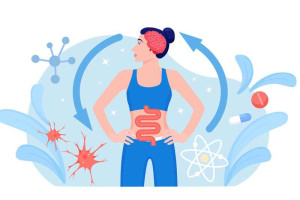
gut-and-brain-gbiota-colin-austin

Sugars Are Not Intrinsically Bad

Glucose is our primary energy source and is essential for brain function. Fructose is much sweeter and can be problematic in high amounts. Lactose keeps babies growing and thriving. The issue is not sugar itself, but the *speed and amount* entering the bloodstream.

A sugar-loving gut sends strong messages to eat more sugar. This leads to a blood sugar spike. The body responds by releasing insulin, which moves sugar into fat cells. This may simply lead to weight gain at first.

The Sugar–Insulin Roller Coaster

Our bodies evolved to handle slow sugar release from leafy plant-based diets. Modern processed sugars enter the bloodstream far too quickly. Insulin surges to reduce the spike, but often overshoots, pushing blood sugar too low. The body then triggers hunger signals to avoid hypoglycemia — often for more sugary food.

Sugar spike → insulin spike → sugar crash → urgent craving → repeat.

This cycle can continue for years. Eventually, excess fat accumulates in the pancreas, reducing its ability to produce insulin, leading to Type 2 diabetes.

Mood Swings

The sugar–insulin cycle releases hormones such as cortisol, adrenaline, epinephrine and glutamate. These shifts can cause mood swings: overexcitement, irritability, depression, or numbness. It affects both the person and those around them.

Sugar Blockers

In the short term, Gbiota smoothies can act as sugar blockers. The term is not literally accurate — they do not block sugar — but is commonly used in medical literature. The fibre slows sugar absorption, giving the body time to respond without extreme spikes.

Sugar blockers slow sugar release so the body can manage it naturally.

If you know you are going to eat something sweet, having a Gbiota smoothie before (or with) it will reduce the spike. Regular use may also reduce sugar cravings over time.

Evolution at Work

The body has evolved to handle gradual sugar intake. When sugar rises, the pancreas releases insulin to bring it down. When sugar drops too low afterward, the body triggers hunger to restore balance. Modern high-sugar foods disrupt this balance and overwhelm the system.

Repeated sugar swings lead toward Type 2 diabetes. Sugar blockers slow this cycle to match what the body can handle.

Lentils are a good natural sugar blocker and help increase Omega 3 levels. There is ongoing debate about cholesterol, but it is clear that diet affects cholesterol patterns differently for different people.

Changing Gut Biology


The only long-term solution is to restore gut biology to its natural state. This involves reducing sugar intake and feeding beneficial microbes. This may take up to three weeks. During this time, drinking Gbiota smoothies provides both the beneficial microbes and the fibre needed to sustain them.

A large portion of the immune system is located in the gut. A healthy gut supports a strong immune system.

But a Word of Warning

If you normally eat a low-fibre Western diet, your gut biology may not initially be prepared for high-fibre food. Start with small amounts of Gbiota smoothie and increase gradually. If you have celiac disease, avoid wheat or barley ingredients.

Read more about alternative food here

Loading

History of Food

History of Food

From Rocks to Soil

About a billion years ago, microbiology began breaking down rock, releasing mineral sand forming soil. Plants grew, provided energy to microbes, and died back to create nutrient-rich earth. This was the foundation of all future food systems.

Early Pre-Human Diet

Around a million years ago, pre-human creatures ate a wide variety of wild plants. These plants contained minerals, vitamins and what we now call phytonutrients. Their diets were rich in nutrients but low in energy. They spent much of their time chewing, but they developed strong gut biology and strong immune systems.

The earliest diets were nutrient-dense and gut-supportive, but low in energy.

Cooking and Brain Development

A few hundred thousand years ago, early humans learned to manage fire and cook food. Cooking released more nutrition from plants and allowed us to eat animals that ate plants. This provided more energy and supported the development of larger, more capable brains.

Agriculture and Settled Communities

About ten thousand years ago, agriculture emerged. We grew crops and raised animals, gaining reliable access to energy-rich foods.

Soil was still mineral-rich, and gardens provided nutrient diversity. However, living in groups meant infectious disease spread more easily, and our gut biology and immune systems began to weaken.

Industrial Farming and Chemical Inputs

Fifty years ago, soils began losing essential minerals. Chemical fertilisers increased yields but produced high-energy, low-nutrient food. Antibiotics helped control infectious disease, and lifespan rose. But weakened gut biology led to modern chronic diseases such as diabetes, obesity, heart disease and dementia.

High-energy, low-nutrient food weakened the gut biology that regulates appetite and immunity.

Supplements and the Search for Solutions

Twenty years ago, we realised nutrients and trace minerals were critical, so supplement industries grew. But pills did not restore gut biology or immune strength. Some people recognised that simply growing food in nutrient-rich living soil could restore gut function — but many found these foods required more chewing and had stronger flavours.

Recent Shift in Awareness

Recently, global events reminded us how important gut biology and immune resilience are. This led some to take those same nutrient-dense plants, blend them with spices and herbs to make them taste good, and drink them as smoothies.

The Gbiota smoothie is simply nutrient-rich plants from living soil, made enjoyable enough to eat every day.

Loading

Understanding food

Understanding food

The Modern Health Crisis

Obesity and diabetes have become widespread in just the last fifty years. The cause lies in how our food and soils have changed. The gut brain is part of the body’s intelligent control system, and it depends on plants grown in biologically active soil.

When food came from living soil, chronic disease was rare.

Why Food Quality Changed

Food can be understood by what it does:

  • Energy food – provides fuel
  • Replacement food – rebuilds body tissue
  • Gut-brain food – supports the microbes that regulate appetite

Soil microbes break down minerals and make them available to plants. When soil biology is lost, plant nutrients are lost. Modern food has become high in energy but low in complexity.

The Gut and Appetite Control

If we eat large amounts of sugar, we cultivate microbes that signal for more sugar. If we shift to plants grown in living soil, the gut can be restored. This usually takes around three weeks of consistency.

The issue is not willpower; it is which microbes are in charge.

How Industrial Farming Broke the System

Industrial agriculture prioritises yield and storage life. Chemical fertilisers and pesticides reduce soil biology. This weakens the natural nutrient cycle and disrupts the gut microbiome. As the gut weakens, appetite control breaks down, leading to overeating and metabolic disease.

hurt-soil-field-colin-austin-gbiota

The Social Challenge

The technical solutions already exist. Regenerative agriculture is proven. The difficulty is social and economic — the dominant food system places short-term profit ahead of long-term health and soil regeneration.

To restore health, we must restore soil.

A Practical Alternative

We cannot return to village farming, but communities can support regenerative growers directly. Shared distribution makes nutrient-rich food accessible and affordable. This site connects people with growers rebuilding soil through regenerative methods.

Recommended next read: Food for Health

Loading

Food Basics

Food Basics


“Do we really want our kids to grow up fat and diabetic? Health starts in the soil—and in the gut.”

Why this site exists

Humans succeed through intelligence and cooperation. Yet modern media and marketing often push instant gratification—pills, bars, and ultra-processed meals—that undermine long-term health. Nowhere is this clearer than in food: despite medical advances, diabetes, dementia, and obesity are rising.

Inconvenient truth: to be healthy, we need food that feeds our gut biota. This site shows how to grow and source it. Health begins in the soil.

What you’ll find here

  • How to tell truth from hype in food and health.
  • How to build and use Gbiota™ beds designed to feed your gut biology.
  • How to form a local biofoodie group and persuade a grower to produce for you.

Principles, not magic bullets

Innovation matters, but slogans don’t fix diets. If you’re willing to read, try, and measure, you can improve health—without giving up good food. With a healthier gut, cravings usually settle, and “forever diets” become unnecessary.

About Colin

I’ve spent my life in technology and innovation and was selected by the Institute of Engineers as one of Australia’s top one hundred innovators for work in computer-aided engineering. My approach: learn the underlying principles so you don’t need to memorise noise—then challenge broken paradigms. Food is one of them.

What’s broken—and how to fix it

Much of what we’re told about food by mega-corporations isn’t just incomplete—it’s harmful. This site organises years of articles into a logical path so you can follow the thinking and act locally.

How to start

  • Grow it: Build a Gbiota™ bed (free instructions on this site) and grow gut-feeding food.
  • Group it: Form a biofoodie group and engage a local grower to supply members.
  • Keep it real: No instant fixes—some effort is required, but costs can be lower than current “pseudo-foods”.


Loading

Food for Thought

Food for Thought


Feed our brains, our head brain and our gut brain and they will look after us.

“Health starts in the soil—and in the gut.”

We share an intelligent control system that manages how much and what sort of food we want to eat, and how much and where we store fat.

It has three main components: our DNA (which changes throughout life), our subconscious head brain, and our gut biology which acts as a second brain.

DNA

Babies are generally born chubby so they have a reserve of fat. As kids they become skinny as food goes into growth and energy for new muscles.

As young adults, males develop muscle and store fat around their bums so they can go out hunting, while women put on fat here, there and everywhere to feed babies.

As we get older we tend to put on more fat as it becomes harder to catch our own food. That’s how we evolved—there is not much we can do about that part.

Our head brain

Our head brain, unconsciously, stores information about the food we eat and how our bodies react to it. We may not remember it, but it sits firmly in the subconscious.

If we ate an overripe tomato as a kid that tasted horrible, that memory is stored and we “just know” we don’t like tomatoes. We can overwrite these memories by choosing fresh, tasty tomatoes and retraining our head brain.

Our gut brain

Our gut brain (gut biota, or Gbiota) is made up of trillions of microbes that communicate to form effective intelligence.

There are good bugs and bad bugs. The good bugs digest food, ward off pathogens, help decide whether we are hungry, and influence how much and where we store fat. We couldn’t live without them.

Bad bugs make us sick and can slowly kill us—just to have time to breed. Humans have been effective at killing bad bugs, but we’ve also neglected our friends, the good bugs.

That neglect has helped drive an epidemic of “fat in the wrong places”—diabetes, dementia and obesity. We need to look after our mates by feeding them food they like and by avoiding toxic chemicals.

Our gut biota consists of trillions of cells communicating as an intelligent system—our gut brain. We must eat to feed our own bodies and also to feed those microbes.

Modern food has excess energy (fats, sugars, carbohydrates) and is becoming deficient in key minerals and vitamins. It is chronically short of food for our gut brain.

Growing gut food


The focus of this site is how to grow food that feeds the gut brain. Gbiota™ beds were developed specifically to grow gut food. They are simple for home gardeners, and this site explains how to set them up.

Many people don’t have land, time or skills for home gardening. For them, we show how to incorporate gut foods by buying directly from specialist “gut food” growers.

Why this matters

I’m promoting the proposition that humans have an intelligent control system that regulates appetite and fat storage, and that our gut biota forms a critical part of it. The modern food system fails to feed our gut biota, leading to cravings and “fat in the wrong places” diseases—diabetes, obesity and dementia.

My aim has been to develop a system for growing food that feeds our gut biota—hence Gbiota beds.


Loading

Blue zones

Blue zones

Feed our brains, our head brain and our gut brain and they will look after us.


In parts of the world known as blue zones, people live long and active lives—often into their nineties or hundreds—by eating mostly plant-based foods grown in healthy, mineral-rich soil. Their gardens are alive with beneficial microbes, unlike the depleted soils of modern industrial farming.

They harvest and eat their vegetables straight from the garden, keeping those living bacteria intact and supporting healthy gut biology. They don’t follow diets. Their gut and head brains—the body’s natural control system—decide what and how much to eat. Modern food, by contrast, is high in sugar and fat, low in nutrients, and full of chemicals. This damages gut health and drives constant cravings for more unhealthy food.

What is Gbiota Food?

Gbiota food restores the minerals and beneficial biology missing in modern diets. It mirrors the natural nutrition found in blue zones, where people thrive on food grown in living soil. Gbiota food isn’t a diet plan—it’s eaten before meals to help the body’s natural systems regulate appetite and balance.

Feed your brain

Modern diseases like diabetes, obesity, and dementia stem from fat stored in the wrong places. Calorie counting and restrictive diets fail because they ignore how our two brains—head and gut—work together to manage appetite. These systems evolved to keep us healthy, but only if we feed them properly.

Neuroscientist Dr. Lisa Mosconi showed that people on high-fat, high-sugar diets have shrunken, unhealthy brains, while those on nutrient-rich diets have full, healthy ones. The message is simple: feed your brain.

Colin’s Journey

When Colin Austin’s wife, Dr. Xiulan, faced diabetes and near blindness, he turned his background in innovation toward health. He realised modern food lacks vital nutrients because industrial farming replaces only what plants need—not what humans need. This deficiency triggers constant hunger and disease.

Ask “Why?”

Fifty years ago, obesity and diabetes were rare. What changed? Our food. Today’s diets are high in calories and low in essential nutrients. When we restore nutrients to our diet, cravings and “fat in the wrong places” begin to fade.

Diet_Imbalance_Gbiota

Forget Calorie Counting

Counting calories ignores how our bodies evolved. Feed your gut and brain real food, not processed calories, and they will regulate energy naturally.

It’s in the Soil

Colin travelled through Africa, Asia, and the Americas to learn from traditional farmers and combined their wisdom with modern innovation. The result was the Gbiota bed—a system that grows nutrient-rich, biologically alive food in a sustainable way

Vegetables like kale or celery are healthy only if grown in living soil. Chemically grown produce may look good but lack nutrients or even contain toxins. Real food comes from honest soil.

Healthy soil biology mirrors the human gut. In Gbiota’s system, plants are delivered while still growing, full of living microbes that strengthen gut health and restore the body’s natural balance.

Test for Yourself

Track your weight, waist, or blood sugar levels—or simply notice how you feel. Health isn’t about numbers alone; it’s about how your body responds.

Many people leave traditional lifestyles for convenience and entertainment, but modern living often leads to poor health. We don’t need to choose between progress and wellbeing—we can unite both through a movement for real, living food grown in living soil.

blue_zone_Healthy_Gbiota


Loading

Continuous Monitoring

Continuous Monitoring

Welcome to my site, which I created after some thought and practical experiments. My wife, Xiulan, a medical doctor, was having severe problems with her diabetes, so we fitted her with a continuous blood sugar monitor to look for connections between her blood sugar levels, her food, and anything else that might be relevant.


Continuous Blood Sugar Monitoring

As expected, certain foods raised blood sugar levels — but what caused the real spikes and lows was stress. Even experimenting with intermittent fasting caused a spike when she felt hungry. Conversely, a gentle walk in the park to watch the ducks on the lake lowered her levels. It was more than the exercise — even playing mahjong helped. So, what was going on?

The Gut–Brain Connection

We have known about the importance of gut biology for a long time, but we are only just beginning to understand that the gut microbiome is more than a collection of different species of microbes — it’s a coordinated, intelligent ecosystem. These microbes communicate with each other to form an adaptive network, similar to the swarm intelligence seen in ants and bees.

Our guts are a genuine “second brain,” communicating continuously with the one in our head to act as an intelligent control system for the body. We don’t store fat simply because we eat too much of the wrong kind of food — our gut decides whether to store energy, influencing appetite and metabolism.

Health Starts in the Soil

True health begins with a healthy gut, which in turn depends on eating fresh food grown in biologically active, living soil. Plants grown in microbe-rich environments contain the natural compounds that sustain our internal microbiome.

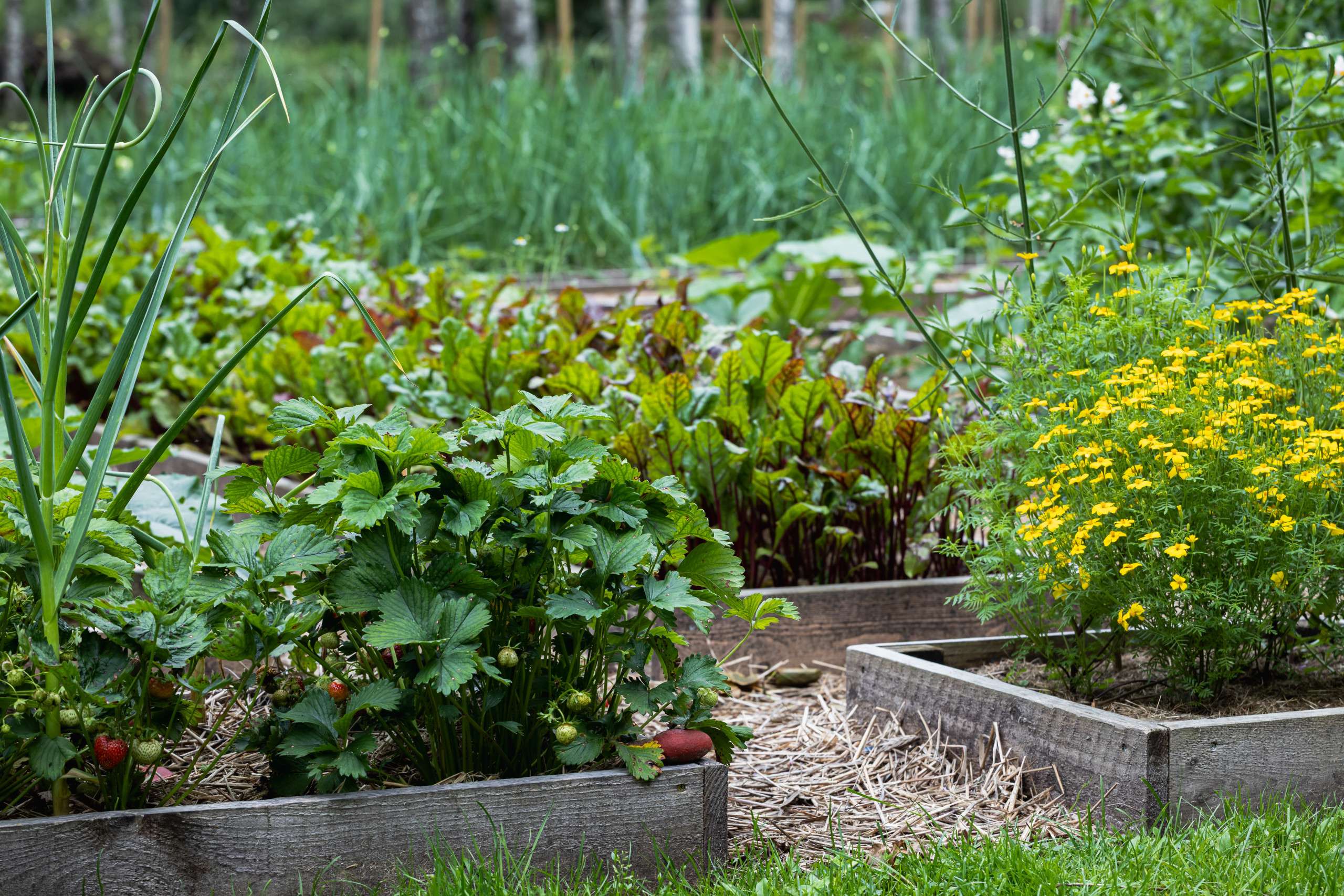
organic-farming-vegetables-fresh-gbiota-colin-austin (1)

Regenerative Farmers and Community Health

There are many farmers who understand the importance of soil biology — we call them regenerative farmers. This website contains articles about health, gut biology, and regenerative growing. Its main purpose is to connect people who value their health with regenerative farmers so they can buy directly, at fair prices, and enjoy real, living food.

Loading