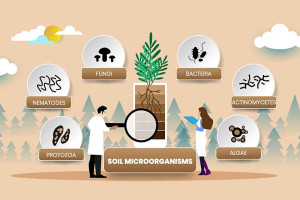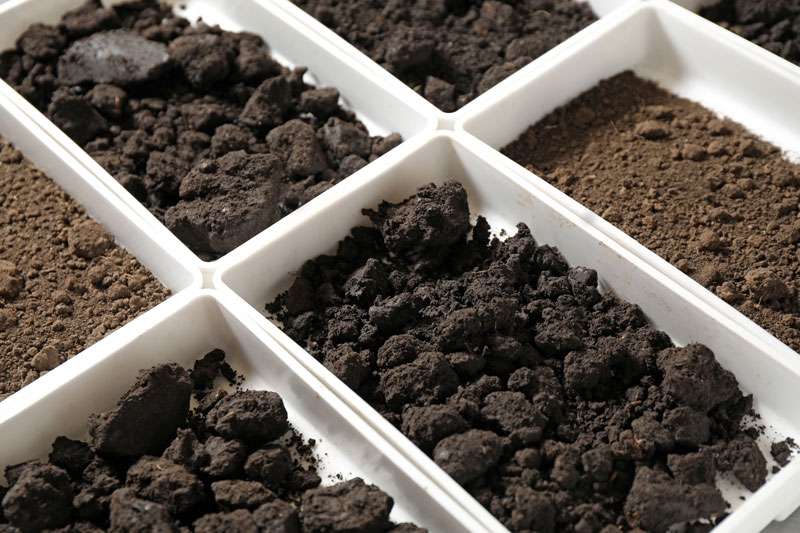
The Gbiota bed is designed with a single purpose: to grow food in biologically rich soil so we can restore our gut biology and improve our health.
Aims and Ambitions
The long-term goal of the Gbiota project is ambitious—to help shift our food system so everyone can access genuinely healthy food. In the shorter term, the aim is more focused: to develop a practical growing system where plants raised in biologically active soil can improve gut biology, reduce cravings, and help people feel healthier and more energetic.
If enough members of the Gbiota Club report better energy, fewer cravings, and improved gut function, the idea will spread naturally. Personal experience is the most powerful educator.
Where the Principles Come From
We already know gut biology is central to health and directly affects chronic disease. There is no shortage of scientific research on soil biology or gut biology. Yet surprisingly little explains how biology moves from the rhizosphere—the root zone—into the plants and finally into our guts.
This missing link is exactly what the Gbiota system aims to explore from a practical, top-down perspective: grow food in biologically rich soil, eat it, and observe the impact on gut function and wellbeing.
From Soil to Gut
A key question drives the design of a Gbiota bed: how does biology get from the soil into us? Observing traditional fermentation practices in rural cultures offers clues. Even after vigorous washing and salting, vegetables still ferment powerfully—suggesting the biology is inside the plant, not just on the surface.
Evidence indicates that microbes travel with water and solutes from the rhizosphere into the plant itself. Damage caused by insects may also allow microbes or even viruses to enter roots. The full mechanism still needs deep scientific study, but we can work top-down: grow biologically rich food and measure the effects.
The critical issue is not simply nutrients, but feeding the soil microbes—which is the whole point of a Gbiota bed.
Modern gut testing is now accessible, but even without it, most people can feel the changes in gut activity when biology is restored, especially after antibiotics or a period of poor diet.
Learning From Ancient Societies and the Wild
Traditional rural and semi-nomadic societies consistently outperform modern populations in gut health. They didn’t follow wellness trends or take probiotic pills—they simply grew or gathered food in living ecosystems. Their soils remained biologically active, and their diets contained natural diversity.
The goal is not to imitate ancient cultures, but to identify what worked biologically and adapt those principles into a modern growing system. Gbiota beds combine lessons from wild ecology, historic agriculture, and modern understanding of soil biology.
Recycling and the Living Eco-System
Ancient agricultural systems functioned as self-contained ecosystems. Plants were continuously replaced without disturbing the entire bed. Soil life remained intact and undisturbed, allowing the biology to flourish between plantings.
Most importantly, these cultures fed their soil. Composting, animals, and constant recycling kept soils alive and nutrient-rich. The purpose was not just fertilisation—it was sustaining the biological community that plants rely on.
The Problem With Disturbing Soil
Modern gardening habits—turning, tilling, breaking soil into a fine texture—destroy fungal networks and disrupt the microbial life that supports plant health. Gbiota beds aim to preserve the rhizosphere, allowing biology to mature rather than starting from scratch each season.
Balancing the Eco-System
Our guts and farm soils share a similar problem: aggressive chemicals and antibiotics kill beneficial biology, allowing harmful species to dominate. Some argue industrial farming is necessary to feed the world, but even if true, we still need part of our diet to come from balanced ecosystems rich in beneficial biology.
Gbiota beds provide that component—food grown not for maximum yield but for biological richness and health.
Water in Ancient Agriculture
Traditional watering methods often flushed biology down into the root zone. This principle is critical. In Gbiota beds, biologically active water—compost tea—is circulated through the root zone using a simple pump and timer or manually if preferred.
The engineering is straightforward. What matters is creating an active, sustainable rhizosphere where plant roots and soil biology continually interact.
The Rhizosphere: The Heart of a Gbiota Bed
Many agricultural models see nutrients as dissolved chemicals that move into root hairs by osmosis. While this explains some aspects of plant growth, it is only part of the story. In biologically rich soils, energy from plant root exudates feeds fungi and microbes, which in turn feed the plants.
Mycorrhizal fungi act as nutrient miners, using enzymes and enormous pressure to unlock minerals from rocks. Bacteria, fungi, micro-organisms, and the guts of macro-creatures like worms and insects form a complex war zone where beneficial biology suppresses harmful biology through competition.
Nature’s fertiliser factory is the rhizosphere—a balanced eco-system where biology feeds plants, and plants feed biology.
A Gbiota bed is designed to maintain this balance continuously rather than destroying it each growing cycle.
Composting in Nature and in Agriculture
In the wild, dead plants and animals are broken down in stages—first by insects and animals, then by fungi and microbes. Early decomposition can be toxic to living plants, which is why natural systems keep distance between fresh waste and new growth.
Ancient farmers understood this instinctively. They let waste decompose or let animals process it through their guts, converting toxins into usable nutrients.
Summary of Principles
The purpose of a Gbiota bed is to grow food that improves gut biology and promotes health. This is achieved by:
- Maintaining a stable, living rhizosphere.
- Using permanent planting with sequential replacements rather than full soil disturbance.
- Feeding and reinforcing soil biology with compost tea.
- Allowing the soil ecosystem to mature rather than resetting it each season.
When we grow food in this way, we restore the biology our guts evolved with. This is not high-tech—it is simply working with natural systems rather than against them.
To read the full document, you can download the complete PDF below.