

Types of Wicking Beds for Healthy Soil & Plants
Wicking Flower Pots
A flower pot sitting in a saucer is the simplest wicking system. It catches any excess water which can then wick back up into the pot as the plant uses the water.
It is a very old system probably dating back to when pottery was first developed and was likely used by the ancient Egyptians.
They rely on the soil acting as a wick to pull the water out of the saucer. They catch both water and nutrients — avoiding losing nutrients is particularly important as it leads to higher growth.
Another version is simply putting drain holes in the side of a container rather than on the bottom so automatically creating a water reservoir — so simple.
Normally a layer of organic material is laid in the base. The water is stored in the organic material and in the soil. The same system can be used in larger in-ground beds. The water is stored in the soil which needs to have a high void space to store the water as well as being hydrophilic or water loving for wicking to occur.
Pots with Wick
A simple extension of the basic pot-and-saucer system is to put a wick in the hole in the base of the pot so that water can wick up from a lower container. The wick should be made from a material with good wicking properties — a dish cloth is both cheap and effective.
The hole in the base of the pot also acts as a drain so there is no danger of the soil becoming water-logged.
There are typically two separate pots so normally the top pot is lifted and the lower pot filled with water.
These are very easy to make as a do-it-yourself project.
Cotton makes a very effective wick and takes up little space so virtually 100% of the reservoir is available for water storage. This is the basic principle of wicking baskets but in this case the basket fits inside a bucket (which is convenient) but means a drain tube must be fitted.
The drain tube can be twisted to control the water level — it can also be used for filling. The water level can be raised when seeding and lowered as the roots develop.
A similar system uses a standard horticultural tray which just sits on a lower container filled with soil and water. In this case the roots go straight through the mesh so there must be good contact between the soil in the upper and lower containers (e.g. no air gap).
This very simple ‘hole in the side’ box uses a pipe so the water is filled from the base and rises. This helps flushing and avoids stagnation.
Soil Fingers
Another version of the wick is to use the soil as a wick by having soil “fingers” going down into a lower water reservoir.
These systems are more complex to make and often use a plastic moulding so they are not so suitable for the handyman.
Soil fingers reduce the volume of water in the reservoir and are not as effective at wicking as a cloth wick and there is a compromise between the size and number of soil wicks so less of the water reservoir is available for the plants.
They are widely used because they are sold at high prices which give margins for promotions — there is no promotion margin in a dish cloth which is technically superior.
Crates
Another version is to have some form of internal container to act as a reservoir. The container (which could be an old crate) is wrapped in geotextile to prevent the soil getting into the box.
They are really a version of the soil wick as the soil must surround the crate.
Gravel Beds
Gravel beds aim to create a water reservoir by filling the base with stones so the water can be stored in the spaces between the stones. Water storage is a lot less but is practical for the larger boxes.
A distribution pipe is laid in the bottom, then a layer of stones, then geotextile, then soil on top. Stones do not wick but roots are aggressive and will push straight through the geotextile to pick up the water. Also water will evaporate from the water surface and condense on the soil above. This can be quite effective if the soil is hydrophilic when it will readily absorb the water from the air (a bit like silica gel).
The water storage can be significantly increased by using a porous rock (like pumice).
Larger Beds
Beds can be made in many ways such as raised beds made from shade cloth lined with plastics. How the beds are built is not important as long as they hold water.
Drainage is essential; this sight glass and drain tube can be swivelled to adjust water level. The drainage pipe can be connected to an external reservoir which can be very large, holding a lot of water to extend the time between irrigations.
Which Are the Most Water Efficient and the Best?
This is a natural question to ask — but is it the right question? The fact is that they all supply water on a fairly continuous basis to the plants, so they all work pretty well when judged by increasing the time between watering.
But let us see whether we are really asking the right question by asking why people use Wicking Beds.
Of course some people just want to save the work and inconvenience of watering, but I would hope that most people would say it is because they are concerned about the chemical farming of commercial produce — high in calories and low in nutrients — and want to eat healthy food, full of minerals, vitamins and phytonutrients to improve their health.
On that basis all of the above systems are just ways of delivering a steady supply of water to the plants, but do not directly improve the health-giving benefits of the plants. Wicking Beds can do that very well because there is no flushing of nutrients.
Growing Healthy Food
Science has known for many years the minerals and vitamins that are essential for health; however our soils have become depleted in trace minerals. The “productisation for profit” of our food system has been a disaster leading to the world’s worst health crisis.
At one time it was thought that all we had to do was to take vitamin pills and we would be healthy. More recent science has shown just how complex the human body is and the food chain which powers it. We are just becoming aware of the importance of gut bacteria and the hormones which control our body and how they can be affected by the minerals and biology in the soil in which our food is grown.
Closed Wicking Beds
In a closed wicking bed there is no direct connection from the surrounding soil, so both minerals and biology must be added to the bed.
Soil biology creates the right surface chemistry for wicking and to hold onto the nutrients so they are available to the plants.
Whatever type of wicking bed you choose, having a living soil with the needed minerals and soil biology is the single most important factor. The spectrum of soil biology from the microscopic fungi and bacteria to the larger creatures releases the minerals in the soil and makes them available to the plants. The larger creatures like worms release glues so the soil forms aggregates and creates tunnels which give a high void capacity.
Worm bins (buried — not as shown) can be used directly in a wicking bed. It is easy to add the needed minerals to a wicking bed and they can be inoculated with pre-grown soil biology to start the process.
However adding soil biology is not like adding an inert fertiliser. Soil biology is living and while it can grow very rapidly, it must be cared for like a farmer looks after his animals.
How Types of Wicking Beds Work Together
Whatever the system, the principle is the same: water moves by attraction (wicking) through the soil, supplying moisture and nutrients to the plant roots — provided the soil is hydrophilic, porous, and biologically active.
The way the soil is constructed and cared for is far more important to the long-term health and nutrition of the plants (and thus people) than the particular wicking configuration chosen.
Download ‘Types of Wicking Beds’ (full PDF)


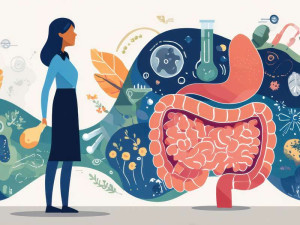




 Our energy comes from the sun captured by photosynthesis from the plants, plankton or algae. Our nutrients come from rocks, broken down by fungi, while the system of digestion and natural replacement is powered by the microbes.
 Microbes have a short life of around a day. They breed and die rapidly, typically in a day, in a state of dynamic equilibrium.
 This is not some wonder new technology; ancient hunter-gatherer tribes had a healthy gut biome, as do the few remaining hunter-gatherers. Their gut biome has been extensively researched, so we can be sure of that.
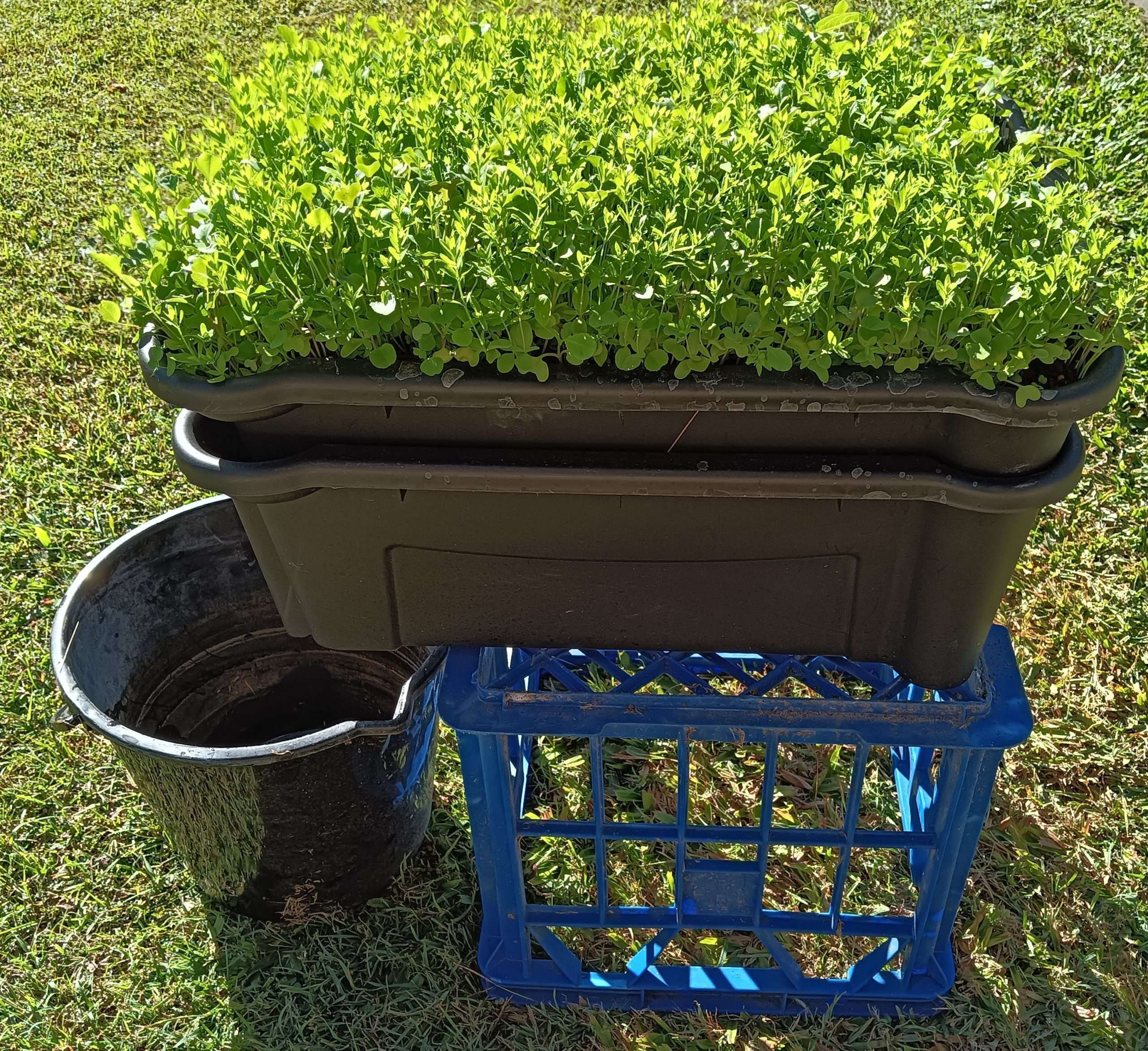
 The easiest way, particularly if you live in a flat with no garden or growing experience, is to grow the beneficial microbes in containers, or more correctly, container sets.
 Fill the top box with any good potting mix and seed in the normal way.
 Plants use sunlight and carbon from the air to create sugars. They exude some of these sugars to attract and feed the microbes into the root zone.
 The bottom box is where most of the breeding action occurs. This is fuelled by organic waste, which you might otherwise throw into the green waste bin, at least if your local council is environmentally sensitive.
 You need the aid of the recyclers, that myriad of creatures which recycle waste into something that is valuable.
 Beetles (not the musical Beatles, who have a good beat, but no beet) are also a critical member of the team.
 If you just watered the top box, you would have two boxes: the top box growing plant in the conventional way. They will grow quite happily, but they will not be the beneficial microbes you need.
 But now comes the critical part, which is creating the conditions so the beneficial microbes will out compete and out breed any less beneficial microbes.
 We need that magical Goldilocks moisture.
 That is how we get the Goldilocks moisture, and it is just so simple and is actually less work than dribbling water in every day.
 Unless you are wearing exceptionally dark sunglasses, you cannot help but notice that the so-called water is not clear water, but a dark brown.
 Right now, I can’t tell you that it will extend your health span or life. It should, but now I don’t know for sure, you will have to wait a few more decades until you are really old, when it will be a bit too late.
 But life is a question of risks and balances.

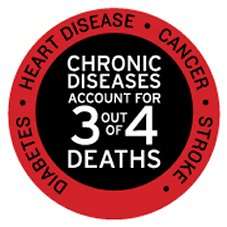

 The wrong fat in the wrong place is at the core of the modern epidemic of chronic diseases.
 There are some who say that modern technology will lead to the extinction of our species. Most people dismiss this as alarmist, green woke talk.
 I am in the hot seat. I was a pioneer of Computer Aided Engineering and have been recognised as one of Australia’s leading innovators. The company I formed became Australia’s leading exporter of technical software, a multi-million dollar company that changed an industry.
 Am I an evil creature leading to the extinction of my species, or can I become a leader to a better society where people not just survive but thrive?
 But what is the technology we need to develop so we thrive?
 Then microbes appeared, probably from an asteroid.
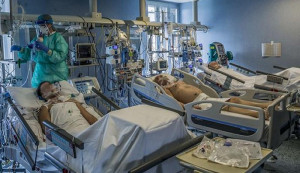 But not all microbes were beneficial: others were harmful microbes which made us sick or killed us, so only a few people lived to their natural life span.
 But humans, ever inventive, developed technologies to combat these harmful microbes.
 Our life span increased dramatically, and all looked good until we realised that we had also decimated the beneficial microbes on which life depends, and our health span, how long we remained fit and healthy, was dropping dramatically with an epidemic of chronic diseases - overweight, obesity, diabetes, heart attacks, cancer and dementia.
 We were slow to appreciate that the beneficial microbes did more than transform rock, recycled organic waste and digested our food. The microbes in our gut communicated with each other to create genuine intelligence, which formed part of the intelligent control system which regulated our bodies, particularly our appetite and where and how much fat we stored.
 The wrong fat in the wrong place is at the core of the modern epidemic of chronic diseases.

 I can’t answer all these questions, all I can do is give you the facts as I understand them.
 The calorie balance theory says that if we eat more calories than we burn that we will get fat. It sounds so simple and obvious - how can it possibly be wrong?
 If it decides that we need to store fat, for example, if we have been deprived of food for any length of time, as in a war or from an extreme diet, it sends signals to our gut to manufacture hormones to make us crave food.
 We have known for a long time that it is simple to change the microbes in mice - they eat each other's pooh. We can make fat mice skinny or skinny mice fat.
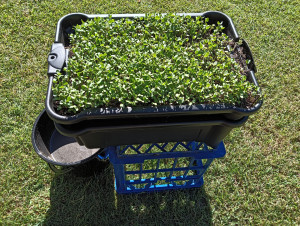 We solve both of these problems with the Gbiota bio-boxes which control the conditions to favour the beneficial microbes and make it easy for people to grow the plants themselves, even if they have no garden or growing experience.


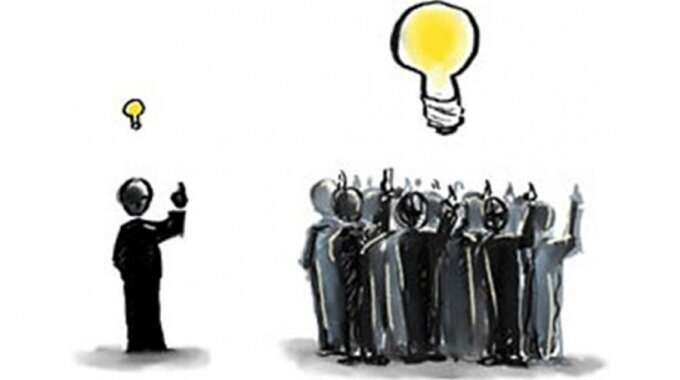
 One morning I was having my after breakfast read, this time “I’m So effing hungry” by Dr. Amy Shah when I was hit by a bomb shell if you are a pessimist or a light bulb moment if your are an optimist.
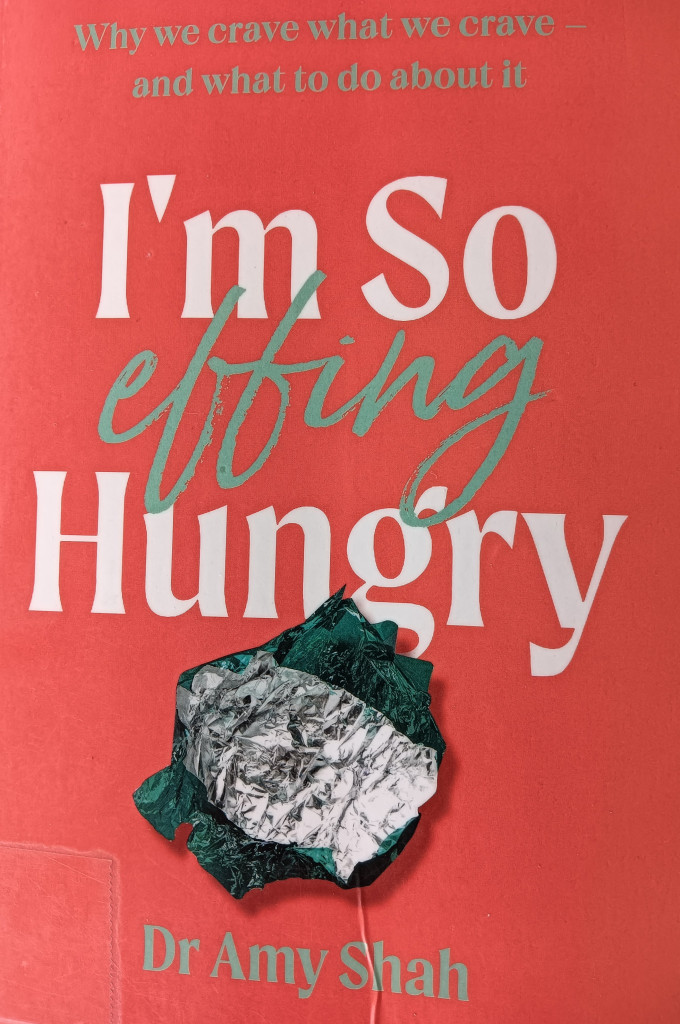 Yet here I was reading a book that said pretty much what I had been trying to get out to the public. So I decided to ask my friend, Dr. Google, how successful Amy was in getting the message out.
 But there are plenty of open-minded scientist who studied and experimented until they had a clear, and now well accepted view, that we have an intelligent control system which regulates our bodies