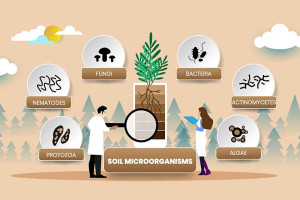
Healthy soil contains microbes that release minerals plants need. When we eat food grown in biologically active soil, those living microbes support our gut microbiome, improve digestion, regulate appetite, and protect us from harmful organisms. Modern industrial farming and processed foods have broken this relationship.
Why We Need Good Bugs
Beneficial soil microbes unlock essential trace minerals such as magnesium, selenium, and iodine. These minerals do not matter to the plant’s appearance but are essential for human health. Plants grown in living soil deliver these minerals and support a balanced gut microbiome.
Harmful microbes thrive when the gut microbiome is damaged by high-sugar, highly processed diets.
The earliest diets were nutrient-dense and gut-supportive, but low in energy.
Human Behaviour and Food Manipulation
Technology, data collection, and targeted advertising have allowed a small number of companies to influence how people eat. Ordinary people everywhere want safe, healthy food, yet modern food systems promote addictive, nutrient-poor products because they generate profit—not health.
The Body’s Natural Appetite Control System
The gut and head brain work together to regulate hunger and fat storage. Modern foods override this natural control system. High-sugar and high-fat diets change the gut microbiome and drive cravings.
Fresh vegetables grown in nutrient-rich soil help restore gut biology and reduce cravings within weeks.
Food Industry Deception
Packaged foods are marketed as “healthy” or “energy-rich,” but they are typically depleted of essential nutrients. Occasional treats are harmless, but regular consumption restructures gut biology toward addiction. This benefits manufacturers but harms long-term health.
Globalisation, Technology and Chronic Disease
Although global food production has increased, nutrient density has dropped. Modern diets contribute to diabetes, obesity, and dementia—conditions linked to excess fat stored in the wrong places. These issues arise when gut biology is compromised.
How Farming Affects Human Health
Industrial farming focuses on plant yield and visual appeal, not nutrient density. Regenerative farming restores soil biology and produces nutrient-dense vegetables that support gut health.
Kale, celery, or lettuce grown in living soil are nutritionally superior to the same crops grown in chemically dependent soils.
Technology as an Enabler
Online tools allow consumers to buy directly from regenerative farmers, increasing transparency and reducing reliance on supermarkets. Fresh produce can be ordered while still in the ground and harvested to order.
Barriers to Dietary Change
1. Gut Biology Overrides Willpower
A person with sugar-dominated gut microbes will crave sugar regardless of knowledge or discipline. Early childhood food experiences also shape lifelong preferences.
2. No Universal Diet
People respond differently to fats, sugars, and restrictive diets. Highly restrictive diets often trigger fat storage as the body enters “survival mode.”
3. Convenience Culture
Time pressure makes packaged foods attractive, despite healthier options often being equally fast.
4. Commercial Incentives
Chemical farming and supplement industries profit from poor diet quality. Few companies promote dietary solutions that reduce long-term dependence on their products.
5. Medical System Limitations
Doctors follow strict guidelines. Diabetes drugs increase insulin and fat storage but do not reverse the condition. Although many patients would benefit from dietary strategies, practitioners risk losing their licence if they deviate from protocol.
How to Overcome These Barriers
Education is essential. Writers like Michael Mosley and numerous scientific sources confirm the importance of nutrient-dense food and a healthy gut microbiome.
Farmers are increasingly adopting regenerative practices but need evidence of consumer demand before committing to biologically intensive farming methods. Consumers can demonstrate this demand through online groups, buyer cooperatives, and community-supported agriculture programs.
Testing Gbiota Beds at Home
Gbiota beds allow home gardeners to grow nutrient-dense food in living soil using compost and volcanic rock dust. Because gut microbes have short life cycles, improvements in cravings, digestion, and overall health can be observed within weeks of eating biologically active vegetables.
Colin provides free technical support and asks gardeners to share their results to help drive broader social change.
Group Action for Local Food Systems
Sustainable change requires groups—not individuals. Buying cooperatives and local food communities can guarantee growers a market for nutrient-dense crops.
To start a local group or micro farm initiative, contact:
co*********@*****nd.com
Micro Farms and Fresh, Local Nutrition
Gbiota beds produce high yields in small areas, making micro farms viable.
Gbiota provides the technology and growing system. The community decides whether it wants a food supply built on living soil, regenerative farming, and real nutrition.