
People over profits


Gbiota is not simply about growing plants. We breed a wide spectrum of microbes in a growing medium called Wickimix and then grow plants so the microbes are packaged in the plant so when people eat the plants they act as pre and pro biotics to enhance gut health.
Take a pill, become slim fit and healthy and live to 100 without ever getting sick. Scientific breakthrough or adverting BS? Whatever else it is an intriguing story.
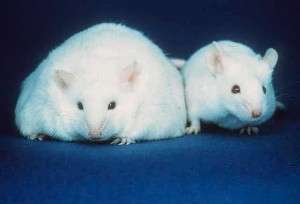
It starts with lab mice, feed a skinny mouse pill number one and it becomes fat, feed fat mouse pill number two and it becomes skinny. Now that would seem like a major breakthrough but there is a snag, these pills are from the pooh of fat and skinny mice.
Many animals from mice to elephants eat each others pooh, it is essential for their gut biome but not us humans.
We do have an alternative, crudely put find a skinny person and poke their pooh up your bum. It actually works but apart from being a bit gross it can end up with dangerous infections.
But is does show one thing beyond all doubt - that our guts control whether we are fat or skinny.
But how? We now understand that the trillions of cells in our gut communicate with each other to create a super computer which regulates our bodies. It receives signals from all over the body, works with our head brain to decide what to do, then send out yet more signals, electric or hormones to regulate our bodies.
It does this to regulate whether we are fat or skinny by controlling our appetite, but it also does this for how fast we age and repairing our bodies as they age or wear and also for our immune system.
But can we just take a pill to change our gut biome? It seems that our gut is much more complicated than we first thought.
We can certainly conduct DNA testing and can find associations between skinny people with certain types of microbes and fat people with others types of microbes but just breeding these microbes up in the lab and putting them into a pill does not seem to be very effective.
It seems that our gut brain is much more sophisticated than we first thought. Thinking of our gut brain as an intelligent control system rather than just an organ is a major shift.
You may like to read my article on the Lamborghini and then contemplate that our gut brain makes ChatGPT look a bit primative.
There is not just one species of microbes that makes as fat and another that makes us skinny, there are thousands of species of microbes in our gut and they all work together in a very complicated way as an Eco system which we really do not understand as yet.
Does that mean we have to give away the idea of some magic pill that will make us slim, fit and healthy for a very long life - well yes and no.
There may not be a magic pill but we can learn from people already living a long and healthy life, like people in the blue zones and natives tribes who also have a healthy gut biome and do not suffer from our modern diseases like diabetes.
So we have to ask why should their gut biota be so different to people eating a modern diet?

The answer is the same as for our gut. They eat food grown in soil with a complex, and sustainable Eco system of living creatures in the soil. The beneficial microbes enter the plants roots and they eat the plants while fresh before the microbes die, giving them a healthy gut biome.
This is the basic principle of the Gbiota system. Experienced growers breed beneficial microbes in organic waste to create Wickimix, this is placed into Gbiota boxes and seeded so people can have growing plants in their home which they can pick and eat to give them a healthy gut biome.
If you are a new viewer I suggest you go to our welcome page.
If you want a more detailed overview of the Gbiota technology go to Gbiota news
If you are a regular and just want to catch up on the latest news go to New posts
If you want to chat with me about the Gbiota project just email me at colin@gbiota.com I actually am a real person and welcome a friendly chat about the Gbiota project

Every eight seconds someone has a limb amputated from diabetes. We know how to save peoples feet but we need to make this technology go main stream. This is an invite to medical researches to join in a project to save peoples feet from the knife.
From when humanoids first appeared infectious diseases were the number one threat. As a kid (a long time ago) if some other kid developed a child hood disease there would be a chicken pox party for all the local kids so we caught it and developed immunity.
The young were particularly prone with many dying but if you made it to 30 then there was a good chance that you would live to a ripe old age.
Then there were amazing development in medical research, particularly vaccines and antibiotics so it looked as though we had won the battle but non infectious diseases increased dramatically.
Specifically people were getting fatter and diseases, like diabetes which is associated with excess storage of fat in the pancreas, became the fastest growing of these modern diseases.
This excess storage of fat was largely blamed on our modern diet which could, it was optimistically thought, simply be resolved by diet, particularly the restriction of calories.
The harsh reality is that this simply has not worked and populations across the globe continue to get fatter and suffer from the related diseases. This is probably the biggest health issue facing modern humans.
Calorie restriction simply does not work and actually seems to make it worse as the body reacts by storing more fat and the resultant cravings eventually lead to even more fat being stored.
So what is going on?
I am an engineer, I am not a medical doctor and have no formal qualifications in microbiology or biochemistry. Engineers make machines and every machine has some form of control system, even if it is a simple on off switch.
Learning how control systems work is an everyday job for engineers.
With the advent of computers we were able to device really sophisticated controllers that were given various names, adaptive control, fuzzy logic, self learning software, predictor corrector and more recently as a sub branch of artificial intelligence.
But they all work on the same principle, make a very small change to the system and monitor what happens. If it is good make a larger calculated change and again see what happens and keep on doing this until the computer has learned with a very good understanding of how to control the machine.
Intelligent control is my preferred name for this.
There is no doubt that this is exactly the way the human body works. Don’t believe me - think of a three year old kid learning to ride a bike.
I can remember at university learning about rotational inertia and gyroscopic couples which explains exactly how a bicycle works. The gyroscopic forces twist the handlebars so we steer in the direction the bike is falling.
I come from a family of engineers and have engineering friends who like me are a bit OCDish about their profession but I have yet to see an engineer putting his three year old kid on his lap and explain the theory of gyroscopic couples to teach his kid how to ride a bike.
No - the kid sees other kids riding bicycles, gets on and falls off and keeps on doing that until he magically masters the art.
It takes less than an hour and a few cut knees.
I understand this process of how intelligent control systems work, I used to write software to do precisely this. As a pioneer in the use of computers to solve engineering problems I was recognised by the Institute of Engineers as one of the top one hundred Australian innovators.
Our bodies have an intelligent control system to manage our bodies, it works in exactly the same way as adaptive control systems work but is far more sophisticated then anything I ,or any other engineer, could write and is way beyond our understanding - but it is the way we work.
We don’t control the speed of a car by how much fuel we put in the tank but we use an intelligent controller, we call the driver, read my article Lamborghini and our gut.
Medical science has made major advances in fighting infectious diseases and until recently has been increasing our life span.
But in this modern era of non infectious diseases we are going backwards, our health span (how long we remain healthy rather then live) is decreasing and with the diseases that stem from storing excess fat like diabetes we are loosing the battle. Just go round any shopping centre and see for yourself.
Our attempts to combat this by restrictive diets, particularly those that just focus on restricting calories, are not working and are actually making things work as our intelligent control system fights back.
We are fighting our intelligent control system rather than working with it. Not good.
Every eight seconds some has a limb amputated from a side affect of diabetes, we are loosing the battle and need to change tack.
We need to change tack by working with our in built intelligent control system rather than fighting it.
But neither I nor anyone else really understands the detailed coding of how our intelligent control systems works. We may one day but every eight seconds we delay some unfortunate person has a limb amputated.
How many feet are we prepared to have chopped of before we act?
We do not need a complete understanding of how our intelligent control system works. Our three year old kid happily rides her bike with absolutely no understanding of gyroscopic forces and probably never will.
But she does know that she has to let the bike steer into the direction she is falling and everything will be fine.
In the same way we know what we have to do. We have to change our gut biome, which is key to our intelligent control system, so we want to eat the sort of food that will change our intelligent control system - our gut brain.
It is not a question of forcing us to eat some horrible restrictive diet which we hate and does not work, it is changing our gut biome - which naturally regulates what and how much we eat - so we actually want to eat food that will make us healthy.
We do that in exactly the same way that our three year old kids learns to ride a bike, by seeing what works.
Visit the hunter gatherer tribes in Tanzania or the Amazon or any of the blue zones where people live a healthy life to a ripe old age. Do you see them sitting around their DNA testing machines looking at the latest results for their gut biome? No.
But you do see them picking and eating plants which are growing in soil which is teaming with all sorts of wriggly creatures.
When experts actually analyse the results of any DNA test they conduct they see they have the most diverse and healthy gut biome and that the non infectious diseases, like diabetes are virtually unknown.
Now don’t get me wrong. We cannot go back to that early life style, there is too many of us, rather we should study their foods and see what we can learn then apply this with the best technology that is available to us right now.
We should not be tempted to wait until we have the perfect solution, as they say perfection is the enemy of progress.
These are the principles I used to develop the Gbiota system, breed the beneficial organisms in organic waste to create a growing mix which can be placed into boxes so people can have plants ready to pick and eat in their own home.
See the Wickimix story.
This is a simple but effective way of changing our intelligent control system - our gut brain.
This technology is now used by a group of dedicated growers who are prepared to spend their time understanding the basic principles and grow some of their own food. Technical details are in the growing section
But this only reaches a very small proportion of the population and every eight seconds someone has a foot chopped off.
If we are going to prevent people having their foot chopped of we need to make this technology mainstream and for that we need the cooperation of medical researchers which is why I extend an invitation to work together to make this mainstream.
With the harm caused to the public and the cost to the medical system of non infectious disease it should not be too difficult to raise the funds to sponsor a few of our young and brightest researchers to work in this field.
Please contact me at colin@gbiota.com
A dumb drunken driver in control of a Lamborghini is a dangerous combination.
Our gut brain is the controller for our appetite.
A gut biome which send out hormones to make us crave sugars and fats is equally dangerous and has led to the modern epidemic of heart disease, strokes, diabetes, dementia etc.

If the Lamborghini crashes or we have a leg amputated from diabetes it is not the fault of the Lamborghini or the sugars and fats it is the fault of the control system which makes us crave sugary fatty food.
We evolved to have an effective control system.
We need a healthy gut biome which will send out the right hormones so we want to eat the right amount of the right sort of food and not crave sugary fatty foods which will make us fat and sick.
We can change our gut biome in about four weeks simply by diet and the results are obvious by the food we want to eat, peoples genes do vary but we can shift the odds of living a long and healthy life.
A healthy gut biome starts in the soil and the creatures that live in the soil, they enter the plants we eat and are fed by the fibre in the plants which are natural pre and pro biotics.
Microbes breed rapidly but also die rapidly so the plants need to be eaten shortly after harvesting.
This is well understood by thousands of home gardeners who breed the beneficial microbes in their soil and eat the plants shortly after picking- but this is only viable for a limited number of people.
There are eight billion people and they all need a healthy gut brain - how do we make this happen for all those people?
The Gbiota system was developed so all people can have access to plants growing in nutrient rich living soil full of beneficial microbes even if they live in an apartment with no garden, time or growing skills.
Experienced growers breed the microbes in organic waste to create Wickimix which they put into Gbiota Wicking boxes so people can have plants, ready to harvest, growing in their own home.
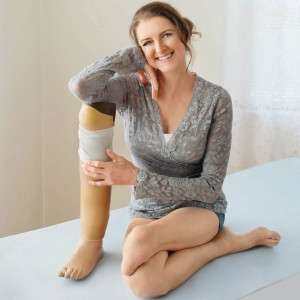
The last few years have seen an amazing improvement in our understanding of Gut biology. Gbiota is just short for Gut Biota.
Just read the medical literature and you will see many papers from leading medical researchers like Drs Tim Spector, Andrew Jenkinson, Will Bulsiewicz and many more.
They all tell us the same story, our gut and head brains work together to control our bodies which is now understood as critical to living a long and healthy life.
I am not directly involved in the massive area of research into gut biology, I just read the literature and see what they are saying. My interest is in practical solutions.
They all say the solution is to eat a wide variety of plants but just going to the supermarket and buying a bunch of vegetables is simply not enough. The beneficial biota come from the soil and creatures in the soils and our modern industrial chemical system are low in the critical biota even when just harvested but the critical issue is that the biota breed and die very fast so by the time the plants are actually eaten they are deficient in both living biota and key minerals.
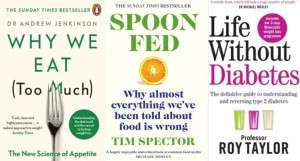
This is where I come in, my interest is in how to grow plants which will enhance gut biology.
The most effective solution is to have people growing plants in biologically active nutrient rich soil in their own home so they can pick and eat.
If you are just looking for some magic pill to enhance your gut and are not interested in growing plants then this is not the web site for you. This web site is all about how to grow plants that will act as natural pre and pro biotics.
Gbiota wicking boxes enable people particularly those living in apartments to have plants growing at home which can be eaten while alive but this is only effective if the growing medium in the wicking boxes is teaming with the beneficial life and essential minerals.
The Gbiota system is a two stage process, experienced growers breed the beneficial microbes in organic waste in a balanced ecosystem so the beneficial microbes out compete and suppress the harmful biota which are always part of an ecosystem.
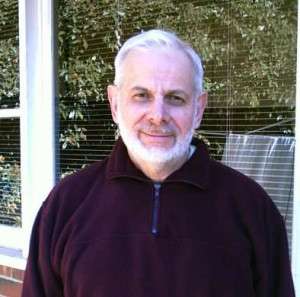
This generates the growing medium we call Wickimix which is placed directly into the Wicking boxes for their local community, either as a side hassle or a business.
There are many people who want to enhance their gut by eating plants that act as pre and pro biotics but you simply cannot do that in regular soil, you need a soil which is teaming with all sorts of creatures from the most minute viruses to the larger creatures like worms and larvae which have guts just like us and where the critical microbes we need can breed up. You really need Wickimix where all the creatures are happily breeding.
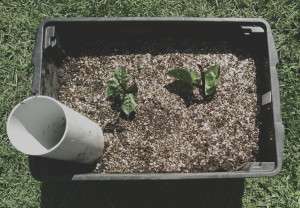
We really need local growers who can produce this Wickimix, this has to be a local operation so the Wickimix can be loaded straight from the Gbiota beds where the creatures are breeding and into the Wicking boxes.
If you have an interest in becoming a Wickimix grower please read the technical articles starting with the welcome message and contact me and we will see how we can help you set up as a Gbiota grower.
Any questions? Just email me at colin@gbiota.com

My wife Xiulan is a medical doctor, a gynaecologist and surgeon, so I was a bit surprised when she was diagnosed as diabetic. At that time I knew nothing about diabetes but when her foot started to turn black and the doctors started talking about amputation I knew I had to do something.
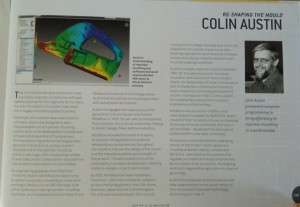
I am an engineer, not a doctor but I have been in the innovation business for a long time and was selected as one of the top one hundred Australian innovators by the Institute of Engineers for my pioneering work on computer simulation.
I knew how the process of science and technology actually worked, so I felt I should at least try.
In my book Water, Wit and Wisdom I talk about the process of innovation. It is often not about being particularly clever but about challenging the conventional paradigm or wisdom.
I was not selected as among Australia top innovators because I was particularly clever, rather my flow simulation showed that the conventional paradigm was just not working and fought the battle of getting a new paradigm accepted - a bloody process.
There is a big difference between science and engineering. A scientist will work at the limit of knowledge in a highly specialist area trying to push the boundaries of understanding that one step further.
An engineers job is to find practical solutions to real problems, he or she uses science as a tool, often having to understand a spectrum of sciences, fill in the holes in knowledge when needed and come up with a solution that works.
There is a saying that science is the art of managing knowledge, engineering is the art of managing ignorance.
Things rarely work first time, it is part of the job of an engineer to be a perfect pain, keep on digging away to find the real reason why something is not working - then fix it.
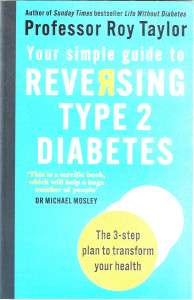
Professor Roy Taylor of Newcastle University in his book Reversing Diabetes gives a fundamental explanation of the mechanics of diabetes.
It was pretty easy to find the basic cause of diabetes (type 2). At first, probably before the person is aware that they are becoming diabetic, fat begins to build up in the muscles so sugar in the blood finds it more difficult to enter the muscles.
That is the job of Insulin so the pancreas just churns out more insulin and everything seems to be working fine.
That’s pre diabetes.
But then fat begins to build up in the pancreas so insulin production is blocked and that is when the trouble starts.
Blood sugars rise so the blood gets thicker and cannot get through the finer blood vessels which is why the extremities like the feet start turning black .
By then it can be too late to fix so there is no option other than amputation.
That was the road Xiulan was on.
That is when the engineers habit of being a total pain comes in, keep on asking questions like a four year old, until the real reason comes to light.
The first question is why do people get (or rather store) fat? A common simple answer is because they eat too much of the wrong sort of food, but that is not a real answer, we have to ask the question why do people eat too much of the wrong sort of food.
Now this is where the fun starts because people start talking about conspiracy theories and how the food industry is producing food full of sugars, fats and flavourings which are addictive.
Now there may be some truth in this but again it is back to the questions, why do people keep on eating all this bad food if they know full well that it may end up with them having a limb chopped off.
People are not that stupid and there is no law saying you must eat this food.
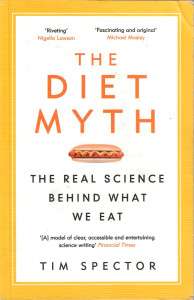
Tim Spector in his many books such as The diet Myth has been a pioneer in rethinking diet and health.
He is a genuine paradigm buster challenging the conventional thinking which is focused on the amount of calories we eat.
And this is where things get really interesting.
The view in the scientific community was that the gut was just an organ for digesting food.
Then along come DNA testing machines so scientist could see all the different varieties of organisms that make up our gut biota.
And that is where a bit of an explosion has been occurring.
I read the literature and not that many years ago the scientists were talking about a handful of species, then it grew to a thousand and now I read of tens of thousands - it is mind boggling.
But what is exciting is that the scientist were discovering what they first called association(meaning a likely connections) that this particularly species was associated with people getting fat.
Then they did tests on a large number of people and were able to identify clear correlations (meaning that there is a definite connection but no indication of a mechanism).
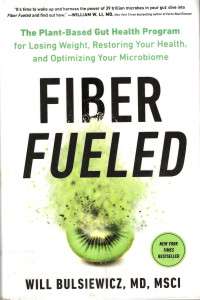
Will Bulsiewicz is another paradigm buster, like many medical doctors he appreciated the benefit of a plant base diet but also realised the link between the biota in the soil and in our gut.
This is important. Bugs breed fast but die fast so to improve gut health we need plants growing in soil teaming with nutrients and we need to eat them shortly after harvesting.
That leaves the $64,000 question ‘Why do some species of microbes make people store fat while other species do not?’
I am not a micro-biologist but I was a pioneer in computer technology, in those fun days when we had to write machine code and had things like peek and poke looking inside the computer so we could actually understand what the computer was doing.
This actually boils down to something very simple - the ‘if then else condition’.
If is is cold wear a jacket, but trillions of such statements give the impression of intelligence. (Humans are more analogue and deal in concepts which is real intelligence).
But, I thought, there are trillions of cells in our guts, maybe they can communicate with each other, maybe in a simplistic way, but building up to an intelligent system. We see this in nature with ants, bees and my favourite - slime moulds.
My very first job as an engineer was working for a company that made control gear for big plants like power stations - information would come in from sensors, be analysed by the control system which would then send out signals to crack this or that valve a bit more open or shut.
Could our gut be like this intelligent control system controlling whether we are fat or skinny?
Then I read that the micro-biology experts in the field were talking the same language with set points.
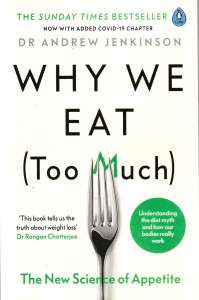
Dr Andrew Jenkinson is a medical doctor who has appreciated that we don’t get fat simply because we are eating too many calories but that we have a control system which decides on a set point and ensures we maintain that set point.
We don’t get fat simply because we eat too much, our intelligent control system decides what the set point should be and pressurises us to eat the amount of food to reach that set point.
We may have no idea of the mechanics but our gut decides that we should store this amount of fat and would send out hormones to make us hungry so however much we may try in the long run we would end up at that set point.
Nice theory but my job as an engineer is not to develop theories but to work out how to apply them to solve a problem.
And the problem in this case is to stop people having their limbs chopped off from diabetes which happens every eight seconds.
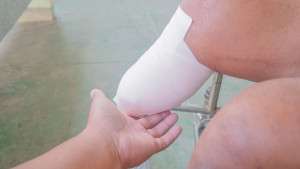
Just think about this, every eight second some unfortunate person has a limb chopped off and this may be preventable.
We can be a bit stronger than 'may be' as this scale is totally new, fifty years ago very few people suffered from diabetes but now it is the fastest growing of all modern diseases.
Back to being a four year old and asking what has changed? We certainly know how our food has changed but there was no DNA machines back then.
But there are still societies living an earlier life style, and of great interest people living in the blue zones where people live to a ripe old age, which is good, but what is even better are fit and healthy right to the end (health span rather than life span).
We got a double whammy in asking that question. Yes these people had a far healthier gut that modern people and they were doing this simply by food, basically eating a diet with a high plant content but the plants were grown in soil that was full of microbes and minerals and eaten fresh, shortly after harvesting.
Pretty simple really, and that is what the Gbiota project is all about.
We live in an era where the theory of how innovation happens is very different to the way it actually does happen.
Many of the great innovations we take for granted now, originated by someone doing something and showing it is actually important and works first and then studying, in a detailed scientific way actually how it works.
How innovation actually works is the theme of my book Water, Wit and Wisdom which is really focused on the water crisis but talks about how innovation is often paradigm busting.
The key issue is that there are certainly many if not most micro-organisms which are more than desirable - they are essential for life - what I, being a crude engineer, call the good bugs.
But there are also micro-organisms which can cause us a great deal of harm, the black death, cholera, and I believe there has recently been another baddy causing humanity a great deal of harm.
The classic approach has been to try and kill of the bad bugs. May be not as extreme as then President Trump suggesting we inject bleach into our blood stream but still the same philosophy of killing off the badies. That has been the mainstay of our approach over the last fifty years.
But look at the people in the blue zones, they are living, and staying healthy to a ripe old age. What is their magic secret?
Well this is the age of internet marketing to I abhor phrases like magic secrets which is just a way of conning people into buying things. So what were they doing?
If you asked them they probably could not tell you as even they do not know but we can use the knowledge we have from the study of Eco systems to understand why it worked.
Every Eco system is made up of many different species competing to breed.
Darwin talked about the survival of the fittest (best adapted) but actually it was the survival of the randiest, the species that survived were the ones that could out breed the others - and that really depends on the conditions.
With all due to respect to Donald Trump it is very difficult to kill off the bad bugs without killing of the good bugs. But it is relatively easy to create the conditions where the good bug out breed the bad bugs. It happens all the time without us even thinking about it.
E-coli is a really nasty bad bug which virtually everyone has in their gut. But it is normally not an issue as the good bugs simply out breed and suppress it so it is never a real problem.
This is the basic principle of the Gbiota beds. It is very easy to breed bugs, they are a randy lot and you almost cannot stop them breeding. The key is to create the conditions so the good bugs out breed the bad bugs and the key to that is breathing the soil and controlling the moisture level.
These can be used to grow plants which can then be picked and eaten fresh before the good bugs die off and the bad bug take over.
Not space age technology and there are many home growers who are doing precisely this.
But there are some eight billion people in the world and they all have guts and are prone to becoming diabetic or suffering from the other diseases which come from our poor gut health and they can’t all have Gbiota beds in their apartments.
So we need another option and that is Gbiota boxes. This is a two stage system.
Local growers who have the land and skills set up Gbiota beds with the prime aim of making Wickimix.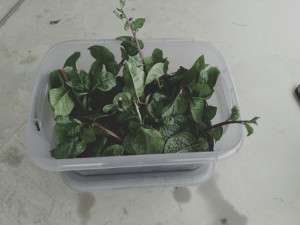
This is a growing medium full of the beneficial creatures and minerals which is loaded into Wicking boxes which are small enough to fit into apartments, balconies or any restricted space.
People can then have plants growing in Wickimix in their own home which are full of beneficial microbes which they can pick and eat while still fresh.
There are plenty of people who would prefer not to have a foot chopped off from diabetes, what we need now to make this work are local growers who can produce Wickimix - that growing medium full of living creatures and essential minerals.
If this could be your scene please contact me as colin@gbiota.com

Hopefully you would have read about John and Sue tumultuous meeting. (read here) Now they are in a passionate, but heated relationship.
John is still claiming that the modern supermarket food system is providing a reliable and abundant food supply with hygienic and energy packed food from all over the world regardless of season.
Sue is arguing that the food is just packed with sugars and fats and lacking key nutrients and minerals and is deliberately made addictive and is the cause of the modern epidemic of non-infectious diseases.
But they have reached common ground that the food is inert lacking the life which supports our gut brain, which among other functions controls our appetite.
Even if we were surrounded by tempting food our gut brain should simply generate the hormones that would make us feel full so we would just stop eating.
John says look at the incredible improvements in food production since the days of Norman Borlaug.
Sue agrees is it was an incredible piece of research but at that time we had no knowledge of the importance of gut biology - it was an unknown unknown.
We conducted a real time experiment on the worlds population and we ended up with a food system that has led to a major health epidemic of non -infectious diseases. The results were clear - an epidemic which dwarfs Covid (read here and here).
We now know that our gut is a real brain which controls many body functions but at this moment we have no real idea of the coding that makes it take decisions so we should be very careful in thinking we can change our gut biology by breeding microbes under laboratory conditions.
Sue is very strong on this - our intelligent control system is made up of trillions of cells of thousands of different species - we need to recognise what we know and what we don’t know and look for solutions that have been tested in a natural environment over thousands of years.
So they have agreed to grow enough of their own food to feed their gut brain. But they have adopted a very different approach to poor Mary (read here) who just buys boxes with plants ready to harvest from George (read here and here and here) who gets his mate to deliver the boxes to her door and take away the old box and the bag of organic waste she leaves out for him.
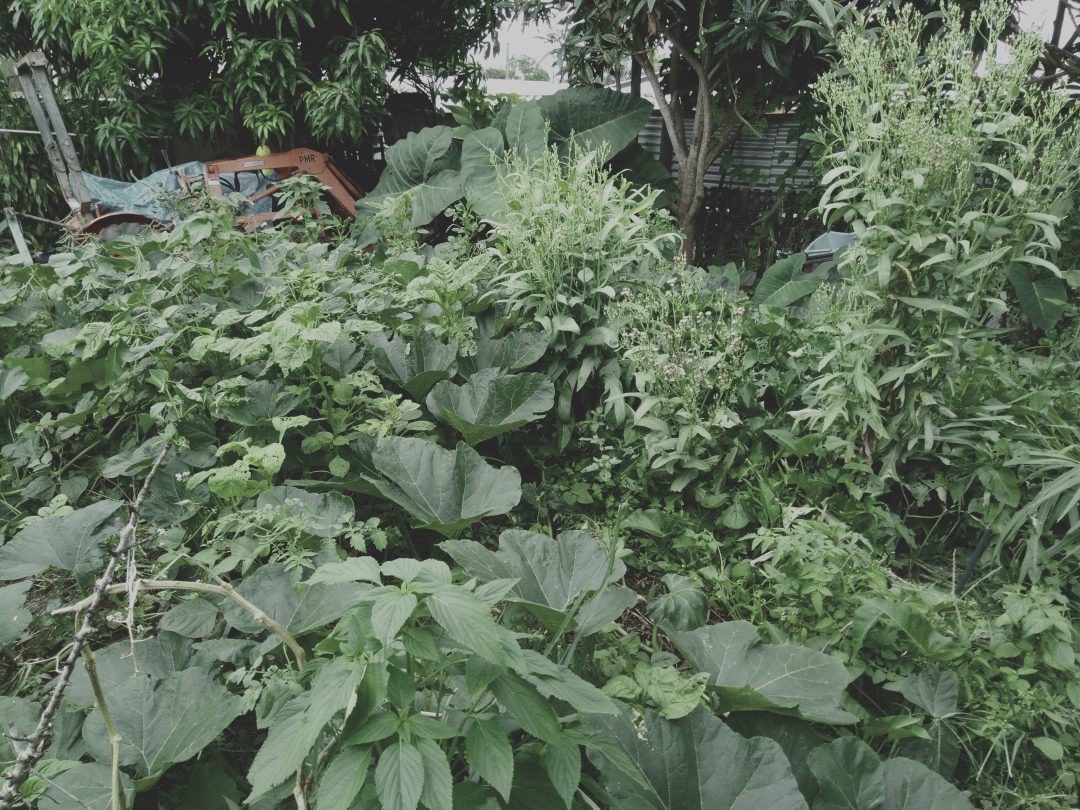
She only grows a few species, mainly micro-greens like broccoli, alfalfa, lettuce, and the ever faithful flax and is quite happy to leave all the soil regeneration to George.
Mary and Sue are opposite ends of the spectrum. Mary, to be honest does not care about the state of the world, her mum only just made it through her Covid and now has long Covid which is in a way worse. Mary learned that people with a strong immune system from eating food that feeds the gut are far less likely to suffer a sever attack so Mary is just interested in her and her kids Immune system.
Sue, to be honest is a bit of an extremest, she sees that the way humans are destroying the natural functions of the earth is leading to an inevitable collapse of the ecological system. May be not the end of humanity but mass hardship and with a food crisis leading to mass migration of desperate starving people.
She says we see what is happening in autocratic countries but how much better are we? Large corporation have immense power, including power over our Governments - it is profits over people.
If we want peoples needs to take priority over profits for the mega corporations it is up to us ordinary people to take action.
You can be like me and become an activist or you can be like Mary and quietly work away growing food that will feed your gut brain. It may not lead to a dramatic change but it will influence people around you.
Sue want to be much more adventurous, she knows there are literally thousands of edible plants she can grow from seed, which she cannot buy from the regular shops and she is well aware of the health benefits of the many herbs and spicies she could grow.
But she is well aware that although you can buy bags of potting mix which are full of nutrients this is not not the same as living soil, full of all those creatures from worms down to the microbes and fungi which George can supply in Wickimix.
She also understands the importance of the growing medium being both hydrophilic (easy wetting) and having a high water holding capacity.
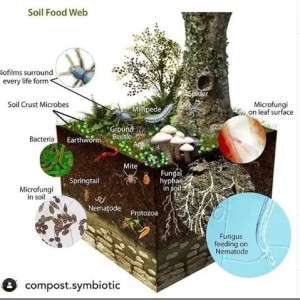
Natural soil contains a huge range of micro organism in the main families of fungi, bacteria, protozoa, nematodes and viruses which can only be seen with a high powered microscope. But it also contains many small creatures which can be just seen with a magnifying glass and then there are the large creatures like worms and soldier flies which have guts not that different to ours where microscopic organism breed.
Sue says that soil is complex and so is our gut - we must recognised that we are just at the beginning of long learning experience and not be over confident of our understanding.
She also knows that there are a number of different styles of Gbiota Wicking boxes she can choose from, each with their own benefits and limitations. This is very different to Mary who just uses a box with a single drainage hole in the side.
Mary's box is supplied by George and is just a standard box with a hole drilled in the side, he fills the box with Wickimix and just pokes a pointed stick through the side hole to make what he calls a mole hole, to ensure proper drainage.
Apart from watering, Mary does not need to touch her box until it is swapped for a new one after the crop is finished.
Sue may well decide to go for the common design with a swivel joint on the outside of the box so she can regulate the water depth and drain when needed and with an ag pipe running along the base then up to the surface.
This means she can surface water while the seeds are germinating then swap over to water at the base and relying on wicking action to take the water up to the root zone.
The amount of water stored is limited by the void space in the soil and how far the water will wick, which depends on the characteristics of the soil. Read water to see how Wicking beds actually work.
She has an alternative of using the twin box approach. Wicks hang down from the top box and into liquid water in the bottom box. This means that 100% of the space is available for water storage and the bottom box can be made large to hold as much water as needed so giving a long time between irrigations.
While this system works quite well it is limited by the capacity of the wick to suck water up to the top box. With thirsty plants in a hot dry climate this can mean they just cannot supply water fast enough.
While cotton makes an excellent material for wicking it is prone to rotting with the intense microbial activity.
But Gbiota Wicking boxes are about breeding beneficial microbes rather than just watering the plants.
For Mary this is no problem as she gets new Wicking mix every time her box is swapped but for Sue she want to extend the time between refreshing the Wickimix.
The creatures in the soil, from the worms, through the microbes and right down to the minute viruses, are all living creatures which need to be fed and watered. They have short lives so they must have the conditions where they can breed, which they will do profusely if the conditions are right.
That is the topic of my next article.
The world is changing at an incredible rate, climate change, the virus and the polarisation of the political system are immense problems, new technologies like artificial intelligence may seem beneficial but whatever the benefits increase inequality between the haves and have nots.
Innovators, like me, ask how can we develop technologies to help mitigate these problems and often that it is the easy bit, a bigger problems in how to make that technology widely available with the relevant documentation.
It is tempting to focus on the new developments but at times an overview is needed to keep things in perspective. This is such a time so I start with an overview.
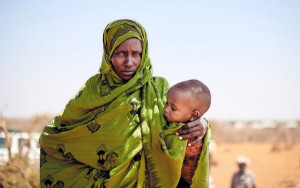
It is approaching thirty years since I was invited to go to Ethiopia to see if there was anything I could do to help feed people in one of those terrible droughts.
I could see the two issues were lack of water and nutrients. Nutrients were the easy bit, weeds may be a pain but they are incredibly effective at extracting the last bit of nutrients from the soil and they can then be used as fertiliser.
Water was a bigger problem but I had travelled extensively in the Australian deserts and seen the natural phenomenon of water being collected in clay basins, flowing down to the lowest point then wicking up to feed luxuriant vegetation in the middle of a dry desert.
That was the birth of what I named Wicking beds - dig a trench, line with a water proof layer, clay or plastic film, load the base with weeds then back fill with soil.
There was no question of the weeds going putrid by soaking in stagnant water - this was in the middle of a sever drought.
On my return to Australia I wrote about this and the idea caught on, but some bright spark they could improve on this by replacing the weeds with stones and having a cloth layer to prevent the soil and roots entering the water zone.
This actually works fine - as self watering beds - but does little to improve the nutrients or soil biology.
But we live in an era where skills in publicity are far more important than being technically correct so Wicking beds, with stones, caught the public imagination.
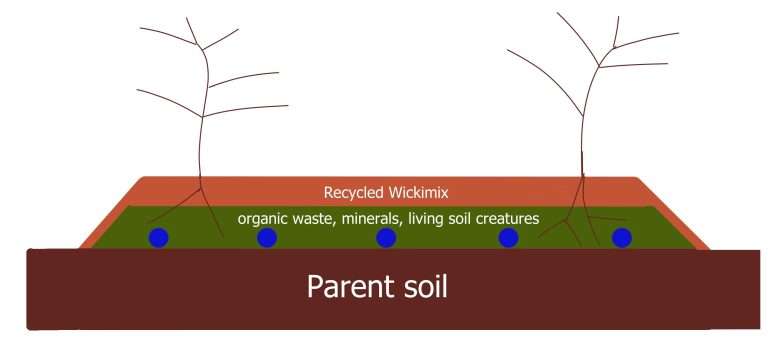
I had yet another idea, the sponge bed. This was even simpler that a Wicking bed, take off the top soil and level the ground. Fill with any organic material that is available then replace the top soil.
This give three layers, the underlying earth, a layer of soft spongy material with very high water holding capacity and a layer of regular soil on top.
Plants could be germinated in the top layer then put down their roots into the moist nutrient rich layer below.
There was no attempt to contain the water, they just relied on surface tension in the sponge to hold the water in place.
Have no doubt - though this was a great system but it just did not catch peoples imagination and it went the way of many other good innovations, just a dot in the history books.
We seem to have suddenly discovered microbes - well that is not true at all, bugs (or more politely microbes) arrived well before any other living creature, they were the first and they made all other life forms possible by making soil and nutrients available so plants could grow.
It is just that humans thought that bugs were bad and had to be killed off. But then in a flash of inspiration we suddenly realised that there were good bugs and bad bugs and that our very lives depended on the good bugs.
We spent a lot of time and money trying to work out how to kill of the bad bugs without killing of the good bugs but without much success. Then in another flash of inspiration we worked out that if we managed the conditions in favour of the good bugs that they would simply out breed the bad bugs.
And that is what Gbiota beds are all about, creating the conditions where the good bugs out compete and out breed the bad bugs - a concept worked out by nature a few millions years ago. But we got there in the end.
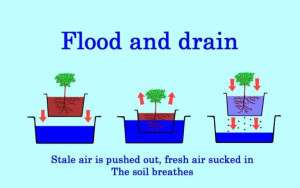
Plants need nutrients, water and air. We can get this with flood and drain. The basic principle has been known for years.
Lower a container into water which will expel all the stale air.
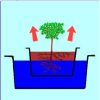
Let the water drain out and it will suck in fresh air into the soil. This cycle of flood and drain means the soil is actually breathing, expelling stale air and sucking in fresh air.
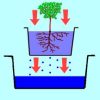
But of course we cannot just raise and lower a complete paddock so we have to use a different way, using a pump to flood the base of the bed purging out the air then let the water drain away to suck in the fresh air.
This work well but a snag appeared.
I have been writing articles about breeding beneficial microbes in Gbiota beds and people tell me it all sounds too complicated so I have been experimenting to find the simplest possible way.
So I now try and make it simple, with the help of a few made up characters, which as they say in the films are purely fictitious and any similarity to actual people is purely coincidental. So welcome George and Mary.
The crux is for George to grow Wickimix, the soil that goes into Gbiota Wicking boxes. But there is more to it than that. He is certainly willing to make and sell Wickimix which helps extend his retirement funds but he is also happy to help Mary by giving advice and encouragement on what to grow in the various seasons.
Read the full article here
It’s not enough to invent better systems—we have to make them simple enough for everyday people to use and maintain.It is tempting to focus on the new developments, but at times an overview is needed to keep things in perspective. This is such a time, so I start with an overview.
We live in an era where publicity often beats good science. Stone-filled “wicking beds” became popular not because they were biologically superior, but because they were well-promoted.We live in an era where skills in publicity are often more important than being technically correct, so wicking beds with stones caught the public imagination.
Gbiota beds are not about killing microbes, but about creating conditions where the good microbes win the breeding race.That is what Gbiota beds are all about: creating the conditions where the good bugs outcompete and outbreed the bad bugs—a concept nature worked out a few million years ago. But we got there in the end.
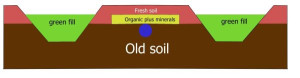
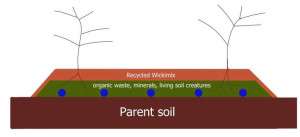
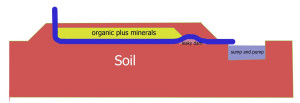
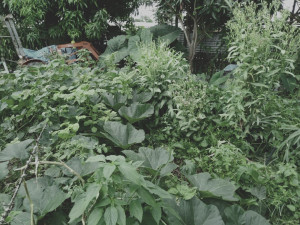
Sponge-style Gbiota beds are, in effect, microbial nurseries that grow the gut-friendly organisms we need for long-term health.
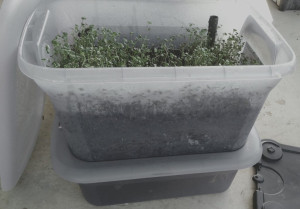
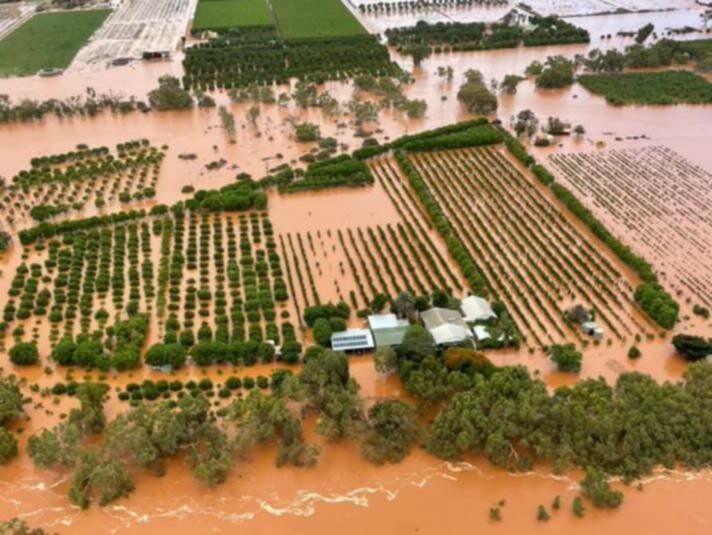
Look at the news - fires, floods, draughts, refugees, political extremes, deliberate misinformation, the world is changing really fast - all sounds terrible so what to do?
The biggest problem we face, long term, is food - how are we going to feed the eight billion, and growing, people with food that will not just keep them alive but keep them healthy. That means food that will feed our intelligent control system that manages our bodies, our gut and head brain.
Our modern food system provides ample food to keep us alive but if we want to live a long and healthy life, reduce the current epidemic of non infectious disease, (like diabetes which results in a person have a limb amputated every eight second) and be fit and healthy into our old age we need to make changes to our food system so we feed our intelligent control system - our gut brain.
But making change is never easy.
Neither Elon Musk, Bill Gate or Donald Trump are going to save the day - no one person can solve all these problems so we fall back on what has made us the dominant creature on earth - we are intelligent and naturally cooperative working together to solve the problem of the day.
That is what the Gbiota project is about developing the technology of how to grow food that will feed our gut brain and so keep us healthy for a long time (which is the easy bit) and then make this technology widely available so people can benefit from it. (which is the difficult bit, changing paradigm against powerful vested interests.)
On this site there are many articles in the food section which describes how food works to keep us healthy and in the growing section more article on how to grow food which act as natural pre and pro biotics to feed and strengthen our gut brain.
We have the technology and we know what needs to be done the issue is how do we make that happen.
Since we have adopted intensive farming the supply side has switched and we now have an abundant supply of energy food but are low in nutrients for body replacements but the critical area is the lack of brain food for our intelligent control system.
This is bad but what puts food into the number one crisis position is the threat from climate change and degradation of our soils.
Let us not get depressed - we have the technology to solve these problems, technology is not the problem which is how to change the system to apply the technology we already have. We need to fall back on the twin strengths of human nature, intelligence and cooperation which has made us the dominant creature on earth.
We have the technology of growing plants so they act as pre and pro biotics but as microbes have a short life span this means creating local food systems where people, even if living in apartments in large cities, can have fresh food growing in their homes.
We need to understand what we mean by fresh, this is has come to mean not gone rotten, but when it come to feeding our gut brain it means that the plants are picked and eaten before the beneficial microbes die.
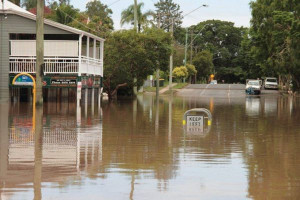
This is what the Gbiota movement it all about - developing a system to have food growing at home. This is not going to just happen. It requires a team with the sort of dedication efforts we have seen in the recent fires and floods where individual have got into their boats to rescue their neighbours from floods or risked their lives to fight fires to protect their communities.
The web www.gbiota.com explains how we can do this. The section Gbiota News tells the stories of how nominally fictitious people, like George, Mary and Sue can pool their skills and knowledge so everyone can be eating food that will make them healthy.
The section on food looks at how food actually works to make us healthy. These are all free to access under the Creative Commons system which means the can be copied and shared without permission.
The section of growing get down to the nitty gritty of how to grow plants to act as pre and pro biotics. This is a subscription area to help fund this project, even projects with the highest social objectives need money to fund the never ending research and experimentation.
The menu item community takes you to another separate web site www.gbiota.club which is a social media site where people can find similar minded people in their area using geolocation. The story of Mary mini shows how.
I hate bugging people with emails so I only send emails when essential but I have a section in gbiota club New posts showing the latest posts. It is probably best just to check this on a regular basis but you can register on gbiota.com and click on the notify me of new posts icon at the bottom of every post.
The social media site gbiota.club site has far more members but sad to say in this troubled world attracts many spammers. While it is easy to join the club members who are not actively participating in the project by logging in and contributing are automatically removed from the site.