What Gbiota Food Is About
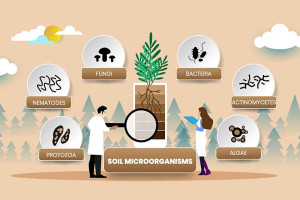
Gbiota food focuses on beneficial soil biology and the nutrients needed to support a healthy gut microbiome. The goal is to breed good soil microbes, grow plants that act as both prebiotics and probiotics, and strengthen human gut biology.
To breed beneficial microbes, you must feed them the organic material they thrive on. They break down this material for energy and outcompete harmful organisms. This microbial cycling has sustained life on earth for millions of years.
How to Make a Simple Gbiota Bed
This method uses basic materials and works in nearly any backyard.
1. Choose a Box or Crate
Use any crate, wooden box, polystyrene box, or tote. Ensure there are holes in the base for drainage.
2. Collect Labile Organic Waste
Gather young, partially decomposed organic waste or equivalent material. This provides food for beneficial soil microbes.
3. Measure the Compost Volume
Fill the crate once with labile compost to measure the quantity needed, then tip it out onto the ground. Alternatively, dig a hole the size of the crate and fill it with labile compost. This is especially effective when using food scraps, as it reduces odour and insect issues.
4. Add a Compost Slurry
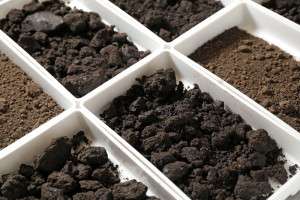
Create a slurry using mature compost or a mix of compost and soil (at least 50% compost). Worm castings or mushroom compost work very well. Fill the box with this slurry.
5. Sow Seeds
Spread seeds densely across the surface of the wet slurry. Dense planting works well for baby greens and fast-growing crops.
6. Apply Gbiota Mix
Apply approximately 3 litres of Gbiota Mix per square metre. Gbiota Mix contains:
- A full spectrum of minerals, including trace elements essential for human health
- Specific microbial organisms that break down minerals and feed plants
Lightly water if needed to ensure contact between mix and seeds.
Why Worms Matter
Healthy soil biology and healthy gut biology are linked. Soil contains beneficial organisms that help break down organic matter. Worms play a major role: they rely on microbes to release nutrients, just as humans rely on gut microbes to digest food.
In a well-fed Gbiota bed, worms often appear naturally. If not, they can be added manually. Keep feeding them with organic waste by lifting the box and adding more material to the compost layer beneath. This creates a closed system without attracting excessive flies.
Harvesting by Tipping
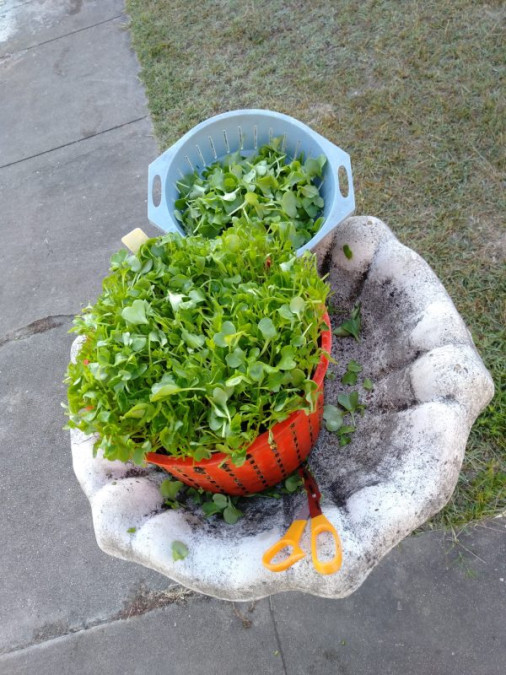
Baby greens are ideal for this system. When shoots reach around 50 mm, cut the growing tips. Cutting early encourages multiple regrowth cycles.
Leave the lower leaves (“mother leaves”) intact—these power the plant’s regrowth. If you cut too low, the plant may not recover.
Tipped greens can be used in salads, wraps, or blended into smoothies with fruits, extra virgin olive oil, milk, water, and spices such as turmeric, cinnamon, and black pepper.
Plant Life Cycle and Timing
Growth is slow during germination because the plant is using nutrients stored in the seed. As roots and leaves develop, the plant begins drawing nutrients from the soil and growth accelerates.
Start tipping before the plant reaches maturity. Mature plants do not regrow well. Ensure mother leaves remain to continue photosynthesis and energy production.
The Floating Water Table Principle
This simple Gbiota system uses the floating water table effect. Water naturally moves toward finer particles, helping the bed retain moisture without flooding the coarse compost beneath. This allows worms to move freely while keeping the top layer consistently moist.