Fresh Vegetables Made Easy: Wicking Baskets for Health and Nutrition

Fresh Vegetables Made Easy: Wicking Baskets for Health and Nutrition

The wicking basket system is revolutionising access to nutrient-rich, home-grown food. By providing a simple, low-maintenance way to grow fresh vegetables packed with essential phytonutrients, this system helps combat diabetes, heart disease, and other diet-related illnesses. Starting with a trial in the Wide Bay area, the initiative aims to expand to cities and beyond, making healthy, fresh food accessible even to those without space, time, or gardening skills.


Newsletter October 2014

No news is good news, or at least we hope so. September has been a whirlwind of activity as we get the wicking basket system up and running. This system provides an alternative food delivery method to supermarkets, leveraging the power of nutrient-rich, home-grown produce.

Check out my new video on wicking baskets. The first part explains the critical role of nutrient-rich food in combating diabetes, heart disease, and other health issues. The second part demonstrates how to grow plants packed with essential phytonutrients. Watch it here:

Website and Technical Progress

The new website is near completion. Technical articles have been finalised and are designed to be informative and engaging. The e-commerce functionality is taking longer, which is common in software development. To ensure quality, a trial is being set up in the Wide Bay region (Bundaberg, Childers, Hervey Bay, etc.), using local markets as delivery points.

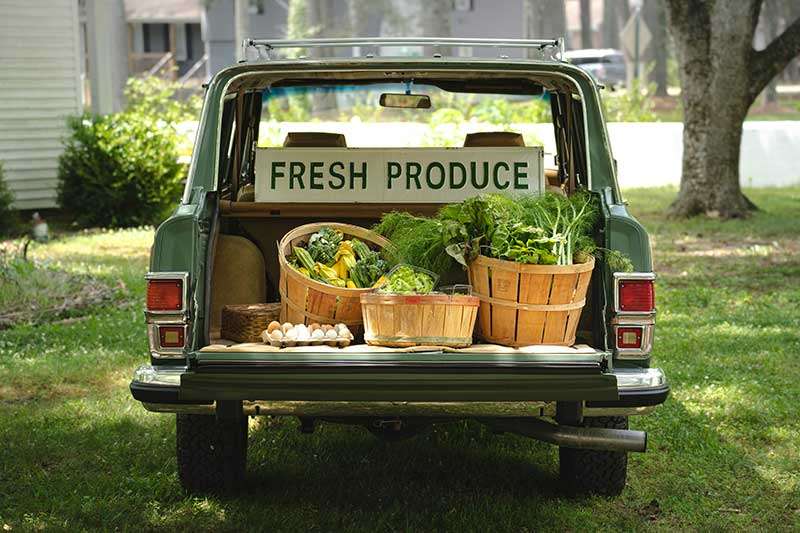
The trial includes experimenting with a system where baskets are picked up directly from growers and transported to communal market stands. This simplifies the process for private growers who are passionate about growing but prefer not to handle marketing or transport logistics. Our focus is on private growers with deep knowledge of plants and health, particularly heirloom varieties and specialty herbs and spices that are nutrient-rich but difficult to grow commercially.

Expansion Plans

Once the trial is successful, the plan is to expand into Brisbane, other capital cities, and eventually overseas. This gradual approach ensures the system is functional and scalable before broader implementation.

Personal Motivation

My wife Xiulan, who is diabetic and the primary motivation for this project, recently experienced a serious foot injury, highlighting the severe consequences of poor diet in diabetes. Diabetes is the leading cause of amputations and blindness, making diet a critical health issue worldwide. Estimates indicate over a billion people suffer from diabetes, with many more pre-diabetic or overweight. Poor diet, industrialised food systems, soil degradation, and excessive sugar and fat intake are immediate threats compared to longer-term challenges like climate change.

Wicking Basket Uptake

The uptake of the wicking system among gardeners has been phenomenal. The next challenge is making healthy food accessible to people without the time or space for large-scale gardening. Wicking baskets provide a simple, low-maintenance solution, allowing anyone to grow fresh vegetables and access biologically active, nutrient-rich soil.

Product Availability

Wicking baskets are currently available directly from me. The initial price is $25 per basket, designed to get things rolling. Biologically active soil kits are also being prepared for distribution. Once the website is fully operational, these products will be promoted online to reach a wider audience.

Community and Market Strategy

The system relies on a cooperative approach. Local growers provide plants, which are collected and transported to markets or communal stands. Consumers can access specialty plants, including medicinal herbs and heirloom vegetables not widely available commercially. This approach allows customers to enjoy nutrient-dense produce while reducing the reliance on processed supermarket foods.

Social Impact

The project emphasises the importance of fresh, nutrient-rich food in combating chronic health issues. By making these foods widely available, we aim to address the immediate health crisis caused by poor diet. The wicking basket system not only empowers individuals to grow their own produce but also supports local growers and strengthens community food networks.

Future Vision

The long-term goal is to create a sustainable, scalable system that brings healthy, home-grown food to urban populations. By leveraging the internet and social media, awareness of the health benefits and availability of wicking baskets can spread rapidly. The focus remains on producing high-quality, nutrient-rich food while making it easy for everyone to access, regardless of their gardening experience.

Conclusion

In summary, the wicking basket initiative represents a practical solution to the growing health crisis caused by poor diet and processed foods. Through a combination of simple technology, nutrient-rich plants, and community cooperation, this system makes healthy food accessible and sustainable. By starting small, learning from experience, and gradually expanding, we can ensure that more people gain access to fresh, life-enhancing produce. Watch this space as the wicking basket project grows and evolves, helping communities enjoy healthier lives.

Colin Austin

Loading

Grow Fresh Vegetables with Wicking Baskets and Beat Processed Foods

Grow Fresh Vegetables with Wicking Baskets and Beat Processed Foods

The Healthy Food Association is transforming access to nutrient-rich, home-grown food through the innovative wicking basket system. By simplifying cultivation and delivery, even those without gardening experience or space can enjoy fresh vegetables with maximum nutritional value. This social business model empowers growers, supports communities, and promotes healthier diets while challenging the dominance of processed foods and supermarkets. It provides a practical, scalable, and sustainable alternative to improve global health and well-being.


Preamble

The Healthy Food Association is actively developing the wicking basket system as an alternative food delivery model to supermarkets. This system is designed to provide fresh, nutrient-dense produce directly to consumers while minimizing the need for extensive gardening skills or space. Building on the success of the farmers’ market movement, we are piloting the system in the Bundaberg region to gain practical experience before expanding to other areas, particularly around major cities where most of the population resides.

Local support, including committed growers, assists with logistics, transport, and market stalls, helping to accelerate implementation. By creating a network of growers and consumers, the association aims to ensure healthy food reaches people consistently, even in areas where access is limited. Our priority is to establish a scalable, efficient system that demonstrates the benefits of this approach and can be replicated nationally.

Aims

We believe everyone has the right to healthy food. Modern, factory-produced foods are contributing to a global health crisis due to high fat and sugar content combined with low levels of essential vitamins and minerals. While fruit and vegetables are recommended to prevent diseases such as diabetes, heart disease, stroke, and cancer, commercially grown produce often lacks nutrients due to fertiliser-heavy, industrialised farming methods.

Growing food at home would ideally solve this problem, but most people lack the time, space, or expertise to maintain a consistent supply. Even skilled gardeners experience the feast-or-famine cycle, making reliable access to fresh vegetables difficult. The Healthy Food Association’s goal is to bridge this gap, enabling consumers to access high-quality, home-grown food regardless of their personal circumstances.

The Technology

The system is based on the wicking basket principle. A basket containing nutrient-rich soil sits above a water container with a wick, allowing water to move upward and nourish the plants as needed. This setup ensures minimal maintenance, consistent moisture, and optimal nutrient absorption. Experienced growers germinate or mature plants within these baskets before transferring them to customers.

Consumers can then adopt a “chop and chew” approach, eating vegetables directly from the basket with only occasional watering required. This method guarantees fresh, nutrient-rich produce, simplifies food preparation, and reduces dependency on processed or supermarket foods. Wicking baskets are flexible, allowing for a wide variety of vegetables, herbs, and specialty plants to be grown, including medicinal and nutrient-dense species.

Organisation

The Healthy Food Association functions as a cooperative social business, prioritising both health outcomes and economic sustainability. While promoting healthier diets is socially desirable, participants must also earn a fair return for their efforts. The association coordinates a network of amateur and professional growers, transport providers, and consumers, all committed to improving access to healthy food.

Our website, www.healthyfoodassociation.com, acts as the central hub, allowing growers to list available produce, describe growing methods, and coordinate delivery. By connecting growers directly with consumers, the system bypasses traditional supermarket distribution, reduces overhead costs, and fosters community engagement.

Growers

Every member can create a homepage to explain their growing practices and highlight available produce. Transparency is key: growers are encouraged to maintain nutrient-rich soil and healthy growing conditions. Organic certification can be featured, but even non-certified growers are expected to minimise the use of toxic chemicals. By sharing their practices, growers build trust and educate consumers about the benefits of nutrient-dense, home-grown food.

The association also provides guidance and resources for growers, including tips for improving soil biology, enhancing mineral content, and maximising crop yield. Collaboration among growers allows for shared knowledge and community support, strengthening the overall network.

The Catalogue

The online catalogue allows consumers to browse available produce by location, species, variety, and plant stage (seedling or mature). Pre-ordering is possible, enabling consumers to request rare or specialised plants, such as medicinal herbs or heirloom varieties, that may not be commercially available.

Growers can advertise their willingness to cultivate specific plants, reducing the risk of speculative planting. Consumers can also choose to receive young seedlings to nurture themselves, fostering engagement and ownership. This system encourages experimentation and the growth of nutrient-dense, specialised plants that enhance dietary diversity and health.

Transport

Efficient transport is vital to delivering fresh produce. Members can offer delivery services, collecting baskets from growers and transporting them to markets or consumers’ homes. Costs and arrangements are agreed directly between growers and transporters.

Prepayment simplifies transactions, ensuring smooth coordination and reducing risk for both growers and transporters. The transport system allows the association to serve wider geographic areas, including urban regions with limited access to fresh produce. By streamlining logistics, the system maintains freshness, preserves nutrients, and improves overall customer satisfaction.

Additional Services

The website also supports ancillary services, such as selling gardening equipment or offering horticultural expertise, including constructing shade houses or providing gardening assistance. A key focus is on improving the appeal of vegetables by providing guidance on selection, preparation, and cooking.

Spices and specialist plants can transform simple meals into flavorful, nutrient-dense dishes. By sharing knowledge and techniques, growers and consumers alike can enhance their diets, fostering wider adoption of healthy eating practices. This approach helps overcome the common perception that nutritious food is bland or inconvenient.

Money and Payment

All transactions occur between growers and consumers. The Healthy Food Association facilitates online commerce but is not a legal party in these contracts. Growers set prices considering labour, transport, and the wicking basket system.

Prepayment ensures smooth delivery, particularly when using third-party transport. The wicking baskets currently cost $35, with a $30 return credit when customers return baskets in good condition. This reduces upfront financial barriers for growers and encourages recycling of baskets, contributing to sustainability.

Customers

Consumers can search produce by location, species, variety, and stage (seedling or mature). Growers’ pages provide detailed descriptions, videos, and information about nutrient content. Specialty items like heirloom tomatoes or medicinal herbs can be pre-ordered, allowing access to rare, highly nutritious plants.

Keywords highlighting health benefits (e.g., “iron,” “calcium,” “diabetes,” “memory”) improve searchability, connecting consumers to the most relevant products. This system enhances informed choice and promotes engagement with nutrient-rich, home-grown food.

Competition and the Big Players

The global food industry is massive and profit-driven, often prioritising market dominance over consumer health. Processed foods are typically high in sugar and low in nutrients, contributing to widespread health problems. However, their impersonal approach and the known health risks create an opportunity for the Healthy Food Association.

By providing high-quality, nutrient-rich produce and maintaining transparent, human-focused communication, the association can attract consumers seeking genuine alternatives. Social media and online engagement amplify this advantage, allowing small-scale growers to compete with larger corporations effectively. Patents and trademarks protect the system and ensure long-term innovation.

Health Benefits and Social Impact

The system promotes improved nutrition, particularly for populations with limited access to fresh vegetables. By increasing the availability of nutrient-dense produce, the association helps reduce rates of diabetes, obesity, heart disease, and other diet-related illnesses.

The cooperative model empowers local communities, supports small-scale growers, and encourages sustainable agricultural practices. By reducing reliance on processed foods and supermarkets, the association contributes to environmental sustainability, improved soil health, and stronger local food networks.

Conclusion

The Healthy Food Association combines innovative technology, community engagement, and online infrastructure to provide fresh, nutrient-rich produce to consumers efficiently. Wicking baskets ensure minimal maintenance, while the cooperative network of growers, transporters, and consumers guarantees reliability and scalability. Transparent growing practices, focus on nutrient content, and social business principles make this system a practical, economically viable, and sustainable alternative to conventional food supply chains.

This approach empowers communities, improves health, and challenges the dominance of processed foods, demonstrating that access to healthy, home-grown food can be universal, enjoyable, and impactful.

Download ‘Grow Fresh Vegetables with Wicking Baskets and Beat Processed Foods’ (full PDF)

Loading

Wicking Bed Support: Coaches, Services, and Local Guidance

Wicking Bed Support: Coaches, Services, and Local Guidance

This article gathers experienced gardeners, designers, and permaculture practitioners around Australia (and beyond) who offer advice, design, and construction services for wicking beds. If you want practical guidance on building or managing a wicking bed — from small home gardens to larger systems — these “coaches” may help. Their services include design advice, full-service construction, soil biology support, and workshops to bring sustainable gardening methods to your local community.


Introduction

The following registry presents a network of coaches who specialise in wicking-bed technology and sustainable gardening. Each coach offers different levels of service — from general advice to full design and construction. Whether you live in a city apartment, suburban block, or rural property, there may be someone near you who can help set up a wicking bed. This network makes the benefits of water-efficient, biologically rich gardening more accessible.

How the Coach Registry Works

The registry is organised by region. For each coach you’ll find contact details and a short description of services offered — from free advice and mentoring to paid construction, workshops and product supply. Use the table below to locate a coach near you, then read the profile for full details.

Selected Coaches and Contact Details

Name Location / Contact Services / Notes
Chris Alstrin 2232 Monteagle St, Colorado Springs, CO, USA
Tel: 719 330 4678
Email: chris@alstrinfilms.com
BA Geography & Environmental Studies. Custom wicking beds, consulting, Bio-packs (mycorrhizae, worm eggs, micro-nutrients). Products and build-for-fee services.
William Mansell 9A Heather Rd, Heathfield, South Australia 5153
Tel: 0429 697 749
Email: habsol@bigpond.com
Permaculture & community garden specialist. Wicking bed workshops, design & construction, school garden projects, biodiversity & conservation consulting.
John Bentley 9 Cox Ave, Tongala, Victoria 3621
Tel: 03 5859 0258
Email: jb@tongalas.own.net.au
Former water bailiff and hardware/farm supplies pro. Free advice on wicking-bed construction and operation. Reports rapid soil improvement.
John Ashworth Victoria (contact via email / blog)
Email: joartash@gmail.com
Blog: http://www.jas49580.blogspot.com.au
Polymer technologist and lifelong organic gardener. Mentoring, support via blog, built multiple above-ground and patio wicking systems.
Philippa Coltart Port Stephens / Mid-Coast, NSW
Email: webcriteria@gmail.com
Home wicking-bed enthusiast (10+ beds). Advice for rainwater-dependent house-block gardens; interested in sponge methods and catchment solutions.
Gilles (Jim) Blok 11 Symes Ave, Kahibah, Newcastle, NSW
Tel: (02) 4943 8812 | Mob: 0411 332 366
Email: wickinggardenbeds@iinet.net.au
Website: www.wickinggardenbeds.com.au (under construction)
Long experience in small-scale builds; offers advice and workshops; sells kits and assemblies.
Alan Singleton (Watersaver Gardens) 20 Jennings Street, Toowoomba, QLD 4350
Tel: 07 4639 5680 | Mob: 0424 996 540
Email: alan@watersavergardens.com
Web: watersavergardens.com
Full installation service, kits (pop-up range), workshops, free advice by phone/email, deliveries Australia-wide for some sizes.
Elaine de Saxe Deception Bay, QLD
Email: ees-in-green@gardener.com
Advice on home growing with wicking bins/self-watering pots. Visits by appointment; happy to show visitors and discuss home food gardening.
Colin Austin 55 Kookaburra Park, Gin Gin, QLD 4671
Tel: 07 4157 2278
Inventor of the wicking-bed system. Advice on wicking beds, soil regeneration and biologically-driven growing systems. Research & demonstrations.
Araluen Hagan Northern suburbs, Perth, WA Permaculture training; wicking beds from tanks/containers; free advice and demonstrations; paid workshops when available.

What Services Coaches Provide

The coaches listed may offer:

  • Full design and construction of wicking beds (in-ground, raised or container systems).
  • Advice and consulting on bed size, soil composition, water supply and ongoing maintenance.
  • Supply of soil mixes, organic materials, and biological inoculants to build healthy soil ecosystems.
  • Workshops and community garden consultations — useful for schools, community groups or shared-garden projects.
  • Mentoring and remote support via email or phone for DIY gardeners wanting to build their own system.

Why a Coach Network Matters

Wicking beds and biologically active soil systems often require some technical know-how to succeed — soil mix quality, correct moisture balance, and understanding of soil biology are all important. For people new to the concept, having an experienced coach can make the difference between a thriving garden and failure. Through this network, the knowledge and skills are spread across regions, enabling communities to build sustainable, low-water gardens even in difficult climates. It also helps preserve traditional gardening wisdom and promotes healthier soil and food.

How to Choose a Coach

Start by identifying where you are located and match with a nearby coach. Consider what kind of support you need — general advice, full construction, soil supply or ongoing guidance. If you are new to wicking beds, a coach who offers hands-on building or a workshop may be ideal. More experienced gardeners might prefer mentoring or advice on maintaining bed health and soil fertility. For community gardens, choose a coach experienced with larger beds or group gardens.

Conclusion

This registry offers a gateway to practical, hands-on support for people interested in water-efficient, sustainable gardening. Rather than trying to figure out soil mixes, water cycles and biological balance alone, you can draw on the experience and services of trained gardeners and permaculture practitioners. Whether you are in a city, rural area or rainforest-edge community, these coaches help make wicking beds, soil regeneration and biological growing systems accessible — helping more people grow healthy food while conserving water and restoring soil.

Colin Austin — © Creative Commons. Reproduction permitted with source acknowledgement; commercial use requires a license.

Loading

Homegrown Nutrition: Wicking Beds for Healthy Soil

Homegrown Nutrition: Wicking Beds for Healthy Soil

Jung Chang, the author of “Wild Swans,” highlighted health, belief, and belonging as keys to a good life. This article explains why home food production matters for personal wellbeing and community resilience, showing simple, low-cost wicking bed methods that conserve water, support soil biology, and grow nutrient-rich vegetables.


Wild Swans — health, belief and belonging

This essay begins with a simple observation: good food supports good health. When a close family member developed diabetes, the problem stopped being abstract. It became urgent. Modern, processed food systems push cheap, energy-dense but nutrient-poor products into our diets. That is not only a health problem for individuals but a social and ecological problem: soil biology and nutrient cycles are being eroded to make ultra-cheap food profitable for a few large companies.

Belief and belonging matter too. Many people quietly accept processed diets because convenience and price dominate food choices. Others want change. Those people form the community that can spread practical, low-cost solutions — like wicking beds — by sharing knowledge person-to-person rather than through expensive advertising campaigns.

Why community matters

I don’t have the budget or the desire to run slick advertising campaigns. What I can do is share practical know-how for free. If people who care about health tell friends, post on social media, and demonstrate wicking beds locally, ideas propagate far more effectively than any single commercial push. That is how small, grassroots improvements scale: trust, demonstration, and community distribution of accurate methods.

Creative Commons: share, but respect the source

When I first published wicking bed instructions online I hadn’t considered licensing. The design went viral — which is good — but some commercial operations later sold inferior or expensive products using bad design. Creative Commons licensing lets me keep sharing freely for private use while enabling a fair licensing route for commercial users. It helps protect end users from misleading versions and keeps the fundamental designs accessible to communities who need them most.

What is the message to spread?

The short version: wicking beds are a cheap and practical way to grow nutrient-dense food if you follow a few core principles. The exact shape, container or material is not the key — a lined pit, an old bath, a bucket, or a raised box will all work — but the management and the soil do matter.

Soil and nutrition — grow food that makes people healthy

Wicking beds are not merely aesthetic projects; they are a method for producing plants that improve human nutrition. Modern supermarket produce often looks healthy but can be poor in the trace minerals and phytonutrients our bodies need. Plants cannot make those compounds unless the soil supplies a broad range of minerals in bio-available forms and the soil hosts active biological communities able to solubilise those minerals.

Two practical mineral sources I regularly use are volcanic rock dust (broad spectrum trace elements) and seaweed. Equally important is ensuring the soil is alive: microbes, mycorrhizal fungi and worms mobilise minerals and build structure. Without that living engine, added minerals sit inert in the soil.

Compost tea and the living soil

One of the most revealing demonstrations I use is reservoir sampling. Fill a bed reservoir with clear water, run it through the compost and soil, and watch the colour change over time. The water becomes darker and richer — a compost tea full of dissolved minerals, microbes and organic compounds. That tea feeds roots during flood cycles and is a concentrated expression of the bed’s biological activity. It looks gruesome, but plants thrive on it.

Second: let the roots breathe

Root aeration is the single most neglected factor in wicking bed design. Plants drown not from water itself but from lack of air. Roots emit gases; if those gases cannot escape, root health declines and anaerobic (putrid) conditions develop. For the vast majority of vegetables, roots need intermittent wetting and drying so oxygen can re-enter the soil.

Two practical rules follow:

  • Avoid constant top watering; keep surface layers reasonably dry so gases can diffuse.
  • Prefer a flood-and-drain or cycle approach: flood the bed with compost tea, let it drain, then allow roots to breathe before the next cycle.

Flood-and-drain performs two vital jobs — it flushes stale gases out of the root zone and brings fresh oxygen as water drains away. If you can design plumbing to allow the bed to be intentionally flooded and drained, you gain much better control over root health.

Design notes: depth, roots and reservoirs

Beds should not be so deep that roots cannot access the soil volume. If roots cannot reach the moisture reservoir, water may stagnate — another cause of smells and poor plants. Plant a thirsty species early to encourage roots to explore downward; avoid building excessively deep reservoirs that isolate the root zone. If a tree has deep roots, locate the bed beside the tree rather than directly over its root system.

Why stones and geotextiles often fail

A common misstep in some DIY designs is inserting a coarse stone layer separated from soil by cloth. This creates a large-pore, low capillarity reservoir and an air gap at the cloth interface that prevents wicking. The reservoir may sit stagnant while roots strain to reach water, leading to smells and poor growth. Well-prepared, fine-textured, organic-rich soils often hold more usable water than stone reservoirs while supporting active biology.

Nutrition is more than nitrogen

Many gardeners focus on quick-growth nutrients (like nitrogen) that make leaves lush but do not improve human nutrition. Our goal is to grow plants rich in minerals humans need — iodine, selenium, zinc, chromium and others — which plants will only accumulate if soils supply them and soil biology makes them available.

Risk management and hygiene

Using labile feedstocks (pond weeds, kitchen waste, or humanure) accelerates nutrient cycling but raises hygiene questions. Two-stage composting, leaf filters and vermicast layers reduce pathogen risks while feeding biology. Take pragmatic precautions: avoid applying immature compost directly to crops destined for raw consumption; use secondary processing and plant filters to protect food safety.

Learning from failure

Many early adopters of wicking beds reported putrid reservoirs or disappointing crops. These failures often boiled down to one or more of the following: poor soil selection (sterile mixes or coarse layers), inadequate aeration, insufficient biology, or missing minerals. When the core principles are restored — living soil, flood-and-drain cycles, targeted mineral additions, and simple hygiene — beds perform reliably and produce plants that truly contribute to human health.

Final thought — practical hope

Wicking beds are not a panacea, but they are a powerful, low-cost tool that communities can use to reclaim some control over food quality. Shared through Creative Commons and spread by community demonstration, the technique offers a pragmatic, scalable way to grow better food. If your community cares about health and soil, a well-managed wicking bed is a practical start.

If you want more technical details or to discuss community projects, contact:
colinaustin@bigpond.com.

Download ‘Homegrown Nutrition: Wicking Beds for Healthy Soil’ (full PDF)

Loading