
Mixes and Soils
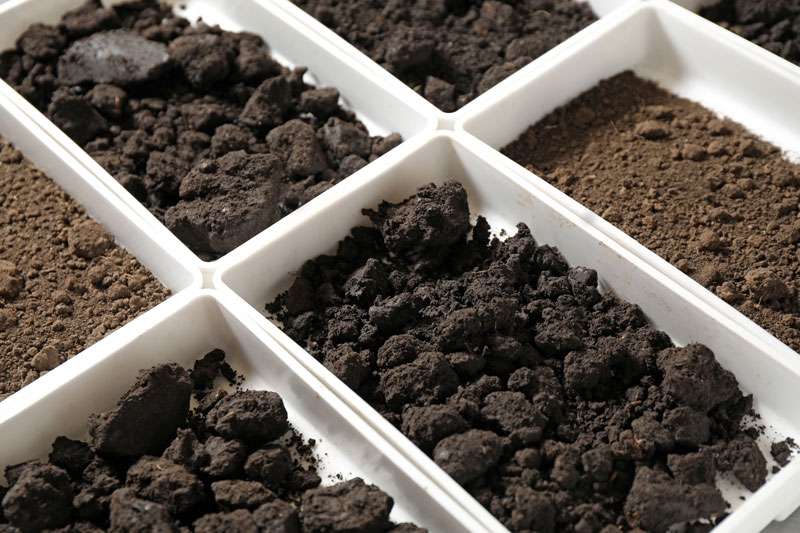
You can go into virtually any hardware store and buy a mixed product with a name ending in mix. But this is not soil.
I use a mix of three parts local earth, two parts chicken manure, one part volcanic rock particles, and 2% dolomite.
Plants grow very well in it, but not plants that will grow metabolic food. For that, we need real soil, living soil. The difference is in the biology.
Fungi
Let’s start with fungi, the world’s recyclers.
They cannot carry out photosynthesis like plants, algae, and plankton can, but they perform an equally important role as recyclers.
They have very fine hyphae, which generate very high pressure at their tips, from which they exude enzymes. This releases the minerals in the volcanic rock dust in my mix, making them available to the plants.
Worms
Love them or hate them, worms do a fantastic job.
Let me tell you a story against myself—it goes back fifty years.
I was early in Computer-Aided Engineering. Like many companies, mine started small, grew, and became successful—but with a lot of internal stress.
Living on a bush block and growing your own food is better for mental health than any psychologist.
But the soil was horrible clay—concrete when dry, glue when wet.
I bought machinery and rotary-hoed the soil. It looked perfect—until the first rain turned it into a bog, then concrete again.
That was my introduction to no-till farming—letting worms do the work.
Soldier Fly Larvae, Beetles and Friends
Worms have no teeth and need help breaking down tough material.
Soldier flies are excellent—they process almost anything, preparing it for worms.
Beetles and other organisms continue this process, forming a complete recycling system.
All these creatures carry diverse microbes—many of the same types found in our own gut.
This is not a coincidence—this is where our gut microbiome originates.
But there are both good and bad microbes.
How do we encourage the good ones? That is what I will cover in the next article.