
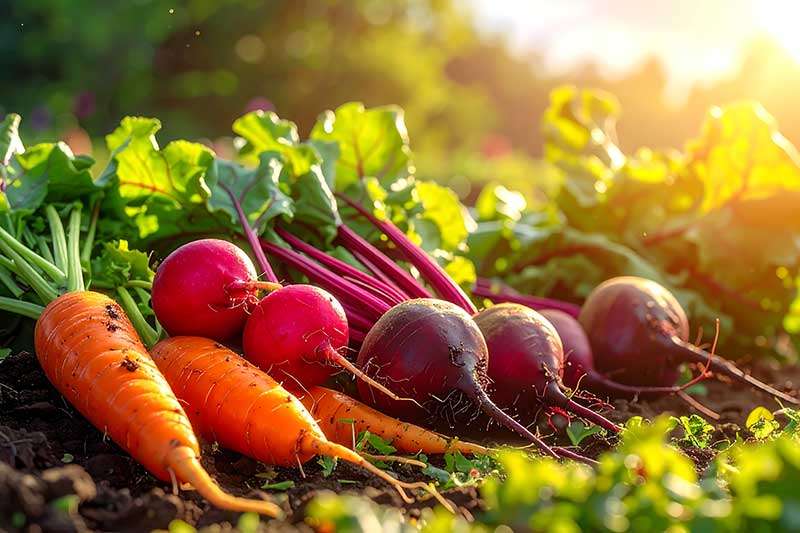
Wicking beds Mk 11 provide a practical, low-cost solution for growing nutrient-rich vegetables at home. By carefully separating air and water layers, supporting healthy roots, and adding essential minerals, these beds enable small-scale urban gardening that improves diet quality, supports soil biology, and encourages sustainable food production.
Introduction
Wicking beds have become a popular method for home gardening because they use water efficiently and produce nutrient-dense vegetables. The Mk 11 version is the latest design, created to be affordable, simple, and highly effective. By carefully managing soil structure, water movement, and biological activity, Mk 11 beds give plants the best possible environment for growth. They also help gardeners grow food with better nutritional quality compared to standard supermarket vegetables.
The Modern Food Challenge
Many people today consume diets high in sugar, salt, and refined fats but low in essential vitamins and minerals. These dietary patterns contribute to widespread health problems, including obesity, Type 2 diabetes, and heart disease. The quality of soil, water, and plants directly affects human nutrition. Growing your own vegetables using Mk 11 beds allows families to access fresh, mineral-rich produce and reduces reliance on processed foods, improving health outcomes over time.
Why Grow Your Own Food
Commercially grown vegetables often lack important minerals because modern farming soils are depleted. Mk 11 wicking beds empower households to grow their own high-quality produce, even in small spaces such as balconies or urban yards. The system is low-cost, uses easily sourced containers and organic materials, and focuses on efficiency and nutrient availability. By growing food at home, gardeners can ensure that their vegetables are both fresh and rich in the nutrients that support gut health and hormonal balance.
Understanding Root Systems
Healthy roots are essential for plant growth. Fibrous roots spread widely near the surface, absorbing oxygen, water, and nutrients. Taproots penetrate deeper, accessing water and minerals that are unavailable near the surface. Mk 11 beds support both root types. This separation ensures that fibrous roots have aerated soil while taproots reach the moist, nutrient-rich lower layer. Strong root systems improve plant resilience, nutrient uptake, and overall vegetable quality.
Physical Design of Mk 11
Mk 11 beds separate soil into two layers. The top layer is airy and supports seedlings and fibrous roots. The bottom layer is moist, nutrient-rich, and feeds deeper roots and soil microbes. This layered design maximizes water efficiency and prevents nutrient loss. Containers can be inexpensive and readily available, making Mk 11 accessible to gardeners with limited budgets. Maintaining independent top and bottom layers allows gardeners to control soil conditions precisely, improving overall plant health.
Soil Health
Healthy soil is the foundation for nutritious vegetables. Urban gardeners have the advantage of controlling soil quality directly. By adding compost, organic matter, and mineral amendments, the soil becomes biologically active. This encourages microbial and fungal activity, which enhances nutrient availability and supports root development. Maintaining soil biology ensures a sustainable environment that continues producing nutrient-rich vegetables over time.
Essential Minerals
Minerals such as selenium, iodine, zinc, iron, and chromium are vital for human health. Modern agricultural soils are often depleted in these trace elements. Mk 11 beds allow gardeners to supplement soil with essential minerals, ensuring that vegetables grown at home are nutrient-dense. Calcium and magnesium are particularly important for fungal activity and soil structure. With proper mineral supplementation, vegetables produced in Mk 11 beds provide higher nutritional quality than store-bought alternatives.
Addressing Nutrient Deficiencies
Plants cannot make minerals; they depend on the soil. Without adequate trace elements, even healthy-looking vegetables may be nutritionally deficient. Adding broad-spectrum mineral amendments, volcanic rock dust, or trace element mixes ensures that plants receive the nutrients they need. These minerals then become available to humans when the vegetables are consumed. Regular replenishment maintains soil fertility and helps prevent dietary deficiencies common in modern societies.
Water and Air Management
Mk 11 beds create a moisture gradient. The top layer remains slightly dry, allowing oxygen to reach fibrous roots. The bottom layer remains moist, feeding deeper roots and soil microbes. This mimics natural soil conditions, where air and water are balanced to support both biological activity and root function. Proper water management reduces evaporation, prevents waterlogging, and improves overall plant growth.
Soil Biology
Soil organisms such as fungi, bacteria, worms, and microfauna play a critical role in plant health. They break down organic matter, release minerals, and create stable soil structure. Introducing vermicast or compost seeds beneficial microbes in Mk 11 beds. A biologically active soil ensures that trace minerals become available to roots, improves water retention, and supports nutrient cycling, resulting in healthier, nutrient-dense vegetables.
Building Mk 11 Beds
Steps to construct Mk 11 wicking beds:
- Choose a sunny site with easy access to water.
- Use two containers to separate the air and water layers.
- Prepare the topsoil layer to be light and airy.
- Prepare the bottom layer with moist, nutrient-rich soil.
- Add compost, organic matter, and essential mineral amendments.
- Plant vegetables, combining fibrous-rooted and deep-rooted species for optimal nutrient use.
- Monitor moisture levels and top up organic matter and minerals regularly.
Plant Selection
Diversity is key. Include legumes to fix nitrogen, deep-rooted vegetables to bring up subsoil minerals, and accumulator plants to extract remaining nutrients. Herbs and companion plants can deter pests naturally. By maintaining a diverse ecosystem, gardeners promote soil biology, reduce disease risk, and improve overall plant health.
Maintenance and Harvesting
Harvesting removes nutrients, so regular replenishment is essential. Compost, green manure, and mineral top-dressings maintain fertility. Rotating planting areas and allowing soil rest helps rebuild biological activity. Well-maintained Mk 11 beds provide consistent, nutrient-rich produce with minimal external inputs, supporting sustainable urban gardening practices.
Advantages for Urban Gardening
Mk 11 beds are low-cost, water-efficient, and suitable for small spaces. They improve vegetable nutrient density, reduce reliance on processed foods, and enable communities to grow fresh, healthy produce. The design is scalable, adaptable, and encourages environmentally responsible gardening while promoting local food resilience.
Conclusion — Healthy Soil, Healthy Food
The Mk 11 wicking bed system combines practical design, soil biology, and mineral supplementation to support urban and household gardening. It addresses nutrient deficiencies, promotes sustainability, and provides a low-cost solution for growing nutrient-rich vegetables. By implementing Mk 11 beds, families and communities can produce healthier food locally, contributing to improved health outcomes and resilient urban food systems.
For more guidance, contact: colinaustin@bigpond.com.
