
Gbiota Blog

The Biology Revolution: How Living Soils Transform Food Production
'The Biology Revolution' explains how working with living soils can transform food production. Healthy, biologically active soil improves nutrient availability, water retention, and plant resilience. The article offers practical guidance for gardens and wicking beds,...
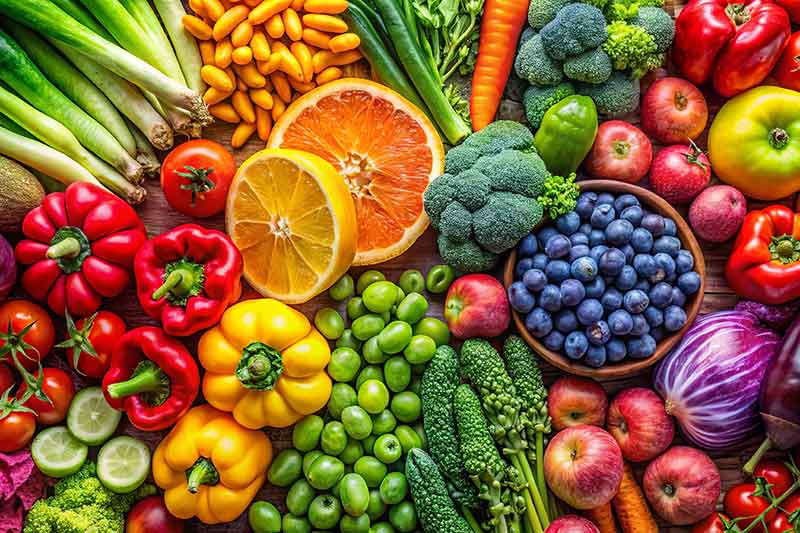
How Soil, Food Quality, and Lifestyle Shape Modern Health
This newsletter explains why some wicking beds fail, why they may smell, and how soil biology, water balance, and nutrients affect plant health. It shares the story behind the development of wicking beds, the mistakes early users made, and the importance of living...

Why Aeration Matters in Wicking Beds (and How to Improve It)
Healthy plant roots need both water and air. In wicking beds, water rises from a reservoir into the soil, but if the soil becomes too wet, roots can suffocate and the bed can become smelly or unhealthy. This article explains why good aeration — the movement of air...

Understanding the Core Principles of Wicking Beds
Wicking beds work by keeping soil at a consistently moist level through capillary action, using an underground water reservoir instead of frequent surface watering. This improves the water-holding capacity of the soil, supports soil biology (especially fungi), and can...

Why Fine Soil Outperforms Stones in Wicking Beds
Using stones or coarse materials in wicking beds is often counterproductive. This guide explains why fine, organic-rich soils perform better, how proper soil structure and biology improve water distribution, nutrient availability, and root health, and how gardeners...

Changing the Diabetes Paradigm
Colin argues that diabetes is not caused by genetics or fate, but by a modern food system that overwhelms our intelligent control system — our “head brain”, our “gut brain”, and the trillions of microbes that run our internal fuel management. The Real Problem Behind...

Wicking Bed Technology Explained: Grow Nutrient-Dense Vegetables with Less Water
Wicking bed technology is a sustainable gardening method that saves water, improves soil fertility, and promotes healthy plant growth. Using an underground reservoir, water moves up to plant roots through capillary action, reducing waste and enhancing nutrient uptake....

Soil Regeneration for Healthy and Sustainable Wicking Beds
This article argues that human health and soil health are intimately linked: modern food often lacks essential minerals and phytochemicals because soils are depleted. By growing our own food using biologically active soils — for example in wicking beds — we can...
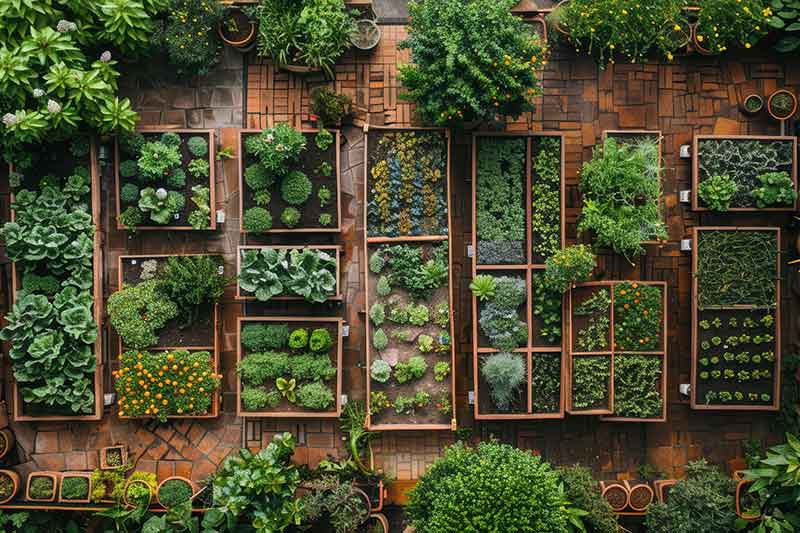
How to Build Water‑Retaining Soil with Sponge and Wicking Beds
This article explores the principles of regenerating soil for vegetable growing using wicking bed baskets. It highlights how soil biology, water management, and mineral balance are crucial for producing nutrient-dense food. Drawing from global observations, from...
Sign up to the Free Gbiota Newsletter

Colin Austin
Quisque velit nisi, pretium ut lacinia in, elementum id enim. Vestibulum ante ipsum primis in faucibus orci luctus et ultrices posuere cubilia Curae; Donec velit neque
Copyright © 2026 Divi. All Rights Reserved.
