

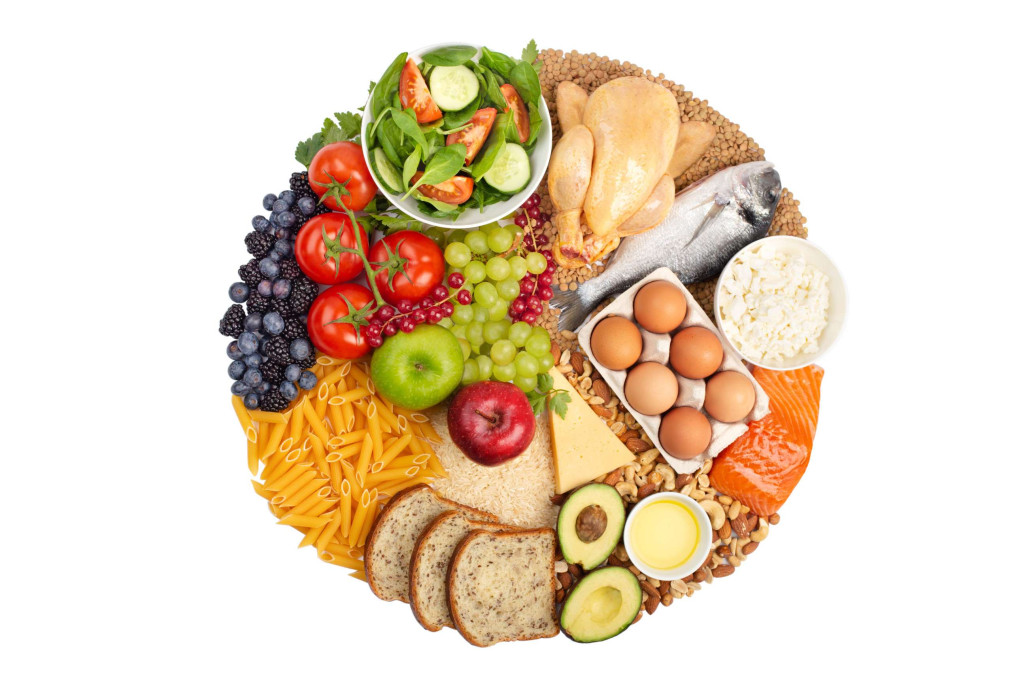
We often classify food by nutrients — carbohydrates, fats, proteins — but it is more useful to understand what food actually does in the body. Food has three core functions:
1. Energy Food
Energy food includes carbohydrates, fats and proteins. If it contains carbon and hydrogen, the body can burn it for fuel, releasing carbon dioxide and water. This is the basic energy supply that keeps us moving, thinking and alive.
2. Food to Rebuild the Body
Our cells are constantly wearing out and being replaced. To rebuild our tissues we need access to a wide range of minerals and complex biological compounds. Some of these can be manufactured by the gut microbiome if the right minerals are present. Others, such as Vitamin B12, must come from diet.
3. Food for the Intelligent Control System (Gut Brain)
The body is not a collection of organs acting independently. It is regulated by an intelligent control system — homeostasis — that constantly senses, interprets and adjusts how the body functions. A large part of this control system is made from the trillions of microbes in the gut.
We don’t get fat simply because we eat too much — our gut-based control system tells us to store fat, and then drives appetite to make that happen.
These gut microbes are short-lived and constantly renewing. They require small but steady amounts of food that feeds them — fibre, trace minerals and plant compounds. This is what we refer to as gut brain food.
Why We Need to Feed the Gut Brain

The gut microbiome contains trillions of cells from thousands of species, communicating both amongst themselves and with the brain. This combined system regulates appetite, energy levels, tissue repair and immune function.
The Gbiota project focuses on growing food in biologically active soil, supplying natural prebiotics and probiotics. People can either grow their own in Gbiota beds or join local groups to buy from regenerative growers.
If you are interested in forming a local buying group, contact me at colinaustin@bigpond.com.
What the Gut Brain Regulates
- Appetite and energy balance
- The chemical building blocks needed to replace aging tissues
- A large part of the immune system
Our gut biology evolved in the soil. Healthy soil leads to healthy gut biology. Healthy gut biology leads to healthy bodies.
Soil Biology
Soil is created by microbes breaking down rock and organic matter. This is a living process involving bacteria, fungi, and worms. Modern chemical agriculture has replaced this process with fertilisers and simplified soils, producing high yields but stripping away beneficial biology.
Many agricultural chemicals may not harm us directly, but they do harm the soil biology we depend on.
Trace Minerals
Early soils contained a broad range of minerals. Plants only require some of these, but humans require many more. Industrial agriculture replaces only nitrogen, phosphorus and potassium, not the trace minerals essential for our hormonal balance, cell function and metabolism.
Modern Industrial Farming
Industrial farming has created a food system that supplies energy food cheaply and reliably, but not gut-supportive nutrients. The gut senses this deficiency and triggers hunger, causing people to overeat in an attempt to obtain missing minerals and biology. This has contributed to global epidemics of obesity, diabetes and related chronic diseases.
How We Evolved to Seek Food
For most of human history, energy-rich foods were scarce, while mineral-rich, biologically active plants were abundant. Our biology therefore evolved to crave energy food. The modern food industry takes advantage of this — supplying energy food cheaply and profitably — while the foods that feed the gut brain are harder to find.
The result is a mismatch between what we crave and what we actually need.
Changing the Food System
To restore balance, we must increase access to food that feeds the gut microbiome. This requires soil with active biology and a full spectrum of trace minerals, which can be achieved by recycling organic waste and rebuilding soil health.


